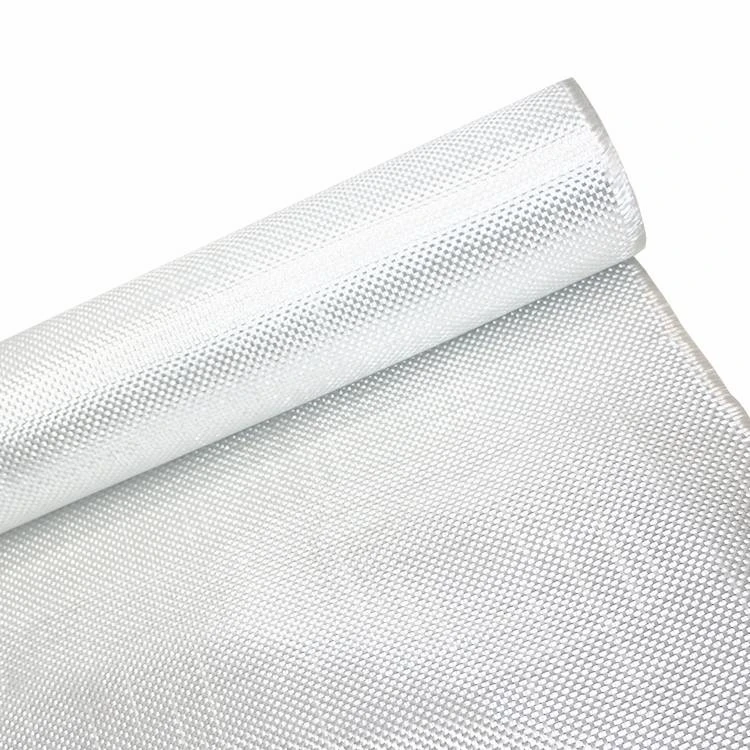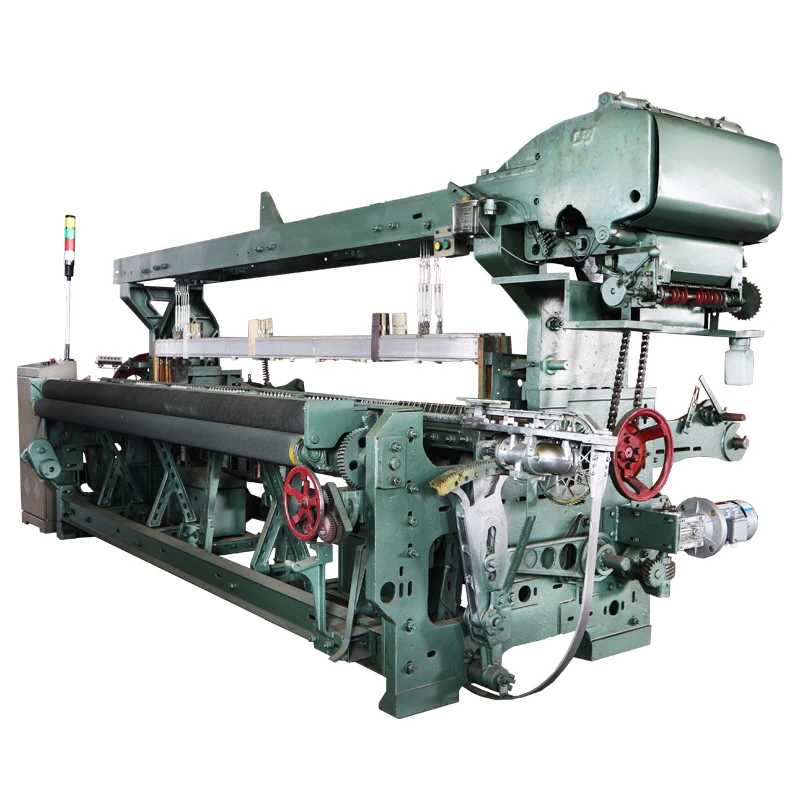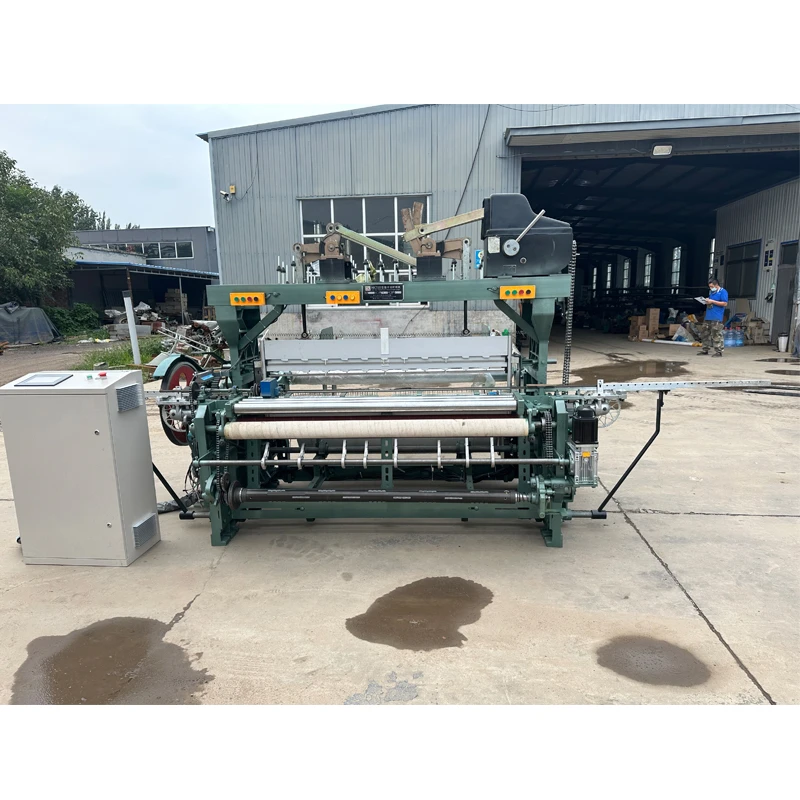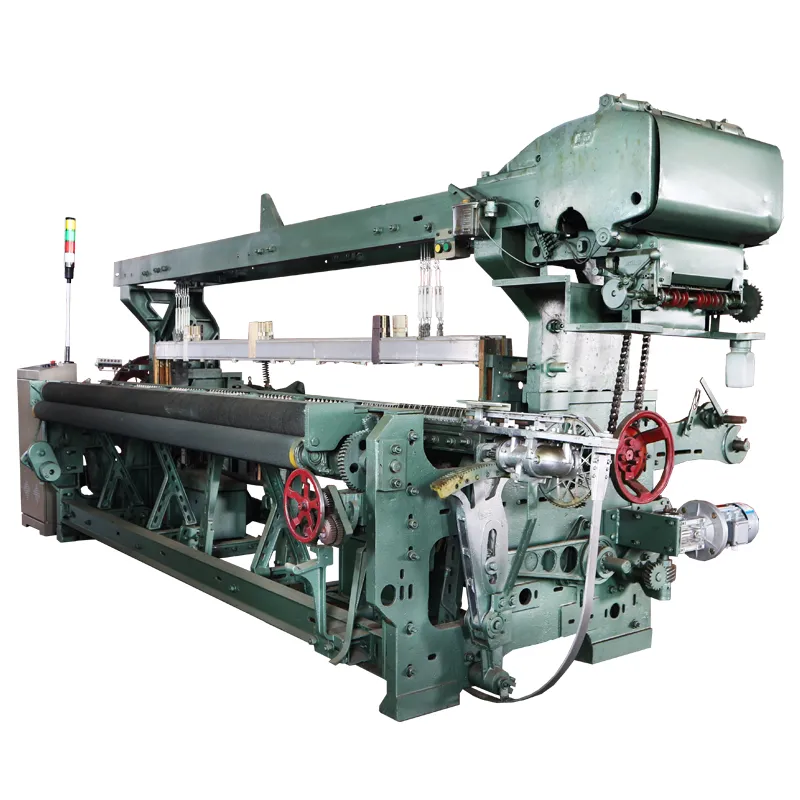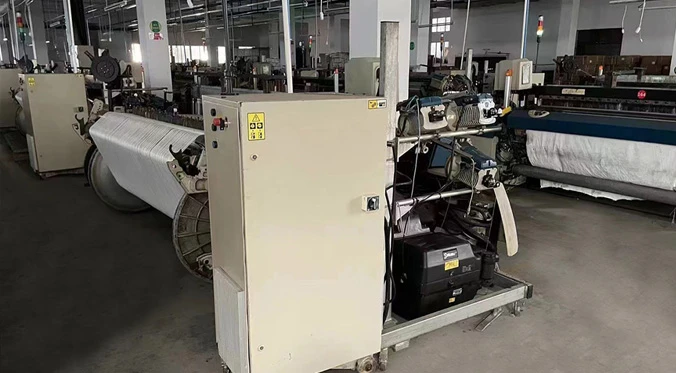



Understanding the Rapier Loom Machine: A Textile Technology Essential
The rapier loom machine isn’t just another piece of industrial equipment; it’s a technological marvel that quietly powers much of the world’s textile industry. Globally, textile manufacturing accounts for a significant chunk of manufacturing GDP, and the efficiency and flexibility of the weaving process directly influence everything from fashion affordability to industrial fabric supply chains.
Understanding rapier loom technology matters because it addresses key industry challenges—flexibility, speed, and fabric quality—in a way that impacts millions of jobs and consumers worldwide. It also holds potential for innovation in sustainability and cost savings that ripple through economies, especially in textile hubs like Asia and Europe. So, let’s explore what makes the rapier loom such a pivotal player in weaving, and why savvy manufacturers keep investing in it.
Introduction: Why the Rapier Loom Machine Commands Global Attention
Textiles represent an estimated 1.7 trillion USD global industry, according to McKinsey’s latest reports, and the weaving stage is a crucial bottleneck for productivity. The rapier loom machine enhances fabric quality and manufacturing flexibility across diverse textiles—from delicate silks to tough industrial fabrics. Considering over 60% of textile production globally still depends on weaving technologies, improvements here can sharply reduce waste and energy consumption.
Yet, one problem remains: traditional looms often lack adaptability for mixed-fiber and high-tech fabrics. Rapier looms, with their advanced shuttle mechanisms, address this by allowing versatile weft insertion, balancing speed with precision. For industry insiders, this means fewer fabric defects, faster machine changeovers, and ultimately, a more profitable operation.
What Exactly Is a Rapier Loom Machine?
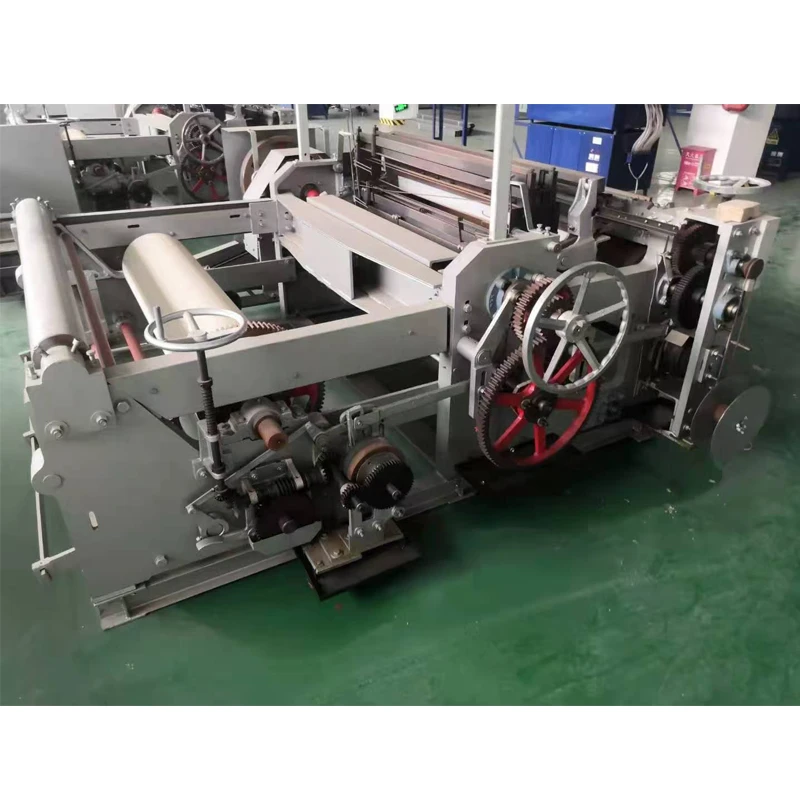
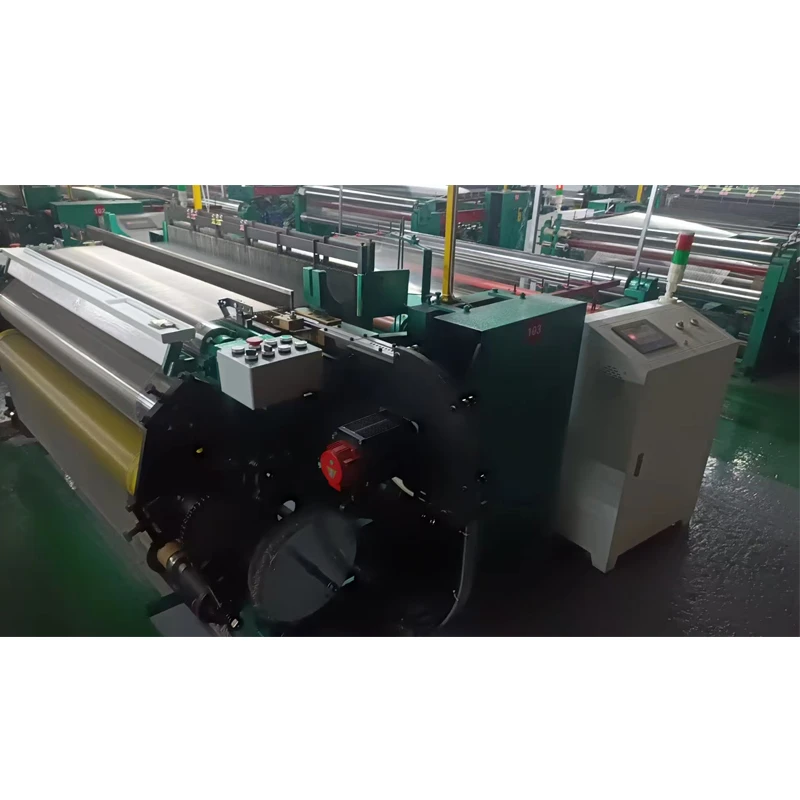
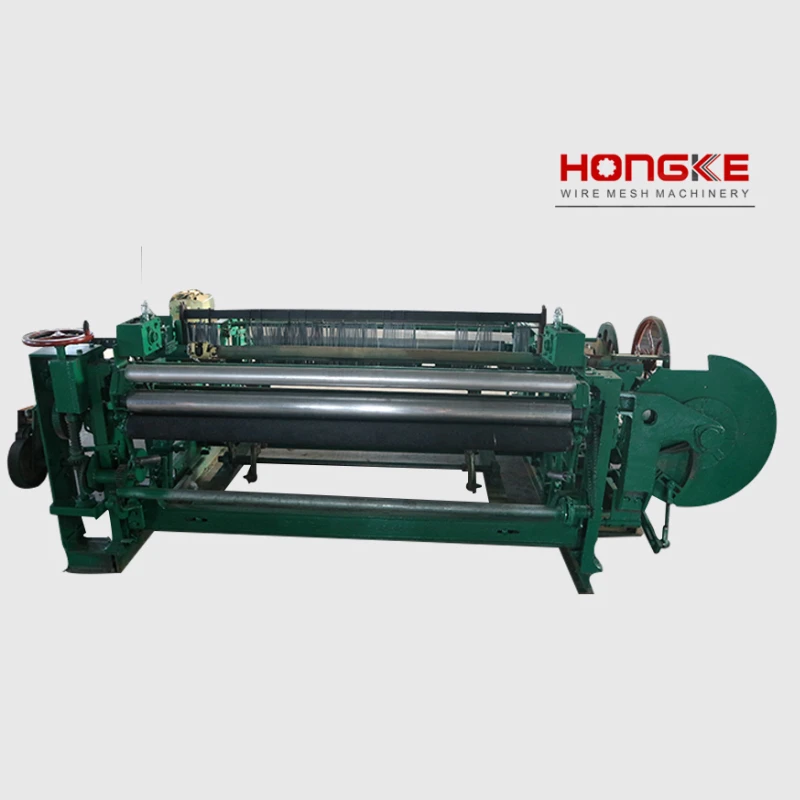
Simply put, a rapier loom is a type of weaving loom that uses thin, piston-like “rapiers” (one or sometimes two) to carry the weft yarn through the warp yarn shed. Think of it as a shuttleless weaving method — unlike the bulky traditional shuttle looms, rapier looms use these precise grippers to insert the weft thread faster and more delicately.
This technology connects deeply with modern industry demands. Its flexibility supports various yarn types and fabric widths, making it essential for producing everything from high-fashion textiles to industrial filters and automotive fabrics. Frankly, without rapier looms, producing multi-material complex woven products would be far more difficult and less efficient.
Key Factors Driving Rapier Loom Machine Success
1. Durability and Reliability
Rapier looms are engineered for long years of continuous operation, handling high speeds without compromising quality. Their parts are typically made of hardened steels and specialized alloys that resist wear and tear, essential in large-scale manufacturing.
2. Flexibility across Fabric Types
The unique weft insertion method lets manufacturers work with a wide range of yarns, from delicate cottons to technical synthetics. This adaptability reduces downtime—a crucial factor when switching product lines.
3. Speed and Precision
While not the fastest shuttleless loom type (air-jet looms can top speeds on some counts), rapier looms strike an excellent balance. Their control systems enable precise placement of weft threads — vital for complex patterns or high-density fabrics.
4. Energy Efficiency
Compared to older shuttle looms, rapier looms consume less energy because they avoid the heavy inertia of bulky shuttles, meaning they start and stop with less power expenditure. This is a meaningful advantage worldwide, especially with rising energy costs.
5. Ease of Maintenance
The mechanical simplicity, combined with modular parts, means upkeep is generally straightforward when proper training is invested. This lowers downtime and keeps the workflow smoother.
Rapier Loom Machine Specifications
| Specification | Details |
|---|---|
| Weaving Width | Up to 320 cm |
| Max Weaving Speed | 600 picks per minute |
| Rapier Type | Single or Double Rapier |
| Power Consumption | Approx. 4-6 kW |
| Applicable Fabrics | Cotton, synthetics, technical textiles |
| Automation Level | Semi to fully automated |
Comparing Leading Rapier Loom Machine Vendors
| Vendor | Speed (ppm) | Fabric Width | Automation | Energy Use (kW) | Notable Feature |
|---|---|---|---|---|---|
| Vendor A | 600 | 300 cm | Full | 5 kW | Automatic Rapier Cleaning |
| Vendor B | 550 | 320 cm | Semi | 4.5 kW | Enhanced Weft Control System |
| Vendor C | 580 | 310 cm | Full | 6 kW | Integrated IoT Monitoring |
Global Applications and Use Cases
Rapier loom machines find their way into various significant applications:
- Garment Manufacturing in Asia: Factories in Bangladesh, India, and Vietnam rely on these looms to handle mixed fibers for fast-fashion fabrics, balancing speed and fabric quality to keep up with market demands.
- Automotive Fabrics in Europe: The production of seat covers and airbags calls for precision weaving that rapier looms provide, ensuring durability and safety compliance.
- Industrial Textiles Worldwide: Filters, conveyor belts, and other industrial materials require heavy-duty fabric structures. Rapier looms' robustness and adaptability make them ideal here.
- Post-Disaster Relief: Oddly enough, some relief organizations use fabrics woven on rapier looms for durable temporary shelters and protective gear, showing the humanitarian side of textile tech.
For those interested, more details on specialized textiles can be found through resources like the Wikipedia Textile Manufacturing overview.
Advantages and Long-Term Value of Rapier Loom Technology
From both a practical and emotional perspective, the benefits stack up:
- Cost Efficiency: Lower waste and less downtime mean better margins.
- Sustainability: Energy savings and adaptability to recycled yarns reduce environmental impact.
- Reliability: Reduced machine stoppages lead to consistent delivery, building trust with clients.
- Innovation: Supporting complex textiles fuels innovation in technical fabrics.
- Worker Safety and Dignity: Less heavy shuttle handling means a safer, more comfortable work environment.
These factors combine to make the rapier loom machine a resilient backbone technology for textile manufacturers — large and small.
Future Trends and Innovations
Looking ahead, the rapier loom machine is evolving rapidly:
- Digital Control & IoT: Real-time monitoring and adaptive speed control improve efficiency and predictive maintenance.
- Green Materials: Machines are being optimized for eco-friendly yarns, including recycled and bio-based fibers.
- Automation: More integration with robotics for loading and quality inspection is reducing human error.
- Sustainability Policies: With global pressure on textile supply chains to decarbonize, rapier loom producers are focusing on energy-saving technologies.
Challenges and Expert Solutions
Despite its strengths, rapier loom technology isn’t without hurdles:
- Initial Investment: The upfront cost can be high for smaller manufacturers.
- Operator Skill Requirements: Skilled labor is needed to maintain and optimize operation.
- Energy Use: Though efficient, there’s always room to improve power consumption.
- Technical Yarn Handling: Very specialty yarns sometimes still challenge weft insertion mechanisms.
Experts suggest modular machinery upgrades, hands-on worker training, and digital support tools as key strategies to overcome these obstacles. Industry partnerships and ongoing R&D keep pushing improvements.
FAQ: Frequently Asked Questions About Rapier Loom Machine
- Q1: How does a rapier loom differ from an air-jet loom?
- A rapier loom uses a mechanical arm (rapier) to insert the weft yarn, allowing for greater fabric flexibility and suitability for delicate or varied yarns. Air-jet looms use compressed air for weft insertion—faster but less gentle, and less suited to heavy or delicate yarns.
- Q2: What maintenance is required to keep a rapier loom running smoothly?
- Regular lubrication of moving parts, timely replacement of damaged rapiers, and periodic calibration of tension and weft insertion systems are vital. Following manufacturer guidelines and operator training greatly reduce downtime.
- Q3: Can rapier looms handle technical textiles?
- Yes, these looms are often favored for technical textiles because their weft insertion offers better control, which is critical when weaving high-performance fibers for automotive, medical, or aerospace applications.
- Q4: Is it easy to switch fabric types on a rapier loom?
- Thanks to the versatility of the rapier insertion system, changing fabric types or yarns requires less machine adjustment than shuttle looms. Some downtime is inevitable for yarn tension and reed changes, but overall flexibility is a strong suit.
Conclusion: Why Rapier Loom Machines Are Investment Worthy
In real terms, the rapier loom machine is a linchpin technology in globally significant textile production. Its blend of adaptability, efficiency, and quality enhancement makes it indispensable for manufacturers aiming to remain competitive and sustainable in a fast-evolving market. Whether you operate a large mill or a specialized textile workshop, investing in this technology pays dividends—not just financially, but in terms of environmental impact and workplace safety.
Interested in learning more or upgrading your weaving capabilities? Visit us at rapier loom machine for detailed information and expert consultation.
Quick takeaway: Understanding and adopting rapier loom technology can future-proof your textile manufacturing and open doors to innovation.