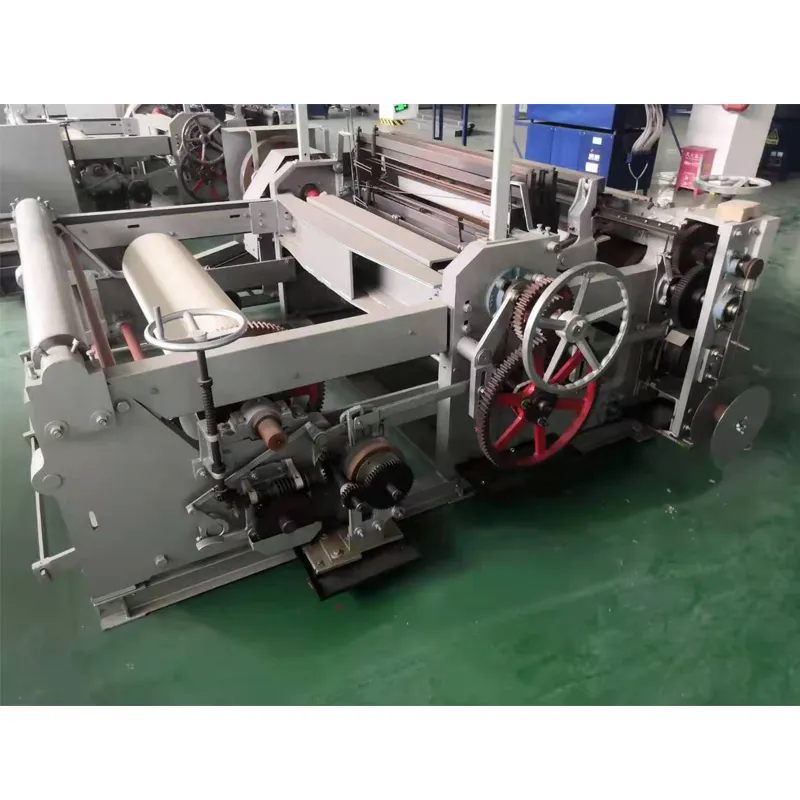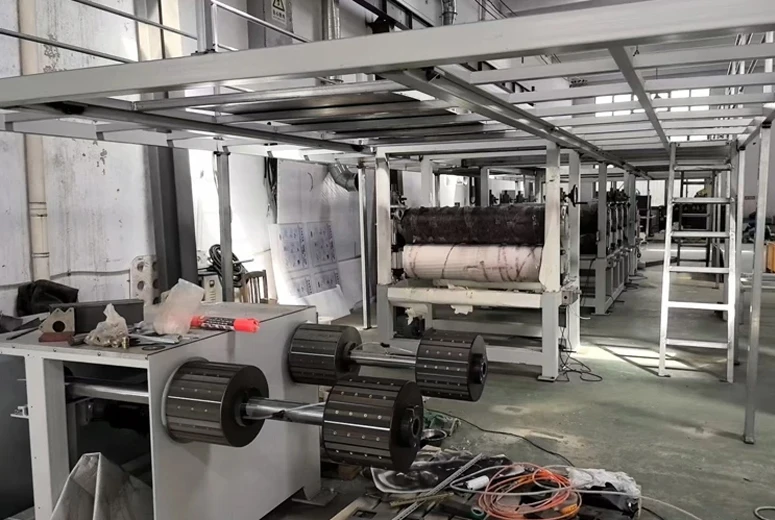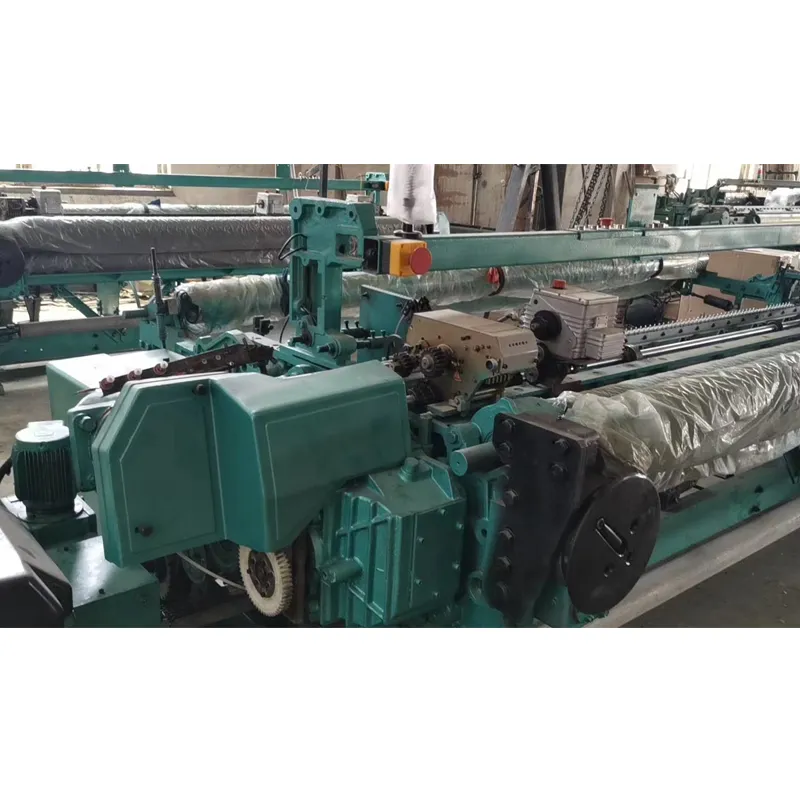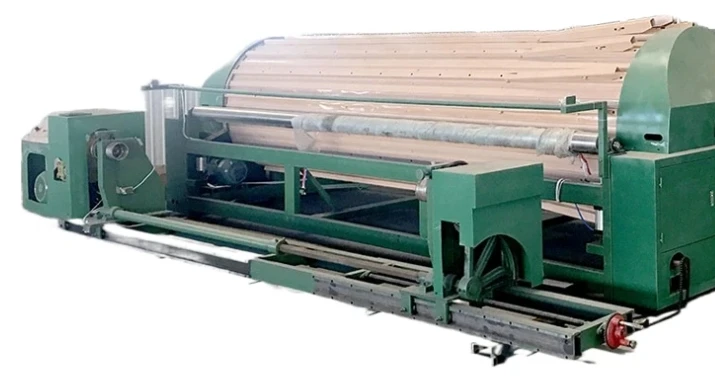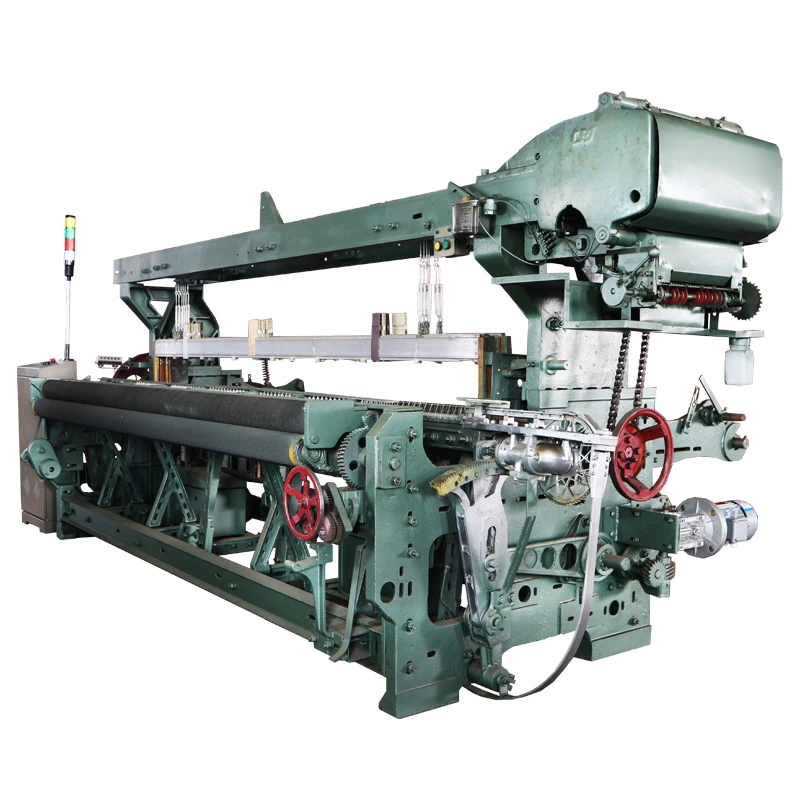



Understanding Fiberglass Loom: A Backbone to Modern Industry and Infrastructure
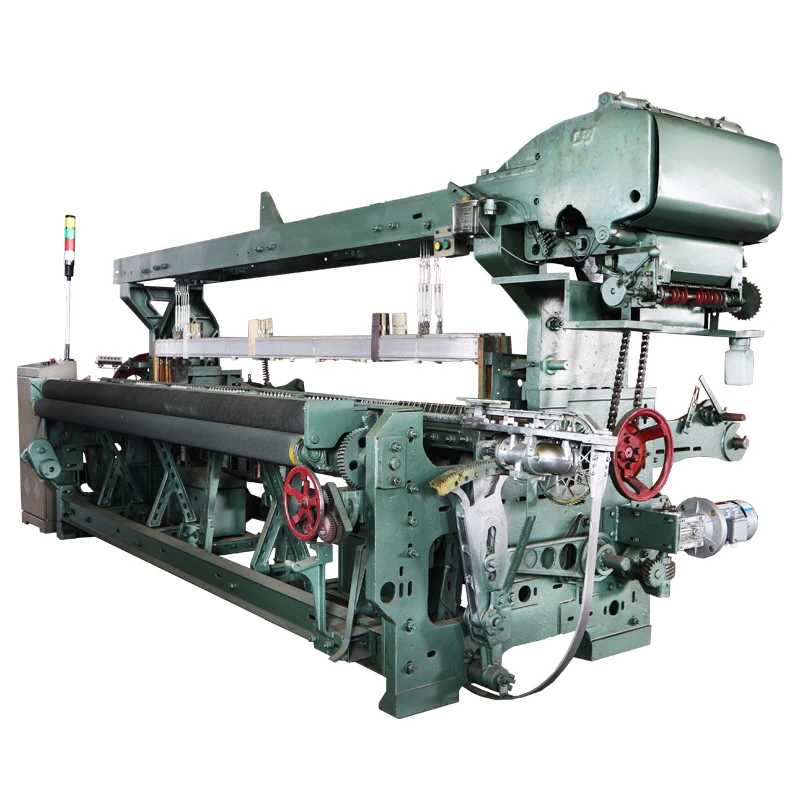
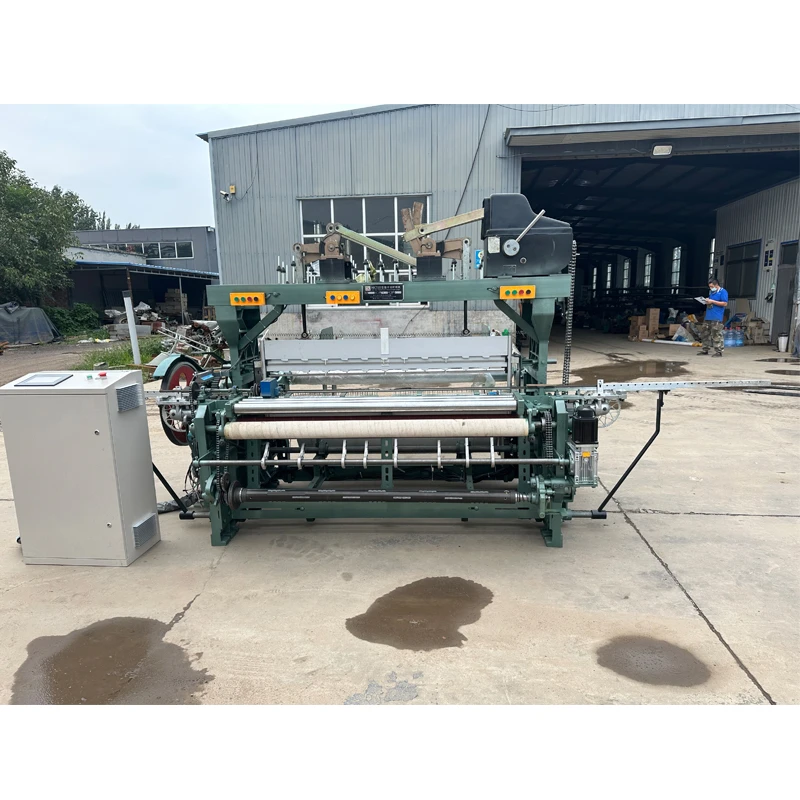
Fiberglass loom sounds a bit niche at first, but it quietly underpins countless modern advancements we often take for granted. Globally, this industrial staple addresses big challenges — from sustainable construction to reliable infrastructure in remote areas. Simply put, mastering what fiberglass loom is and why it matters gives us insight into how materials science is quietly engineering the future.
Introduction: The Global Relevance of Fiberglass Loom
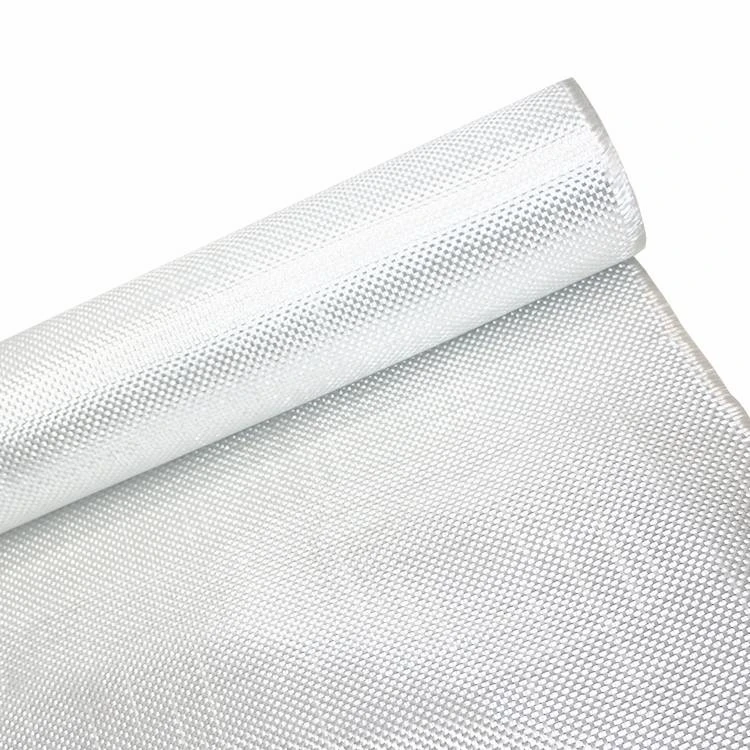
The fiberglass industry was valued at around $12.5 billion in 2022 and is projected to grow steadily as industries seek materials that combine performance with sustainability (Statista). Fiberglass loom — the woven mesh of glass fibers — plays a pivotal role in this sector. The United Nations’ sustainable development goals (SDGs) emphasize resilient infrastructure and innovation, making fiberglass loom's lightweight, durable attributes essential in numerous applications.
But here’s the problem: many regions struggle with traditional materials that are either too heavy, corrosive, or costly. Fiberglass loom offers a lightweight, corrosion-resistant, and cost-effective alternative, which frankly can be a game-changer in construction, automotive parts, and even humanitarian relief efforts.
What Is Fiberglass Loom?
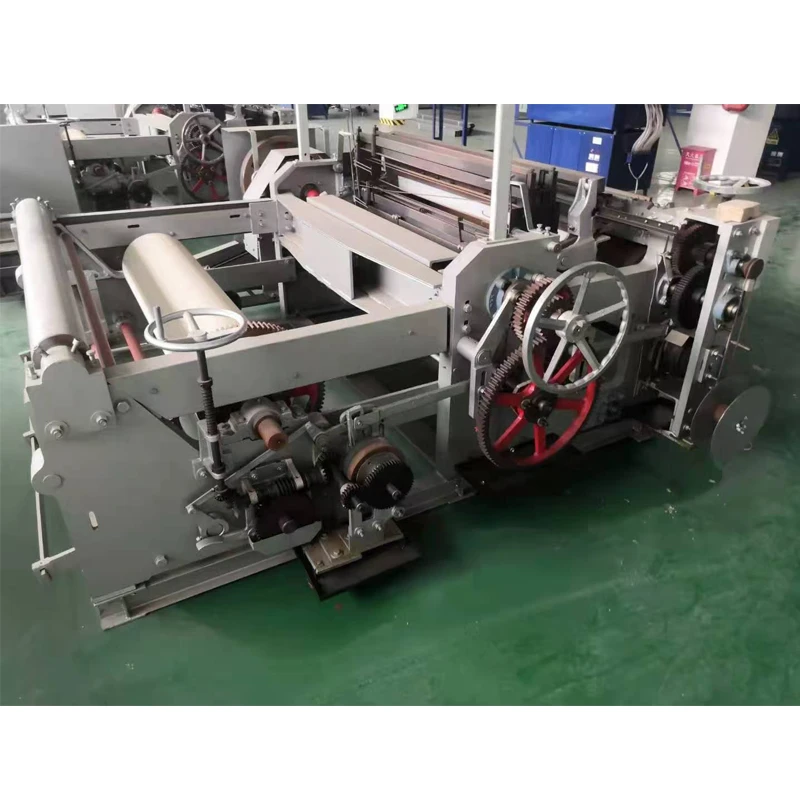
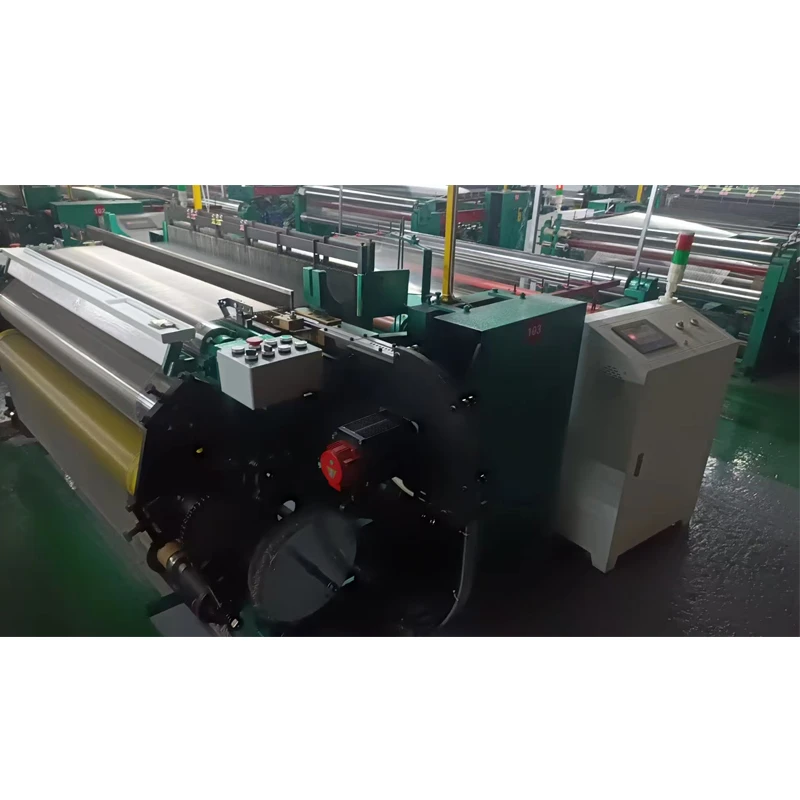
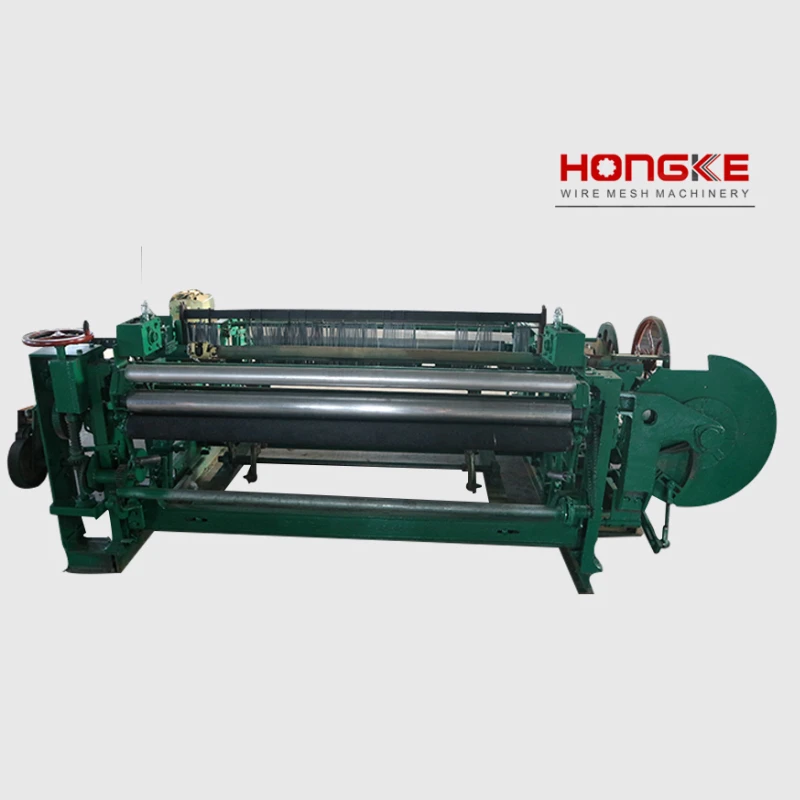
At its core, fiberglass loom is a woven sheet made of very fine glass fibers. Think of it like a fabric, but instead of cotton or polyester, it’s composed of glass threads arranged in a loom pattern. This structural weave gives it strength and flexibility, and when combined with resins, it creates robust composites widely used in industries such as aerospace, construction, and marine manufacturing.
Its importance isn’t just technical — it supports global efforts to create stronger, lighter, and more sustainable infrastructure. For example, in humanitarian housing solutions, fiberglass loom reinforcements can produce temporary shelters that are durable but easy to transport and assemble.
Key Features of Fiberglass Loom
1. Durability
Fiberglass loom’s tensile strength helps resist cracking and deformation under stress, making it ideal for reinforcing materials exposed to harsh environments.
2. Lightweight Design
Compared to traditional steel mesh, fiberglass loom weighs a fraction, which cuts shipping costs and eases installation — very handy for remote-site projects.
3. Corrosion Resistance
Unlike steel that rusts, fiberglass loom withstands moisture, chemicals, and UV radiation, extending product lifespans and cutting maintenance needs.
4. Cost Efficiency
While initial costs might seem higher than plain steel mesh, the reduced upkeep and improved durability offer savings in the medium to long term.
5. Scalability
Fiberglass loom can be custom-produced in different widths, thicknesses, and weave patterns to fit a variety of project requirements.
Essential Technical Specifications of Fiberglass Loom
| Specification | Typical Value | Units |
|---|---|---|
| Weave Type | Plain / Twill | - |
| Fiber Diameter | 10-15 | microns |
| Tensile Strength | 3500–5600 | MPa |
| Weight | 200-400 | g/m² |
| Operating Temp. Range | -60 to 480 | °C |
Global Applications & Use Cases
Fiberglass loom finds itself everywhere — from bridges in Europe to boat hulls in Southeast Asia. For instance, in post-disaster relief operations in the Caribbean, fiberglass loom-reinforced materials have enabled rapid construction of shelters that resist harsh weather.
Industrial zones in harsh climates of Central Asia employ fiberglass loom composites to ensure pipelines and equipment last longer without rusting. The automotive sector increasingly uses fiberglass loom in panels and internal structures to reduce vehicle weight and improve fuel efficiency — a nod towards eco-friendly innovation.
And oddly enough, renewable energy industries, especially wind turbine manufacturers, rely on fiberglass loom-reinforced composites for blades that demand high strength but minimal weight.
Vendor Comparison Table for Fiberglass Loom Providers
| Vendor | Product Range | Customization | Lead Time | Pricing Level |
|---|---|---|---|---|
| Aphk Machinery | Standard & Custom Fiberglass Looms | Yes, wide options | 2-4 weeks | Moderate |
| Global FiberTech | Premium High-Strength Looms | Limited | 3-6 weeks | High |
| EcoWeave Fiberglass | Eco-friendly Variants | Yes, partial | 4-5 weeks | Moderate-High |
Advantages & Long-Term Value
- Cost-Effectiveness: Reduced maintenance and longer lifespan lower total costs.
- Environmental Sustainability: Lightweight, recyclable, often compatible with green composites.
- Social Impact: Enables safe, quick construction in disaster zones, preserving safety and dignity.
- Reliability: Resists corrosion, UV, and chemicals, ensuring consistent performance.
It’s easy to forget that these materials don’t just save money — for people living in vulnerable areas, durable fiberglass-reinforced structures can mean stability and hope.
Future Trends & Innovations
The future is definitely bright — and fiberglass loom is following suit with innovations such as bio-based glass fibers, hybrid composites combining carbon and glass, and integration with digital textile manufacturing. These advances are making products lighter and greener. Automation in production lines also ensures tighter quality control and faster delivery times.
Demand is growing for materials that align with circular economy principles; fiberglass loom innovations seek to minimize waste and maximize recyclability. Plus, as renewable energy scales up, expect more fiberglass loom use in larger and more efficient wind and solar structural components.
Common Challenges & Solutions
Of course, fiberglass loom isn’t a silver bullet. It can be brittle if improperly handled, and resin compatibility must be chosen carefully to avoid delamination. Some industries raise concerns about the recyclability of fiberglass composites, though solutions are emerging.
Experts recommend investing early in design-stage testing and partnering with experienced manufacturers like fiberglass loom suppliers who provide robust quality assurance. Research into thermoplastic resins also promises better recyclability and easier repairs.
FAQ: Common Questions About Fiberglass Loom
- What industries benefit most from fiberglass loom?
- Fiberglass loom is widely used in construction, automotive, aerospace, marine, and renewable energy sectors due to its strength, lightweight, and corrosion resistance.
- Can fiberglass loom withstand extreme weather conditions?
- Yes, its resistance to UV, moisture, and chemical exposure makes it suitable for harsh climates and outdoor applications.
- Is it easy to customize fiberglass loom for specific projects?
- Definitely. Manufacturers offer various weave types, weights, and widths to meet project requirements, allowing tailored solutions.
- How does fiberglass loom compare to traditional steel mesh?
- Fiberglass loom is lighter, corrosion-resistant, and offers longer life spans though may involve slightly higher upfront costs.
- Where can I purchase high-quality fiberglass loom?
- Trusted suppliers like Aphk Machinery provide both standard and custom fiberglass loom products with reliable delivery and support.
Conclusion: Embracing Fiberglass Loom for a Stronger Tomorrow
To sum it up, fiberglass loom stands as a critical component driving innovation across industries. Its blend of strength, durability, and environmental resilience offers tangible benefits for builders, manufacturers, and communities alike. Whether you're involved in infrastructure, industrial equipment, or humanitarian projects, understanding and integrating fiberglass loom can yield both technical advantages and social impact.
Curious to explore what the best fiberglass loom solutions can do for your projects? Visit our website: fiberglass loom to learn more and get in touch with experts ready to help.
Oddly enough, the modest fiberglass loom might just be one of the most unsung heroes of our industrial age...