


Introduction to Mesh Wire Loom Technology and Industry Trends
In the realm of advanced manufacturing, the mesh wire loom stands as a cornerstone technology, enabling the production of versatile woven wire mesh used across an extensive array of industrial applications. These sophisticated machines are pivotal for creating durable, precise, and high-performance mesh products essential for filtration, separation, reinforcement, and aesthetic purposes. The global demand for woven wire mesh continues its upward trajectory, driven by robust growth in sectors such as oil & gas, petrochemical, automotive, construction, and environmental engineering. Market analysis indicates a Compound Annual Growth Rate (CAGR) exceeding 4% for the industrial wire mesh market from 2023 to 2030, underscoring the critical role of efficient and reliable weaving machinery.
Contemporary industry trends highlight a distinct shift towards full automation, enhanced precision, and greater material versatility in weaving technology. Manufacturers are increasingly seeking solutions that can handle a wider range of metallic alloys, from standard stainless steel to specialized high-nickel alloys, while maintaining stringent quality standards. Furthermore, the integration of IoT and AI for predictive maintenance and operational optimization is becoming a key differentiator, contributing to reduced downtime and increased productivity. This evolution necessitates advanced metal wire mesh weaving machine capabilities that are not only faster and more efficient but also capable of producing intricate and consistent mesh patterns to meet evolving design and performance specifications.
The Manufacturing Process of a Mesh Wire Loom
The creation of a high-performance mesh wire loom is a complex engineering feat, integrating advanced materials science with precision manufacturing processes. The machine itself is a testament to mechanical engineering, designed for extreme durability, accuracy, and operational longevity.
1. Materials Selection and Preparation:
The structural integrity of a weaving machine relies on selecting robust, high-grade materials. Key components such as the main frame, crankshafts, cams, and shuttle mechanisms are typically crafted from specialized alloy steels (e.g., Cr-Mo steel, high-tensile structural steel) known for their exceptional strength, wear resistance, and fatigue life. Bearings and critical moving parts often incorporate hardened steel or ceramic composites for enhanced longevity and reduced friction.
2. Core Component Fabrication:
- Casting and Forging: Large structural elements and high-stress components begin as precisely cast or forged blanks. This process ensures optimal grain structure and eliminates internal defects, providing the foundational strength required for continuous high-speed operation.
- CNC Machining: Following initial shaping, components undergo multi-axis CNC (Computer Numerical Control) machining. This highly precise stage forms intricate geometries, bores, threads, and surface finishes with micron-level accuracy. Critical surfaces are often ground and honed to minimize friction and ensure smooth, consistent motion.
- Heat Treatment: Various heat treatment processes, including carburizing, nitriding, and induction hardening, are applied to specific parts to achieve desired surface hardness, core toughness, and wear resistance, significantly extending the service life of the machine.
- Surface Finishing: Protective coatings, such as specialized paints, powder coats, or even electrochemical treatments, are applied to resist corrosion, abrasion, and enhance the machine's longevity in industrial environments.
3. Precision Assembly:
Assembly is performed in controlled environments, with highly skilled technicians meticulously integrating mechanical, electrical, and control systems. Each subsystem, from the warp and weft feeding mechanisms to the take-up and cutting units, is calibrated for optimal performance. Advanced PLC (Programmable Logic Controller) systems are integrated to manage weaving patterns, speed, tension, and safety protocols.
4. Quality Control & Testing Standards:
Every a machine for weaving undergoes rigorous multi-stage testing before deployment. This includes:
- Component-Level Inspection: Dimensional accuracy, material composition, and surface finish checks.
- Sub-Assembly Testing: Functional tests of individual modules like the shedding mechanism, beating-up system, and warp let-off.
- Full Machine Run-in: Extended operational tests under various load conditions, simulating real-world production. This evaluates weaving speed consistency, mesh quality, and energy consumption.
- Compliance Certifications: Adherence to international standards such as ISO 9001 for quality management and CE marking for European safety and environmental standards. Performance metrics like noise levels (EN ISO 3744), vibration (ISO 10816), and electrical safety (IEC 60204-1) are strictly monitored.
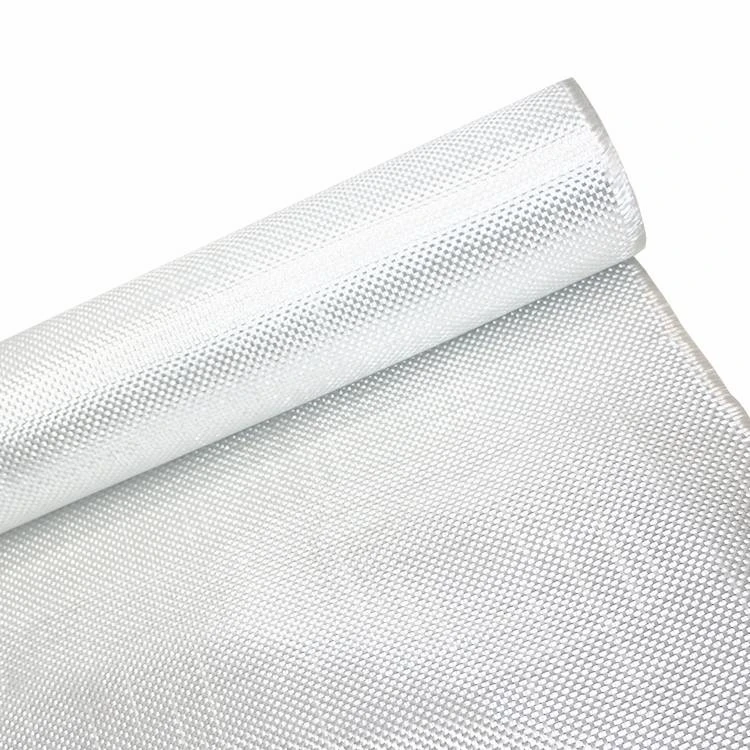
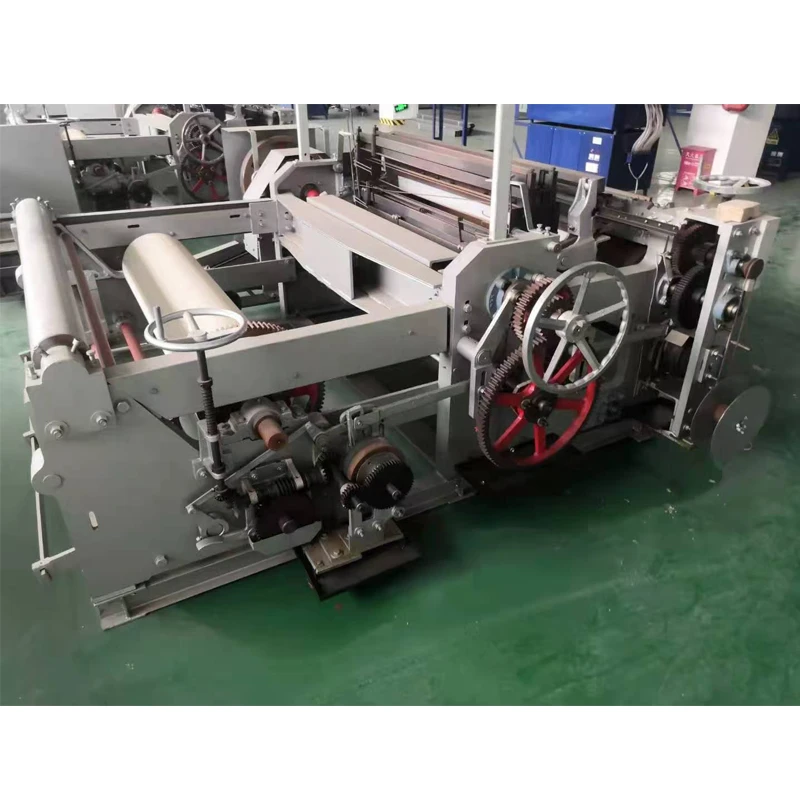
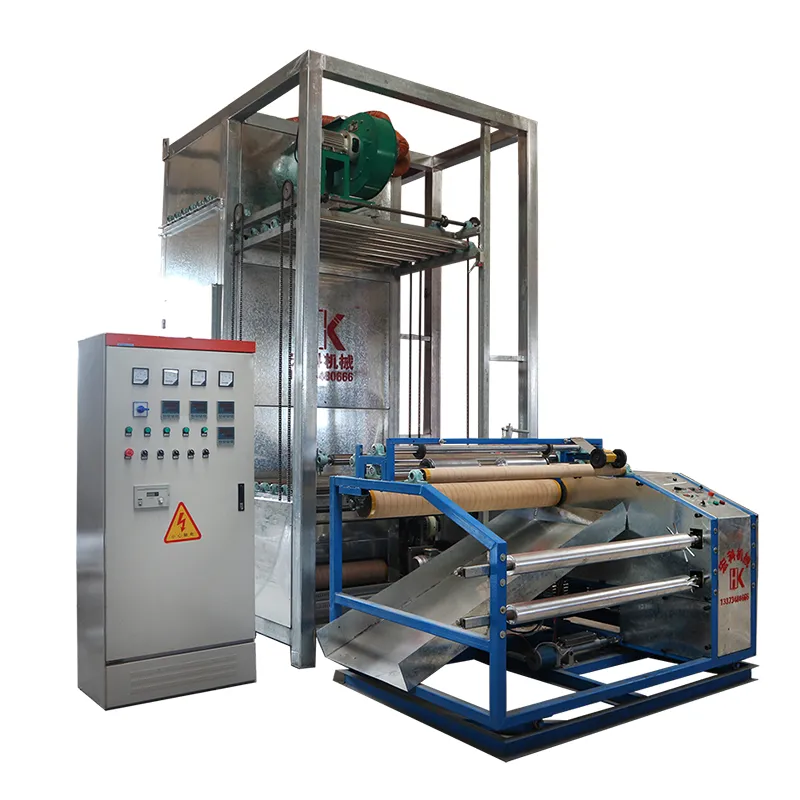
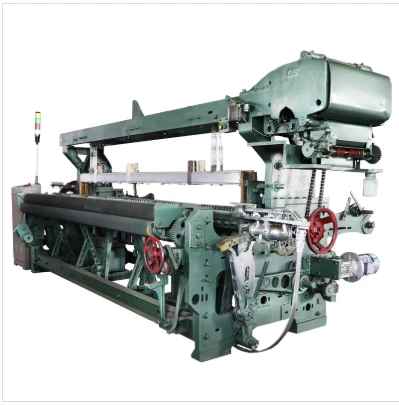
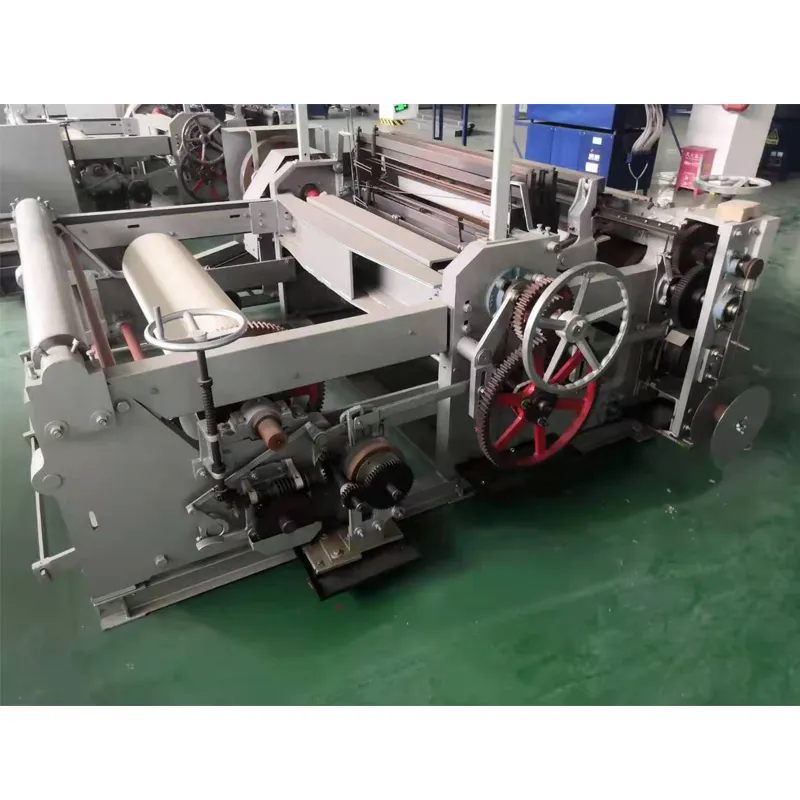
Figure 1: Precision engineering of a mesh wire loom component.
The resulting machine is engineered for a service life of 15-20 years with proper maintenance, capable of continuous 24/7 operation. Target industries benefitting from the mesh produced by these machines include petrochemical, metallurgy, water supply & drainage, mining, and food processing, where advantages such as energy saving in filtration processes and corrosion resistance of the produced mesh are paramount.
Technical Specifications: Full Automatic Wire Mesh Weaving Machine
The Full Automatic Wire Mesh Weaving Machine represents the pinnacle of modern weaving technology, designed for high-volume production of precise and durable wire mesh. Understanding its technical specifications is crucial for industries requiring consistent quality and operational efficiency. This stainless steel wire mesh weaving machine, in particular, offers unparalleled performance for demanding applications.
| Parameter | Specification Range / Detail |
|---|---|
| Weaving Width | 1000mm - 3000mm (customizable) |
| Wire Diameter Range | 0.08mm - 6.0mm |
| Mesh Opening (Aperture) | 0.1mm - 100mm |
| Weaving Speed | 60 - 120 strokes/minute (RPM, depending on wire diameter and mesh type) |
| Applicable Materials | Stainless Steel (304, 316, 316L, 310S), Galvanized Steel, Carbon Steel, Copper, Brass, Bronze, Nickel, Titanium, Monel, Inconel. |
| Weave Types Supported | Plain Weave, Twill Weave, Dutch Weave (Plain/Twill), Five-Heddle Weave, Reverse Dutch Weave, Intercrimp, Lock Crimp. |
| Power Consumption | Approx. 7.5 kW - 22 kW (depending on model and weaving load) |
| Control System | PLC with HMI Touch Screen (Siemens/Mitsubishi equivalent) |
| Safety Features | Emergency stop, overload protection, automatic wire break detection, safety interlocks. |
| Machine Dimensions (L x W x H) | Typically 4500-6000mm x 2500-4000mm x 2000-2500mm |
These specifications highlight the advanced capabilities of modern types of weaving machines. The versatility in wire diameter and mesh opening allows for the production of everything from ultrafine filtration media to heavy-duty architectural mesh. The high weaving speed ensures efficient production, while sophisticated control systems guarantee precise pattern adherence and minimal defects, crucial for high-value applications. The ability to handle a broad range of metallic materials makes these machines indispensable for specialized industries where material-specific properties like corrosion resistance, temperature stability, or electrical conductivity are critical.
Technical Advantages and Performance
Modern different types of weaving machines, especially the full automatic models, offer significant technical advantages that translate directly into operational benefits for industries. These advantages are fundamental to achieving superior product quality, cost efficiency, and production flexibility.
- Precision and Uniformity: Equipped with advanced servo motors and precise tension control systems, these machines ensure uniform mesh opening and consistent wire spacing throughout the entire roll of mesh. This eliminates irregularities that can compromise filtration efficiency or structural integrity, a critical factor in applications governed by strict ISO/ASTM standards.
- Automation and Efficiency: Full automation dramatically reduces the need for manual intervention, minimizing labor costs and increasing output. Features like automatic warp and weft wire feeding, automatic stop on wire breakage, and integrated take-up and cutting systems allow for continuous, unattended operation, boosting overall productivity by up to 30% compared to semi-automatic models.
- Material Versatility: The robust design and adaptable weaving mechanisms permit the processing of a wide spectrum of metallic and non-metallic wires. This includes challenging materials like high-strength alloy steels, exotic metals (e.g., Hastelloy, Titanium), and even synthetic fibers, catering to diverse industry requirements for strength, corrosion resistance, or specific thermal properties.
- Energy Efficiency: Optimized motor controls, regenerative braking systems, and lightweight yet strong structural components contribute to reduced power consumption. Modern mesh wire loom designs can achieve energy savings of 15-20% compared to older generations, contributing to lower operating costs and a smaller carbon footprint.
- Durability and Low Maintenance: Constructed from hardened steels and employing advanced bearing technologies, these machines are built for longevity. Integrated diagnostic systems provide real-time performance monitoring, enabling predictive maintenance and minimizing unexpected downtime. Critical components often boast a Mean Time Between Failure (MTBF) exceeding 20,000 hours.
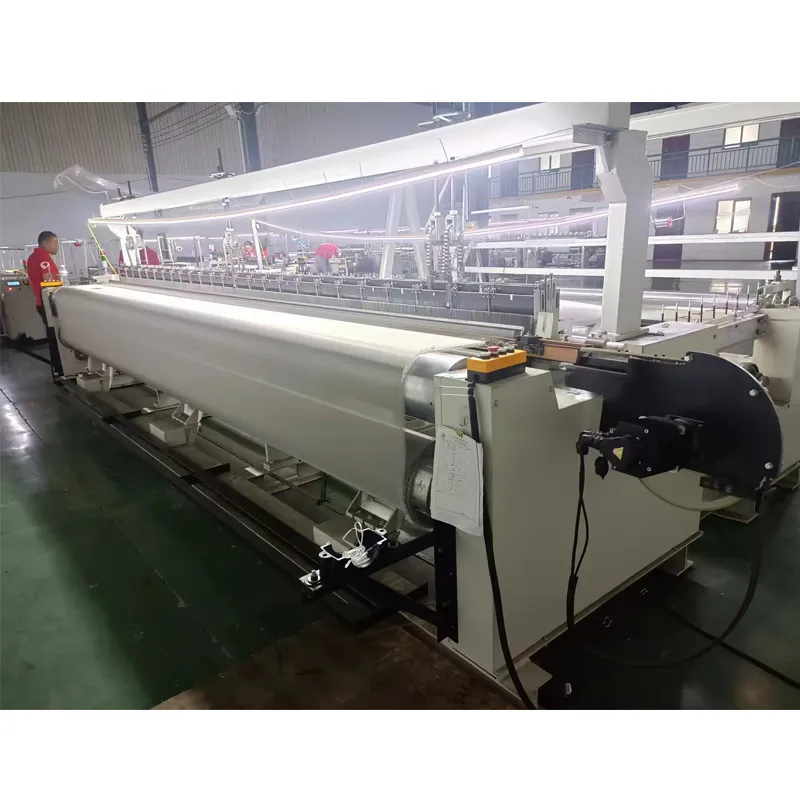
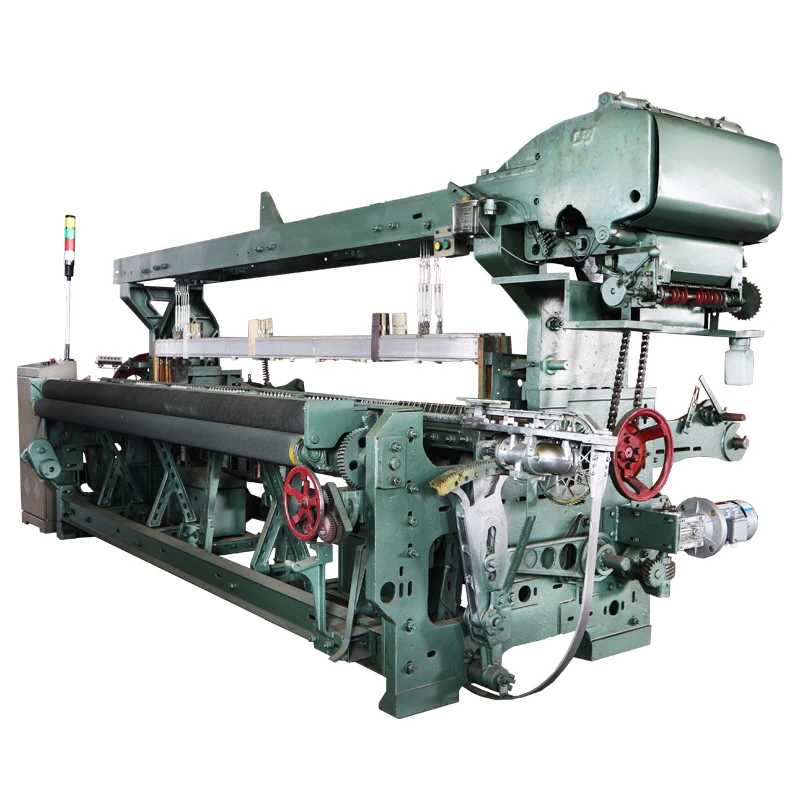
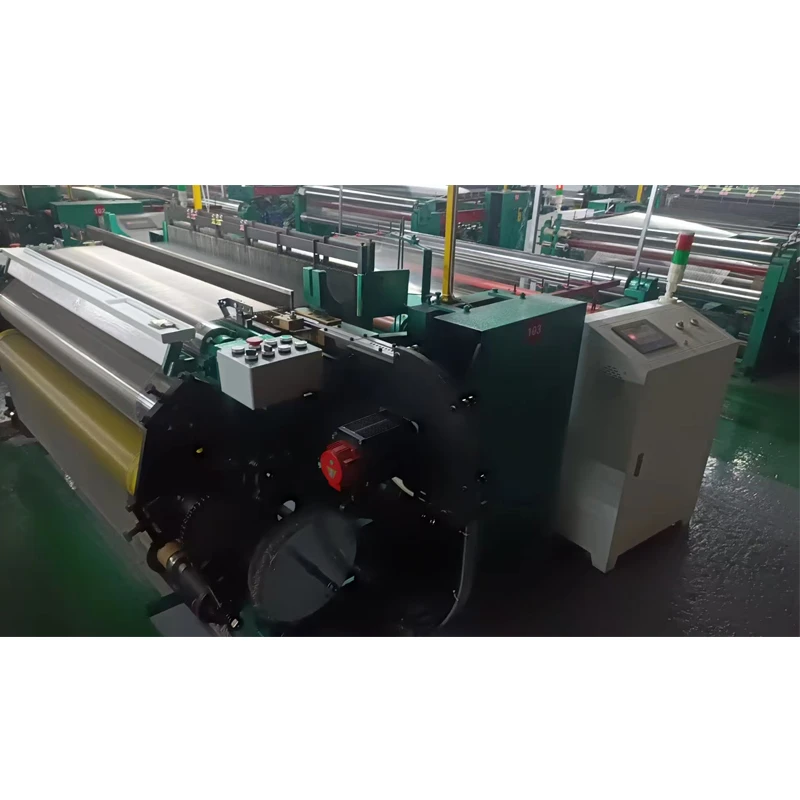
Figure 2: Automated precision weaving for consistent mesh quality.
Application Scenarios and Target Industries
The versatility of wire mesh produced by an advanced mesh wire loom makes it indispensable across a multitude of industries. Its unique properties, from precise filtration to structural reinforcement, provide critical solutions for complex engineering challenges.
Key Application Areas:
- Petrochemical Industry: Wire mesh is widely used for catalyst support grids, gas-liquid separators, demisters, and filtration elements in refineries and chemical plants. Its corrosion resistance (especially stainless steel or exotic alloys) and high-temperature stability are crucial for these demanding environments. For instance, Dutch weave mesh provides fine filtration for crude oil processing, preventing fouling and ensuring product purity.
- Metallurgy and Mining: In these sectors, mesh serves as sieving screens for ore separation, vibrator screens for aggregate classification, and protective barriers. The abrasive resistance and structural strength of the mesh, often produced by heavy-duty metal wire mesh weaving machine models, are paramount.
- Water Supply & Drainage: Filtration is a primary application, with wire mesh used in well screens, strainers, and wastewater treatment systems to remove particulates. The ability to produce mesh with consistent micron ratings ensures efficient and reliable water purification.
- Food & Beverage Industry: Stainless steel mesh is utilized for conveyor belts, drying trays, and filtration in food processing, packaging, and brewing. The hygiene, non-corrosive properties, and ease of cleaning of 304/316L stainless steel mesh are essential.
- Automotive Sector: Mesh finds applications in exhaust system components (e.g., flexible connectors), air filters, and sound insulation. Lightweight yet robust mesh can contribute to fuel efficiency and emission control.
- Construction and Architecture: Decorative and security mesh panels, infill panels for railings, sunshades, and façade cladding showcase the aesthetic and structural capabilities of woven wire. Architectural mesh often requires custom patterns and large panel sizes.
- Pharmaceutical and Medical: Ultra-fine mesh is used in sieving powders, tablet drying, and specialized medical filters where absolute purity and consistent aperture are non-negotiable.
In each of these scenarios, the performance characteristics of the wire mesh – such as pore size, material compatibility, mechanical strength, and corrosion resistance – are directly attributable to the precision and capabilities of the weaving machine that produced it. The ability of a modern a machine for weaving to handle diverse specifications ensures that bespoke solutions can be crafted for specific industrial demands.
Vendor Comparison and Customization Options
Selecting the right mesh wire loom vendor is a strategic decision for any manufacturing operation. Key factors include technological advancement, machine reliability, customization capabilities, and after-sales support. A comparative analysis highlights the distinguishing features that set leading manufacturers apart.
Key Differentiators in Vendor Selection:
- Technological Edge: Leading vendors invest heavily in R&D, offering features like advanced PLC controls, remote diagnostics, and higher weaving speeds.
- Quality and Certifications: Adherence to international standards (e.g., ISO 9001, CE) signifies commitment to quality and safety. Reputable manufacturers often provide test reports for machine components.
- Customization Capability: The ability to tailor machine specifications (weaving width, wire diameter range, weave patterns) to unique production requirements is crucial for specialized applications.
- After-Sales Support: Comprehensive installation, training, spare parts availability, and responsive technical support are vital for minimizing downtime.
- Energy Efficiency: Modern machines from top vendors offer superior energy consumption figures, reducing operational expenditure.
| Feature | APHK Machinery | Generic Competitor A |
|---|---|---|
| Control System | Siemens/Mitsubishi PLC & HMI, Remote Monitoring | Basic PLC, On-site adjustments only |
| Weaving Speed (Max) | Up to 120 strokes/min | Up to 90 strokes/min |
| Wire Diameter Range | 0.08mm - 6.0mm | 0.1mm - 4.0mm |
| Material Versatility | Wide range (Stainless, Alloys, Copper, etc.) | Limited to Stainless & Galvanized Steel |
| Customization | Extensive: width, weave, wire size, automation level | Basic adjustments only |
| Energy Efficiency | High (optimized motors, regenerative braking) | Standard |
| Service & Support | Global, 24/7 online, extensive spare parts | Regional, limited spare parts |
Customized Solutions:
The ability to provide customized types of weaving machines is paramount for addressing niche markets and specialized production needs. Customization can involve:
- Tailored Weaving Widths: From narrow strips for specialized filters to wide panels for architectural mesh.
- Extended Wire Diameter Ranges: For weaving extremely fine or exceptionally heavy gauge wires.
- Specialized Weave Patterns: Development of unique shedding mechanisms for complex weaves (e.g., twilled square, multi-warp weaves) beyond standard offerings.
- Integrated Auxiliary Systems: Such as tension control for delicate materials, automatic cleaning systems, or advanced edge finishing units.
- Environmental Adaptations: Machines designed for operation in extreme temperatures, high humidity, or cleanroom environments.
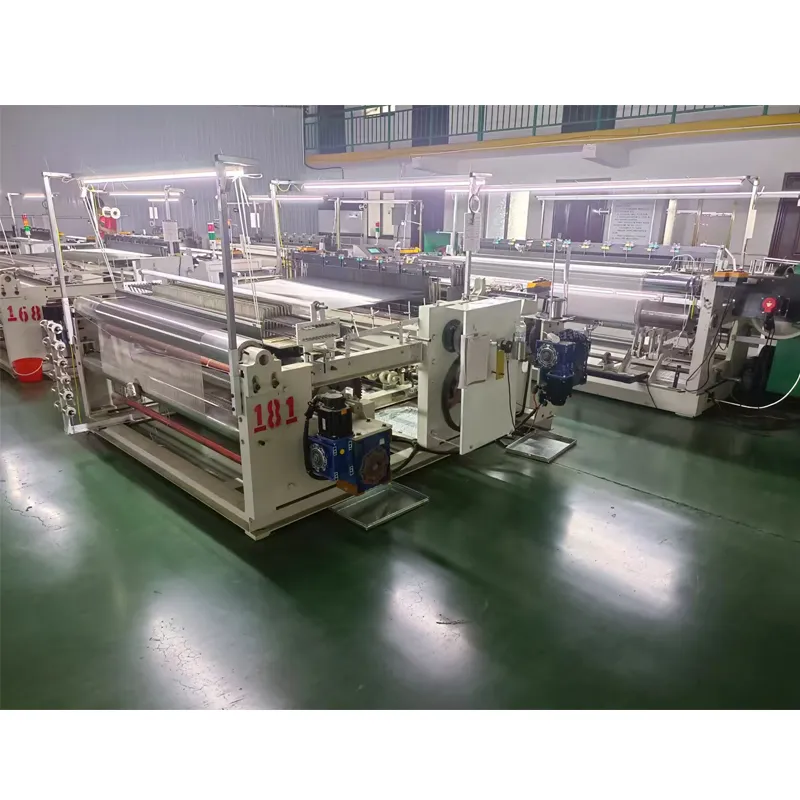
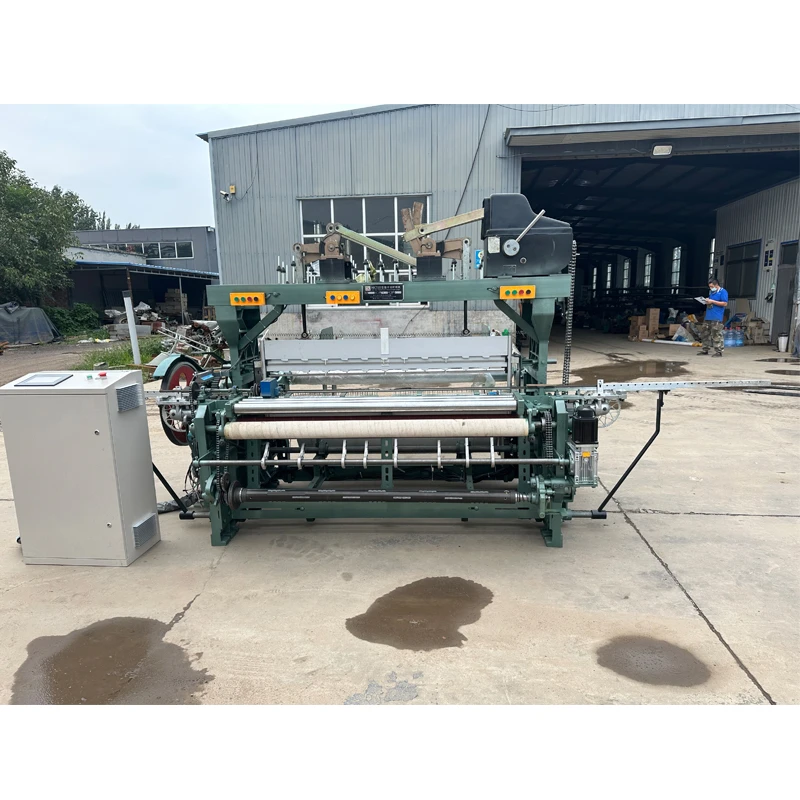
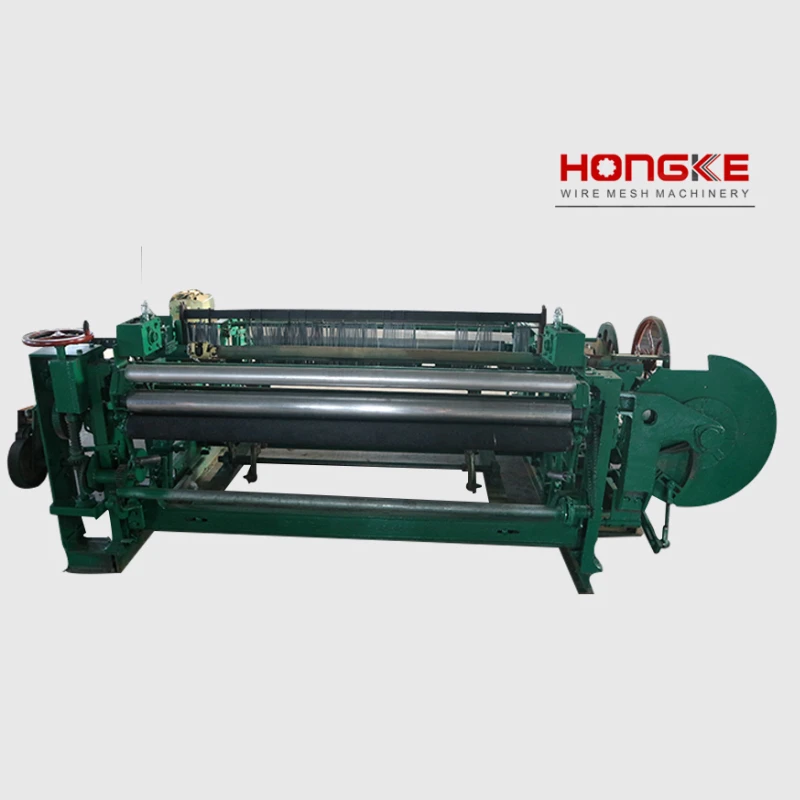
Figure 3: Advanced control panel for a modern mesh wire loom.
Application Case Studies
Real-world applications demonstrate the tangible benefits of investing in a high-quality mesh wire loom. These examples showcase how advanced weaving machines address specific industrial challenges.
Case Study 1: Enhanced Filtration Efficiency for a Petrochemical Giant
A leading petrochemical company in the Middle East faced challenges with inconsistent filtration media for their crude oil refining process, leading to frequent downtime and product contamination. After deploying a customized Full Automatic Wire Mesh Weaving Machine from APHK Machinery, capable of weaving precise Dutch weave 316L stainless steel mesh with a 200-micron absolute rating, they observed significant improvements.
- Outcome: Filter replacement frequency reduced by 40%, leading to annual operational savings of over $500,000. Product purity increased, resulting in higher market value for refined products.
- Key Advantage: The machine's advanced tension control and auto-correction features ensured unparalleled mesh uniformity, critical for high-stakes filtration.
Case Study 2: High-Volume Production of Architectural Mesh for a Landmark Project
An architectural firm undertaking a major urban redevelopment project required large quantities of custom-patterned stainless steel mesh for building facades and interior design elements. Their existing equipment lacked the capacity and precision for the intricate designs and wide formats needed. APHK provided a specialized metal wire mesh weaving machine with an extra-wide weaving capability (3.2m) and a programmable pattern generator.
- Outcome: Production targets were met 2 months ahead of schedule, facilitating timely project completion. The aesthetic quality and consistency of the mesh received critical acclaim.
- Key Advantage: The machine’s robust frame and precise shuttle movement enabled seamless weaving of complex patterns over large widths, minimizing seams and ensuring visual continuity.
Case Study 3: Increased Throughput for a Global Sieve Manufacturer
A manufacturer of laboratory and industrial sieves sought to increase production throughput and improve the precision of their ultrafine mesh products. They traditionally used older, slower types of weaving machines. The introduction of APHK’s latest Full Automatic Wire Mesh Weaving Machine, featuring enhanced weaving speeds and advanced automated tensioning, revolutionized their operation.
- Outcome: Achieved a 60% increase in daily mesh production for their popular 400-mesh and 600-mesh product lines. Rejected mesh rates due to inconsistencies dropped from 5% to under 1%.
- Key Advantage: The machine's capability to maintain extreme precision at higher speeds, combined with automatic error detection, was instrumental in both quantity and quality improvements.
Frequently Asked Questions (FAQ)
Q: What is the typical lead time for a Full Automatic Wire Mesh Weaving Machine?
A: Standard models typically have a lead time of 60-90 days from order confirmation to shipment. Custom configurations may extend this to 120-150 days, depending on complexity and specific component sourcing. We provide transparent updates throughout the manufacturing process.
Q: What kind of warranty is offered with your mesh wire loom?
A: All our Full Automatic Wire Mesh Weaving Machines come with a comprehensive 1-year warranty on all major mechanical and electrical components. Extended warranty options and service contracts are available for enhanced peace of mind. Specific wear parts are covered under a limited warranty.
Q: Can your machines handle exotic materials like titanium or superalloys?
A: Yes, our advanced stainless steel wire mesh weaving machine models are designed with reinforced components and specialized feeding systems to handle a wide range of exotic and high-strength alloys, including Titanium, Monel, Inconel, and Hastelloy. Material compatibility is a key consideration during the consultation phase to ensure optimal machine configuration.
Q: What kind of after-sales support and technical assistance do you provide?
A: We offer extensive after-sales support, including remote diagnostics, online technical assistance, and on-site engineer visits for installation, commissioning, and training. Our global network ensures prompt response and efficient resolution of any technical issues. A comprehensive spare parts inventory is maintained for quick dispatch.
Trustworthiness, Support, and Certifications
At APHK Machinery, our commitment to customer satisfaction extends beyond delivering cutting-edge mesh wire loom technology. We prioritize building long-term partnerships through transparent processes, robust support, and adherence to global quality standards.
Lead Time & Fulfillment:
We maintain efficient production lines and supply chain management to ensure competitive lead times for our Full Automatic Wire Mesh Weaving Machines. Our fulfillment process includes detailed project planning, regular communication, and rigorous pre-shipment inspections to ensure machines arrive ready for installation and immediate operation. We offer various shipping options to meet client timelines and logistical requirements worldwide.
Warranty Commitments:
Each machine is backed by a robust warranty, reflecting our confidence in product quality and durability. Our standard warranty covers manufacturing defects and component failures under normal operating conditions. Detailed warranty terms and conditions are provided with every quotation, ensuring clarity and trust.
Customer Support & After-Sales Service:
Our dedicated customer support team provides comprehensive assistance from initial consultation through the entire lifespan of your a machine for weaving. This includes:
- Installation & Commissioning: Expert engineers oversee seamless setup and initial operational run-throughs.
- Operator Training: In-depth training programs ensure your team can operate and maintain the machine effectively.
- Technical Troubleshooting: 24/7 online support, telephone hotlines, and remote diagnostics to resolve issues promptly.
- Spare Parts Availability: A comprehensive inventory of genuine spare parts is readily available to minimize downtime.
- Preventative Maintenance Programs: Tailored service plans to ensure optimal machine performance and longevity.
Certifications:
Our manufacturing processes and products adhere to stringent international quality and safety standards, including:
- ISO 9001: Certified Quality Management System, ensuring consistent product quality and customer satisfaction.
- CE Mark: Compliance with European Union health, safety, and environmental protection standards, permitting free movement within the European market.
- Other Industry-Specific Standards: Our machines are designed to meet relevant industry benchmarks for performance and safety, such as those related to electrical safety (e.g., IEC standards) and noise emissions.
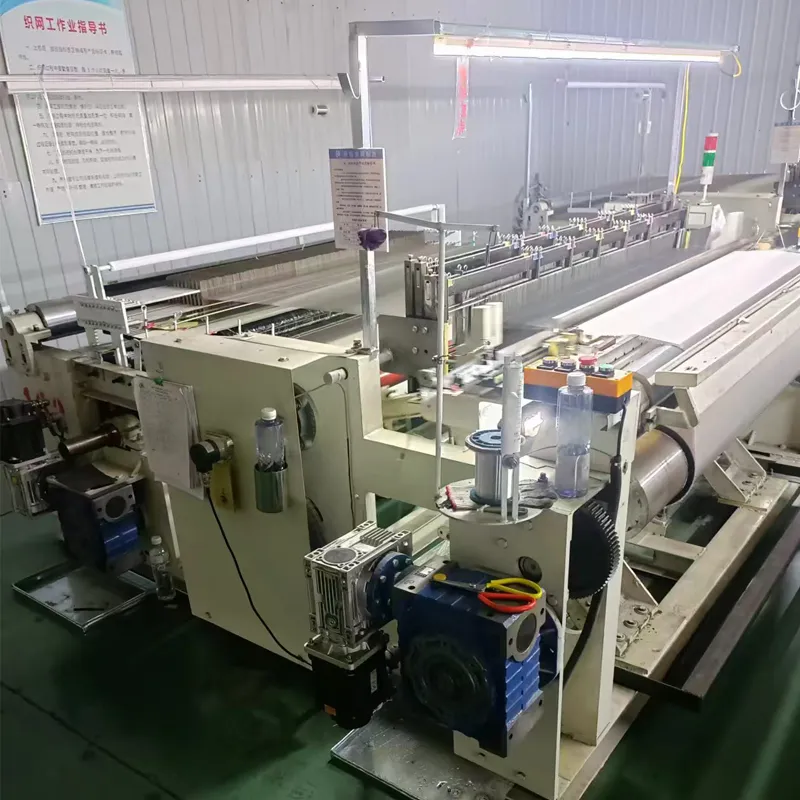
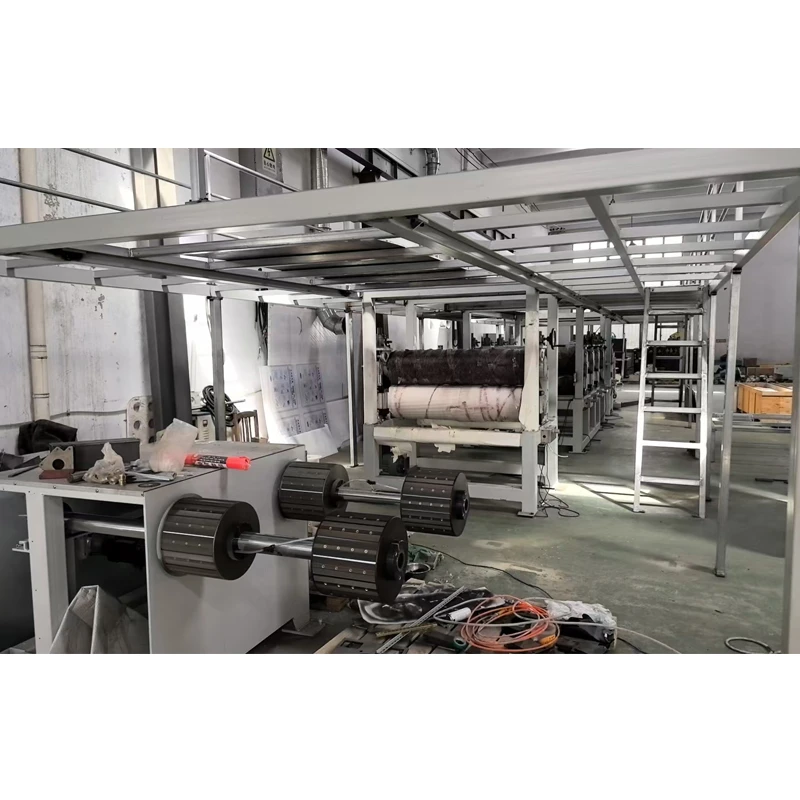
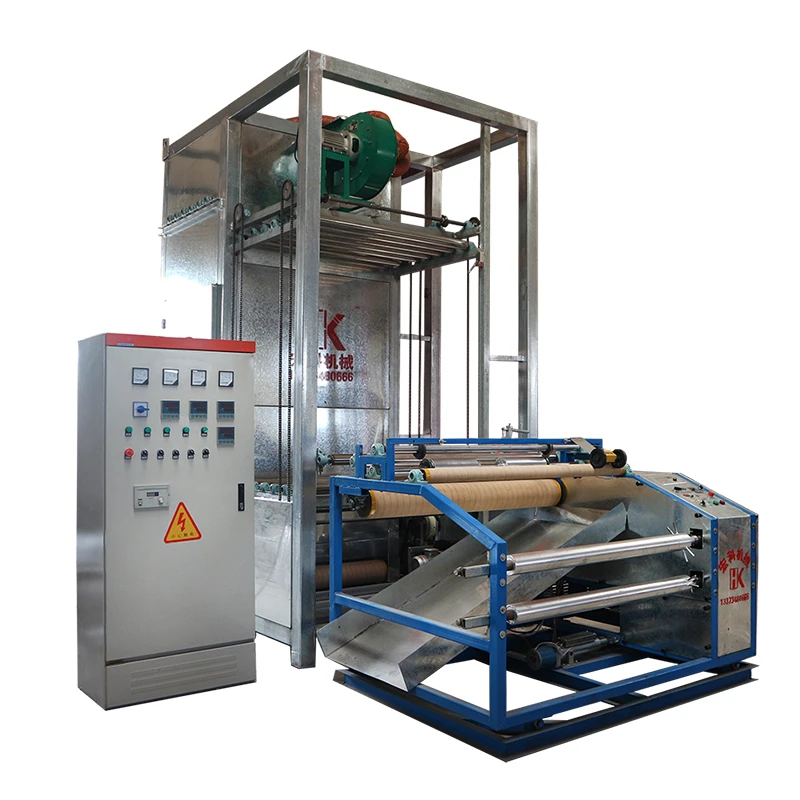
Figure 4: APHK Machinery's quality assurance process for every mesh wire loom.
Conclusion
The advanced mesh wire loom technology, exemplified by the Full Automatic Wire Mesh Weaving Machine, is a critical asset for modern industrial production. Its capabilities in precision, automation, material versatility, and efficiency are instrumental in meeting the ever-growing demand for high-quality wire mesh across diverse and demanding sectors. As industries continue to evolve, the drive towards greater automation, smarter manufacturing processes, and sustainable solutions will only reinforce the strategic importance of investing in state-of-the-art weaving machinery. By understanding the intricate manufacturing processes, technical advantages, and comprehensive support systems, B2B decision-makers can make informed choices that ensure operational excellence and long-term competitiveness.
References
- Global Market Insights. (2023). Industrial Wire Mesh Market Size, Share & Forecast. Retrieved from [Industry Market Research Report Example]
- International Organization for Standardization. (2015). ISO 9001:2015 - Quality management systems — Requirements. Retrieved from [ISO Official Website Example]
- European Commission. (n.d.). CE Marking. Retrieved from [European Commission Official Website Example]
- National Institute of Standards and Technology. (2020). Advanced Manufacturing Technology. Retrieved from [NIST Official Publication Example]