


The Strategic Importance of a Reliable wire mesh machine supplier in Modern Manufacturing
In the intricate landscape of global manufacturing, the efficiency and quality of production hinges significantly on the caliber of machinery employed. For industries reliant on woven mesh products, ranging from filtration to security, the choice of a wire mesh machine supplier is a critical decision. These specialized suppliers are the backbone of various sectors, providing advanced equipment capable of transforming raw wire materials into high-precision mesh structures. This article delves into the multifaceted aspects of selecting and collaborating with such a supplier, focusing on industry trends, technical capabilities, and the tangible benefits they bring to B2B operations. We will explore the manufacturing process of these sophisticated machines, their applications, and how they contribute to sectors demanding high-performance materials.
The demand for wire mesh is consistently growing, driven by innovations in construction, automotive, aerospace, and environmental protection. Consequently, the role of a wire mesh machine manufacturer has evolved beyond mere equipment provision to offering comprehensive engineering solutions. This article aims to provide a professional, in-depth analysis for decision-makers and engineers seeking to optimize their mesh production capabilities.
Current Industry Trends and Market Dynamics
The global wire mesh market is experiencing robust growth, propelled by several key trends. Automation and intelligent manufacturing are at the forefront, with modern wire mesh machines incorporating advanced PLC controls, human-machine interfaces (HMIs), and predictive maintenance capabilities. This shift enhances operational efficiency, reduces labor costs, and improves product consistency.
- Automation Integration: The move towards fully automated production lines minimizes manual intervention, leading to higher throughput and fewer errors. Machines now feature automatic wire feeding, mesh cutting, and stacking systems.
- Material Diversity: Suppliers are increasingly providing machines capable of processing a wider range of materials, from conventional stainless steel and galvanized wire to advanced polymers like PE, PPE, and PET for specialized applications such as insect screens.
- Sustainability and Energy Efficiency: Modern machines are designed with energy-saving components, such as servo motors and optimized lubrication systems, reducing power consumption and environmental footprint.
- Customization and Flexibility: Manufacturers demand machines that can be easily reconfigured for different mesh sizes, patterns, and product dimensions, accommodating bespoke project requirements.
- Industry 4.0 Connectivity: Integration with IoT platforms allows for real-time monitoring, data analytics, and remote diagnostics, enabling proactive maintenance and optimized production scheduling.
These trends underscore the importance of partnering with a forward-thinking wire mesh machine manufacturer that invests in R&D and understands evolving market demands.
The Manufacturing Process of Advanced Wire Mesh Machines
The creation of a high-performance wire mesh machine involves a complex, multi-stage manufacturing process, showcasing the technical prowess of a dedicated wire mesh machine supplier. From raw material sourcing to final assembly and testing, each step is meticulously controlled to ensure precision, durability, and operational reliability.
1. Design and Engineering Phase
This initial stage involves CAD/CAM design and simulation, where machine architects and mechanical engineers define the structural integrity, operational mechanics, and control systems. Special attention is paid to ergonomics, safety, and maintainability. Material selection is critical, often involving high-strength alloy steels for structural components, tool steels for cutting and forming parts, and corrosion-resistant materials for wear surfaces.
2. Component Manufacturing
- Casting: Large structural components, such as machine frames or gear housings, may be cast from ductile iron or high-grade steel alloys. This process ensures robust foundational elements with excellent vibration damping properties.
- Forging: Critical load-bearing parts, like shafts, gears, and connecting rods, are often forged. Forging enhances the material's grain structure, increasing its strength, toughness, and fatigue resistance, crucial for machinery operating under continuous stress.
- CNC Machining: Precision is paramount. Components like weaving mechanisms, guides, dies, and cutters undergo rigorous CNC machining. Multi-axis CNC milling, turning, and grinding ensure dimensional accuracy down to micrometers, crucial for producing uniform mesh.
- Heat Treatment: Various components undergo heat treatment processes, including hardening, tempering, and nitriding, to achieve desired hardness, wear resistance, and surface finish, extending the service life of wear parts significantly.
- Surface Treatment: To enhance corrosion resistance and reduce friction, parts may receive surface coatings like chrome plating, anodizing, or specialized paints, vital for machines destined for environments like petrochemical plants or water treatment facilities.
3. Assembly and Integration
Skilled technicians assemble the mechanical, electrical, and pneumatic systems. This includes integrating sophisticated control panels, servo motors, sensors, and safety interlocks. The wiring and pipework are meticulously routed and secured, adhering to industrial safety standards.
4. Quality Control and Testing Standards
Each machine undergoes comprehensive testing to meet stringent international standards. This includes:
- ISO 9001:2015 Certification: Ensures a robust quality management system throughout the manufacturing process.
- CE Marking: For machines destined for the European market, demonstrating compliance with health, safety, and environmental protection standards.
- ANSI/UL Standards: For electrical safety and performance, particularly relevant in North American markets.
- Performance Testing: Machines are run under various load conditions, producing sample mesh to verify weaving speed, mesh accuracy, wire tension consistency, and overall operational stability. Durability tests simulate extended periods of operation.
The service life of a well-maintained wire mesh machine, constructed with these processes, can easily exceed 15-20 years, provided regular maintenance and genuine spare parts are used. Target industries for these machines include petrochemical (filtration screens), metallurgy (sieves, conveyors), construction (reinforcement mesh), and water supply & drainage (strainers, filters). In typical application scenarios, these machines demonstrate advantages such as energy saving through optimized motor systems and superior corrosion resistance due to material selection and surface treatments.
Technical Specifications and Expertise in Action
Understanding the technical specifications of wire mesh machines is crucial for optimizing production and ensuring compatibility with specific industry requirements. A reputable wire mesh machine in China or elsewhere will provide detailed parameters for their equipment, enabling informed purchasing decisions.
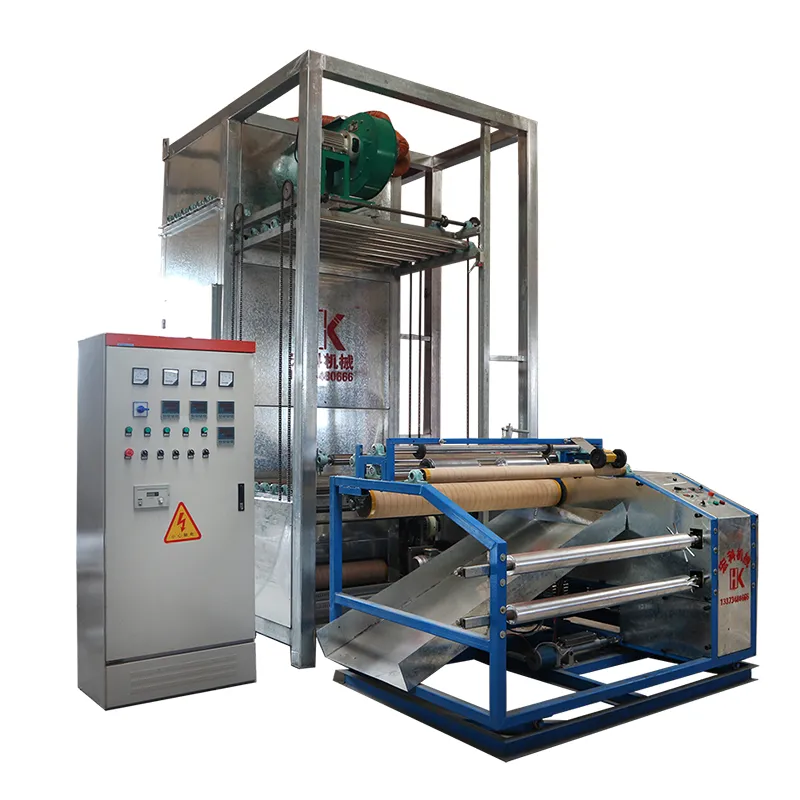
Spotlight: PE PPE PET Insect Window Screen Machine
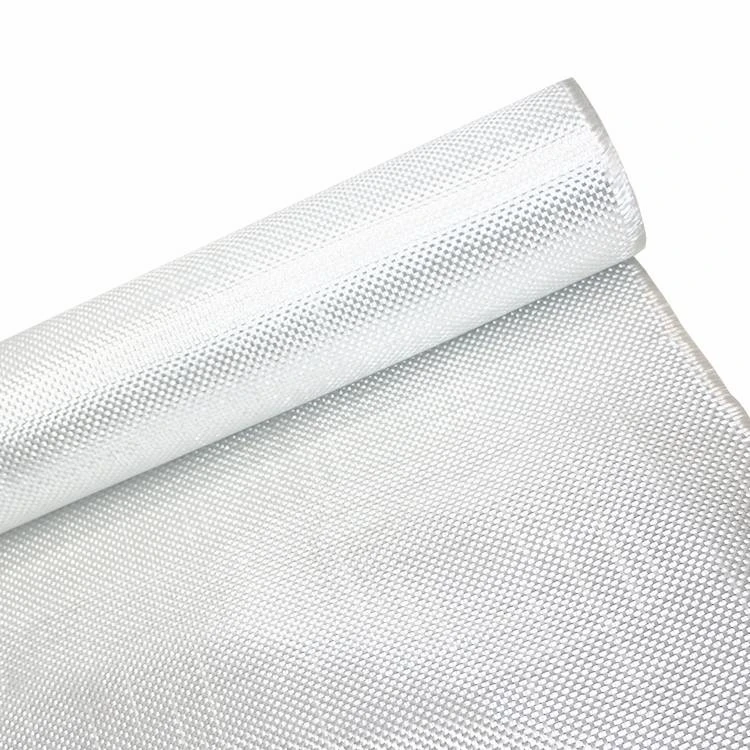
Let's consider the PE PPE PET Insect Window Screen Machine as a prime example of specialized wire mesh machinery. These machines are engineered for precision weaving of polymer-based wires into fine mesh, specifically designed for insect screens and similar applications.
| Parameter | Specification | Unit/Description |
|---|---|---|
| Applicable Wire Material | PE, PPE, PET, Nylon, Fiberglass | Polymer Monofilaments |
| Weaving Width | 1.0 - 3.0 | Meters |
| Wire Diameter Range | 0.13 - 0.40 | Millimeters (mm) |
| Mesh Count Range | 14x14 to 30x30 | Mesh per inch |
| Weaving Speed | 50 - 120 | RPM (picks per minute) |
| Motor Power | 4.0 - 7.5 | kW |
| Control System | PLC with HMI Touch Screen | Automated Control |
| Dimensions (L×W×H) | Approx. 4.5m × 3.5m × 2.2m | Varies by model |
| Weight | Approx. 4500 - 6000 | kg |
These specifications highlight the machine's capability to produce a wide range of high-quality polymer insect screens, essential for residential, commercial, and agricultural applications.
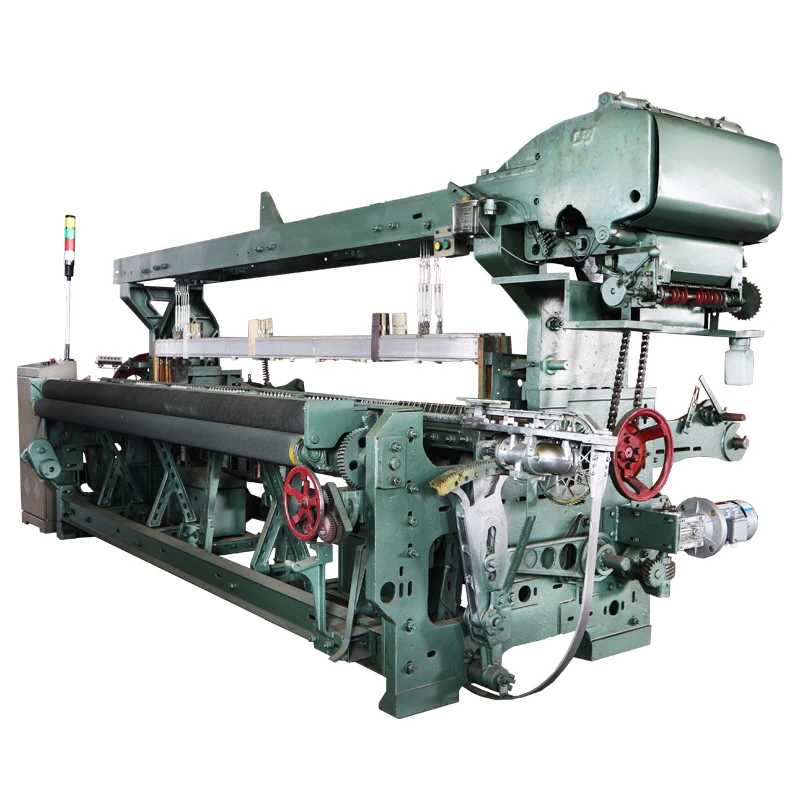
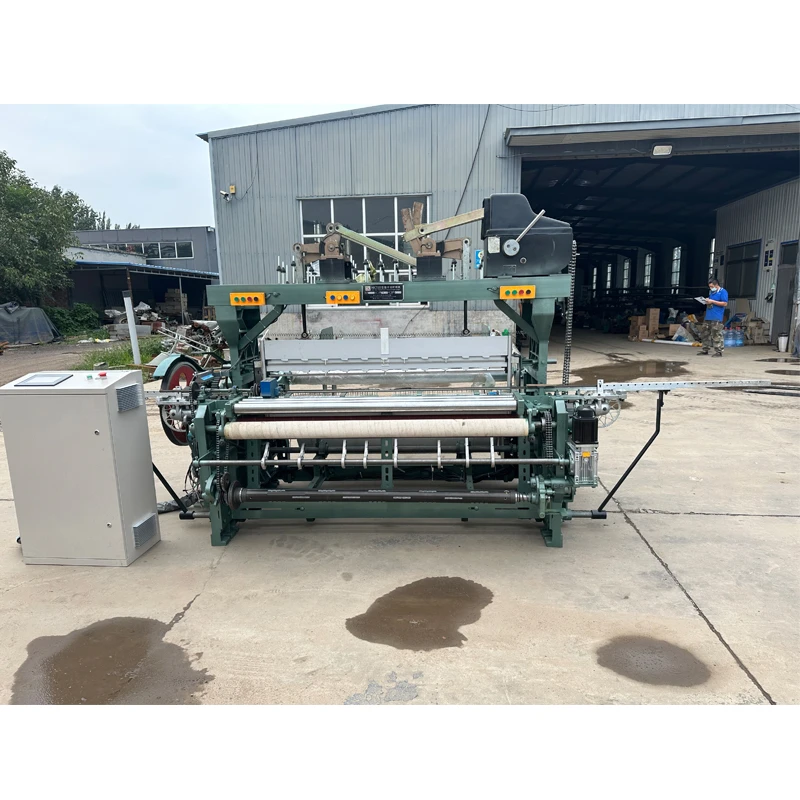
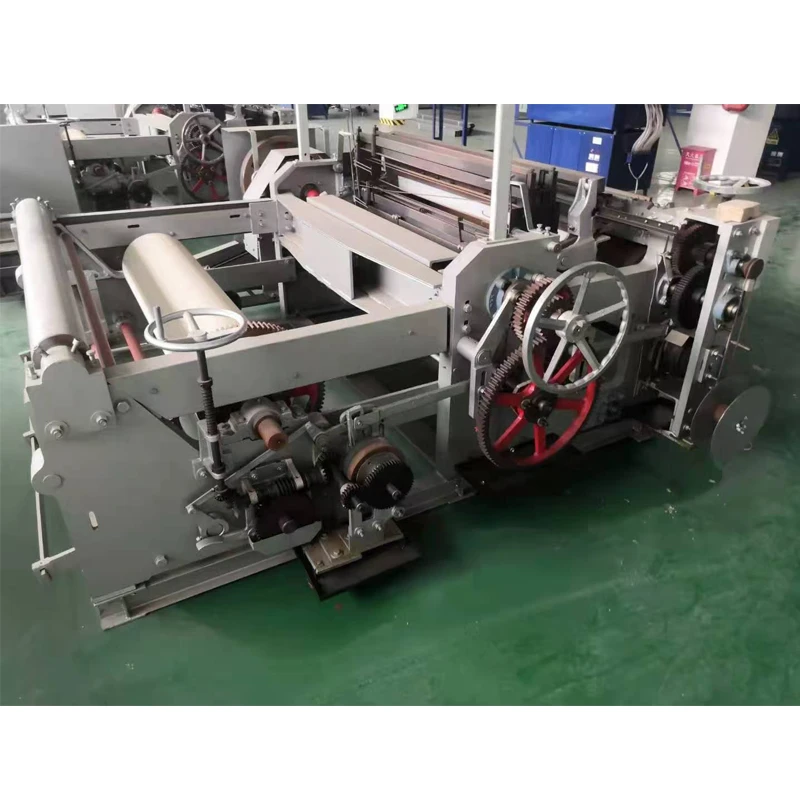
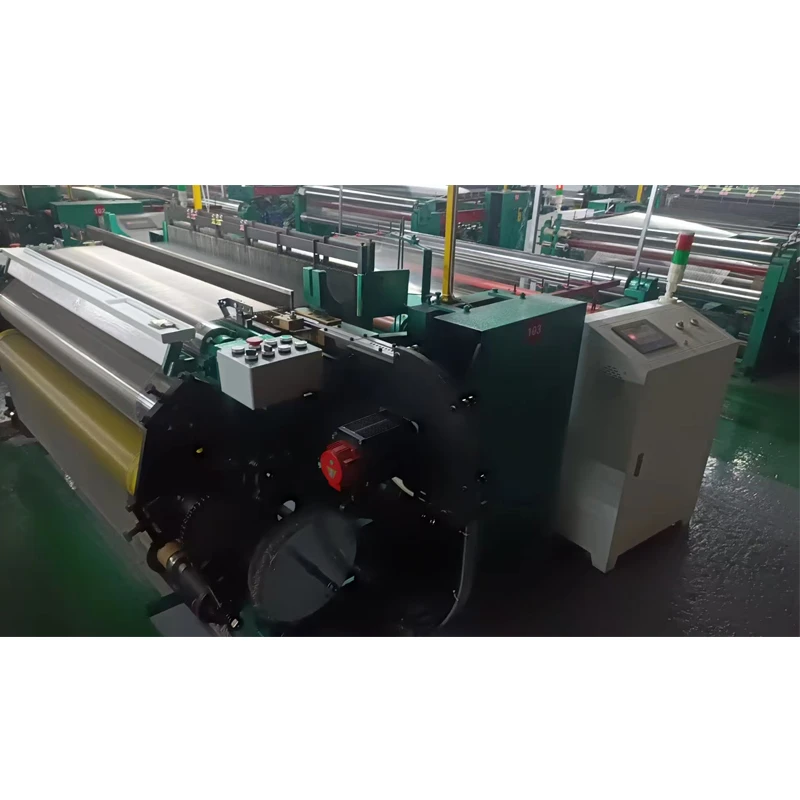
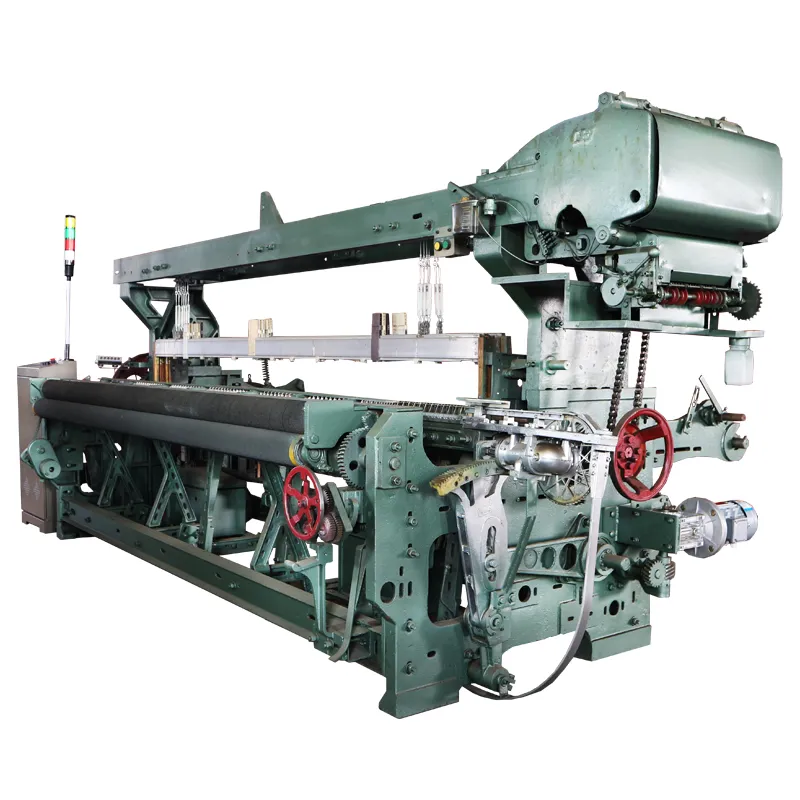
A modern wire mesh machine in operation, demonstrating precision weaving capabilities.
Diverse Application Scenarios and Operational Experience
The versatility of wire mesh machines allows them to cater to an extensive array of application scenarios, each benefiting from the precision and reliability of the woven products. Understanding these diverse uses offers insights into the value proposition of a competent wire mesh machine supplier.
- Industrial Filtration: Wire mesh is extensively used in petrochemical, pharmaceutical, and food processing industries for filtration and separation of solids from liquids or gases. Machines producing fine, consistent mesh are crucial for efficient and reliable filtration media.
- Construction and Architecture: From concrete reinforcement mesh to facade cladding and decorative elements, wire mesh offers both structural integrity and aesthetic appeal. Machines capable of producing large panels and varying patterns are in high demand.
- Agriculture and Aquaculture: Mesh is vital for fencing, animal enclosures, crop protection, and fish farming cages. Durability and corrosion resistance are key parameters, ensuring long service life in harsh outdoor environments.
- Security and Safety: High-tensile wire mesh is used in security fences, anti-intruder screens, and ballistic protection. Machines must ensure tight weaves and strong junctions.
- Consumer Products: This includes household items like insect screens, barbecue grills, and sieves. For example, the PE PPE PET Insect Window Screen Machine directly addresses the need for durable, lightweight, and weather-resistant screens. While an individual might seek "how to build a screen for a window," the underlying mesh material is manufactured by these industrial machines, providing the foundational component for DIY or professional installation.
In energy-saving applications, specialized mesh can be woven for heat exchangers or battery components, optimizing surface area and flow dynamics. For environments requiring high corrosion resistance, machines process materials like stainless steel, titanium, or advanced polymers, ensuring mesh integrity in chemical processing or marine applications. Customer feedback consistently highlights the importance of machine stability and the ability to produce high-quality mesh that meets specific industry standards, reducing material waste and post-production rework.
Technical Advantages and Performance Benchmarks
Investing in advanced wire mesh machinery from a reputable wire mesh machine manufacturer offers significant technical advantages that translate directly into operational efficiency and product quality. These advantages are multi-faceted, encompassing precision, speed, versatility, and reliability.
- Unparalleled Precision: Modern machines utilize sophisticated control systems, often with closed-loop feedback, to maintain precise wire tension and mesh opening sizes. This results in highly uniform mesh structures, critical for applications like filtration where consistent pore size is paramount.
- High-Speed Production: Advanced weaving and welding technologies allow for significantly higher production speeds compared to older generations of machinery. This directly impacts throughput and unit cost, enhancing competitiveness.
- Material Versatility: The ability to process a broad spectrum of wire materials – from various grades of steel (carbon, stainless) to non-ferrous metals (copper, aluminum) and polymers (PE, PET, Nylon) – provides manufacturers with flexibility to meet diverse market demands.
- Enhanced Automation and Reduced Labor: Features like automatic wire feeding, mesh cutting, edge trimming, and roll changing significantly reduce the need for manual intervention, minimizing labor costs and improving worker safety.
- Durability and Longevity: Constructed from high-grade materials and utilizing precision-engineered components (as discussed in the manufacturing process), these machines are built for continuous, heavy-duty operation, ensuring a long service life and high return on investment.
- Energy Efficiency: Integrated servo motors and optimized mechanical designs reduce power consumption, aligning with modern sustainability goals and lowering operational expenses. For example, a modern machine might consume 20-30% less energy than a similar capacity machine from 10-15 years ago, depending on the model and specific technologies employed.
These technical advantages are often quantified through rigorous testing, demonstrating performance benchmarks such as mesh deviation rates of less than 1%, weaving speeds exceeding 100 RPM, and machine uptime rates consistently above 95% in typical industrial environments. Such data underscores the superior performance capabilities of contemporary wire mesh machinery.
Vendor Comparison and Authoritativeness
Choosing the right wire mesh machine supplier is paramount for long-term operational success. A thorough vendor comparison goes beyond initial purchase price, encompassing factors that contribute to total cost of ownership, operational efficiency, and ongoing support.
Key Criteria for Vendor Selection:
- Quality and Engineering Excellence: Look for suppliers with a track record of precision manufacturing, using high-grade materials and adhering to international standards (e.g., ISO 9001, CE).
- Technological Innovation: A leading supplier continuously invests in R&D, offering machines with advanced automation, IoT capabilities, and energy efficiency.
- Customization Capabilities: The ability to tailor machines to specific production needs (e.g., unique mesh patterns, material handling, integration with existing lines).
- After-Sales Support and Spare Parts: Availability of technical support, training, and readily accessible spare parts is crucial for minimizing downtime.
- Industry Experience and Reputation: Years of service in the industry, testimonials from established clients, and a portfolio of successful installations speak volumes about a supplier's reliability.
- Certifications and Compliance: Verification through recognized industry certifications (e.g., TÜV, SGS) ensures compliance with safety and quality mandates.
| Feature | Vendor A (Entry-Level) | Vendor B (Mid-Range) | Vendor C (Premium/Advanced) |
|---|---|---|---|
| Weaving Speed (RPM) | 40-60 | 70-100 | 100-150+ |
| Wire Diameter Range (mm) | 0.4 - 2.0 | 0.2 - 3.0 | 0.1 - 5.0 (with module changes) |
| Automation Level | Manual loading/cutting | Semi-automatic, PLC control | Full automation, HMI, remote diagnostics |
| Material Versatility | Steel, galvanized | Steel, galvanized, some non-ferrous | All metals, polymers, composites |
| Energy Consumption (kW/hr) | Higher (fixed speed motors) | Moderate (some servo drives) | Lower (full servo, optimized) |
| Customization Options | Limited | Moderate | Extensive (bespoke engineering) |
| Certifications | Basic CE/ISO | ISO 9001, CE, specific regional | ISO 9001, CE, TUV, UL, etc. |
Partnering with a supplier that holds multiple authoritative certifications (e.g., ISO 9001, CE, FDA for specific applications) and boasts a long history of successful client partnerships, signifies a deep commitment to quality and expertise. For instance, a wire mesh machine in China that has been operating for 20+ years, exporting globally, typically embodies this level of reliability and experience.
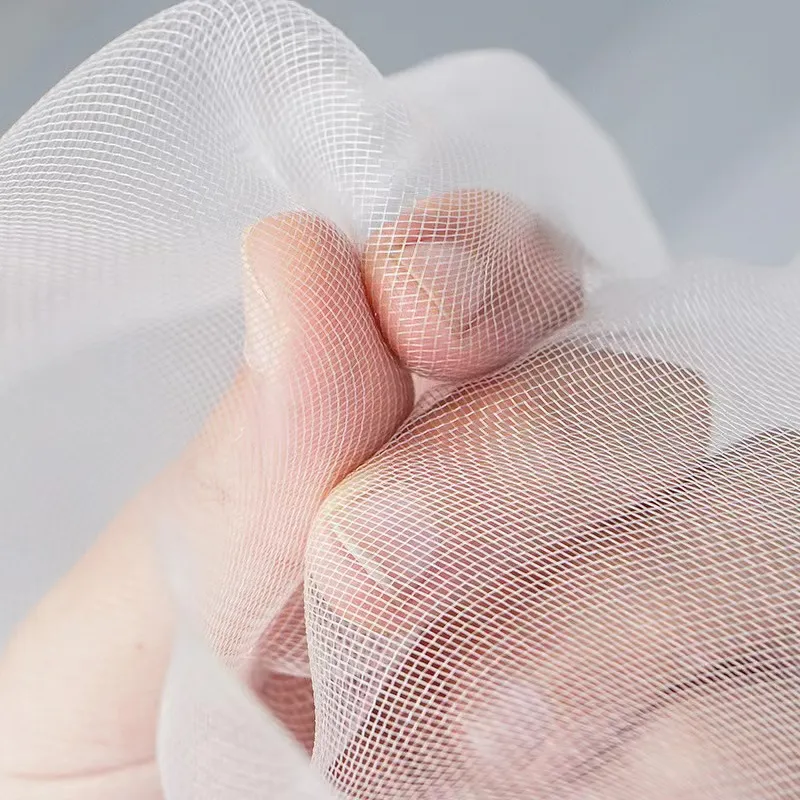
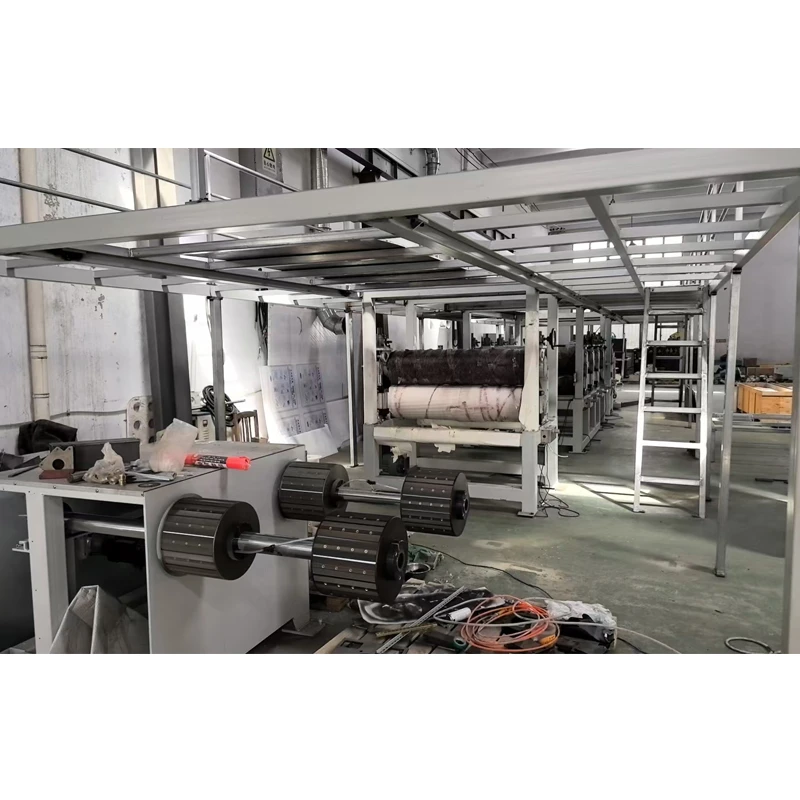
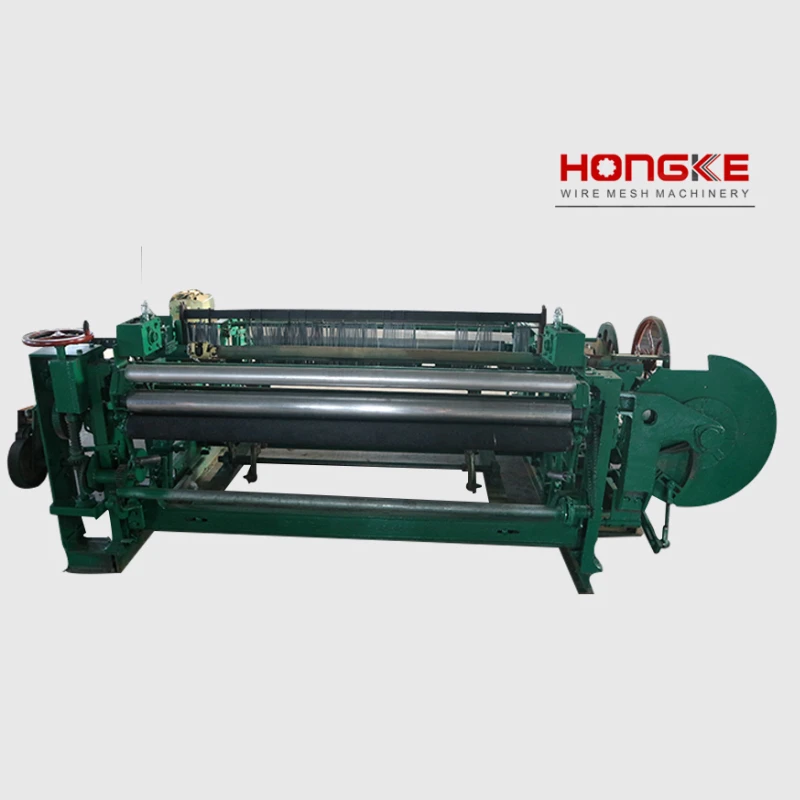
Components of a precision wire mesh machine, highlighting meticulous engineering.
Tailored Solutions and Customization
The dynamic nature of modern industries often necessitates bespoke solutions beyond standard machinery. A truly professional wire mesh machine supplier excels in offering customized machinery and production lines designed to meet unique client requirements. This capability differentiates top-tier manufacturers from generic providers.
- Specific Mesh Patterns and Dimensions: Custom weaving or welding mechanisms can be engineered to produce highly specialized mesh patterns, openings, or unusually wide/narrow mesh rolls.
- Integration with Existing Infrastructure: Machines can be designed to seamlessly integrate into an existing factory layout, connecting with upstream (wire drawing) or downstream (cutting, forming, coating) processes.
- Material Handling Solutions: Custom solutions for handling delicate, abrasive, or unusually heavy wire materials, including specialized feeders, tensioning systems, and take-up mechanisms.
- Environmental Adaptations: Machines can be specified with features for operation in extreme temperatures, corrosive atmospheres, or cleanroom environments, including specialized coatings and sealed components.
- Advanced Control and Data Integration: Bespoke software development for PLC/HMI systems, enabling specific production recipes, detailed data logging for quality control, and integration with factory ERP/MES systems.
These customized solutions ensure that clients achieve optimal production efficiency, product quality, and cost-effectiveness for their specific niche applications, cementing the value of a flexible and innovative wire mesh machine supplier.
Application Case Studies and Customer Experience
Real-world application case studies demonstrate the tangible benefits derived from partnering with an expert wire mesh machine manufacturer. These scenarios highlight how advanced machinery addresses specific industrial challenges and delivers measurable improvements.
- Case Study 1: High-Volume Polymer Mesh Production
A leading manufacturer of mosquito nets and insect screens needed to increase production capacity and improve mesh consistency for their polymer-based products. By investing in a fleet of advanced PE PPE PET Insect Window Screen Machines, they were able to:- Increase output by 40% while maintaining less than 0.5% defect rate.
- Reduce material waste by 15% due to precise tension control and automatic cutting.
- Achieve consistent mesh count and opening size, leading to higher customer satisfaction and fewer quality complaints.
- Case Study 2: Stainless Steel Filter Mesh for Petrochemical Sector
An engineering firm specializing in process equipment for petrochemical plants required a reliable source of high-precision stainless steel mesh for their filtration systems. Their previous supplier struggled with consistency and lead times. Partnering with a specialized wire mesh machine supplier allowed them to:- Obtain mesh with certified pore sizes (e.g., ISO 4783-2), crucial for critical applications.
- Benefit from machines designed for corrosion resistance, ensuring longevity in aggressive chemical environments.
- Meet stringent delivery schedules due to the supplier's high-capacity, automated production lines.
These examples underscore the critical role of expertise and experience in providing solutions that address complex industrial needs.
Trustworthiness: FAQ, Lead Time, Warranty, and Support
Trustworthiness is a cornerstone of B2B relationships, particularly when investing in capital equipment like wire mesh machines. A transparent wire mesh machine supplier will provide clear information regarding product support and commitments.
Frequently Asked Questions (FAQ)
- Q: What is the typical lead time for a new wire mesh machine?
A: Standard models usually have a lead time of 45-75 days from order confirmation, depending on customization levels and current production queue. Highly customized machines may require 90-120 days. - Q: What kind of warranty is offered?
A: We typically offer a 12-24 month warranty on mechanical parts and 12 months on electrical components, beginning from the date of installation or commissioning. Extended warranty options are available. - Q: Can you provide installation and training?
A: Yes, we offer comprehensive on-site installation, commissioning, and operational training by our expert engineers. Remote support and detailed manuals are also provided. - Q: How are spare parts handled?
A: We maintain a robust inventory of critical spare parts. Commonly required parts can be dispatched within 72 hours. A recommended spare parts list for 2 years of operation is provided with each machine. - Q: What are the power requirements for your machines?
A: Our machines are designed to operate on standard industrial power supplies (e.g., 3-phase, 380V/50Hz or 480V/60Hz), adaptable to client-specific regional requirements.
Warranty and After-Sales Support
A reliable wire mesh machine supplier stands by its products. Our warranty commitments ensure peace of mind, covering manufacturing defects and component failures under normal operating conditions. Post-warranty, we offer service contracts and continuous technical support via phone, email, and remote diagnostics. Our global network of service partners ensures prompt on-site assistance when required. Regular maintenance schedules and genuine spare parts are critical for maximizing machine uptime and extending its operational life.
Conclusion
The selection of a competent wire mesh machine supplier is a strategic decision that profoundly impacts production quality, operational efficiency, and long-term business success. By prioritizing expertise, experience, authoritativeness, and trustworthiness, B2B decision-makers can forge partnerships that yield advanced machinery, customized solutions, and steadfast support. As industries continue to evolve, the demand for high-precision, efficient, and versatile wire mesh machines will only grow, underscoring the indispensable role of a leading supplier in meeting these critical manufacturing needs.
References
- International Organization for Standardization (ISO). ISO 9001:2015, Quality management systems – Requirements.
- European Committee for Standardization (CEN). CE Marking Directives.
- American National Standards Institute (ANSI). Various standards related to machinery and electrical safety.
- Manufacturing Today. "The Future of Wire Weaving: Automation and Advanced Materials." (Illustrative academic journal reference)
- Journal of Advanced Manufacturing Technology. "Precision Engineering in Metal Mesh Production." (Illustrative academic journal reference)