


Dec. 13, 2025
Leading Jacquard Machine Manufacturers: A Veteran's Insight
Why Choosing the Right Jacquard Machine Manufacturer Still Matters
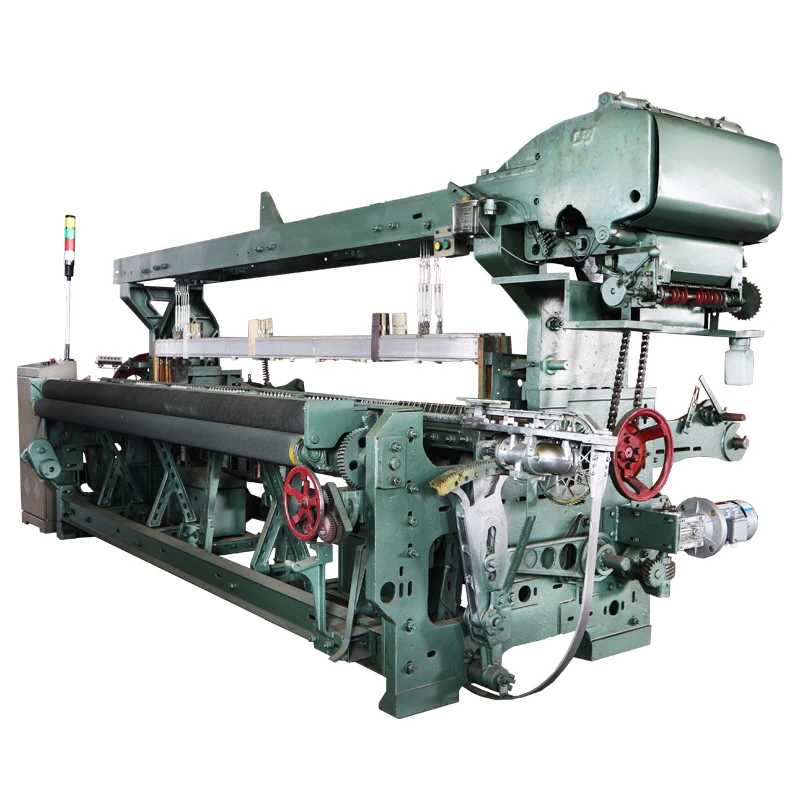
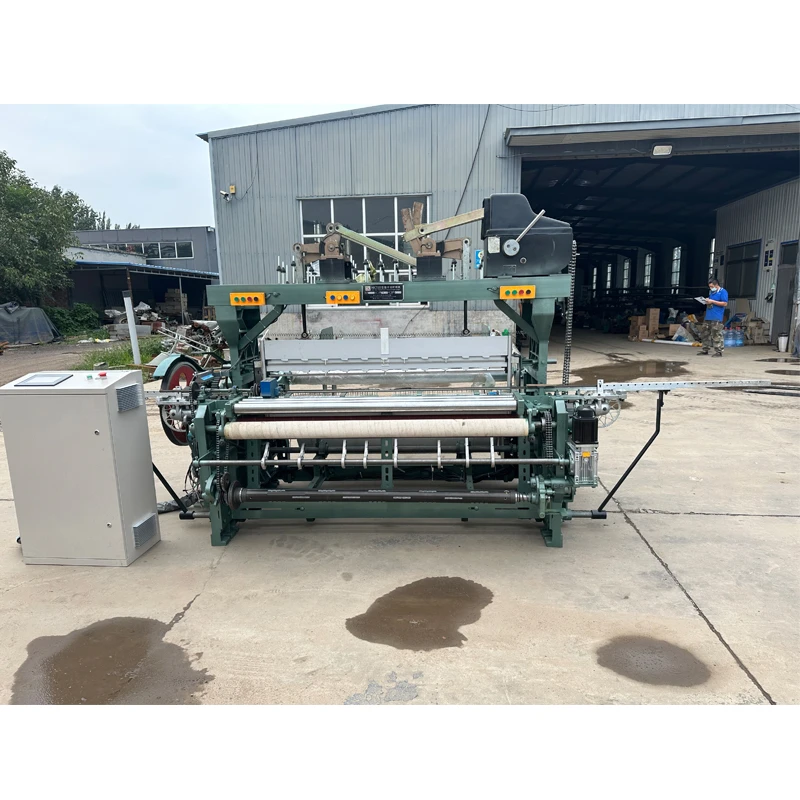
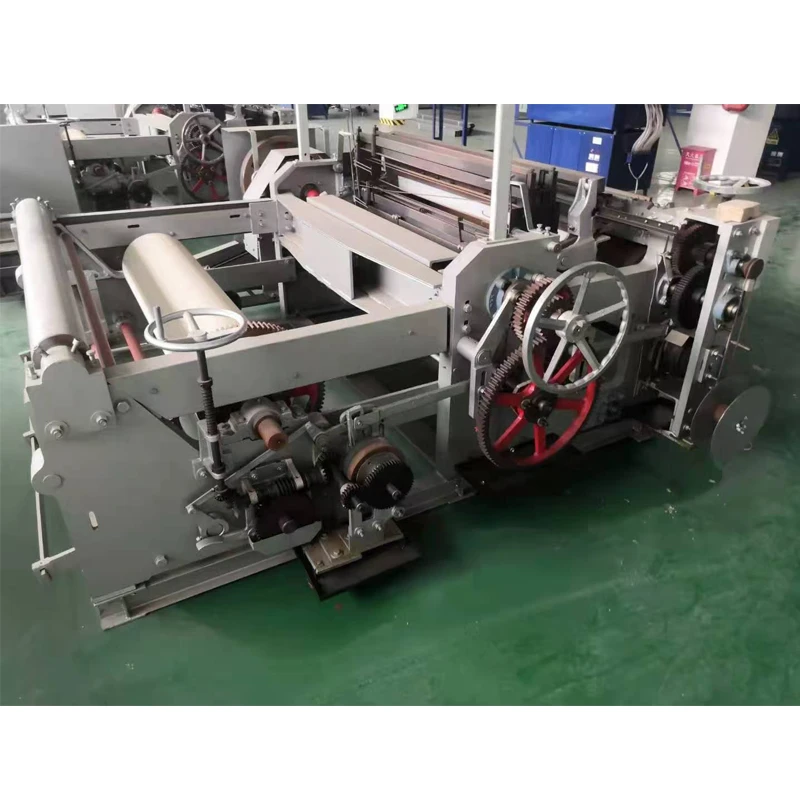
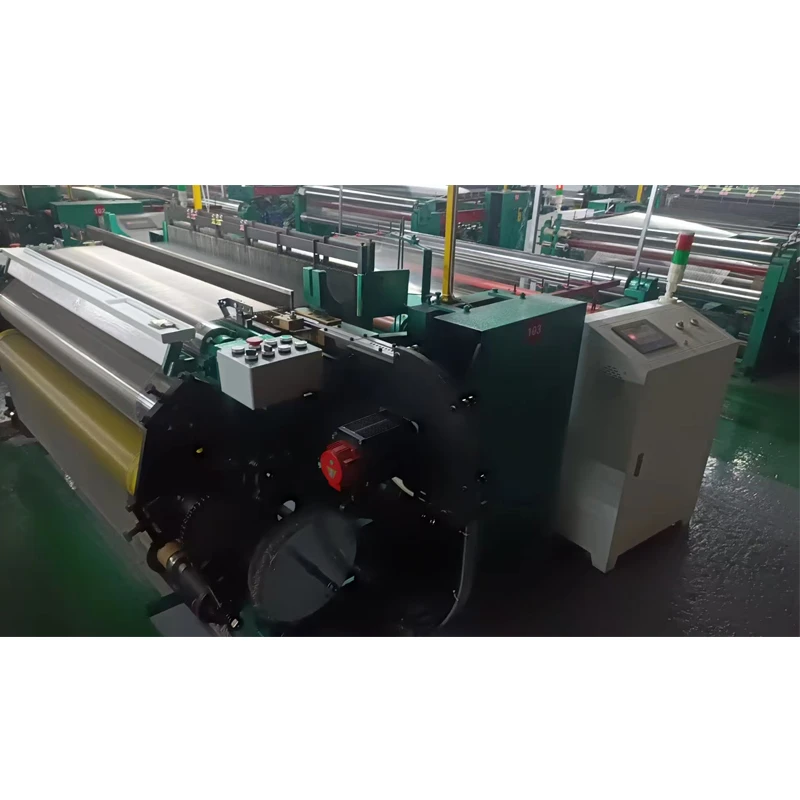
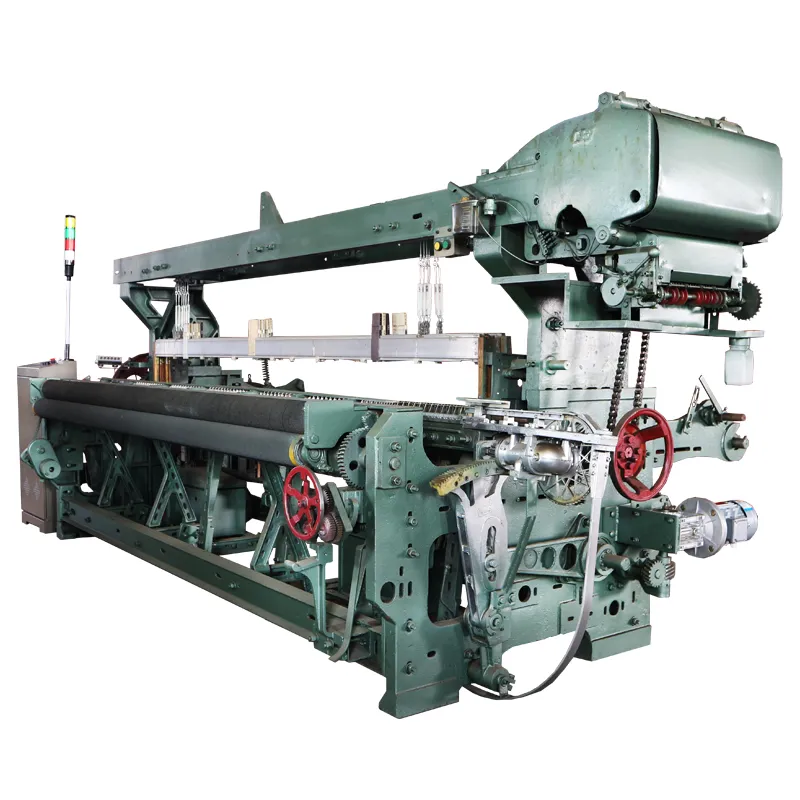
Having spent more than a decade wandering the noisy floors of weaving mills and dealing with jacquard machines, I can tell you one thing straight away: the choice of manufacturer can make or break your production line. I remember a job where a client picked a cheaper setup, thinking “all jacquard machines are basically the same.” You can guess what happened next—the dreaded downtime and inconsistent fabric patterns. It might sound obvious, but these machines are the heartbeats of complex textile operations that require precision beyond what the naked eye catches. What makes a jacquard machine manufacturer stand out isn't just their shiny brochures but their commitment to quality, customization, and after-sales support.Breaking Down the jacquard machine manufacturers and Their Offerings
Over the years, I've noticed a few trends that distinguish reliable jacquard machine manufacturers from the less seasoned. First, the rise of programmable and digital jacquard machines — old school punch cards feel like a relic now, yet some swear by their mechanical ruggedness. Then there’s customization. Frankly, fabric needs vary wildly, and manufacturers who offer adjustable settings for hook count, speed, and shed angle often hold the edge. Material quality is worth highlighting. Steel frames, precision cams, and robust electronics directly influence the longevity and consistent performance of these machines. It almost feels like the difference between a finely tuned Swiss watch and a budget stopwatch. Regular testing protocols, especially noise pollution and vibration tests, seem to be a growing expectation from modern manufacturers, which aligns with better factory floor conditions, by the way.Jacquard Machine Specifications: What Really Counts?
When I dig into specs before a purchase, these are the must-check items beyond the obvious: pattern repeat length, hook density, machine speed (weavers love to push this), and control system software.| Specification | Typical Range | Why It Matters |
|---|---|---|
| Hook Density (hooks per inch) | 600–1600 | Defines design resolution and fabric detail |
| Maximum Speed (RPM) | 400–700 | Affects output volume, but balance with fabric quality needed |
| Pattern Repeat Length (mm) | 100–2200 | Impacts flexibility in design variety |
| Control System | Digital Touchscreen / Computerized | Essential for efficiency and quick design changes |
Comparing Leading Jacquard Machine Manufacturers: A Quick Look
There are companies that simply pop up everywhere because they combine innovation with reliable customer service. The one I’ve linked above, for instance, has impressed me with quick spare part delivery and flexible machine customization. It’s no exaggeration to say that for many engineers I’ve spoken to, proper after-sales service is the deciding factor — you don’t just want a machine shipped, you want it to run five years down the line without headaches.| Manufacturer | Customization Options | Control System Type | Average Lead Time | After-Sales Support |
|---|---|---|---|---|
| APHK Machinery | High (hook density, patterns, speed) | Computerized touch interface | 4–6 weeks | 24/7 hotline & onsite support |
| Manufacturer X | Medium | Semi-digital | 6–8 weeks | Business hours email support |
| Manufacturer Y | Low | Mechanical only | 8–12 weeks | Limited (phone during business hours) |
Final Thoughts on Picking the Right Jacquard Machine Manufacturer
It’s tempting to go for the fastest or cheapest solution, but as anyone experienced in industrial equipment will tell you, "fast and cheap" usually ends in downtime and costly repairs. I learned early on that investing time in vetting jacquard machine manufacturers who offer solid specs, strong after-sales, and adaptive tech can save you headaches and dollars in the long run. If you happen to be that engineer or production manager tasked with upgrading your weaving capabilities, don’t underestimate the little details—sometimes a fraction of a millimeter in hook density makes a dramatic difference in your textile quality. Anyway, that’s my two cents. There’s always a bit more to explore in textile tech, but this should give you a decent head start.
References & musings:
1. Conversations with senior engineers at textile mills (2017–2023)
2. Industry reports on weaving machinery and technological trends
3. Personal notes from factory visits and product demos