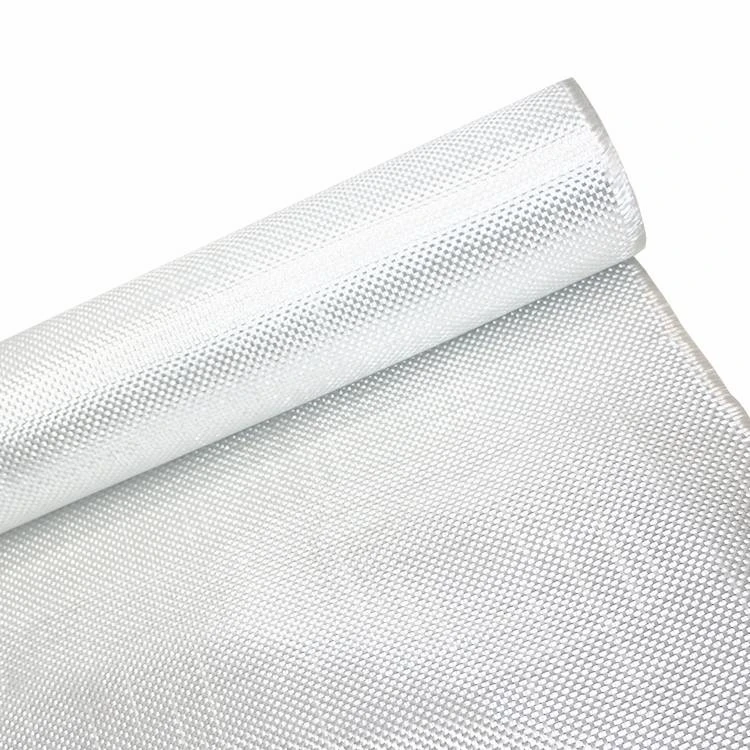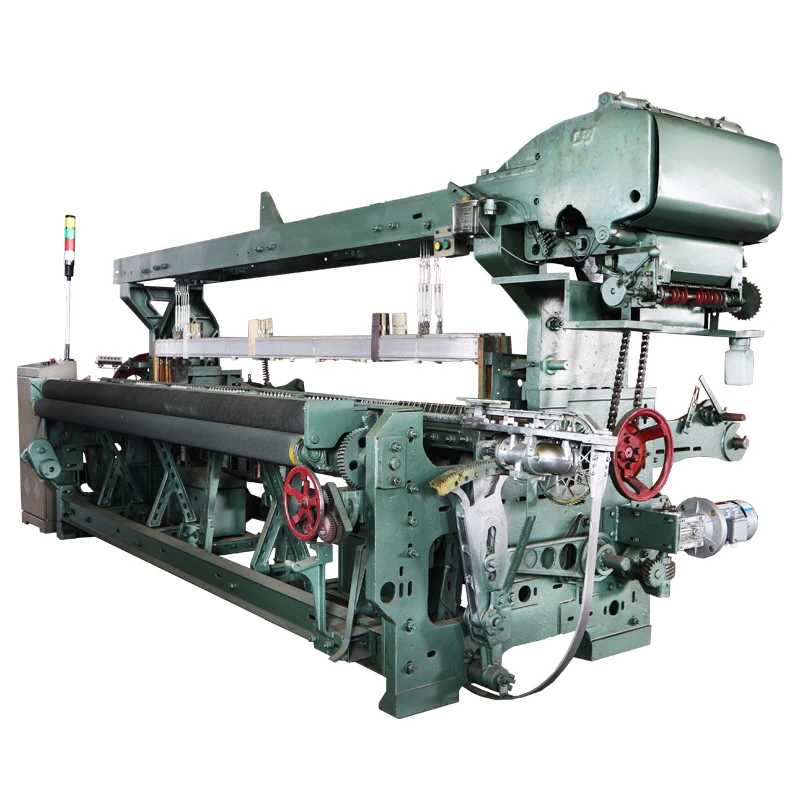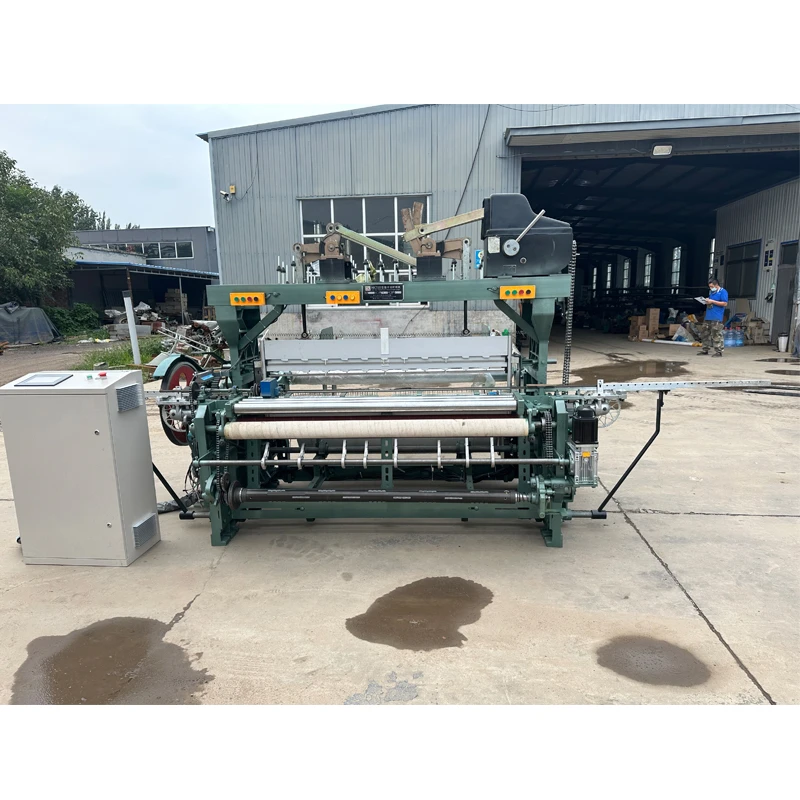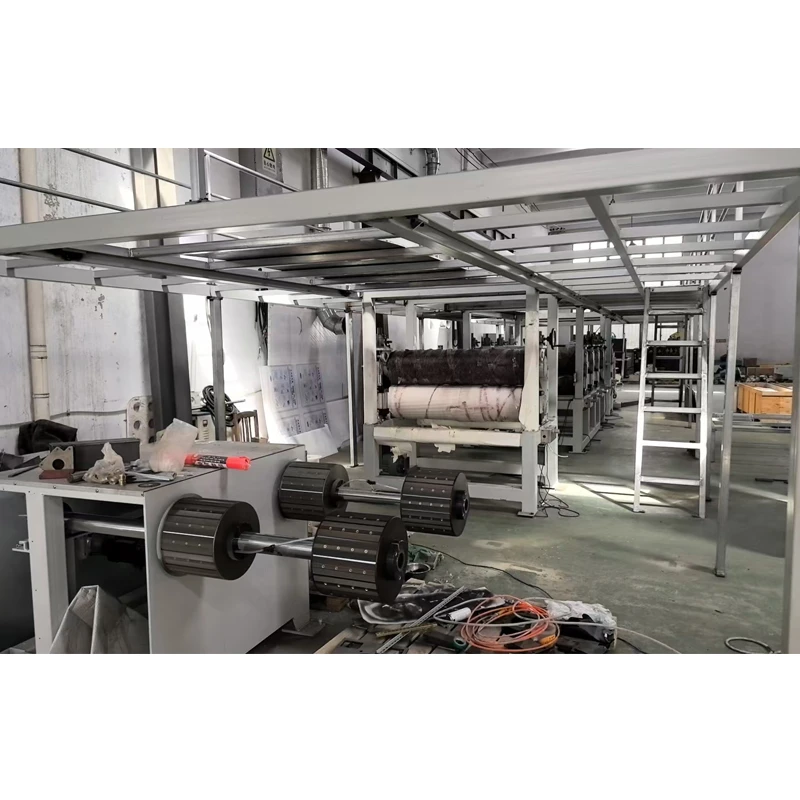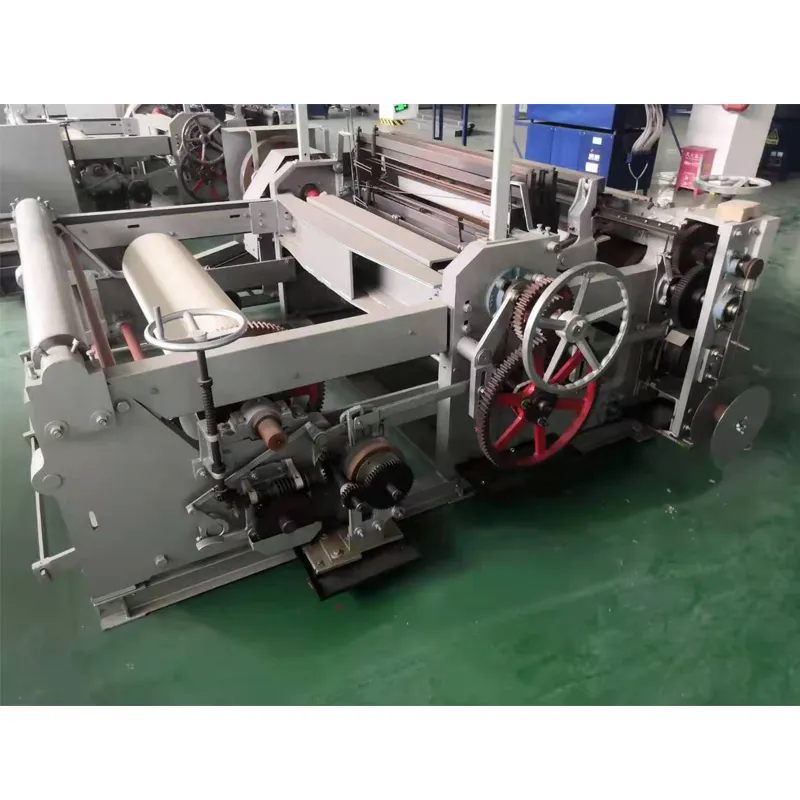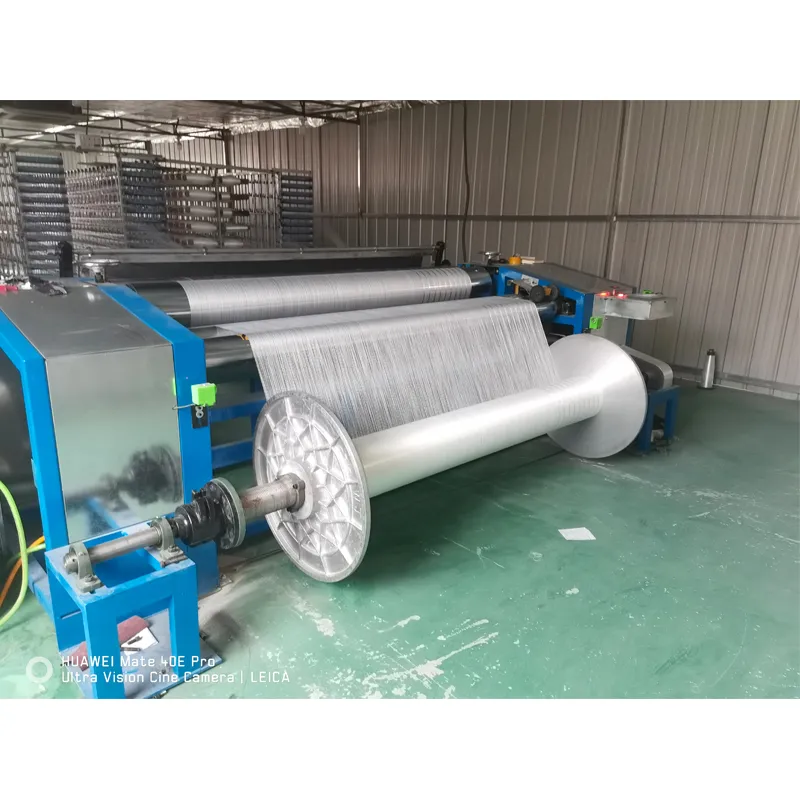



Mosquito Net Weaving Machine is a key solution in the industry, specifically within manufacturing and textiles. This article explores how https://www.aphkmachinery.com supports professionals with durable, high-performance products, and explains why this product is an ideal choice for businesses in these sectors.
Table of Contents
- Mosquito Net Weaving Machine Overview
- Benefits & Use Cases of Mosquito Net Weaving Machine
- Cost, Maintenance & User Experience
- Sustainability & Market Trends
Mosquito Net Weaving Machine Overview
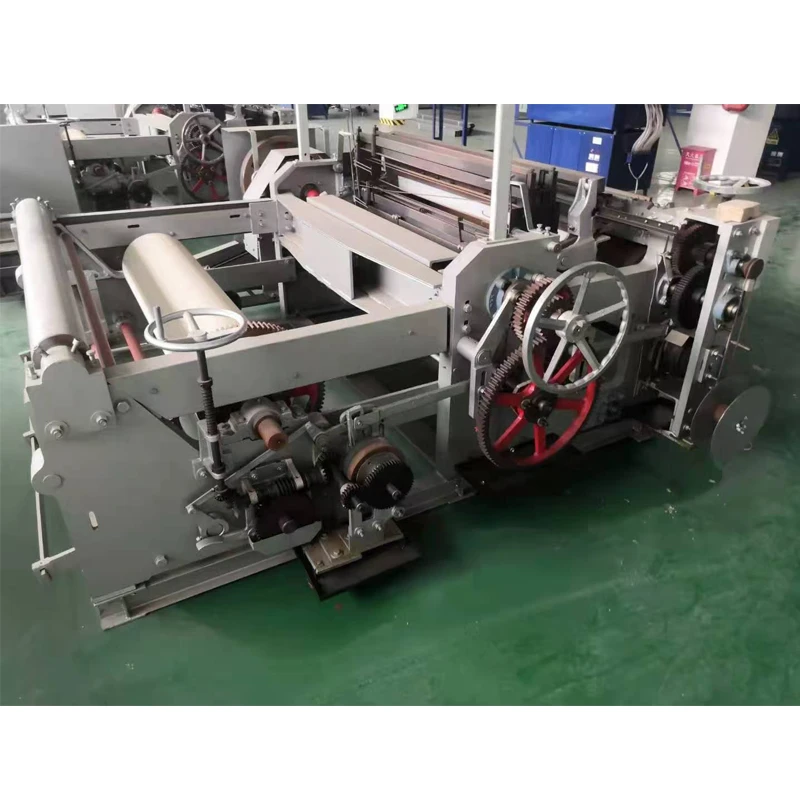
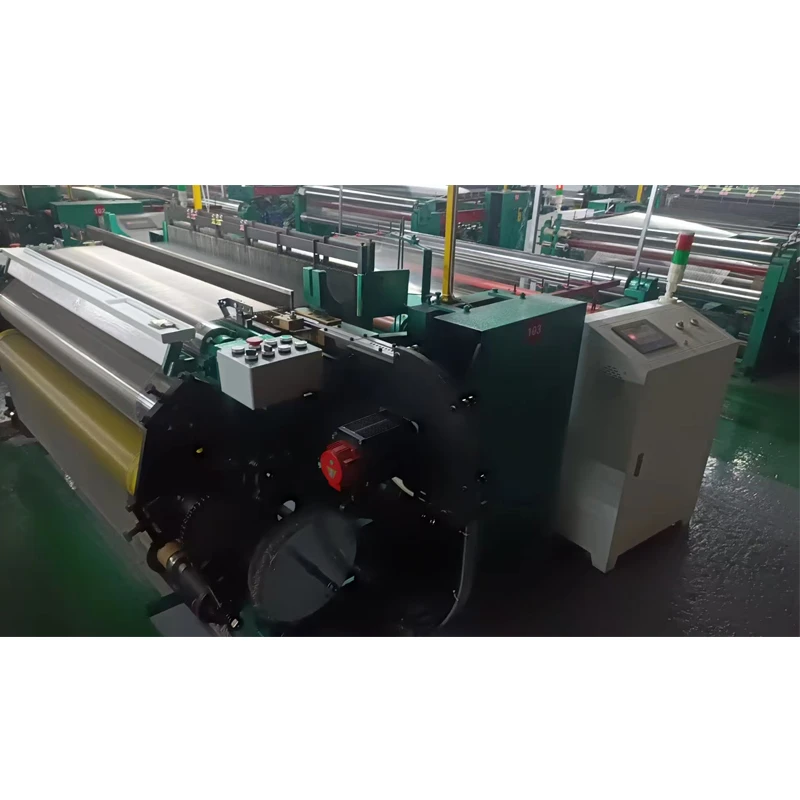
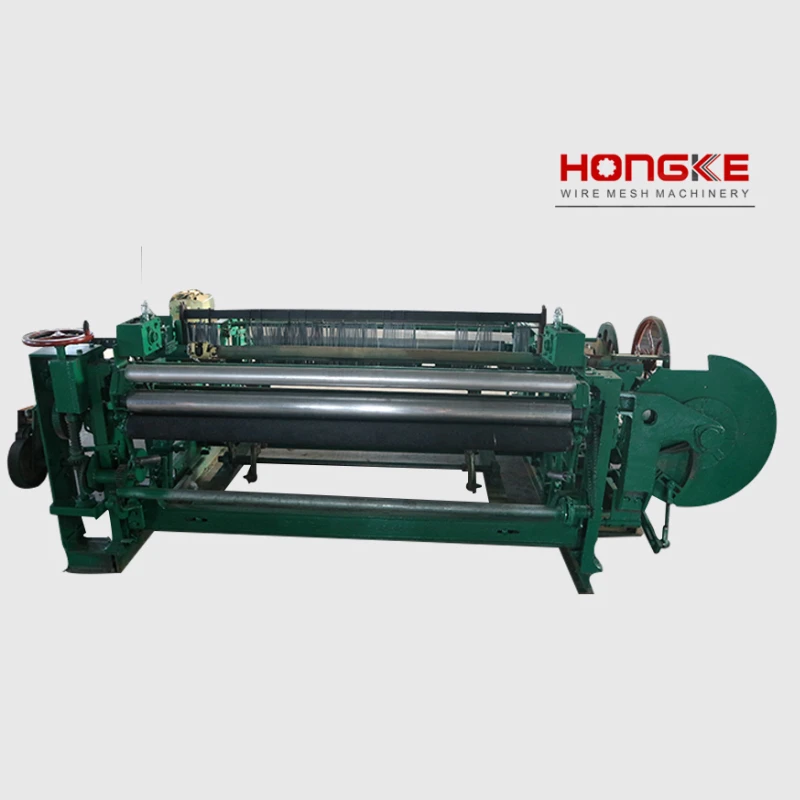
The Mosquito Net Weaving Machine is specialized equipment designed to produce durable, fine mesh nets that effectively keep mosquitoes out. This machine holds a vital place in manufacturing sectors focused on home safety, medical products, and outdoor equipment. The technology behind it is quite intriguing — a blend of precision engineering and textile know-how, delivering consistent weaving at high speed.
- It weaves polyester or nylon fibers into tightly-knit nets with pore sizes typically between 18-32 holes/inch, critical for blocking tiny insects without compromising airflow.
- Technical specs often include shuttle or rapier weaving methods, motorized control systems, and customizable net widths.
| Specification | Detail |
|---|---|
| Weaving method | Rapier or Shuttle |
| Max net width | 3.2 meters |
| Output speed | 100-150 meters/hour |
| Materials supported | Polyester, Nylon |
| Power consumption | 2-3 kW |
Benefits & Use Cases of Mosquito Net Weaving Machine
The machine shines in industries like home textile manufacturing, health care (anti-mosquito bed nets), and outdoor gear production. Frankly, I’ve noticed that many companies seek machines that balance speed with product quality — and this weaving machine delivers on both. Its durability ensures fewer breakdowns, which obviously cuts downtime.
- Customizable mesh size allows producers to tailor products to different environmental needs, from household use to hospital-grade mosquito nets.
- Built-in automation features improve efficiency and reduce operator fatigue — a huge advantage when you’re running 24/7 production lines.
Comparing Leading Mosquito Net Weaving Machines (Vendor Overview)
| Vendor | Max Speed (m/hr) | Automation Level | Power Usage (kW) | Price Range |
|---|---|---|---|---|
| APHK Machinery | 150 | High (CNC Control + Sensors) | 2.5 | $$$ |
| Competitor A | 120 | Medium | 3 | $$ |
| Competitor B | 100 | Low | 2 | $ |
Cost, Maintenance & User Experience
Honestly, upfront costs for a high-quality Mosquito Net Weaving Machine can seem steep — running into several thousands of dollars. But when you factor in reduced downtime, low maintenance, and the high output quality, the ROI starts to look pretty solid. Many users I've talked with noted that the machines from APHK Machinery save them money in the long run thanks to their build quality and efficiency.
- Routine maintenance typically involves lubrication and periodic inspections — the machine design is robust enough to avoid frequent repairs.
- User feedback highlights the intuitive interface and efficient training process, meaning operators become skilled quickly, reducing errors.
Sustainability & Market Trends
You might not immediately link mosquito net manufacturing with sustainability, but it’s becoming more relevant. Regulations around plastic use and environmental impact are pushing producers to consider recyclable fibers and energy-efficient machinery. Interestingly, APHK Machinery is adopting green manufacturing principles wherever possible — reduced power use and more recyclable parts.
- The market for mosquito nets continues to grow alongside rising awareness of vector-borne diseases, especially in tropical regions.
- Technology advances like IoT sensors for predictive maintenance are showing up, promising even less waste and enhanced uptime.
Frequently Asked Questions about Mosquito Net Weaving Machine
- What is Mosquito Net Weaving Machine and how does it work?
- Simply put, a Mosquito Net Weaving Machine interlaces fine synthetic yarns like polyester or nylon to form a mesh fabric that blocks mosquitoes. It uses narrow shuttles or rapiers to pass weft threads through warp threads systematically, creating meshes with precise hole sizes.
- What are the main benefits of using Mosquito Net Weaving Machine in industrial applications?
- They offer high productivity, consistent mesh quality, and adaptability to different yarns and mesh sizes. Plus, automation cuts labor costs and improves safety by reducing manual handling.
- How does Mosquito Net Weaving Machine compare to traditional alternatives?
- Compared to hand weaving or basic looms, these machines drastically increase output speed and precision, while cutting defects and labor costs. Technology like CNC controls greatly improves repeatability.
- What industries can benefit most from Mosquito Net Weaving Machine implementation?
- Mainly textiles focused on protective products, hospitals manufacturing anti-insect nets, and manufacturers of outdoor or camping gear. In regions where mosquito-borne illness is a big concern, demand is especially strong.
Conclusion on Mosquito Net Weaving Machine from China
To wrap it up, a Mosquito Net Weaving Machine isn’t just a piece of textile equipment — it’s a crucial enabler for producing life-saving products quickly and reliably. With APHK Machinery’s expertise and product range available at https://www.aphkmachinery.com, businesses gain a competitive edge via quality, speed, and efficiency. For B2B decision makers, investing in such machinery offers long-term benefits both economically and environmentally.
- Visit our website: https://www.aphkmachinery.com
Oddly enough, even in such a niche sector, the blend of tradition and innovation creates some of the most impactful manufacturing tools. It feels like these machines quietly protect millions from disease, one net at a time.
References:
1. Industry report on textile machinery trends, 2023.
2. APHK Machinery official specifications and product data.
3. WHO report on global mosquito-borne disease prevention.