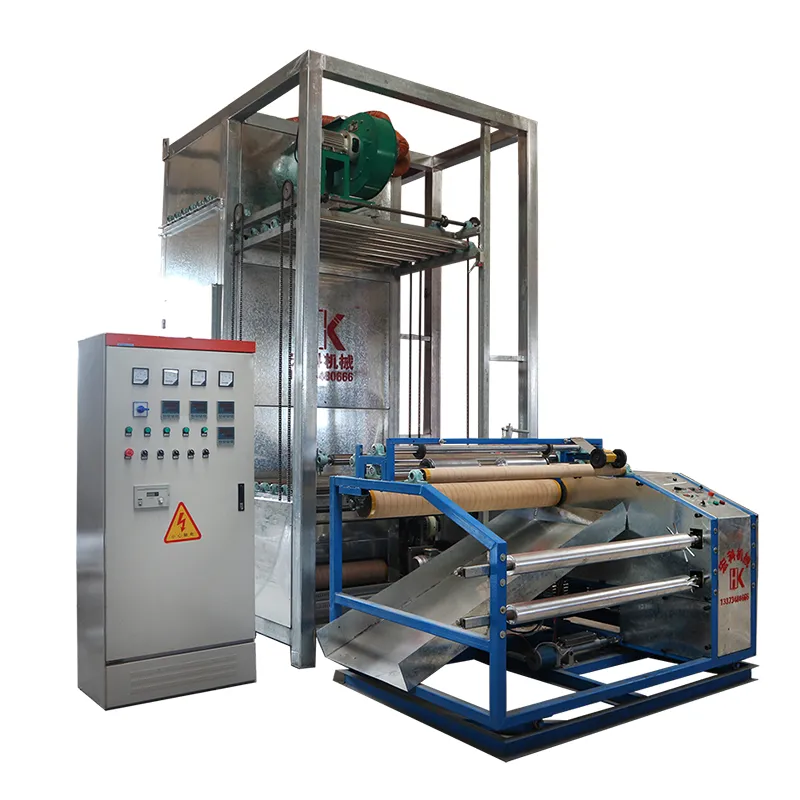



Understanding the Fiberglass Mesh Weaving Machine: A Global Industrial Linchpin
When you hear “fiberglass mesh weaving machine,” you might picture some complex mechanism hidden away in a factory. But in reality, these machines are quietly powering vital industries worldwide—think construction, automotive parts, even disaster relief. The global construction industry alone demands polyester and fiberglass reinforcements to improve durability, safety, and longevity of buildings. According to a World Bank report, infrastructure spending accounts for nearly 3.5% of global GDP, and much of that rests on materials strengthened by fiberglass mesh. Understanding these weaving machines means understanding not just a specialized manufacturing tool, but essential global supply chains that impact economy, safety, and sustainable development.
In essence, fiberglass mesh weaving machines are at the intersection of industrial innovation and practical problem-solving—helping solve challenges from building safer homes to reducing maintenance costs over decades.
Global Relevance: Why the Fiberglass Mesh Weaving Machine Matters
The worldwide demand for fiberglass mesh is soaring partly because of the mesh’s incredible properties — lightweight, corrosion-resistant, and highly durable. The ISO 20778 standards describe these qualities as critical to modern composites. The UN’s Habitat program even encourages using fiberglass mesh in post-disaster reconstruction, emphasizing rapid deployment with stronger materials. However, manufacturers face challenges: quality control, production scalability, and environmental impact. This is exactly where the fiberglass mesh weaving machine shines by streamlining production and maintaining consistent quality while adapting to newer eco-friendly fibers.
What Is a Fiberglass Mesh Weaving Machine?
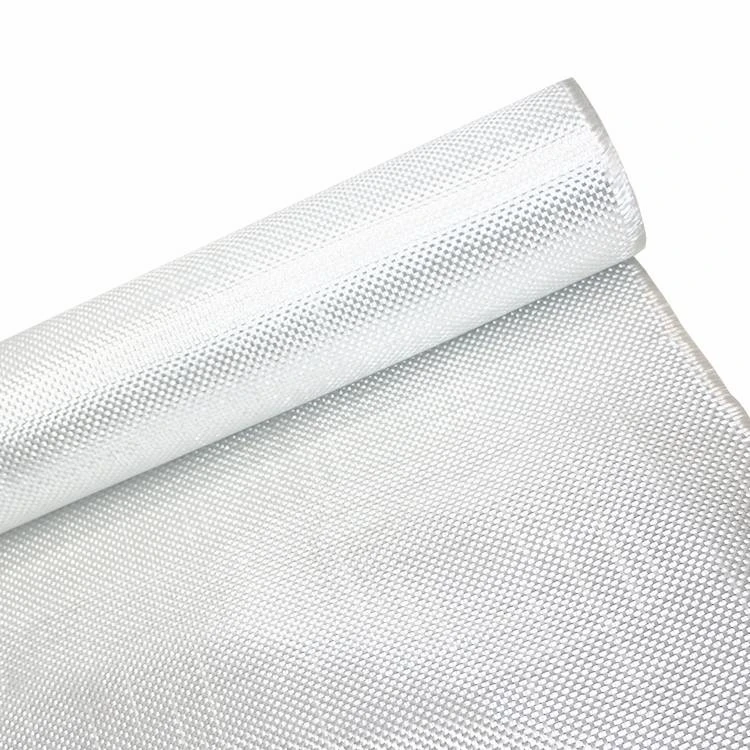
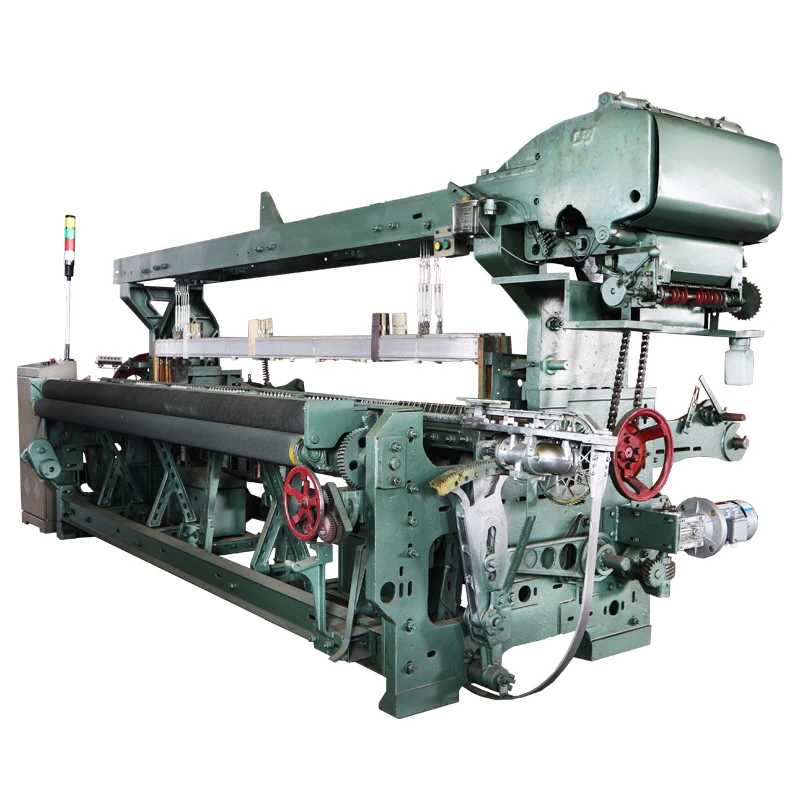
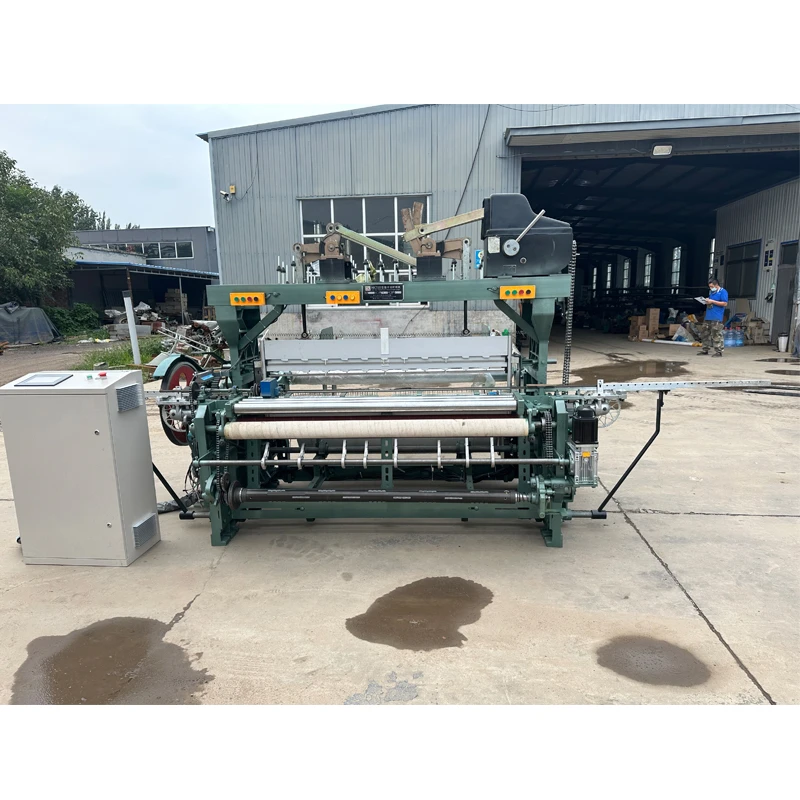
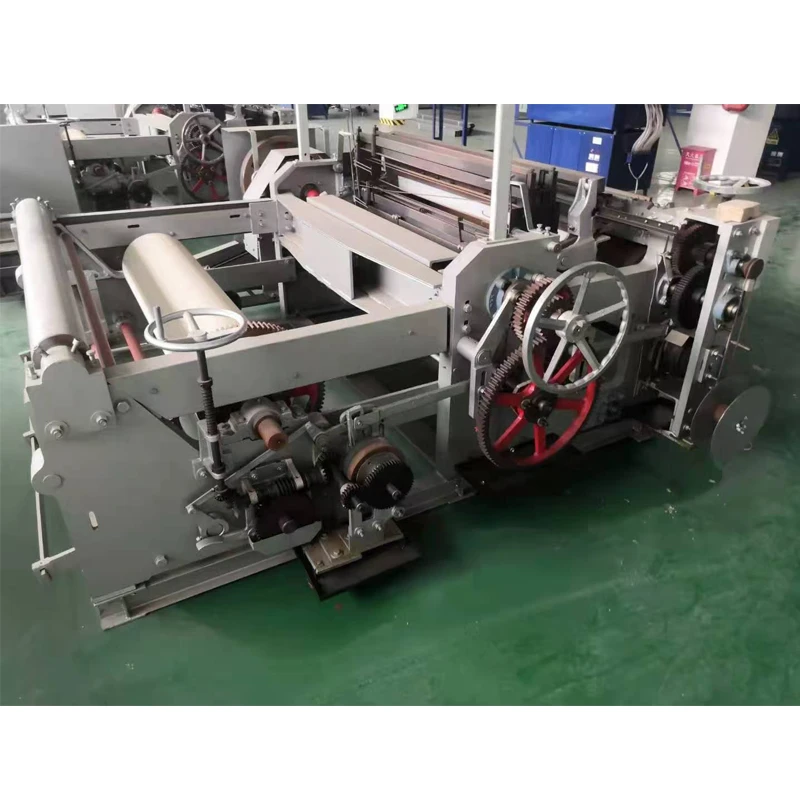
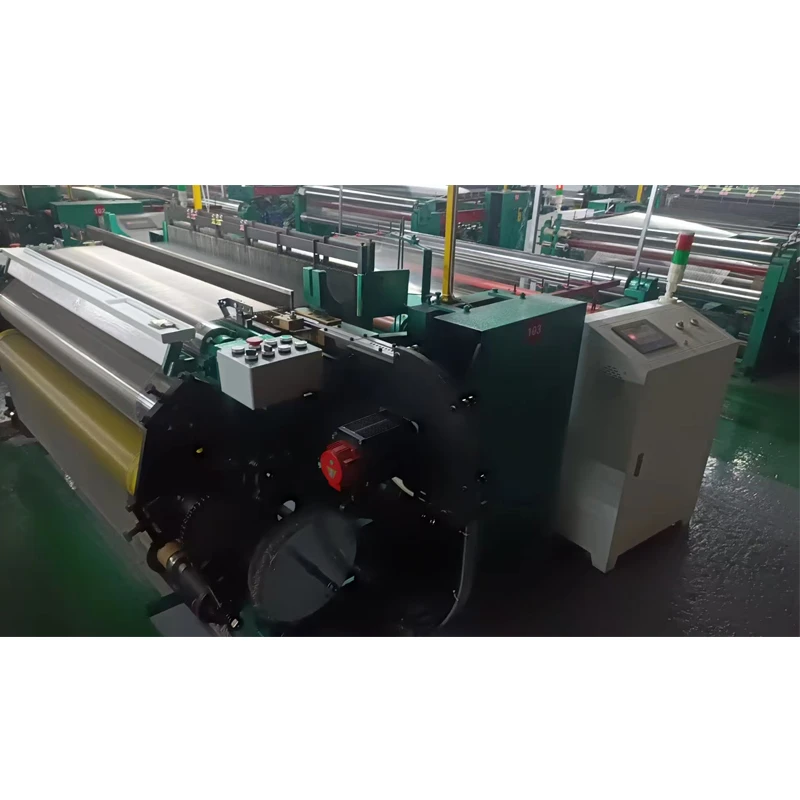
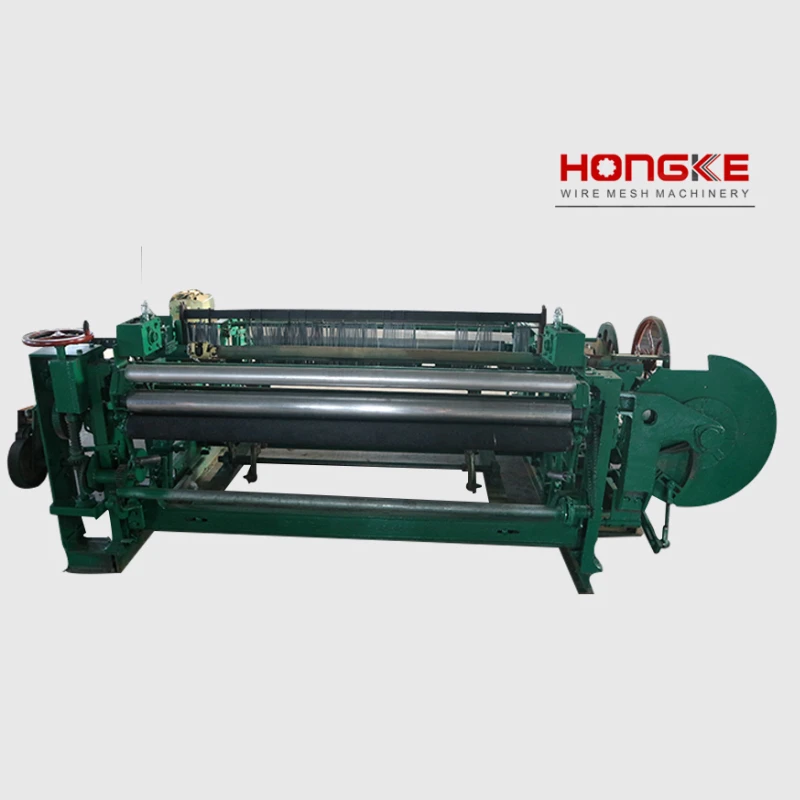
Simply put, this machine is a specialized textile loom designed to weave fiberglass yarns into mesh fabrics. It’s similar—but far more specialized—than weaving machines used for cloth you might wear. Fiberglass mesh produced here is a grid-like fabric used as a reinforcement layer in cement mortar, drywall, or roofing materials. It’s engineered to resist impact, cracking, and weathering. You can think of these weaving machines as the unsung heroes making modern building materials tougher and longer-lasting.
This technology also feeds into humanitarian needs. For instance, humanitarian shelters made with fiberglass-mesh-reinforced panels provide better safety and durability in harsh climate conditions.
Key Components & Factors of Fiberglass Mesh Weaving Machines
1. Precision Yarn Feeding System
This feature carefully controls fiberglass yarn tension to prevent breakage and ensure uniform mesh size. Since fiberglass is brittle, a precise feed keeps production consistent.
2. Versatile Loom Mechanism
Unlike traditional looms, these machines incorporate carbide or titanium heddles and reed components to withstand abrasive fiberglass fibers, enabling high-speed weaving without excessive wear.
3. Automated Quality Control Sensors
Increasingly common, inline cameras and tension sensors detect defects or variations instantly, reducing waste and rework.
4. Scalability & Modularity
Some machines allow rapid adjustment of mesh size and fabric width — handy when switching between uses in construction vs. automotive industries.
5. Environmental Controls
Fine dust from fiberglass can pose safety risks, so many models integrate localized extraction systems and sealed enclosures.
6. Energy Efficiency
Newest models offer energy-saving drives and regenerative braking – important as many factories look to cut carbon footprints.
| Specification | Typical Value | Notes |
|---|---|---|
| Max Fabric Width | 2.5 meters | Adjustable for different mesh sizes |
| Operating Speed | Up to 120 rpm (revolutions per minute) | Depends on yarn tensile strength |
| Material Compatibility | E-glass / S-glass yarns | Includes specialty fiberglass |
| Power Consumption | ~10 kW | Varies by model and automation level |
| Automation Level | Semi to fully automated | Sensors, tension control, inline inspection |
Global Applications & Use Cases
Fiberglass mesh weaving machines are the backbone of industries quite literally shaping the future. Major sectors benefiting include:
- Construction: Reinforcing cement plaster or drywall in Europe and Asia where seismic resistance is crucial.
- Automotive: Fiberglass mesh composite reinforcements for vehicle panels and parts, especially in North America and Japan.
- Post-Disaster Relief: NGOs in regions like Southeast Asia and the Caribbean use fiberglass mesh in makeshift shelter kits that last longer and resist harsh weather.
- Renewable Energy: Used in wind turbine blades — manufacturers in Germany and China rely on robust weaving machines for high-quality mesh.
For example, I came across a small manufacturer in Vietnam supplying mesh fabrics for coastal housing projects vulnerable to typhoons. The adoption of modern weaving machines increased their output while reducing breakage rates—a literal lifesaver for those communities.
Advantages & Long-Term Value
What truly stands out about fiberglass mesh weaving machines is their blend of cost-effectiveness and long-term value. You get:
- Enhanced durability: Mesh fabrics extend the life of structures by preventing cracks and corrosion.
- Material efficiency: Machines optimize yarn usage to minimize waste—good for budgets and the environment.
- Improved safety: Stronger reinforcement means buildings hold up better in extreme weather, preserving lives and dignity.
- Economic sustainability: Less rework and faster project timelines translate into savings.
It also feels gratifying to realize that these machines indirectly support safer homes, greener industries, and even disaster resilience—touching social and environmental layers all at once.
Future Trends & Innovations
Looking ahead, a few key innovations are shaping fiberglass mesh weaving machines:
- Automation & AI integration: Smarter machines adjust parameters real-time for even fewer defects.
- Eco-friendly fibers: Sustainable fiberglass alternatives reducing environmental impact.
- Energy-efficient components: More factories aiming for net-zero energy use rely on low-power drives.
- Customization software: Digital tools let manufacturers tweak mesh patterns to modern specs quickly.
Oddly enough, even though it’s a highly specialized machine, it’s starting to feel the influence of broader digital transformations sweeping through industries.
Challenges & Solutions
Okay, it’s not all smooth sailing. Fiberglass mesh weaving machines come with hurdles like:
- Yarn breakage: Fiberglass can be fragile—requiring sensitive tension control.
- Maintenance costs: Abrasive yarns quickly wear out components.
- Skill gap: Operators need training to manage these sophisticated machines efficiently.
Innovations such as advanced tension sensors, robotic maintenance alerts, and modular training systems are mitigating these issues. Plus, manufacturers are collaborating more globally to share best practices—something that helps raise the industry's overall trustworthiness.
Frequently Asked Questions About Fiberglass Mesh Weaving Machines
- How does a fiberglass mesh weaving machine differ from traditional textile looms?
- Fiberglass weaving machines are specially designed to handle brittle, abrasive fiberglass yarns using more robust materials, precise tension control, and dust extraction—unlike standard textile looms meant for softer fibers.
- What industries benefit most from fiberglass mesh fabrics?
- Primarily construction, automotive, renewable energy, and disaster relief; anywhere reinforcement and lightweight durability are critical.
- Are these machines energy-intensive, and can they be sustainable?
- Modern machines consume roughly 10 kW but increasingly incorporate energy-efficient drives and automation, helping factories reduce carbon footprints significantly.
- Is it difficult to change mesh sizes or patterns on these machines?
- Many newer models offer modular looms allowing quick adjustments to mesh width and pattern, saving downtime and improving production flexibility.
- Can small manufacturers afford and operate these machines?
- While initial investment can be substantial, semi-automated models exist for smaller players, plus training and leasing options make acquisition more accessible.
Vendor Comparison: Leading Fiberglass Mesh Weaving Machines
| Brand | Max Speed (rpm) | Automation Level | Energy Efficiency | Price Range |
|---|---|---|---|---|
| AlphaFibers | 120 | Fully Automated | High (10 kW avg) | $$$ |
| WeaveTech | 100 | Semi-Automated | Moderate | $$ |
| FiberWeaver | 80 | Manual with Upgrades | Low | $ |
In Summary
The fiberglass mesh weaving machine is more than a niche textile device. It’s a pivotal player in the global construction and manufacturing sectors, offering durability, cost savings, and sustainability. While challenges exist, ongoing technological advances continue to enhance its performance and accessibility. For industry professionals and manufacturers looking to keep pace with innovation, understanding these machines is crucial.
If you want to dive deeper or explore purchasing options, visit our website: fiberglass mesh weaving machine.
Oddly enough, despite their technical nature, these machines have a direct hand in improving lives worldwide—something worth reflecting on as you read this.