


Fiberglass Mesh Machine is a key solution in the manufacturing industry, specifically within Special Equipment Manufacturing Industry and Textile, clothing, and leather machinery manufacturing. This article explores how Anping Hongke Wire Mesh Machinery Factory supports professionals with durable, high-performance products, and explains why this product is an ideal choice for businesses in these sectors.
Table of Contents
- Fiberglass Mesh Machine Overview
- Benefits & Use Cases of Fiberglass Mesh Machine in Textile, clothing, and leather machinery manufacturing
- Cost, Maintenance & User Experience
- Sustainability & Market Trends in manufacturing
- Conclusion on Fiberglass Mesh Machine from Anping Hongke Wire Mesh Machinery Factory
Fiberglass Mesh Machine Overview
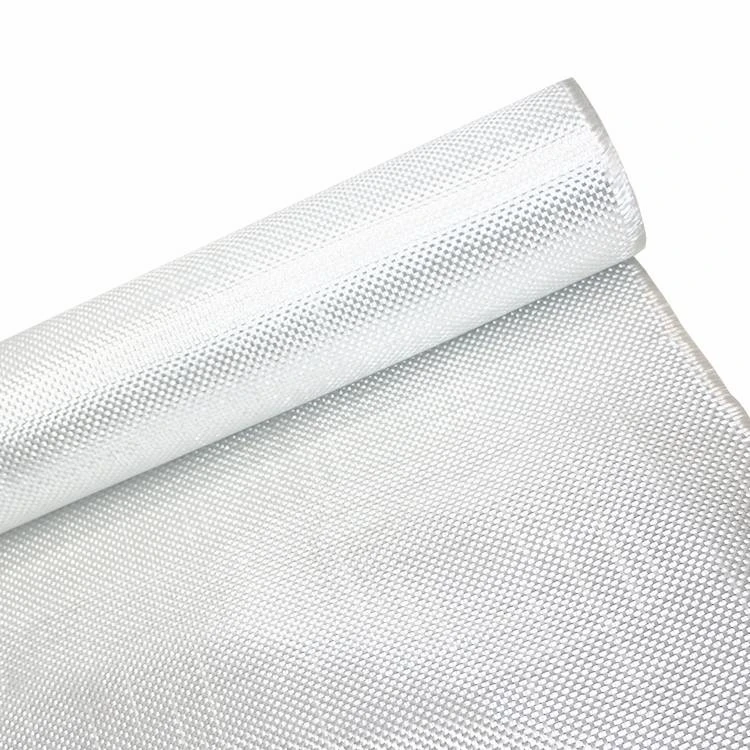
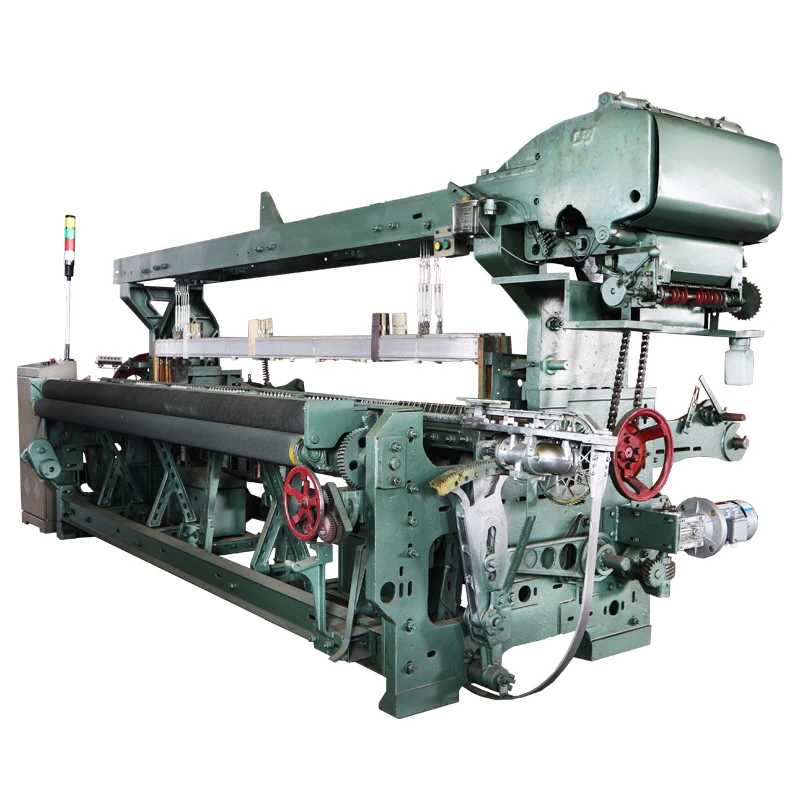
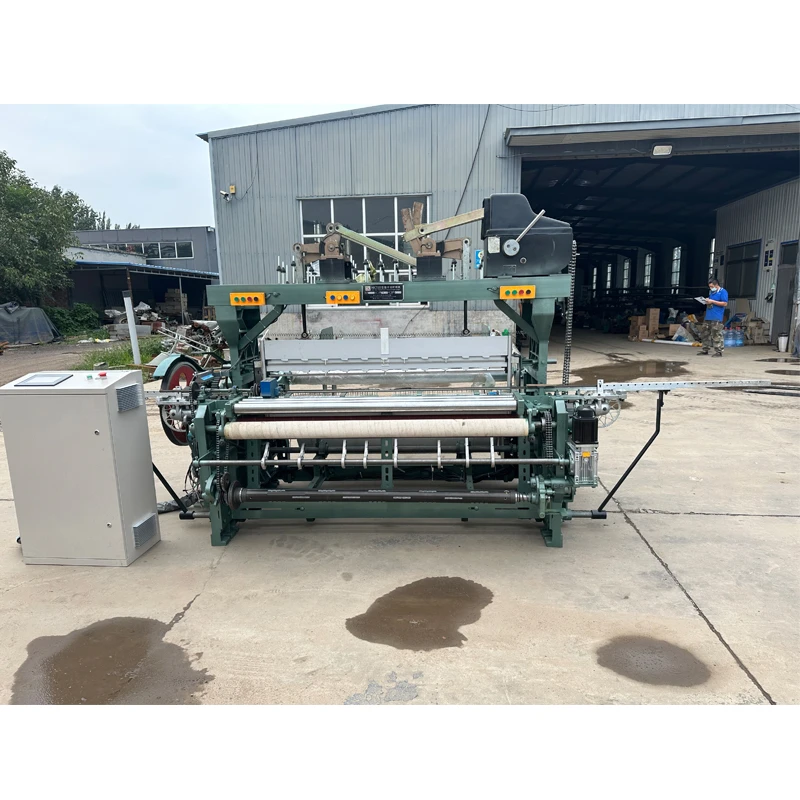
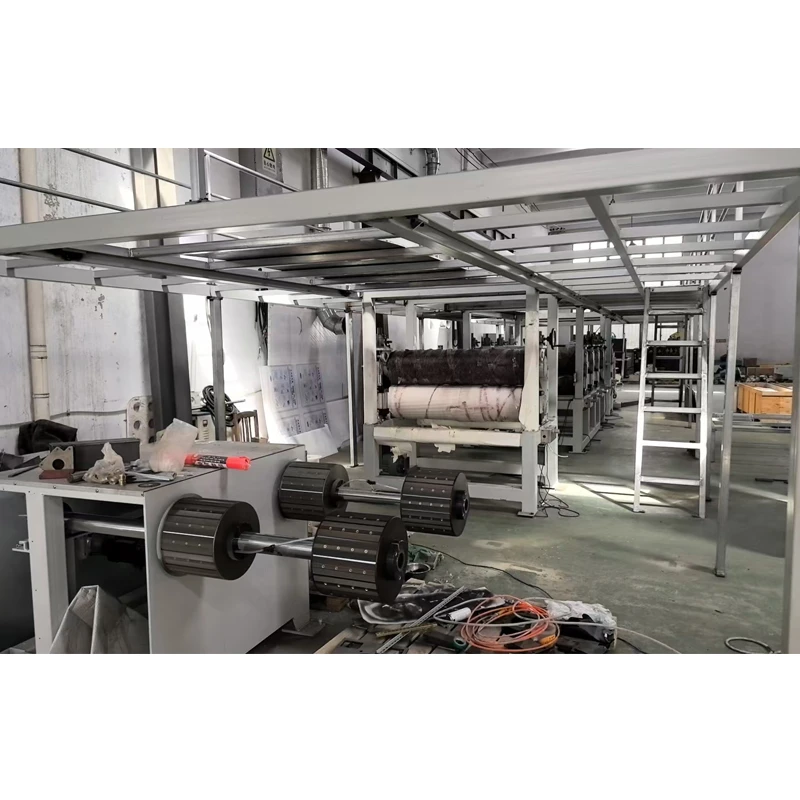
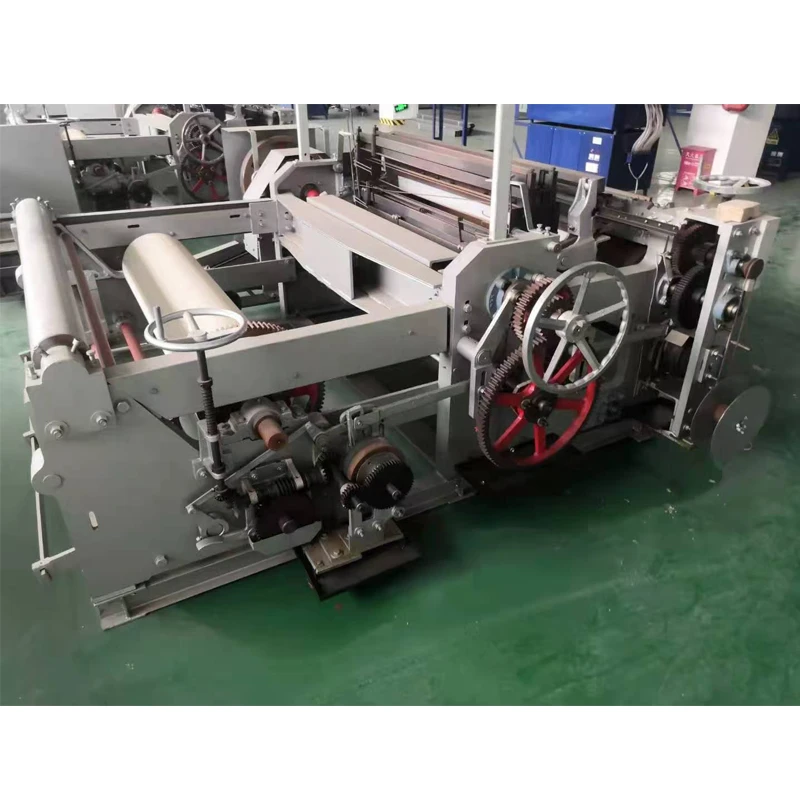
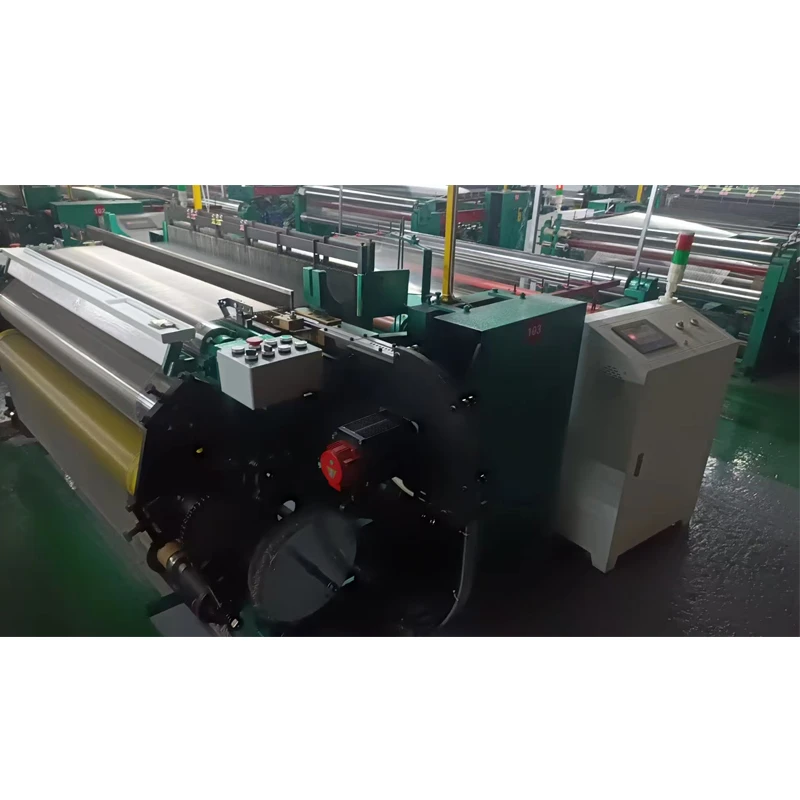
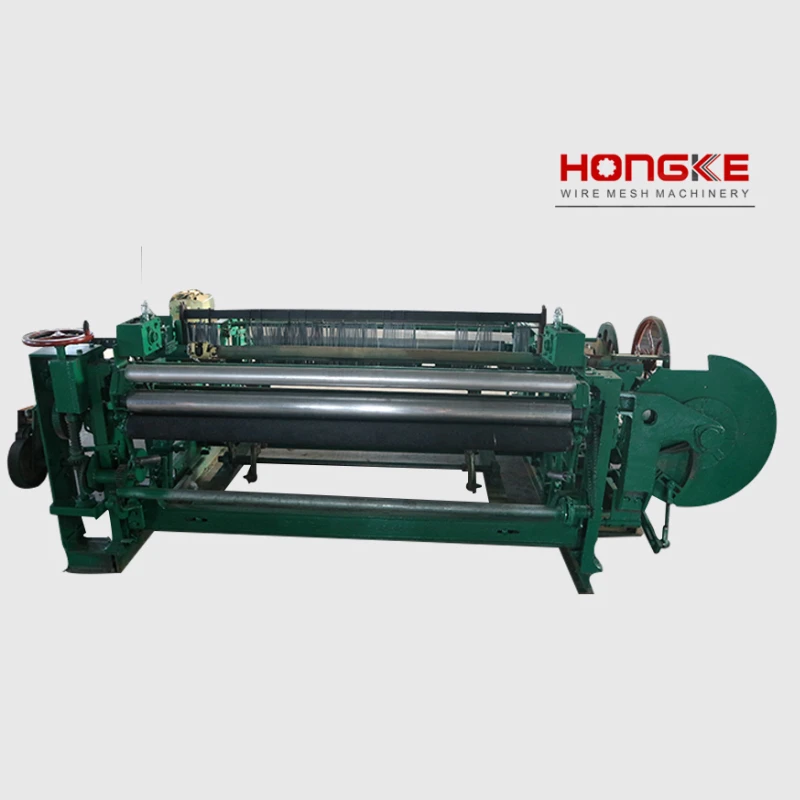
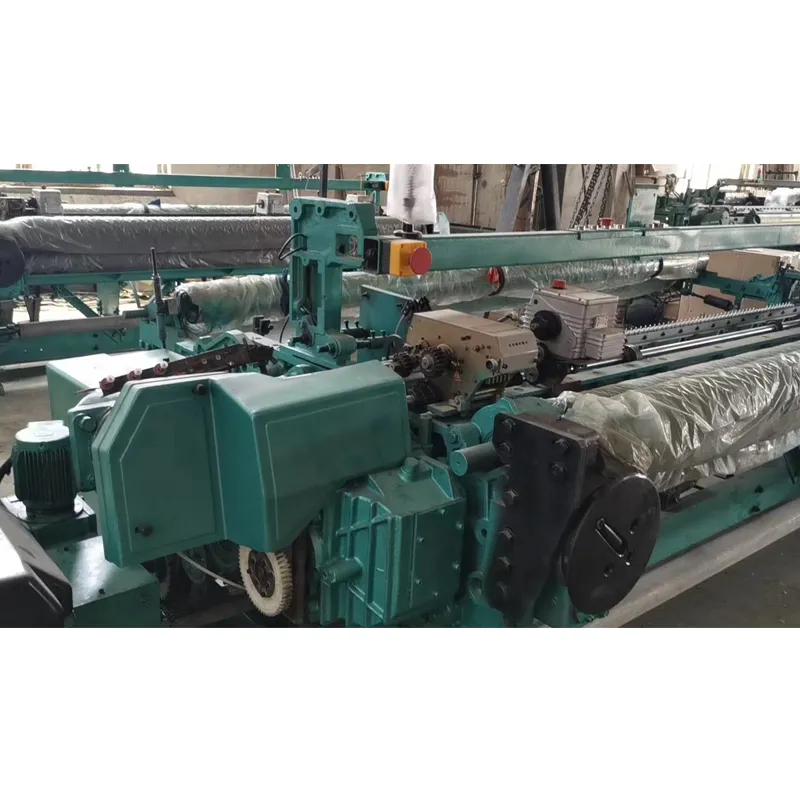
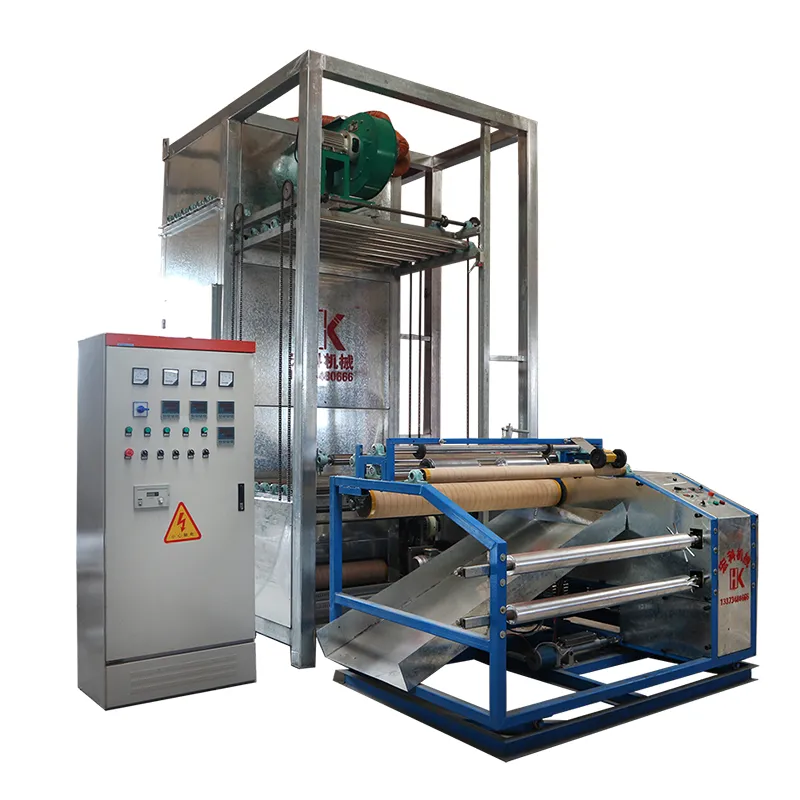
A Fiberglass Mesh Machine is a specialized solution designed to weave E-glass or AR-glass yarns into reinforcement mesh used in insulation systems, wall reinforcement, mosaic backing, and abrasive base fabrics. In the Special Equipment Manufacturing Industry, it sits at the intersection of textile engineering and technical fabric processing, aligning with the Textile, clothing, and leather machinery manufacturing category. Anping Hongke Wire Mesh Machinery Factory engineers complete systems—from yarn creels and the yarn warping machine through the fiberglass mesh weaving machine to finishing and packaging—forming a reliable fiberglass mesh production line tailored to industrial realities.
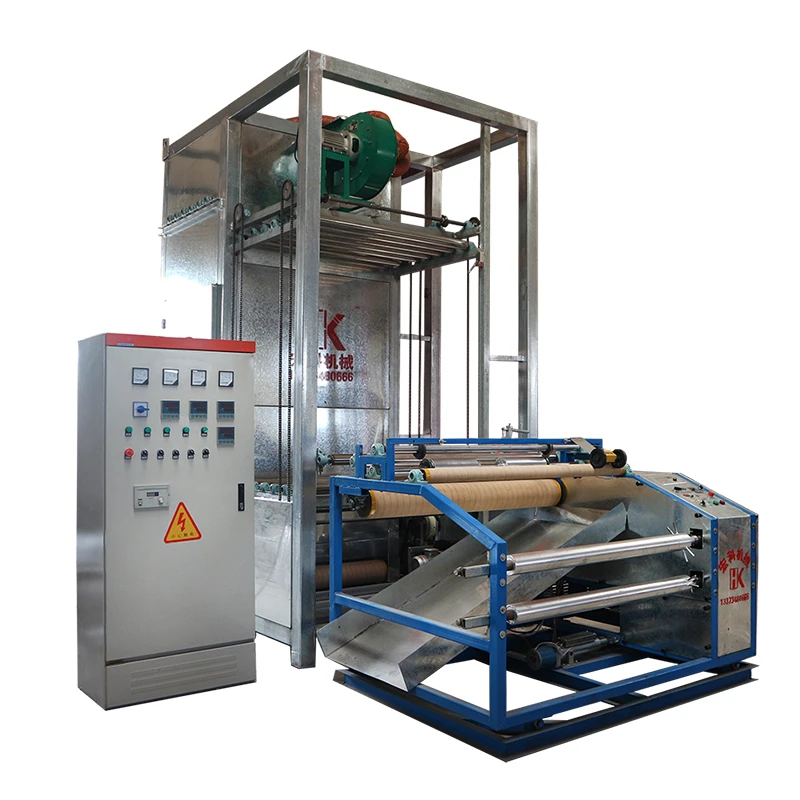
Typical specifications supported include mesh sizes of 4×4, 5×5, and 10×10 mm; fabric widths from 600 to 2600 mm; and basis weights between 60–200 g/m². Servo-controlled let-off/take-up, electronic warp-stop sensors, and automatic weft insertion stabilize tension and reduce defects. Users can produce alkali-resistant meshes by integrating coating and heat-setting modules, while a fiberglass wrapping machine streamlines roll formation and protects finished goods for logistics. With decades of category expertise and rigorous QC, Anping Hongke delivers machines built for high uptime, precise mesh geometry, and repeatable quality across shifts and product variants.
Benefits & Use Cases of Fiberglass Mesh Machine in Textile, clothing, and leather machinery manufacturing
Within technical textiles, fiberglass mesh is a high-value category. Manufacturers use these machines to supply EIFS/ETICS insulation systems, gypsum board joints, waterproofing layers, marble/granite backing, and grinding wheel reinforcement. A modern fiberglass mesh weaving machine configured with quick-change reed and heald frames helps factories switch between mesh sizes fast, supporting short runs without sacrificing throughput. Integration with a yarn warping machine ensures optimal warp beam build, minimizing tension variation and reducing end breaks.
Competitive advantages include closed-loop tension control for warp and weft, PLC/HMI recipe management for rapid SKU changes, and inline defect alarms that raise first-pass yield. An automatic fiberglass wrapping machine and synchronized take-up deliver tight, even rolls that meet export standards. Anping Hongke Wire Mesh Machinery Factory complements hardware with application engineering—mesh geometry tuning, AR-coating line pairing, and operator training—so B2B decision makers can ramp to spec quickly and supply demanding construction and abrasive markets with confidence.
Cost, Maintenance & User Experience
Total cost of ownership hinges on energy use, consumables, uptime, and labor. Anping Hongke’s fiberglass mesh production line uses high-efficiency servo drives and optimized pneumatics to lower kWh per thousand square meters produced. Robust frames, wear-resistant heddles, and industrial-grade bearings extend overhaul intervals, while modular design reduces mean time to repair. Many customers report OEE gains of 5–12% after upgrading from conventional looms due to fewer warp breaks and quicker changeovers enabled by recipe presets.
Predictive maintenance features—runtime counters, lubrication prompts, and fault histories accessible via the HMI—simplify daily routines. For operators, ergonomic threading paths and clear warp stop signaling reduce fatigue and training time. For finance leaders, the ROI case is straightforward: higher first-pass yield, lower scrap, and fewer unplanned stoppages typically recover the investment within 12–24 months, depending on mesh mix and regional energy prices. Anping Hongke backs installations with spare parts availability and remote technical support to keep lines running at peak performance.
Sustainability & Market Trends in manufacturing
Demand for fiberglass mesh is propelled by building envelope energy codes, seismic retrofitting, and the rise of lightweight, durable substrates. Buyers increasingly favor equipment that supports greener production—reduced waste, lower emissions, and efficient power management. Anping Hongke machines are designed for precise yarn control that curbs off-spec rolls, integrated dust collection options to improve air quality, and energy-optimized drive systems that help meet corporate sustainability KPIs without sacrificing output.
Digitalization is another trend: recipe traceability, batch reporting, and optional data interfaces create a transparent shop floor aligned with Industry 4.0 practices. These capabilities support compliance with international standards and customer audits in export markets. As technical textiles diversify, the flexibility to run various mesh sizes and GSM ranges on one platform safeguards capital efficiency. Anping Hongke Wire Mesh Machinery Factory continues to invest in R&D, ensuring its Fiberglass Mesh Machine ecosystem remains eco-conscious, data-ready, and adaptable to evolving regulations and market needs.
Conclusion on Fiberglass Mesh Machine from Anping Hongke Wire Mesh Machinery Factory
For B2B producers of technical textiles, a high-performance Fiberglass Mesh Machine is central to quality, throughput, and profitability. Anping Hongke Wire Mesh Machinery Factory delivers complete, integrated solutions—from the yarn warping machine and fiberglass mesh weaving machine to finishing and a fiberglass wrapping machine—ensuring consistent output and fast changeovers. With durable engineering, smart controls, and responsive support, the company is a trusted partner for scaling capacity and meeting stringent market standards.
Contact us: email: info@aphkmachinery.com — Visit our website: https://www.aphkmachinery.com