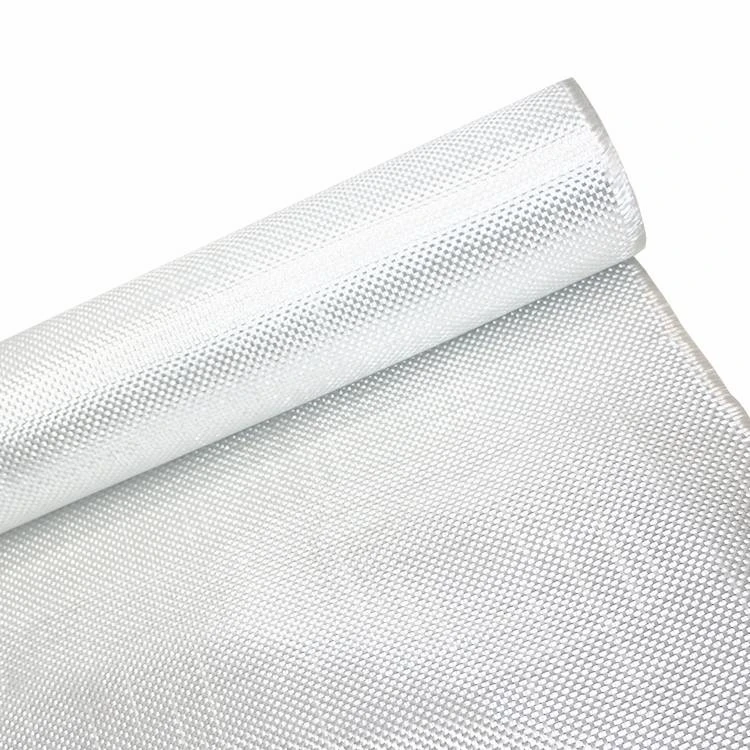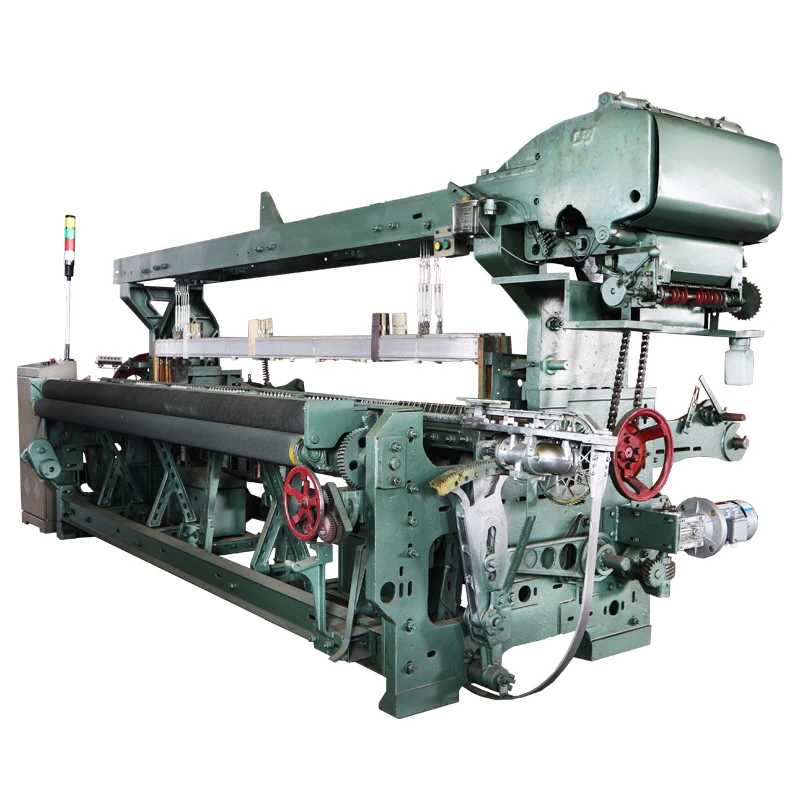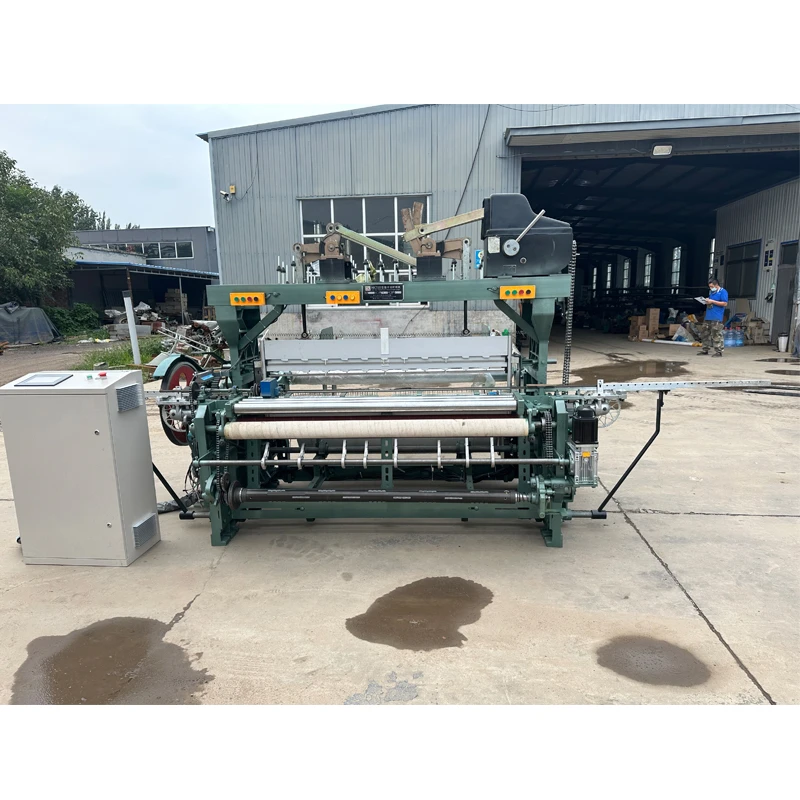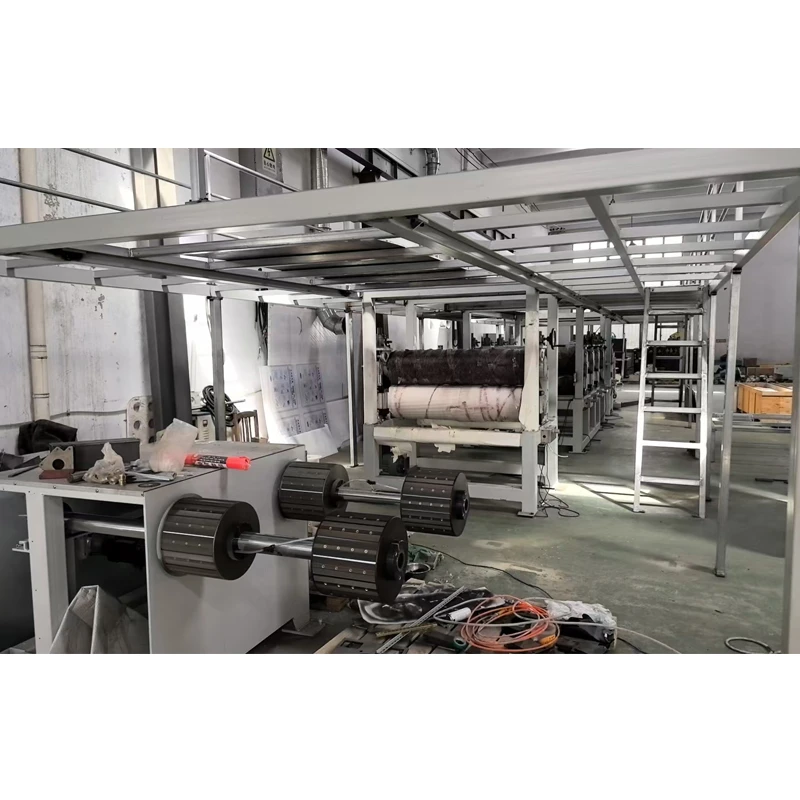



Rapier Dobby Loom Price is a key solution in the textile weaving industry, especially when precision, flexibility, and speed are non-negotiable. This article dives into how APHK Machinery supports professionals with robust, high-performance rapier dobby looms — the kind of equipment that turns production challenges into growth opportunities. For B2B decision-makers hunting the best value and dependable tech, understanding this niche product is crucial.
Table of Contents
- Rapier Dobby Loom Price Overview
- Benefits & Use Cases of Rapier Dobby Loom Price
- Cost, Maintenance & User Experience
- Sustainability & Market Trends
- Frequently Asked Questions
- Conclusion on Rapier Dobby Loom Price from China
Rapier Dobby Loom Price Overview
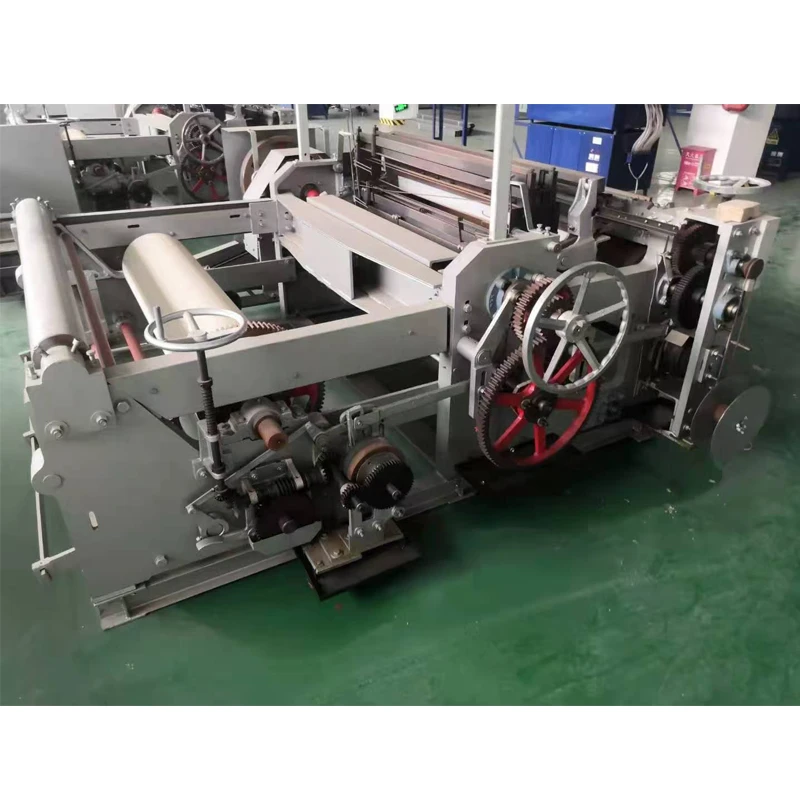
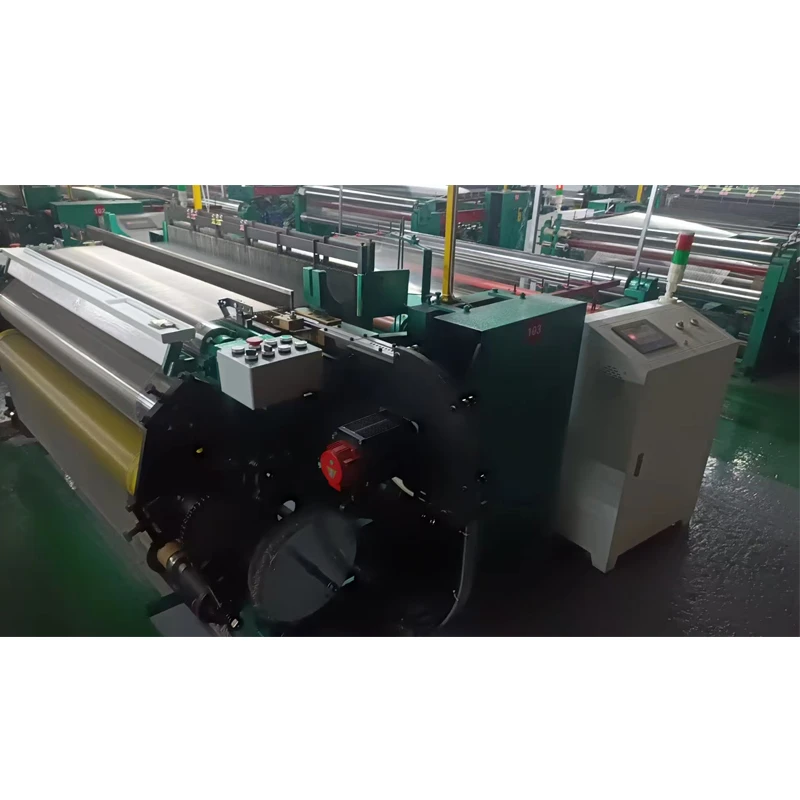
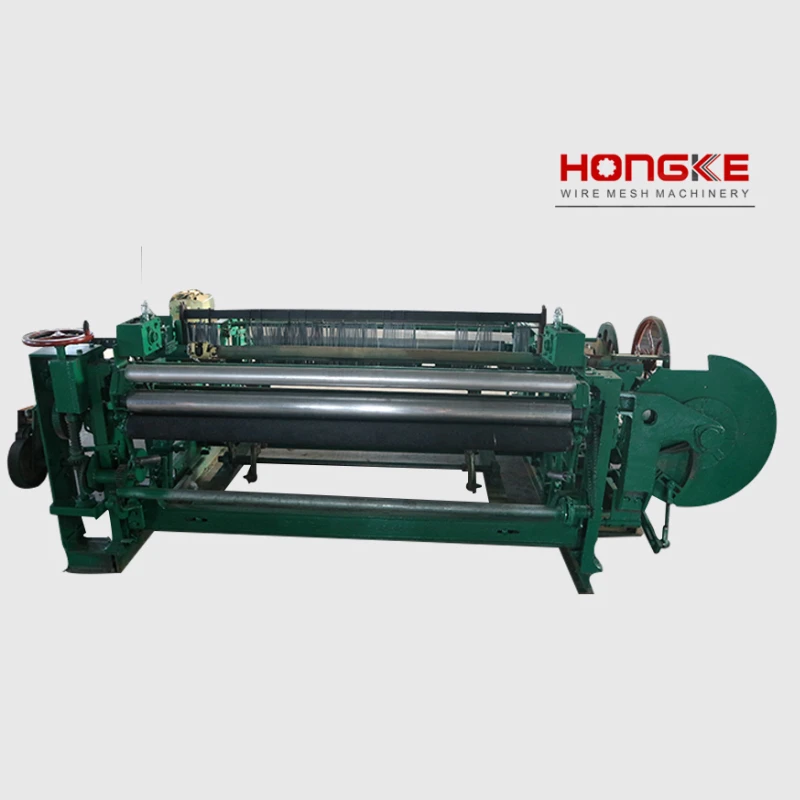
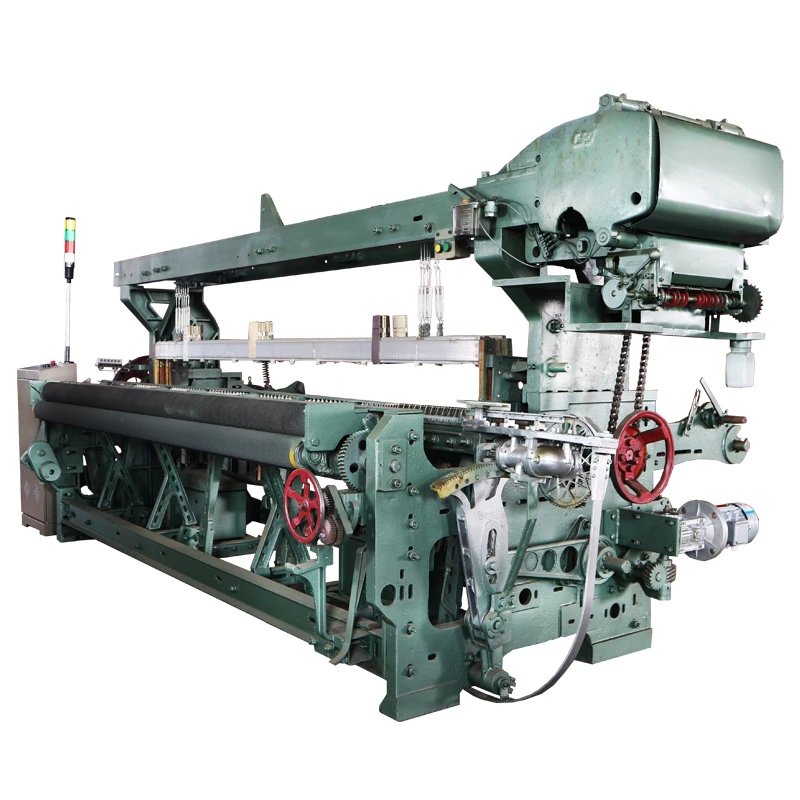
You know, at its core, a rapier dobby loom is a sophisticated weaving machine designed to produce intricately patterned fabrics with varied weave structures. Unlike traditional shuttle looms, the rapier system uses slender metal rods (rapiers) to carry the weft yarn across the warp, while the dobby mechanism controls the harnesses for complex designs. This combination offers versatility and high productivity, which frankly, makes it a darling for modern textile mills.
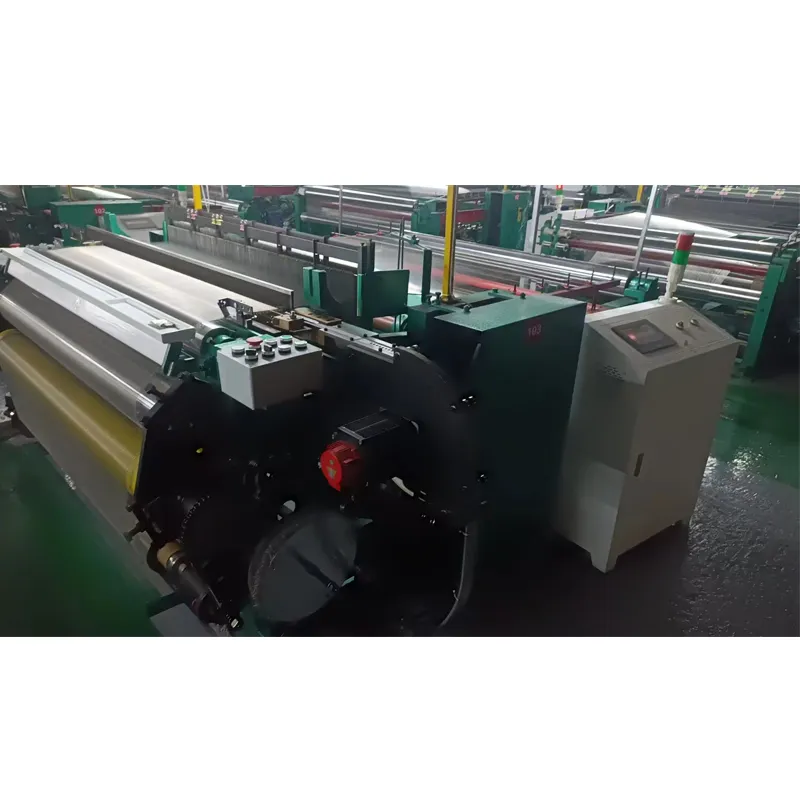
APHK Machinery, based in China, offers rapier dobby looms that are known for balancing rugged durability with advanced technology — which naturally influences the Rapier Dobby Loom Price. Their models typically feature electronic dobby harness controls, inverter drives for smooth speed variations, and user-friendly interfaces. You can find specs like 190–400 picks per minute, working widths from 1500 to 3300mm, and warp beam capacity tailored to heavy-duty industrial use.
| Specification | Typical Value | Explanation |
|---|---|---|
| Weaving Speed | 190–400 picks/min | Adjustable for fabric type and complexity |
| Working Width | 1500–3300 mm | Fits diverse fabric widths |
| Harness Number | 8–40 | Enables complex patterns with dobby control |
| Motor Type | Inverter-controlled AC motor | Smooth speed variation for quality fabric |
| Weft Insertion System | Double rapier | Reduces weft breaks, improves efficiency |
Benefits & Use Cases of Rapier Dobby Loom Price
The textile industry has varying demands — from producing fine, delicate fabrics like bed linens to heavy-duty upholstery textiles. The beauty of rapier dobby looms lies in their adaptability. Because they’re able to handle different yarn types and weave patterns at respectable speeds, manufacturers can switch designs "on the fly" without cumbersome setup downtime.
Among several competitive advantages, the electronic dobby mechanism allows for weave pattern programming that avoids manual harness changes — that’s a big deal when precision and quick changeovers matter. Plus, the rapier system reduces yarn waste and breakage, improving overall fabric quality.
Industries such as home textiles, technical textiles, and garment fabrics find these looms invaluable. Oddly enough, some mills also use them for heavier industrial products, including automotive interiors where pattern accuracy and production consistency can’t be compromised. In short, these machines are the Swiss army knives of medium to large textile producers.
Cost, Maintenance & User Experience
When it comes to the Rapier Dobby Loom Price, many first think about the upfront investment. Frankly, while cost varies by model and specifications, APHK’s offerings tend to be competitively priced against European or Japanese imports — sometimes up to 30% lower. This means lower capital expenditure without a steep tradeoff in quality.
Durability is critical in industrial settings. These looms use high-grade steel frames and proven electronic components that many operators report as reliable over tens of thousands of hours. What’s more, maintenance routines are fairly straightforward — basic lubrication, periodic checks on rapier tension and dobby solenoids, and software updates. This keeps downtime minimal.
Customers in the sector often share feedback praising APHK’s prompt spare parts support and technical assistance. One mid-sized textile producer I spoke with mentioned that their operators found the control panel intuitive, which reduces training time and errors. All these factors contribute to a quicker return on investment — something every manufacturing exec values.
Sustainability & Market Trends
The weaving sector, like many others, is feeling the push towards greener, more sustainable manufacturing. Rapier dobby looms tend to be more energy-efficient than older loom types due to inverter motor systems and controlled operations, lowering electricity usage per meter of fabric produced. This aligns well with tightening environmental regulations globally.
In real terms, businesses adopting these looms can reduce waste and optimize raw materials thanks to improved weaving precision. Industry forecasts suggest the demand for medium-width rapier dobby looms is going to grow steadily, particularly in Asian textile hubs where flexibility and cost-efficiency are prized.
It’s worth noting too that vendors like APHK are starting to offer models customized for smart factory environments — integrating IoT and predictive maintenance features. This sort of innovation ensures relevance in today’s fast-evolving textiles landscape.
| Vendor | Price Range (USD) | Key Strengths | Typical Lead Time |
|---|---|---|---|
| APHK Machinery (China) | $45,000 - $70,000 | Competitive pricing, solid build, good support | 4-6 weeks |
| Staubli (Switzerland) | $80,000 - $130,000 | Cutting-edge tech, premium quality | 8-12 weeks |
| Picanol (Belgium) | $75,000 - $110,000 | Strong after-sales service, advanced automation | 6-8 weeks |
Frequently Asked Questions about Rapier Dobby Loom Price
- What is Rapier Dobby Loom Price and how does it work?
- The term refers to the cost and value of rapier dobby looms — weaving machines that use metal rods (“rapiers”) to insert the weft yarn and a dobby mechanism to control complex harness movements. This setup enables swift, detailed weaving across various fabric types.
- What are the main benefits of using Rapier Dobby Loom Price in industrial applications?
- They’re versatile, allowing multiple weave patterns without mechanical reconfiguration. Efficiency gains include higher speeds than shuttle looms, reduced yarn waste, and minimal downtime thanks to electronic dobby controls.
- How does Rapier Dobby Loom Price compare to traditional alternatives?
- Compared to shuttle or projectile looms, rapier dobby looms offer more pattern flexibility, better energy efficiency, and gentler yarn handling. While often more expensive upfront than the simplest looms, they outperform in productivity and fabric quality.
- What industries can benefit most from Rapier Dobby Loom Price implementation?
- Sectors like home textiles, fashion apparel fabrics, automotive textiles, and technical textiles rely heavily on rapier dobby looms. Many facilities have reported expanded product lines and improved market competitiveness after upgrading.
Conclusion on Rapier Dobby Loom Price from China
All things considered, the Rapier Dobby Loom Price via APHK Machinery offers a balanced intersection of cost, performance, and innovation. For businesses aiming to improve flexibility, reduce waste, and compete on quality, investing in these looms could be a game-changer. It’s worth visiting their website and getting the latest specs tailored to your production needs — the textile world never stops evolving, and neither should your machinery.
- Understanding the cost-performance ratio is essential when selecting rapier dobby looms.
- Visit our website: https://www.aphkmachinery.com
Frankly, the rapid pace of textile innovation makes staying informed something of a marathon. So it pays to choose suppliers with proven expertise and flexible pricing — and APHK fits that bill.
- Industry Textile Reports, 2023
- APHK Machinery Product Manuals (2024)
- Textile Engineering Journal, Vol. 41