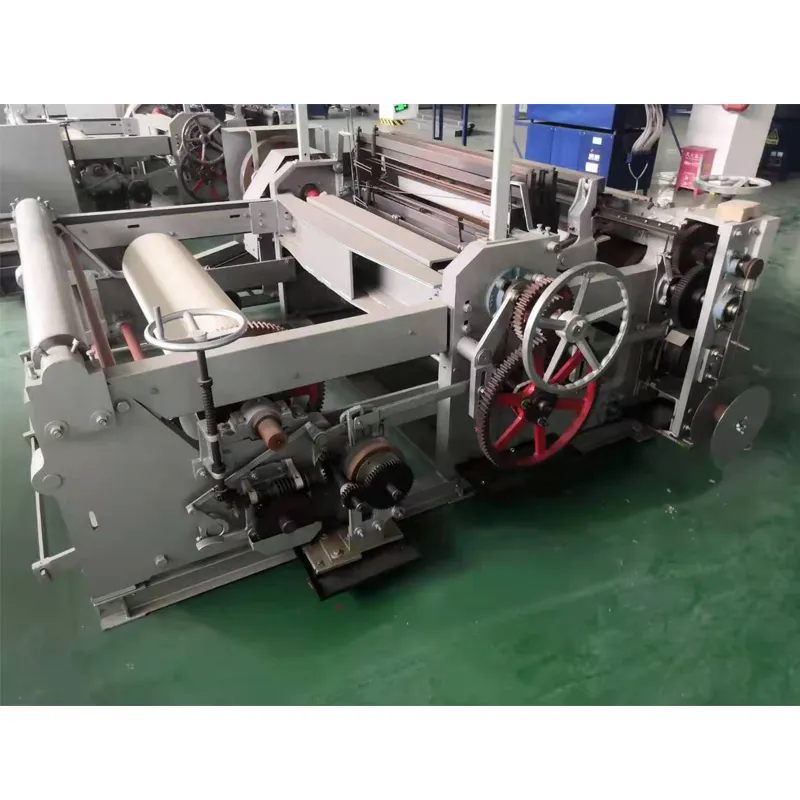



Machine Used to Weave: An Industry Veteran’s Take
Having spent more than a decade around machines used to weave, I can tell you there’s a whole world behind the clatter and clicks of those weaving looms. In real terms, these machines aren’t just mechanical devices; they’re the heartbeat of textile production worldwide. Oddly enough, the more I see these machines evolve, the more I appreciate the subtle balance of craftsmanship and technology that defines them.
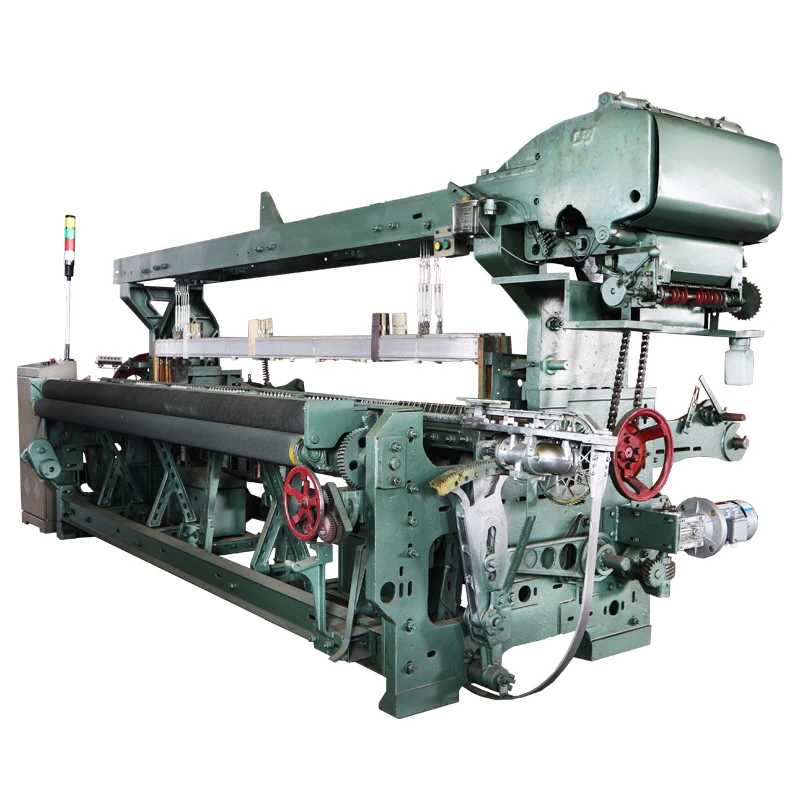
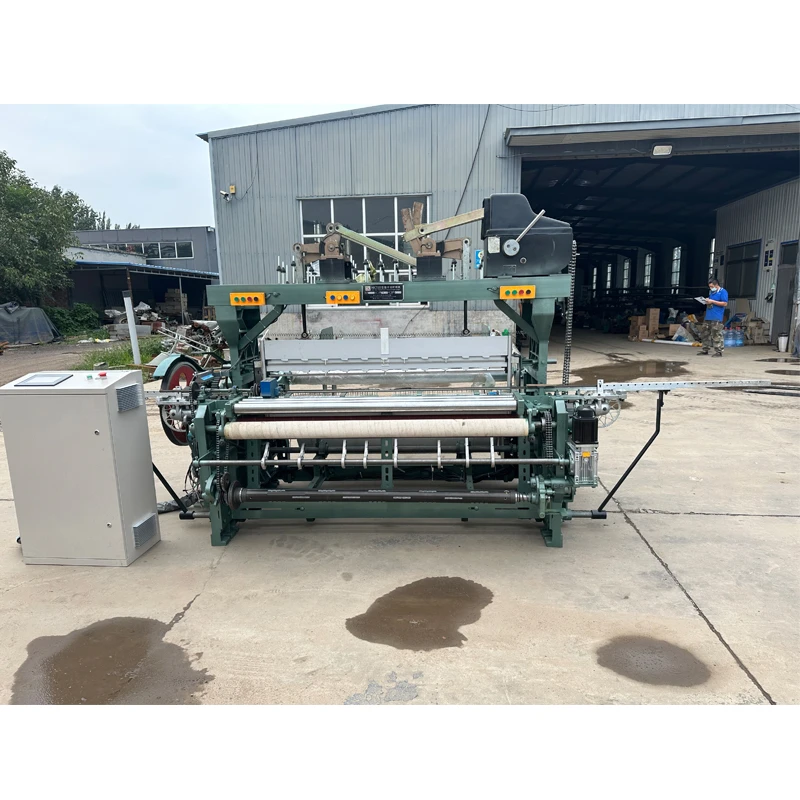
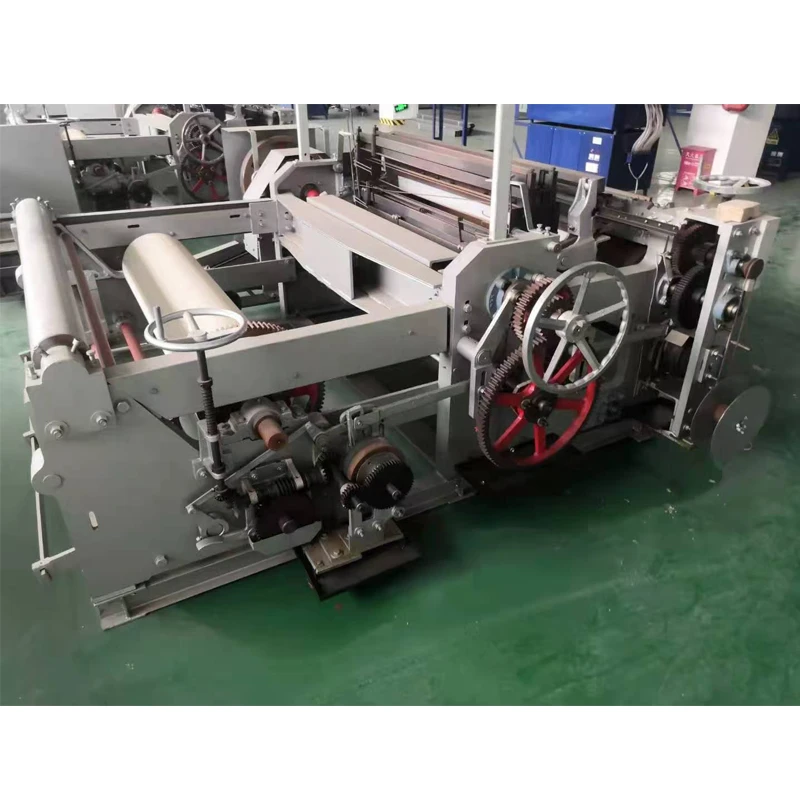
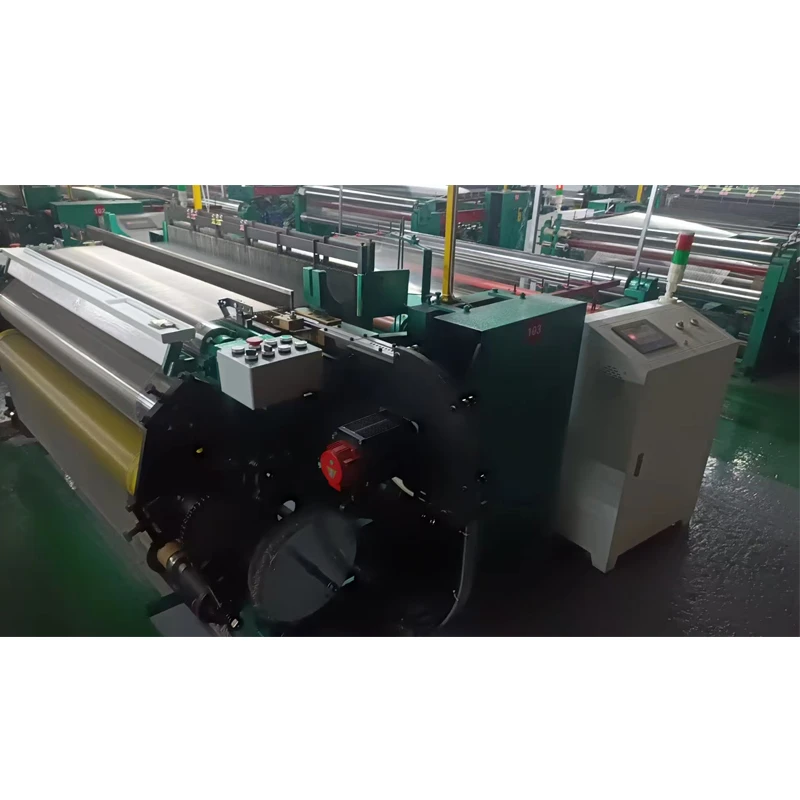
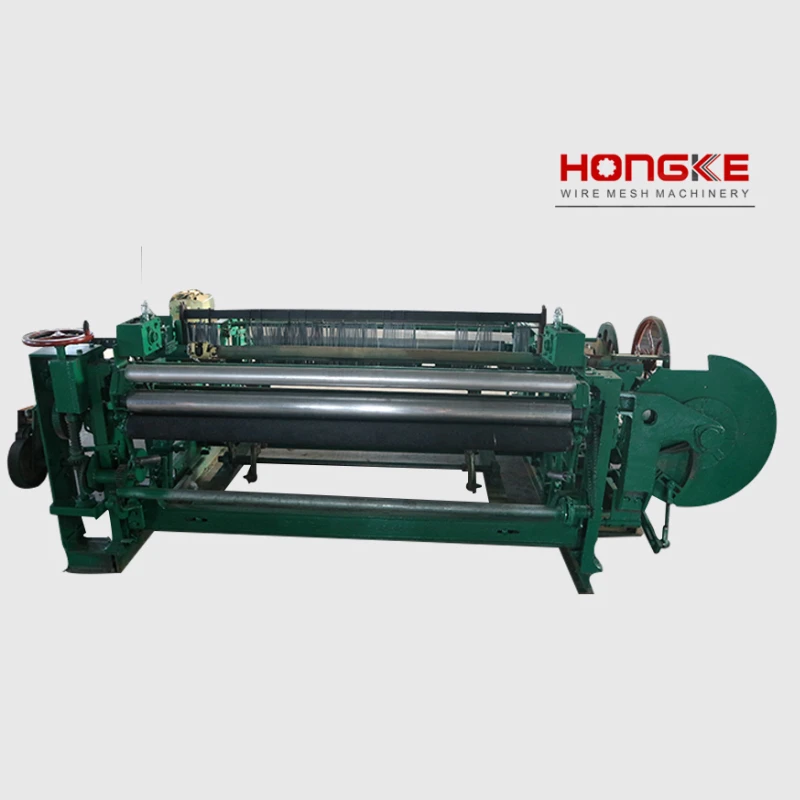
Weaving machines, whether they’re the old-school shuttle looms or modern rapier and air-jet types, represent decades of industrial ingenuity. You might think the main focus is speed, but frankly, precision and adaptability often steal the show. Many engineers I know say that a good weaving machine is as much about delicate control as brute efficiency. It feels like managing an orchestra where every thread is an instrument.
Since we’re talking specs, here’s what a typical, reliable machine used to weave offers today:
| Feature | Specification |
|---|---|
| Type | Air-Jet / Rapier / Projectile |
| Max Weaving Speed | Up to 1200 meters/min (depends on model) |
| Weaving Width | From 1m to 3.5m |
| Material Compatibility | Cotton, synthetic blends, technical textiles |
| Automation Level | Semi to fully automated with PLC controls |
One thing I always keep in mind when working with these machines is the raw materials used with them. The string, thread, or yarn quality dramatically impacts the output. Even the most advanced machine can’t fully compensate for poor input materials. It’s sort of the “garbage in, garbage out” principle, applied literally.
Customization is another crucial factor. Many manufacturers offer modular designs so users can tweak settings or swap components depending on product needs. For example, a weaving mill specializing in technical fabrics might want a machine optimized to handle high tenacity fibers differently from those making delicate silk fabrics. This flexibility often translates into better product quality and less downtime.
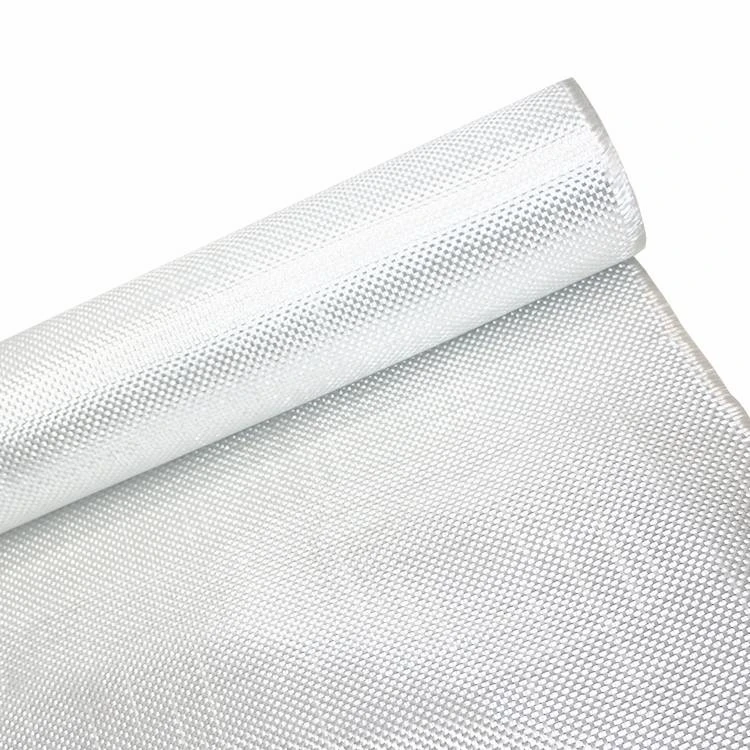
Let me share a quick story: A customer I worked with in Southeast Asia was dealing with a high rejection rate due to uneven fabric density. After switching to a more advanced rapier weaving machine (which you can find at APHK Machinery), the fabric uniformity improved markedly. They cut wastage by nearly 20%, and that change made a measurable impact on their bottom line. It’s always rewarding to see technology directly improve real-world operations.
| Vendor | Machine Types | Automation | Price Range |
|---|---|---|---|
| APHK Machinery | Rapier, Air-Jet, Projectile | Semi to fully automated | $$$ |
| Vendor B | Shuttle, Air-Jet | Semi-automated | $$ |
| Vendor C | Projectile | Manual to semi-automated | $ |
Ultimately, buying or upgrading a machine used to weave is about matching your production needs — no surprises there. But the more you understand what goes on underneath the surface — the tension settings, the shedding timing, the pick insertion methods — the better equipped you are to choose wisely. And frankly, that’s where experience counts the most.
If you’re curious about modern options, I’d suggest browsing offerings from APHK Machinery. Their products tend to strike a good balance between innovation and reliability, which is critical in a market where every minute of downtime costs money.
Just as a final thought — working with weaving equipment is a bit like seeing the past and future at once. You have centuries-old techniques fused with cutting-edge electronics and software. Nobody said textile production was boring—quite the contrary...
References:
- Industry Textile Machinery Reports, 2023
- Personal interviews with textile engineers, 2018–2023
- APHK Machinery Product Catalog, 2024