


China Weaving Machine: Bringing Tradition and Technology Together
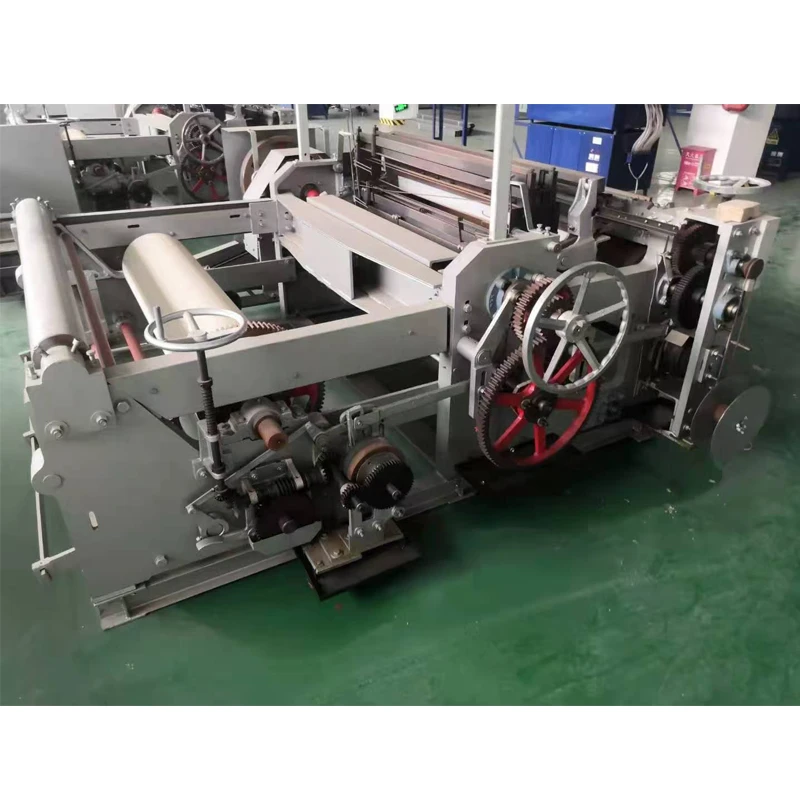
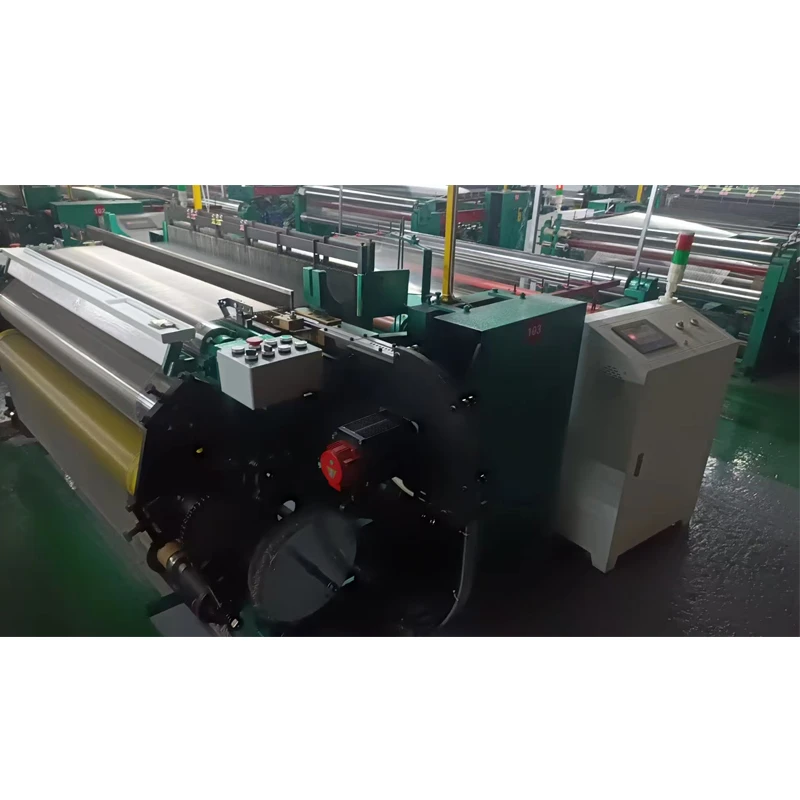
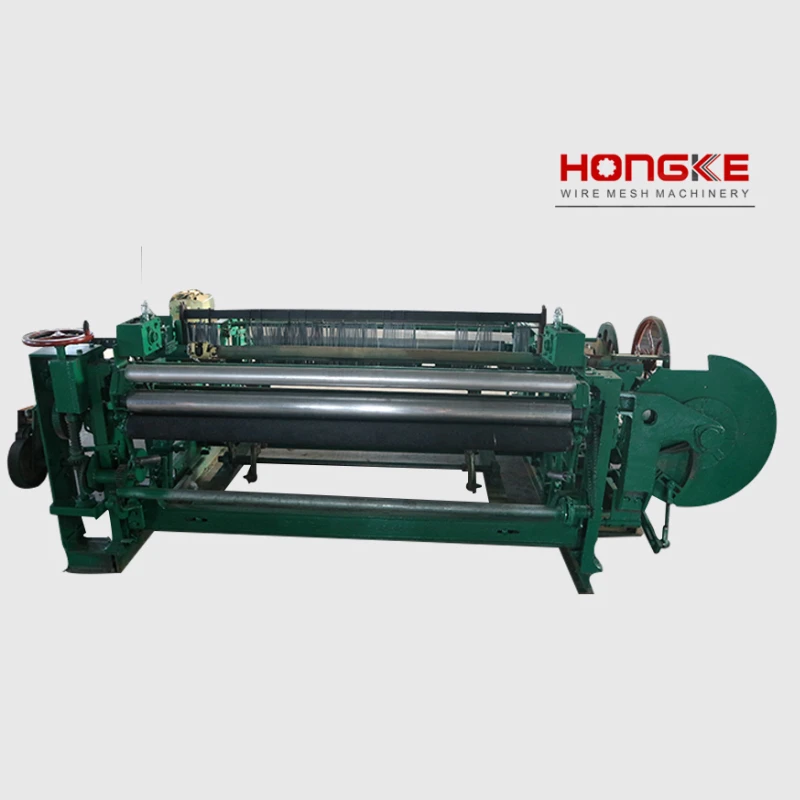
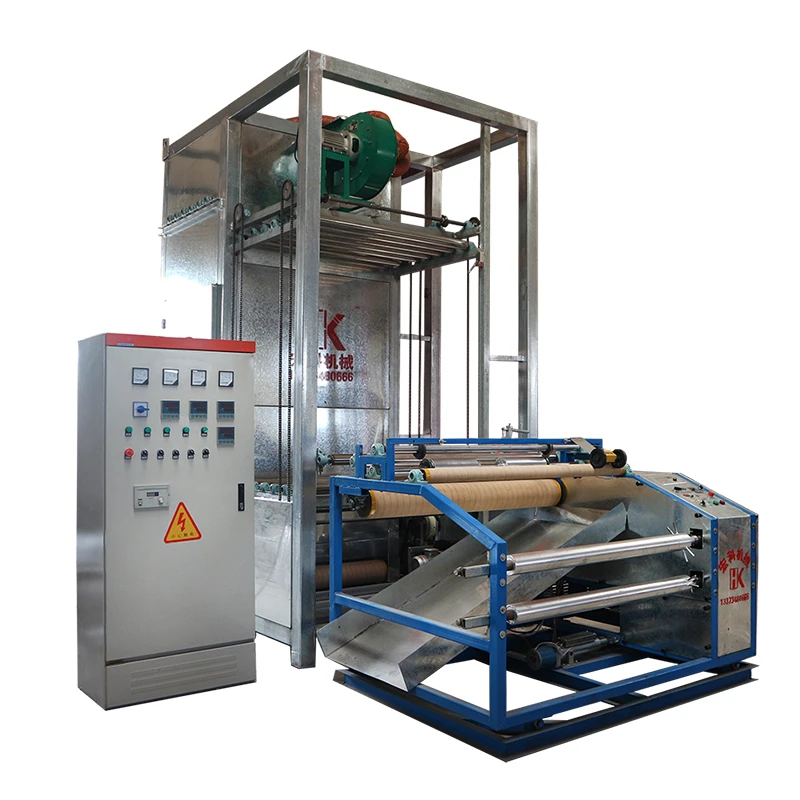
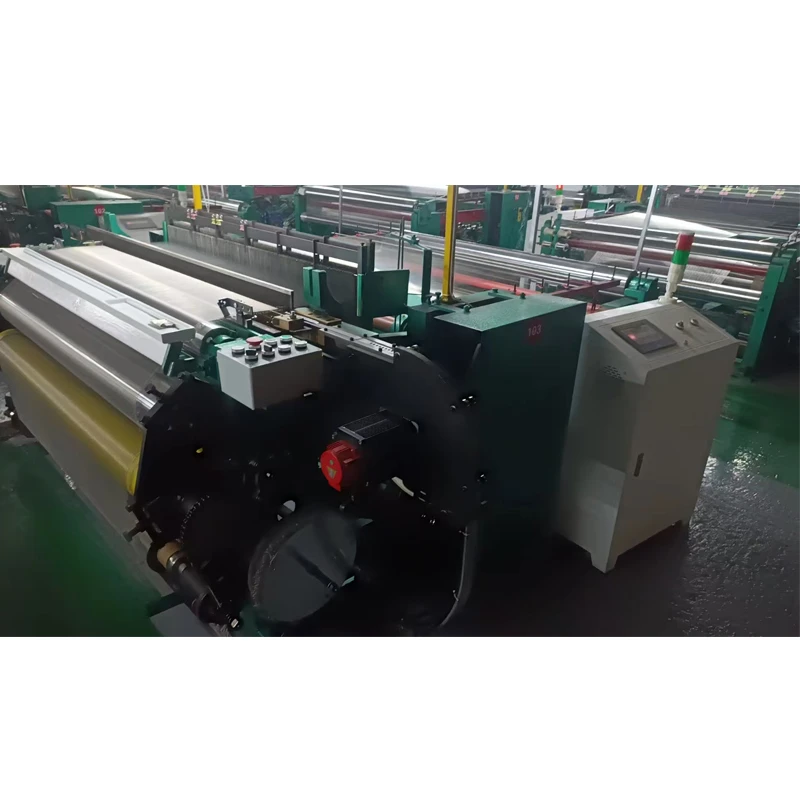
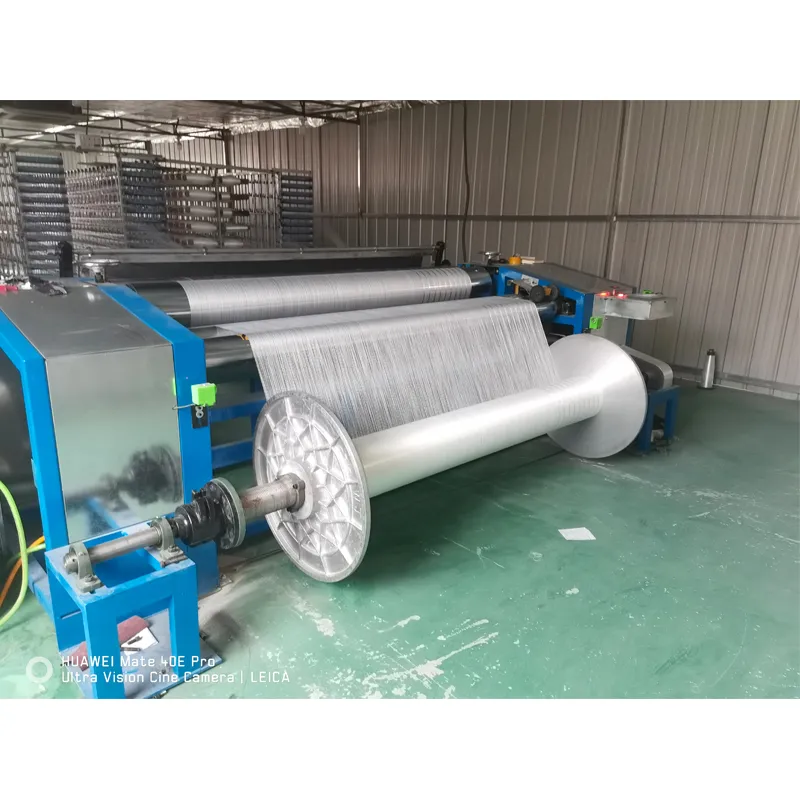
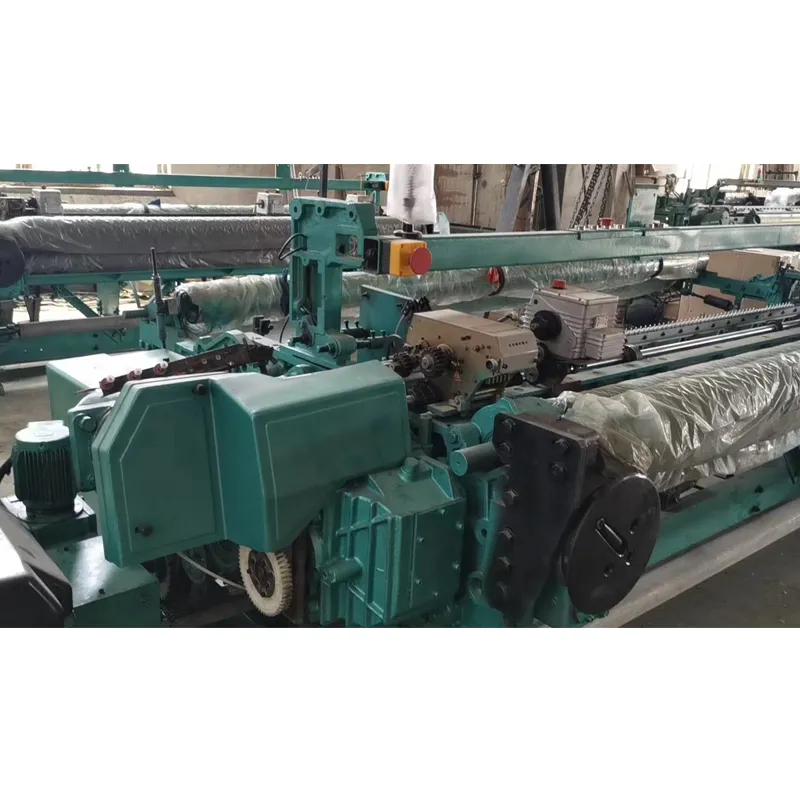
Having worked in the industrial equipment sector for over a decade, I’ve witnessed firsthand how china weaving machine technology has evolved. These machines aren’t just bulky equipment — they’re like the heartbeat of many textile factories, especially in Asia, where traditional craftsmanship meets modern efficiency.
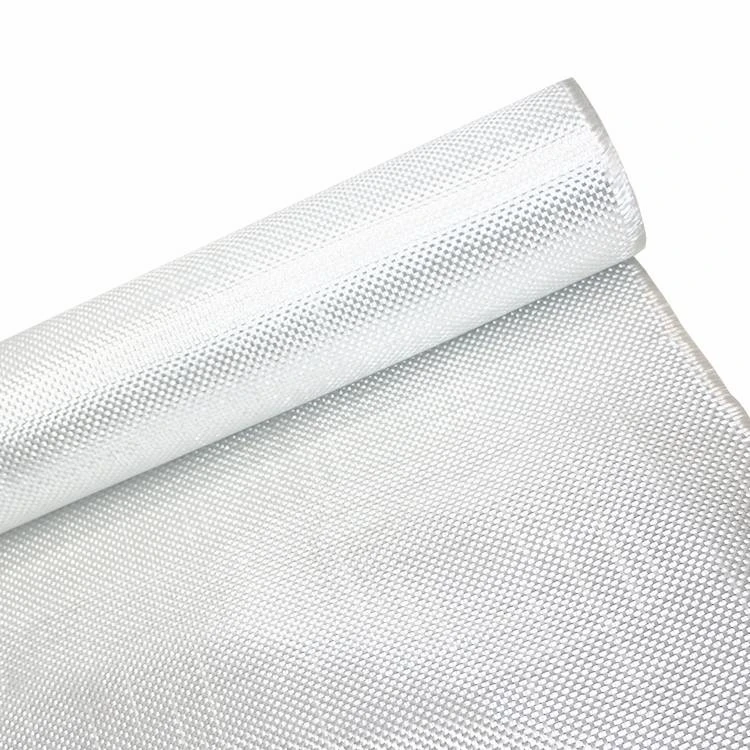
If you ask me, the charm of Chinese weaving machines lies in their blend of advanced engineering with decades-old weaving traditions. You know, the type of machines that can handle everything from coarse jute fibers to delicate silk threads without breaking a sweat. Out on the factory floor, I’ve seen these beasts hum steadily while producing yards and yards of fabric — and most importantly, the quality rarely wavers.
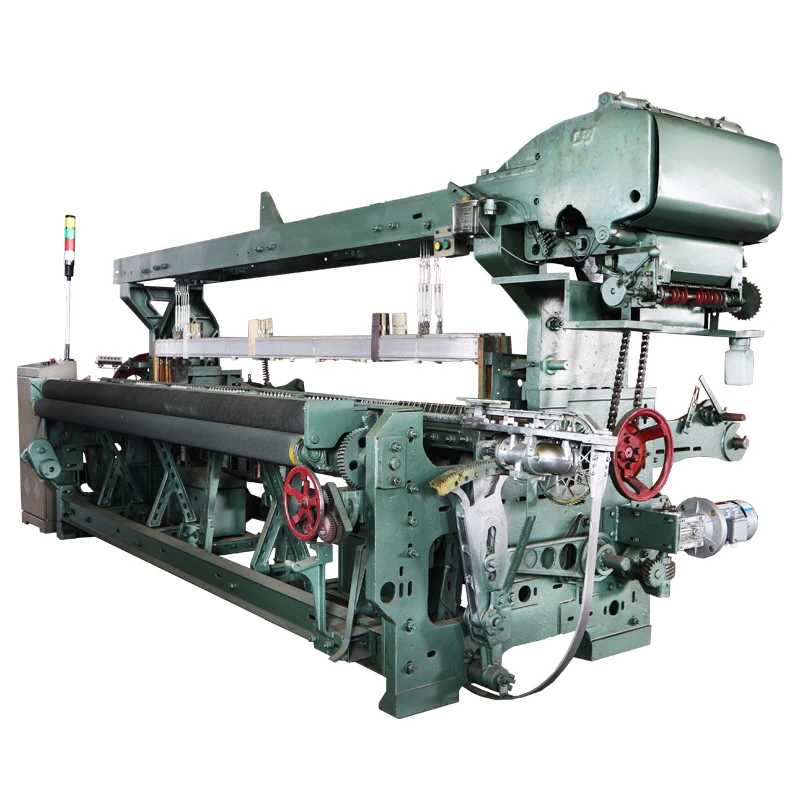
Oddly enough, despite all the automation flooding the market, many of these machines still rely heavily on robust mechanical parts. It feels like the manufacturers know the importance of durability, especially since downtime can kill profit margins fast. For instance, the frames are often made of high-grade cast iron. It might sound old-fashioned, but that weight and solidity really stabilize the whole weaving process.
Product Specifications at a Glance
| Specification | Typical Range | Remarks |
|---|---|---|
| Machine Type | Air Jet / Rapier / Water Jet | Depends on specific factory needs |
| Weaving Width | 1000 - 3400 mm | Custom sizes available |
| Max Speed | 800-1300 rpm | Varies by machine type |
| Power Consumption | 2-5 kW | Efficient motor design |
| Weight | 2500-6500 kg | Depends on configuration |
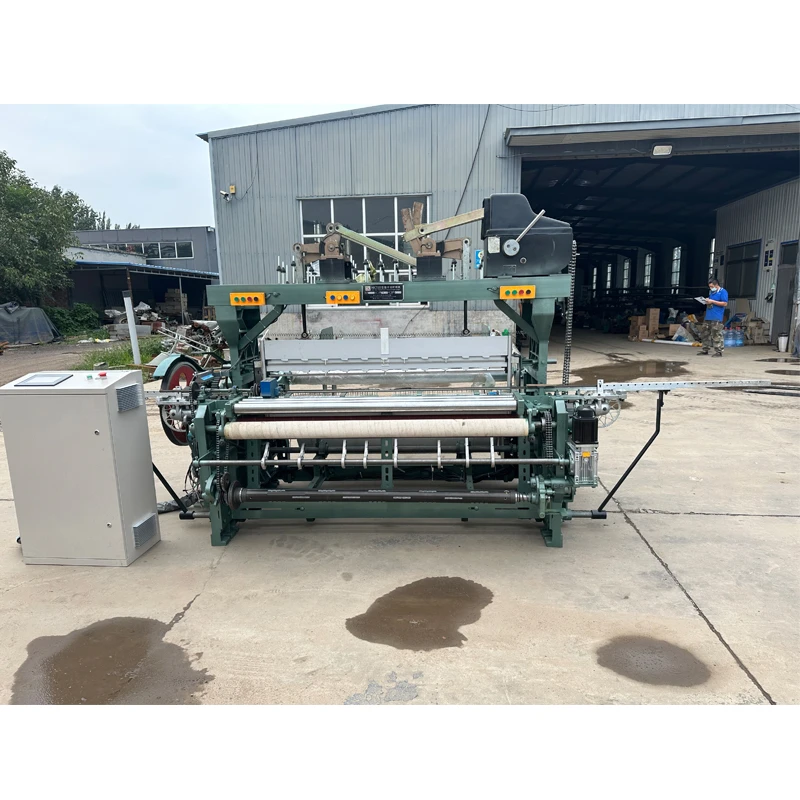
From my experience, one of the biggest advantages of these machines is their adaptability. Factories often require quick changeovers between fabric types — maybe today cotton, tomorrow synthetic blends. Chinese manufacturers have been responsive, integrating modular parts to help with quick maintenance or upgrades without full downtime.
A nice little story: a friend running a mid-sized textile mill in Zhejiang shared how a subtle tweak in the tension control system on one of their Rapier machines led to a 15% increase in uptime over six months. Improvements like these don’t make headlines but absolutely count when you’re managing tight production schedules.
Comparing Top Vendors of China Weaving Machines
| Vendor | Machine Types Offered | Price Range (USD) | After-Sales Service |
|---|---|---|---|
| APHK Machinery | Air Jet, Rapier, Water Jet | $35,000 - $75,000 | 24/7 Technical Support + Spare Parts |
| Jingwei Textile Machinery | Rapier, Sulzer Types | $30,000 - $70,000 | Standard Warranty + Training |
| Changzhou Mingtai | Water Jet, Air Jet | $33,000 - $68,000 | On-site Service on Request |
In real terms, when choosing a china weaving machine, it’s not just about specs or initial price. Support, availability of parts, and the vendor’s willingness to listen and adapt actually shape how valuable the purchase becomes over its lifecycle. If you’re investing in weaving machinery, I advise you spend time talking to different vendors, maybe visit their sites if you can—it really helps to see their production lines and test machines live.
All in all, Chinese weaving machines have rightly earned their reputation for blending affordability with durability. They’re a staple in textile production worldwide, and frankly, I don’t see that changing anytime soon. Whether you’re starting out or upgrading an existing line, there’s a solid, machine-crafted solution waiting somewhere in that space.
So if you’re curious to explore what modern Chinese weaving machines can offer, I recommend starting with trusted suppliers—you know, those who combine good engineering with attentive service. There’s really no substitute for machines that just keep on weaving, day after day.
References:
1. Textile Today – Trends in Weaving Machinery 2023
2. Industrial Equipment Review 2022: Chinese Manufacturers Spotlight
3. Interview notes from Zhejiang Textile Mill Operator, 2024