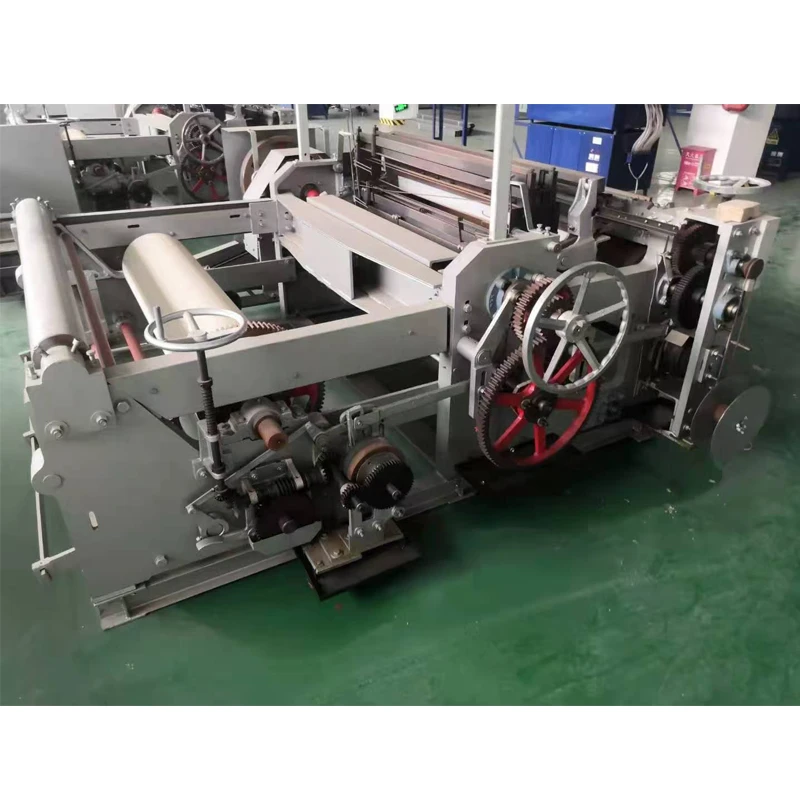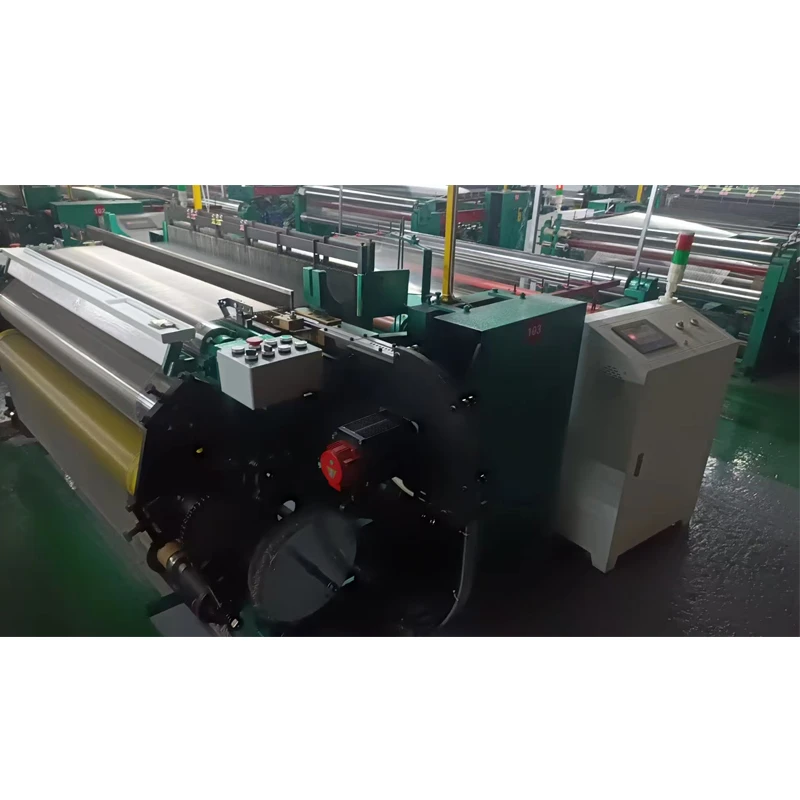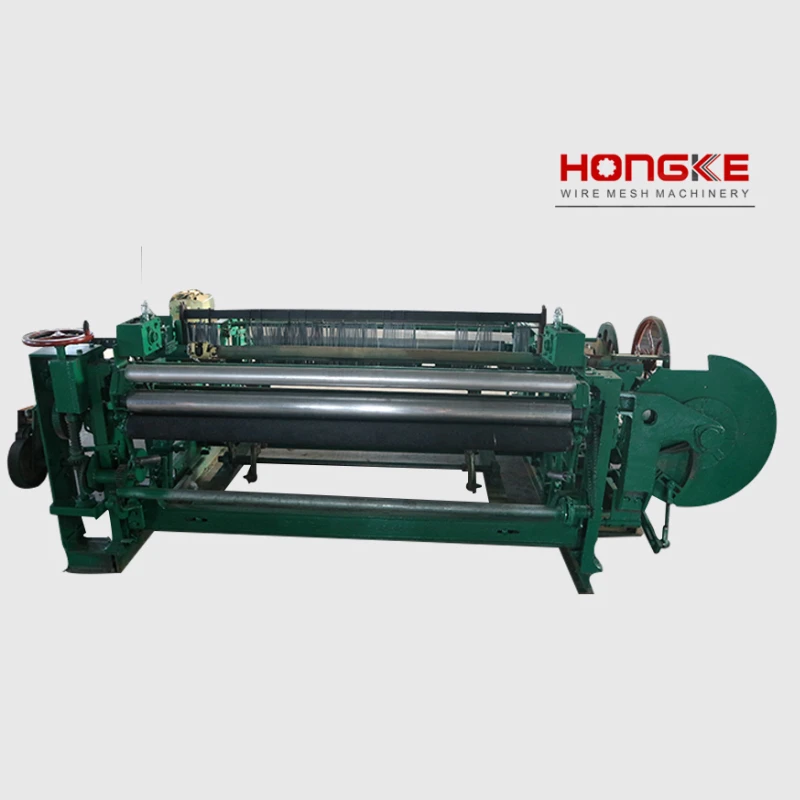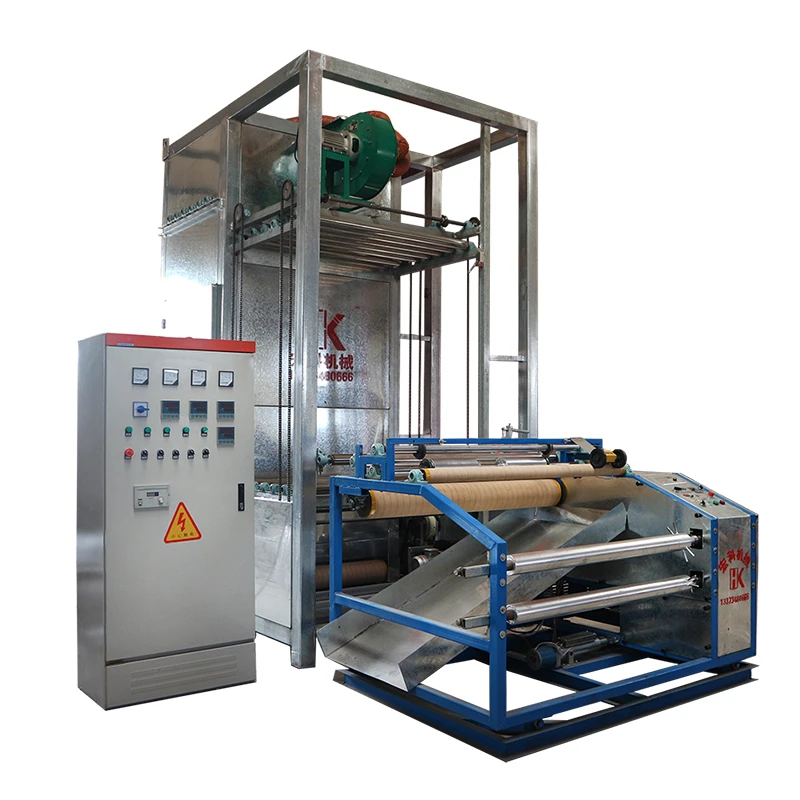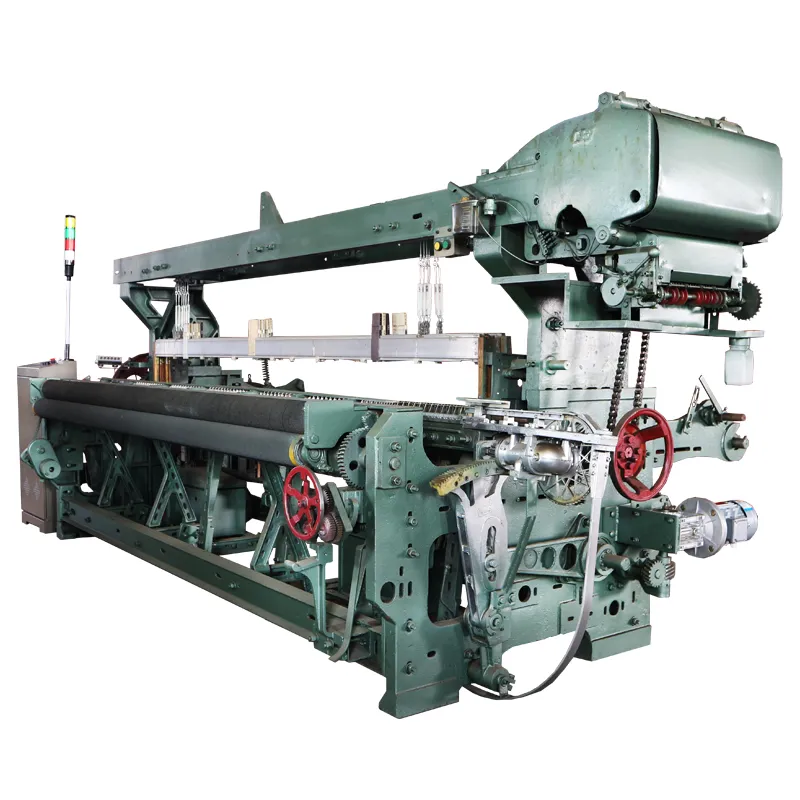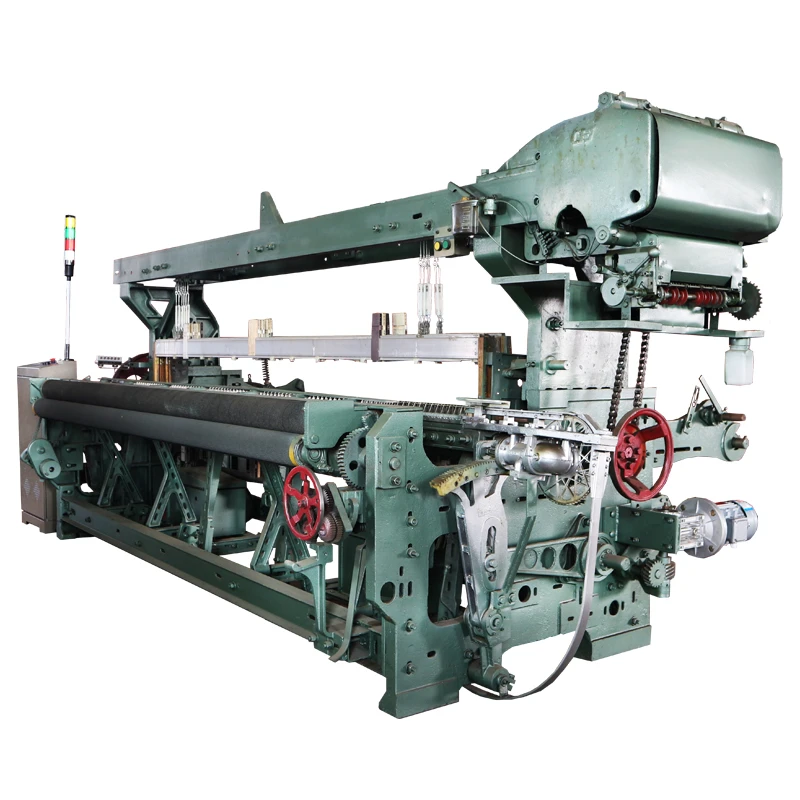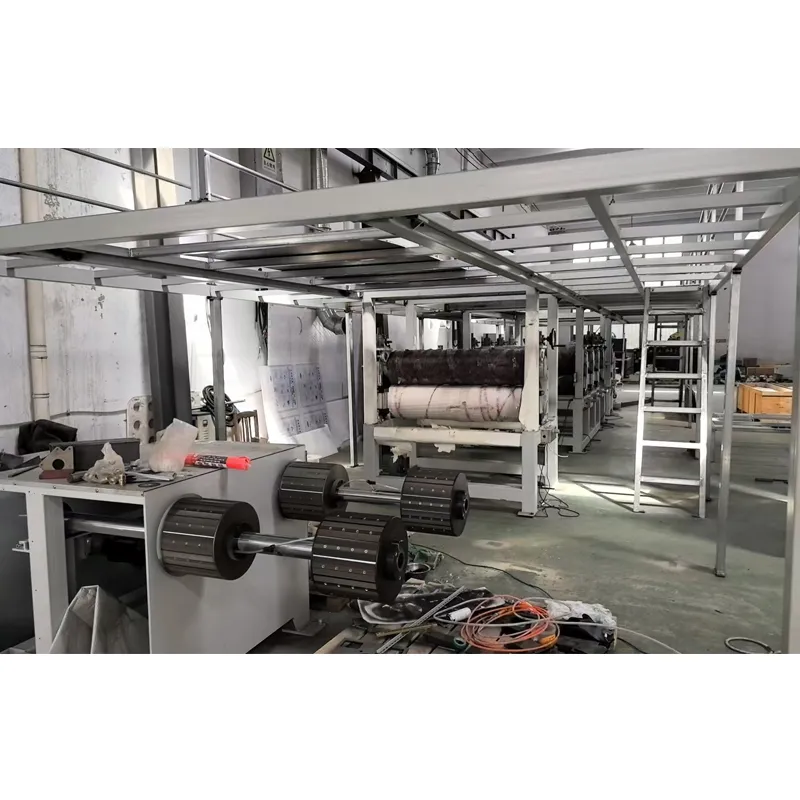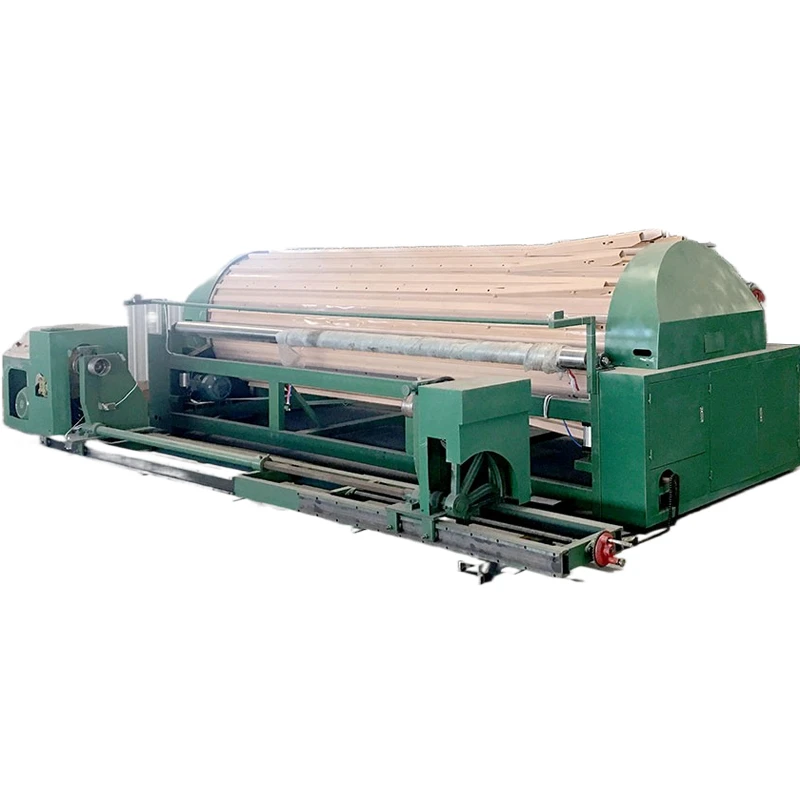



Weaving Machine Factory is a key solution in the industry, specifically within the textile manufacturing and industrial weaving sectors. This article explores how https://www.aphkmachinery.com supports professionals with durable, high-performance products, and explains why this product is an ideal choice for businesses in these sectors.
Table of Contents
- Weaving Machine Factory Overview
- Benefits & Use Cases of Weaving Machine Factory
- Cost, Maintenance & User Experience
- Sustainability & Market Trends
Weaving Machine Factory Overview
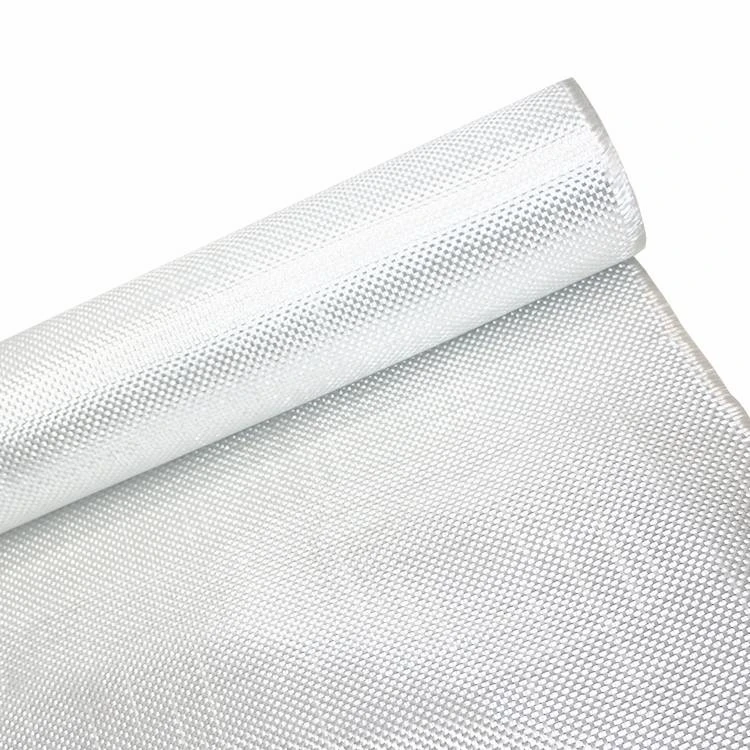
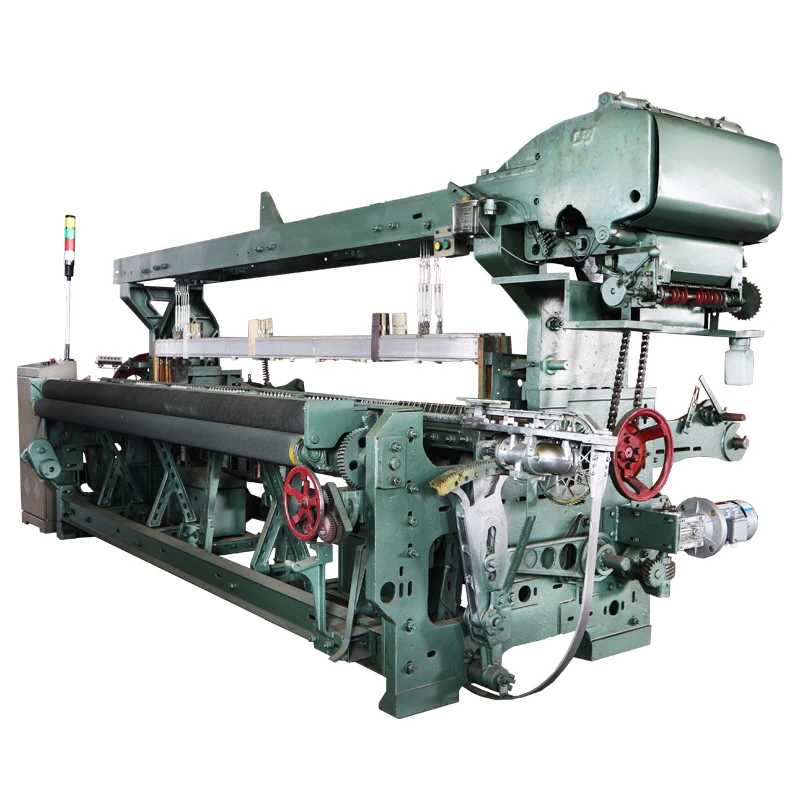
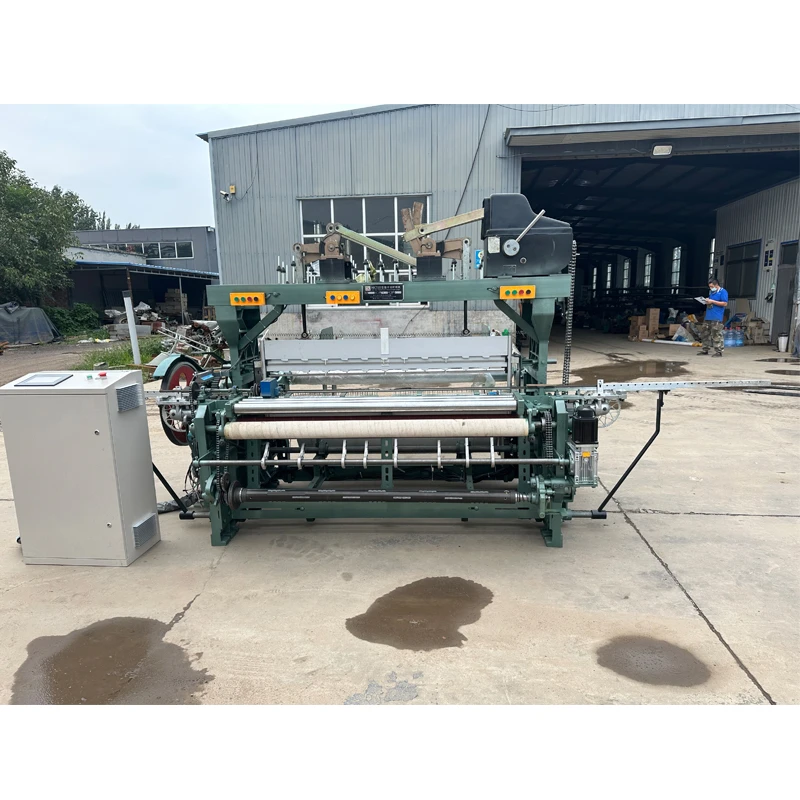
If you’re in the textile or fabric manufacturing arena, you probably appreciate the central role a reliable Weaving Machine Factory plays. Simply put, it’s where weaving machines — those complex beasts that interlace yarns to create textiles — are designed, built, and tested. The factory’s output is fundamental in supplying industries spanning from fashion and upholstery to technical textiles used in automotive or construction sectors.
Frankly, the tech inside these machines has evolved rapidly. Modern weaving machines made in the top factories like APHK Machinery incorporate advanced servo motors, programmable logic controllers (PLCs), and precision components to ensure speed and accuracy. For example, their air-jet weaving machines can achieve speeds above 1,200 picks per minute, which is quite a leap from older mechanical looms.
| Specification | Details |
|---|---|
| Machine Type | Air-jet / Rapier / Projectile |
| Max Speed | Up to 1,200 picks per minute |
| Width Range | 50 - 320 cm |
| Control System | PLC with touchscreen interface |
| Power Supply | 380V / 50Hz (customizable) |
Benefits & Use Cases of Weaving Machine Factory
Oddly enough, while weaving technology might sound straightforward — thread in, cloth out — the skill lies in how efficiently and reliably it does so. The weaving machines made in these factories ensure precise control over fabric density, texture, and pattern. This matters especially when producing intricate designs or technical textiles that need exact specifications.
Industrially, these machines find their place in sectors like apparel manufacturing, industrial fabrics, home textiles, and even technical products such as airbags or geotextiles. The ability to switch quickly between fabric types and automate many traditional manual adjustments means businesses can meet dynamic market demands with less downtime.
One notable advantage is the customization APHK Machinery offers, which frankly can be a game-changer. They tailor machines for different yarns, tension requirements, and fabric styles — making their weaving solutions stand out in a crowded marketplace.
Cost, Maintenance & User Experience
You might be wondering about total cost of ownership here — honestly, in this industry, that’s a big deal. Machines from the Weaving Machine Factory bring a balance of upfront cost and long-term reliability. Their robust construction reduces breakdowns, which frankly can save thousands in lost production hours.
Maintenance routines for these machines are user-friendly, thanks to clear documentation and modular parts designed for quick replacement. Many operators I spoke to highlighted how straightforward it is to troubleshoot and bring the machine back online swiftly. This kind of user experience feeds directly into a better ROI — faster uptime, less skilled labor required.
Customer feedback often praises the balance of automation and manual control, which means businesses can optimize workflows flexibly, adapting on the fly without heavy retooling.
Sustainability & Market Trends
Sustainability isn’t just a buzzword in textile manufacturing anymore — it’s a necessity. Factories like APHK Machinery have been stepping into this space by designing machines with reduced energy consumption and supporting the use of organic or recycled yarn types. In real terms, their newer lines incorporate energy-efficient motors and better waste reduction during the weaving process.
Industry regulations and consumer expectations push manufacturers to be transparent about their sourcing and production impact, so companies buying weaving machines should look at how the equipment can support environmental goals. Markets in Asia, Europe, and increasingly North America are growing for high-quality technical textile outputs, which means demand for these modern weaving machines will likely keep rising.
| Vendor | Customization Options | After-sales Support | Typical Lead Time |
|---|---|---|---|
| APHK Machinery | High – tailored machine design & software | Comprehensive, remote assistance available | 6-8 weeks |
| Vendor B | Medium – standard machines with add-ons | Onsite support, limited remote | 8-10 weeks |
| Vendor C | Low – mostly off-the-shelf models | Minimal post-sale support | 10-12 weeks |
Frequently Asked Questions about Weaving Machine Factory
- What is Weaving Machine Factory and how does it work?
- A Weaving Machine Factory is a specialized production facility where weaving machines are engineered, built, and assembled. These machines interlace warp and weft threads to create fabric. Modern plants employ automation and precision engineering to optimize speed, fabric quality, and versatility.
- What are the main benefits of using Weaving Machine Factory in industrial applications?
- The benefits include improved production efficiency, higher fabric quality, reduced downtime, and better adaptability to diverse textile requirements. Advanced machines also support sustainability through energy efficiency and less material waste.
- How does Weaving Machine Factory compare to traditional alternatives?
- Compared to older mechanical looms, machines from modern weaving machine factories offer higher speed, automation, precision, and ease of maintenance. This results in lower labor costs and better fabric consistency.
- What industries can benefit most from Weaving Machine Factory implementation?
- Textile manufacturers, automotive fabric producers, home furnishing companies, and technical textile producers benefit heavily. For example, APHK Machinery’s machines are popular with apparel factories due to their speed and customization.
Conclusion on Weaving Machine Factory from china
To sum up, investing in a quality Weaving Machine Factory product can transform operations, delivering speed, precision, and operational savings. Whether you’re producing fashion fabrics or technical textiles, modern weaving machines crafted with care and technical expertise underpin the fabric of success.
- Reliable output, customizable solutions, and ongoing support define these machines' value.
- Visit our website: https://www.aphkmachinery.com
A final thought: in this fast-moving industry, having machinery that adapts and delivers consistently feels like the difference between weaving a legacy and unraveling it.
References:
1. APHK Machinery official product data sheets.
2. Industry reports on textile machinery trends, 2023.
3. Interviews with textile engineers, June 2023.