


Understanding the Weaving Fabric Machine: A Veteran’s Perspective
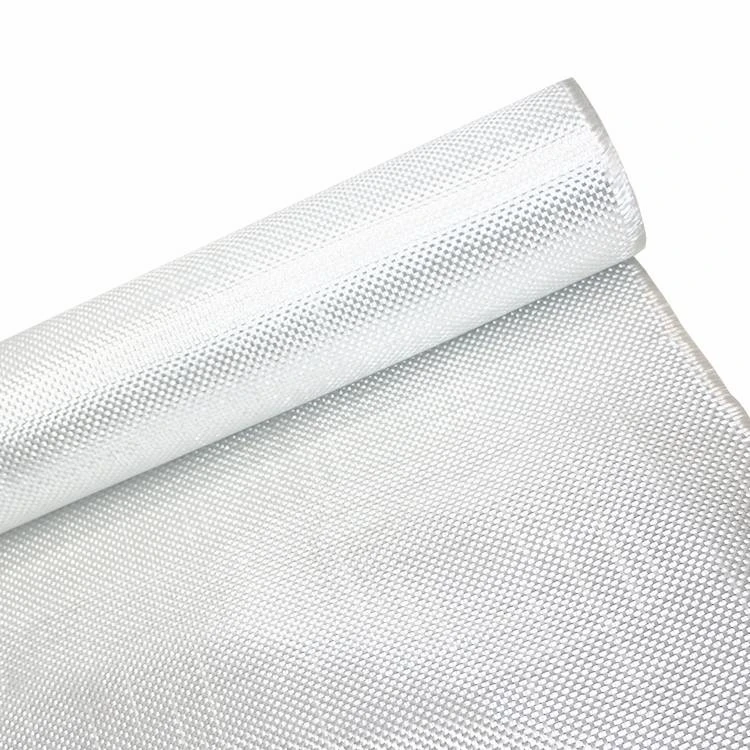
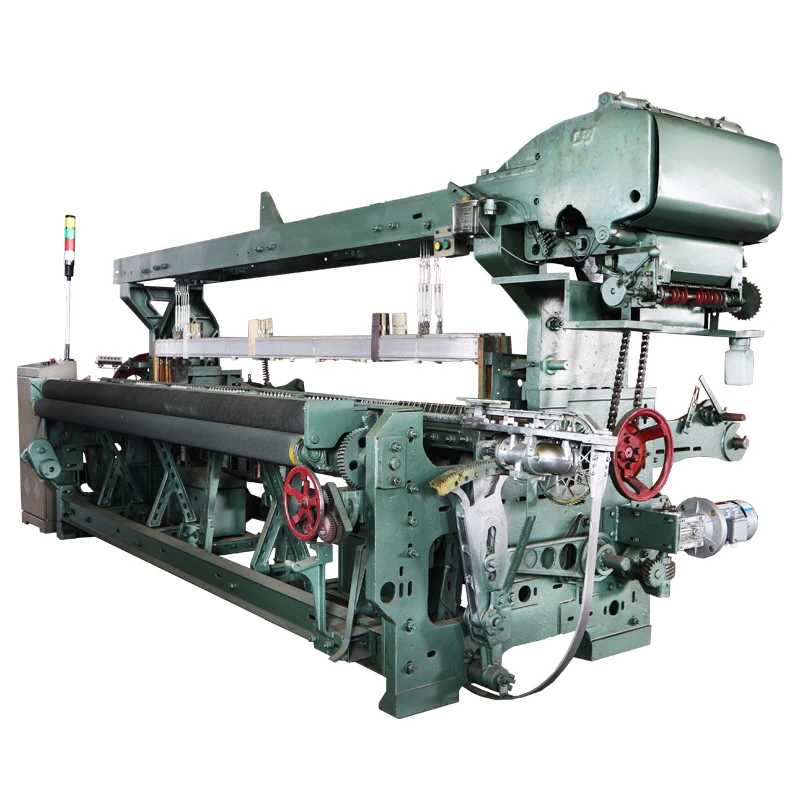
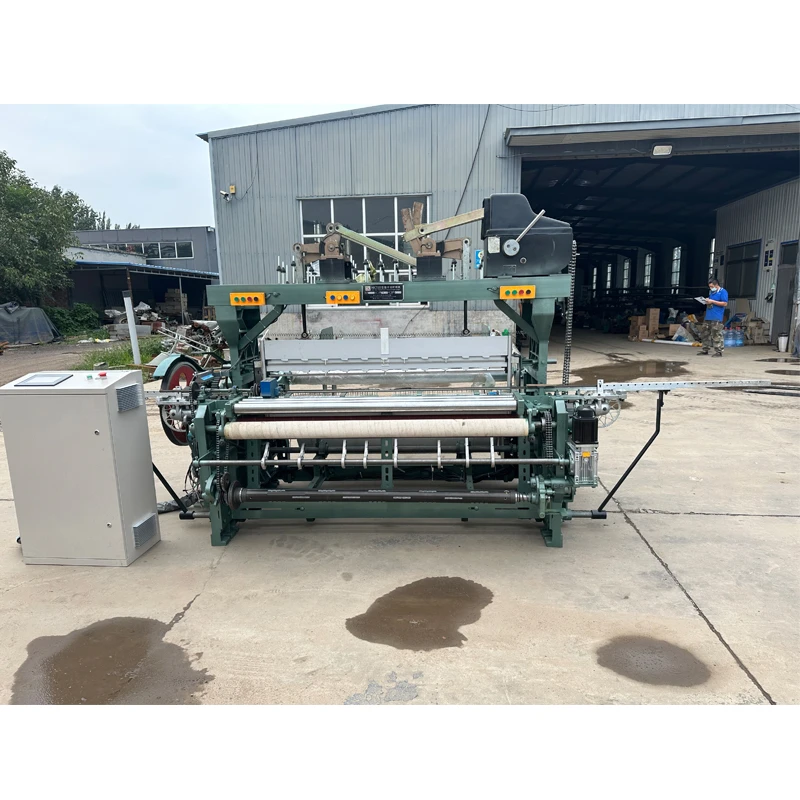
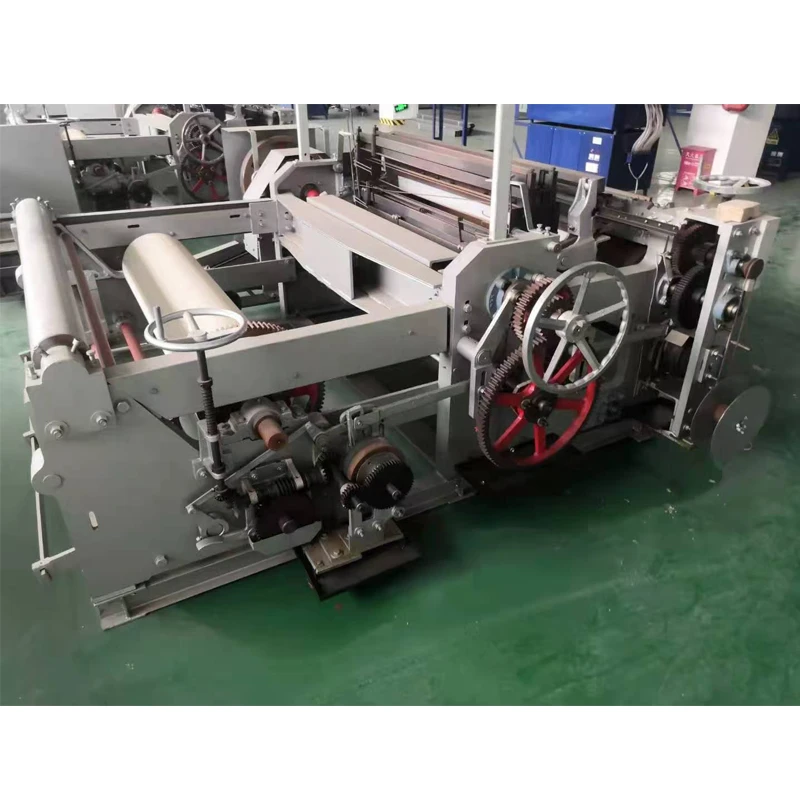
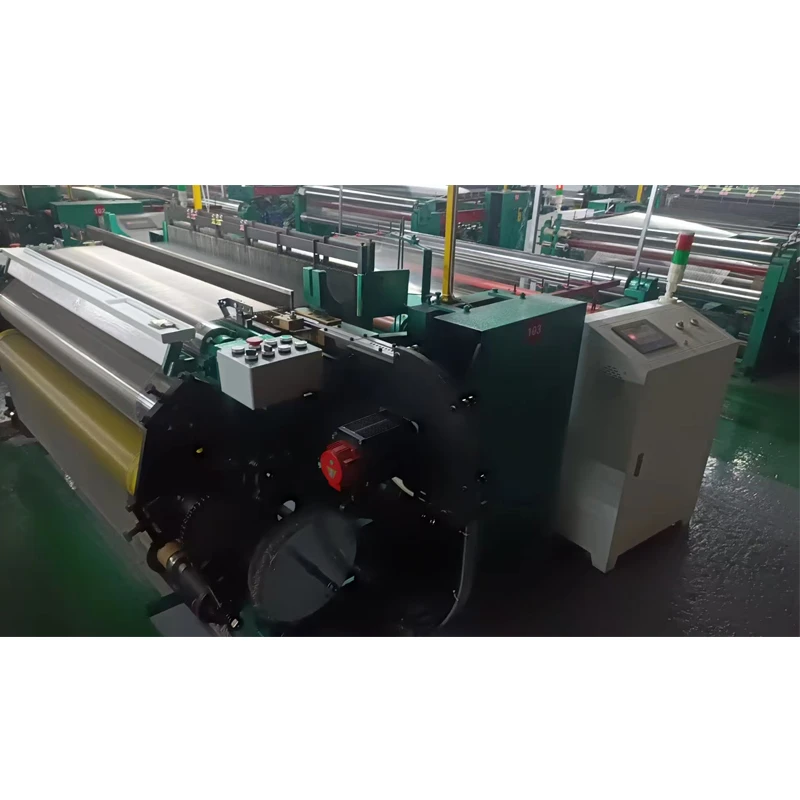
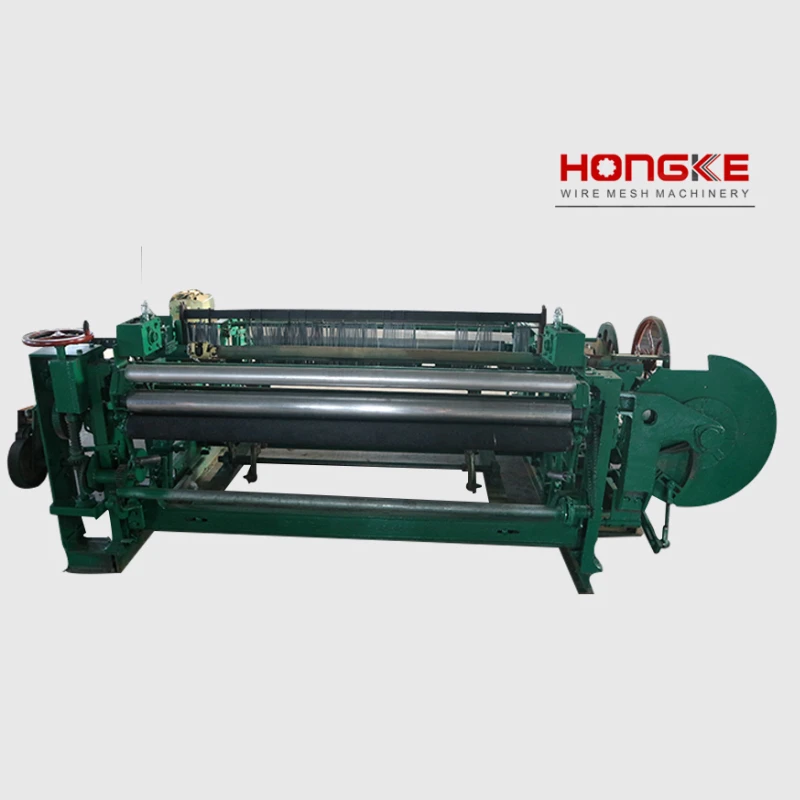
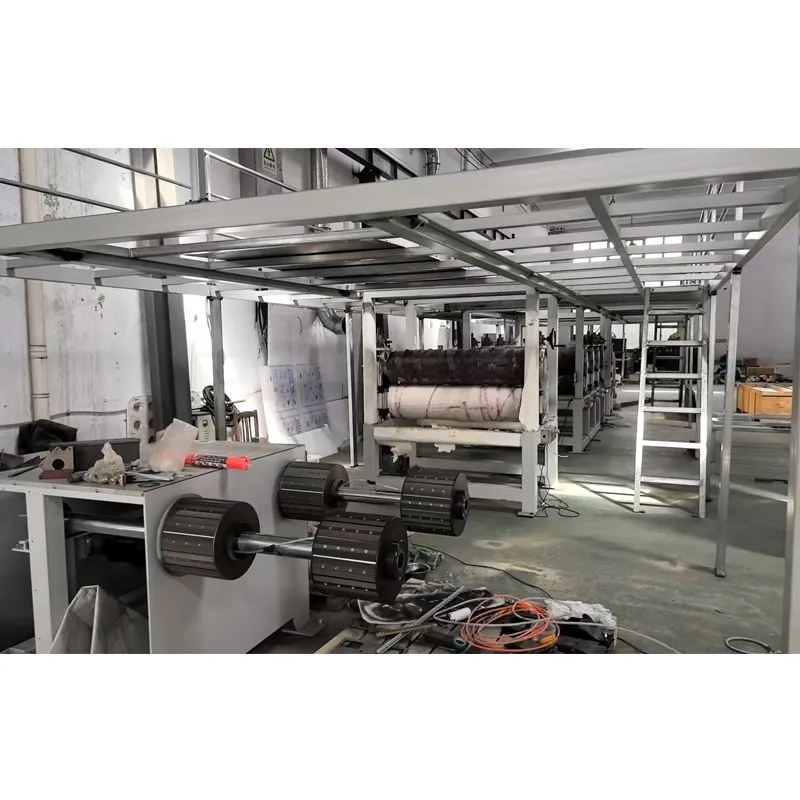
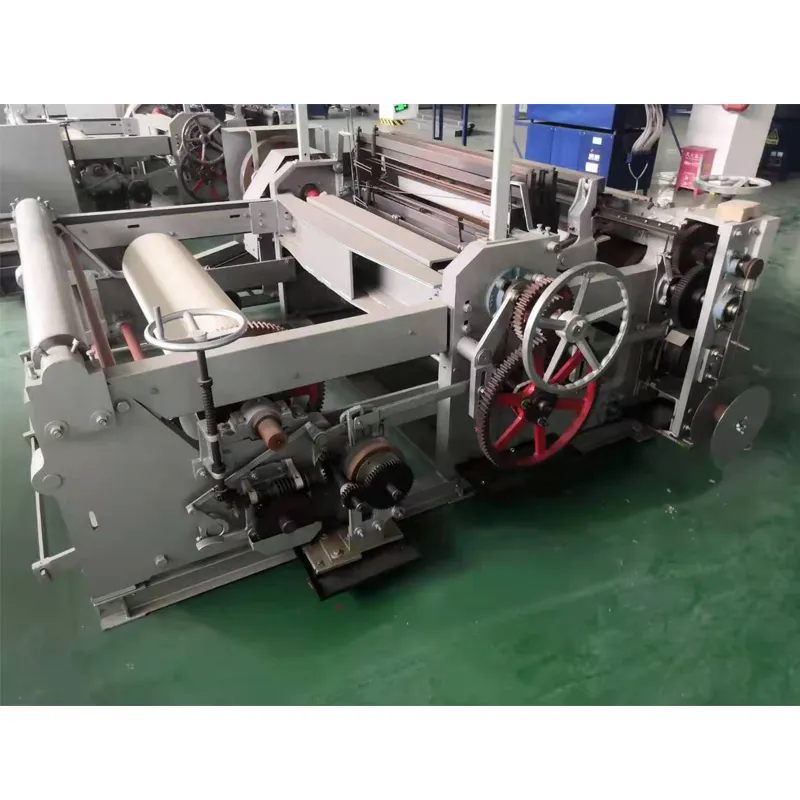
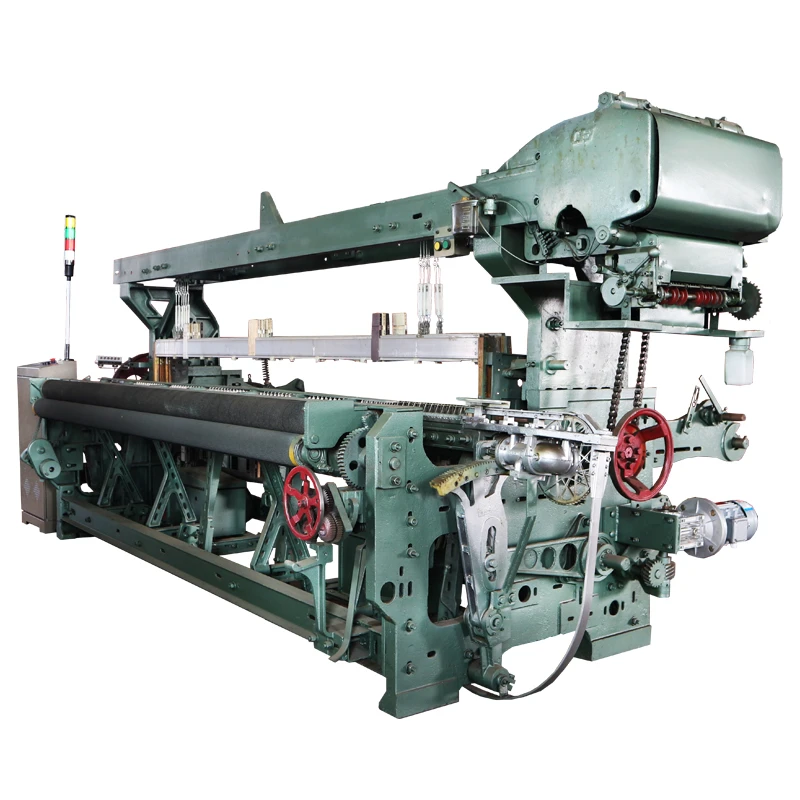
Having spent more than a decade working hands-on in the industrial equipment sector, I can say that few machines have proved as fascinating—and frankly indispensable—as the weaving fabric machine. This piece of equipment has this almost meditative rhythm, interlacing threads methodically to birth rolls of fabric, day in and day out, often under tough conditions.
Weaving machines have evolved quite a bit. Though the principle remains the same—interlacing warp and weft yarns—the technology and automation levels these days can get quite sophisticated. Frankly, it’s the differences in design, materials, and custom features that often decide which machine makes the cut for a particular production line.
Oddly enough, what impressed me the most about modern weaving fabric machine models is their balance between durability and precision. Many engineers say it’s like tuning a piano—every component must be perfectly aligned for clean, consistent output. And in real terms, this means less waste and fewer costly stoppages during runs.
Key Specs to Consider in Weaving Fabric Machines
| Specification | Details |
|---|---|
| Machine Type | Air-Jet, Rapier, Projectile, or Water-Jet |
| Max Weaving Width | Up to 3200 mm |
| Max Speed | 800 - 1500 picks per minute (depending on model) |
| Drive System | Electronic cam or servo motor |
| Fabric Types | Cotton, synthetic blends, technical textiles |
Comparing Leading Weaving Machine Vendors
| Vendor | Automation | Speed (picks/min) | Customizability | Warranty |
|---|---|---|---|---|
| APHK Machinery | High (servo-driven) | Up to 1200 | Extensive (modular design) | 3 years |
| Vendor B | Medium (electronic cams) | 1000 | Limited | 2 years |
| Vendor C | Low (semi-automatic) | 800 | Basic options | 1 year |
In my experience, selecting the right machine isn’t just about specs or speed. It’s also about the after-sales support and the vendor’s ability to tweak configurations to fit clients’ unique processes. Speaking of which, I recall a mid-sized textile company that upgraded to a fully servo-driven weaving fabric machine from APHK Machinery. They were struggling with uneven fabric tension, causing waste to pile up. After a tailored setup and on-site calibration, their scrap rate dropped nearly 20% in just a few weeks. It’s stories like this that remind me—technology is important, but the human factor, expertise, and collaboration bring real value.
Customization is another thing that often gets overlooked. Not every factory needs the same weaving width or speed. Some produce delicate technical fabrics requiring gentle handling; others crank out heavy denim at full tilt. Flexible modular designs—ones that can be upgraded or retooled without fully replacing the machine—are where I’d place my bets. It’s a trend gaining ground as manufacturers seek agile solutions to stay competitive.
Materials and testing play their part too. High-quality reed and harness frames ensure smooth weaving and durability, while accelerated wear tests in labs provide confidence long before the first fabric roll hits the floor. It’s one of those behind-the-scenes efforts that those outside the industry rarely hear about, yet it saves mountains of downtime in the long run.
Honestly, weaving fabric machines feel a bit like unsung heroes in manufacturing. They’re rarely glamorous, but they churn out so much of the textiles surrounding us daily — clothes, upholstery, industrial fabrics. And as automation and smart monitoring integrate deeper, I’m excited to see how these machines will adapt. Maybe one day soon, the “weaving” will be as much digital as mechanical.
For anyone scouting for a reliable weaving fabric machine, I’d suggest looking closely at vendors offering not just robust machines but also comprehensive customization and solid support programs. Trust me, you’ll thank yourself when production lines hum smoothly, and product quality stays consistent.
In short, it’s not just a machine; it’s a partner in productivity.
References:
- Textile Machinery Industry Reports, 2023
- APHK Machinery Product Catalogue, 2024
- Interviews with Industry Engineers, various, 2020–2023