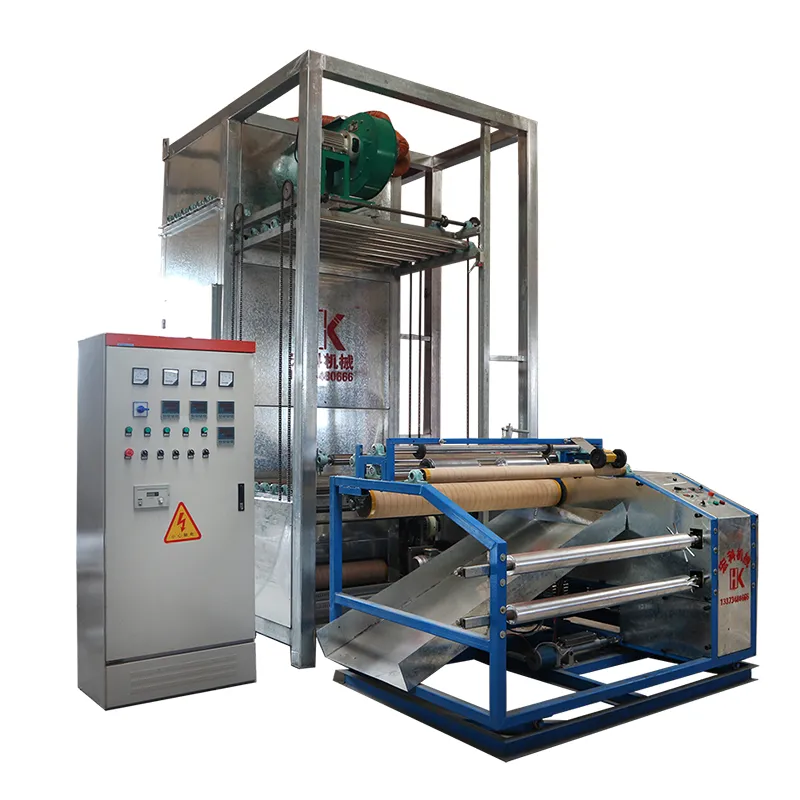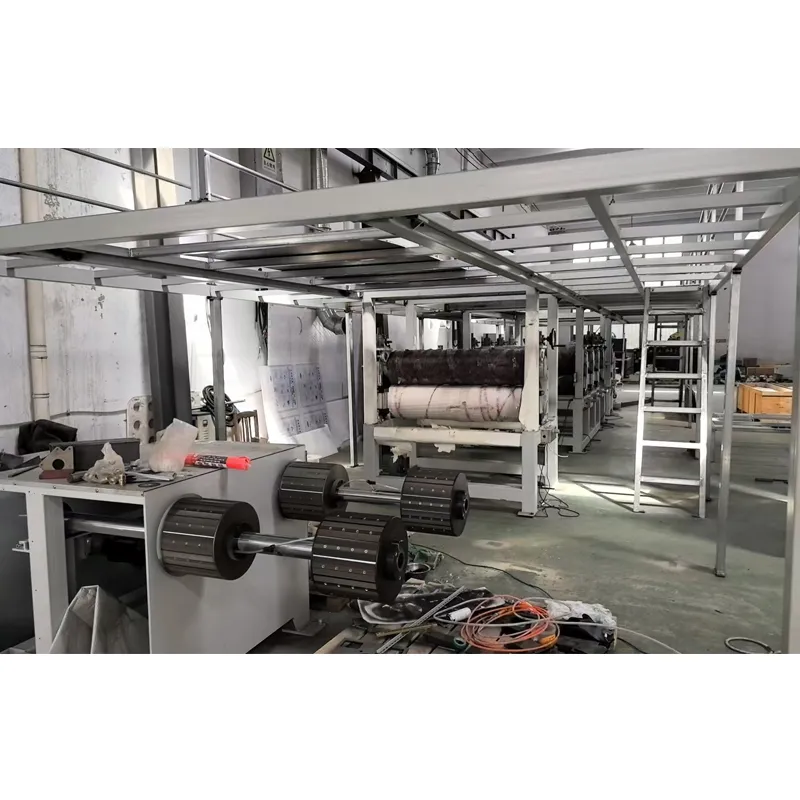



The Weaving Machine: A Veteran’s Take on an Industrial Workhorse
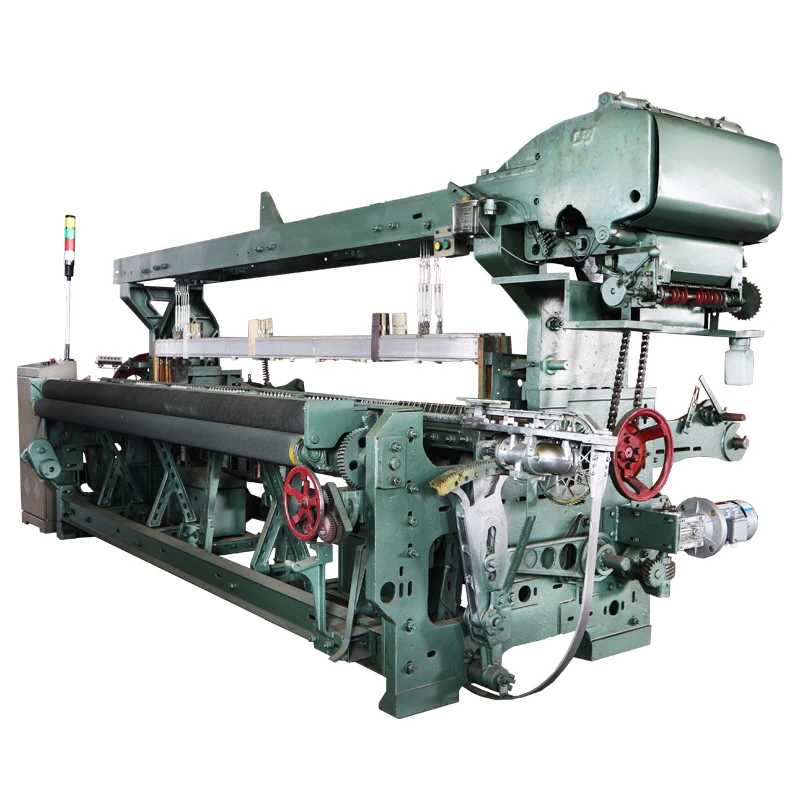
Having spent over a decade in the industrial equipment sector, I can say with some confidence that weaving machines are more than just bulky factory staples. They’re fascinating pieces of machinery, quietly powering a huge chunk of our daily textiles. Honestly, when I first stepped onto a factory floor, I was a bit intimidated by these beasts — all those moving parts, the rhythmic click-clack, and the sheer precision required. But once you get to know them, weaving machines become almost like old friends.
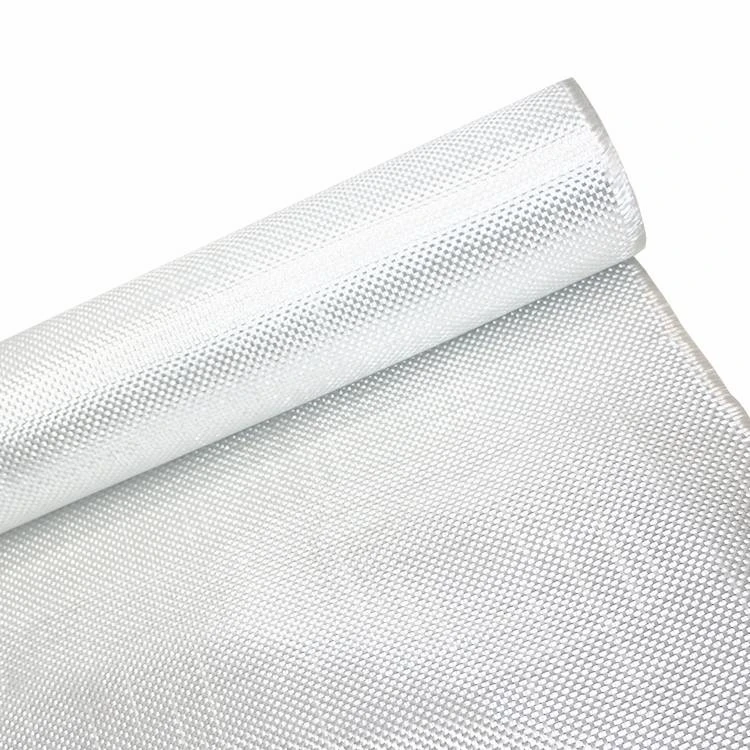
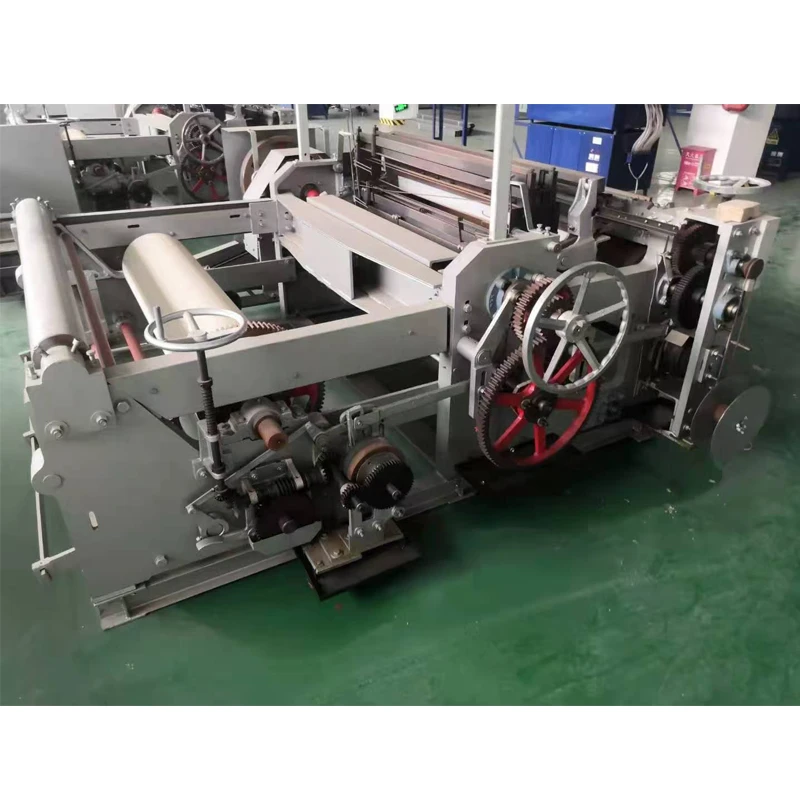
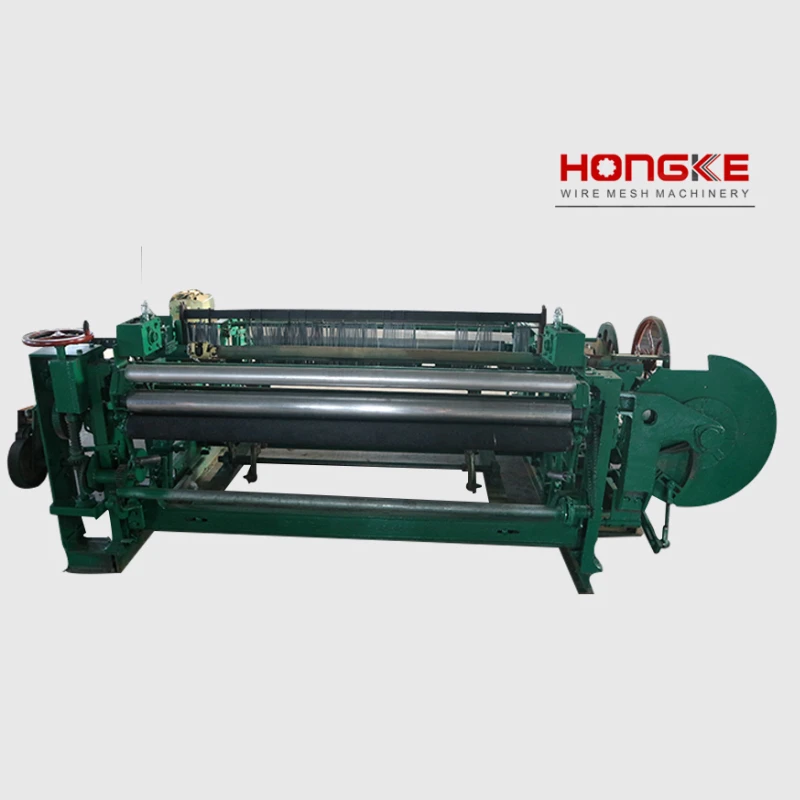
The weaving machine is basically the backbone of textile manufacturing. What strikes me every time is how the technology has evolved while keeping the core concept intact. At their heart, these machines interlace warp and weft threads to produce fabric — sounds simple, but achieving the desired tension and speed requires finely tuned engineering. You know, getting this balance wrong can mean hours of wasted thread or, worse, defective fabric batches.
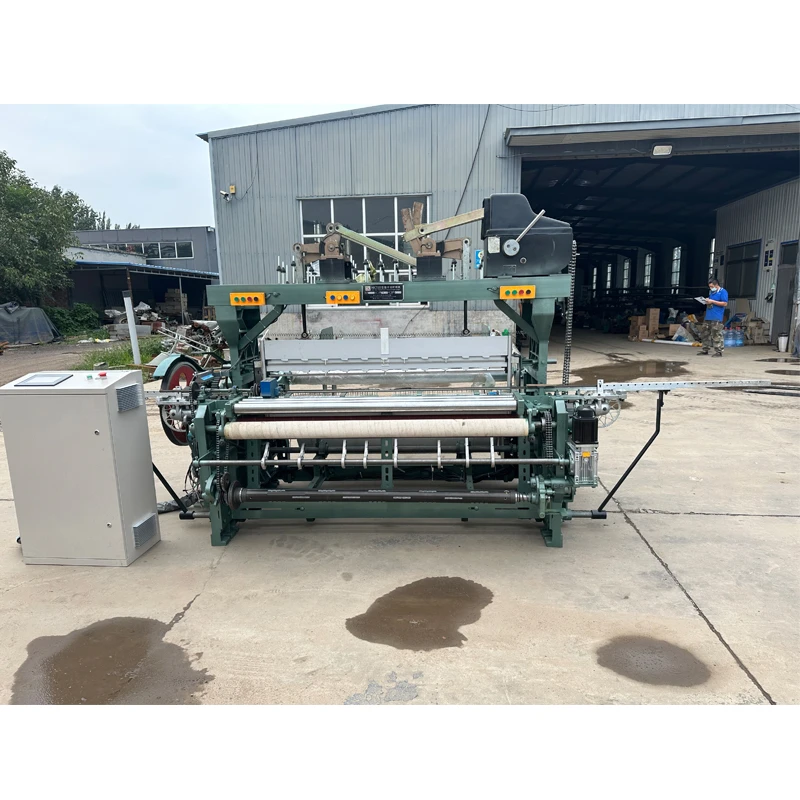
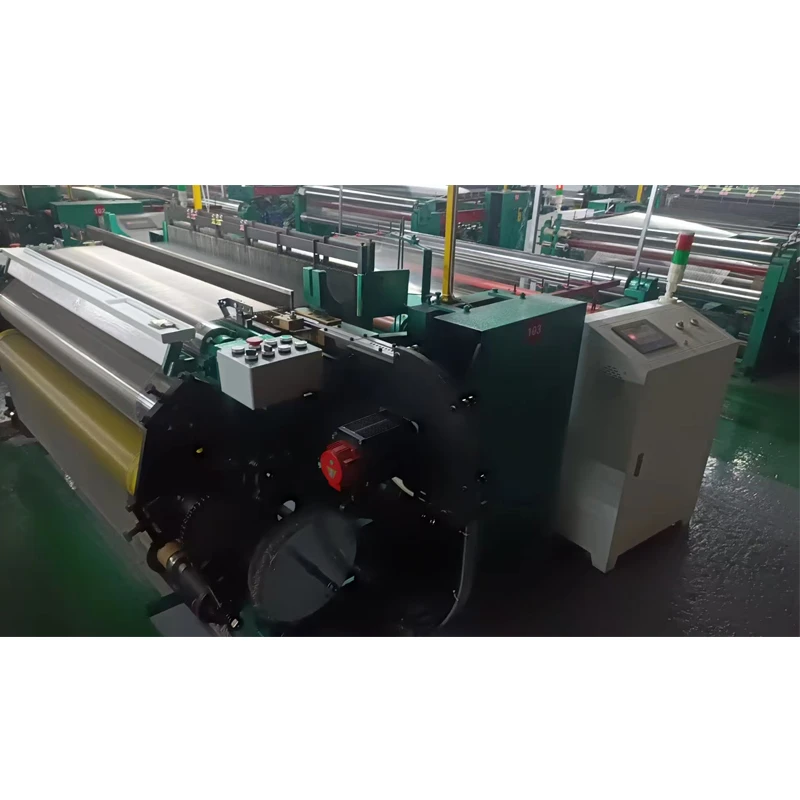
In recent years, there’s been a clear push towards automation and smart controls. Many companies now integrate sensors that monitor thread tension in real time, reducing downtime and waste. I remember a customer in Vietnam who switched from an older model to a modern loom equipped with these features — the difference was night and day in productivity.
Of course, not all weaving machines are created equal. The choice really depends on the kind of fabric you want to produce — cotton, silk, synthetics, or blends — and on production volume. In my experience, durability and ease of maintenance are as crucial as the technical specs. It’s no use having a high-speed machine if it’s constantly breaking down at peak hours.
And speaking of specs, here’s a quick rundown of what I usually look for when assessing a weaving machine. It feels like giving a snapshot of an industrial workhorse’s health:
| Specification | Typical Range |
|---|---|
| Weaving Width | 600 mm - 1900 mm |
| Max Speed | 200 - 1200 RPM |
| Power Consumption | 3 - 10 kW |
| Weight | 1,500 - 3,500 kg |
| Control Type | PLC / Digital |
Of course, if you’re exploring options and vendors, here’s an honest comparison I put together — just a few notable players in this niche, including a solid option from APHK Machinery, a name I’ve respected for years. They offer impressive customization possibilities, which frankly seems to be the future of weaving machines. Everyone wants machines built exactly for their specific fabric types and output needs.
| Vendor | Customization | Automation Level | Warranty | Price Range |
|---|---|---|---|---|
| APHK Machinery | High – bespoke options | Advanced PLC control | 2 years | $$$ |
| Vendor B | Medium – standard modules | Basic Digital | 1 year | $$ |
| Vendor C | Low – off-the-shelf only | Manual controls | 6 months | $ |
It’s always a good idea to reach out and discuss your specific needs with the vendor. I found APHK Machinery particularly responsive. In one conversation, they helped clarify how slight tweaks in tension control can translate into 5-10% fabric yield improvements — a detail that many overlook but that counts hugely over time.
Weaving machines aren’t glamorous, but they’re vital in ways we often don’t think about. It’s kind of like watching a car engine — dull maybe, but the difference between smooth driving and a breakdown. For any textile business, investing in the right weaving machine could mean the difference between just getting by and thriving.
If you’re after a reliable machine with customizable options and solid support, you could do a lot worse than checking out APHK Machinery — they’ve got the experience and the practical know-how that make a real difference.
So, in real terms, don’t just look at specs on a datasheet. Listen to the stories from the floor, check how easily you can get service, and ask about subtle performance factors. Weaving machines are tough, but your choice should be smarter.
— A reflective nod from someone who’s seen looms and weaving machines transform factories for decades.
References:
- Industry Textile Machinery Reports, 2023
- Interview with Vietnamese Textile Factory Owner, 2022
- APHK Machinery Product Brochure, 2024