


Fiberglass Mesh Weaving Machines is a key solution in the Equipment manufacturing industry industry, specifically within Manufacturing of specialized textile equipment and Manufacturing of weaving machinery. This article explores how Anping Hongke Wire Mesh Machinery Factory supports professionals with durable, high-performance products, and explains why this product is an ideal choice for businesses in these sectors.
Table of Contents
- Fiberglass Mesh Weaving Machines Overview
- Benefits & Use Cases of Fiberglass Mesh Weaving Machines in Manufacturing of weaving machinery
- Cost, Maintenance & User Experience
- Sustainability & Market Trends in Equipment manufacturing industry
- Conclusion on Fiberglass Mesh Weaving Machines from Anping Hongke Wire Mesh Machinery Factory
Fiberglass Mesh Weaving Machines Overview
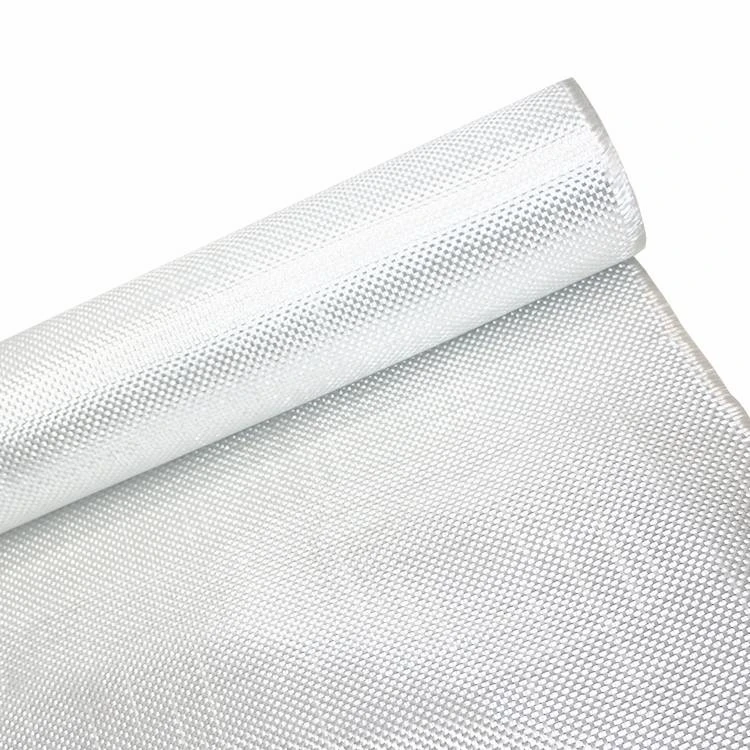
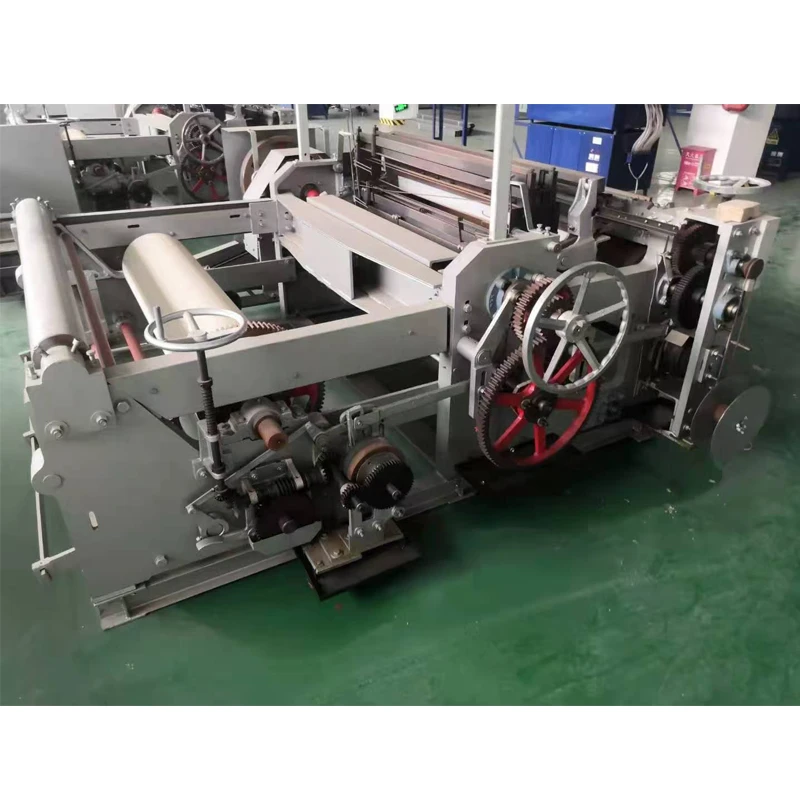
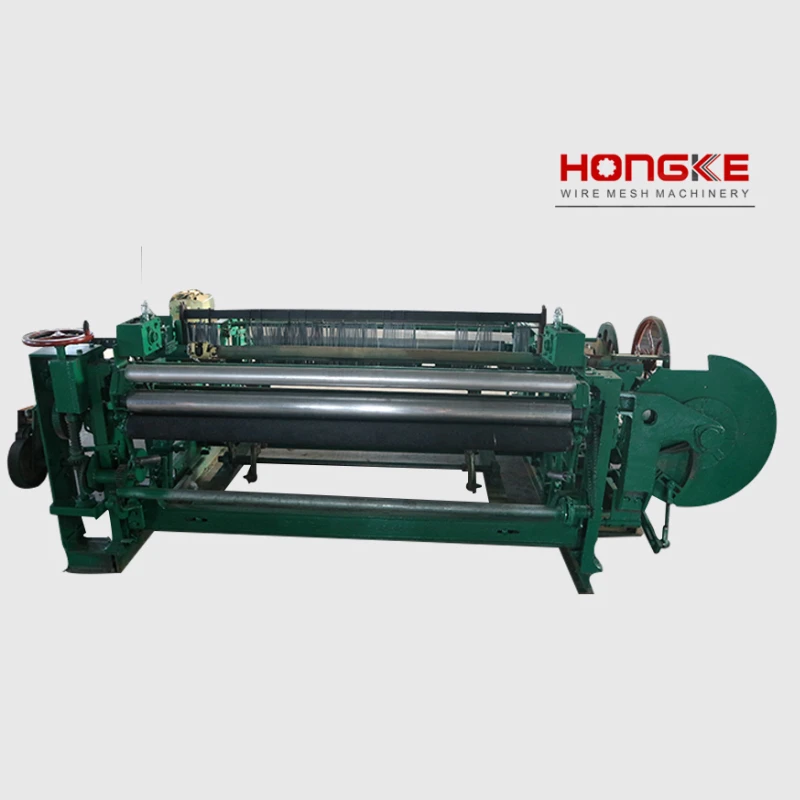
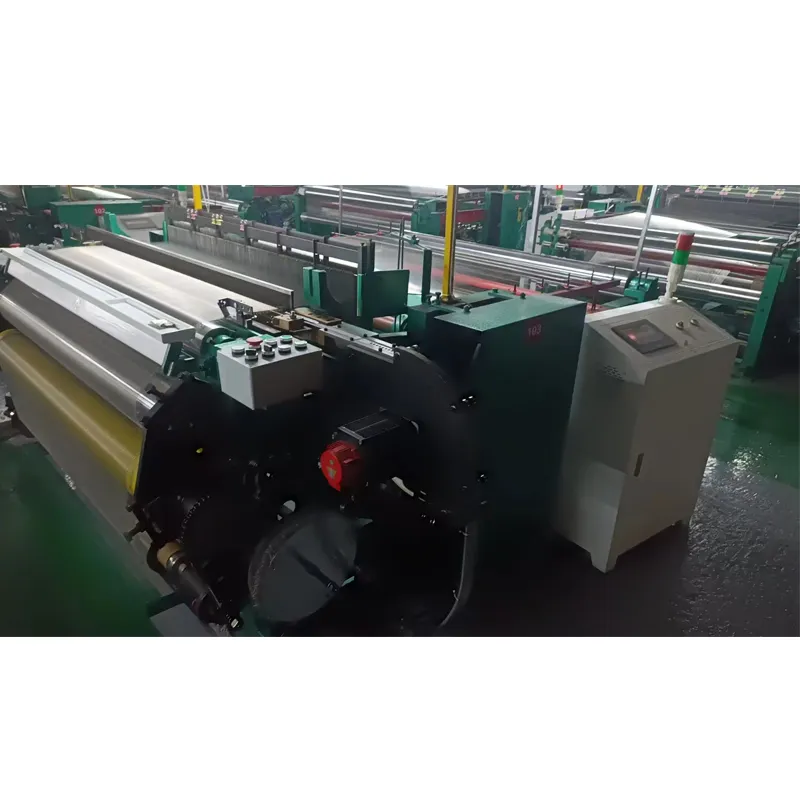
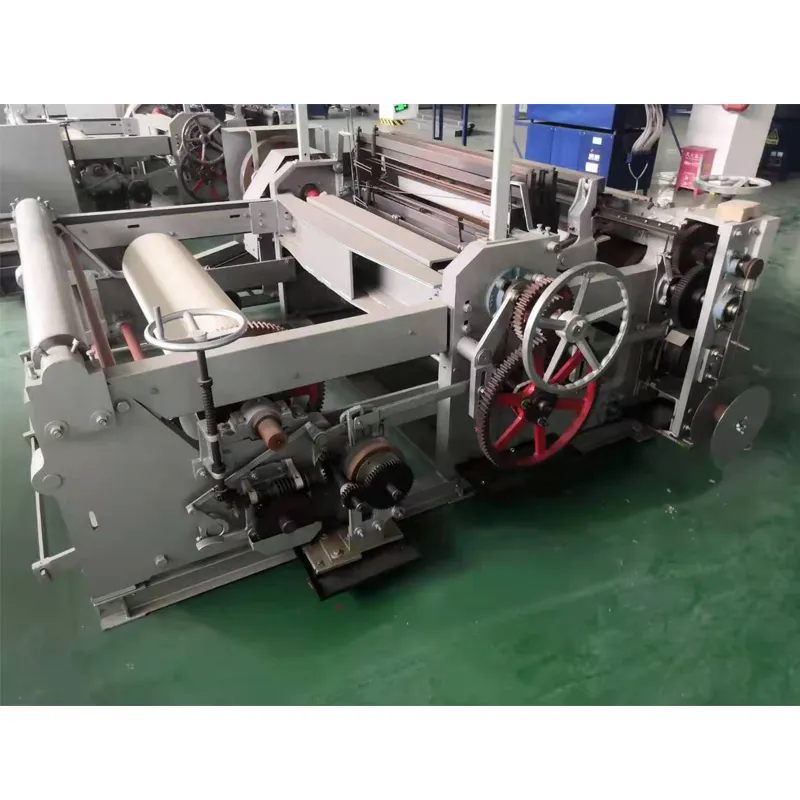
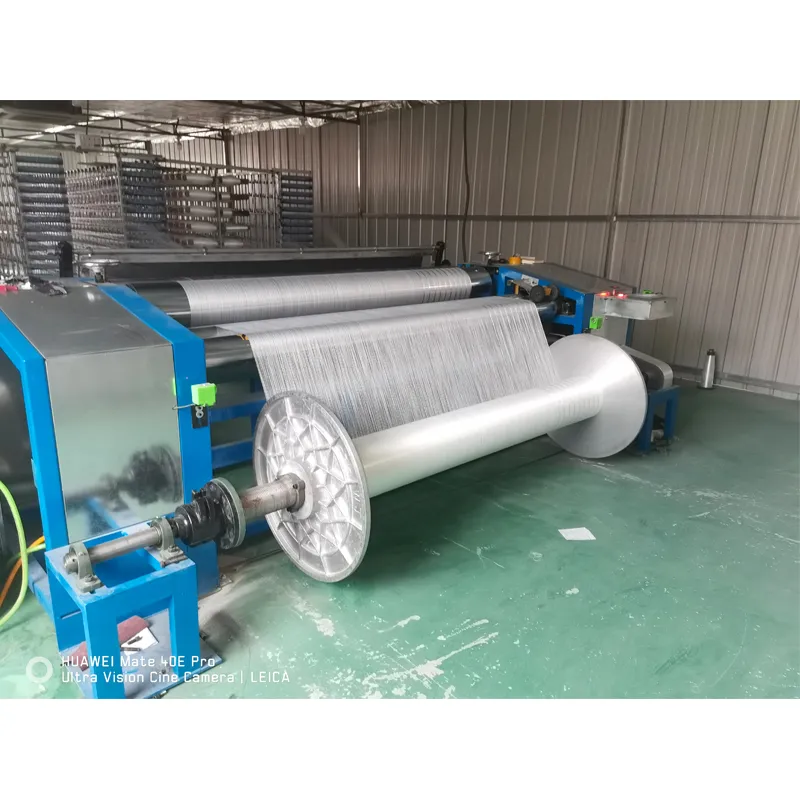
Fiberglass mesh is a critical reinforcement material for EIFS/ETICS, waterproofing, fireproof cloth, grinding backings, and composite laminates. Purpose-built Fiberglass Mesh Weaving Machines transform fiberglass yarns into stable meshes with precise aperture, uniform weft density, and excellent dimensional stability. Compared with general spinning and weaving machines, these systems are engineered for the unique friction, brittleness, and sizing characteristics of glass fiber, ensuring low fuzz, minimal breakage, and high uptime in industrial environments.
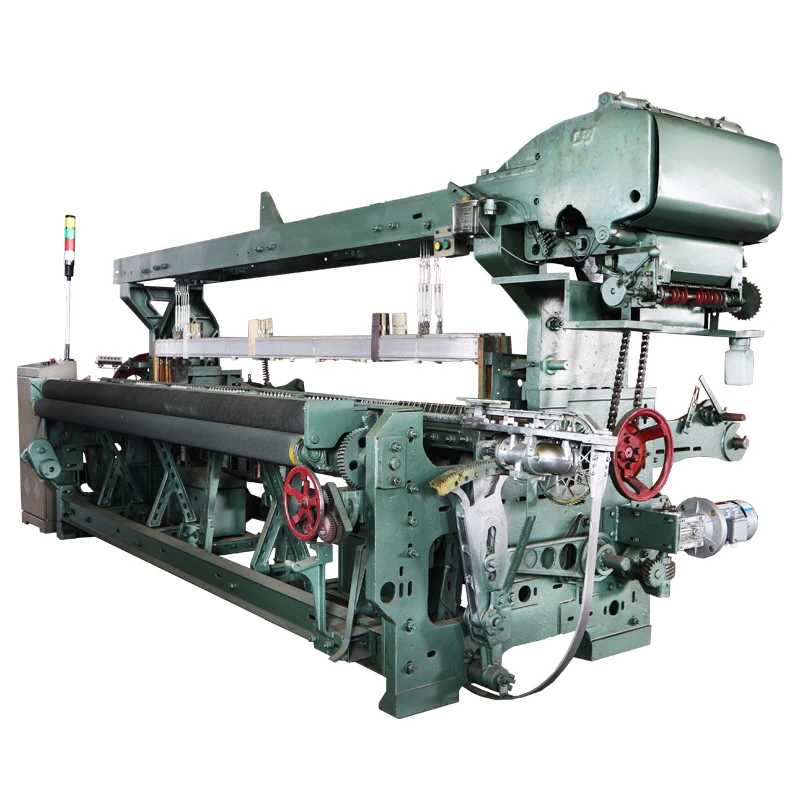
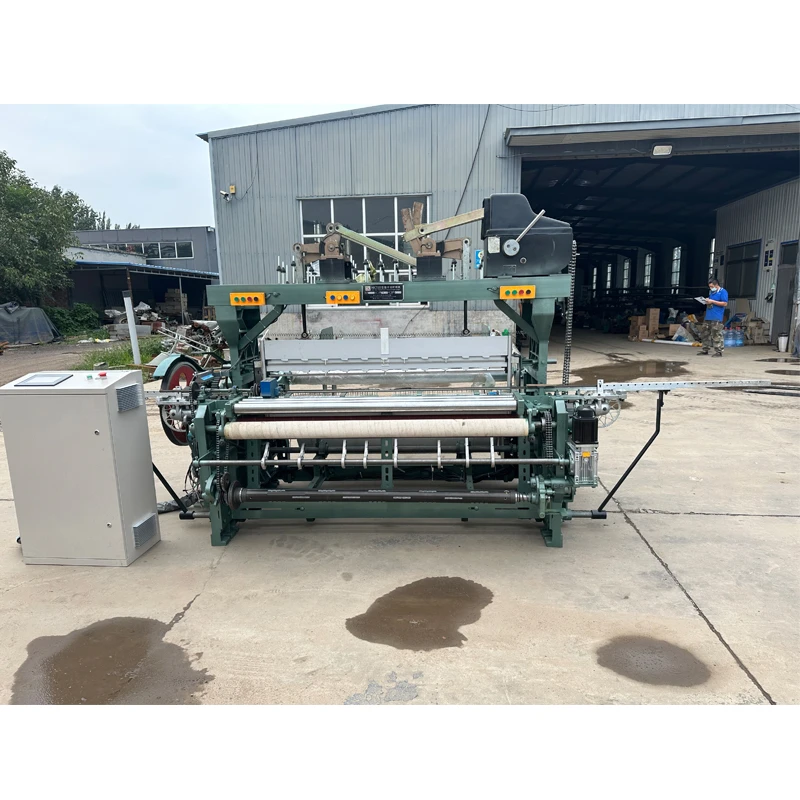
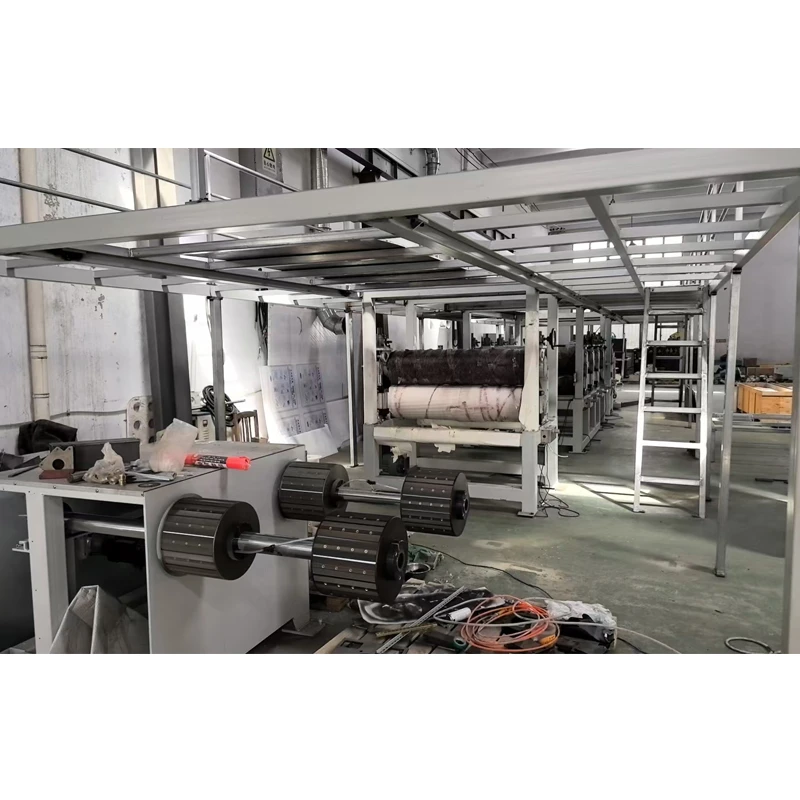
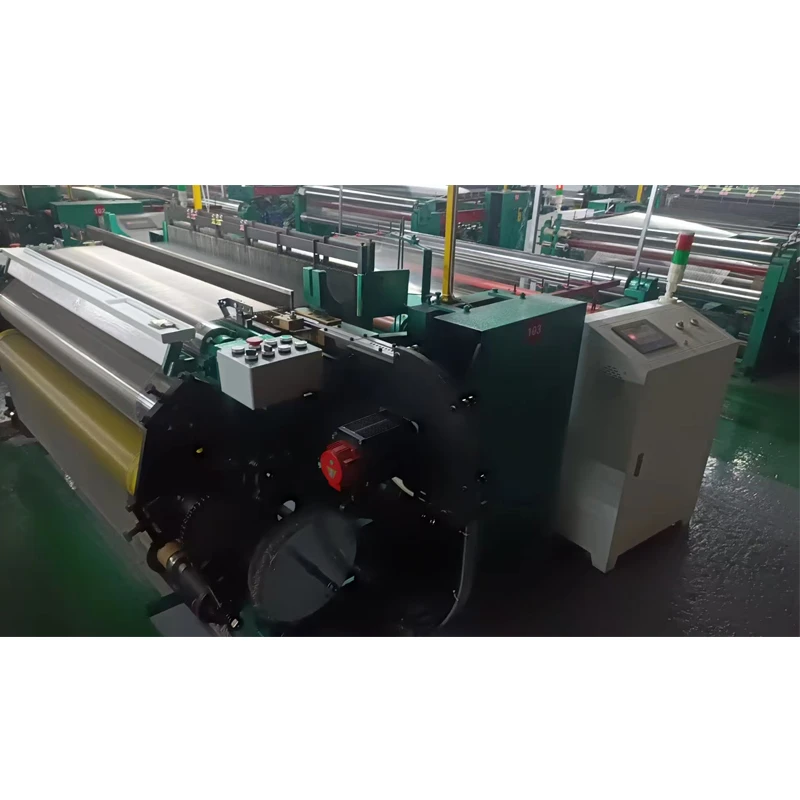
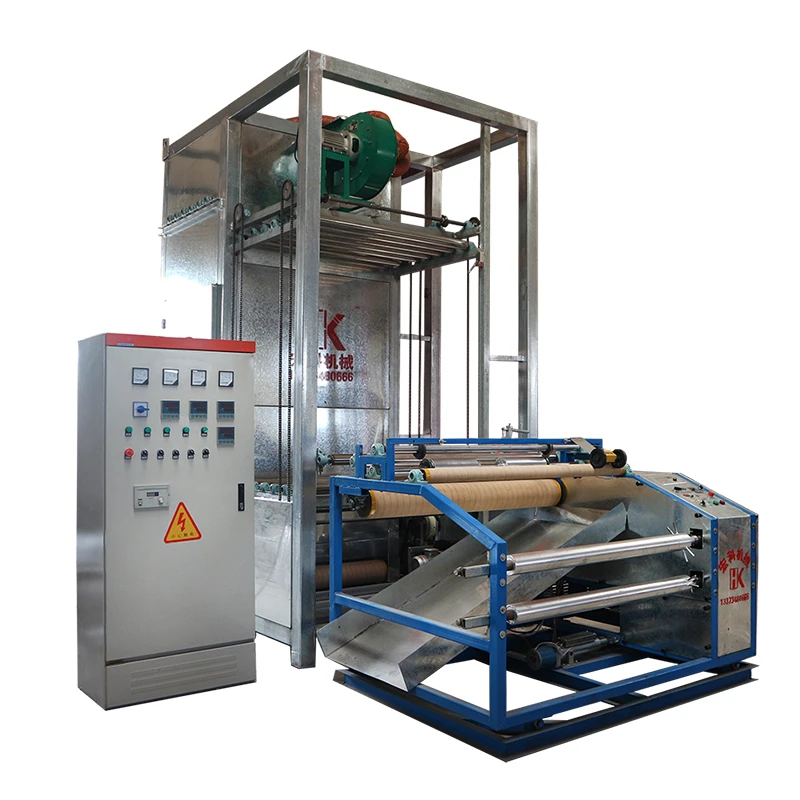
Typical configurations include electronic let-off/take-up, tension-closed-loop control, leno selvedge formation, programmable weft density, and optional in-line coating/heat setting stations. As a specialized industrial weaving machine, the line can be specified for various widths, mesh sizes, and GSM targets, supporting both standard and high speed weaving machines requirements. Case in point: manufacturers supplying façade insulation reported smoother yarn handling and fewer loom stops after adopting fiberglass-focused upgrades such as ceramic guides and optimized weft insertion timing.
- Define the product and its relevance in Equipment manufacturing industry / Manufacturing of specialized textile equipment / Manufacturing of weaving machinery.
- Provide technical background, specs, or case study.
- Reference Anping Hongke Wire Mesh Machinery Factory as a reliable manufacturer.
Backed by decades in fiberglass machine engineering, Anping Hongke Wire Mesh Machinery Factory delivers robust machines, application-matched tooling, and process know-how, reducing commissioning risks and accelerating time-to-quality for B2B buyers.
Benefits & Use Cases of Fiberglass Mesh Weaving Machines in Manufacturing of weaving machinery
In manufacturing of weaving machinery, purpose-designed fiberglass lines serve diverse applications: wall reinforcement mesh for construction, self-adhesive joint tape, alkali-resistant waterproofing mesh, and fireproof cloth. For converters and composite suppliers, stable aperture and consistent coating pick-up are essential; Fiberglass Mesh Weaving Machines enable tight control of weft picks and mesh geometry, supporting downstream impregnation and lamination without distortion or fray.
Competitive advantages include high-speed, low-vibration drive trains, gentle yarn paths with anti-abrasion components, and PLC/HMI recipe management for rapid style changes. Compared with generic spinning and weaving machines, a dedicated fiberglass machine minimizes yarn fuzzing, lowers reject rates, and improves coating adhesion. Buyers can also specify automation options—auto weft insertion monitoring, doffing aids, and IIoT-ready data hooks—turning the loom into a connected industrial weaving machine that supports OEE dashboards and predictive maintenance. Anping Hongke Wire Mesh Machinery Factory integrates these features with process assistance, ensuring that new lines reach target throughput quickly and that operators adopt best practices for glass fiber handling.
- Explain specific applications in Manufacturing of weaving machinery.
- Highlight features and competitive advantages.
- Mention Anping Hongke Wire Mesh Machinery Factory’s expertise in this sector.
Cost, Maintenance & User Experience
Total cost of ownership for Fiberglass Mesh Weaving Machines hinges on uptime, energy draw, spare parts consumption, and conversion efficiency. The fiberglass machine price varies with working width, weft density range, automation level, coating/heat-setting integration, and digital connectivity. While initial investment may exceed generic looms, decision makers typically recover the delta through higher first-pass yield, faster changeovers, and fewer yarn breaks—delivering attractive ROI over the equipment’s lifecycle.
Maintenance is streamlined via modular subassemblies, accessible wear parts, and robust lubrication systems. Common wear components (healds, reeds, guides) are engineered for glass fiber abrasion, extending intervals between replacements. Customers in the manufacturing of specialized textile equipment sector report double-digit reductions in unplanned downtime after migrating to Anping Hongke’s high speed weaving machines, with operators praising intuitive HMIs, recipe storage, and clear alarm diagnostics. As one buyer noted, standardized spares and remote support reduced total inventory and expedited troubleshooting—key for multi-plant groups scaling global output. For procurement teams comparing fiberglass machine manufacturers, Hongke’s lifecycle services and training packages help lock in productivity and protect margins over the long term.
- Address total cost of ownership, durability, and ROI.
- Discuss feedback or data from customers in the Manufacturing of specialized textile equipment sector.
Sustainability & Market Trends in Equipment manufacturing industry
The global push for energy-efficient buildings, stricter fire safety codes, and durable infrastructure is expanding demand for fiberglass mesh. As environmental regulations intensify, buyers are prioritizing machinery that reduces waste, lowers power consumption, and supports clean coating chemistries. Modern Fiberglass Mesh Weaving Machines answer this with energy-efficient motors, smart drives, and process control that minimizes yarn loss. When paired with low-VOC coatings and optimized curing, producers can cut emissions while maintaining throughput and quality.
Anping Hongke Wire Mesh Machinery Factory positions sustainability as a design principle—favoring durable components, easy recyclability of packaging and consumables, and options for heat recovery and closed-loop sizing/coating recirculation where applicable. Digital traceability helps document resource usage and quality records for audits. For B2B decision makers, this means future-ready compliance and a credible path to ESG goals without compromising commercial performance. As markets consolidate, partnering with fiberglass machine manufacturers that combine engineering strength with eco-conscious innovation is increasingly a strategic advantage.
- Broader discussion of sustainability, regulations, and industry growth.
- Position Anping Hongke Wire Mesh Machinery Factory as forward-thinking and eco-conscious.
Conclusion on Fiberglass Mesh Weaving Machines from Anping Hongke Wire Mesh Machinery Factory
Fiberglass Mesh Weaving Machines give manufacturers precise, reliable, and efficient production of reinforcement meshes and fireproof cloth—meeting the high standards of the equipment manufacturing industry and the manufacturing of specialized textile equipment. Anping Hongke Wire Mesh Machinery Factory couples robust engineering with process expertise, helping plants improve quality, shorten changeovers, and optimize operating costs. If you’re comparing solutions and fiberglass machine price options, partner with a team that understands glass fiber from yarn-to-fabric and beyond. Contact us: email: info@aphkmachinery.com — Visit our website: https://www.aphkmachinery.com