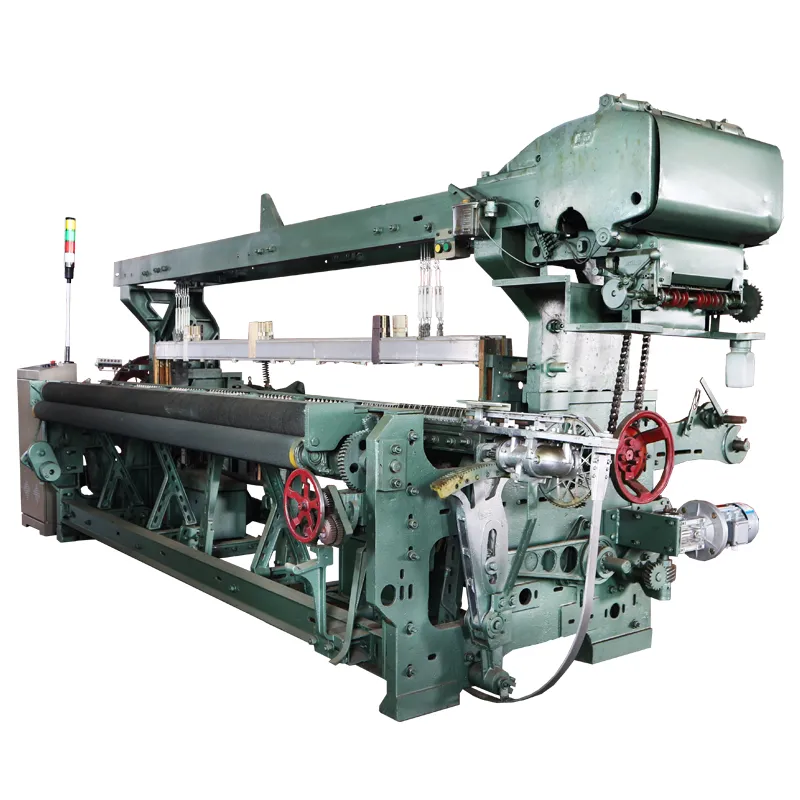



Understanding the weaving machine: A seasoned insight
Having spent close to two decades walking the factory floors and racking up hours alongside engineers, operators, and maintenance techs, I can tell you—there’s more to a weaving machine than meets the eye. It’s not just about whipping up fabric at lightning speed. It’s about precision, material interplay, and sometimes a bit of patience while still keeping the clock in check.
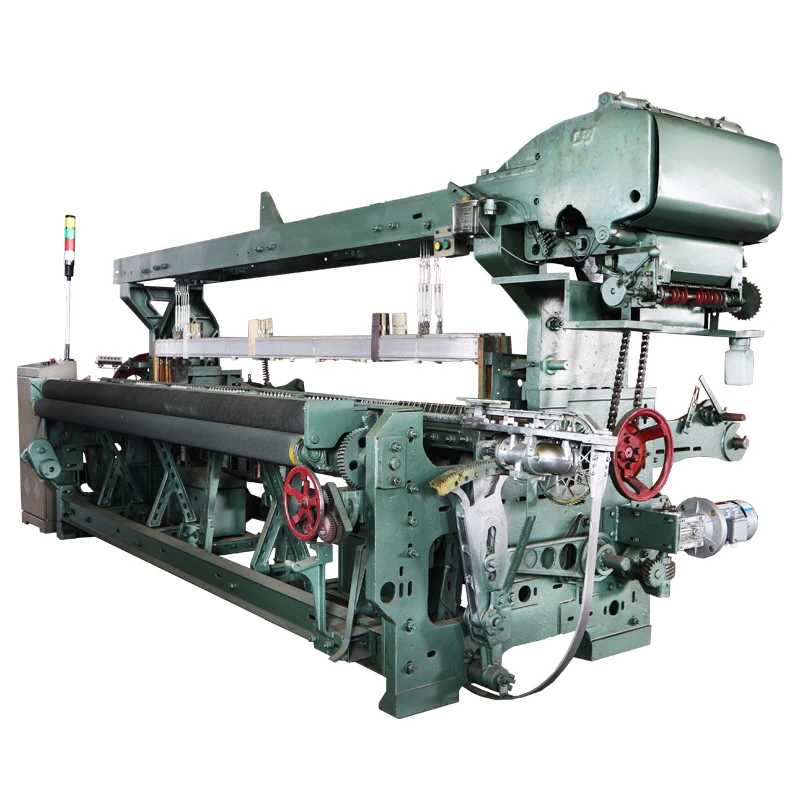
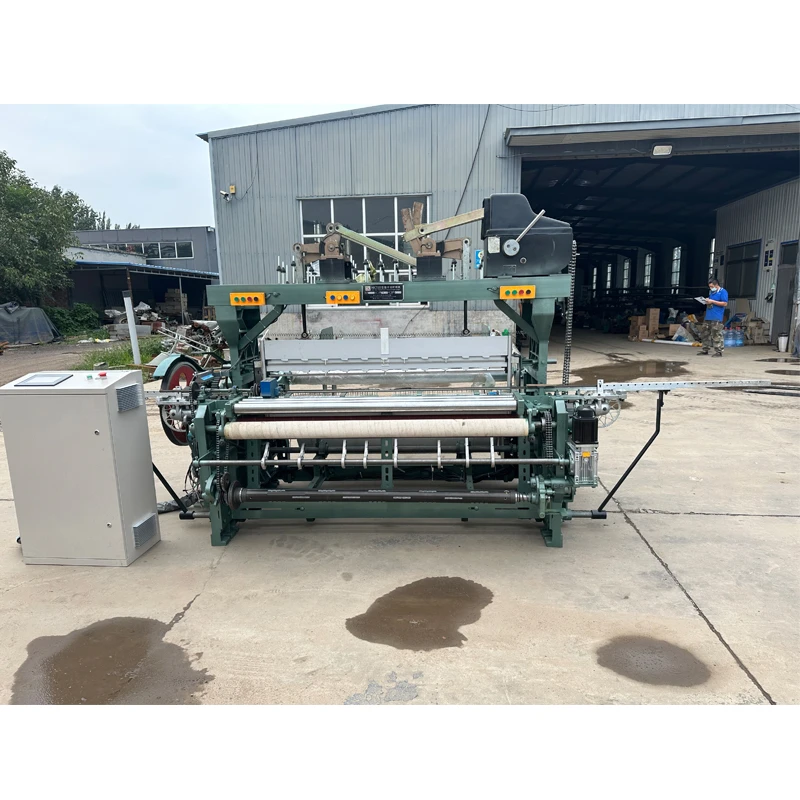
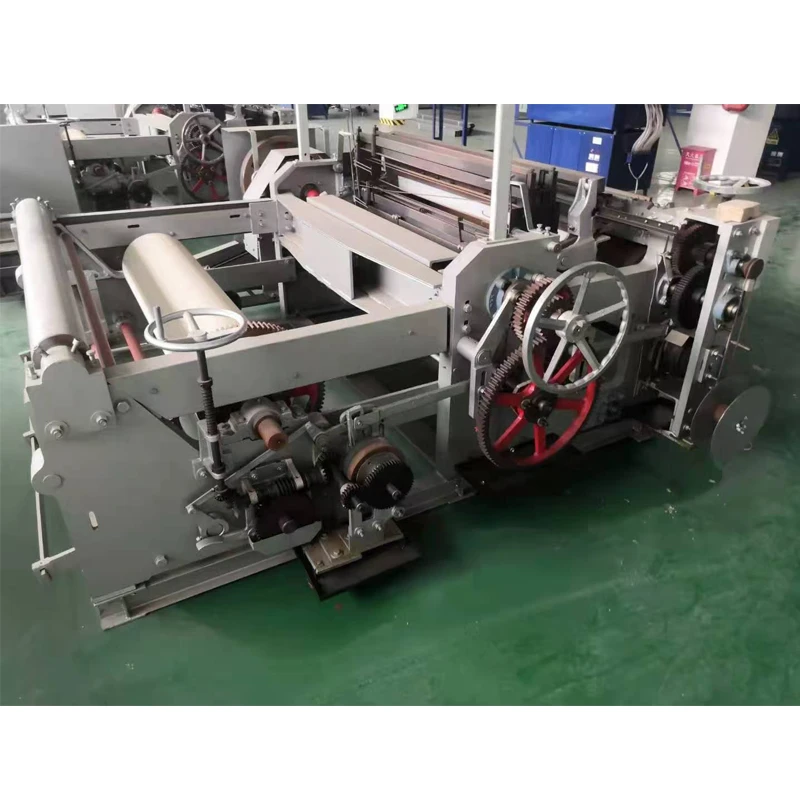
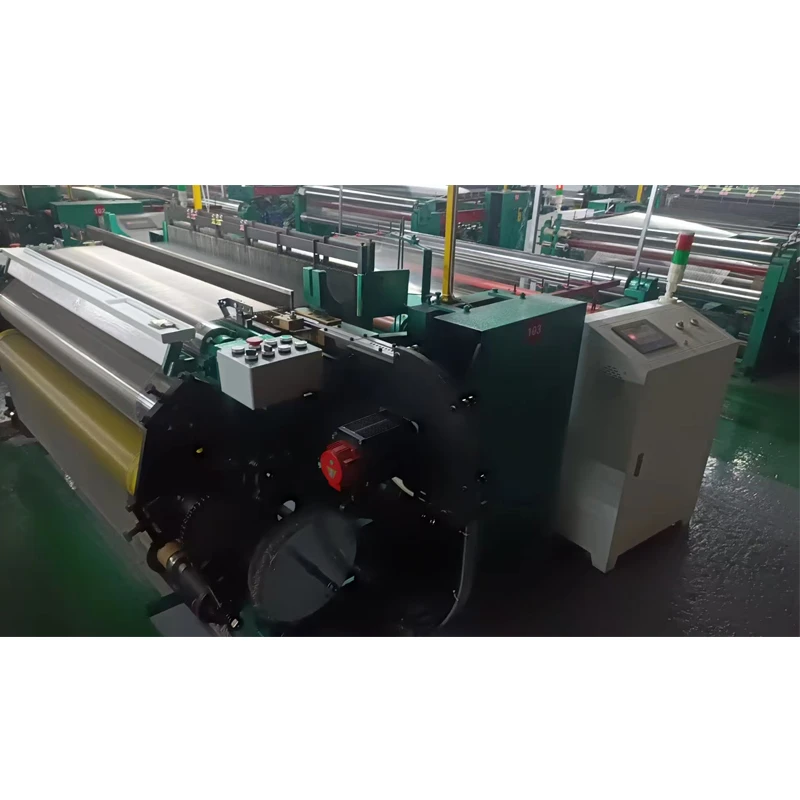
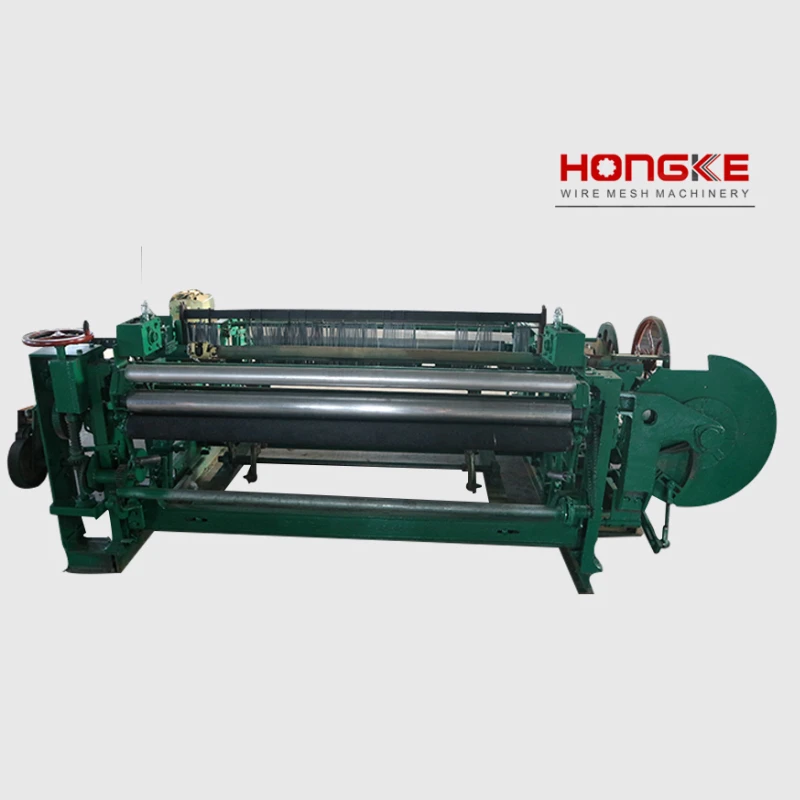
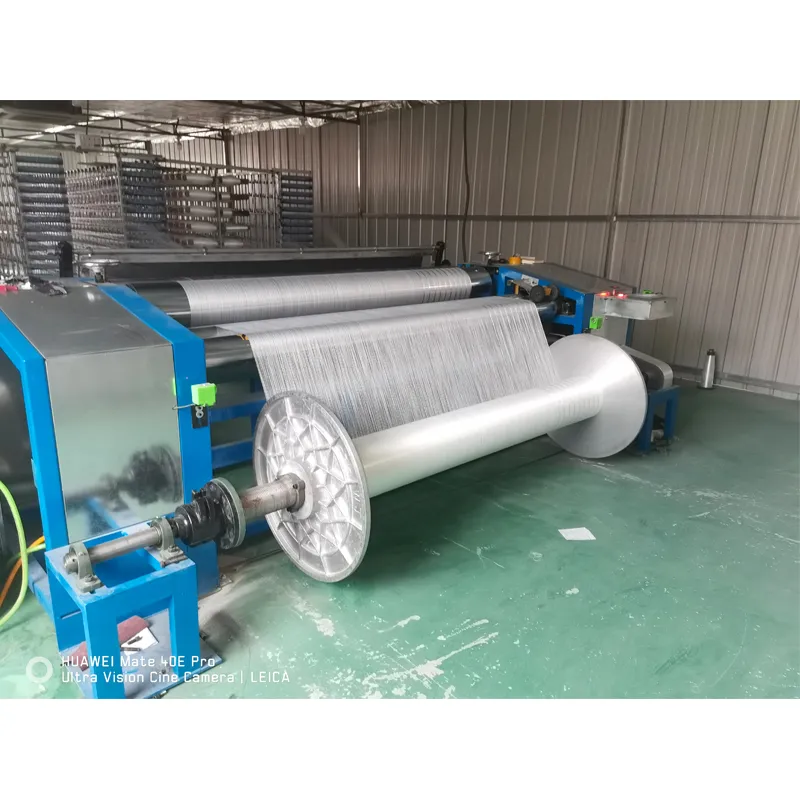
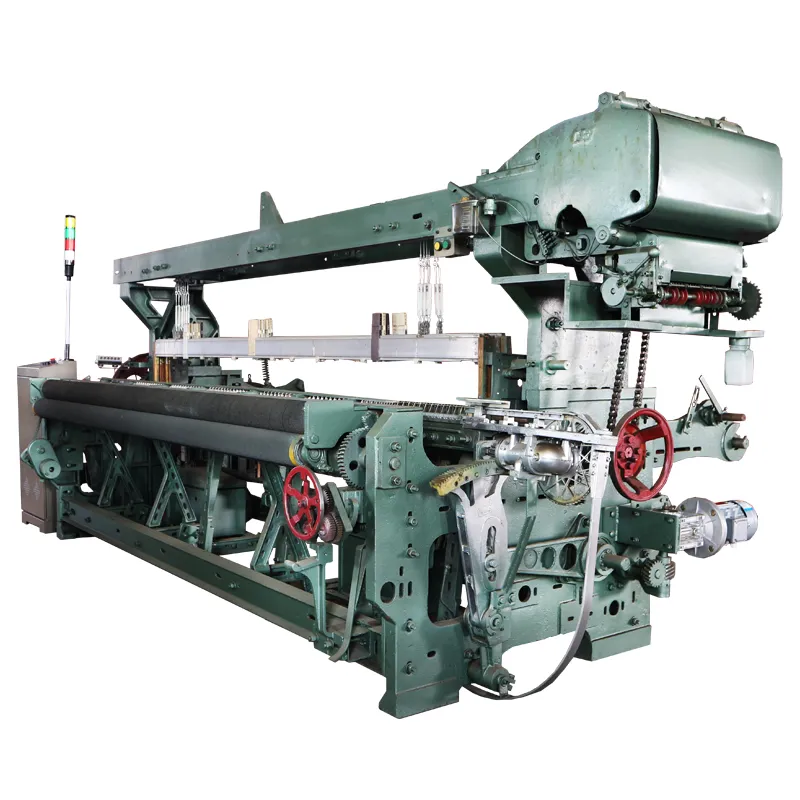
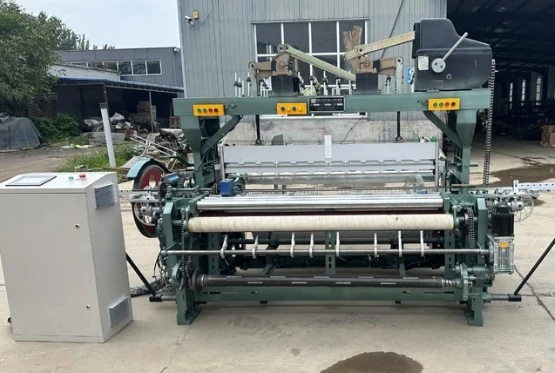
The industrial weaving machine is a quiet beast. Frankly, it’s sort of the backbone of textile manufacturing. From home furnishings to technical fabrics, the weaving process demands a machine that’s robust yet adaptable, precise yet able to run near-continuously without hiccups. Every inch of its design reflects years of refinement.
Oddly enough, even with all the theoretical knowledge, the real lessons happen while listening to the machines hum and feeling the vibrations run through the floor. One key aspect I noticed is that the machines capable of quick setup changes tend to be favored most in multi-product shops. Speed of thread tension tuning and pattern correction can really make or break a shift.
Design & Materials: The Heart of Reliable Weaving
Most weaving machines you'll meet today use an alloy steel frame, which helps them maintain structural integrity even under heavy use. I remember one particular line where we swapped out a corroded steel frame for a rust-proof alloy version. The downtime dropped dramatically. Also, components like the shuttle and reed are meticulously engineered to reduce friction; some manufacturers even embed micro-bearing balls for smoother operation.
Many engineers I’ve worked alongside rave about modular designs that let you swap out parts quickly—particularly the dobby and jacquard attachments. It’s like having a Swiss Army knife for fabric patterns. Plus, automation is creeping in more nowadays—but always with the mindset of "fail safely," especially since stopping a weaving machine can be costly.
Product Specifications And Features
| Spec | Value |
|---|---|
| Weaving Width | 50 - 180 inches |
| Max Speed | 800 picks/min |
| Power Usage | 7.5 kW - 15 kW |
| Fabric Types | Cotton, Wool, Synthetic blends |
| Frame Material | Alloy Steel |
| Automation | Semi-auto with optional full automation |
Comparing Leading Suppliers: What Sets Them Apart?
Picking a weaving machine vendor is a bit like picking a dance partner—you want smooth synchronization and reliability to glide through production without a stumble. Here's how some well-known suppliers stack up, based on long-standing industry chatter and hands-on feedback:
| Vendor | Durability | Customer Support | Customization Options | Price Range |
|---|---|---|---|---|
| APHK Machinery | High (Robust alloy frames) | Responsive, tech-driven | Wide variety, from semi-auto to full automation | Mid to High |
| Vendor B | Moderate (standard steel frames) | Average, limited global support | Few customization options | Low to Mid |
| Vendor C | Very High (premium materials) | High, including onsite training | Custom engineering per client | High |
A Quick Anecdote From the Floor
I recall a mid-sized textile manufacturer who switched to an APHK Machinery weaving machine last year. Their uptime jumped noticeably, thanks to the quick-change modular parts that made maintenance less daunting. The operators reported that resetting thread tensions felt more intuitive too. When you consider that every minute on the loom counts toward output quality and cost management, those small improvements really add up.
Final Thoughts
In real terms, choosing the right weaving machine boils down to balancing durability, flexibility, and support. No machine is bulletproof, but one that blends these with the right vendor ties makes the difference between a headache-filled production line and one that hums along nicely.
When you search for a weaving machine—especially if you want to future-proof your factory—go for partners who listen and innovate. And from what I’ve seen, that’s not an easy balance, but people like those at APHK Machinery come pretty close.
References:
1. Industry reports on textile machinery durability 2022
2. Interviews with senior plant technicians, multiple factories, 2019-2023
3. Product manuals and whitepapers from leading weaving machine vendors