


Fiberglass Mesh Weaving Machines is a key solution in the Equipment manufacturing industry industry, specifically within Manufacturing of specialized textile equipment and Manufacturing of weaving machinery. This article explores how Anping Hongke Wire Mesh Machinery Factory supports professionals with durable, high-performance products, and explains why this product is an ideal choice for businesses in these sectors.
Table of Contents
- Fiberglass Mesh Weaving Machines Overview
- Benefits & Use Cases of Fiberglass Mesh Weaving Machines in Manufacturing of weaving machinery
- Cost, Maintenance & User Experience
- Sustainability & Market Trends in Equipment manufacturing industry
- Conclusion on Fiberglass Mesh Weaving Machines from Anping Hongke Wire Mesh Machinery Factory
Fiberglass Mesh Weaving Machines Overview
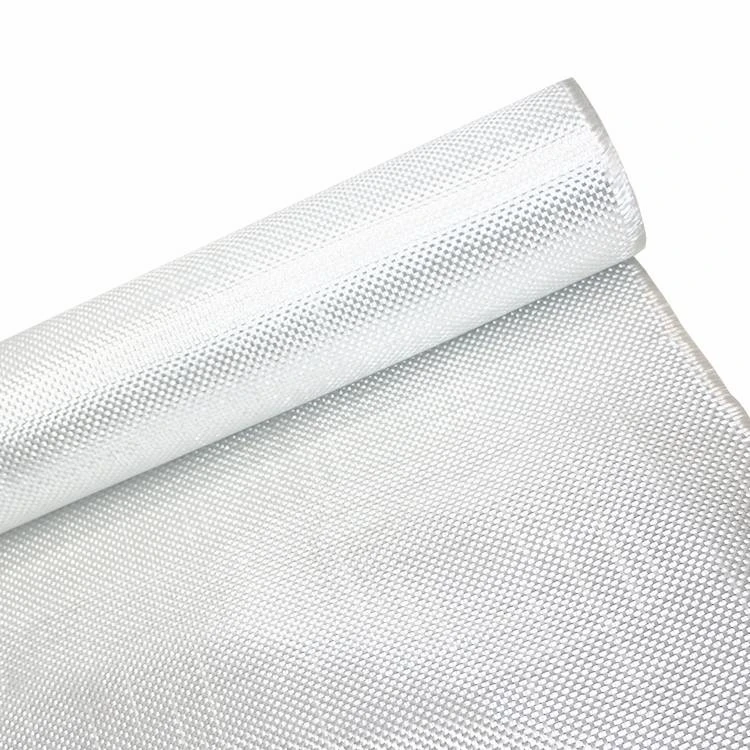
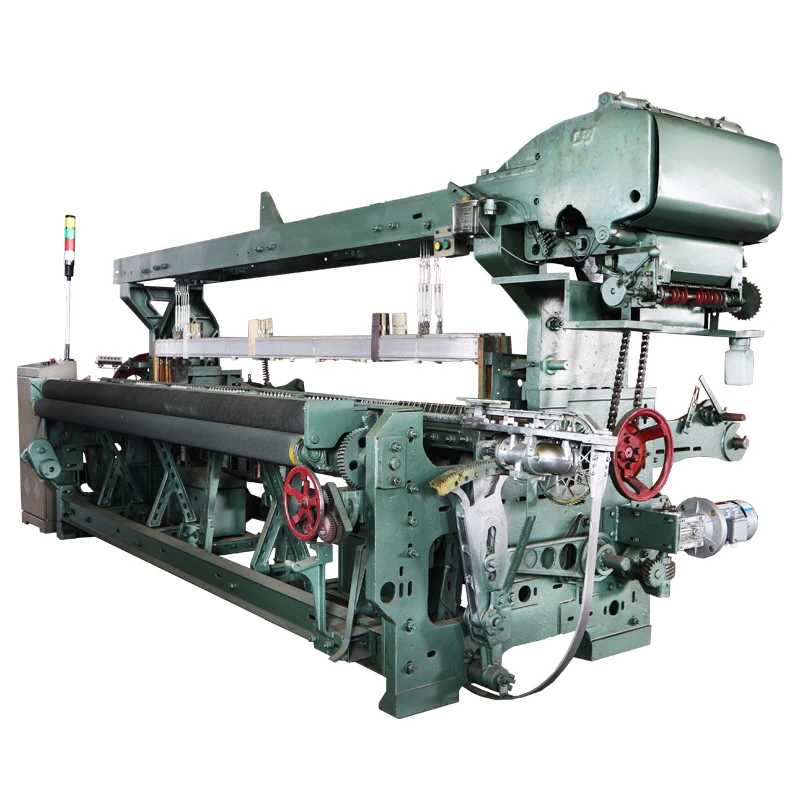
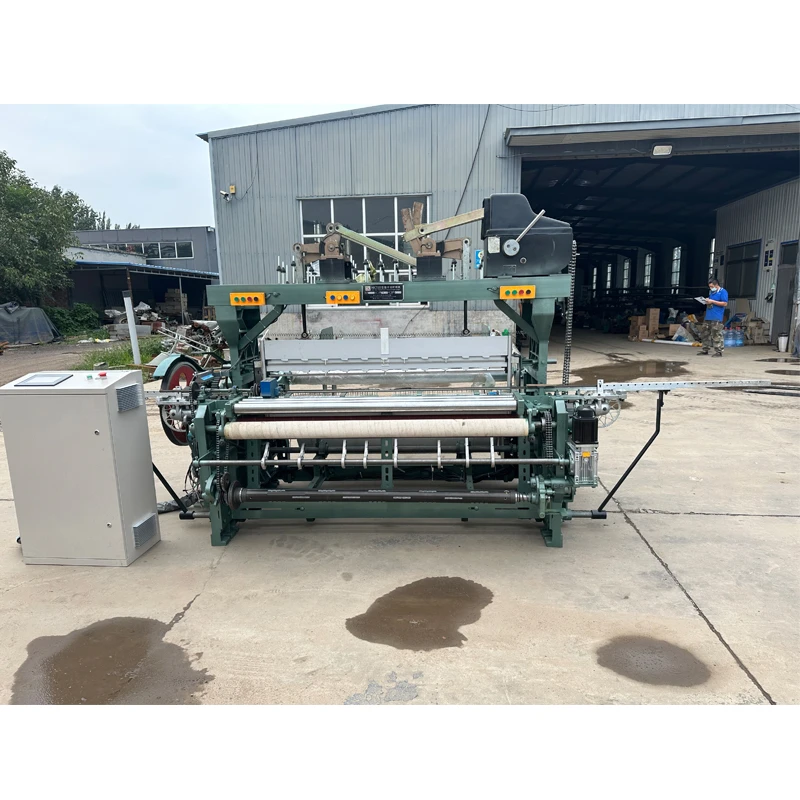
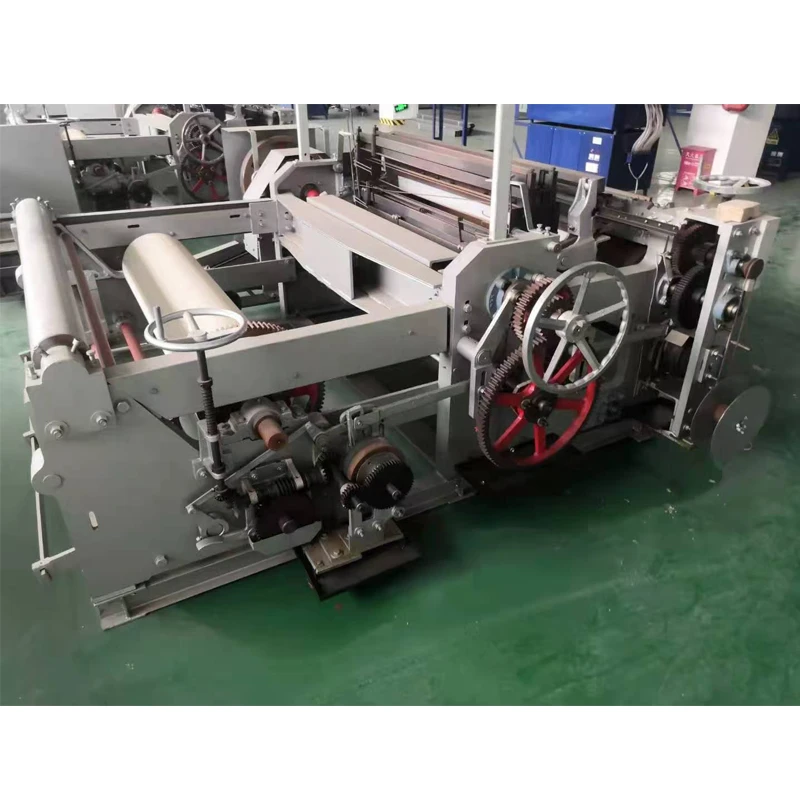
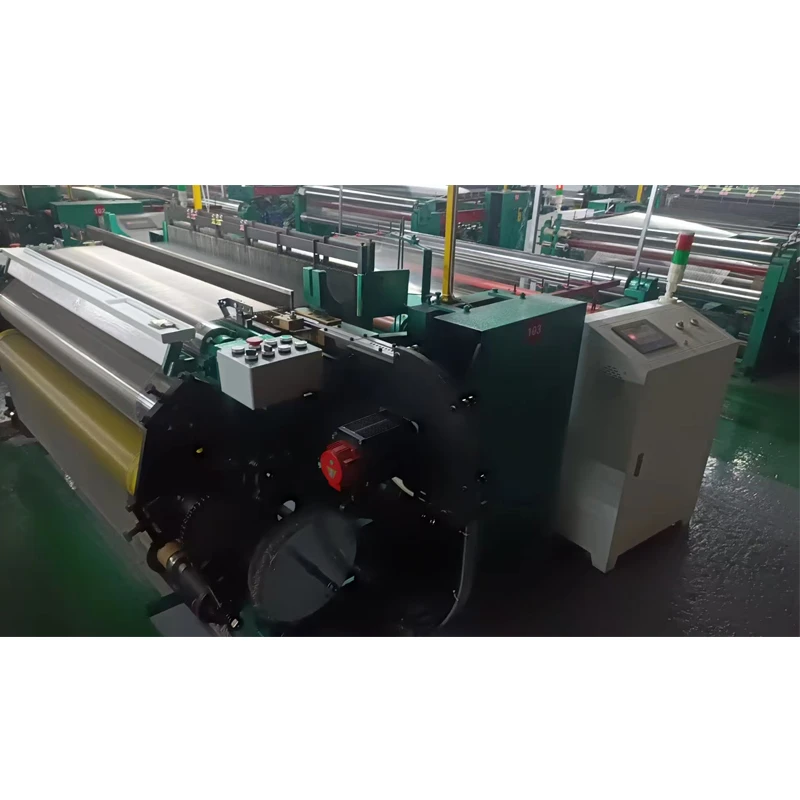
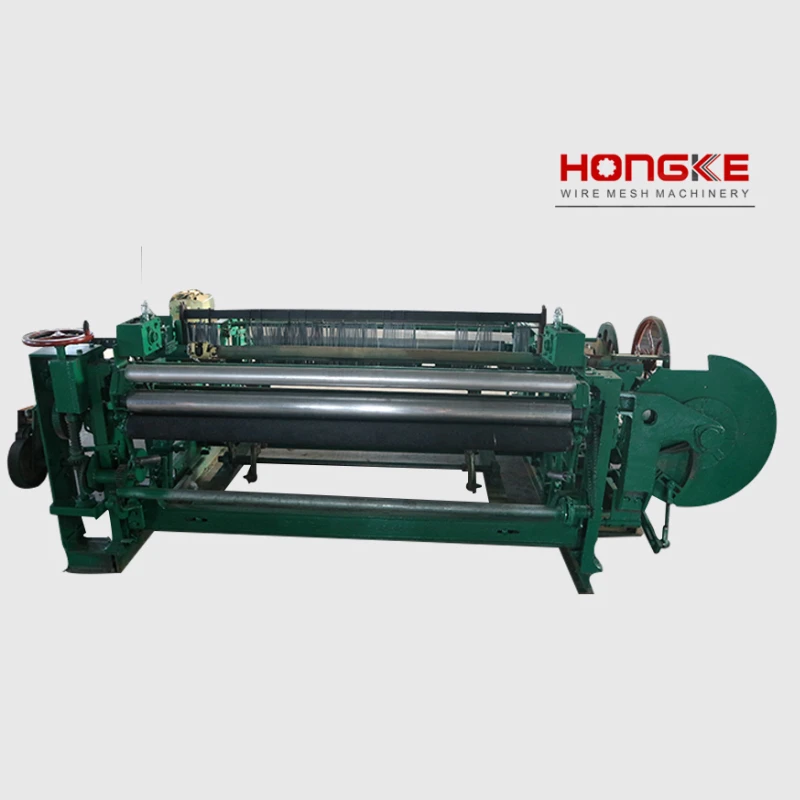
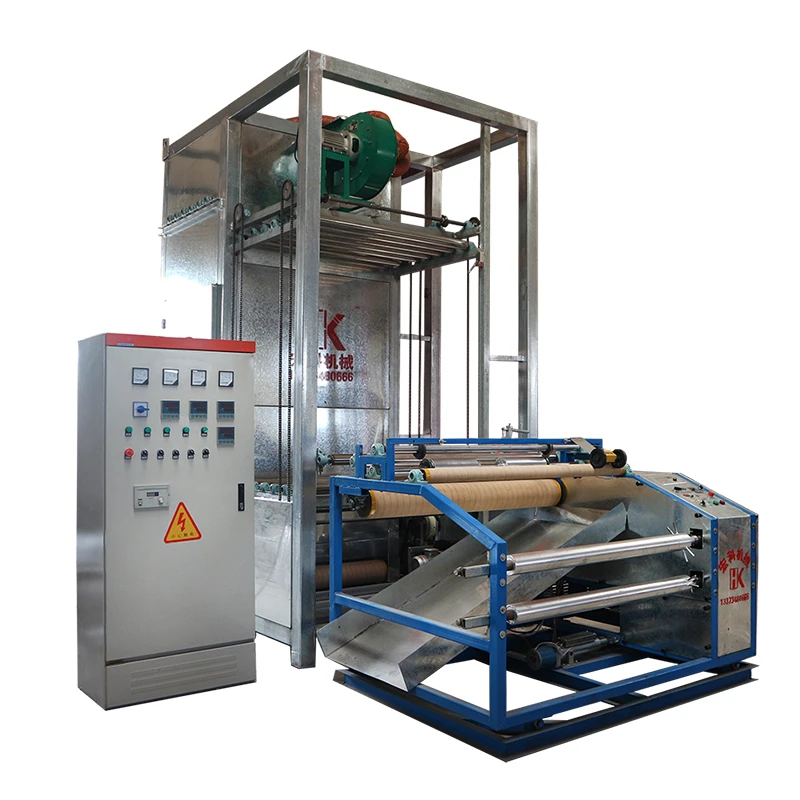
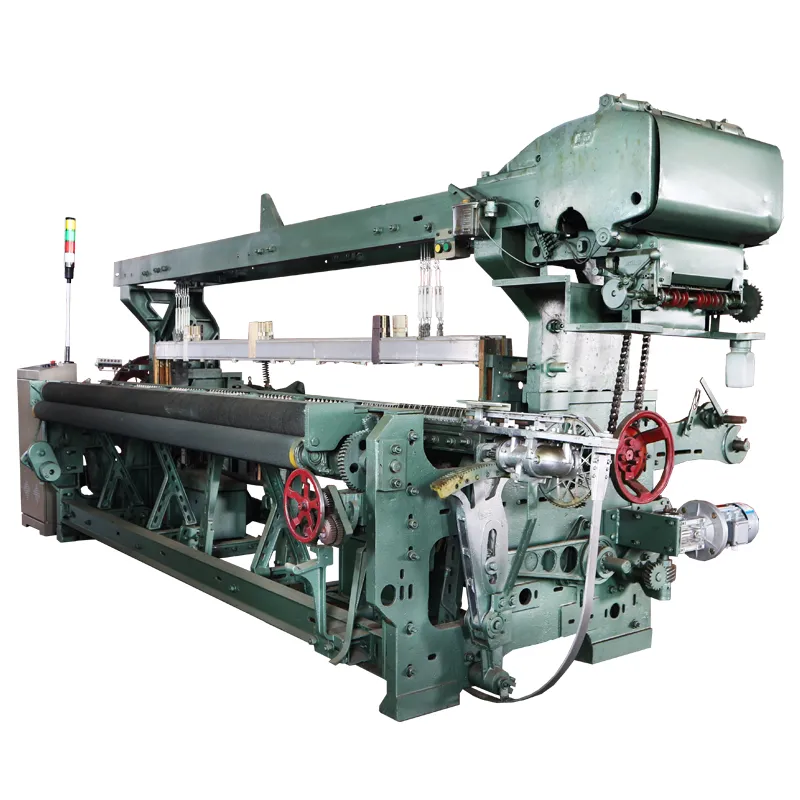
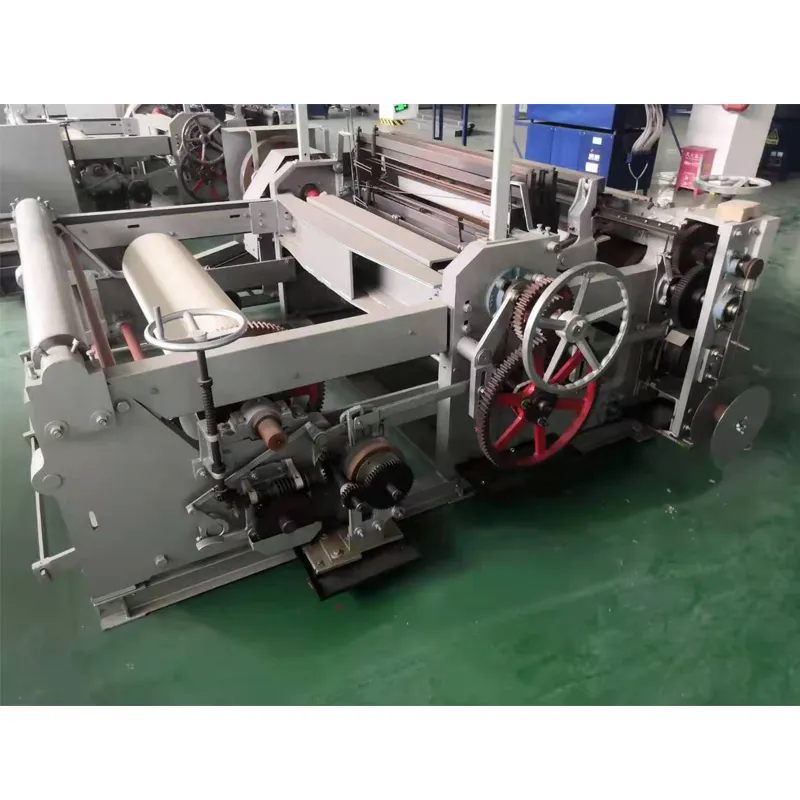
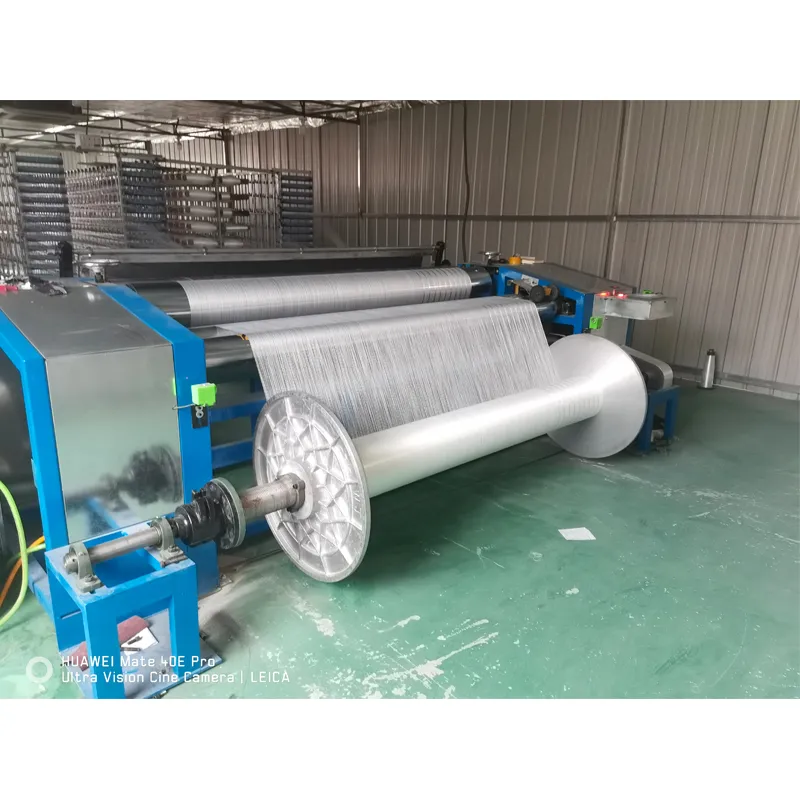
Fiberglass mesh weaving machines are specialized industrial weaving machines engineered for processing fiberglass yarn into architectural mesh, reinforcement mesh, tape, and fireproof cloth. Unlike generic spinning and weaving machines, these systems prioritize stable warp tension, precise weft insertion, and high thermal/abrasion resistance of contact parts, ensuring dimensional stability and consistent coating adhesion. A typical line combines creel and tensioning, servo-controlled let-off and take-up, shuttleless weft insertion, beat-up, selvedge formation, and optional online coating and drying—designed for continuous, high-speed output with minimal yarn damage.
For B2B decision makers, the relevance is clear: dependable throughput, repeatable mesh apertures, and tight tolerances directly influence downstream lamination, cutting, and packaging yields. Anping Hongke Wire Mesh Machinery Factory manufactures complete fiberglass machine solutions and integrates PLC/HMI controls, auto stop-motions, broken-end detection, and recipe management to standardize quality across shifts. The company’s engineering team tailors loom configurations—from weaving width and mesh density to selvedge options—to meet building, insulation, and industrial standards while lowering changeover time and unplanned downtime.
Benefits & Use Cases of Fiberglass Mesh Weaving Machines in Manufacturing of weaving machinery
In the manufacturing of weaving machinery, fiberglass mesh weaving equipment serves critical applications: EIFS/ETICS wall insulation mesh, drywall joint tape, waterproofing and roofing reinforcement, stone and marble backing mesh, grinding wheel base cloth, and fire-resistant fabrics. These use cases demand tightly controlled mesh openings, strong bonding during coating, and uniform selvedge, which high speed weaving machines deliver through precise synchronization of let-off, weft insertion, and take-up systems.
- Competitive advantages: stable yarn path design, low vibration frames, intelligent tension management, and quick style changes that reduce waste during product switchovers.
- Operational benefits: consistent mesh geometry for improved coating pickup, fewer stops from broken ends, and better selvedge integrity—translating to higher first-pass yield.
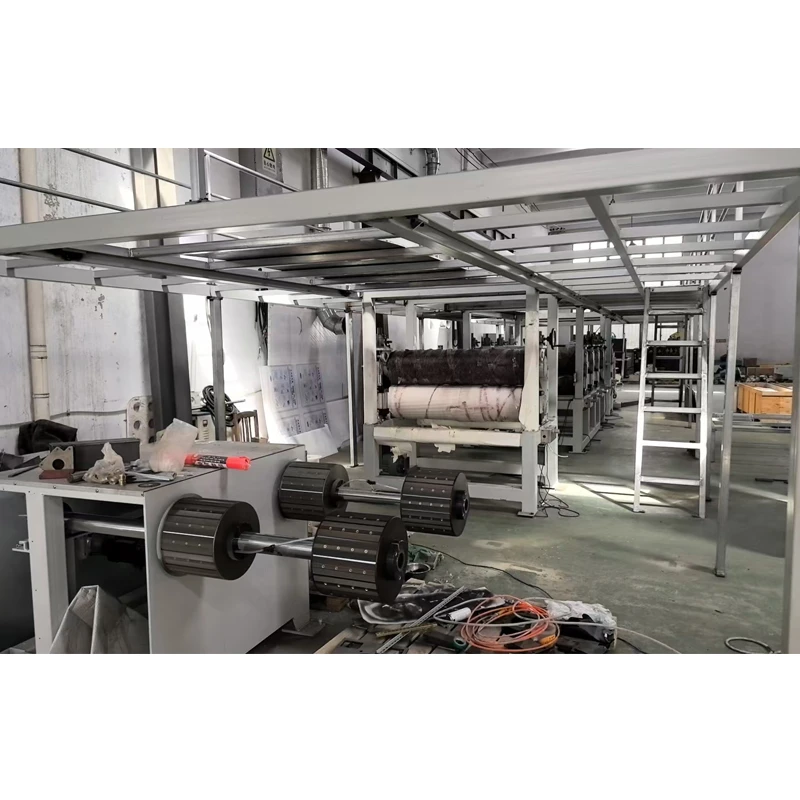
- Integration: compatibility with upstream fiberglass yarn supply and downstream coating/curing lines, supporting end-to-end process control beyond a single industrial weaving machine.
With deep category expertise, Anping Hongke Wire Mesh Machinery Factory configures each fiberglass machine to customer specifications—mesh size ranges, loom width, automation level, and data logging—backed by installation, training, and responsive after-sales service. For buyers comparing fiberglass machine manufacturers, Hongke’s practical approach shortens commissioning times and safeguards production ramp-up.
Cost, Maintenance & User Experience
Total cost of ownership (TCO) in fiberglass mesh weaving is driven by machine uptime, scrap rate, energy consumption, and labor efficiency. While fiberglass machine price is an important line item, B2B procurement teams typically evaluate lifecycle value: robust frames and wear-resistant components extend service intervals; intelligent stop-motions reduce yarn waste; and energy-efficient drives help lower utility bills. Together, these factors often deliver faster payback than headline price alone.
- Durability and ROI: engineered contact surfaces minimize filament abrasion; accessible maintenance points and modular parts speed up routine service; remote diagnostics support quick troubleshooting to reduce downtime.
- User experience: operators benefit from intuitive HMI dashboards, recipe controls, and clear alarm logic. Customers in specialized textile equipment production report smoother start-ups, more stable warp tension over long runs, and reduced operator intervention.
Anping Hongke Wire Mesh Machinery Factory provides training, spares, and technical guidance to keep lines running at target efficiency. This holistic approach helps manufacturers standardize quality across multiple shifts and locations while keeping the TCO predictable and transparent.
Sustainability & Market Trends in Equipment manufacturing industry
Demand for fiberglass reinforcement products is rising with global building codes emphasizing energy efficiency, fire safety, and longer service life. This elevates expectations for consistent mesh performance and traceable production data. At the same time, sustainability targets are prompting manufacturers to invest in low-waste processes and energy-optimized equipment. In weaving, that means precise tension control to reduce breaks, optimized yarn paths to cut scrap, and drives that curb power usage without sacrificing throughput.
- Regulatory momentum: stricter standards in insulation and façade systems favor reliable, non-combustible reinforcement meshes, strengthening the business case for advanced fiberglass mesh weaving machines.
- Digitalization: Industry 4.0 features—production counters, quality alarms, and data logging—improve traceability and predictive maintenance, aligning with corporate ESG reporting.
Anping Hongke Wire Mesh Machinery Factory integrates energy-aware components and process controls to support sustainability goals, positioning its portfolio as both performance-driven and eco-conscious. For producers transitioning from older spinning and weaving machines to modern fiberglass solutions, Hongke offers a pragmatic upgrade path that balances capacity expansion with environmental responsibility.
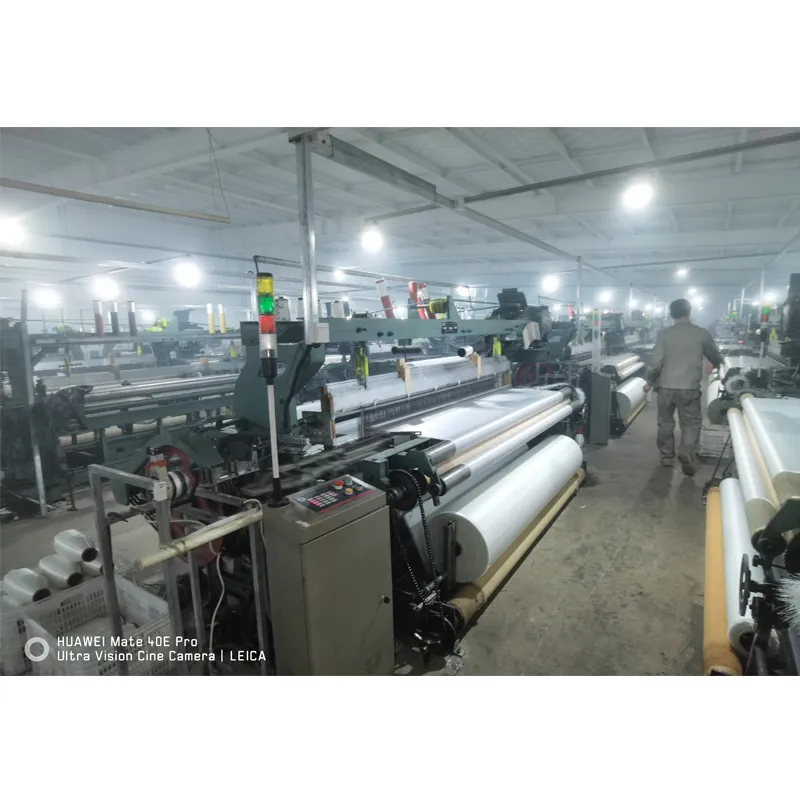
Conclusion on Fiberglass Mesh Weaving Machines from Anping Hongke Wire Mesh Machinery Factory
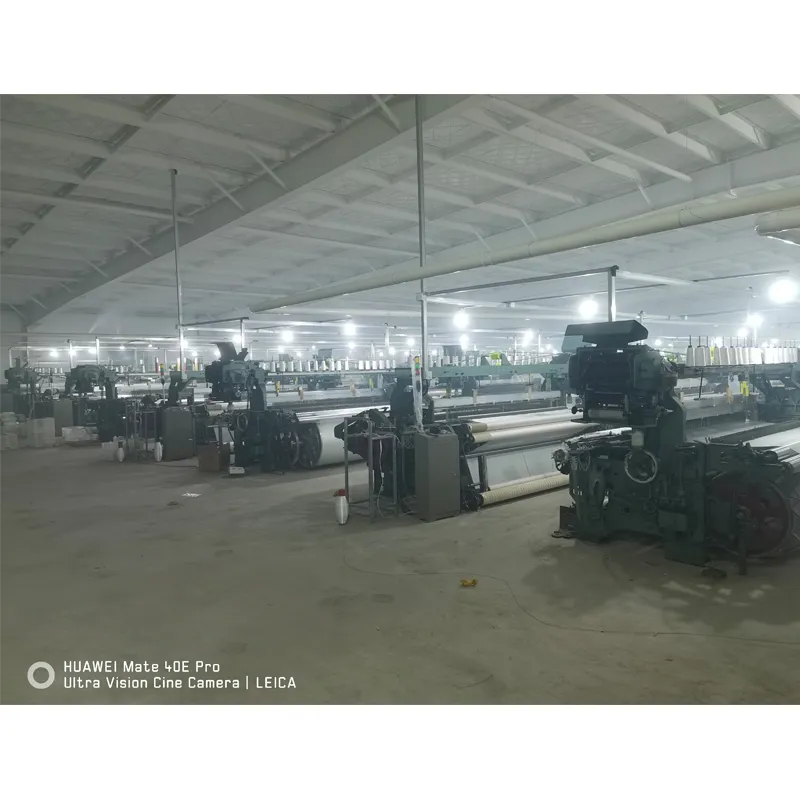
Fiberglass Mesh Weaving Machines are essential for producing consistent, high-performance reinforcement and fireproof textiles. By combining stable tension control, precise weft insertion, and intelligent automation, they outperform generic industrial weaving solutions and help reduce waste, energy use, and downtime. Anping Hongke Wire Mesh Machinery Factory stands out among fiberglass machine manufacturers with configurable lines, dependable service, and a pragmatic focus on TCO—not just fiberglass machine price. Contact us: email: info@aphkmachinery.com — Visit our website: https://www.aphkmachinery.com