


Why the fabric weaving machine remains an industrial cornerstone
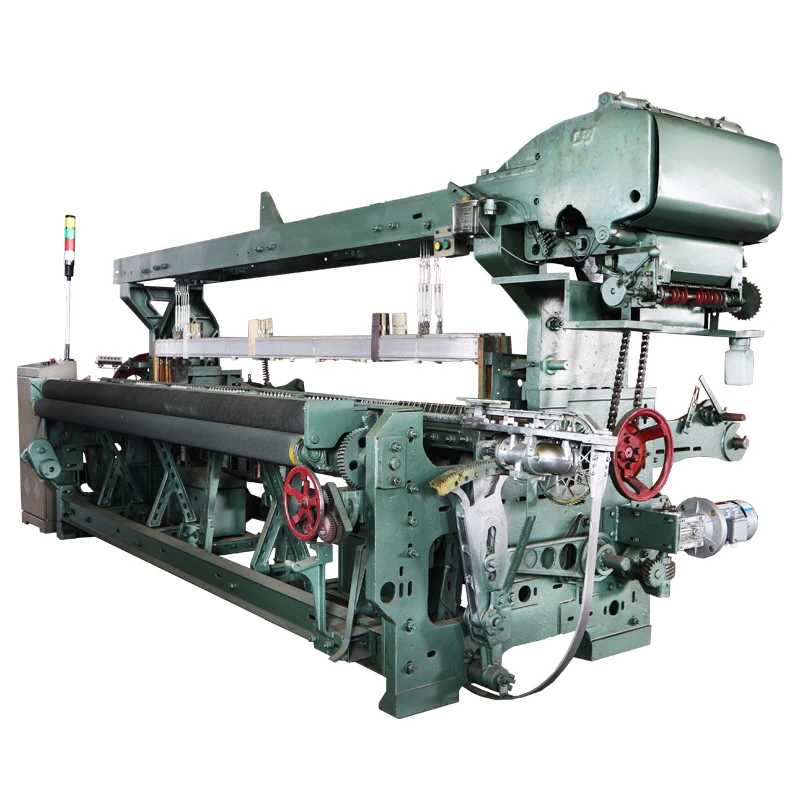
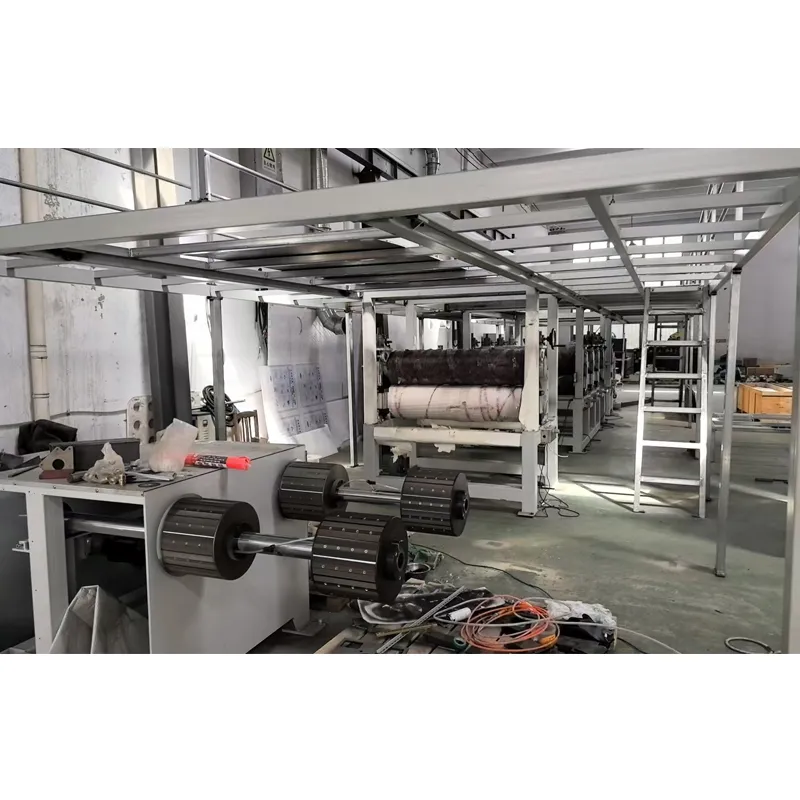
Having spent well over a decade in the industrial equipment sector, I’ve come to appreciate the subtle engineering that powers essential machinery—not just by specs on a sheet, but by the day-to-day reliability that keeps factories humming. The fabric weaving machine is one such marvel. Somehow, it blends old-school mechanical precision with cutting-edge tech to meet modern textile demands. Oddly enough, that balance isn’t always obvious at first glance.
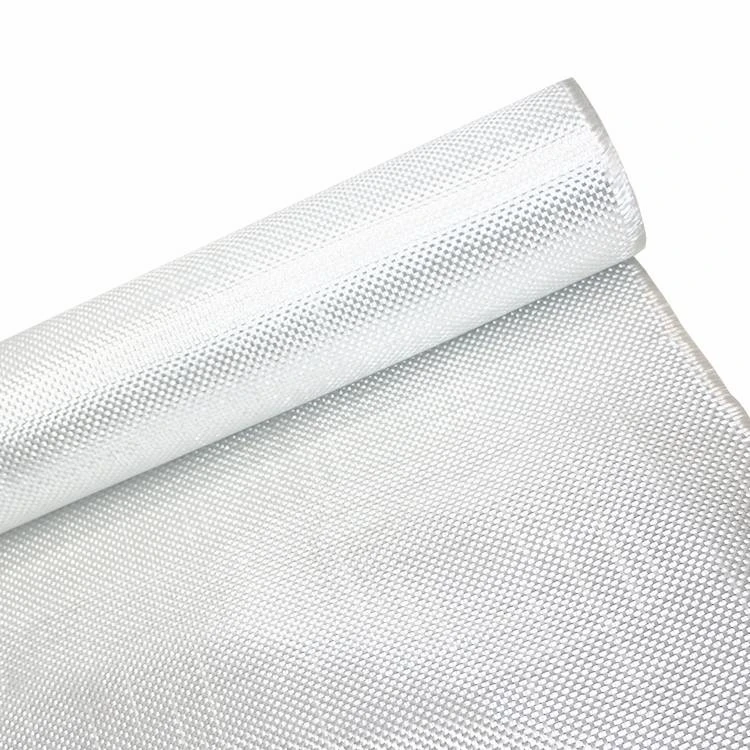
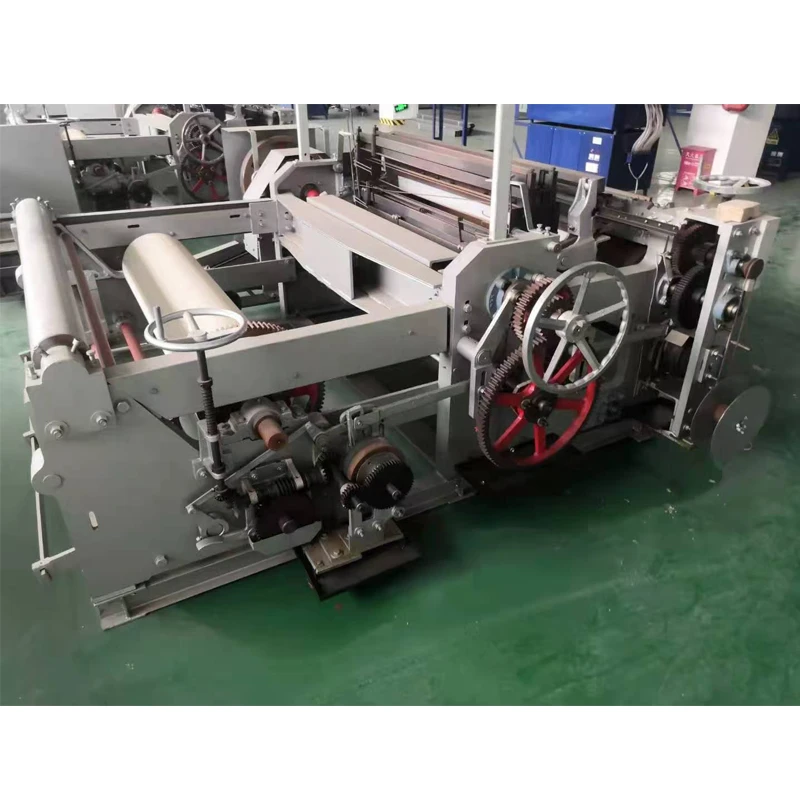
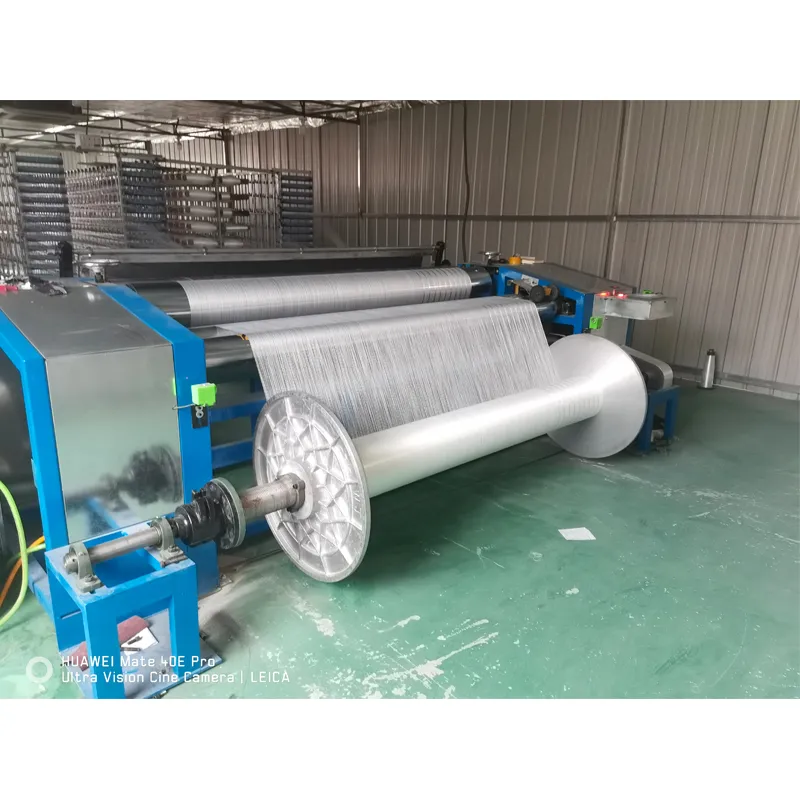
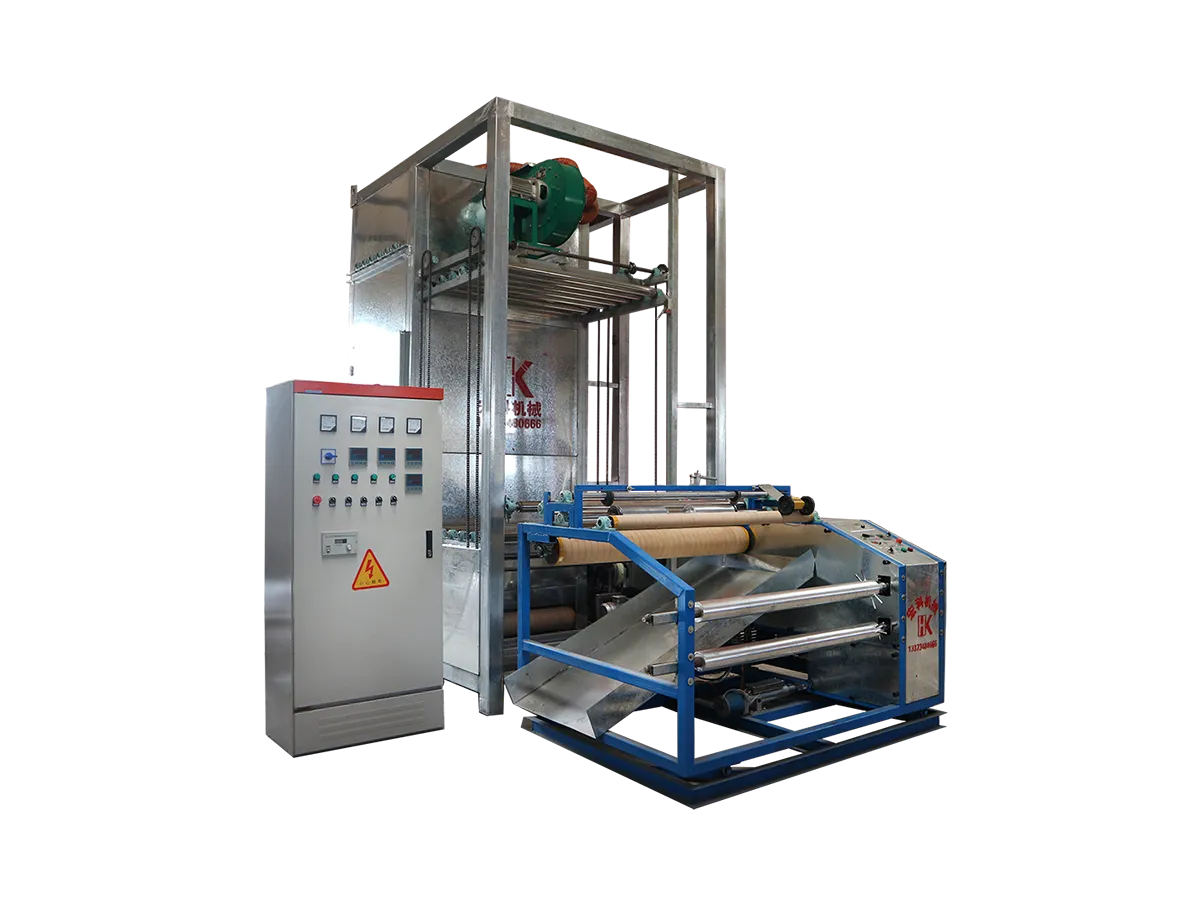
Textile manufacturing is evolving rapidly, but weaving machines still serve as the backbone of the production line. Many engineers I know swear by models that combine intuitive design with capacity for customization. And frankly, it’s not just about speed; it’s about flexibility and durability under different material types—be it cotton, polyester, or more technical fabrics.
Design & Materials: The Heart of a Durable Machine
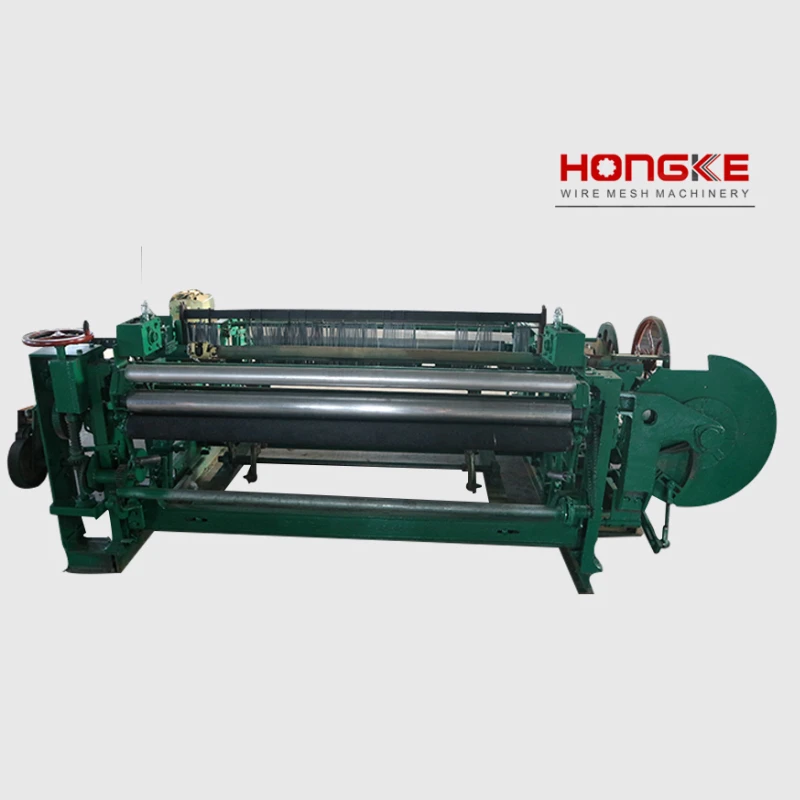
From my experience, the frame materials and drive systems tell you a lot about a machine’s long-term performance. Modern machines often sport robust steel frames with anti-corrosion coatings. This is crucial, especially in regions with high humidity or varied factory conditions. The jacquard and dobby loom attachments, in particular, benefit from precision engineering, demanding tight tolerances where even a microscopic wobble ruins fabric quality.
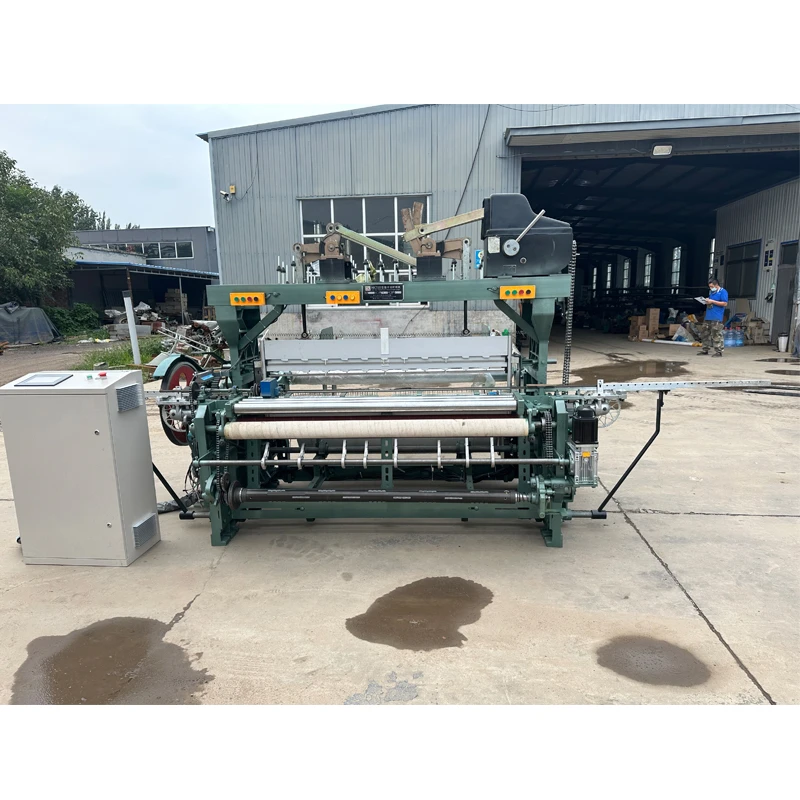
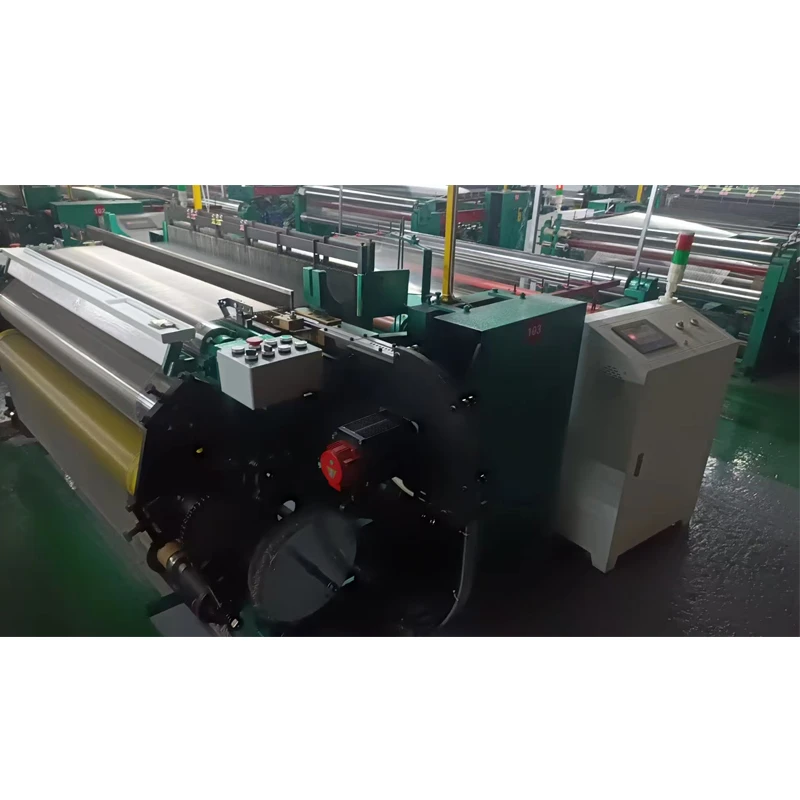
Advanced electronic control units have started to replace older mechanical cams for shuttleless looms, offering greater control and less downtime. I remember visiting a plant where operators praised how these controls made on-the-fly adjustments almost seamless — the kind of responsiveness that translates to saving hours of costly trial runs.
| Feature | Specification |
|---|---|
| Weaving width | 50-200 cm |
| Max weaving speed | 1000-1400 picks per minute |
| Drive system | Servo motor (Electronic Control) |
| Type | Shuttle/Shuttleless (rapier, air-jet, projectile) |
| Material compatibility | Cotton, silk, polyester, technical fibers |
| Control panel | Touchscreen with preset patterns |
Choosing the Right Vendor: A Quick Comparison
Truth be told, not all manufacturers deliver the same blend of service, quality, and price. In my visits to various production facilities—from small workshops in Vietnam to large plants in Turkey—the vendor choice often made or broke the operation. Here’s a straightforward comparison of three well-known suppliers of fabric weaving machines, based on my direct observations and industry reputation.
| Vendor | Machine Range | Customizability | After-Sales Service | Typical Lead Time |
|---|---|---|---|---|
| APHK Machinery | Wide (shuttle & shuttleless) | High (software & hardware) | Excellent (global support) | 4-6 weeks |
| Vendor B | Moderate (shuttleless only) | Medium | Good (regional hubs) | 6-8 weeks |
| Vendor C | Limited (niche types only) | Low | Fair | 8-12 weeks |
In Real Terms: What It Feels Like to Use One
A few years ago, I was at a mid-sized textile factory where they’d recently upgraded to the latest fabric weaving machines. The operators, initially hesitant about the switch, quickly adapted; I noticed how the touchscreen interface shortened setup times dramatically. One lead operator told me, “It feels like the machine understands what I want before I ask.” Not literally, of course, but that responsiveness is the payoff of good software integration.
What’s more, maintenance routines became more predictable. Scheduled alerts and self-diagnostics cut unexpected downtimes. And that is where the industry is headed—not just faster machines, but smarter and more user-friendly ones that help operators rather than frustrate them.
If you’re in the market for a fabric weaving machine, I’d highly recommend evaluating not only the technical specs but also the vendor’s support infrastructure. It’s a partnership that lasts years, not months.
All in all, fabric weaving machines remind me why industrial equipment still holds so much fascination: a mix of precision, power, and the subtle art of turning materials into something tangible. The next time you see a bolt of cloth, perhaps spare a thought for the machine—and the people—who wove it.
References:
1. Industry interviews, 2021-23
2. Manufacturer brochures and technical manuals
3. On-site plant visits and operator testimonials