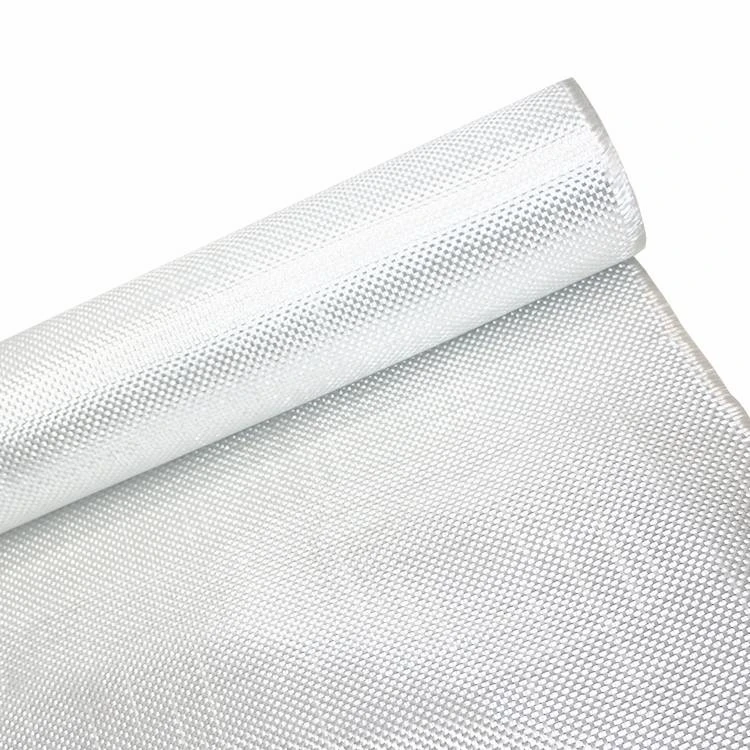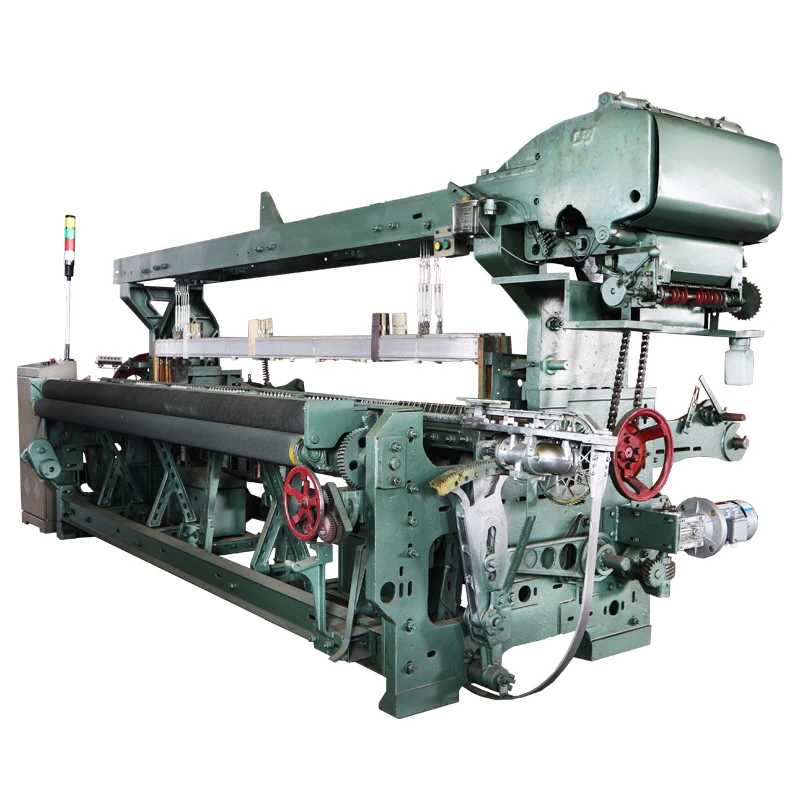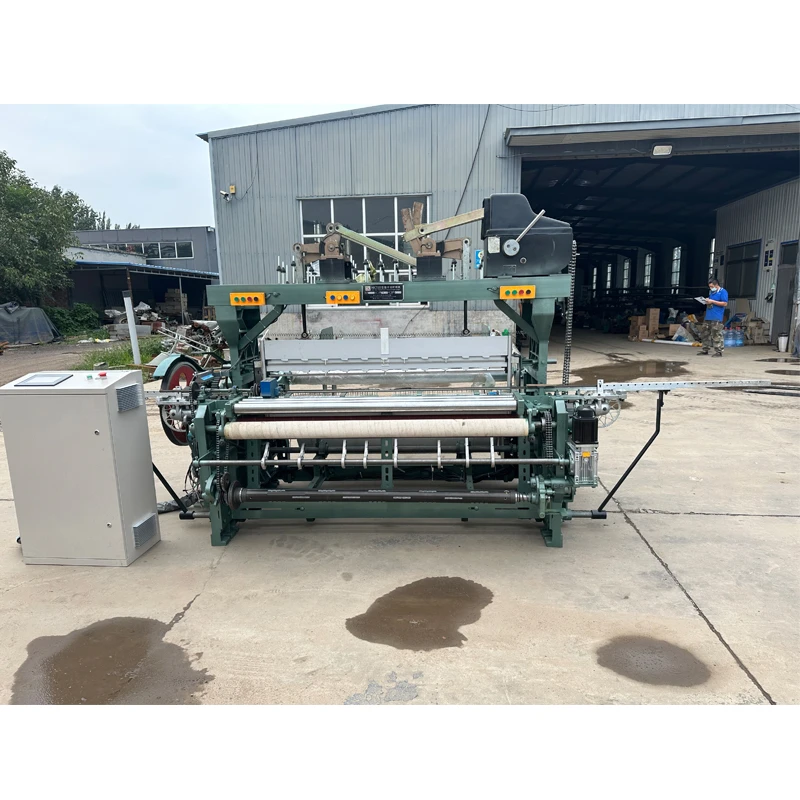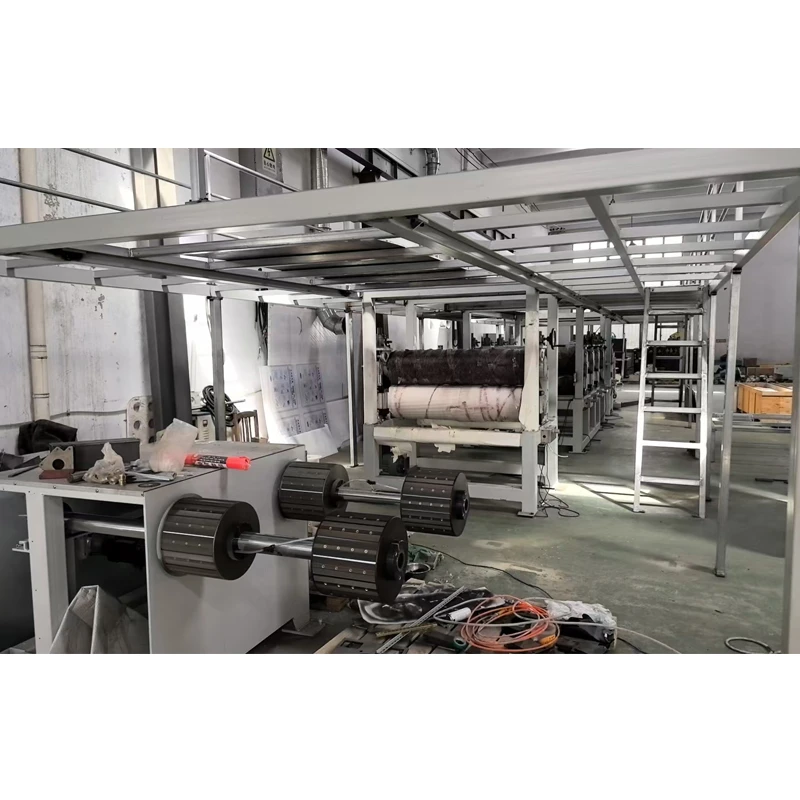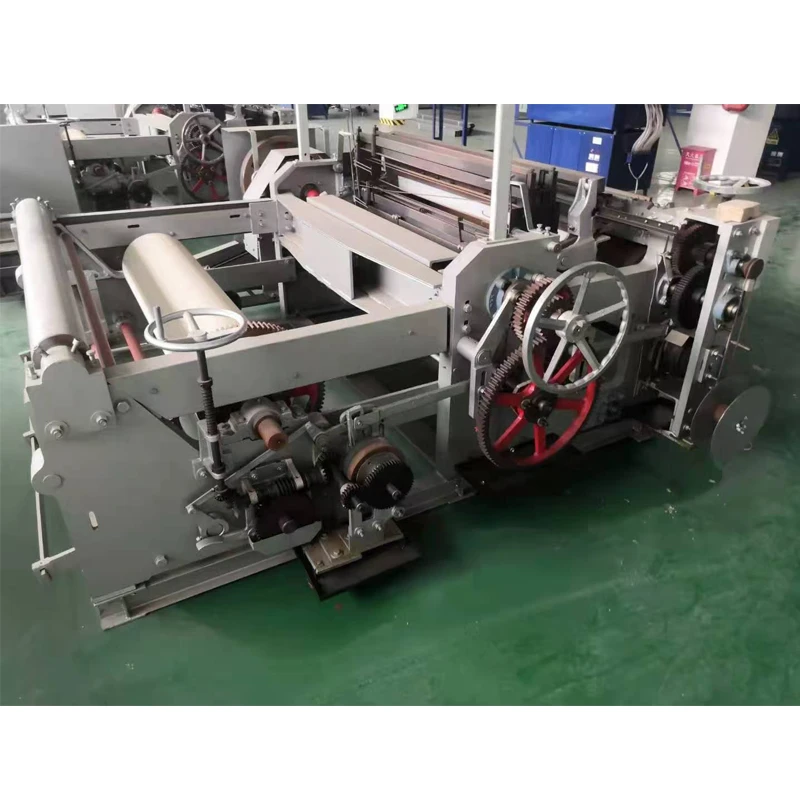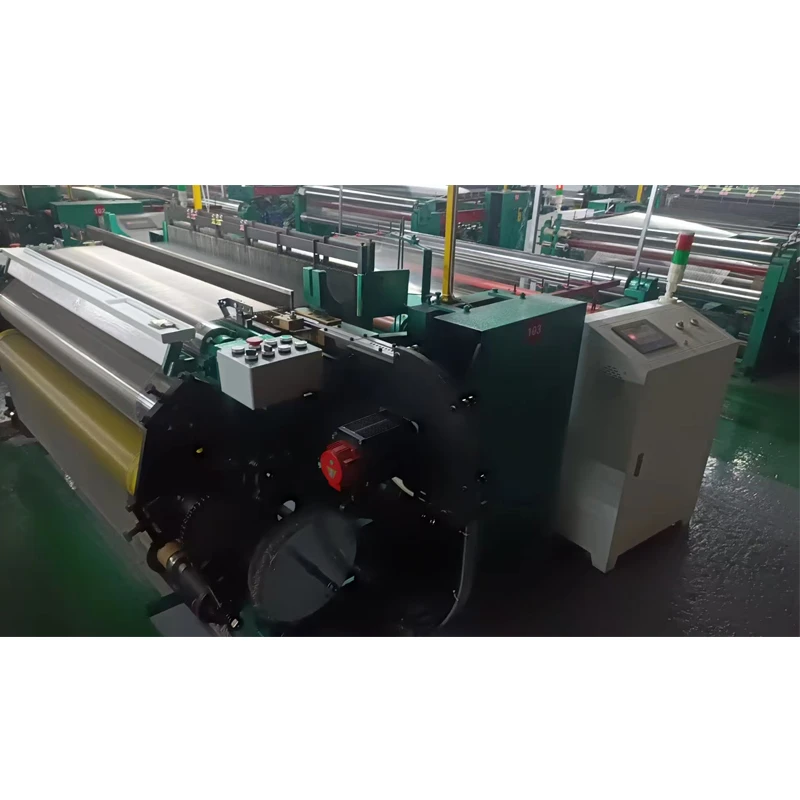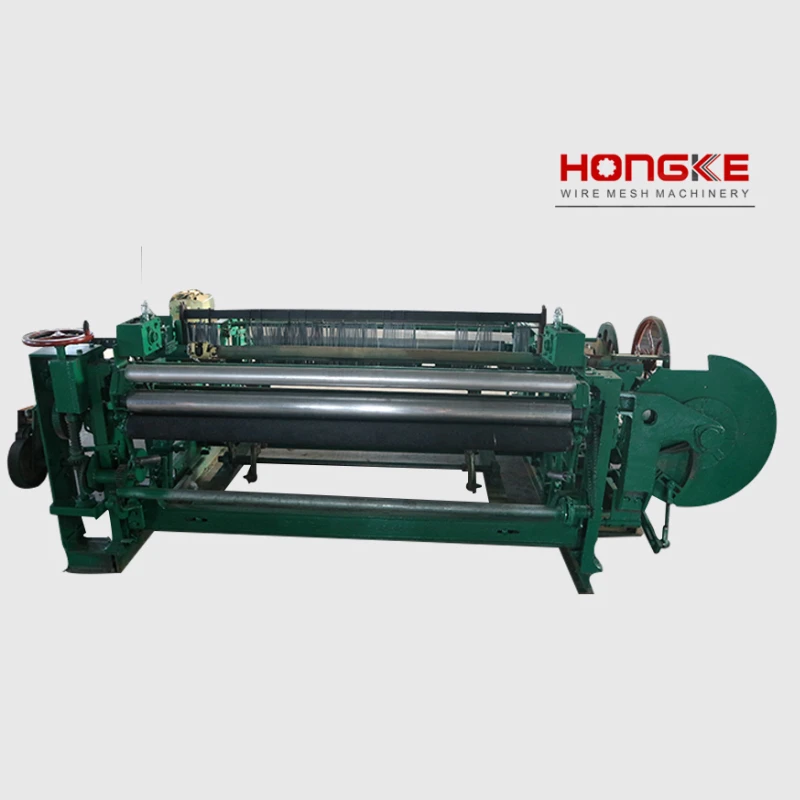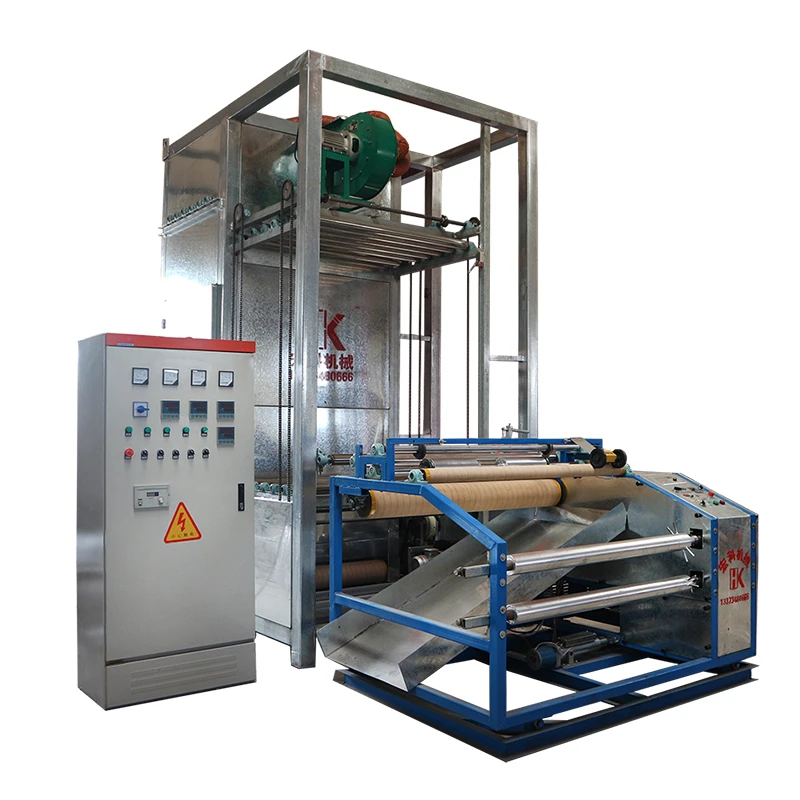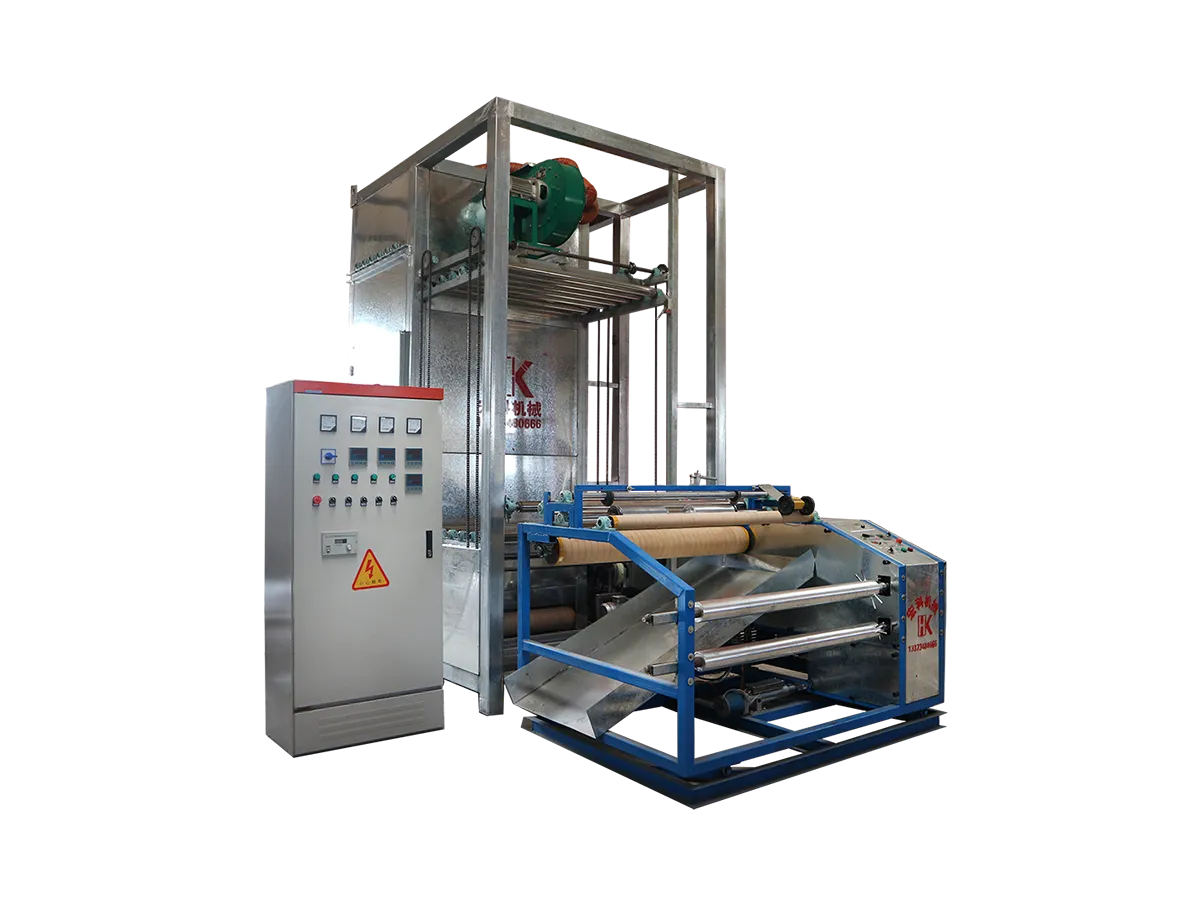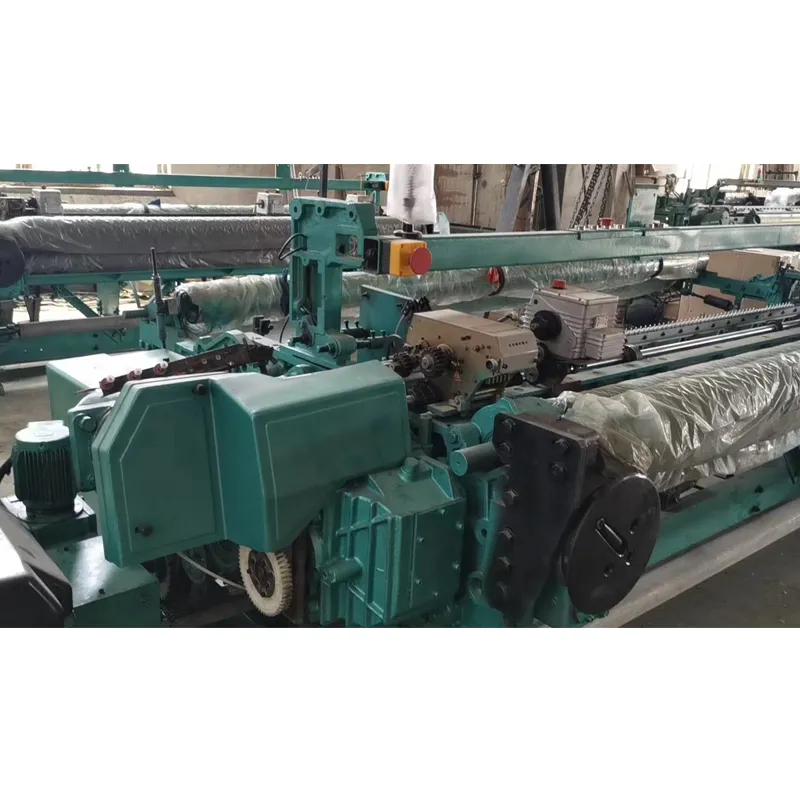



Fiberglass Roving Machine is a key solution in the industry, specifically within manufacturing sectors reliant on glass fiber composites. This article explores how https://www.aphkmachinery.com supports professionals with durable, high-performance products, and explains why this product is an ideal choice for businesses in these sectors.
Table of Contents
- Fiberglass Roving Machine Overview
- Benefits & Use Cases of Fiberglass Roving Machine
- Cost, Maintenance & User Experience
- Sustainability & Market Trends
Fiberglass Roving Machine Overview
So, what exactly is a Fiberglass Roving Machine? In simple terms, it’s a specialized piece of equipment designed to convert bundles of continuous fiberglass filaments into roving — those thick strands you often see being woven or processed in composite materials manufacturing. It sort of acts as the middleman between the delicate fiber production and the end-user processes like weaving or molding.
Technically, these machines are built to ensure uniform filament alignment and tension control, which are critical for product quality. The Fiberglass Roving Machine from APHK Machinery, for example, features automated tension adjustment, high-speed winding capabilities, and compatible interfaces with upstream fiber processing lines. It’s often integrated in factories where precision and durability are non-negotiable.
| Specification | Details |
|---|---|
| Model | APHK-RV200 |
| Max Speed | 3500 m/min |
| Filament Count | 2400-3600 |
| Power Consumption | 18 kW |
| Control System | PLC + Touchscreen |
Benefits & Use Cases of Fiberglass Roving Machine
The versatility of the Fiberglass Roving Machine really stands out. It’s tailored to serve industries like automotive composites, aerospace parts manufacturing, wind turbine blades, and construction materials. These sectors crave consistency: the same tensile strength and fiber density, round after round.
What I noticed, chatting with engineers in these fields, is that APHK’s machines push ahead because they combine speed with high-quality filament control. Features like adjustable roving width and dynamic tension balancing aren’t just bells and whistles—they translate directly into less waste and better material performance downstream. Frankly, it’s a big deal when margins are tight.
Plus, this equipment supports integration with various glass fiber types, including E-glass and S-glass varieties, which broadens its application scope enormously.
Cost, Maintenance & User Experience
Now, onto a topic that many decision makers ask about first: the total cost of ownership. The upfront price of a Fiberglass Roving Machine can feel substantial, but once you factor in durability and low maintenance, the return on investment begins to look very attractive. APHK machines reportedly keep downtime to a minimum thanks to their modular design and easy-to-replace wear parts.
A user I spoke with in the composite panels industry said the machine's user-friendly control panel cut operator training time in half. Plus, predictive fault diagnostics help nip problems in the bud—which, in real terms, means smoother production runs and less frustration.
Sustainability & Market Trends
The green conversation is impossible to ignore these days. Fiberglass roving machines, especially cutting-edge ones like those from APHK, are playing a quiet but important role in improving sustainability. By enabling precise control of fiber usage and minimizing production waste, they contribute indirectly to lower resource consumption.
Market trends show growing adoption in renewable energy sectors — think wind turbine blade manufacturing — where composite performance and sustainability are intertwined. Regulatory pressures in construction and automotive industries are also pushing for more efficient and environmentally sound production methods, so machines that can meet these demands stand to grow their market share nicely.
Frequently Asked Questions about Fiberglass Roving Machine
- What is Fiberglass Roving Machine and how does it work?
- It’s a machine that takes continuous glass filaments and collects them into thicker strands called rovings. These rovings can then be processed further for composites. The machine controls tension, speed, and filament alignment to ensure quality and consistency.
- What are the main benefits of using Fiberglass Roving Machine in industrial applications?
- Key benefits include uniform quality, high production speeds, reduced waste, and adaptability to different fiber types. This leads to better product performance and cost savings overall.
- How does Fiberglass Roving Machine compare to traditional alternatives?
- Compared to older manual or less automated methods, it offers more precision, better control, higher throughput, and improved operator safety. Technology advancements also mean easier integration with downstream processes.
- What industries can benefit most from Fiberglass Roving Machine implementation?
- Industries such as automotive composites, aerospace, wind energy, construction materials, and even sports equipment manufacturing leverage this technology widely for consistent fiberglass roving supply.
| Vendor | Speed (m/min) | Automation Level | Price Range | Support & Warranty |
|---|---|---|---|---|
| APHK Machinery | Up to 3500 | Full PLC Control | Competitive Mid-Range | 24/7 Support, 2-year warranty |
| Vendor B | 3200 | Semi-Automatic | Higher | Standard Support, 1-year warranty |
| Vendor C | 3000 | Manual Operation | Budget | Limited Support |
Conclusion on Fiberglass Roving Machine from china
Bottom line? Fiberglass Roving Machines — especially those from reliable suppliers like APHK Machinery — offer industrial players a strong mix of efficiency, quality control, and cost-effectiveness. These devices are evolving along with the composites market needs, providing not just equipment but real value through smarter manufacturing.
For businesses in the aerospace, automotive, or renewable energy spaces looking to upgrade production, it's worth taking a closer look at what a Fiberglass Roving Machine might bring to the table.
- Visit our website: https://www.aphkmachinery.com
- Industry reports on Glass Fiber Composites, 2023
- APHK Machinery Technical Whitepaper, 2024
- Customer interviews and feedback, Composite Materials Journal, 2023