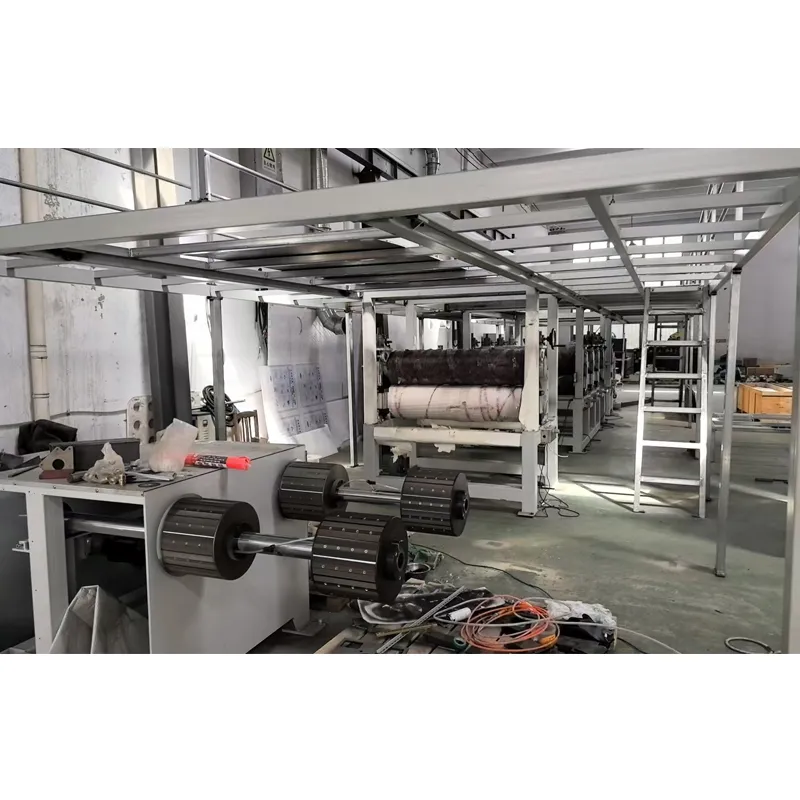



Why the Rapier Loom Weaving Machine Still Wins in Textile Manufacturing
Having spent over a decade in the industrial equipment field, particularly around textile machinery, I’ve seen waves come and go. Yet, the rapier loom weaving machine has held onto a very special spot — and, frankly, it’s not hard to see why.
Oddly enough, despite advances like air-jet and water-jet looms, rapier looms still strike a fine balance between versatility and dependability. In real terms, they’re the sort of machines that textile mills turn to when quality and fabric variety matter most. I remember a conversation with a mill engineer who said, "If you want your fabrics clean and your downtime low, a rapier loom is your friend."
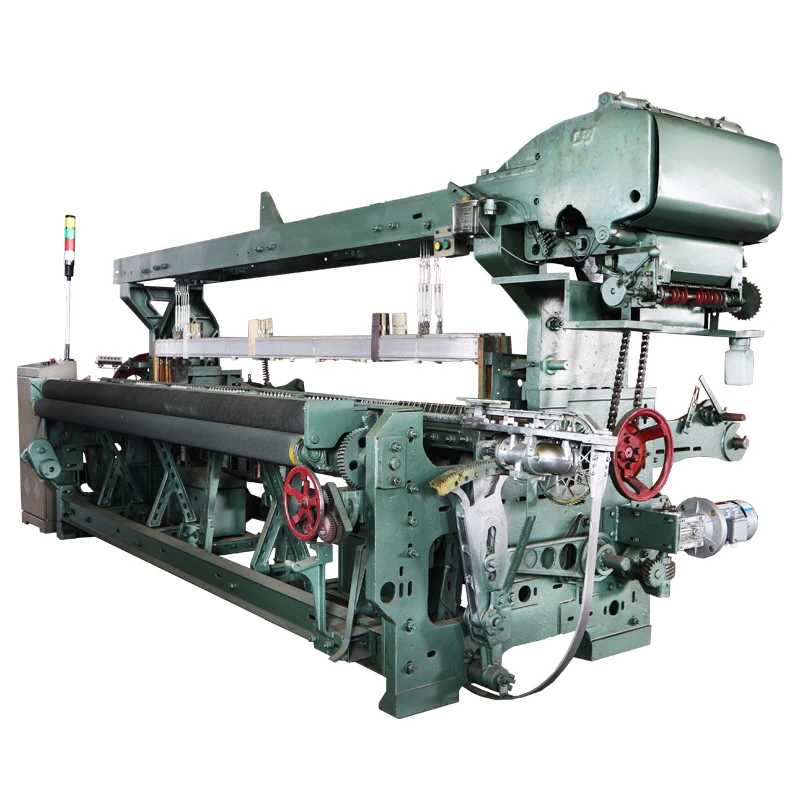
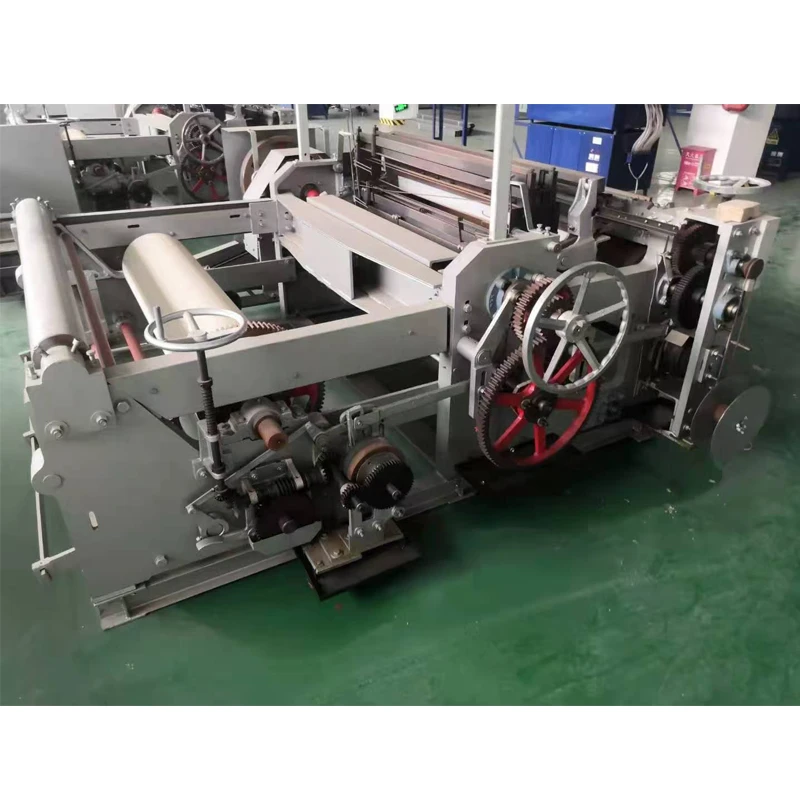
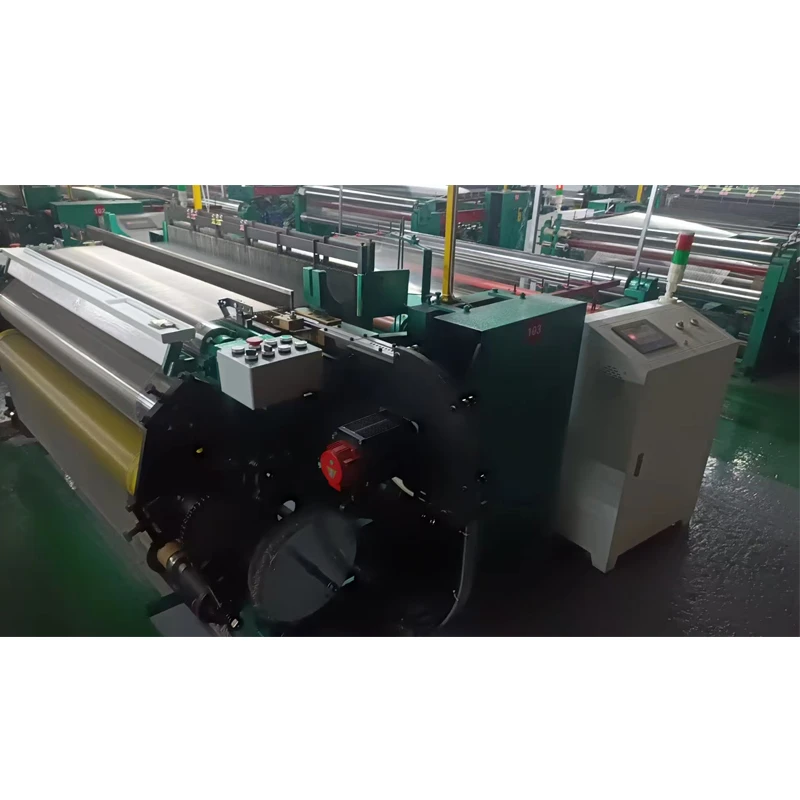
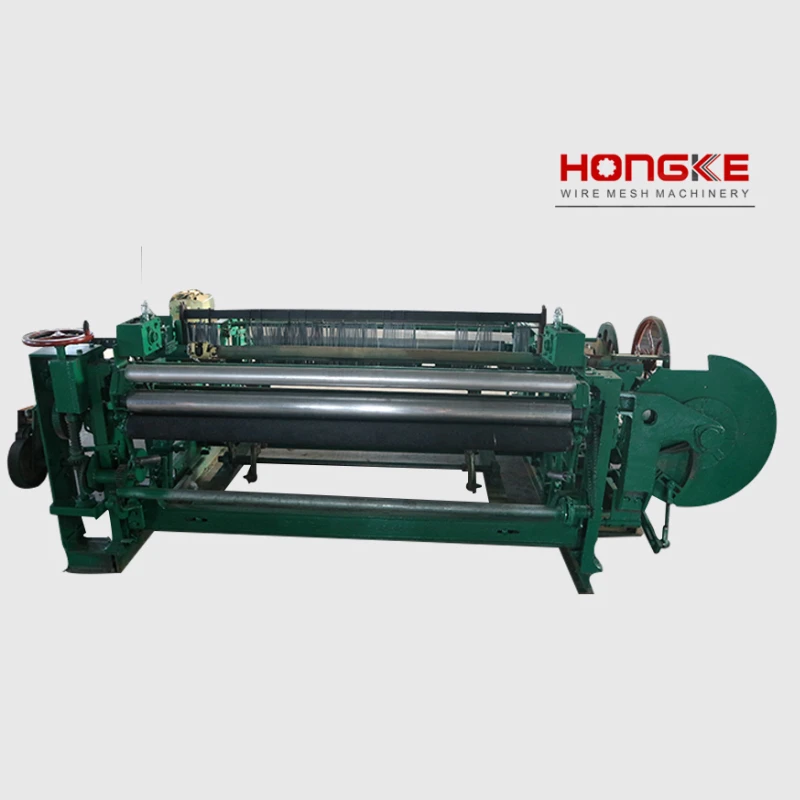
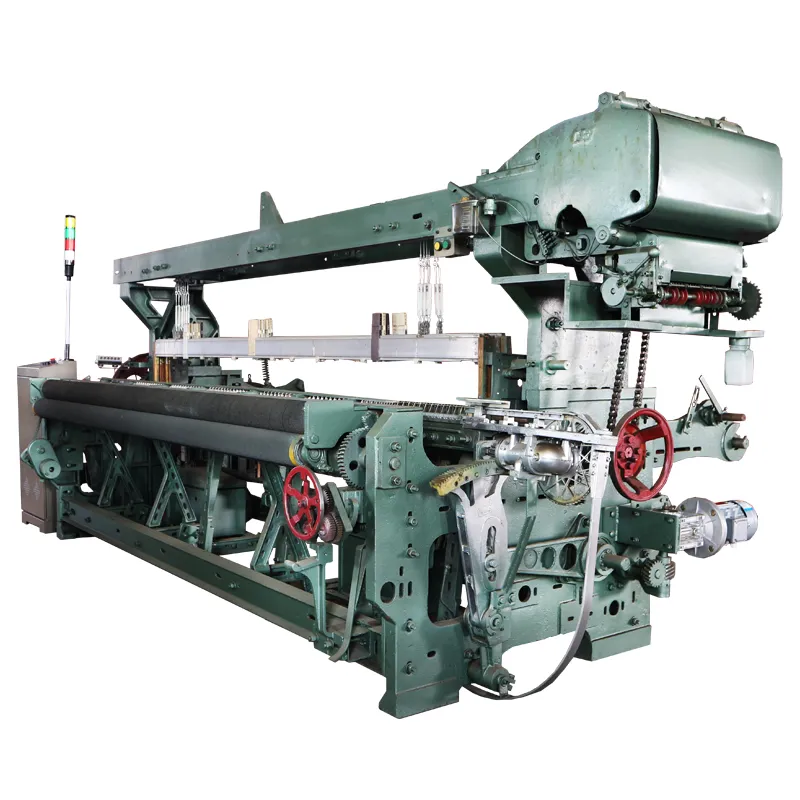
What makes this equipment stand out? For starters, the way it manipulates the weft yarn. Unlike projectile or jet looms that blast or fling the weft across, rapier looms use slender, gripper-equipped “rapiers” to carry the yarn precisely across the shed. That control means fewer yarn breaks on tricky fibers like silk or fine cotton. Also, this mechanism allows weaving a broad range of materials, from delicate textiles to dense synthetics.
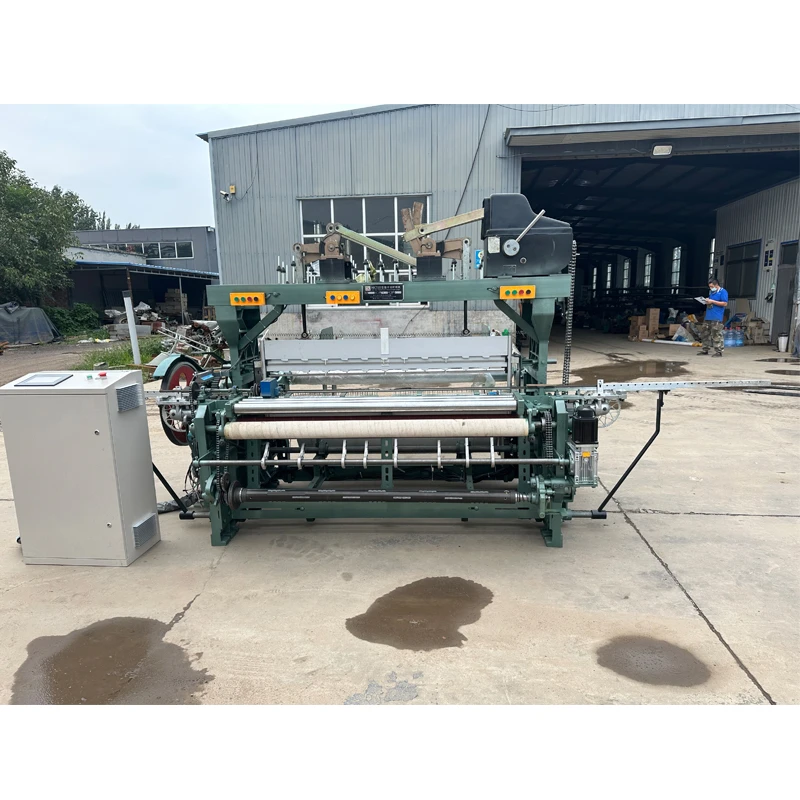
The design innovations over the years are subtle yet game-changing. Modern rapier weaving machines tend to have dual rapier systems — one from each side — meeting in the middle. This cuts the picking distance in half and speeds up production without sacrificing quality. Many manufacturers also focus on reducing noise and vibration. It feels like they listen to the end users’ concerns, which is surprisingly refreshing for industrial gear makers.
I’d also highlight their adaptability. Throughput adjustments, fabric width changes, and weaving intricate patterns become feasible without wholesale overhauls. Some rapier looms come with modular parts that can be swapped in and out fairly easily — a big plus for factories that run different product lines. On-site testing usually reveals how nimble these machines really are. It’s an operator’s favorite feature.
Now, a quick spec table to get a sense of baseline capabilities for a typical rapier loom model:
| Specification | Detail |
|---|---|
| Max Weaving Width | 3200 mm |
| Weft Yarn Range | 20 - 1400 denier |
| Max Speed | 500 picks per minute |
| Rapier Type | Double Rapier System |
| Power Consumption | Around 5 kW |
Of course, plenty of manufacturers produce rapier looms, and picking the right one depends on the nuances of your operations. Here’s a quick glance comparing three reputable vendors:
| Vendor | Speed (picks/min) | Fabric Range | Energy Efficiency | User Interface |
|---|---|---|---|---|
| APHK Machinery | 500 | Wide (cotton, synthetics, silks) | High (5 kW average) | Advanced touchscreen controls |
| TexWeave Inc. | 480 | Moderate (mostly cotton blends) | Moderate | Basic button panel |
| Global Looms Ltd. | 520 | Wide range, but higher maintenance | Lower (7 kW average) | Intermediate, with some digital |
I once visited a mid-sized factory using one of these rapier systems. The manager told me the savings in downtime and waste material alone had justified their switch from air-jet looms within two years. That made the machine more than just equipment — it became a bit of a silent partner in their success.
Beneath the surface, it’s also worth mentioning the craftsmanship and testing that goes into each piece of these machines. From high-precision mechanical parts to firmware tuning, everything aims at sustained accuracy and minimal operator hassle. Many engineers I’ve known appreciate that kind of thoughtful design — it’s what helps prevents headaches down the line.
So if you ask me, for mills aiming at quality, flexibility, and a solid ROI, the rapier loom weaving machine still holds tremendous appeal. It may not be the flashiest new tech, but it’s a proven performer tested through decades of use.
Have you worked with rapier looms before? What’s your experience? Machines like these often become extensions of the team — and when they do, you know you’ve got a good thing.
In the end, solid machinery is about more than specs — it’s about trust and reliability in the day-to-day grind...
References:
- "Advances in Rapier Loom Technology," Textile Machinery Review, 2022.
- APHK Machinery Product Catalog, 2023 Edition.
- Interview with Textile Mill Engineer, July 2023.