


Understanding the Rapier Power Loom: Weaving Efficiency into Global Textile Production
Whenever you peek into the world of textiles, you’re stepping into one of the oldest yet most dynamically evolving industries on the planet. Among the many technologies propelling this sector, the rapier power loom plays a pivotal role. So what exactly is a rapier power loom? Why is it such a big deal globally, and how does knowing about it benefit industries ranging from fashion to technical textiles? Well, this article dives into all of that — outlining the core functions, the global reach, and the future promises of this weaving marvel.
The Global Stage: Why the Rapier Power Loom Matters
The textile industry is a cornerstone of global manufacturing, employing over 60 million people worldwide and contributing around 1.7 trillion dollars to the economy annually, according to World Bank data. With clothing demands growing steadily and technical fabrics entering the spotlight, weaving technologies have had to keep pace. The rapier power loom addresses a big challenge: how to efficiently produce high-quality fabrics with versatility, speed, and less waste. Textile producers worldwide grapple with balancing production volumes and fabric variety — that’s where rapier looms shine. They enable manufacturers to weave complex patterns and multiple yarn types with impressive precision.
Mini takeaway: The rapier power loom is not just machinery; it’s a response to the evolving global demand for diverse, high-quality fabrics made efficiently.
What is a Rapier Power Loom?
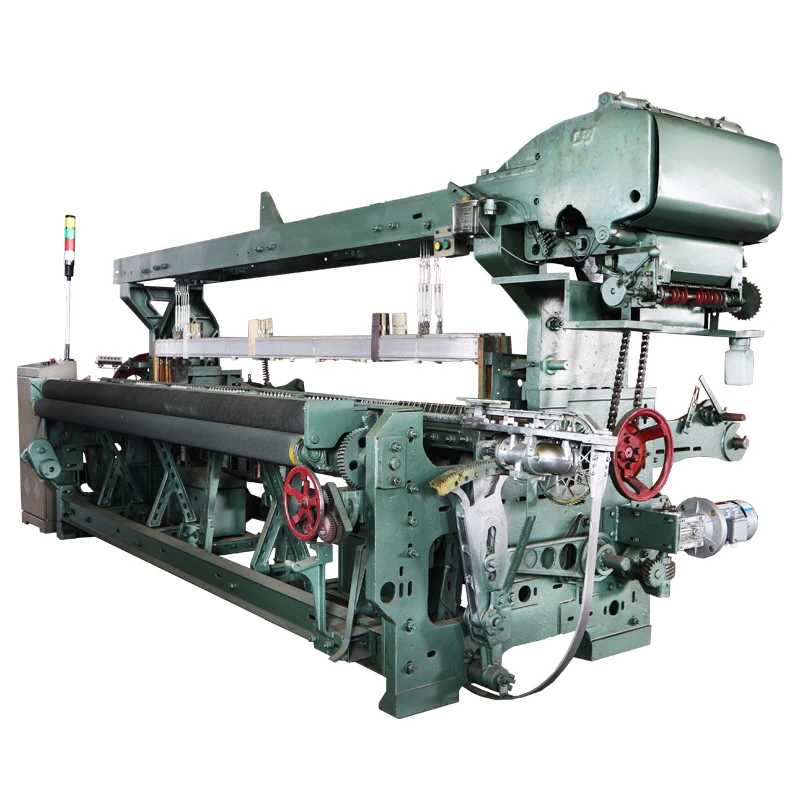
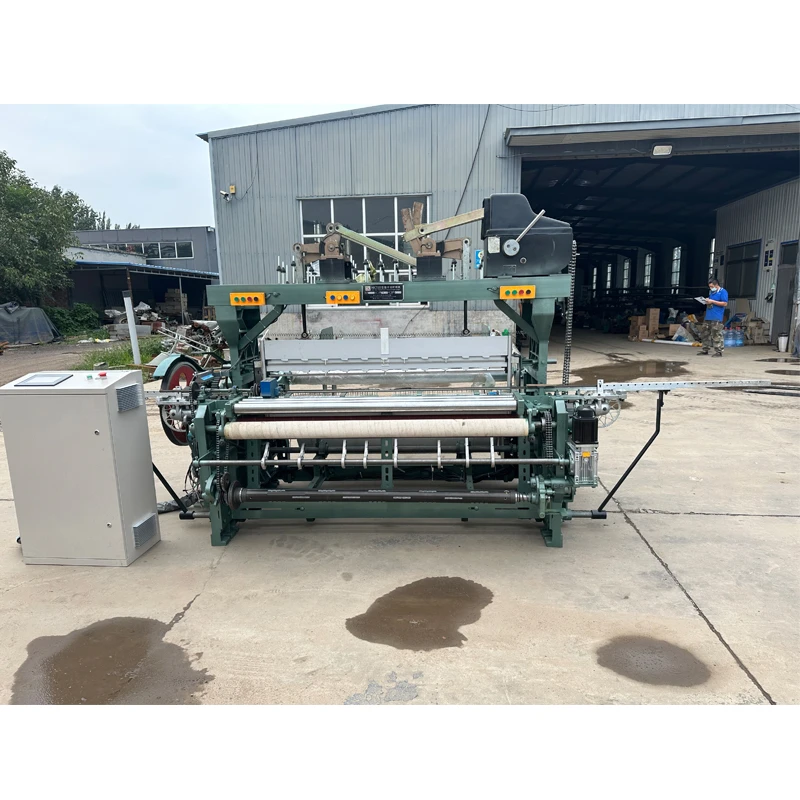
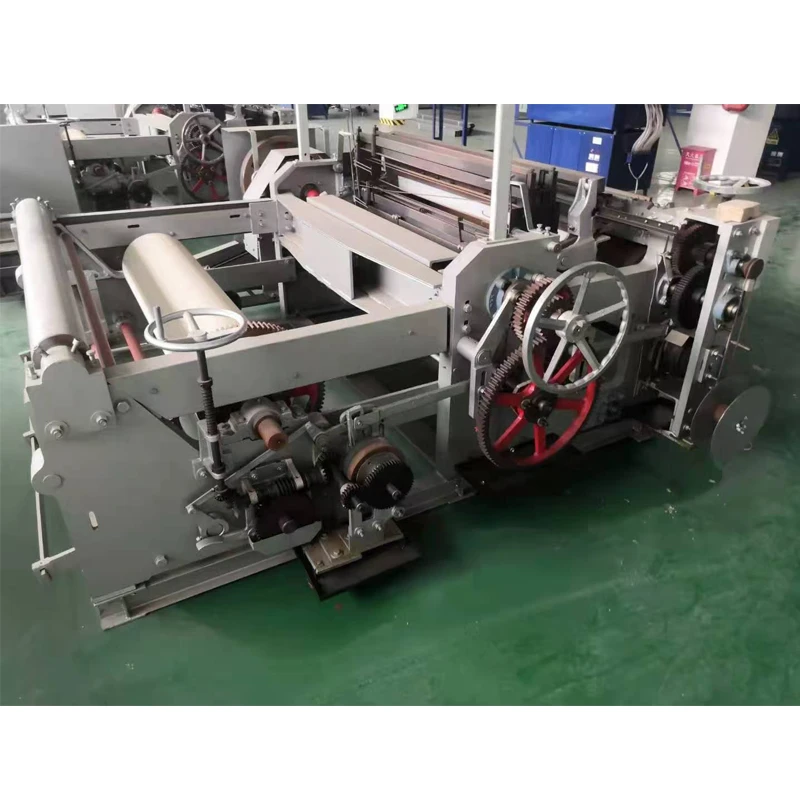
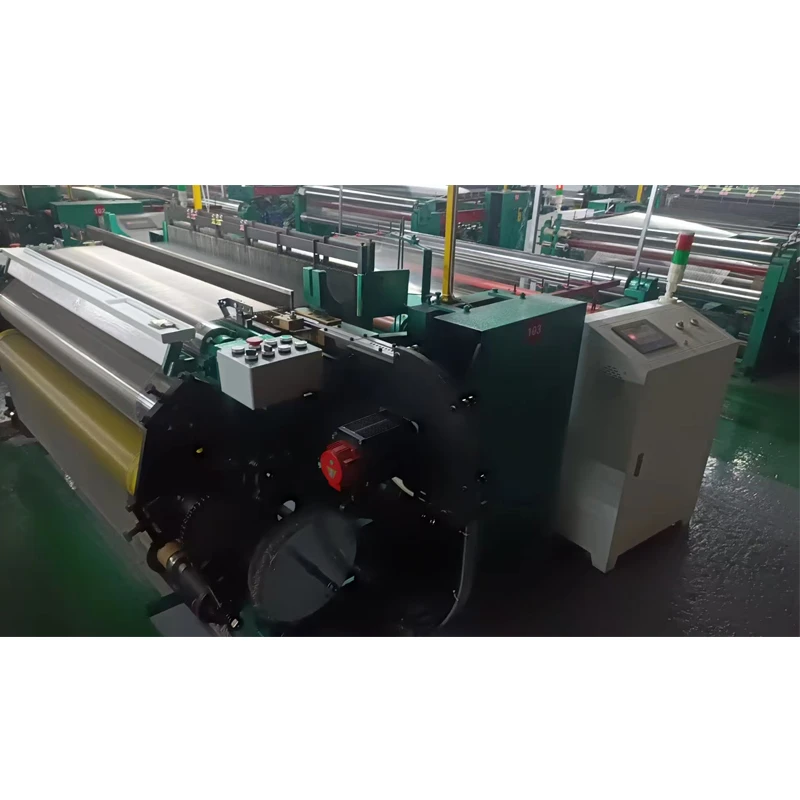
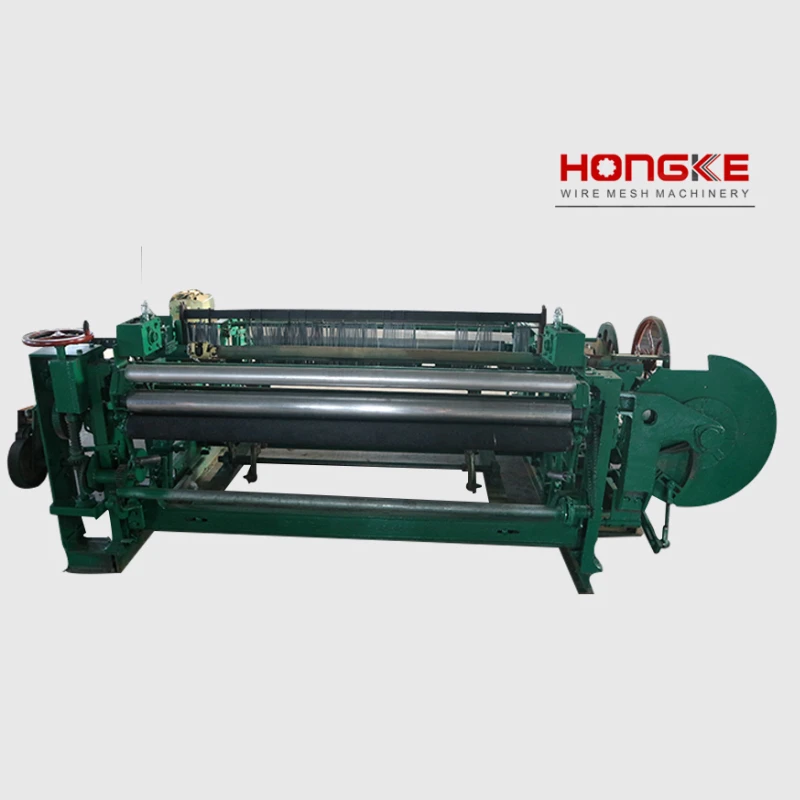
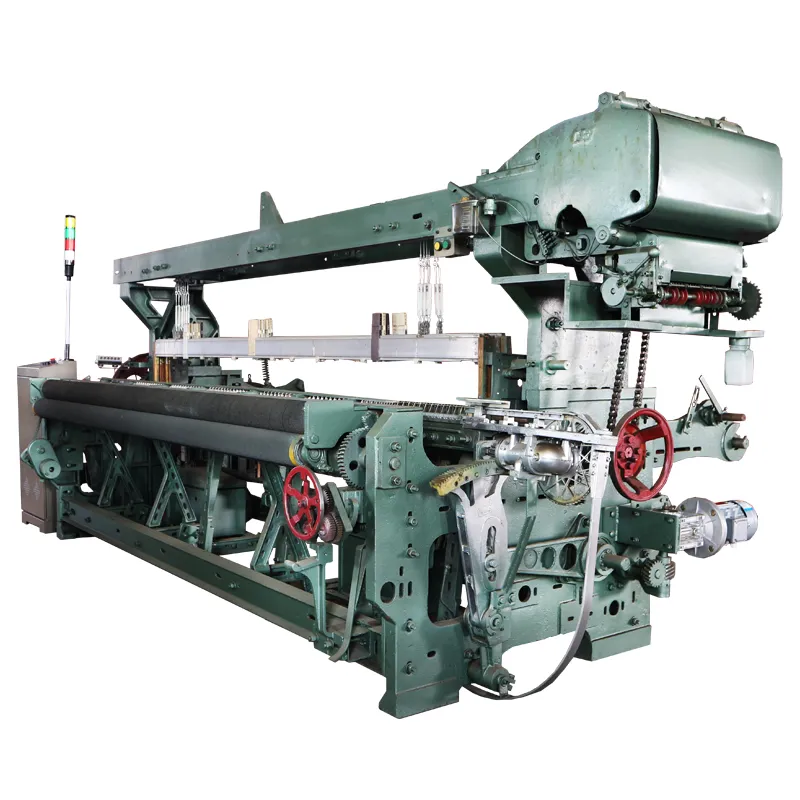
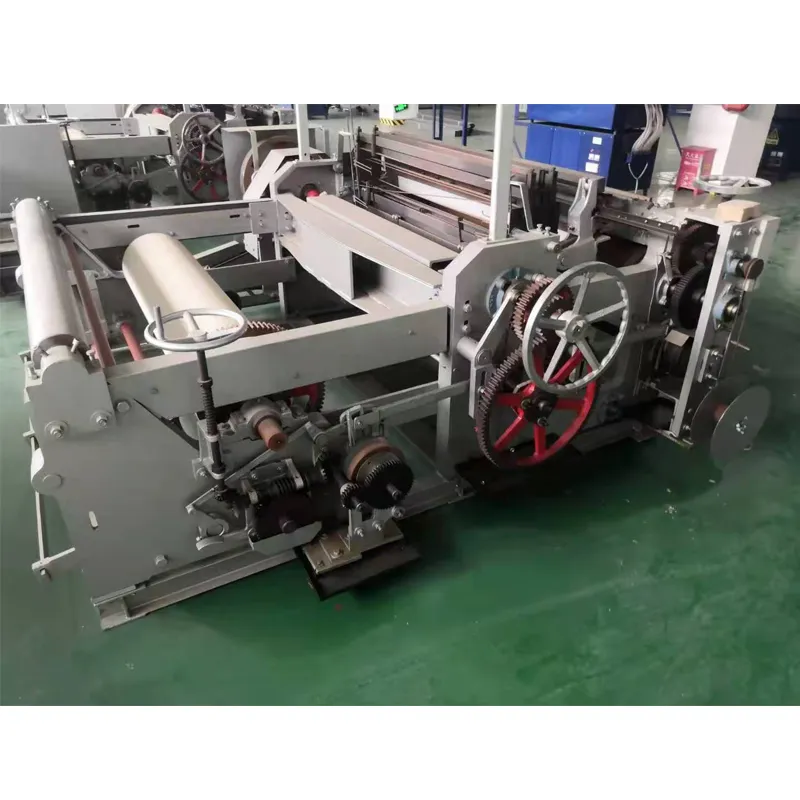
At its simplest, a rapier power loom is a mechanized loom that uses one or two 'rapiers'—thin, flexible arms—to shuttle the weft yarn back and forth across the warp yarns, creating fabric. Unlike shuttle looms of the past, rapier looms can handle delicate or heavy yarns, multiple colors, and specialize in complex weaving patterns all while running at higher speeds.
This form of power loom fits into modern textile manufacturing by providing a versatile, reliable method to produce everything from delicate silk to durable technical textiles used in airbags or medical fabrics. Frankly, for any factory aiming for flexibility and quality, a rapier loom tends to be an excellent fit.
Core Components and Key Factors of Rapier Power Looms
1. Precision Mechanics
The heart of any rapier loom lies in its mechanical arms — the “rapiers” — which have to grab and carry the weft yarn smoothly without tensioning or breaking. Many engineers emphasize the importance of the rapier’s design and control system to avoid snags.
2. Durability
Given the constant high-speed motion, sturdy materials like hardened steel and precision machining are critical. A well-built rapier loom is meant to run 24/7 in industrial settings with minimal downtime.
3. Scalability and Flexibility
Rapier looms can be adapted to different widths and types of fabric — from narrow bands to wide upholstery textiles. This flexibility means one factory can switch products without major equipment changes.
4. Energy Efficiency
Compared to shuttle looms, rapier looms consume less power relative to output. Manufacturers focusing on sustainable production find this factor essential.
5. Control Systems and Automation
Modern rapier looms integrate electronic control panels with computerized patterning, greatly improving weaving accuracy and enabling complex designs that were once impossible or uneconomical.
Mini takeaway: The combination of precise mechanics, durability, adaptability, and automation makes the rapier power loom a compelling solution for modern textile production.
Global Applications and Real-World Use Cases
In countries like India, China, and Turkey — textile powerhouses — rapier power looms form the backbone of fabric production. Smaller factories in Europe or North America leverage them for high-value technical textiles, including medical gauzes and automotive materials.
- Fashion Industry: Ability to weave fine silk blends and jacquard patterns supports luxury apparel makers.
- Technical Textiles: Use in producing airbags, filtration fabrics, and geotextiles, which require high precision and reliability.
- Humanitarian Uses: Lightweight, durable fabrics woven with rapier looms are vital for tents and emergency shelter materials.
For example, in post-disaster relief operations, the fast weaving of robust, lightweight fabric for temporary shelters can be life-saving. Oddly enough, having the right loom influences not just economy but also humanitarian logistics.
The Advantages and Long-Term Value of Rapier Power Looms
When it comes to cost, these machines often offer better return on investment than older shuttle looms due to higher production speeds and lower maintenance needs. Socially, industries that upgrade to rapier looms find improved working conditions thanks to reduced noise and smoother operations. Environmentally, energy efficiency leads to lower carbon footprints per meter of fabric produced.
There’s also something to be said about the dignity and pride workers feel operating advanced machinery — it boosts innovation and trust within industrial communities. Simply put, these looms blend reliability and sustainability in a package that benefits producers and consumers alike.
Product Specification Table of a Standard Rapier Power Loom
| Specification | Details |
|---|---|
| Weaving Width | Up to 340 cm |
| Max Speed | 400 picks per minute |
| Power Consumption | ~5 kW |
| Weight | Approx. 3,500 kg |
| Control System | PLC with touch screen |
| Material Compatibility | Natural fibers, synthetics, blends |
Vendor Comparison Table: Popular Rapier Power Loom Manufacturers
| Vendor | Price Range | Key Features | Global Reach |
|---|---|---|---|
| Itema Group | $150K–$250K | High speed, advanced automation | Europe, Asia, Americas |
| Toyota Textile Machinery | $130K–$220K | Energy efficient, user-friendly controls | Asia, Americas, Middle East |
| Tsudakoma | $140K–$230K | Robust mechanics, low maintenance | Global |
Future Trends & Innovations in Rapier Power Loom Technology
The textile machinery world doesn’t stand still – rapier power looms are evolving with smart technologies. Integration with Industry 4.0, IoT-enabled predictive maintenance, and AI-powered pattern optimization are all on the horizon. There’s also an increased push to use green manufacturing principles, incorporating energy-efficient motors and sustainable materials for loom construction.
Additionally, combining rapier loom technology with digital yarn feeders improves precision, reduces waste, and increases uptime. This is a perfect example of how digital transformation is reshaping even age-old crafts like weaving.
Challenges & Practical Solutions
No technology is perfect, and rapier looms face their own hurdles. High initial cost and the need for skilled operators sometimes hold back smaller factories. Yarn breakage at high speeds can cause downtime. Maintenance costs for precision parts can be steep.
However, many manufacturers now offer training programs and modular service contracts to ease these pain points. Automated diagnostics also help detect issues before they escalate. There's a real drive to make these machines accessible and user-friendly, which bodes well.
FAQ: Common Questions About Rapier Power Looms
- Q: How do rapier power looms compare with projectile or air-jet looms in efficiency?
- A: Rapier looms typically offer greater versatility with complex fabrics and yarn types. While projectile looms may run faster on simple designs, rapiers generalize better across multiple product lines.
- Q: Can rapier power looms handle delicate fibers like silk?
- A: Yes, the gentle yarn handling of the rapier mechanism makes it suitable for delicate fabrics, avoiding damage that shuttle or air-jet looms might cause.
- Q: What maintenance should I expect with these looms?
- A: Regular inspection of the rapier arms, lubrication of moving parts, and keeping control software updated are key. Scheduled maintenance reduces unexpected downtime.
- Q: Are rapier power looms suitable for low-volume production?
- A: They are quite flexible and can fit small batch production, especially when producing varied or specialty fabrics, thanks to fast pattern change capabilities.
Conclusion: Why Rapier Power Looms are a Long-Term Investment in Textile Innovation
To wrap it all up: the rapier power loom is more than just a weaving machine; it’s a cornerstone of modern textile innovation. Its efficiency, versatility, and adaptability have helped countless industries modernize and expand globally. Whether you’re producing intricate fashion fabrics or robust industrial textiles, understanding and investing in rapier power looms is a smart move.
Interested in exploring how this could fit your business or factory? Visit our website for a deep dive into specifications, customization options, and expert support: rapier power loom.
It's fascinating how something as mechanical as a loom can weave threads of economics, culture, and innovation all into one fabric—quite literally.
Takeaway: The rapier power loom embodies a fusion of tradition and innovation—perfectly stitching together quality, efficiency, and sustainability for tomorrow's textiles.
References:
1. World Bank textile industry report – worldbank.org
2. Textile Machinery Standards ISO – iso.org
3. Historical & technical overview of weaving – Wikipedia Loom article