


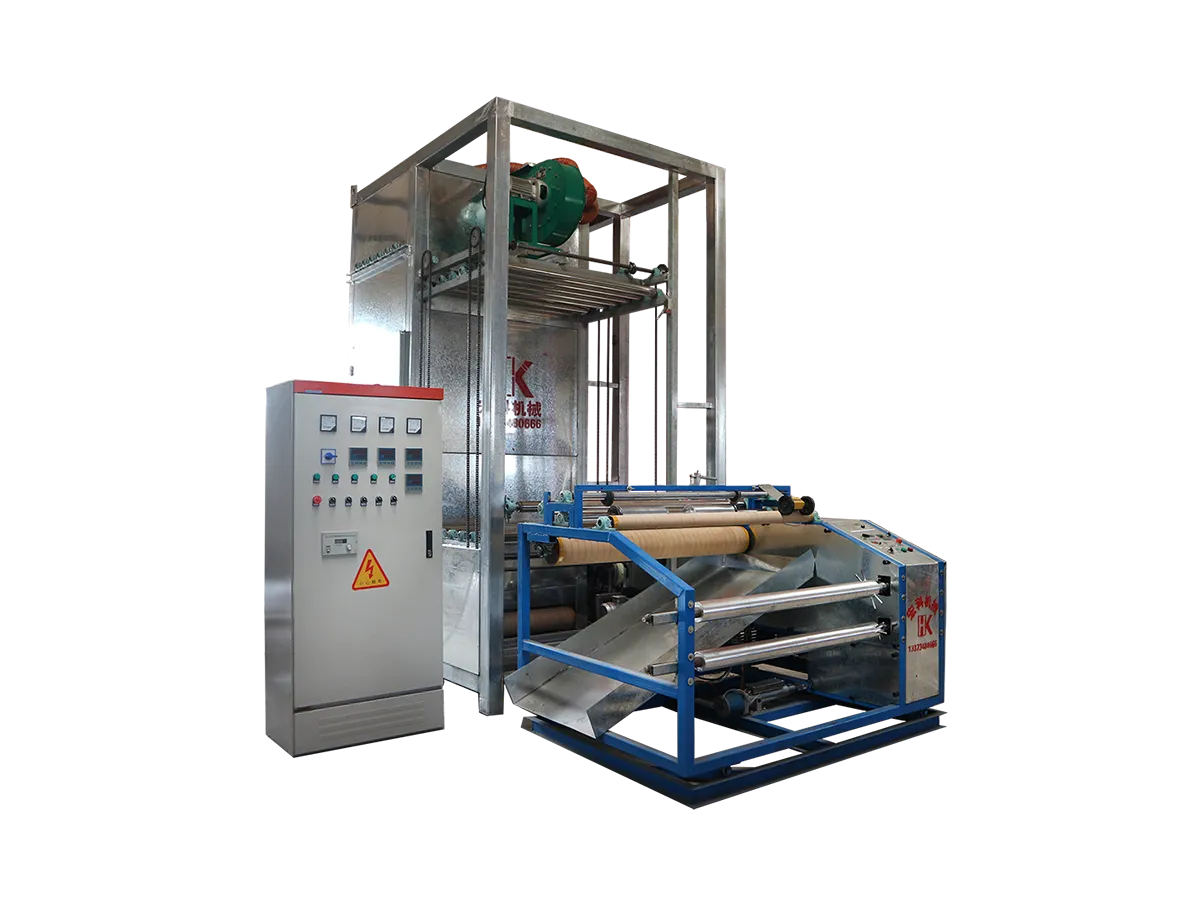
Jacquard Elastic Machine Price: Why It Matters in Today’s Textile Industry
In the vast world of textile manufacturing, the price of a jacquard elastic machine is more than just a number — it’s a key factor shaping innovation, production costs, and ultimately, the accessibility of specialty textiles worldwide. As manufacturers push to create increasingly complex elastic fabrics with unique patterns, understanding the jacquard elastic machine price impacts decisions from factory floor to global supply chains. Not to mention, industries tied to fashion, medical textiles, and even automotive sectors rely heavily on this technology.
The Global Context: Why Jacquard Elastic Machines Are Vital
Textile manufacturing remains one of the largest employers globally, with the market for smart and elastic fabrics growing steadily. According to the International Textile Manufacturers Federation (ITMF), the demand for stretchable jacquard fabrics is increasing at roughly 5% annually, driven largely by sportswear and medical applications. Yet, the upfront costs of jacquard elastic machines, often linked to advanced mechanical and digital components, can represent a significant investment hurdle — especially for emerging manufacturers.
Globally, balancing technological upgrades with cost efficiency remains a challenge. For example, while developed markets might afford top-end jacquard elastic machines, many factories in Southeast Asia or Africa weigh price heavily before investing. This is where understanding the jacquard elastic machine price can empower businesses to select the right equipment for their unique demands — without overpaying or compromising quality.
Quick Takeaway
- The jacquard elastic machine price is pivotal to textile innovation on a worldwide scale.
- Growing demand for stretchy, patterned fabrics pushes investments in this tech.
- Global market disparities make price-driven insight crucial.
Defining Jacquard Elastic Machine Price: What Are We Talking About?
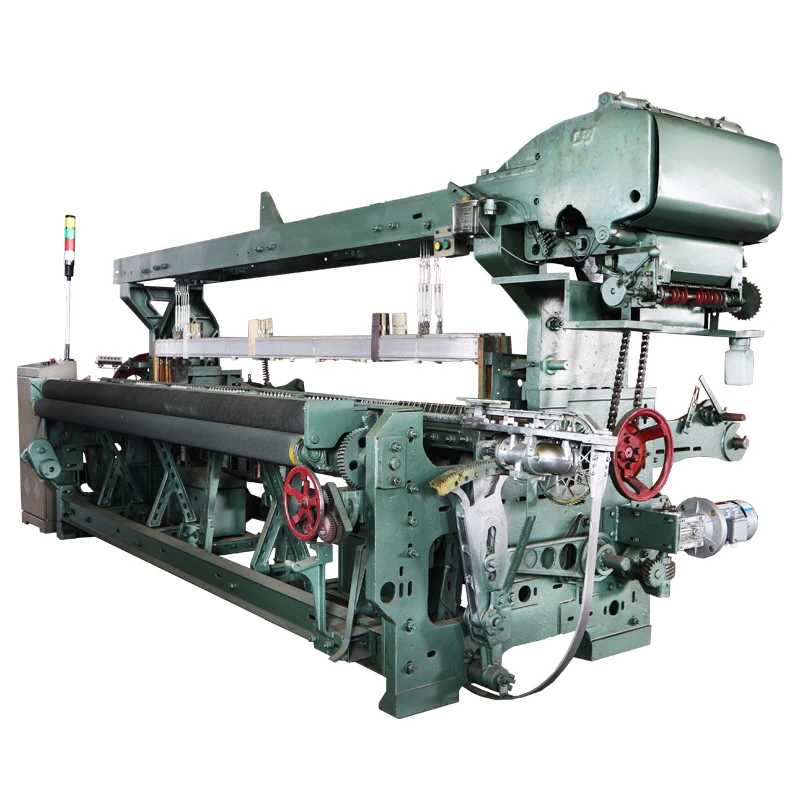
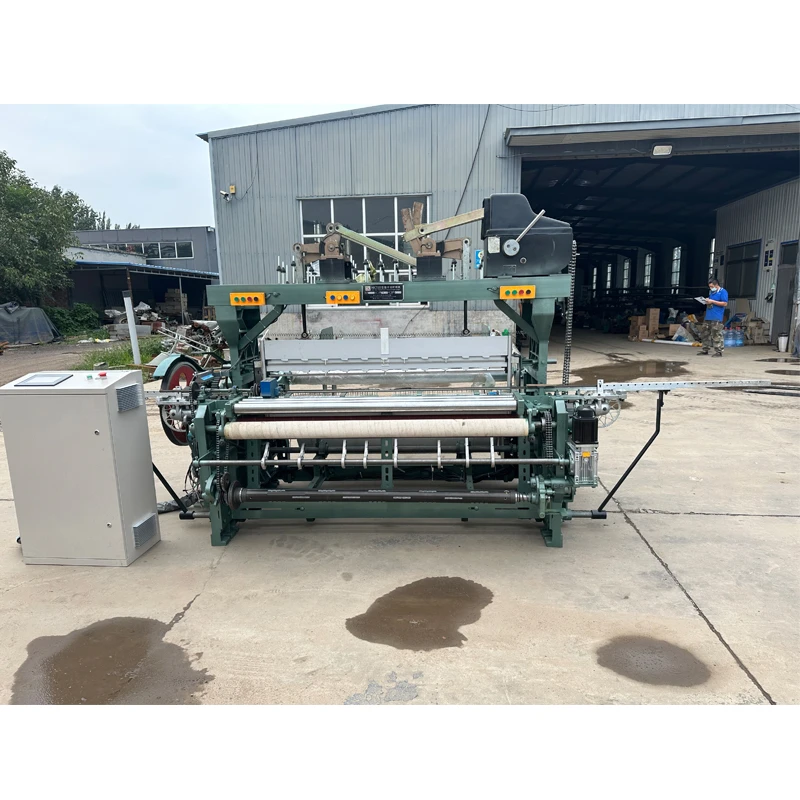
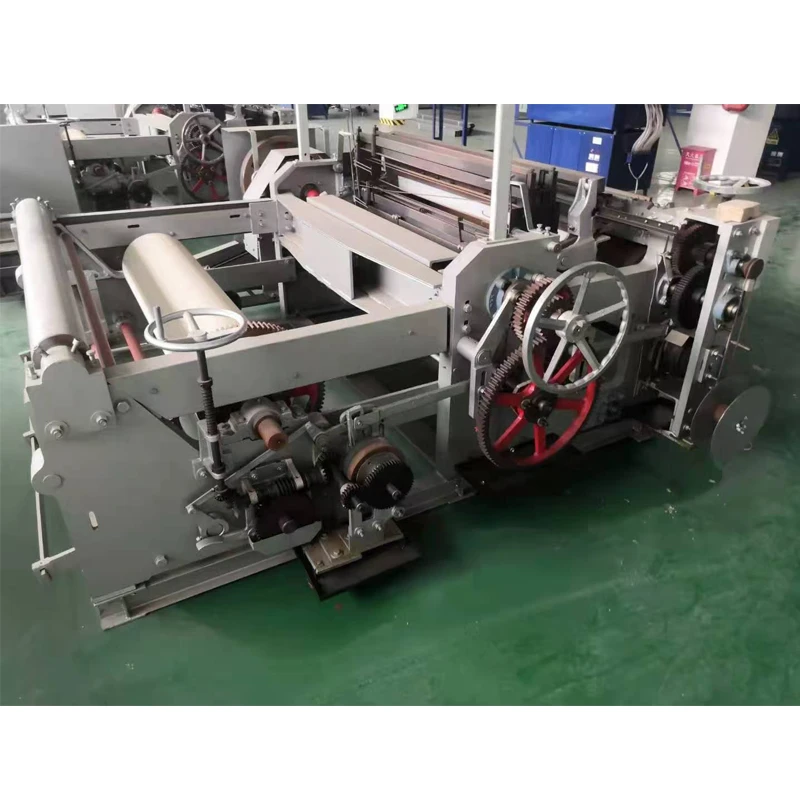
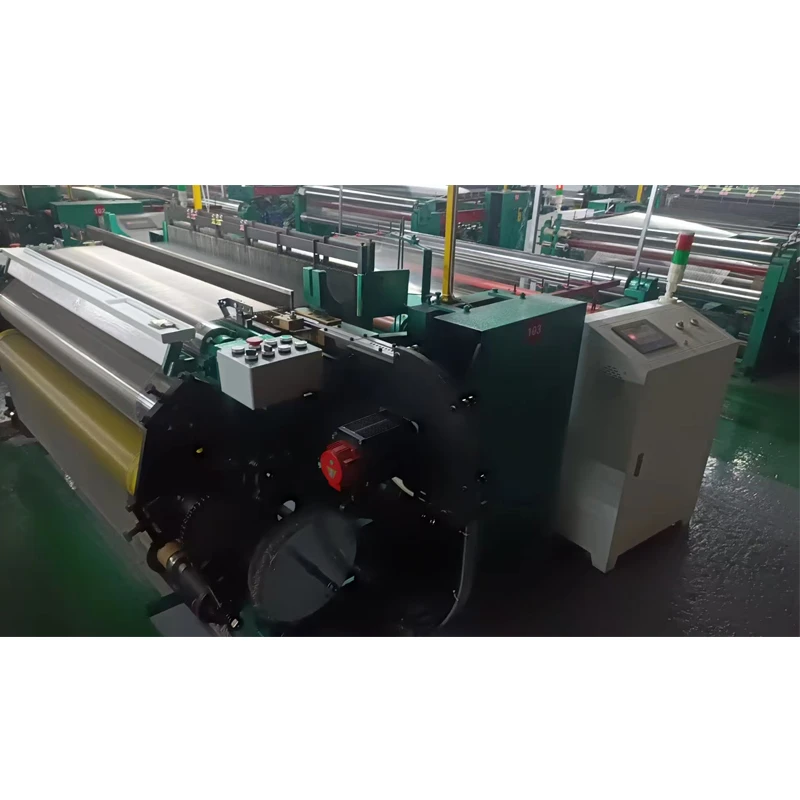
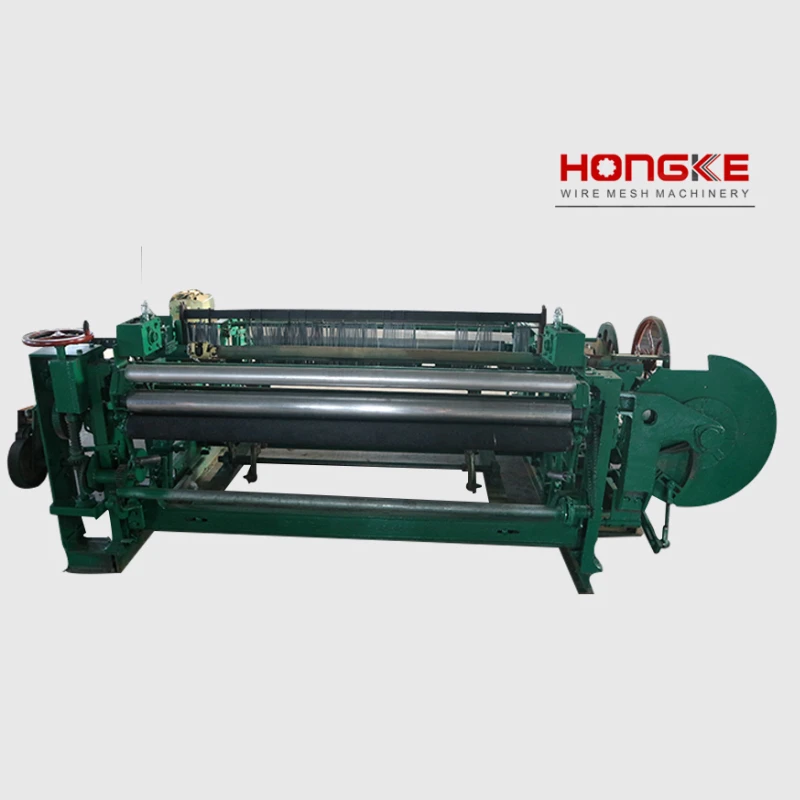
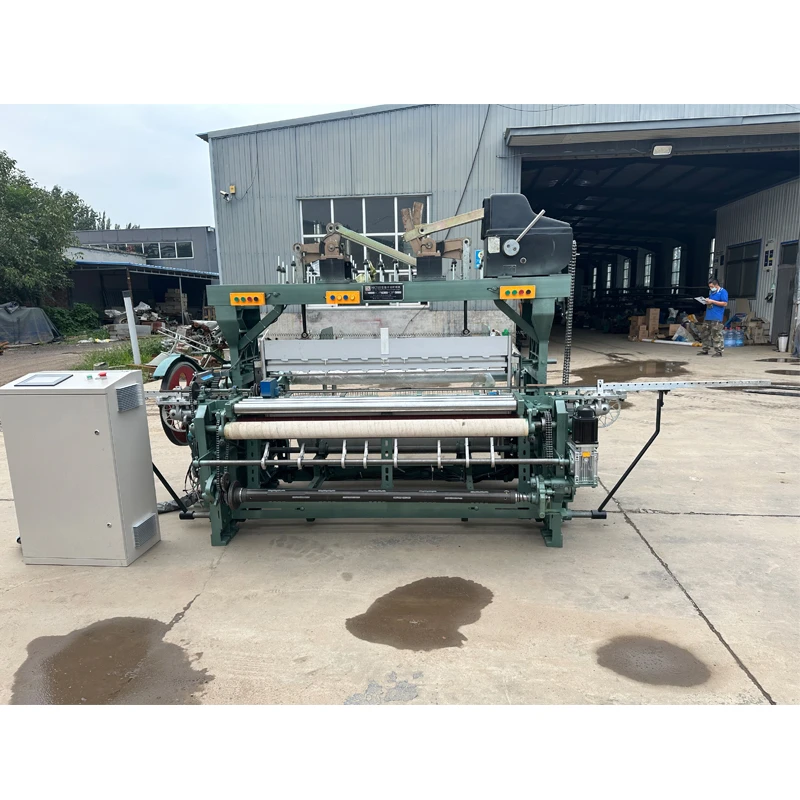
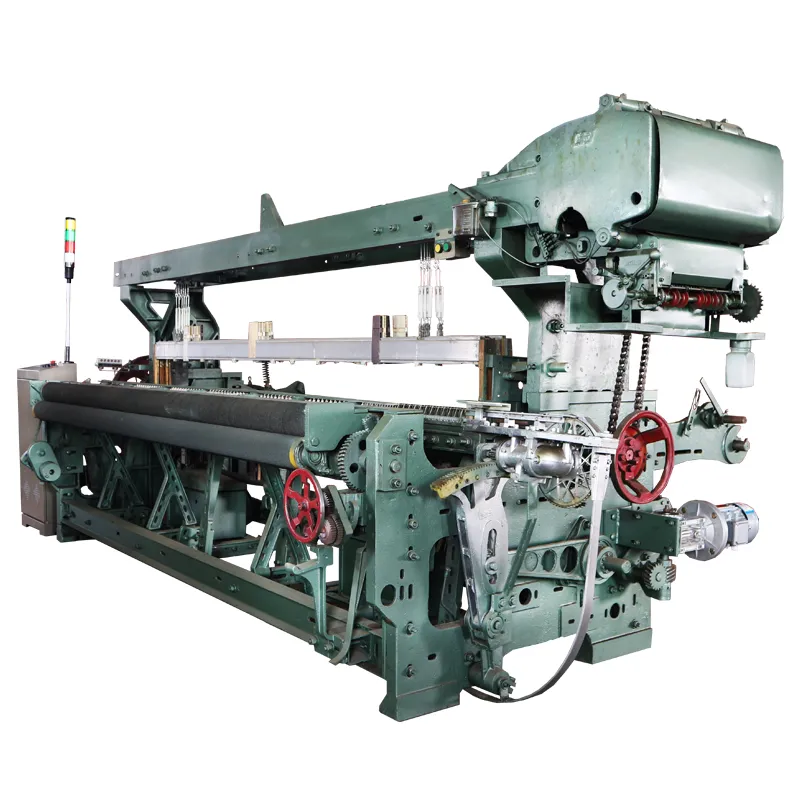
Simply put, the jacquard elastic machine price refers to the cost associated with purchasing a jacquard loom capable of producing elastic fabrics with intricate patterns. Unlike traditional looms, jacquard machines use specialized hooks and punch card or digital controls to lift warp threads individually, enabling complex designs. When combined with elastic yarns—such as spandex or elastane—these machines produce stretchable fabrics used in everything from underwear to automotive seat covers.
This isn’t just industrial jargon. The price indicates the machine’s quality, complexity, and adaptability — factors that ultimately translate into textile sustainability, production speed, and fabric performance. Even humanitarian sectors benefit when affordable jacquard elastic machines can produce durable, stretchable materials needed for relief gear or medical supplies.
Core Factors Affecting Jacquard Elastic Machine Price
1. Machine Durability and Build Quality
Many engineers say the toughest jacquard elastic machines combine precision engineering with materials resistant to wear and tear. High-grade steel frames, precision-fed components, and quality electronics mean the price often scales with durability.
2. Scalability & Production Speed
Some machines allow rapid switching between complex designs and fabric types, optimizing production. These features usually come with higher price tags but allow manufacturers greater flexibility and output — essential when fulfilling large contracts or varied orders.
3. Automation & Digital Controls
Modern jacquard elastic machines often feature computerized punch card emulation or full digital pattern input. These upgrades increase accuracy but also increase costs substantially. Automation reduces manual intervention, improving consistency while demanding a higher initial investment.
4. Fabric Width & Elastic Yarn Compatibility
Prices can vary depending on the machine’s capacity to handle different fabric widths and types of elastic yarns. Machines designed for wider goods or high-elasticity yarns often involve specialized feeders and more complex tension control systems.
5. After-Sales Service & Warranty
It might seem obvious, but good vendor support raises initial price yet can lower long-term costs. Warranties, onsite training, and accessible spare parts make a machine investment more secure — especially for less experienced operators or international buyers.
Mini Summary
- Durability and build quality directly influence longevity and price.
- Higher automation and digital features raise up-front costs but improve output.
- Machine versatility in fabric width and yarn type affects pricing nuance.
- Support and warranty add value beyond the sticker price.
Where and How Jacquard Elastic Machines Are Making an Impact
Look around, and these machines are quietly powering innovations across multiple fields. Fashion hubs in Italy and Japan use them to manufacture stretch jacquard sportswear that combines comfort and style. Medical textile producers in Germany and the US rely on these machines for elastic bandages with complex weave structures that improve healing.
Oddly enough, some regions benefit less from these advances — partly due to the high barrier posed by the jacquard elastic machine price. However, growing industrial zones in Vietnam and Turkey increasingly adopt affordable models, enabling local fabricators to tap into export markets.
In post-disaster relief operations, elastic fabrics produced on jacquard machines are used for durable yet flexible shelters and protective gear. Automotive manufacturers also depend on jacquard elastic textiles to create interior trims that balance aesthetics with tensile performance.
Vendor Product Specification Table
| Specification | Model A | Model B | Model C |
|---|---|---|---|
| Fabric Width (mm) | 1800 | 1500 | 2000 |
| Max Speed (rpm) | 350 | 300 | 400 |
| Control Type | Digital PLC | Semi-Automatic | Fully Automated |
| Elastic Yarn Compatibility | Spandex, Latex | Spandex only | Spandex, Latex, Rubber |
| Weight (kg) | 1200 | 1000 | 1500 |
| Approximate Price (USD) | $45,000 | $30,000 | $55,000 |
The Advantages Beyond Price Tags
When evaluating jacquard elastic machine price, many tend to overlook how these machines shape a company’s long-term trajectory. First and foremost, investing in a reliable jacquard elastic loom yields fabrics that meet higher-quality standards — important for brand reputation and customer trust.
Additionally, better machines reduce waste by finely controlling yarn tension and pattern accuracy, which translates into sustainable production practices. The societal impact is subtle but real: textiles that last longer and fit better mean less consumption and landfill waste.
On a more human note, these machines enable innovations supporting dignity — for example, improved elastic medical bandages provide better healing support and comfort. In the fashion world, consumers expect stretch jacquard items that fit naturally and last through many wears.
Looking Ahead: Trends and Innovations Affecting Jacquard Elastic Machine Price
Frankly, the jacquard machine landscape is on the cusp of transformation. Advances in digital patterning and IoT connectivity promise remote monitoring and predictive maintenance, which could eventually reduce overhead and, with time, lower prices.
There’s also growing interest in using eco-friendly yarns—like bio-based elastane—and machines optimized for these fibers. As sustainability becomes a baseline, the price will reflect not only the machine specs but the “green” value embedded in production.
Furthermore, automation combined with AI-driven pattern design is making machines smarter — manufacturers can switch designs mid-production with minimal downtime, further enhancing cost-effectiveness.
Common Hurdles and How to Overcome Them
One of the biggest constraints remains upfront costs, especially for smaller workshops or startups. It’s common to hesitate when faced with the price tag—and that can slow industry innovation in underdeveloped regions.
Fortunately, many vendors now offer flexible financing, leasing options, or modular machines that grow with your business. Also, technical training programs help mitigate operational errors that could otherwise add costly repairs.
Moreover, some manufacturers balance price with minimal digital features to suit regional markets — striking a balance that maintains product quality while easing financial strain.
Frequently Asked Questions about Jacquard Elastic Machine Price
- Q1: What factors most affect the price of jacquard elastic machines?
- A1: Core factors include control systems (digital or manual), fabric width capacity, elasticity support, machine speed, and build quality. Added warranties and after-sales support can also increase upfront costs but save money in the long run.
- Q2: Are cheaper jacquard elastic machines less efficient?
- A2: Not necessarily, but cheaper models often lack advanced features like full automation or compatibility with a wider range of elastic yarns. This can impact production speed and fabric quality but suits smaller-scale or budget-conscious manufacturers.
- Q3: How can I estimate return on investment when purchasing a jacquard elastic machine?
- A3: Consider production volume, fabric quality improvements, and labor savings through automation. Also calculate expected machine longevity and support costs. Many suppliers provide customized ROI calculators or consultations to help.
- Q4: Where can I find affordable jacquard elastic machines without sacrificing quality?
- A4: Regions like Southeast Asia offer competitively priced machines, often with good vendor support. Additionally, exploring trade shows or trusted marketplaces like APHK Machinery can connect you to reputable options.
Conclusion: Making Smart Investments in Jacquard Elastic Machinery
Ultimately, the jacquard elastic machine price is a lens through which manufacturers view innovation, cost-efficiency, and product quality. Choosing the right machine means balancing immediate budget constraints with long-term value, reliability, and the ability to keep pace with shifting market demands. If you’re curious about options or want to explore detailed pricing, I’d recommend visiting APHK Machinery — a hub for solutions blending technology with affordability.
Invest smart today, and your textile production’s tomorrow will thank you.
Vendor Comparison Table
| Vendor | Price Range (USD) | Warranty | Support Type | Notable Feature |
|---|---|---|---|---|
| Vendor A | $30,000 - $50,000 | 2 years | Remote & Onsite | Full Digital Automation |
| Vendor B | $20,000 - $35,000 | 1 year | Online Support | Semi-Auto Options |
| Vendor C | $40,000 - $60,000 | 3 years | Dedicated Engineer | Eco-Friendly Integration |
Final Thoughts
Choosing the right jacquard elastic machine is not just a technical purchase; it’s an investment in innovation, sustainability, and your company’s future. While the price can seem daunting, understanding what you get and aligning it with your production needs is key to long-term success.