


Mosquito Net Knitting Machine: A Veteran’s Take on Efficiency and Quality
After spending more than a decade around industrial machinery, specifically equipment used in textile and net manufacturing, I’ve developed a keen appreciation for precision devices like the mosquito net knitting machine. You know, these machines might seem fairly straightforward at first glance—but there’s an entire world of nuance when it comes to the mechanics, materials, and adaptability behind their design.
Mosquito nets are more than just a summer accessory or a rural necessity—they’re vital in health sectors, especially in tropical countries where vector-borne diseases persist. In real terms, the quality of the netting can make a significant difference in durability and effectiveness. That’s why the knitting machines used, especially today, have evolved from basic warp knitting tech to much more sophisticated setups that balance speed, quality, and customization.
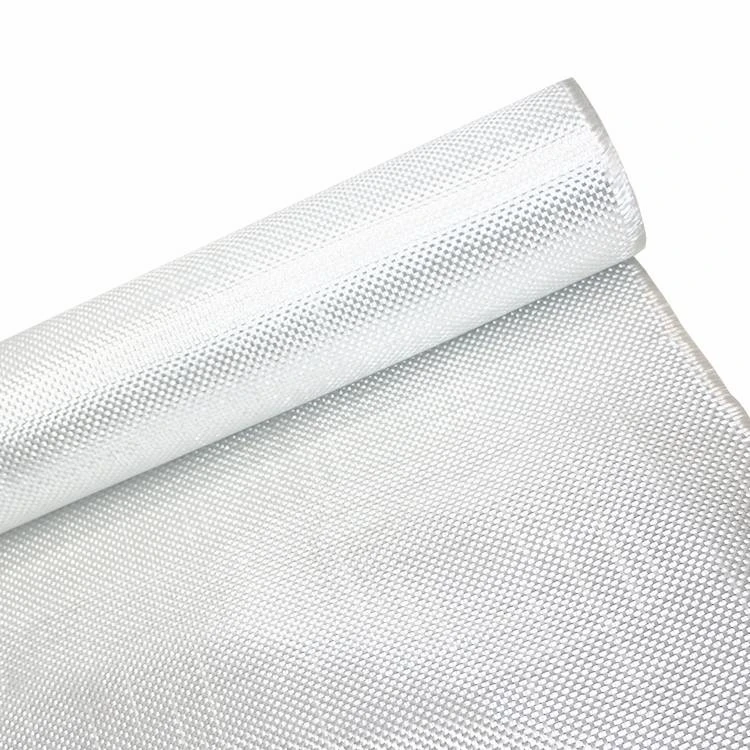
Frankly, what amazes me about modern mosquito net knitting machines is their capability to work with various yarn types — commonly polyester or polyethylene — while producing fine mesh that is tight enough to block mosquitoes but light and breathable for comfort. The mechanical precision you need to maintain consistent mesh size without tears or loose threads is pretty high. Over the years, I’ve seen machines try and fail or produce subpar products when the setup wasn’t right. The best models come with automatic tension control and adjustable stitch length, improving both speed and product uniformity.
Oddly enough, the real art in these machines isn’t just about raw output but rather about how well they can adapt to different product specs — for example, some customers require nets with UV protection-treated yarn or nets that come pre-dyed to reduce further processing. In my experience, the ones that integrate easy-change knitting heads and simple but robust control panels tend to minimize downtime significantly.
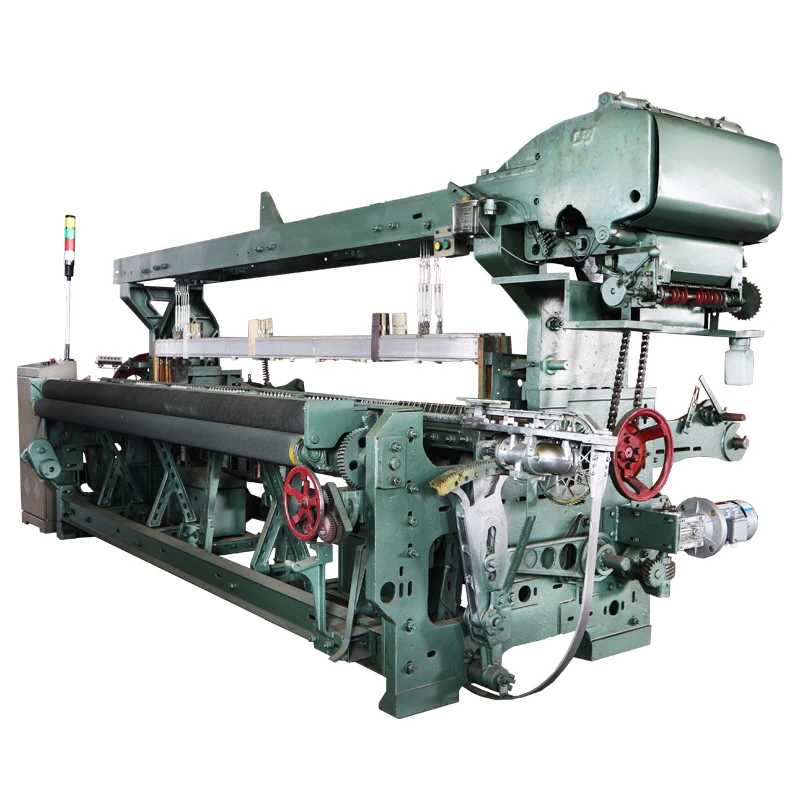
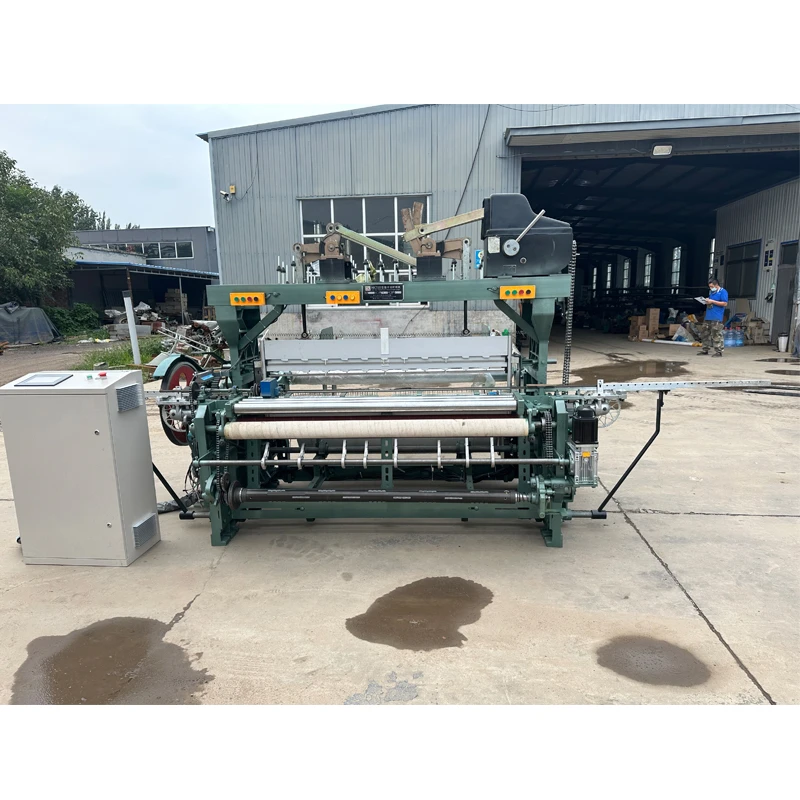
Here’s a quick overview of what a top-tier mosquito net knitting machine typically offers:
| Specification | Details |
|---|---|
| Machine Type | Warp Knitting, Raschel Machine |
| Mesh Size | 10-20 holes/inch |
| Yarn Compatibility | Polyester, Polyethylene, UV-treated yarns |
| Max Production Speed | Up to 45 m/min |
| Control System | PLC with touchscreen interface |
| Power Consumption | Approximately 5-7 kW |
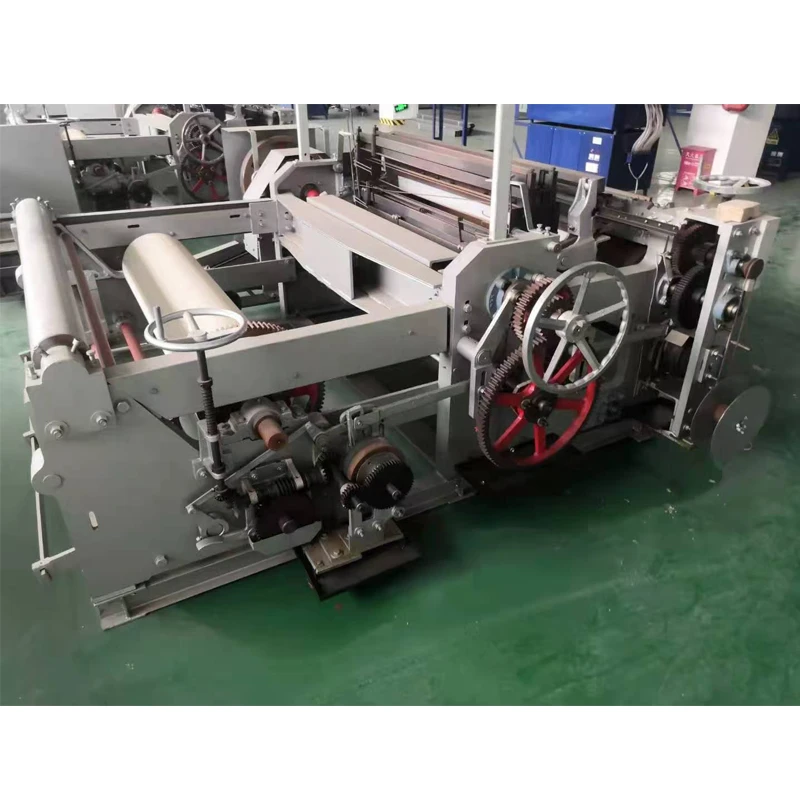
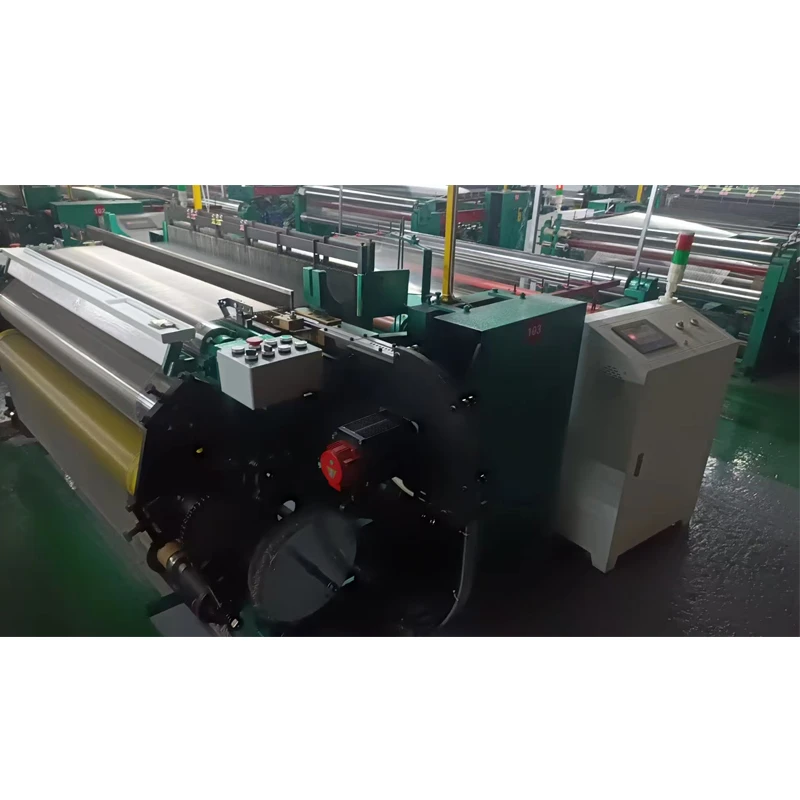
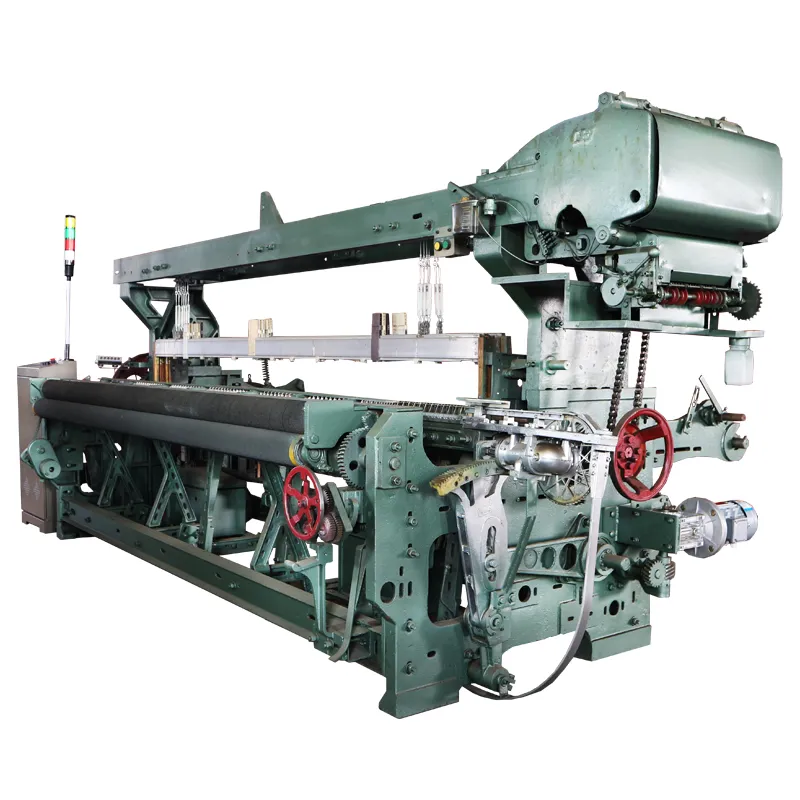
A little anecdote: I remember visiting a mid-sized manufacturer in Southeast Asia a few years ago. They’d recently upgraded to a machine like the one above, and the difference was night and day. Production errors dropped, and lead times shrunk dramatically. They even told me that the automatic yarn tension system seemed “almost like the machine was thinking for itself.” Of course, technology isn’t magic, but good engineering can sometimes look close enough.
When you start comparing vendors offering mosquito net knitting machines, things get interesting. There’s a noticeable divide between brands focusing heavily on durability and those pushing advanced automation. Here is a snapshot of three popular vendors that I often see recommended among industry peers:
| Brand | Production Speed | Automation Level | Price Range | After-sale Support |
|---|---|---|---|---|
| APHK Machinery | Up to 45 m/min | High (PLC + touchscreen) | $$$ | Strong (Training & spares) |
| Brand X | Up to 38 m/min | Medium (Basic PLC) | $$ | Moderate |
| Brand Y | Up to 42 m/min | Low (Manual control) | $ | Basic |
Decisions, of course, depend on budget and production goals. But plenty of factories I’ve worked with lean toward the kind of solution that makes workflows seamless and reduces operator error—a goal APHK seems to deliver on convincingly. In my eyes, investing in a machine backed by solid training and after-sale service is a no-brainer.
To wrap it up, working around mosquito net knitting machines taught me that it’s not just about fast output or the cheapest option. It’s the combination of adaptability, material compatibility, and reliable support that makes all the difference in producing nets that stand the test of time and daily use.
So next time you think about what’s behind that seemingly simple mosquito net, remember there’s a finely-tuned machine and decades of craftsmanship and innovation humming along to keep bugs out and people safe.
References:
- Industry Textile Machinery Reports, 2022
- Field Visits and Interviews, Southeast Asia Textile Factories, 2019-2023
- Technical Manuals on Warp Knitting Machines