


Fiberglass Wire Loom: Defining Durable Protection in Wiring Solutions
If you’ve ever glimpsed the protective, spiral-wrapped sleeves enveloping automotive or industrial wiring, you were likely looking at a type of fiberglass wire loom. But what really makes this material tick, and why is it garnering serious attention worldwide? In essence, fiberglass wire loom is a resilient, heat-resistant conduit designed to shield electrical wiring from abrasion, chemical damage, and extreme temperatures. Across sectors — from automotive manufacturing to large-scale infrastructure and even humanitarian engineering — understanding this product’s global relevance and advantages can be a real game-changer.
Introduction: Why Fiberglass Wire Loom Matters Globally
Electric wiring is the nervous system of our modern world. The UN’s International Telecommunication Union estimates that over 80% of the global population relies on electric infrastructure daily. That infrastructure’s integrity hinges on robust wiring protection. Fiberglass wire loom addresses a critical challenge: the vulnerability of wiring bundles to heat, mechanical wear, and environmental degradation, especially in harsh climates or industrial applications.
Take automotive manufacturing, for example. Over 70 million cars produced worldwide annually (stat from OICA, 2022) require wiring that won't degrade under engine heat or chemical exposure. Without proper wire protection, electrical failures increase drastically, risking safety and costly downtime. This loom type is a practical fix, marrying insulating strength with thermal resilience. So the stakes? Pretty significant: reliability, safety, and long-term cost savings.
Mini takeaway: Fiberglass wire loom is a vital component in safeguarding electrical systems worldwide, particularly where durability under stress is non-negotiable.
What Is Fiberglass Wire Loom?
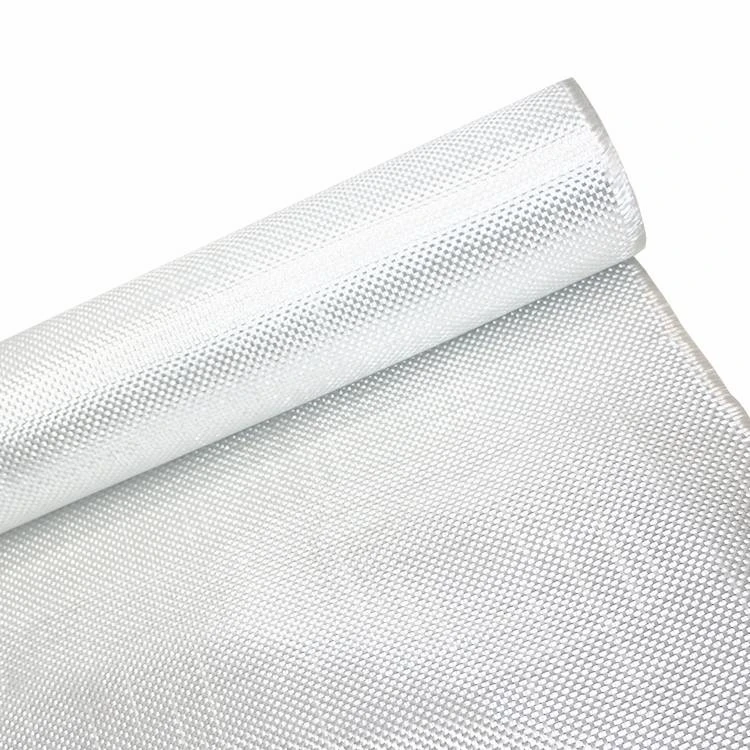
At its core, fiberglass wire loom is a flexible, often spiral-wound tubing constructed from woven fiberglass yarns. It encases electrical cables and wiring bundles, providing a tough, heat-resistant shield against abrasion, chemical spills, moisture, and UV exposure. This is quite different from traditional plastic or PVC wire looms, which are more susceptible to melting, cracking, or chemical breakdown under intense conditions.
Its fiber-reinforced nature makes it a go-to in sectors needing enhanced fire retardance or in environments where longevity under extreme heat is crucial — think aerospace, military, or heavy industrial machinery. But oddly enough, even humanitarian relief operations, where wiring reliability can affect power and communication networks in disaster zones, have adopted it.
Fiberglass wire loom thus serves as an invisible protector, ensuring wires do their work without disruption.
Key Features and Components of Fiberglass Wire Loom
1. Durability and Heat Resistance
Fiberglass inherently resists temperatures from -60°C up to +550°C (some variants even higher). This means it won’t shrink, melt, or degrade easily, unlike many plastic alternatives. It withstands sparks and flame exposure, vital in engine bays or power generation sites.
2. Chemical and Corrosion Resistance
Fiberglass looms tolerate oils, solvents, acids, and alkalis — common in industrial settings — without losing structural integrity or protection performance.
3. Flexibility and Scalability
Despite being a tough material, it flexes enough for complex wiring runs. Different diameters and thicknesses allow customization for wire bundles of various sizes.
4. Electrical Insulation and Safety
The inherent insulating properties add a safety layer, minimizing risks of shorts or electrical interference.
5. Environmental Shielding
UV and moisture resistance ensure wires remain sheltered outdoors or in marine environments.
Product Specifications at a Glance
| Specification | Details |
|---|---|
| Material | Woven Fiberglass Yarn |
| Max Temperature Resistance | Up to 550°C (1022°F) |
| Diameter Range | 6 mm to 50 mm |
| Color Options | Natural, Black (coated), Custom on request |
| Chemical Resistance | Strong against oils, solvents, acids |
Global Applications & Use Cases
Fiberglass wire loom is everywhere from the high-tech jets cruising our skies to the solar farms powering remote communities. In North America and Europe, its use in aerospace and automotive dominates — essential for wiring that runs near hot engine parts or turbine blades. Asia’s booming manufacturing hubs rely on it for electrical safety and product durability.
Meanwhile, in Africa and parts of Latin America, NGOs working on disaster relief install reinforced wiring in temporary shelters and medical units. These setups must resist heat from generators and environmental exposure. The loom’s protective qualities mean fewer electrical faults, a critical factor when lives depend on reliable communications and power.
For example, after the 2015 Nepal earthquake, many relief teams used fiberglass wire loom in field hospitals and communications kits to ensure robust, fast-deploy electrical systems under difficult conditions.
Mini takeaway: Whether in aerospace or humanitarian aid, fiberglass wire loom proves its versatility in protecting vital wiring worldwide.
Advantages and Long-Term Value
- Cost Efficiency: Though initially pricier than plastic looms, its durability reduces replacements and downtime.
- Sustainability: Longevity means less waste, and fiberglass can be reused or recycled in some contexts.
- Safety: High heat and chemical resistance lessen fire risk and electrical failures.
- Trust and Reliability: Industries relying on mission-critical systems prize its consistent protection.
- Emotional Peace of Mind: For workers and operators, knowing wiring is safe adds intangible reassurance.
Vendor Comparison: Leading Fiberglass Wire Loom Providers
| Vendor | Max Temp (°C) | Customization | Lead Time | Price Range |
|---|---|---|---|---|
| FibraTech Inc. | 550 | Diameter & color | 2-3 weeks | $$$ |
| ProLoom Solutions | 500 | Custom coatings available | 1-2 weeks | $$ |
| SafeWrap Fiberglass | 560 | Wide range diameters | 3-4 weeks | $$$$ |
Emerging Trends & Innovations
Looking ahead, the fiberglass wire loom market reflects broader shifts — green energy, digital automation, and modular design. New composites are being explored to reduce weight without sacrificing strength, critical for electric vehicles and drones. Some vendors are working on integrated coatings that add self-healing or anti-microbial properties, useful in medical device wiring.
Sustainability is increasingly front and center. Technologies that make fiberglass recycling easier, or bind it with bio-based resins, are in development. As digital factories adopt more automated wiring systems, versatile, easy-to-install looms become a competitive edge.
Challenges & Solutions
Despite its many benefits, fiberglass wire loom isn’t perfect. It can be pricier upfront than plastic, and cutting/installing it requires special tools to avoid fraying. Some users report limited color options affecting visual wiring management.
To address these, vendors now provide coated versions improving handleability and a broader palette of colors. Installation tutorials and modular kits have simplified adoption. Moreover, with volume ordering, price gaps are narrowing — making it more accessible even to smaller operations.
FAQ: Frequently Asked Questions About Fiberglass Wire Loom
- Q: Is fiberglass wire loom suitable for outdoor solar power installations?
A: Absolutely. Its UV resistance and moisture barrier make it ideal for protecting solar cables exposed to sun and rain, reducing maintenance needs. - Q: How does fiberglass loom compare to plastic in heat resistance?
A: Fiberglass wire loom withstands much higher temperatures — up to around 550°C — versus plastic’s typical max of 105°C, making it safer near engines or industrial heat sources. - Q: Can fiberglass wire loom be reused after removal?
A: In many cases, yes. Its durable design means it can often be carefully removed and reused, reducing waste compared to one-time-use plastics. - Q: Are there environmental concerns with fiberglass loom disposal?
A: Fiberglass is inert but not biodegradable; however, recycling options are growing, and its longevity generally offsets the environmental footprint versus frequent plastic replacements. - Q: Where can I source quality fiberglass wire looms internationally?
A: Leading vendors ship globally. It’s best to consult suppliers’ logistics options and compliance certifications to ensure smooth import and customs clearance.
Conclusion + Call to Action
Long story short, fiberglass wire loom is more than just wiring protection — it’s a durable investment in safety, reliability, and sustainability. Its role stretches from high-tech sectors to humanitarian solutions, proving its worth by preventing failures and extending system lifecycles.
Ready to explore fiberglass wire loom options for your projects? Visit our website to browse quality products and expert advice tailored to your needs.
It’s fascinating how such a simple idea – wrapping wires in fiberglass – can have such a massive ripple across industries and communities worldwide.
References:
1. "Global Automotive Production." OICA, 2022.
2. International Telecommunication Union (ITU). "Global Electricity Access." 2023.
3. Wikipedia contributors. "Fiberglass." Wikipedia. https://en.wikipedia.org/wiki/Fiberglass