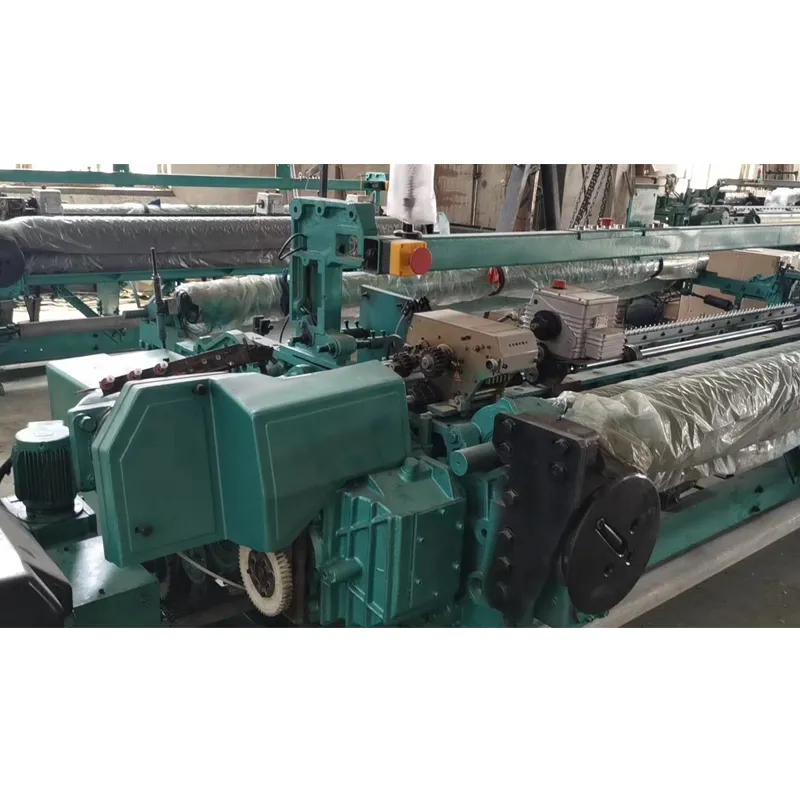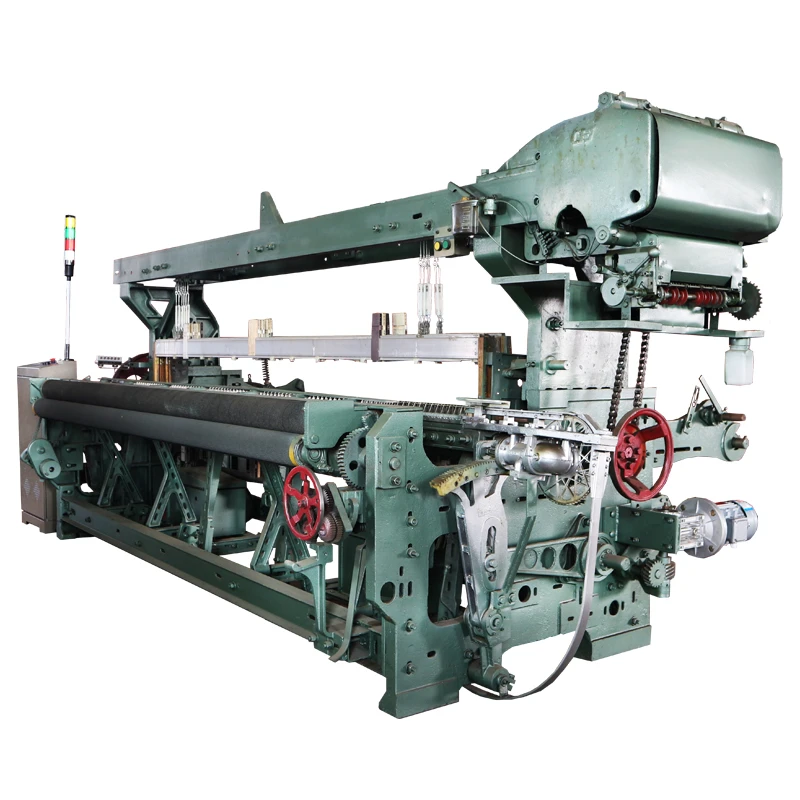



Rapier Loom Machine Manufacturers: A Veteran’s Take
Having spent over a decade tangled in the nuts and bolts of the industrial textile world, I’ve found rapier looms to be one of the most fascinating pieces of machinery out there. If you’re into weaving technology—and I suppose that’s why you landed here—you already know these machines blend precision with power in a way few others can match.
Rapier loom machine manufacturers often get grouped together, but frankly, there’s nuance beneath the surface. Some prioritize speed, others versatility; some boast sleek automation, others bold ruggedness tested by years of daily use. It’s a blend of art and engineering, honestly.
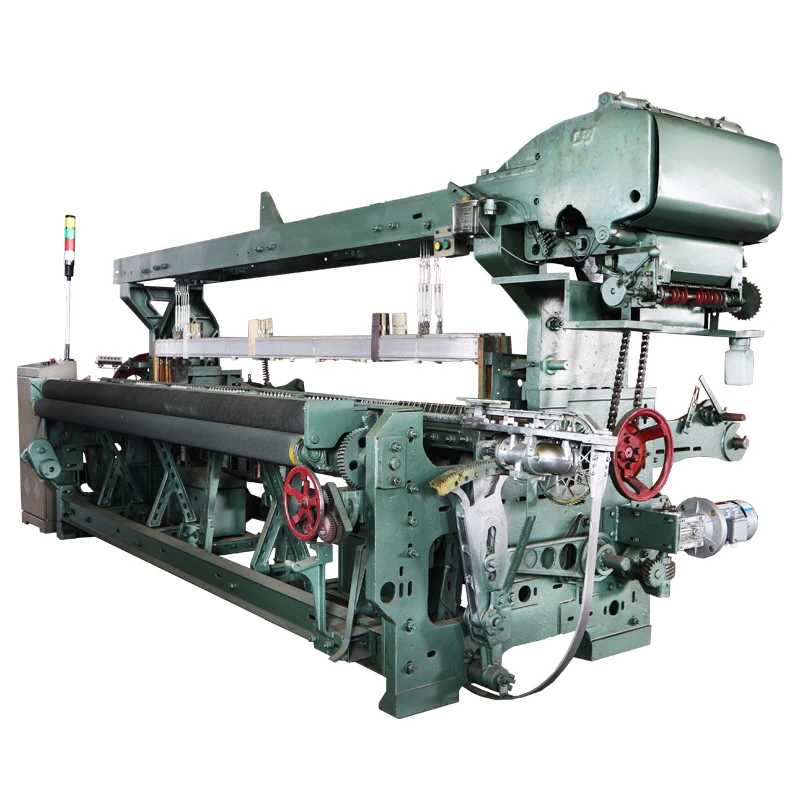
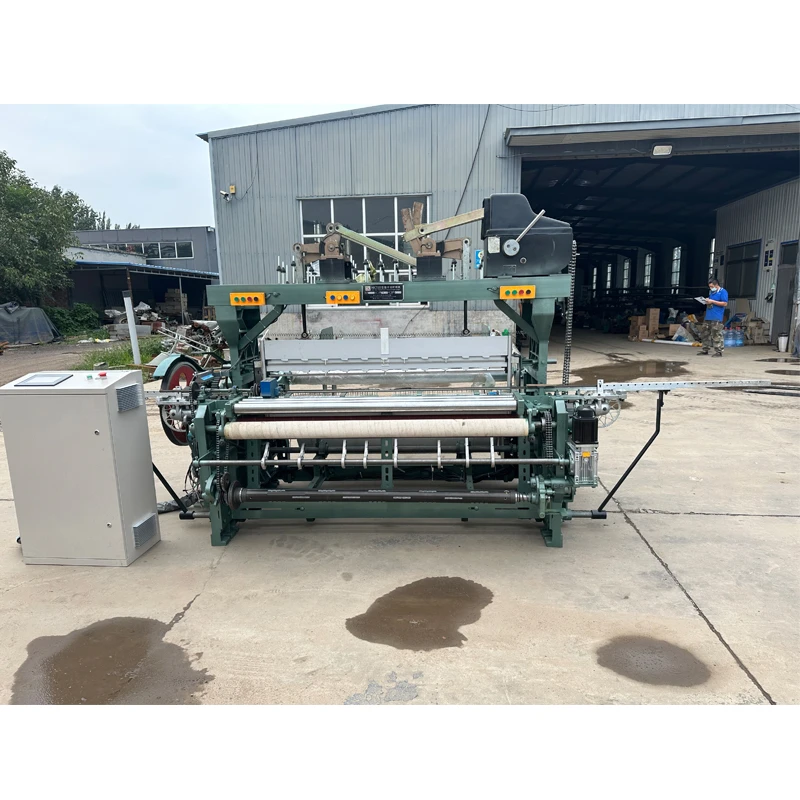
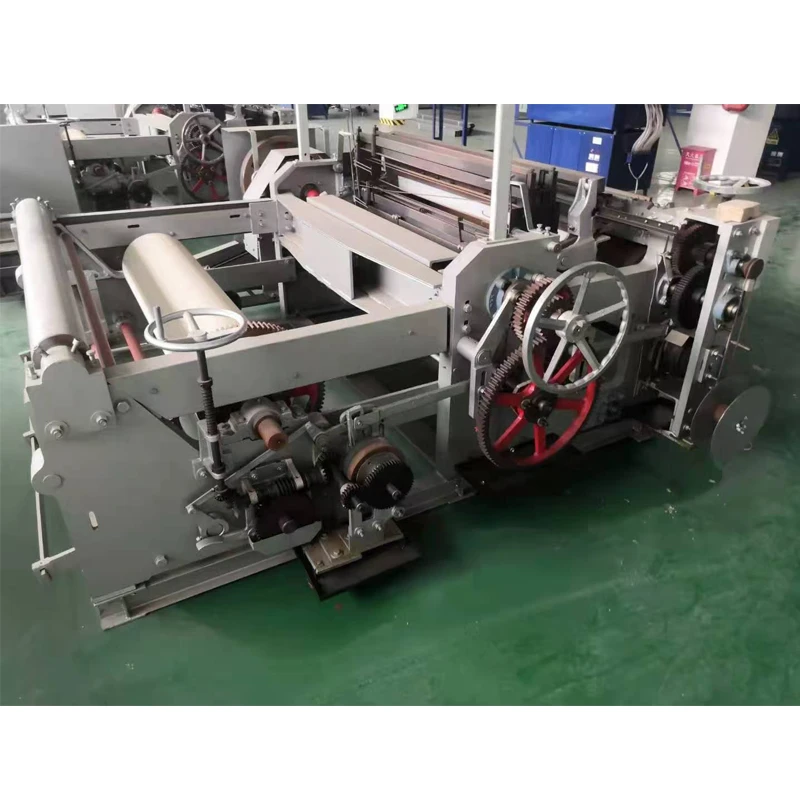
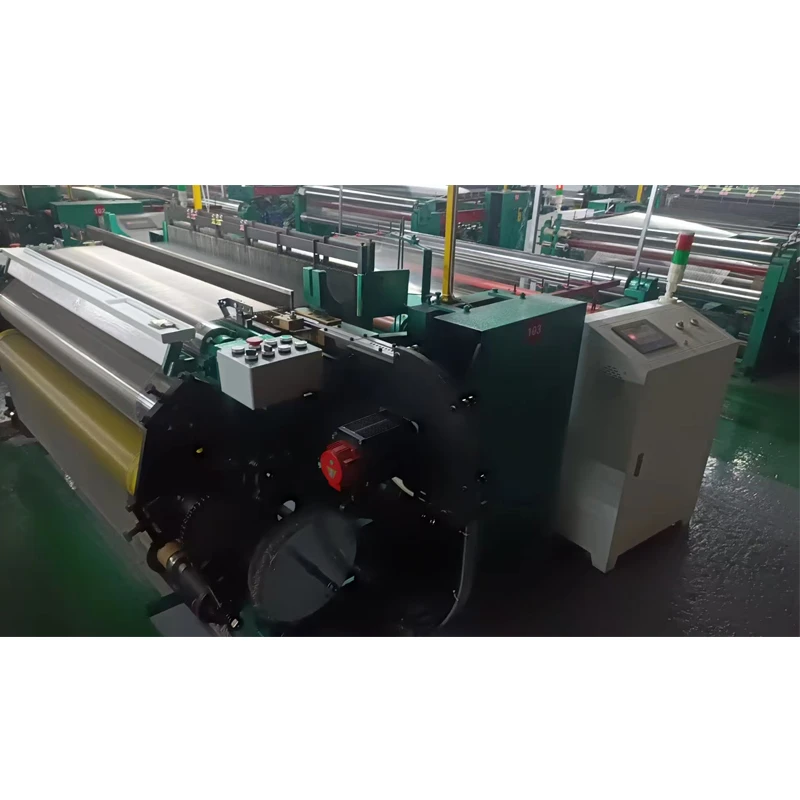
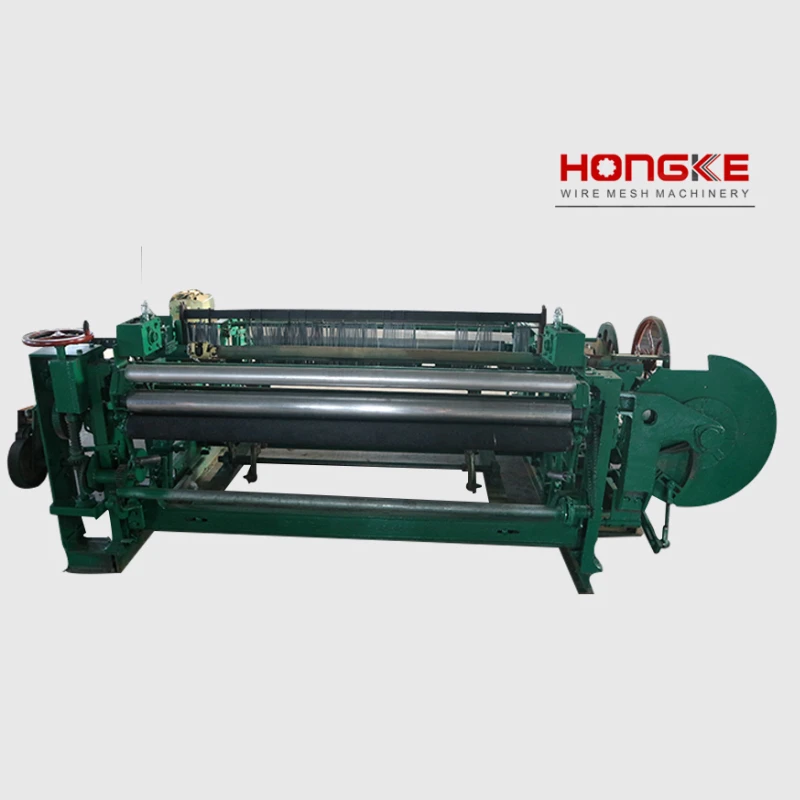
Now, rapier looms have this nifty way of gripping and transferring the weft yarn through the warp yarns using these thin, flexible “rapiers.” Compared to older shuttle looms or the high-speed air-jet alternatives, they strike a nice middle ground—good for delicate fabrics but robust enough for heavier textiles. I’ve worked with lines producing everything from silk scarves to sturdy denim, and each required a slightly different machine setup.
An interesting trend I've noticed in rapier loom manufacturing is the push toward modularity. Many vendors now offer easily swappable parts or software upgrades to keep machines up-to-date without total replacement—which frankly saves a lot for mid-sized textile mills. Plus, you’ve got a handful of manufacturers who customize their looms to suit a mill’s specific fabric output. It’s odd, but this tailoring speaks volumes about how seriously the industry takes quality and efficiency.
Here’s a quick spec snapshot for a typical modern rapier loom just to put things in perspective:
| Specification | Typical Range | Remarks |
|---|---|---|
| Weaving Width | 120–340 cm | Varies by model & application |
| Max Speed | 300–600 picks/min | Balance speed & quality |
| Rapier Type | Rigid or Flexible | Depends on fabric requirements |
| Power Consumption | 3–7 kW | Energy efficiency improving |
| Automation Level | Semi to Fully Automated | Controls & sensors increasing |
I’ve personally worked with several manufacturers, and it really pays to pick a maker who understands your specific needs. For instance, in one project I remember, the team was grappling with inconsistent fabric tension. Switching to a manufacturer offering advanced electronic let-off controls made all the difference—less downtime, less wastage. These details, in real terms, affect the mill’s bottom line quite a bit.
Here’s a straightforward comparison of some industry players known for their rapier looms. I’ve taken care to focus on features relevant to producers hunting for balance between cost, performance, and service:
| Manufacturer | Speed (picks/min) | Customization | Support & Service | Price Range |
|---|---|---|---|---|
| APHK Machinery | Up to 600 | Highly customizable | Excellent global support | Mid to high |
| Tsudakoma | Up to 550 | Moderate options | Strong aftermarket service | High |
| Itema | Up to 650 | Limited customization | Reliable service network | High |
| Picanol | Up to 600 | Good customization | Extensive global presence | Mid to high |
Memory lane: At a factory I visited years ago, they swapped out legacy looms for a line of APHK’s rapier models. The operators told me they were stunned at the reduction in thread breakage rates and how easily parts could be sourced for maintenance. I suppose that reflects the kind of thoughtful innovation APHK invests in—something you can’t always tell from specs on paper.
To wrap it up: selecting a rapier loom isn’t just picking “a machine.” It’s about understanding your product, your workforce, and your production goals, then finding the maker who fits that puzzle best. And frankly, there’s no single “best” — it’s often what matches your operations and plans.
Hope that gives you a bit of grounded insight. If you want to explore further or see real models in action, checking out rapier loom machine manufacturers like APHK Machinery can be a good starting point.
Stay curious, and happy weaving.
References:
- "Rapier Loom Technology Advances," Textile Today Journal, 2021
- APHK Machinery Product Brochures & User Manuals, 2023
- "Industrial Weaving Machines Guide," Fabric World Magazine, 2022