


Automatic Weaving Machine: A Modern Industrial Staple
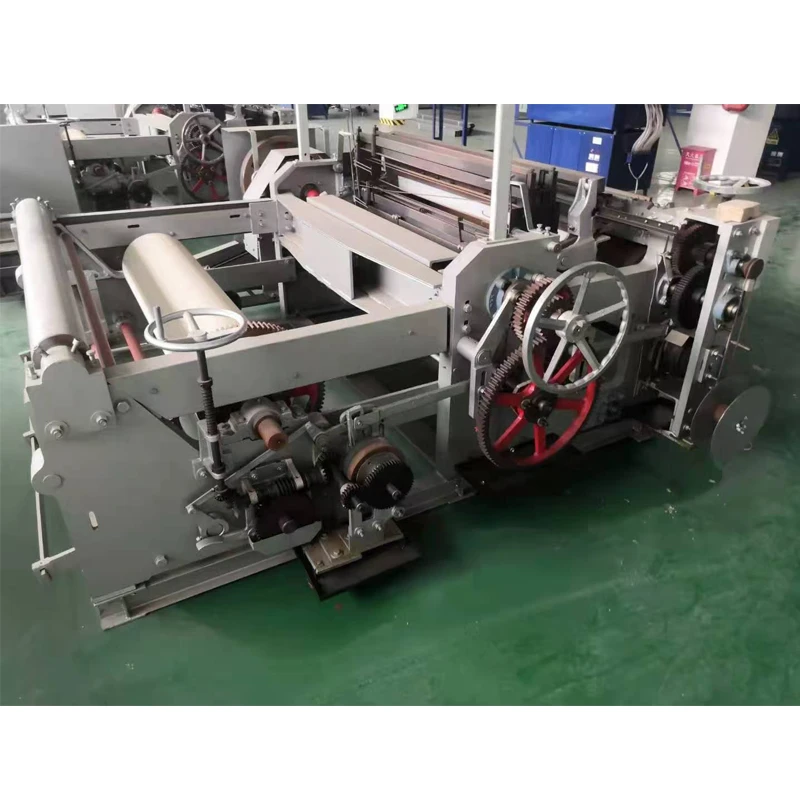
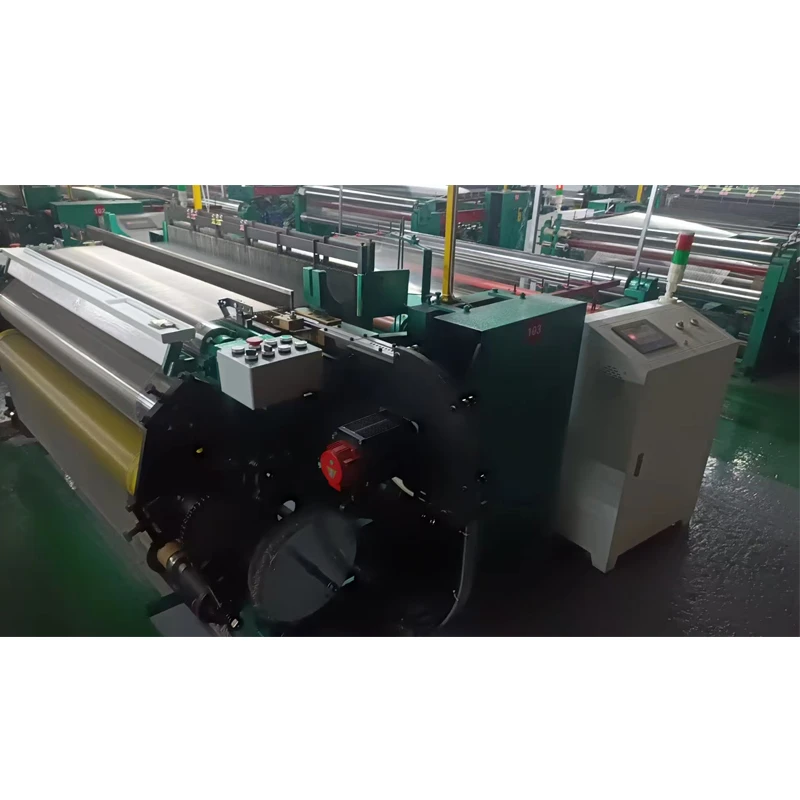
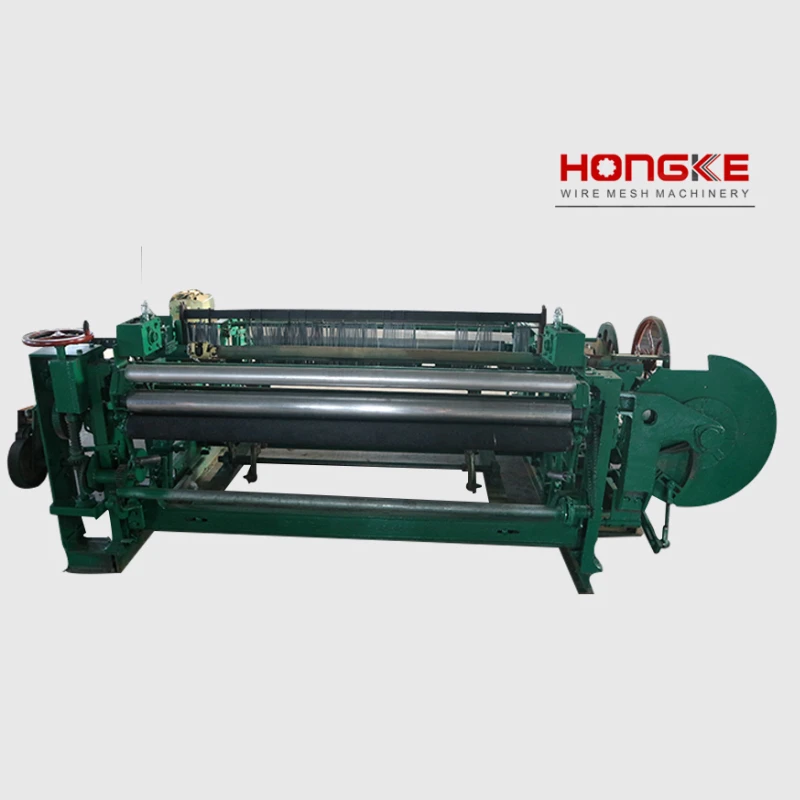
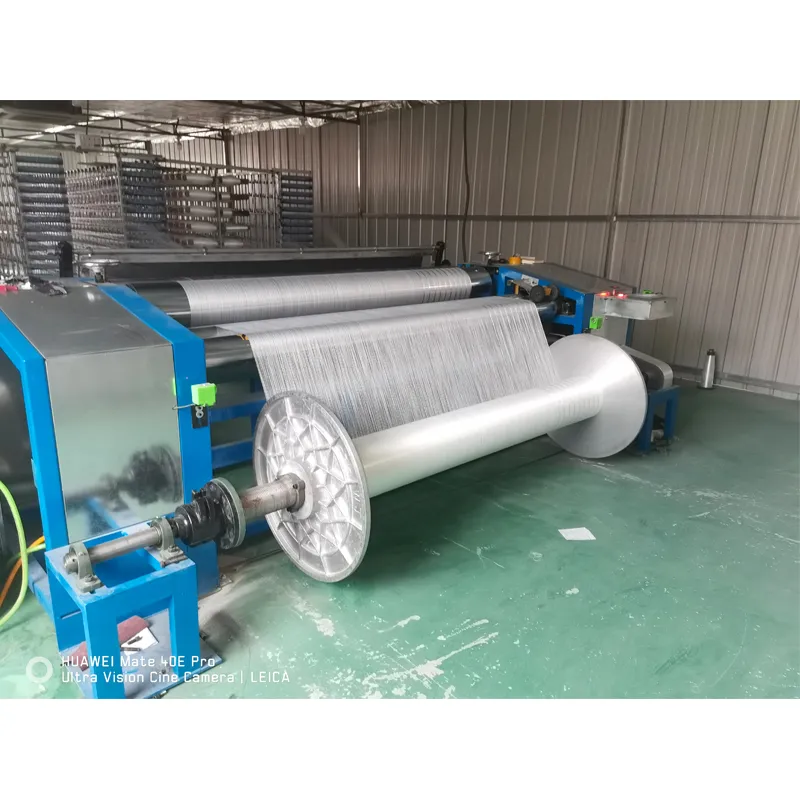
Having spent over a decade working hands-on in the industrial equipment sector, I've witnessed countless advances in textile manufacturing technology. But few innovations have marked a change quite like the rise of the automatic weaving machine. There’s something oddly satisfying about watching these machines at work — neat, precise, and relentless in their efficiency.
Frankly, automatic weaving machines have revolutionized how fabrics are produced, mostly due to their speed and ability to minimize human error. I remember visiting a facility awhile back where the operators talked proudly about reducing downtime by 40% after upgrading to these systems. It’s not just about productivity, although that's obviously huge; it’s about consistent quality — something any industrial engineer will tell you is vital for customer retention.
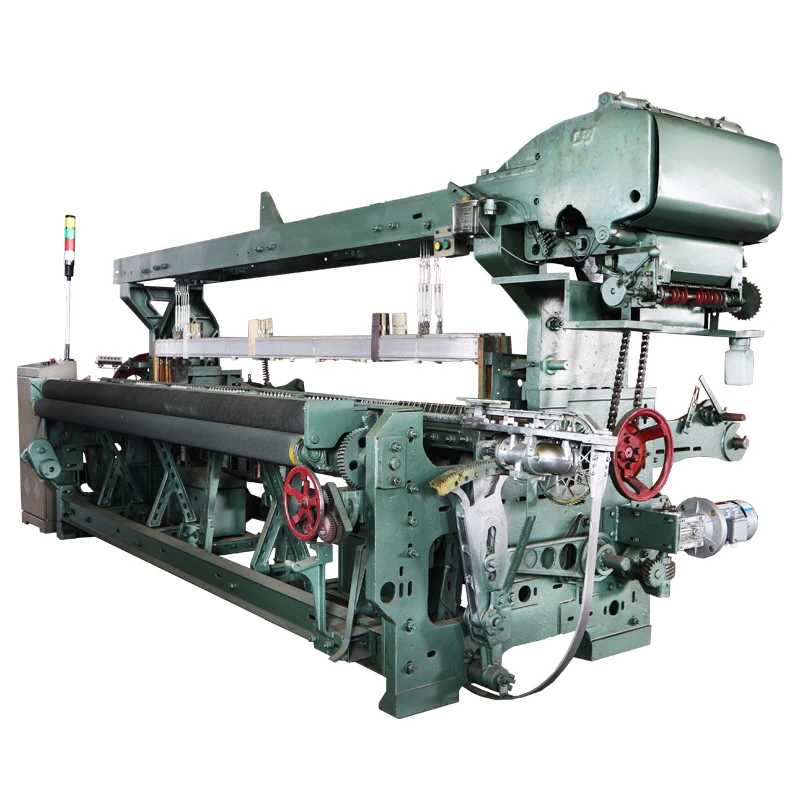
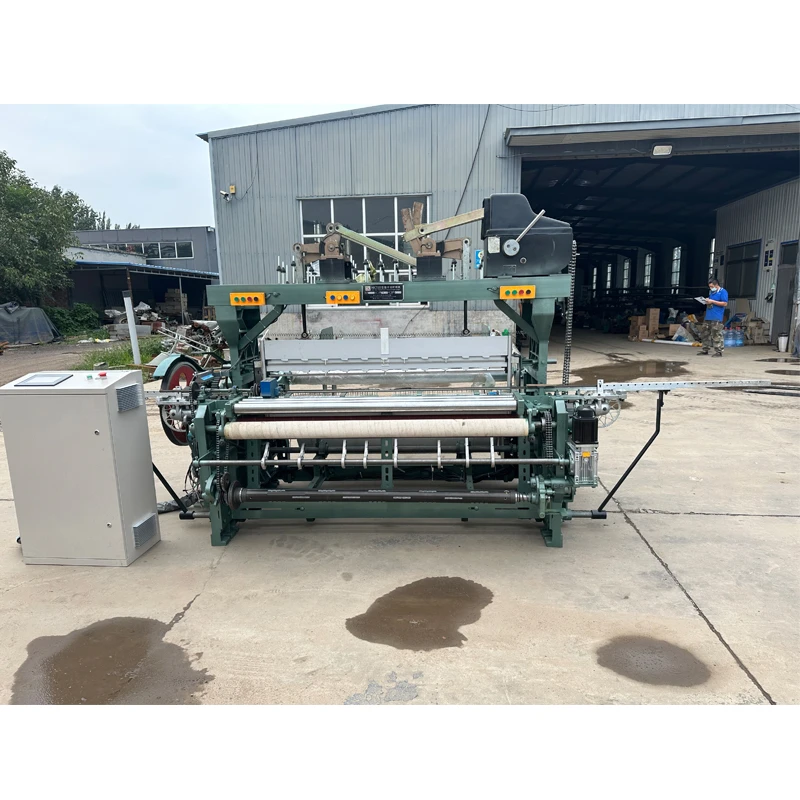
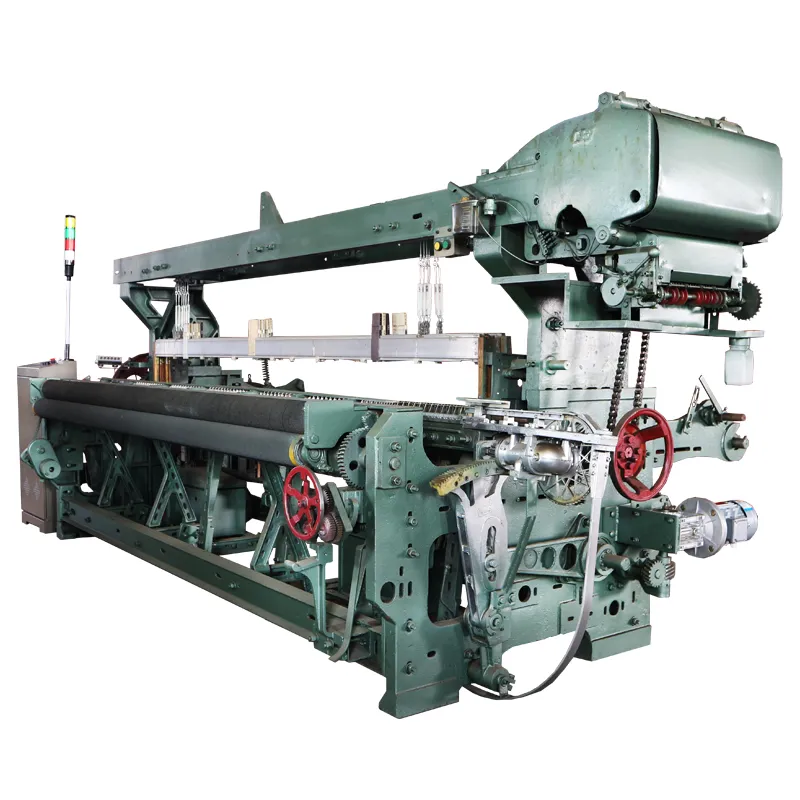
These machines primarily target traditional weaving tasks but with newfound automation finesse. The design often incorporates advanced sensors, servo motors, and computerized controls that can be calibrated for different textile types, density, and patterns. Oddly enough, they're still somewhat customizable, despite being “automatic.” Most vendors now offer tailor-made solutions to fit specific manufacturing needs, which is great for businesses wanting a little extra control without sacrificing automation benefits.
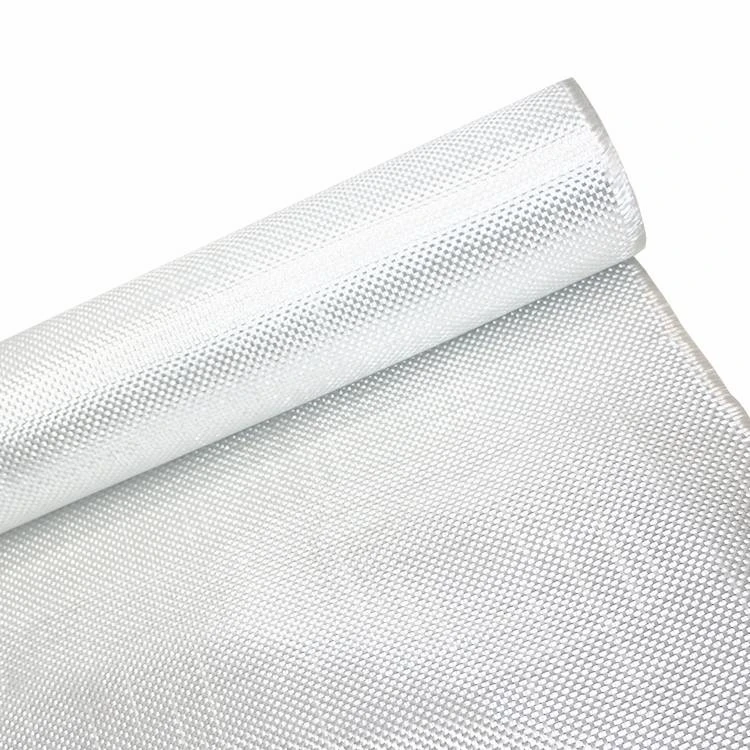
Materials go through rigorous testing during production. I’ve noticed many engineers stress the importance of tension control — too tight, and threads break; too loose, and the fabric quality dips. Modern machines precisely monitor and adjust these parameters in real time. It's a harmony of physics and electronics behind the scenes you might not notice at first glance but definitely affects what ends up on shelves.
| Feature | Specification |
|---|---|
| Weaving Width | 1.5 – 3.2 meters |
| Operating Speed | 500 – 1200 picks per minute |
| Power Supply | 3-phase, 380V/50Hz |
| Control System | PLC with touchscreen HMI |
| Material Compatibility | Cotton, polyester, blends |
| Weight | Approx. 2,000 kg |
| Noise Level | 75 dB |
Since these machines often represent a hefty investment, I always recommend weighing options carefully. Below, I’ve put together a simple vendor comparison to help make sense of what’s available in the market. For example, some vendors emphasize user-friendly interfaces, while others focus more on rugged durability. There’s also variation in after-sales support — something you absolutely want to prioritize, speaking from experience.
| Vendor | Strength | Typical Price Range | Warranty & Support |
|---|---|---|---|
| APHK Machinery | High automation, easy customization | $60,000 - $120,000 | 24 months + remote support |
| TexWeave Corp. | Robust build, suitable for heavy fabrics | $70,000 - $130,000 | 18 months onsite support |
| LoomTech Solutions | Innovative control systems, excellent interfaces | $65,000 - $125,000 | 12 months limited warranty, optional extended plans |
One little story I always like to share: A mid-sized textile manufacturer switched to automatic weaving machines about two years ago. They told me the transition wasn’t exactly seamless — “learning curve” is an honest way to put it — but within months, they saw drastically improved fabric consistency, a 35% boost in output, and fewer workplace injuries. It’s those results that really drive the point home, I think.
So, if you’re in the market for an automatic weaving machine, remember it’s a blend of technology and hands-on expertise. The machines will do most of the work, but your choice, your settings, and your maintenance will keep everything humming along.
At the end of the day, it feels like investing in these machines is investing in precision and peace of mind – something every industrial operator can appreciate.
References:
- Industrial Textile Engineering Journal, 2022. “Automation Trends in Weaving”
- APHK Machinery Product Brochure, 2023
- Interview with Textile Engineering Lead at WeaverCo, 2021