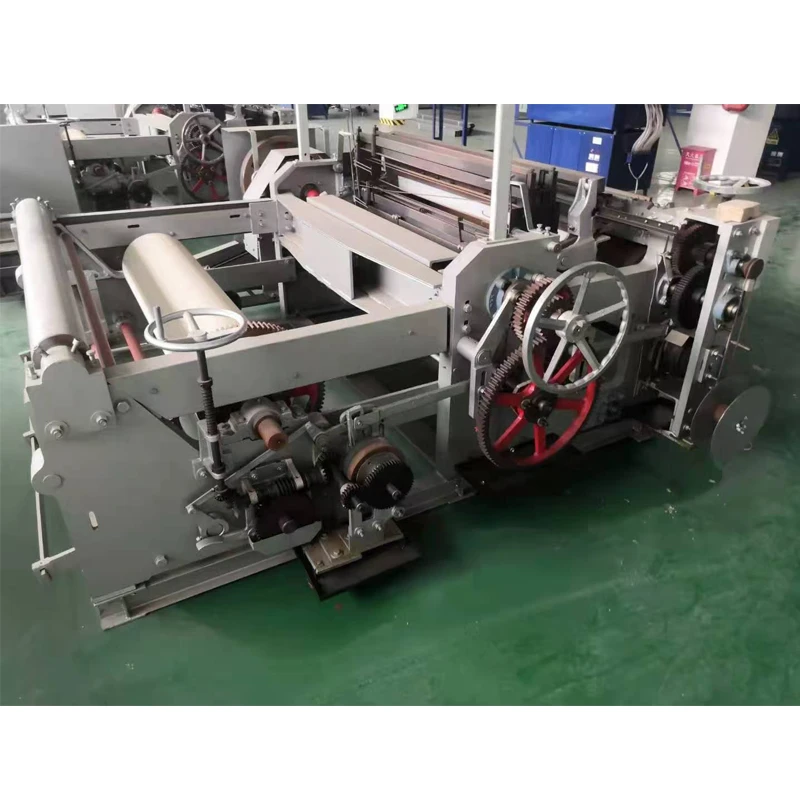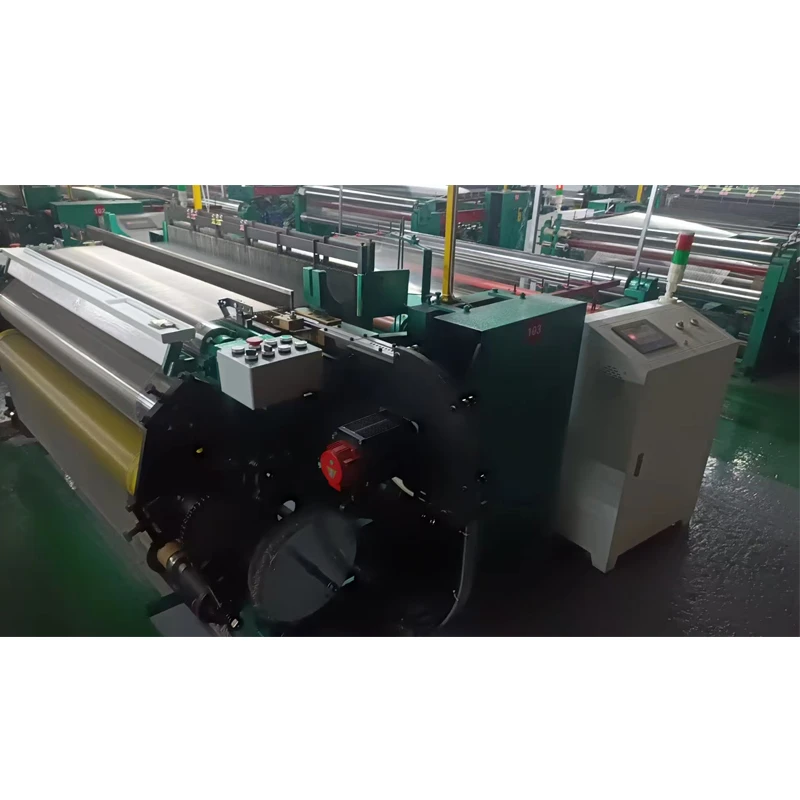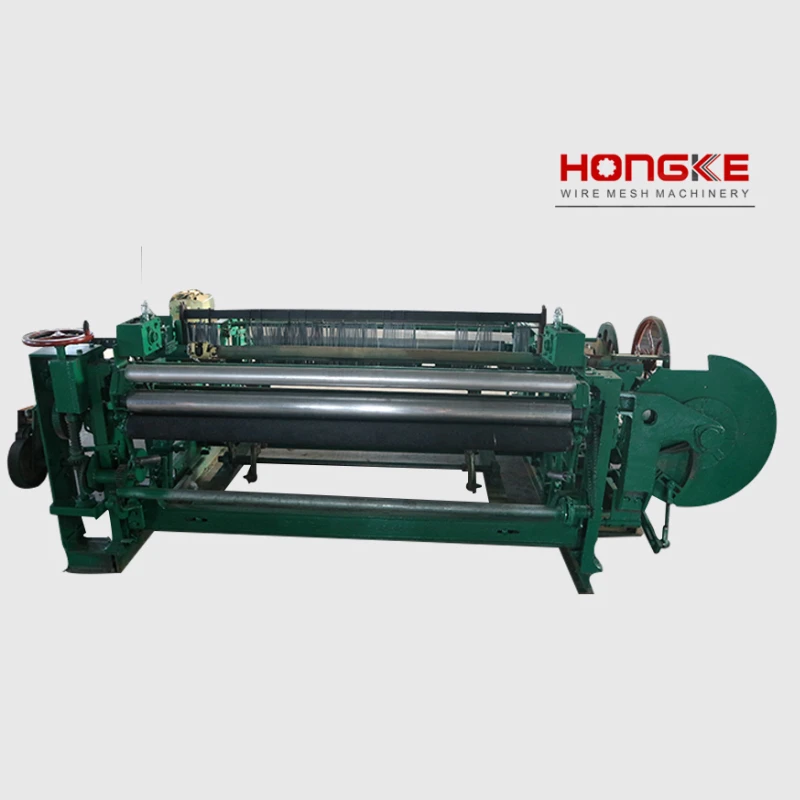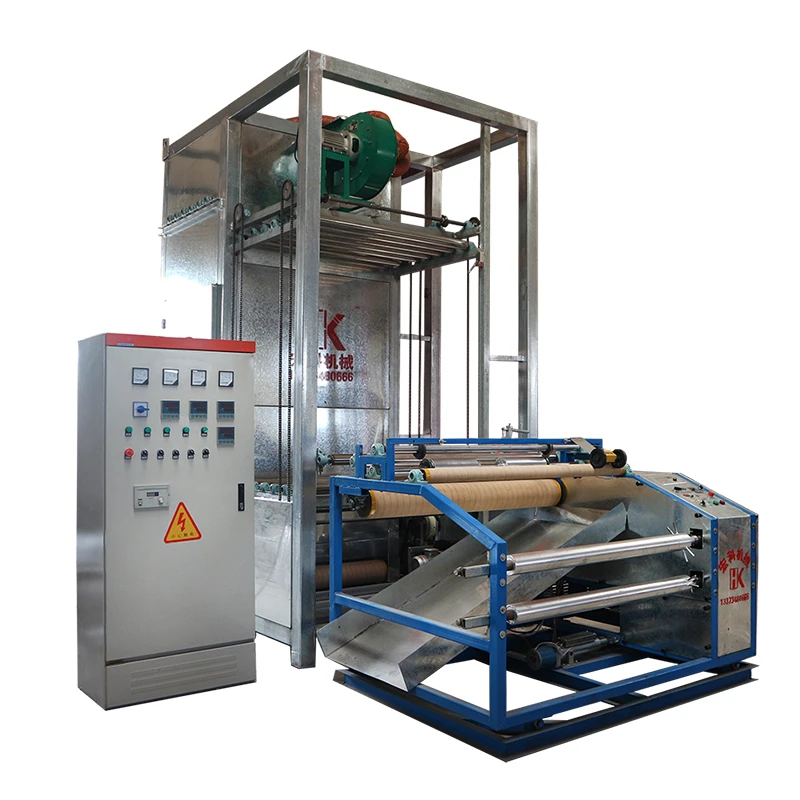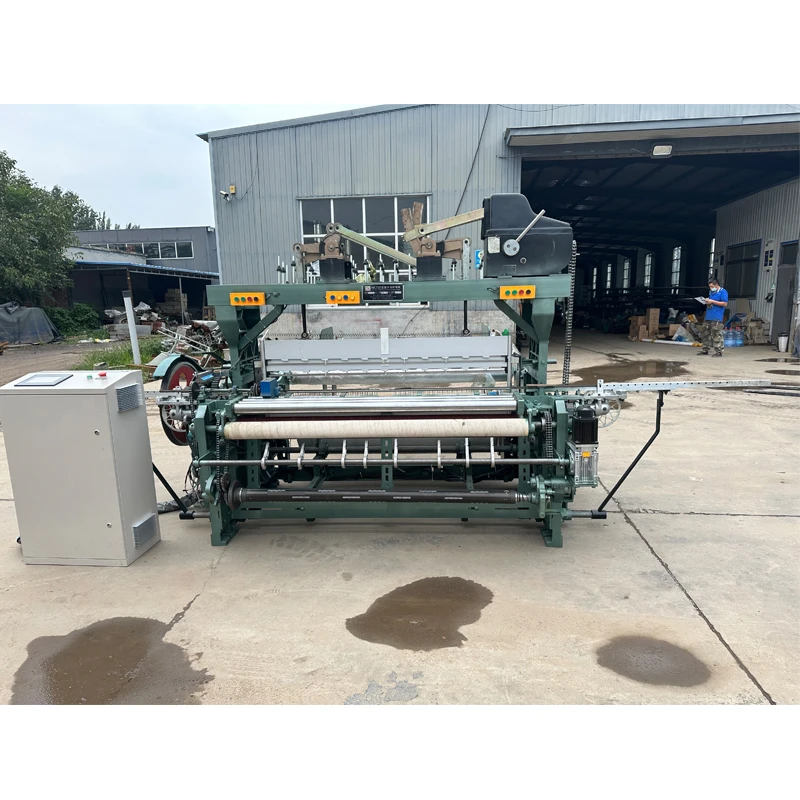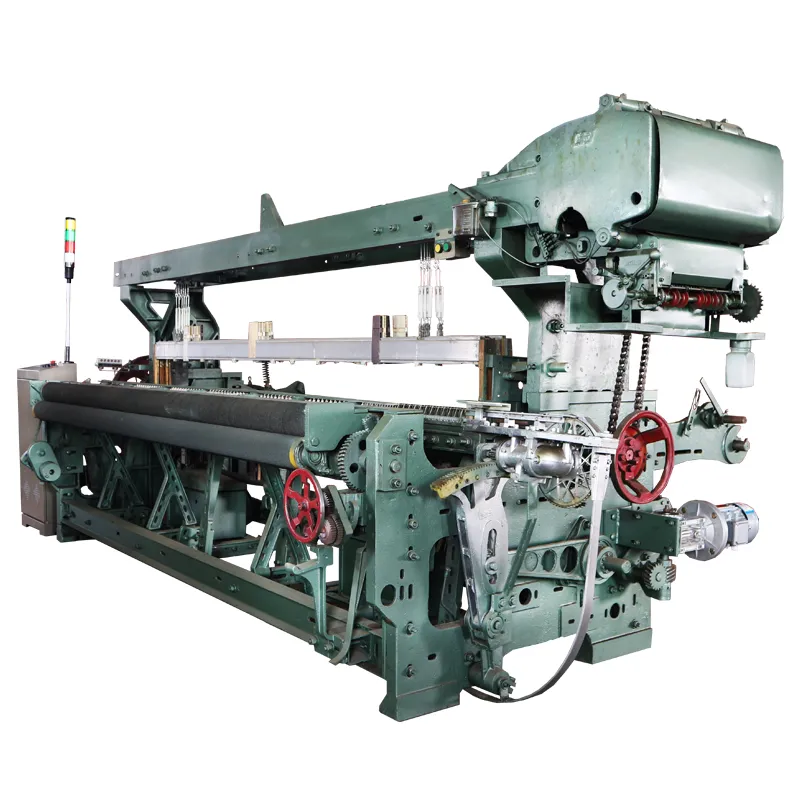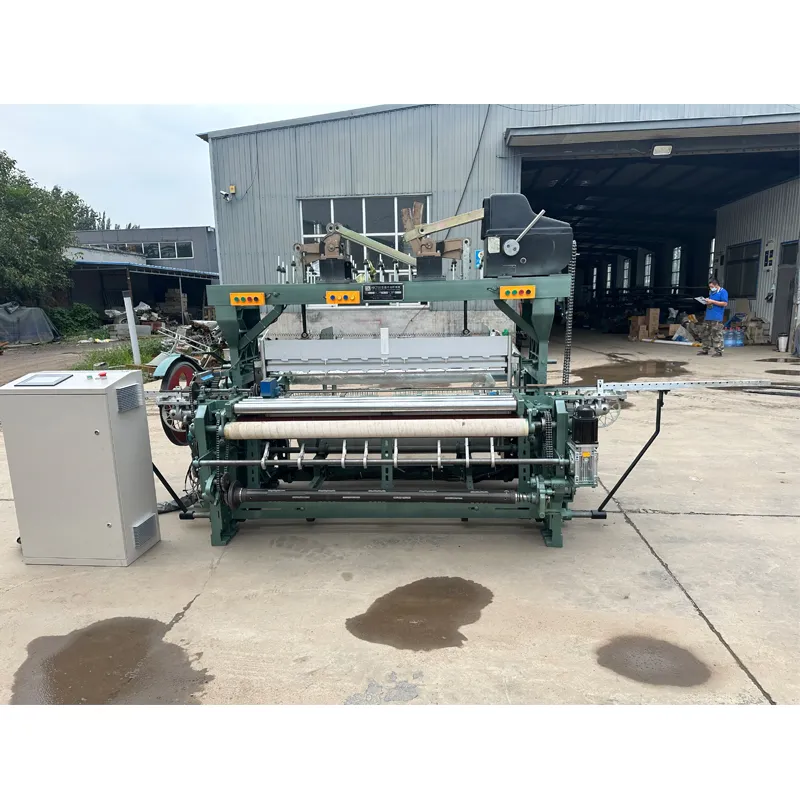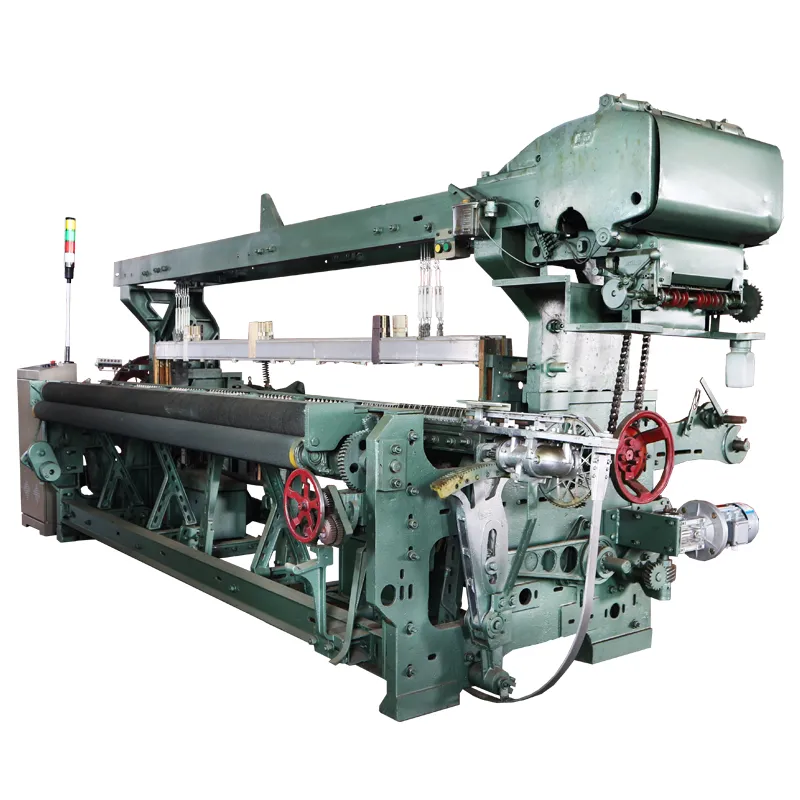



Understanding Fabric Weaving Machine Price: Key to Modern Textile Industry
Fabric weaving machine price might sound like a straightforward statistic – how much you pay for that essential piece of equipment. Yet, it’s actually a window into the evolving world of global textile manufacturing, where cost-efficiency, technology, and sustainability collide. Knowing these prices helps manufacturers, supply chain managers, and even humanitarian organizations plan their investments thoughtfully. After all, fabric production underpins everything from haute couture to everyday clothing, and even emergency textiles.
Why Fabric Weaving Machine Price Matters Globally
The textile industry is huge, valued at over $1.5 trillion worldwide (according to the World Bank’s latest figures). Fabric weaving machines form the core of this industry: billions of square meters of fabric flow from these machines every year. But machine costs vary widely – influenced by tech sophistication, manufacturing origin, and capacity. This variance impacts global competitiveness, production scalability, and the speed at which new materials can reach markets.
One big challenge is balancing affordable pricing with machines that are durable, energy-efficient, and adaptable to modern fibers. This is not just a factory-floor concern; it also has ripple effects in developing regions where investing in textile tech can spur economies and empower communities.
Defining Fabric Weaving Machine Price
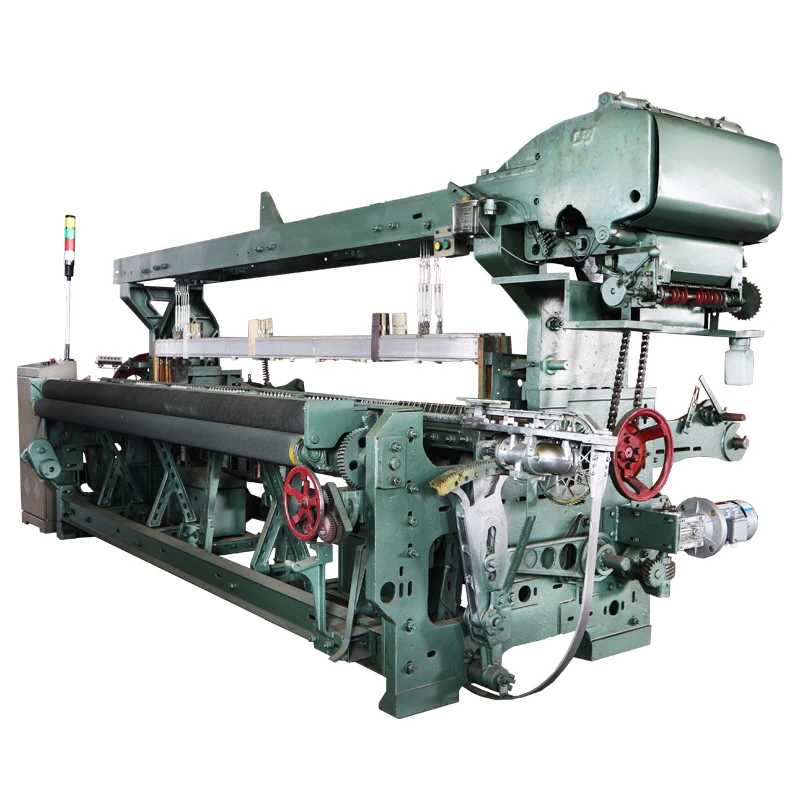
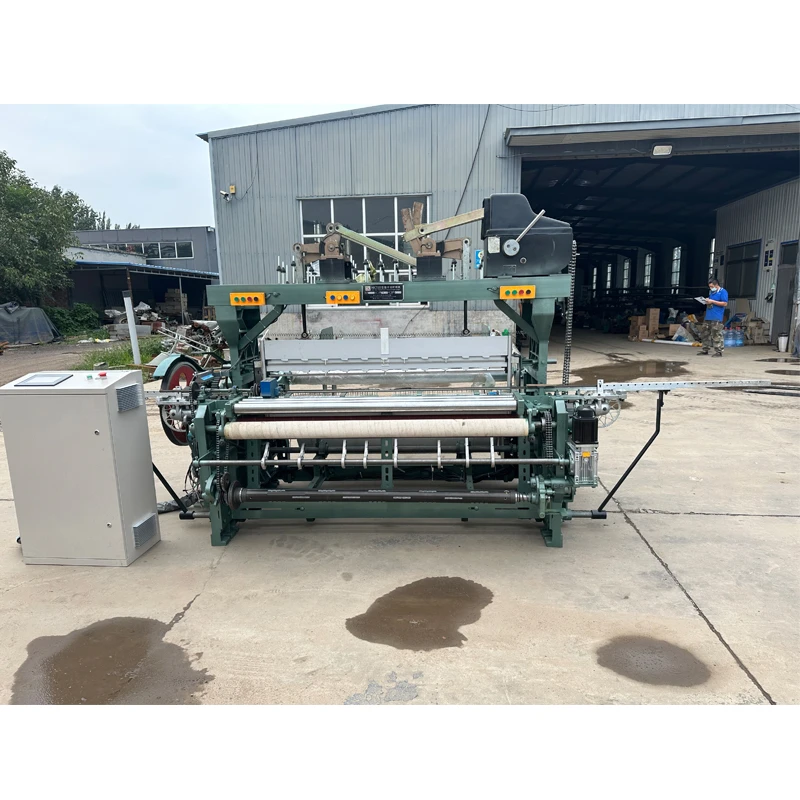
Simply put, fabric weaving machine price refers to the purchase cost of a machine used to interlace yarns to produce fabric. These machines range from manual models to fully automated, computerized looms.
Their prices reflect multiple factors: technology level, brand, productivity capacity, and included features. In a bigger picture, understanding this cost helps businesses forecast expenses, decide on upgrades, or optimize supply chains. Humanitarian sectors also rely on affordable and rugged machines to quickly rebuild textile infrastructure post-crisis.
Core Components Influencing Cost
1. Technology Level (Manual to Automated)
Machines equipped with computerized controls and sensors push prices into higher tiers but offer precision and efficiency. Conversely, manual and semi-automated looms cost less but may suffer in output volume and quality consistency.
2. Durability and Build Quality
Robust materials and superior engineering enhance machinery lifespan but add upfront cost. Many factories prefer paying more for resilience, as downtime is costlier than initial investment.
3. Scalability and Output Capacity
Machinery designed for large-scale industrial production invariably carries a higher price tag. Yet, this also translates into economies of scale, lowering cost per yard of fabric produced.
4. Energy Efficiency
Modern textile manufacturers increasingly value machines that consume less energy, motivated by both regulatory pressure and environmental responsibility. Though such machines may cost more initially, savings accrue over operational life.
5. Maintenance & Service Support
Machines from established vendors often include warranties and accessible service networks, reflected in higher prices. However, these reduce downtime and repair expenses in the long run.
Spec Table: Typical Fabric Weaving Machine Models & Pricing
| Model | Type | Max Width (m) | Automation Level | Approx. Price (USD) |
|---|---|---|---|---|
| TexWeave 2000 | Manual Loom | 1.5 | Low | $4,500 |
| AutoLoom X5 | Semi-Automated | 2.4 | Medium | $18,000 |
| WeaveTech Pro | Fully Automated | 3.8 | High | $65,000 |
Vendor Comparison: Key Players in Fabric Weaving Machines
| Vendor | Price Range (USD) | Service Network | Customization Options | Energy Efficiency |
|---|---|---|---|---|
| LoomMaster Corp | $3,000 - $20,000 | Global | Basic to Medium | Moderate |
| TexWeave International | $6,000 - $70,000 | Regional (Asia, Europe) | High | High |
| WeaveTech Solutions | $15,000 - $100,000+ | Global | Highly Customizable | Very High |
Global Applications & Use Cases
In regions like Southeast Asia and South America, affordable fabric weaving machines empower small workshops and cottage industries, often producing artisanal textiles that sustain local communities. Meanwhile, large manufacturers in Europe and the U.S. invest in advanced, automated machines to meet high-volume fashion and technical fabric demands. Oddly enough, humanitarian agencies sometimes rely on semi-portable fabric weaving setups to rapidly restore textile production in post-disaster zones – crucial for rebuilding livelihoods.
Mini Takeaway:
Understanding fabric weaving machine price isn’t just about dollars on paper; it’s about what those dollars unlock – opportunity, resilience, and innovation worldwide.
Advantages & Long-Term Value
- Cost efficiency: Investing in the right machine minimizes production costs and maximizes fabric output quality.
- Sustainability: Energy-efficient machines reduce environmental impact, aligning with global ISO sustainability standards.
- Social impact: Affordable machines fuel job creation in developing economies and empower artisan communities.
- Reliability: Strong builds and support networks reduce downtime, keeping production steady.
Future Trends & Innovations
The industry is buzzing with advancements: smart looms integrating AI for defect detection, use of eco-friendly materials within machine components, and blends of automation and traditional craftsmanship. Digital transformation is reshaping purchase models too, with leasing and pay-per-use gaining popularity. And with the UN’s Sustainable Development Goals encouraging greener manufacturing, expect fabric weaving machine price structures to increasingly factor in environmental costs.
Challenges & Solutions
The main hurdle? Balancing affordability with technological sophistication. Many emerging-market manufacturers face tradeoffs between price and quality. However, modular machine designs and open-source technology platforms are paving the way for customizable, cost-effective solutions. Collaboration between vendors, NGOs, and governments can unlock subsidies or bulk purchase deals that improve accessibility.
FAQ: Frequently Asked Questions About fabric weaving machine price
- Q: What factors most affect fabric weaving machine price?
A: Key drivers include automation level, build quality, output capacity, energy efficiency, and after-sales service. More features generally mean higher prices. - Q: How can small businesses afford high-end weaving machines?
A: Leasing options, government grants, and buying refurbished units help small companies access quality machines without large upfront costs. - Q: Are energy-efficient weaving machines more expensive initially?
A: Yes, but their operational savings on electricity and maintenance usually offset the initial investment within a few years. - Q: Can fabric weaving machines be customized?
A: Many manufacturers offer customization for width, speed, and controls to fit specific production needs and fabric types. - Q: Where can I find reliable vendor information?
A: Reputable vendors often have global or regional service networks. Verifying with industry bodies like ISO or through references is essential.
Conclusion
To sum it up, grasping fabric weaving machine price gives a practical lens on textile manufacturing’s dynamism – bridging innovation, economics, and social impact. For those seeking detailed options or tailored advice, visit fabric weaving machine price to explore a broad selection of equipment designed for diverse needs and budgets.
At the end of the day, it’s about choosing machines that weave not just cloth, but also future prosperity.