


Understanding Warping Machine Price: A Global Industrial Perspective
Ever found yourself curious about something as niche as warping machine price? It might seem like a detail only textile engineers obsess over, but honestly, it’s much broader than that. Warping machines are foundational in textile manufacturing—they prepare yarns for weaving, a process central to producing fabrics all around the world. The price of these machines impacts not just factories but entire economies linked to textiles, influencing costs, product quality, and technological progress. Understanding warping machine price means gaining insight into global supply chains and the evolving textile industry.
Global Context: Why Warping Machine Price Matters Today
Textile production remains one of the largest industrial sectors globally. According to the International Textile Manufacturers Federation, the global textile machinery market was valued at over $12 billion in recent years. Machines like the warping machine are key investments in this ecosystem. Now, you might wonder why price fluctuations in this niche equipment should concern anyone beyond factory owners. Well, consider this—rising raw material costs and a push toward sustainable production methods are forcing manufacturers to rethink their capital expenditures. Choosing a warping machine at the right price influences profitability but also sustainability. For emerging economies relying on textile manufacturing as a growth driver, like Bangladesh and Vietnam, accessible pricing on machinery can be crucial.
What Is the Warping Machine Price Really?
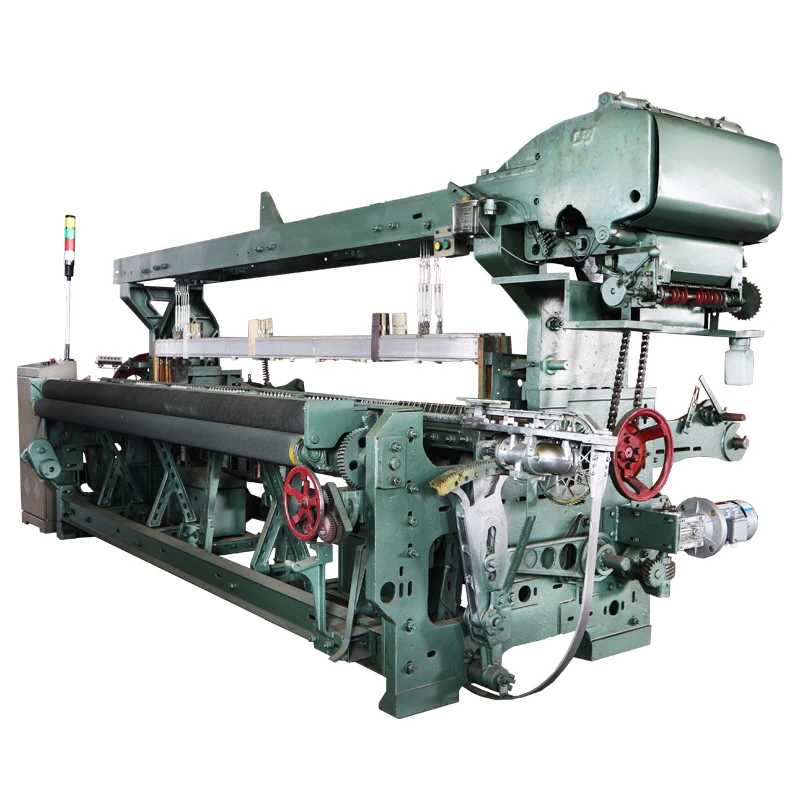
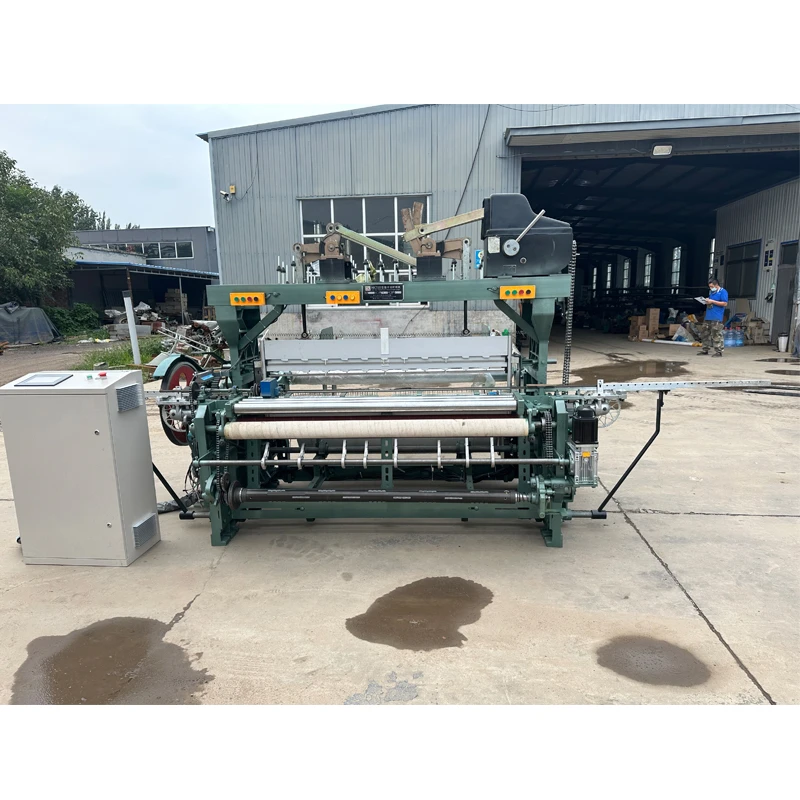
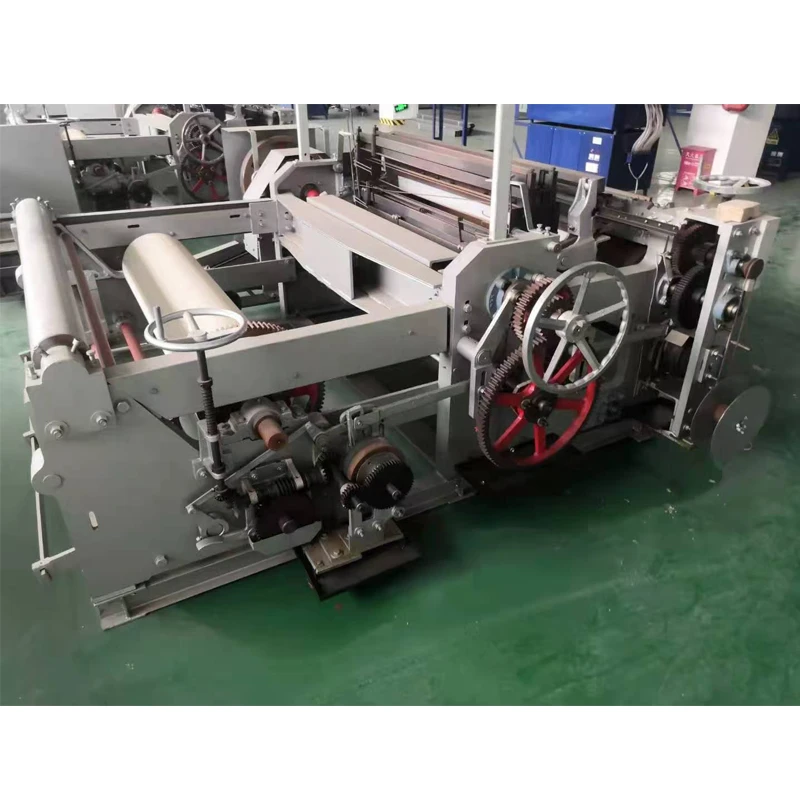
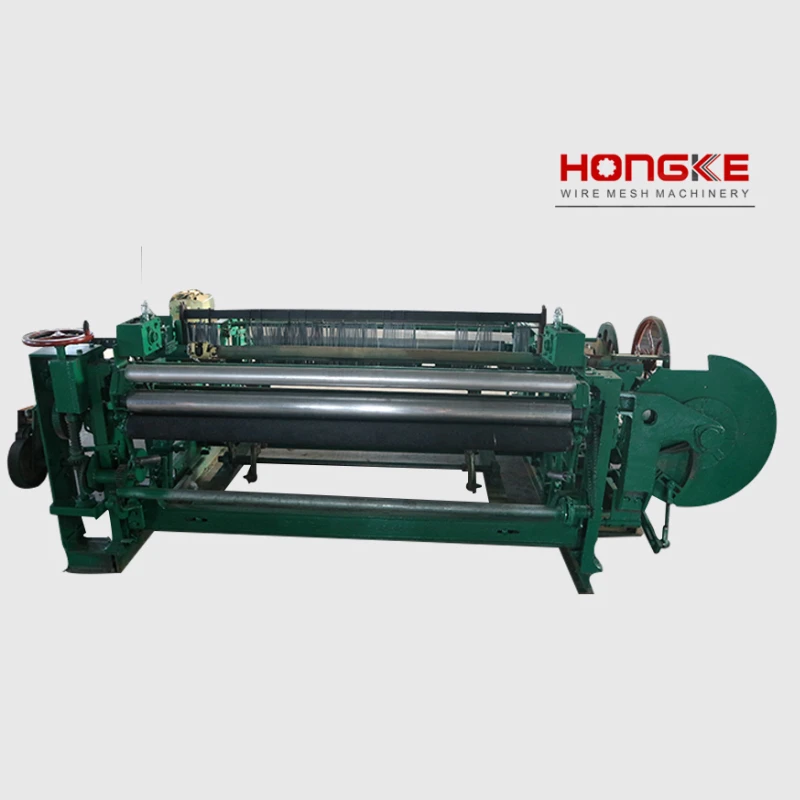
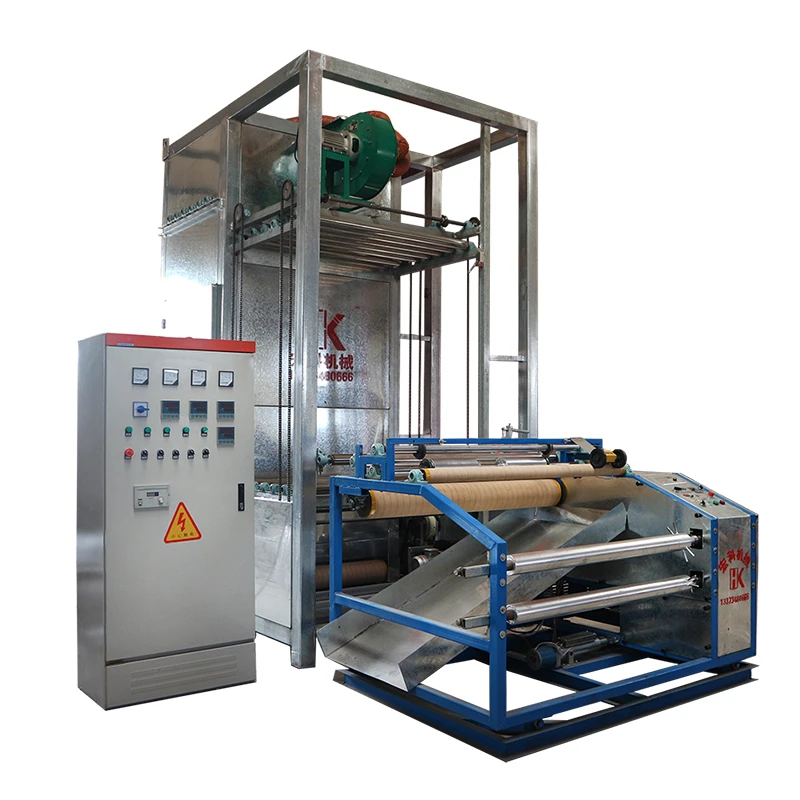
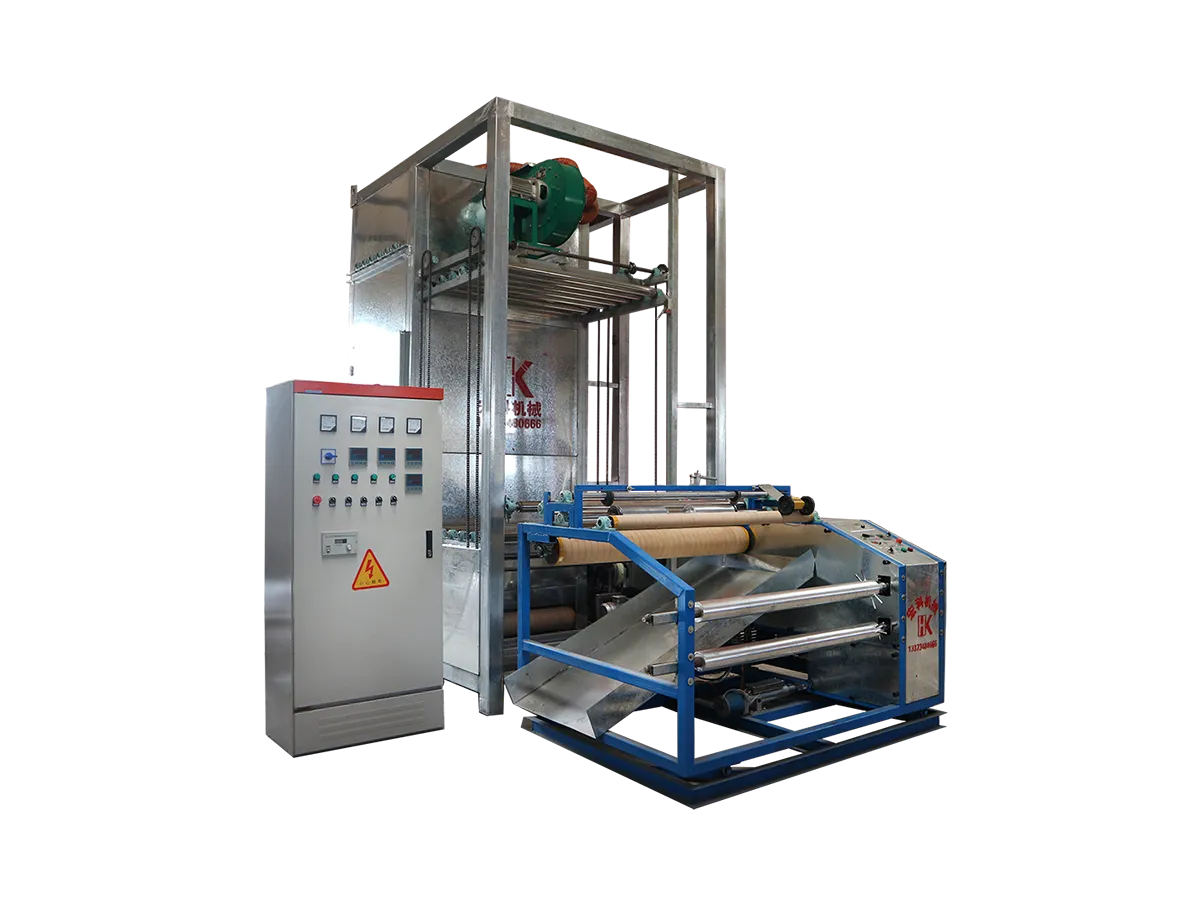
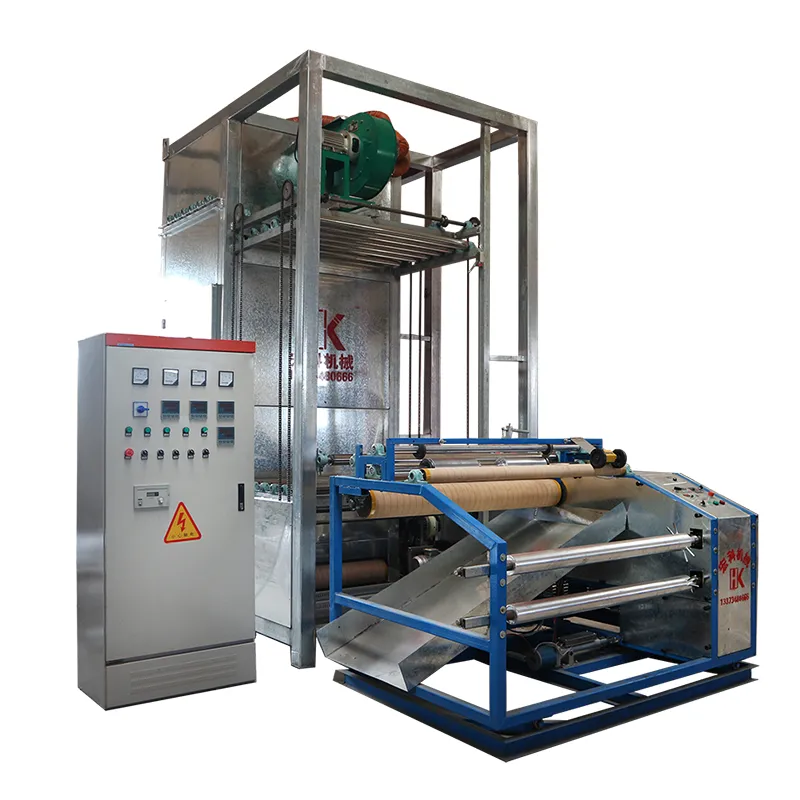
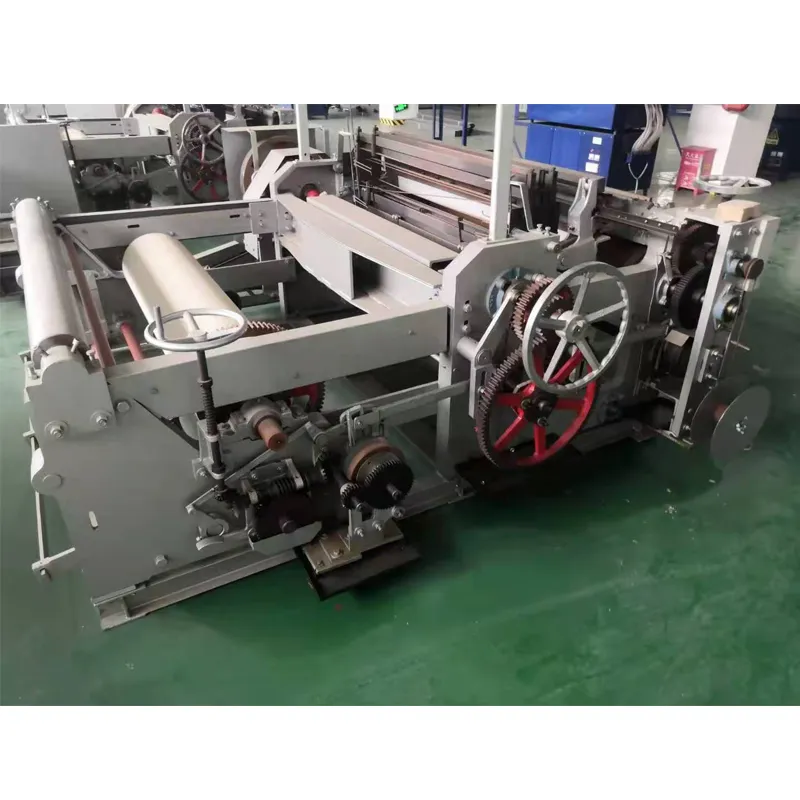
Simply put, the warping machine price refers to the purchase cost of the machinery that aligns multiple yarns side-by-side onto a beam, preparing them for weaving. Think of it as the stage where chaos becomes order in textile production. The cost depends on factors including machine type (manual, semi-automatic, or fully automatic), capacity, brand, and technology integration. It’s not just a number—it’s a story about efficiency, durability, and future readiness.
Key Factors Influencing Warping Machine Price
1. Technology & Automation Level
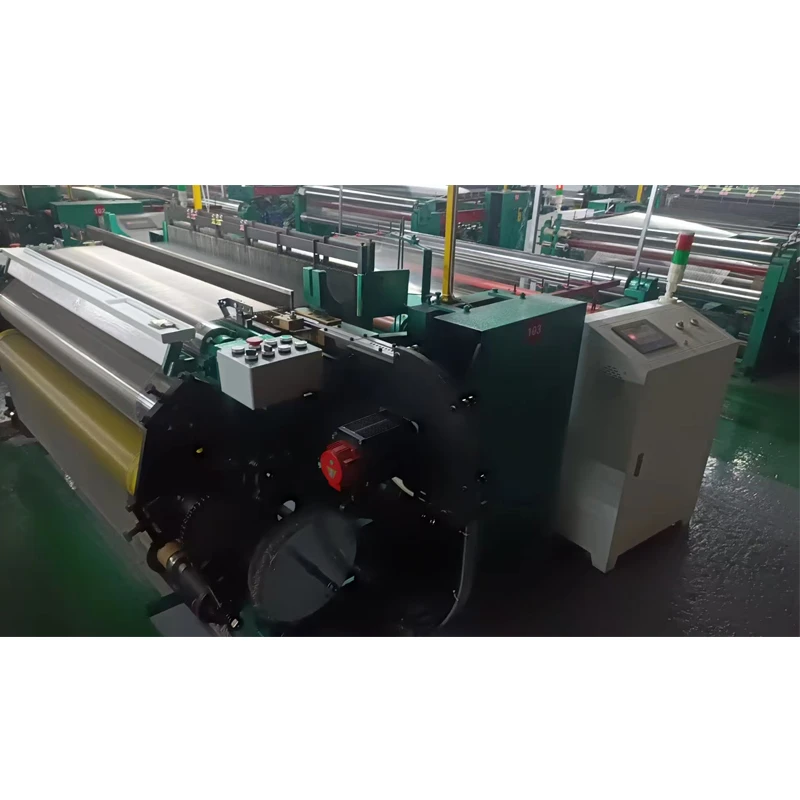
Warping machines range from manually operated setups to highly automated systems featuring computer controls. Obviously, the more advanced, the steeper the price. But automation can bring about huge savings in labor and error reduction—so it’s not just upfront cost that matters.
2. Durability & Build Quality
Machines built with high-grade materials like stainless steel or high-grade alloys might cost more but last longer with less maintenance, which counts immensely over time.
3. Production Capacity
Machines come in different widths and speeds, tailored for various factory sizes and output requirements. Big capacity machines generally come with a heftier price because of the superior engineering.
4. Brand Reputation & After-Sales Service
Known brands that offer warranties, service contracts, and training may command higher prices, but in return provide peace of mind and reduced downtime risks.
5. Regional Market Influences
Import tariffs, transportation costs, and local demand can significantly affect the final price of warping machines in various markets.
Mini Takeaway:
The warping machine price isn’t just about dollars and cents—it reflects the machine’s capabilities, expected lifespan, and the operational benefits it delivers.
Product Specification Example
| Specification | Model A100 | Model B200 |
|---|---|---|
| Automation Level | Semi-Automatic | Fully Automatic |
| Max Warp Width | 1800 mm | 2200 mm |
| Speed | 600 m/min | 900 m/min |
| Weight | 700 kg | 1100 kg |
| Approximate Price | $25,000 | $48,000 |
Global Applications & Use Cases
Warping machines are central in settings ranging from massive textile factories in China and India to smaller artisanal workshops in Eastern Europe. Take Bangladesh’s booming garment industry: fast turnaround and quality depend on using efficient machines at scale, where understanding warping machine price directly impacts investment decisions. Oddly enough, even small innovations in warping technology can have ripple effects. NGOs with textile training programs in African countries appreciate machines that are affordable yet durable in challenging environments.
In remote industrial zones in Central Asia, the resilience of machines to dust and temperature swings affects operational costs drastically, often justifying a higher upfront price for better models.
Advantages & Long-Term Value
- Cost Efficiency: A well-chosen warping machine reduces waste and downtime.
- Sustainability: Modern machines often consume less power and yarn.
- Reliability: Brands that offer support create trust and reduce risks.
- Social Impact: Improved textile quality can boost local economies and worker dignity.
I always like to remind people that it’s not just about the machine, but the people who operate them. A reliable warping machine contributes to a safer workplace and more pride in finished goods.
Vendor Comparison: Popular Warping Machines
| Vendor | Price Range (USD) | Automation Type | Warranty | Service Network |
|---|---|---|---|---|
| TechWarp Ltd. | $22,000 - $50,000 | Semi to Fully Automatic | 2 years | Global |
| WeavePro Industries | $30,000 - $70,000 | Fully Automatic | 3 years | Asia & Europe |
| FiberTech | $18,000 - $45,000 | Manual to Semi-Automatic | 1 year | Local to Regional |
Future Trends & Innovations in Warping Machine Pricing
Looking ahead, it’s clear the cheapest option won’t always be the winner. There’s a push toward green manufacturing—machines consuming less energy and made with recyclable materials will factor more into the pricing equation. Automation is evolving with AI-based tension controls and IoT connectivity, potentially changing how machines are priced based on subscription or usage models. Frankly, digital integration means manufacturers can monitor machines remotely, reducing downtime. Quite exciting for an industry traditionally seen as “old tech.”
Common Challenges & Creative Solutions
Of course, price remains a barrier for many smaller manufacturers. Shipping costs and import duties can significantly inflate prices for buyers in developing regions. Plus, the complexity of some machines can require trained personnel for maintenance—a hidden cost.
Innovative leasing models and factory refurbishment programs are emerging solutions helping companies overcome these hurdles. Some vendors even offer training programs bundled with sales, which seems like a smart move to me.
FAQ: Frequently Asked Questions About Warping Machine Price
Q1: What factors most influence the cost of a warping machine?
A1: The main influences include automation level, machine capacity, build quality, brand reputation, and local market conditions like tariffs and shipping. Automation and higher capacity tend to drive the price up, but they may lower operational costs long-term.
Q2: Are automated warping machines worth the higher price?
A2: While automated machines are more expensive upfront, they typically improve efficiency, reduce labor costs, and minimize errors, offering better ROI over time, especially in high-volume operations.
Q3: How do I determine the best warping machine for a small to medium factory?
A3: Assess your production volume, workspace constraints, and budget. Semi-automatic machines often strike a good balance for mid-sized setups. Also, consider vendor service availability locally.
Q4: Can I finance a warping machine purchase?
A4: Yes, many vendors and financial institutions offer leasing or financing options, which can ease upfront costs and allow access to better technology.
Q5: Where can I check reliable prices and find trusted vendors?
A5: Websites like our recommended platform host verified listings and pricing details along with vendor comparisons, helping buyers make informed choices.
In Conclusion: Why Warping Machine Price Deserves Your Attention
In the bigger picture, understanding warping machine price is more than just budgeting. It’s about balancing technology, reliability, and long-term value which ripple out to affect textile quality, workforce conditions, and sustainability goals. As the industry evolves with smarter, greener technology, staying informed on pricing helps businesses remain competitive and responsible.
If you want to dive deeper or explore your options, feel free to visit https://www.aphkmachinery.com for comprehensive details on machines and pricing today.
All in all, warping machine pricing hides a subtle complexity that reveals the pulse of modern textile manufacturing — definitely worth the consideration.