


Understanding the Rapier Machine: A Veteran’s Take
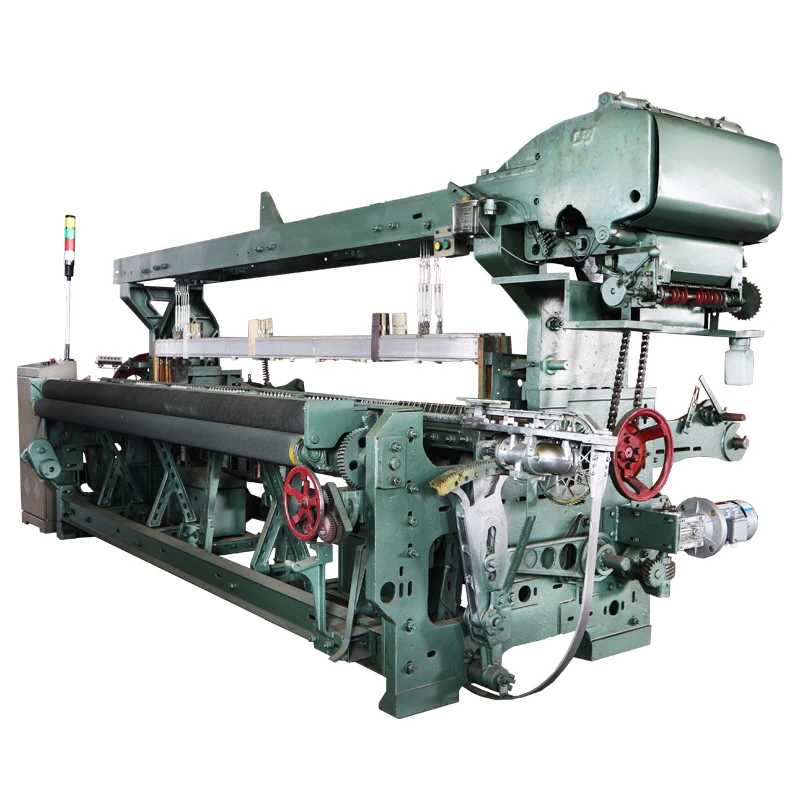
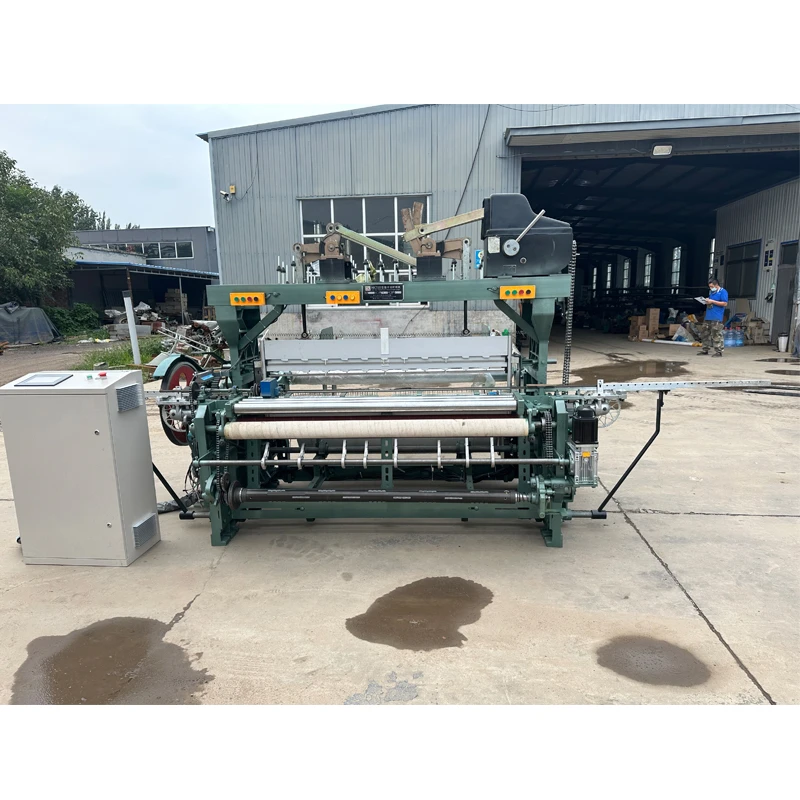
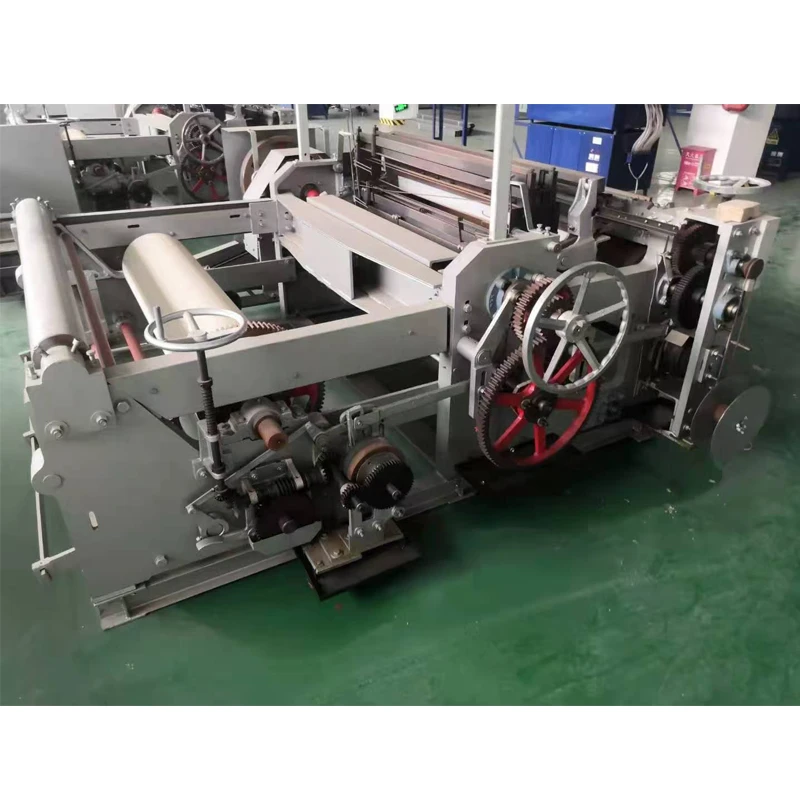
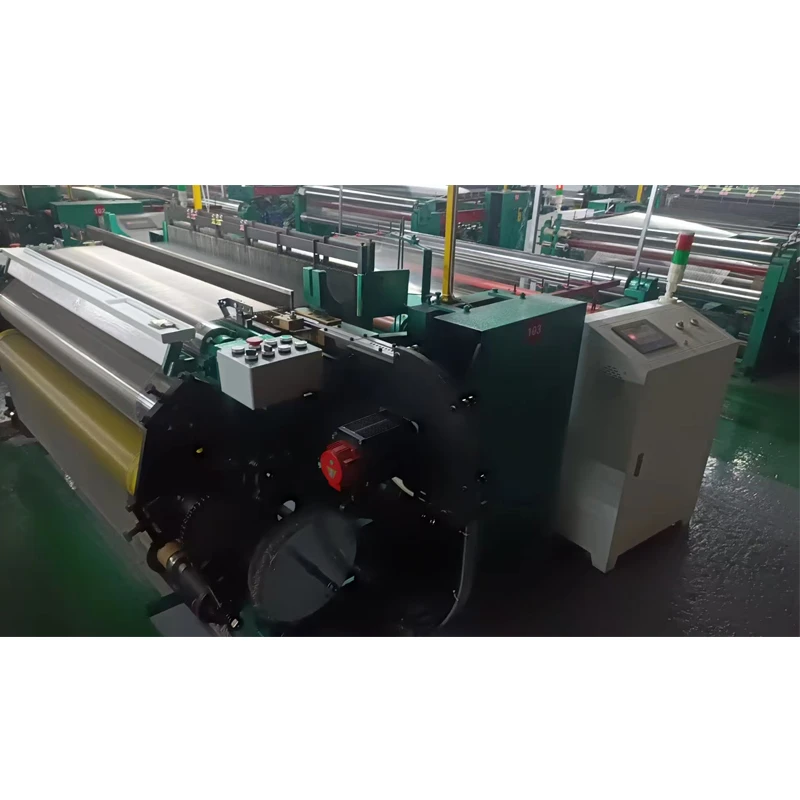
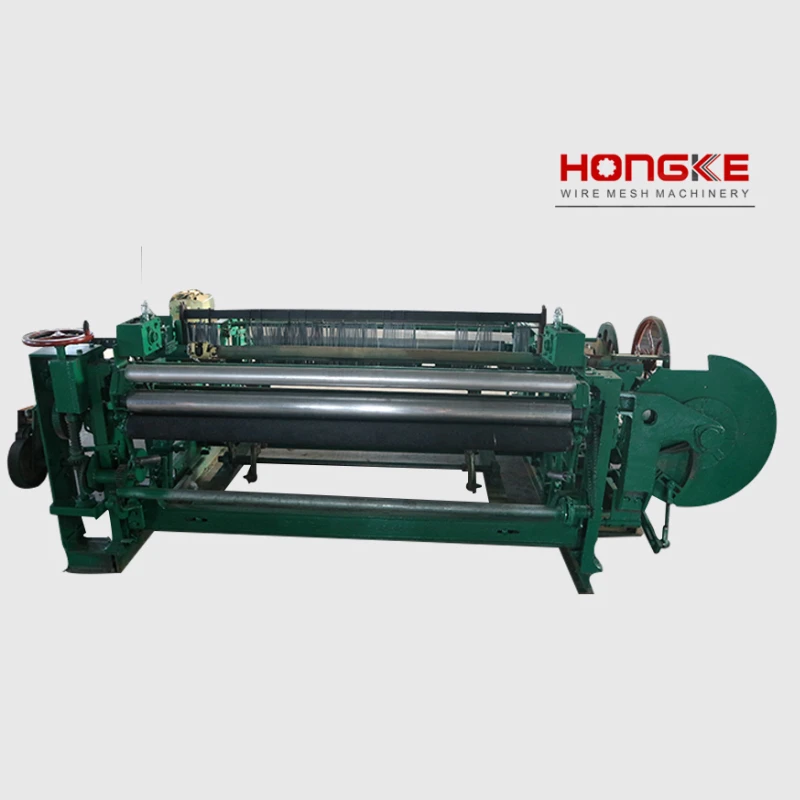
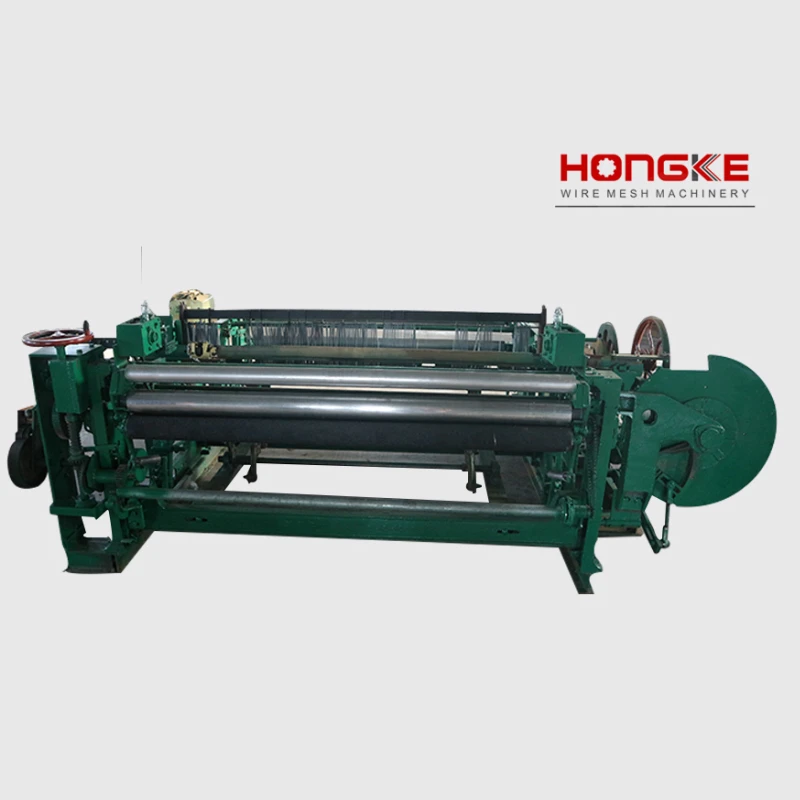
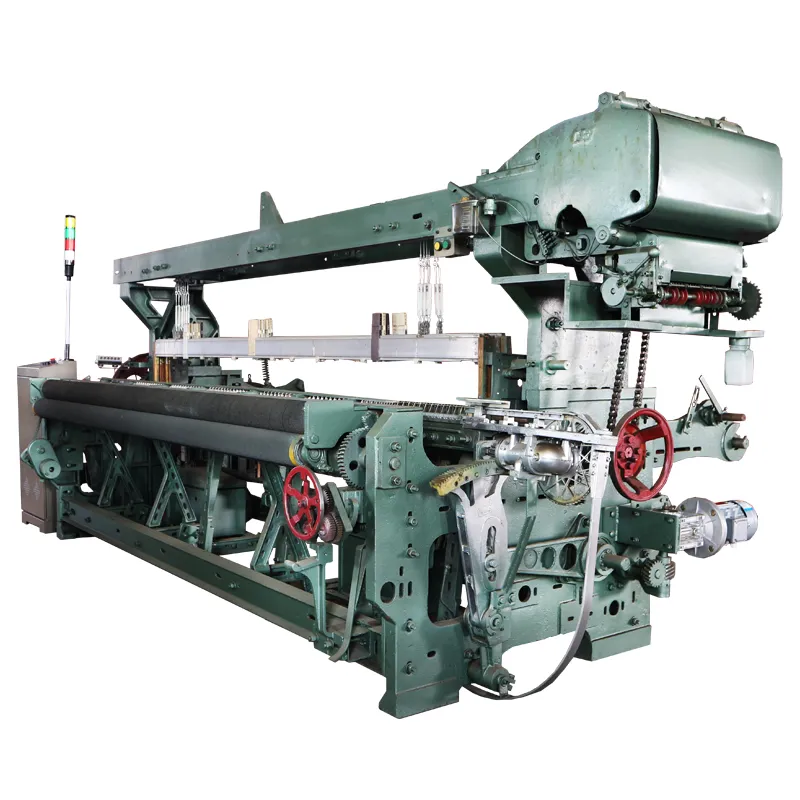
Having spent more than a decade tinkering with industrial weaving equipment, I can say the rapier machine really stands out as an unsung hero of textile manufacturing. Unlike its loom siblings — shuttle or air-jet — the rapier uses a clever mechanical “rapier” or gripper to carry weft yarn back and forth, weaving the fabric with surprising precision and efficiency. Oddly enough, this tech hasn’t changed drastically in core concept for decades, yet the performance improvements today are impressive.
In real terms, rapier weaving machines have found their sweet spot in producing complex fabrics, especially with delicate materials that demand gentle handling below high-speed thresholds. The fact that you can tailor rapier machines to a variety of yarn types — cotton, synthetic blends, even technical fibers — makes them incredibly versatile. I remember a longtime colleague who swore by rapier machines for finishing upholstery fabrics because of the consistent tension control.
From what many engineers say, rapier machines are kind of the perfect middle ground offer: faster than shuttle looms but simpler, and often gentler, than air-jet looms. The mechanical design means maintenance can be straightforward if you’re familiar with the system, but of course, the devil’s in the details — especially with those gripper heads and their adjustments.
Let me share a quick impression regarding product design — the choice of materials for the rapier arms themselves is usually a composite or lightweight metal. It’s essential because you want minimum inertia for the rapier to pivot quickly without causing mechanical strain. High-quality rapier machines often come with proprietary coatings on the gripping parts to reduce wear and tolerate different yarn finishes. This little detail can mean the difference in uptime.
| Specification | Details |
|---|---|
| Weaving width | Up to 320 cm |
| Max speed | 850 picks per minute |
| Weft insertion type | Double rapier (or single rapier variant) |
| Suitable yarn count | Ne 10 to 80 |
| Power consumption | Approx. 4.5 kW |
| Machine weight | Around 3500 kg |
Now, no overview would be complete without a quick look at the competitive landscape. Even within rapier machines, there is a notable variety. Some vendors pitch fully automated setups loaded with electronic monitoring, while others lean on mechanical strength and simplicity, which frankly still serve well in many factories worldwide — especially in developing markets.
| Vendor | Strengths | Weaknesses |
|---|---|---|
| Vendor A | High automation, advanced electronic control systems | Complex maintenance, higher upfront price |
| Vendor B | Robust mechanical design, ease of repairs | Lower max speed, fewer automation features |
| Vendor C | Strong customization options for niche fabrics | Limited global support network |
I think a lot depends on what you prioritize: cost, speed, or ease of maintenance. I once visited a mill that upgraded from an older shuttle loom to a mid-range rapier, and the operator noted the change felt like going from a clunky manual car to a smart little hybrid — smoother, more consistent fabric quality, and noticeably less downtime. It really highlighted how even subtle technical advancements trickle down to better productivity.
Finally, the use of rapier machines isn’t just about hardware. It’s about understanding the yarns, the finishing goals, and the workforce who operate and maintain them. Because no matter how slick the software or precise the engineering, it boils down to real-world know-how and hands-on experience to get the most out of them.
So, if you’re considering adding or upgrading a rapier machine in your workflow, weigh your exact fabric needs and factory conditions carefully — and maybe chat with someone who’s been around the block. These machines have a story, and frankly, they’re worth learning if you care about weaving quality.
References:
1. Textile World, “Advances in Rapier Loom Technology,” 2022
2. Industrial Fabric Journal, “Choosing the Right Weaving Machine,” 2023
3. Personal interviews with industry experts, 2021–2023