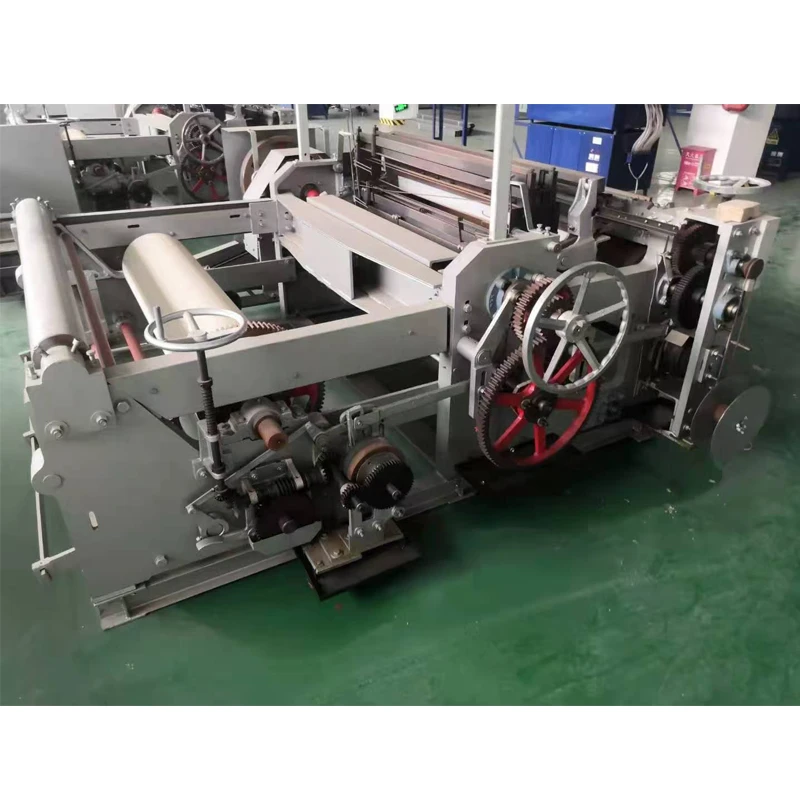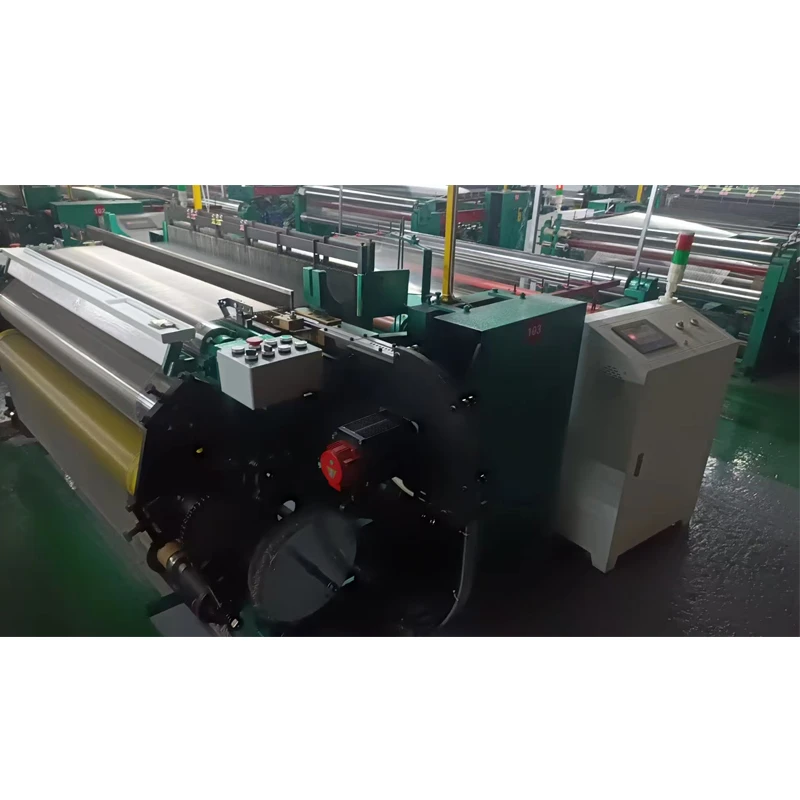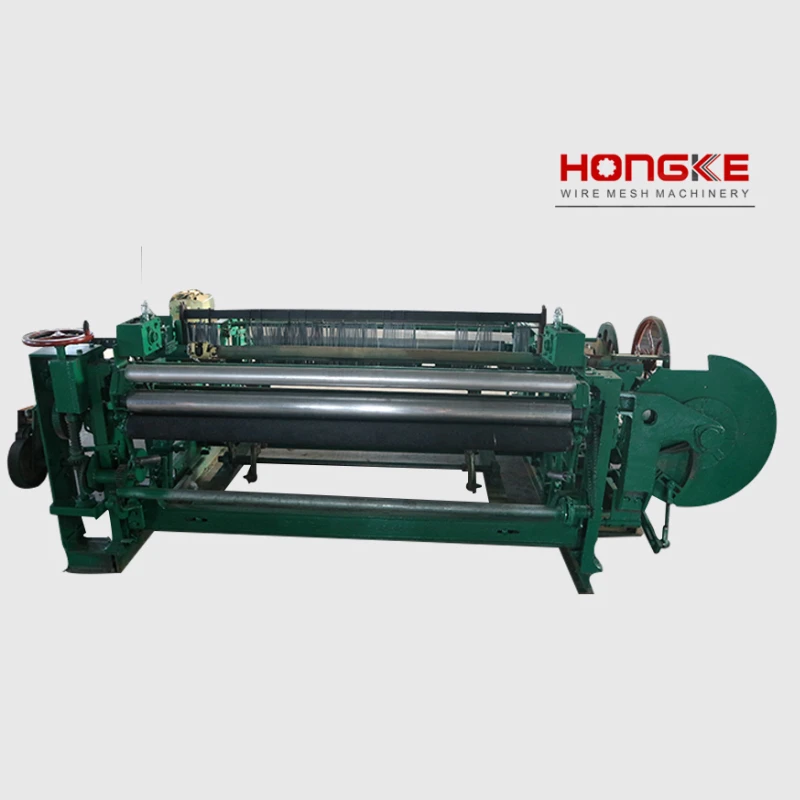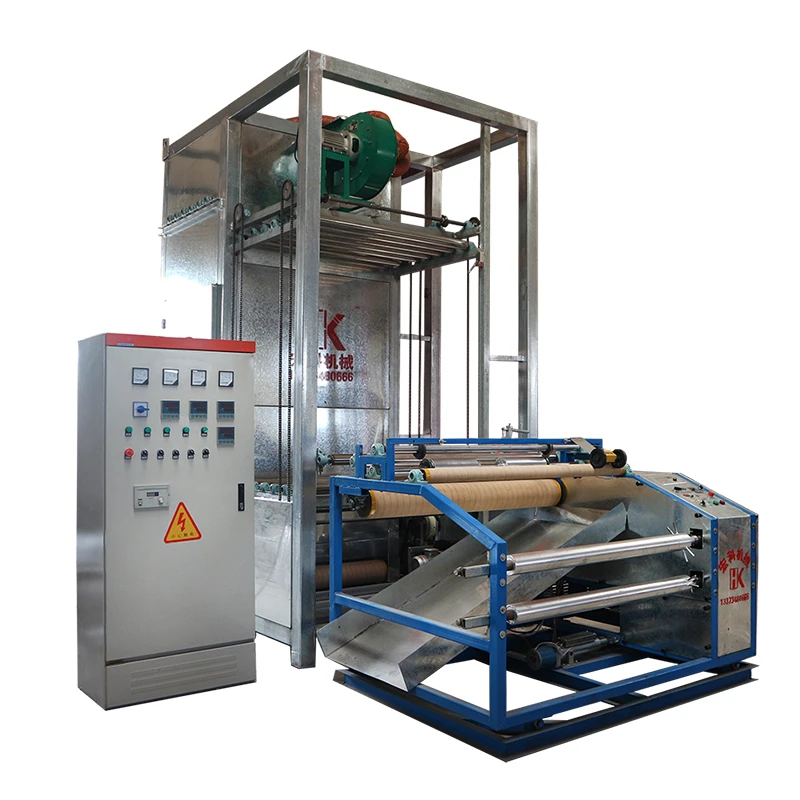



Understanding Rapier Jacquard Machine Price: What You Should Know
Having spent well over a decade in the rapier jacquard machine price arena, I can say one thing for sure: this isn’t just about the numbers on a price tag. Oddly enough, the price reflects not just manufacture costs but also the machine’s build quality, sophistication in design, and even after-sale support. You can chase the cheapest offer and still end up paying far more in downtime and repairs — something many newcomers overlook.
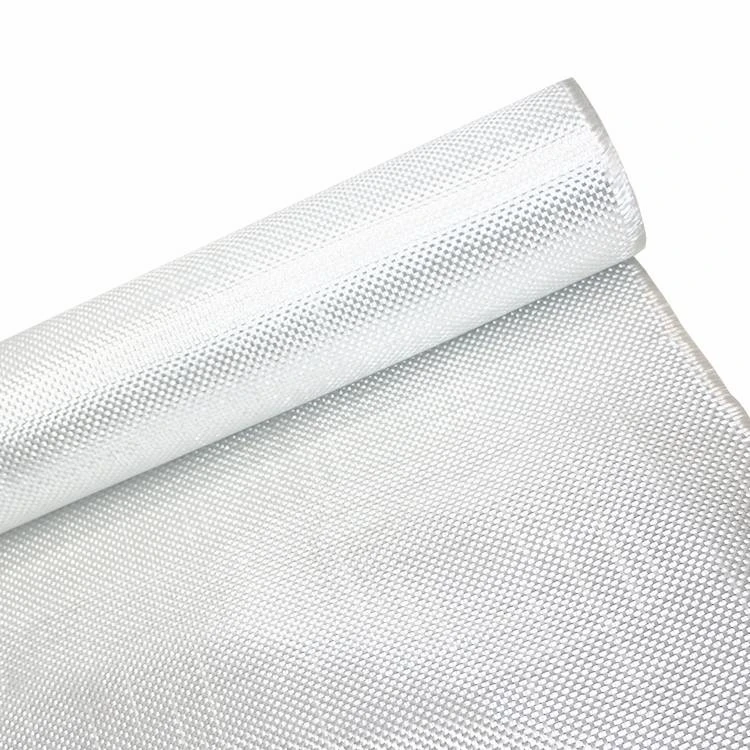
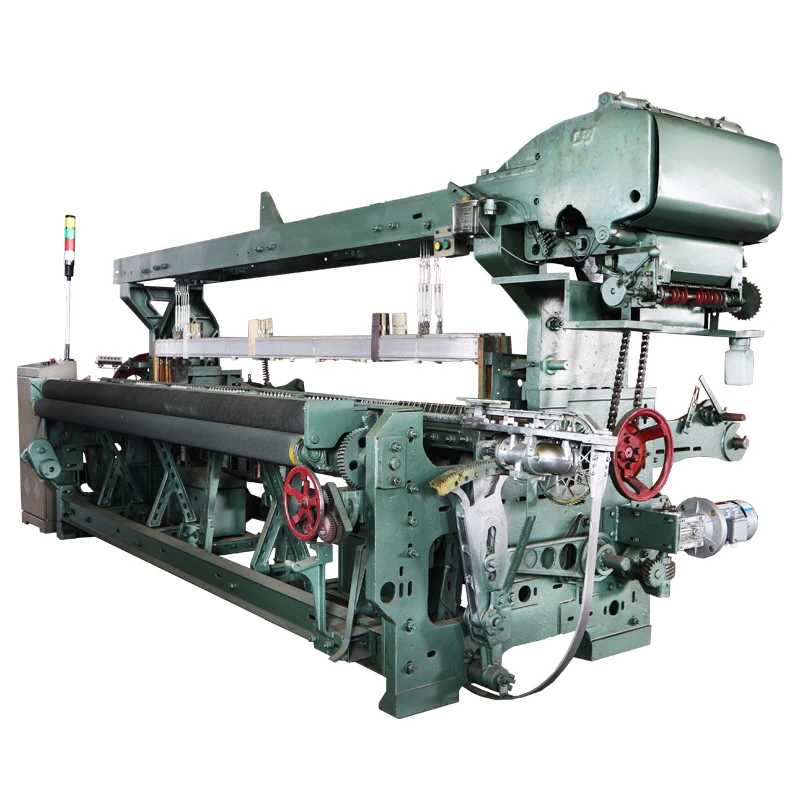
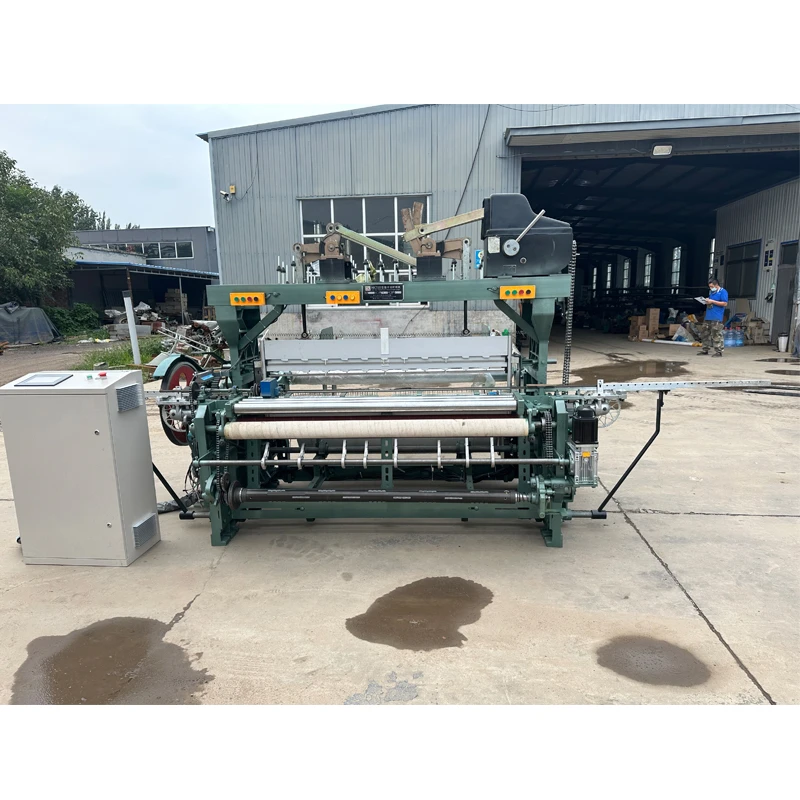
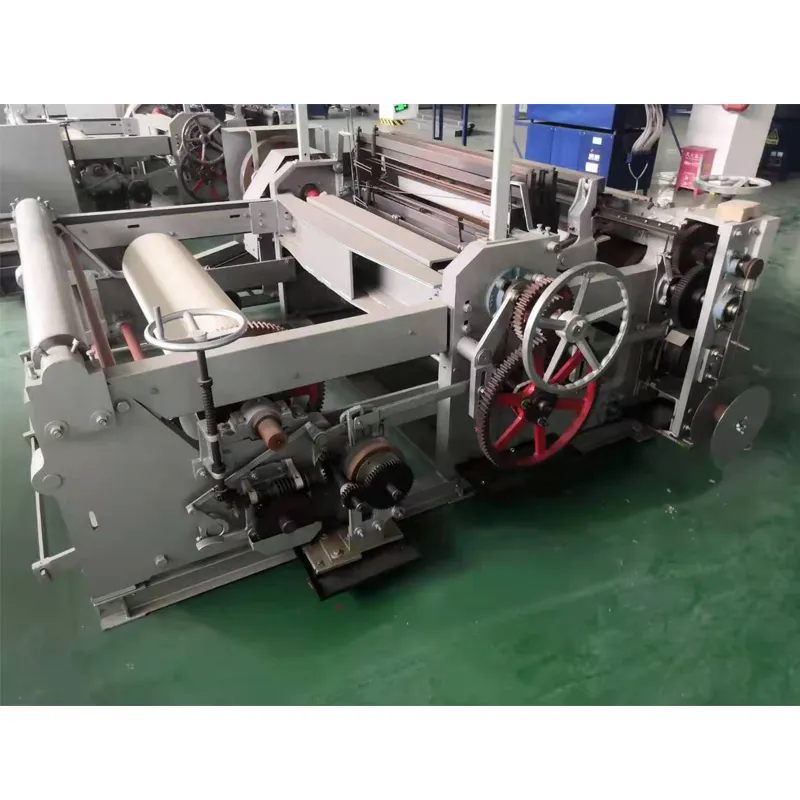
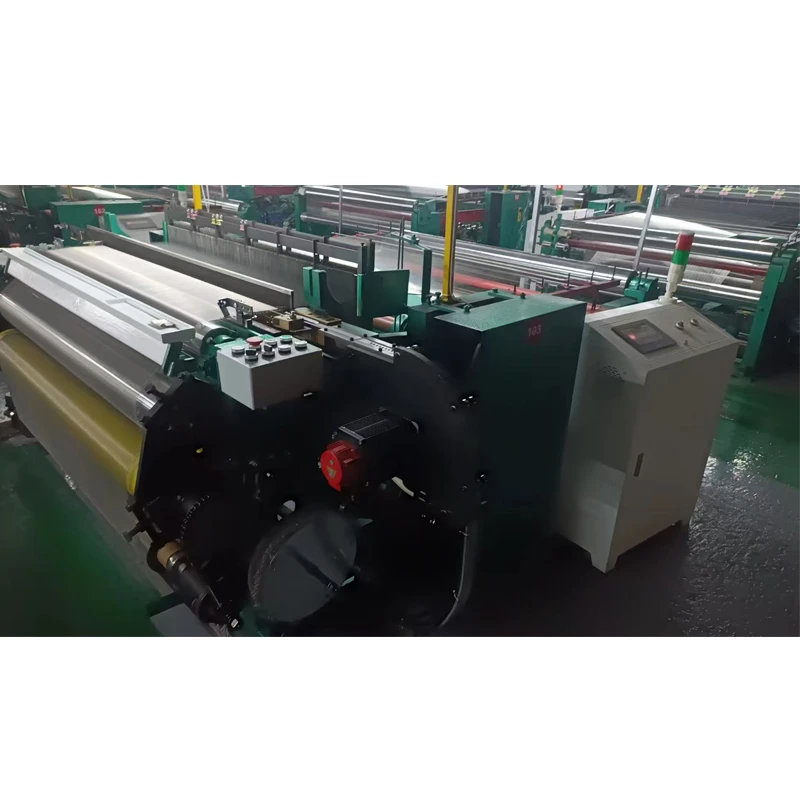
Rapier jacquard machines have become essential for high-quality patterned fabric production. They're incredibly versatile, weaving complex designs with greater speed and flexibility compared to older loom technologies. But here’s where the price puzzle tightens: factors like the head count, weaving width, and control system sophistication all push that initial investment in one direction or another.
From my experience, the core specifications making the most impact on price include the rapier type mechanism—whether single or double—jacquard cylinder size, and the power consumption efficiency. Manufacturers that adopt modern servo control systems and use durable weaving materials tend to price on the higher end, but frankly, the reliability benefits usually pay off.
| Specification | Typical Range/Value | Notes |
|---|---|---|
| Weaving Width | 1900–3600 mm | Varies by model and fabric type |
| Rapier Type | Single / Double | Affects speed & precision |
| Jacquard Cylinder | 800–1344 hooks | Determines complexity of pattern |
| Max Speed | 300–550 RPM | Depends on model and load |
| Power Consumption | 5–12 kW | Newer machines are more energy-efficient |
| Price Range (USD) | $80,000–$150,000+ | Varies with features and vendor |
Now, picking a vendor is just as crucial. I recall a client who went for a cheaper Chinese-made model without considering after-sales support. Within months, inconsistent parts and sluggish servicing ground their operation to a halt. Contrast this with vendors who provide localized support and spare parts readily—they may charge more upfront but ease your headaches down the line.
| Vendor | Price Range (USD) | Support & Service | Customization | Warranty |
|---|---|---|---|---|
| APHK Machinery | $90,000–$140,000 | Excellent, global & local | Highly customizable | 2 years standard |
| Vendor B (Generic Chinese) | $75,000–$115,000 | Limited, slow response | Minimal customization | 1 year limited |
| European Supplier | $120,000–$160,000+ | Very reliable, but costly | High customization | 3 years typical |
Customization is another angle worth noting. You know, many engineers and operators I’ve worked with emphasize how a 'standard' off-the-shelf model never quite fits their full requirements. From jacquard hook counts tailored to particular fabric patterns to bespoke electronic controls suited for integration, customizing is not just a fancy add-on; it’s part of squeezing every penny’s worth out of your investment.
In real terms, testing and quality assurance can't be shortcuts. Reputable manufacturers subject rapier jacquard machines to extensive run trials ensuring consistent tension, minimal yarn breakage, and overall longevity. This sort of diligence comes wrapped inside the price but pays back in fewer stoppages and better fabric quality. I’ve personally seen firsthand how cutting corners here leads to massive frustration in production floors.
Before I forget—one little story: a mid-sized weaving mill in Vietnam switched from dated shuttle looms to a modern rapier jacquard. The upfront price was steep, around $135k for their chosen setup, but within six months, their output improved by nearly 40%. The CEO told me, “We wouldn’t have believed the difference in fabric pattern precision and speed unless we saw it ourselves.” Small anecdotes like that always bring home the real value behind the numbers.
To wrap up: if you're researching rapier jacquard machine price, keep a balance — don’t just eyeball the cheapest, and consider service, specs, warranty, and customization. You sort of get what you pay for, and this sector rewards informed investment.
Thanks for sticking with me through this. Sometimes equipment decisions get muddy with jargon and numbers, but hopefully, these insights make things clearer. If this sparks any questions, feel free to reach out.
— John M., Industrial Textile Equipment Specialist
References:
1. Manufacturer spec sheets and user manuals
2. Field reports from industry conferences 2019–2023
3. Interviews with textile mill managers across Asia