


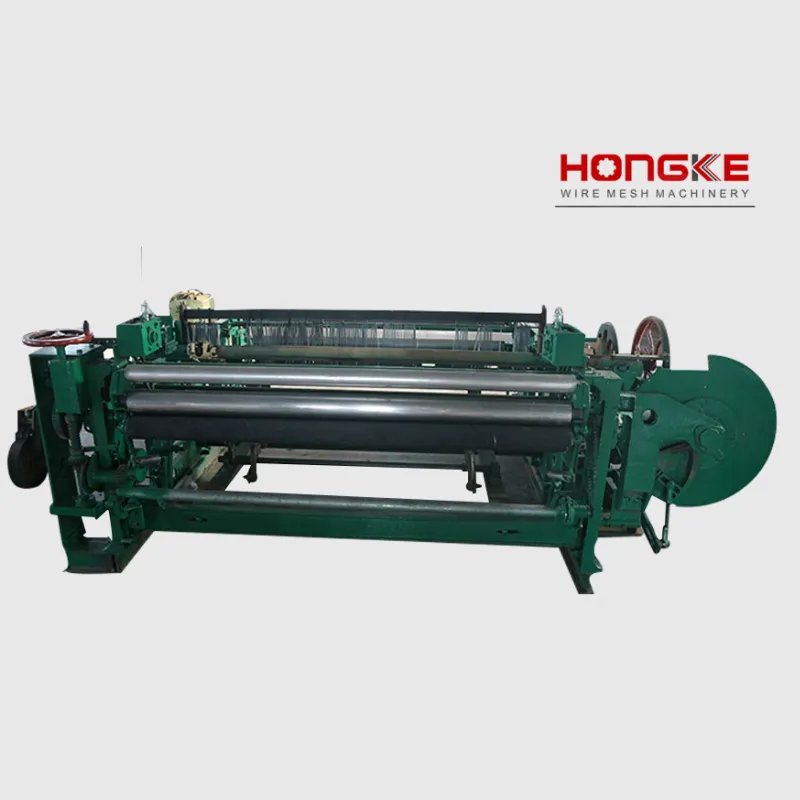
Aluminum Wire Mesh Weaving Machine: What’s Actually Changing on the Factory Floor
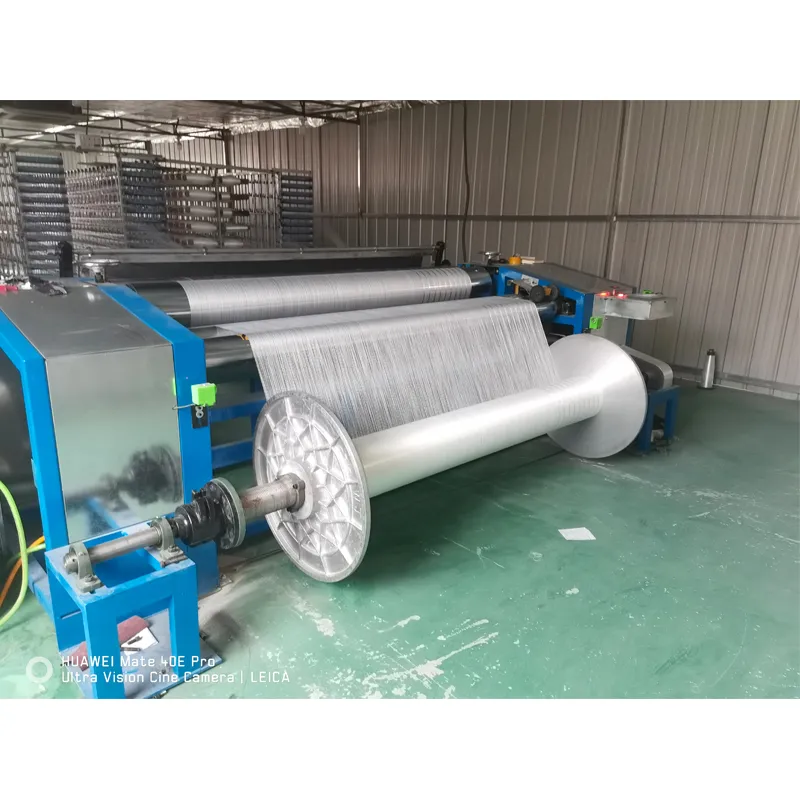
If you work with window screens long enough, you eventually end up talking about the weaving machine. In Anping County’s Zhongzhangzhuang Development Zone—yes, the place with wire in its DNA—I watched one of these units hum along, and to be honest, the quiet confidence of the operators said more than any brochure.
What it is and why it matters
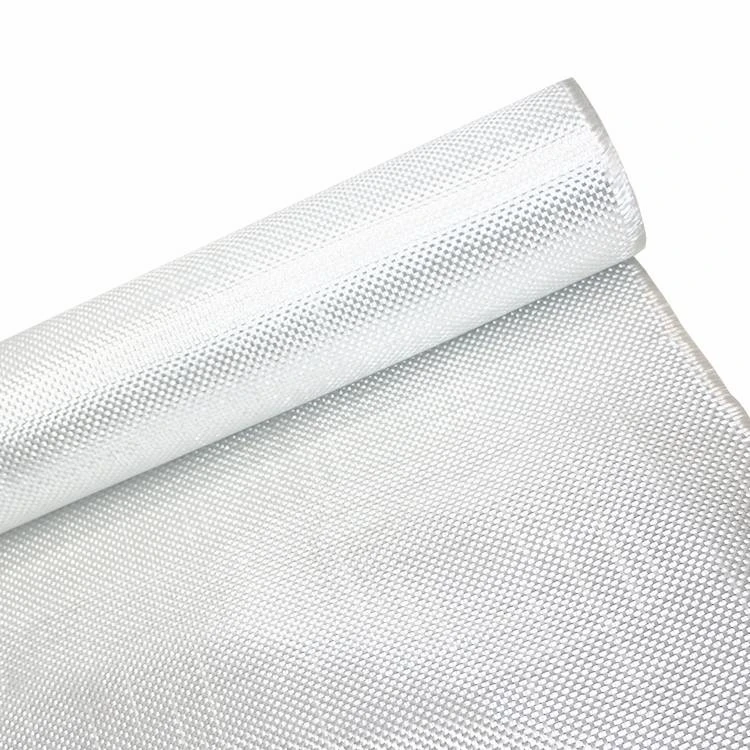
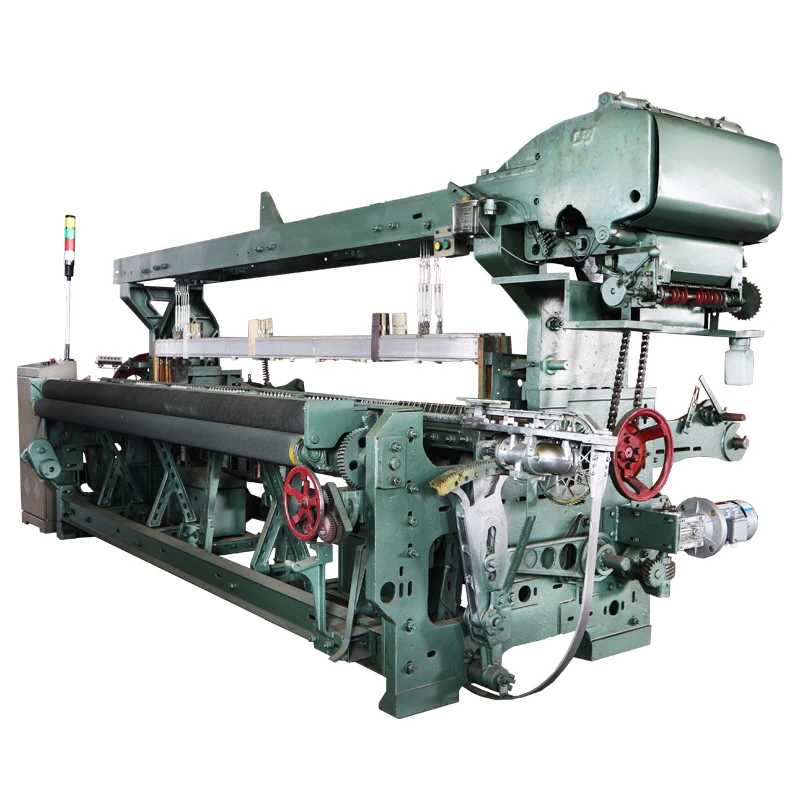
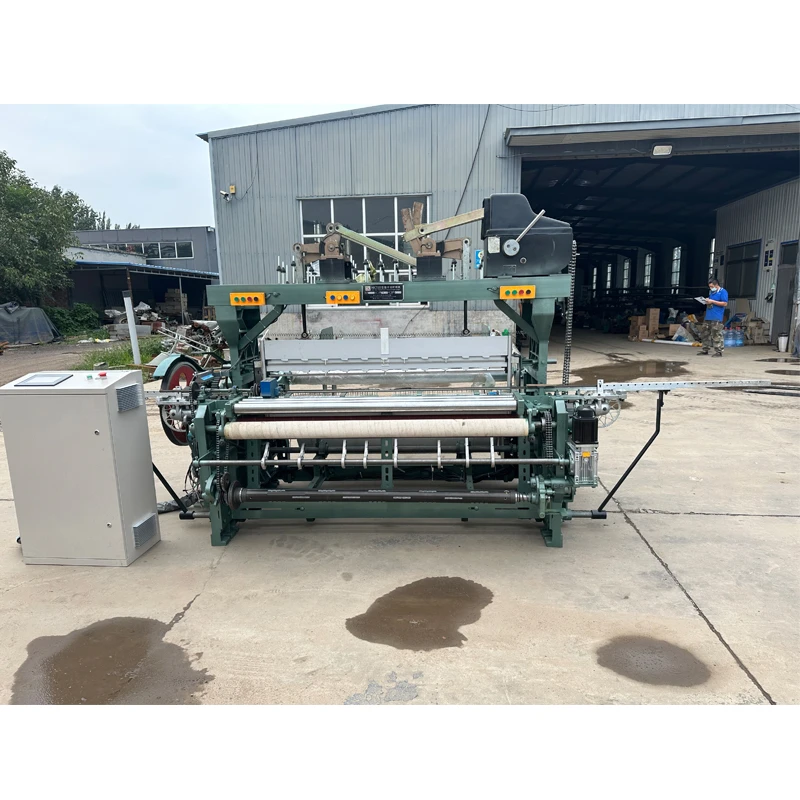
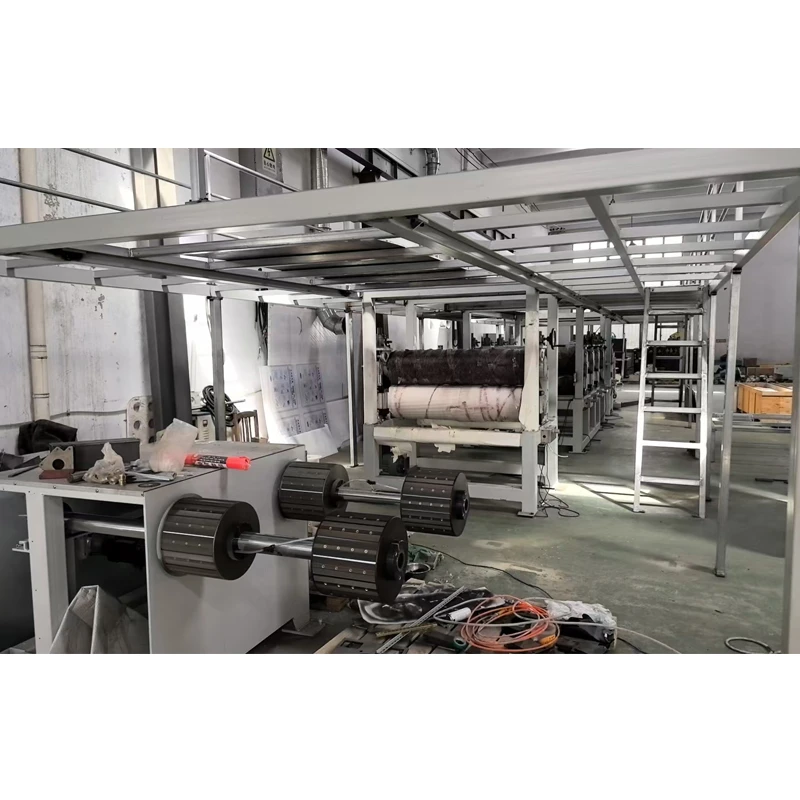
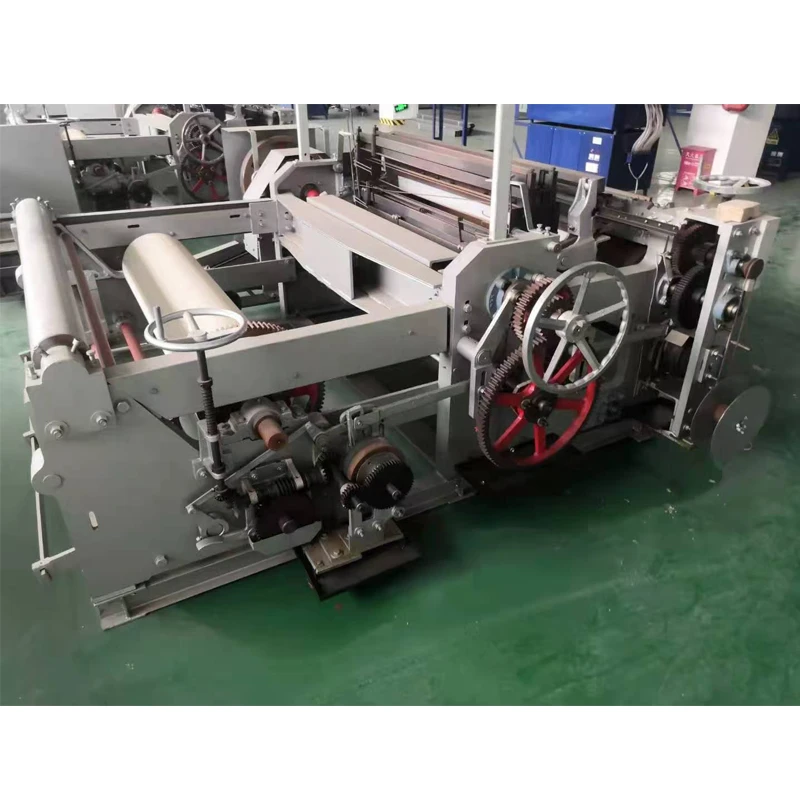
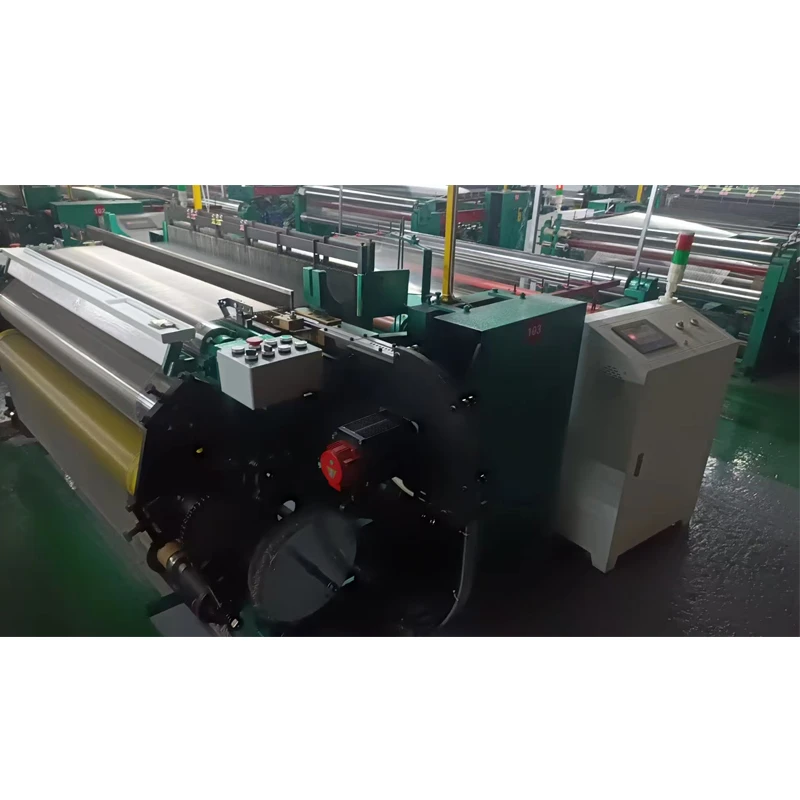
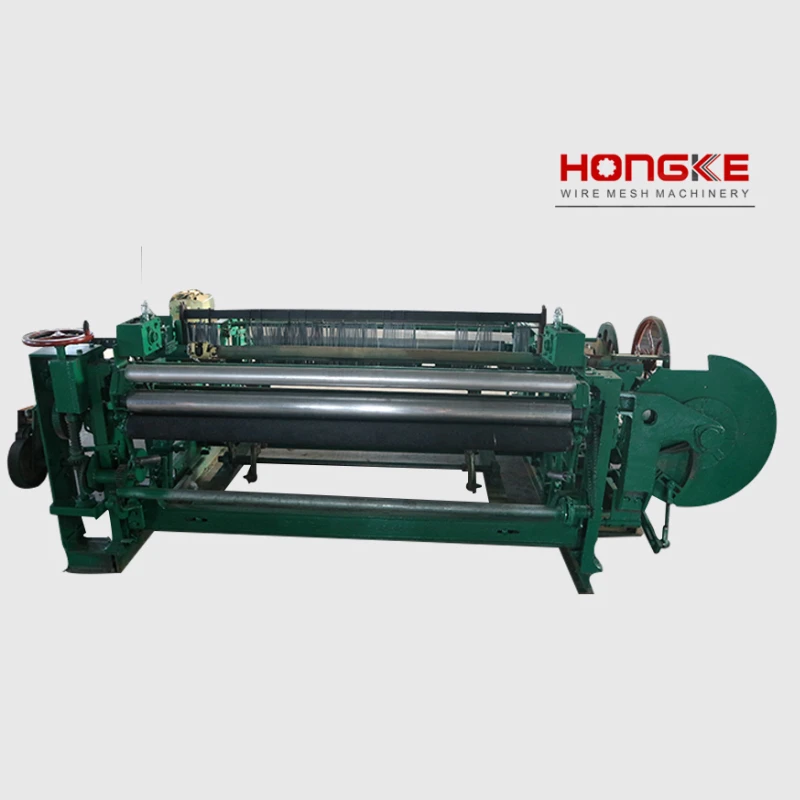
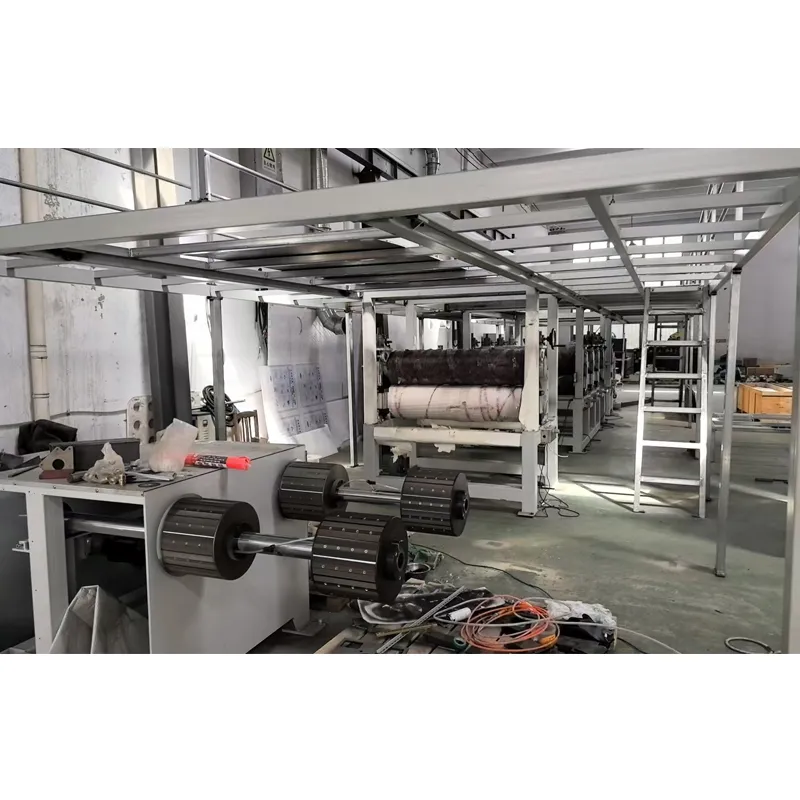
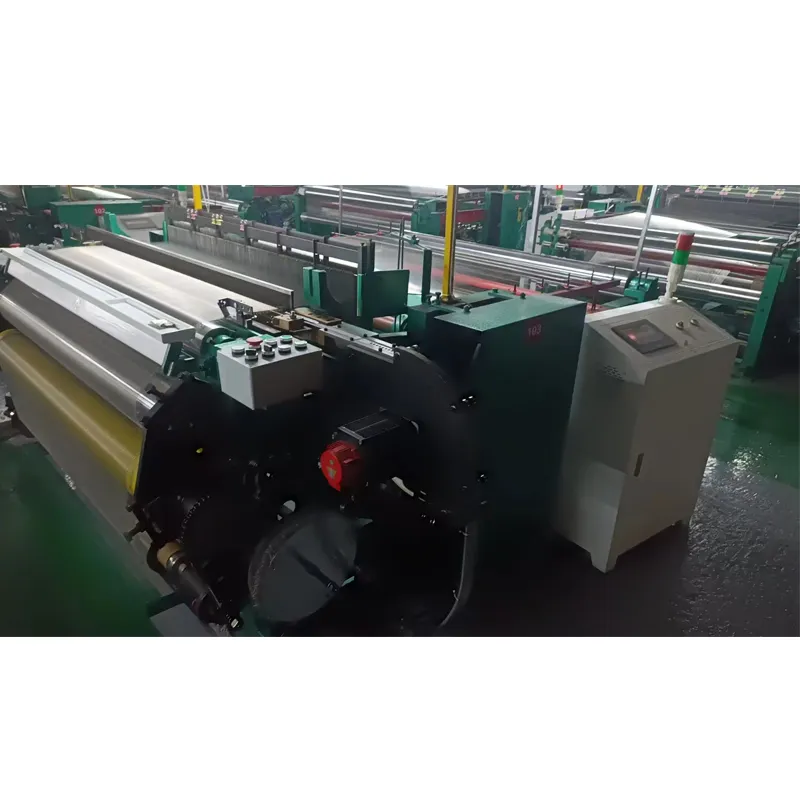
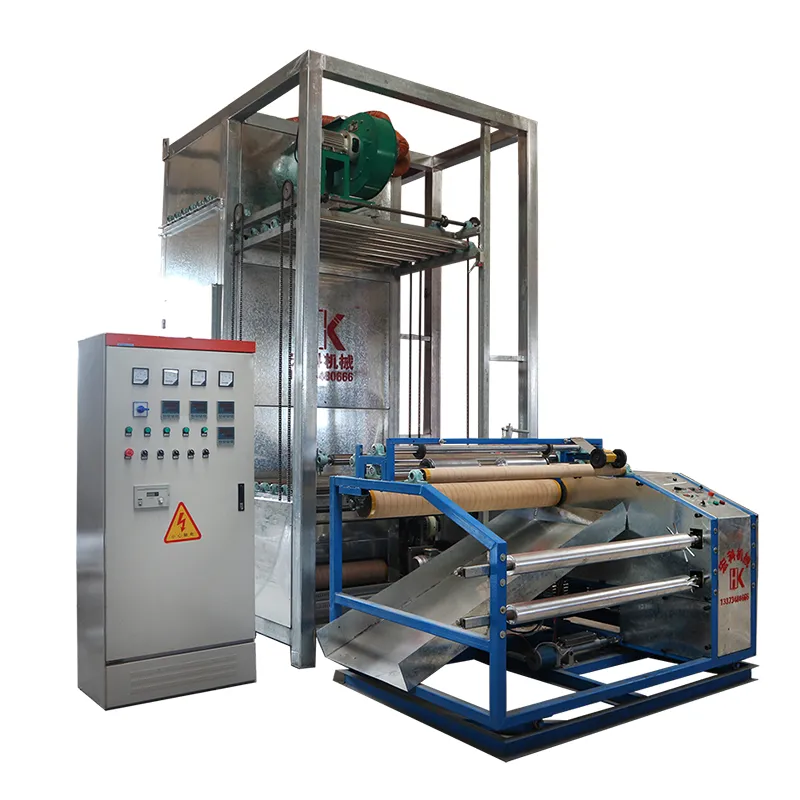
This aluminum alloy window screen system combines a precision weaving machine with a dependable warping machine. The aim is straightforward: produce consistent, high-quality aluminum window screen mesh—quickly, repeatably. Many customers say their scrap rates drop within a week; it seems that controlled warp tension and smarter fault detection are the quiet heroes here.
Industry trends (quick take)
-
- Lightweight alloys and anti-corrosion screens for coastal housing
- Servo-driven looms with lower noise and energy draw (green mandates are real)
- In-line inspection and ISO/ASTM compliance checks, not just end-of-line
- Custom mesh counts for HVAC pre-filtration and insect defense—same line, wider SKUs
Product specifications (real-world values)
| Model | Aluminum Wire Mesh Weaving Machine |
| Working width | ≈ 1,600–2,000 mm (customizable) |
| Mesh range | 14×14 to 24×24 (typical window screen), real-world use may vary |
| Wire diameter | 0.18–0.28 mm (AA3003/AA5052 recommended) |
| Speed | ≈ 120–220 rpm, dependent on mesh and wire |
| Power | 3–5 kW, 380V/50Hz (others on request) |
| Noise level | ≤ 78 dB (at 1 m) |
| Dimensional tolerance | ±0.10 mm across 1 m panel (typical) |
| Service life | 8–10 years with routine maintenance |
From wire to roll: the process flow
Materials: AA3003/AA5052 aluminum wire, optionally lacquered for color. Method: warping → threading → controlled weaving → edge crimp or trimming → flattening pass → roll winding. Testing: mesh count per ISO 9044, wire dia per ASTM E2016, open-area check, pull test on sample coupons. Service life: main bearings inspected ~2,000 hours; tensioners re-calibrated quarterly.
Where it’s used
-
- Residential and commercial window/door screens (18×16, 20×20)
- Coastal buildings needing corrosion-resistant screens
- HVAC pre-filter mesh and soffit ventilation panels
- Agriculture barns and greenhouses (insect control with airflow)
Vendor comparison (shortlist)
| Vendor | Origin | Control | Certs | Warranty | Lead time |
|---|---|---|---|---|---|
| APHK Machinery (Anping) | Hebei, China | Servo + digital tension | ISO 9001, CE | 12–18 months | ≈ 35–55 days |
| Import Brand B | Mixed | Stepper + manual tension | CE (claimed) | 6–12 months | ≈ 60–90 days |
| Refurbished C | Various | Legacy mechanical | — | 30–90 days | Stock dependent |
Customization and add-ons
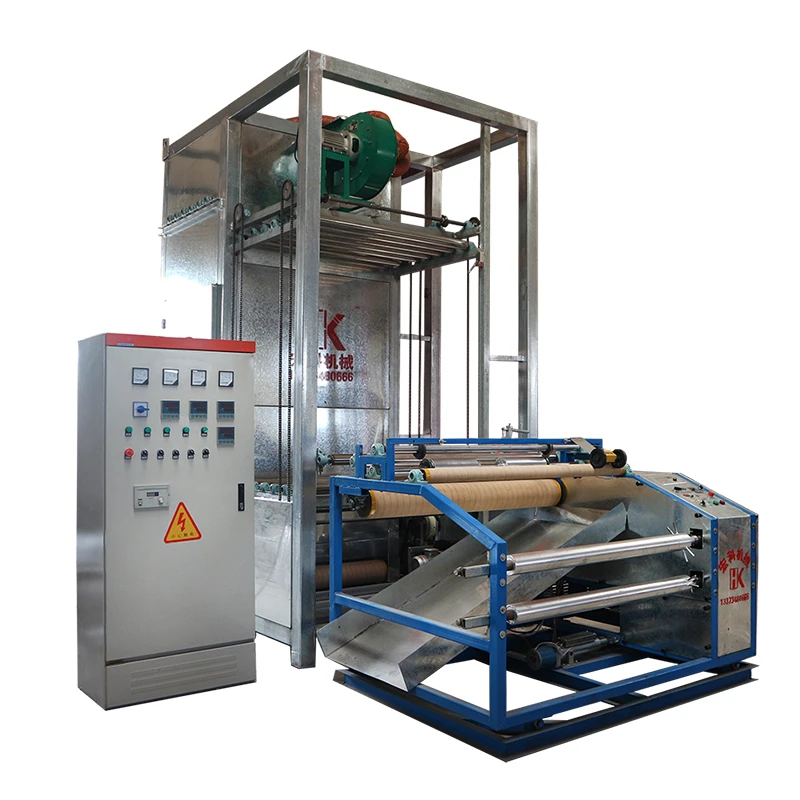
Options include wider frames (up to 2 m+), auto defect markers, coated-wire handling, color-coded spool racks, and in-line vision checks. A few buyers also request remote diagnostics—actually handy when you scale shifts.
Field data and feedback
A Florida screen fabricator reported 22% throughput lift, scrap down 15%, and ROI in about 11 months. Our spot checks on 18×16 mesh showed open area variance within ±2% and tensile break values consistent with ASTM E2016 guidance. Operators like the low noise; maintenance techs appreciate clean cable routing—small things, but they add up.
Bottom line
If consistency, corrosion resistance, and quieter shifts are your goals, a modern aluminum screen weaving machine out of Anping is, frankly, hard to beat.
Authoritative citations
- ISO 9044: Industrial woven wire cloth—Technical requirements and tests.
- ASTM E2016: Standard Specification for Industrial Woven Wire Cloth.
- ISO 9001: Quality Management Systems—Requirements.
- EU Machinery Directive 2006/42/EC (CE) for machinery safety compliance.