


Mosquito Net Punching Machine: A Comprehensive Guide
The demand for mosquito nets is consistently high, driven by global health initiatives and the need to prevent mosquito-borne diseases. Efficient and reliable production is crucial for meeting this demand. A mosquito net punching machine plays a pivotal role in this process, creating the precise holes necessary for optimal net functionality. This article will provide a detailed overview of these machines, their benefits, types, applications, and factors to consider when choosing the right one for your business. Investing in a quality punching machine directly translates to increased production capacity and higher quality mosquito nets.
Understanding Mosquito Net Punching Machines
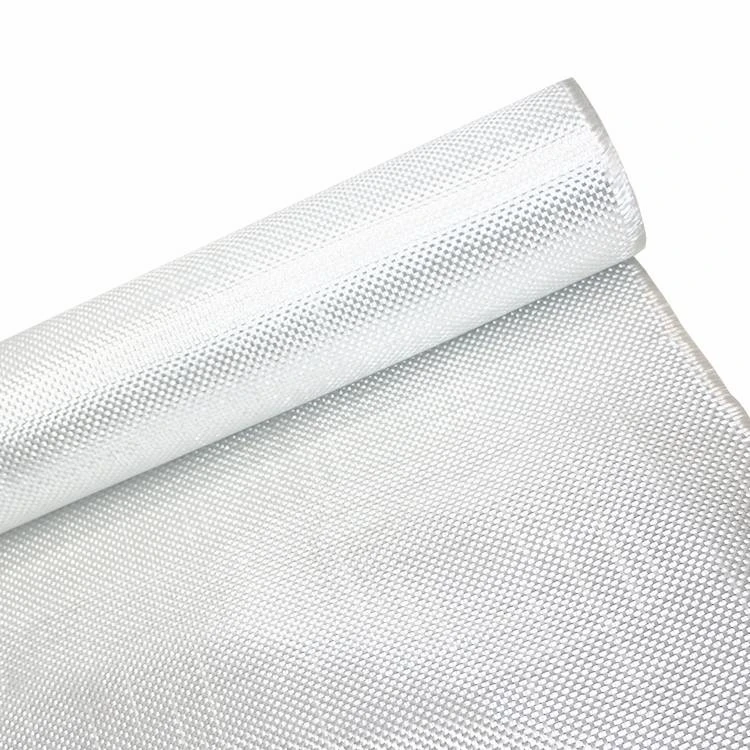
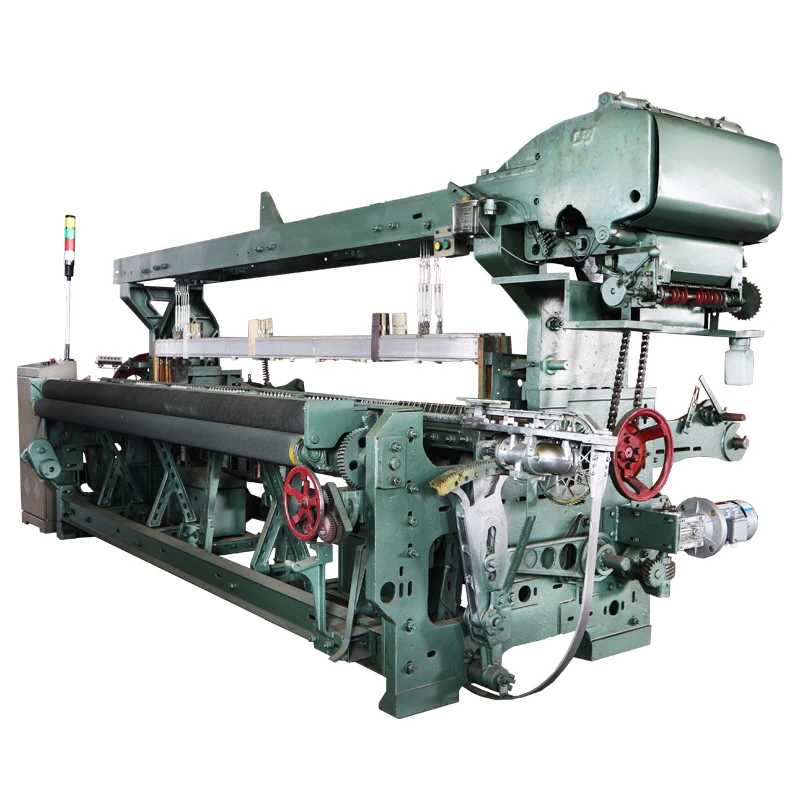
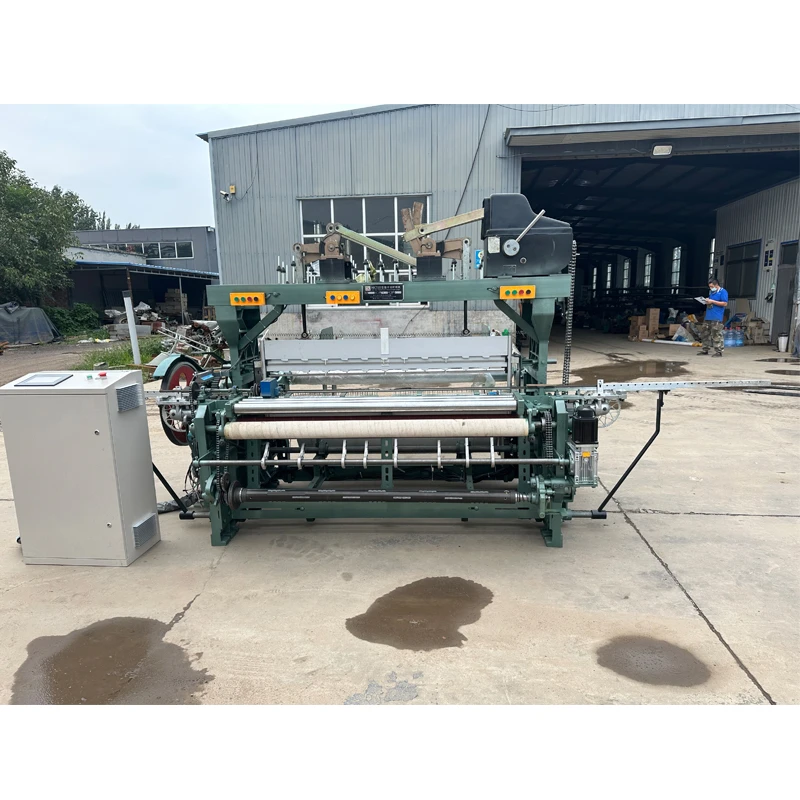
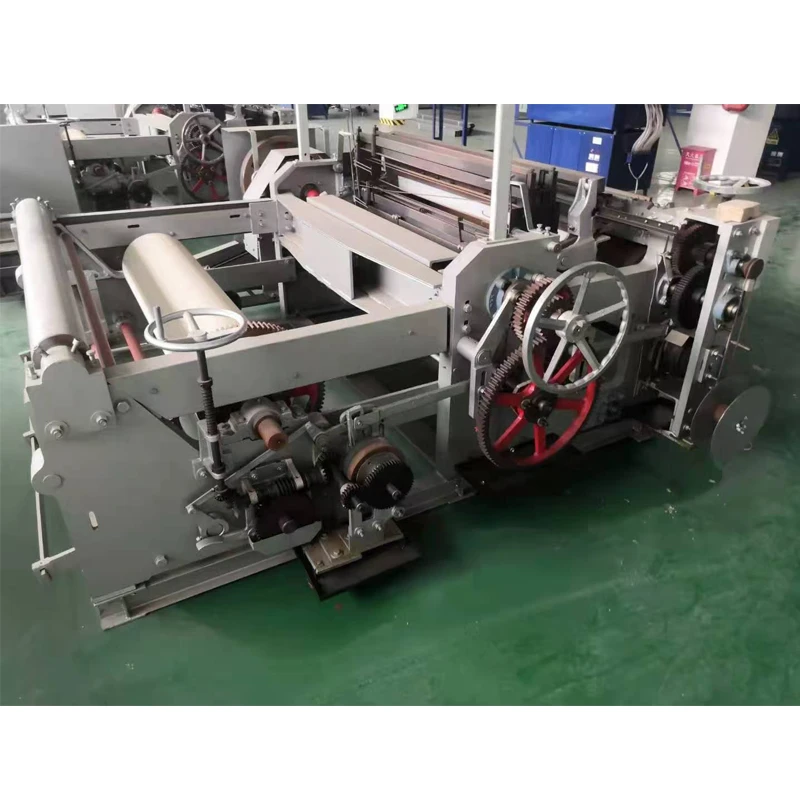
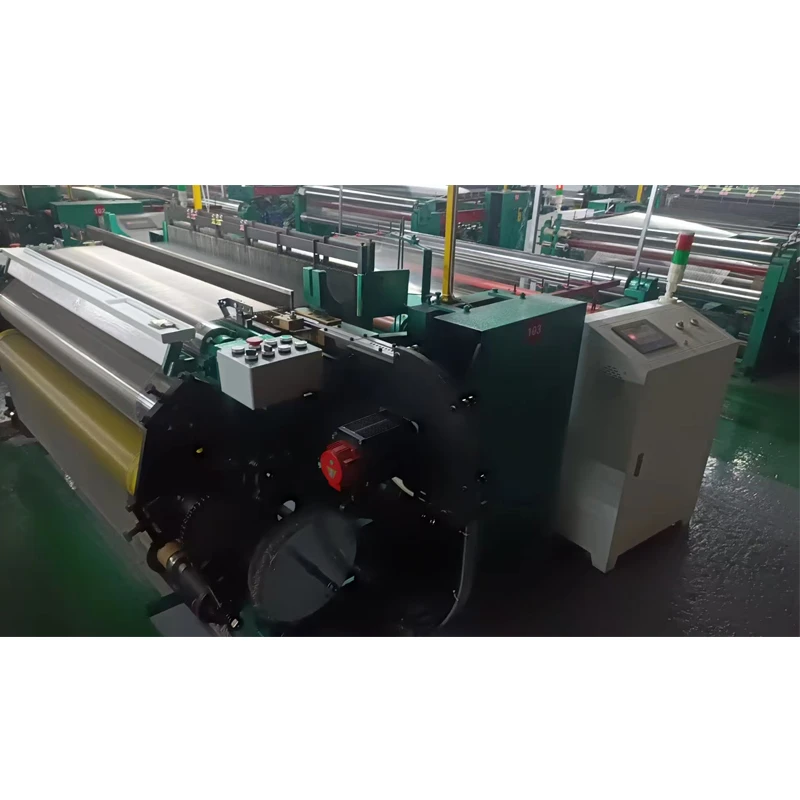
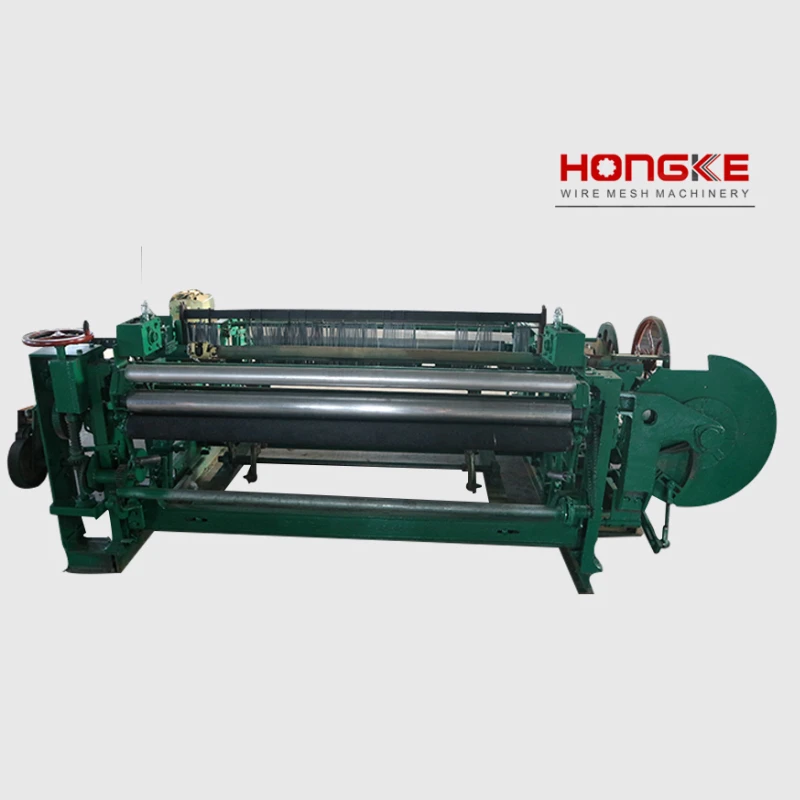
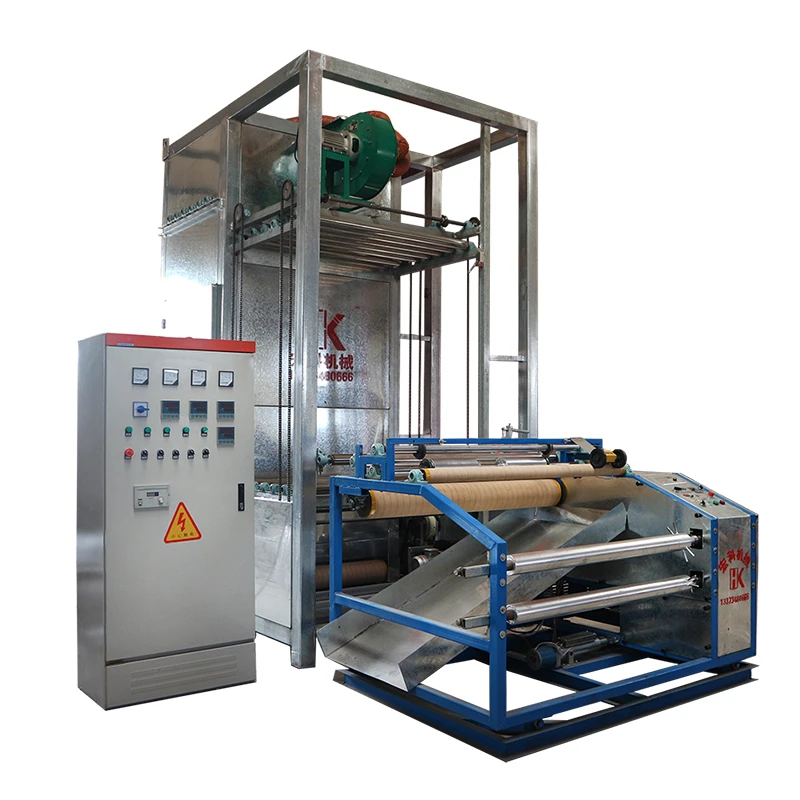
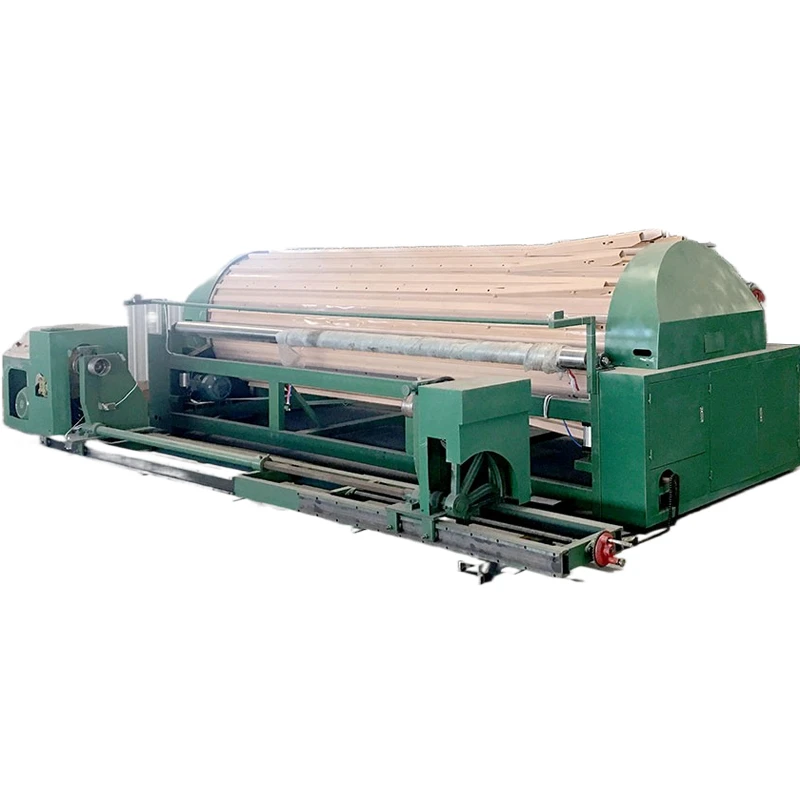
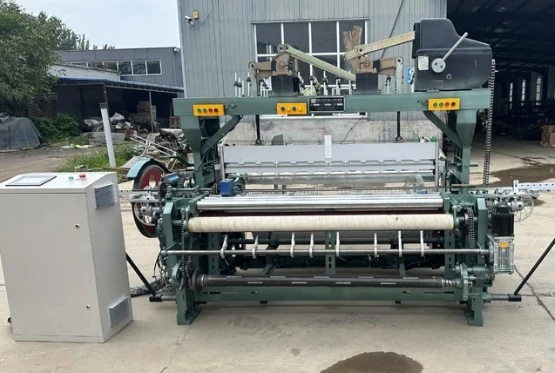
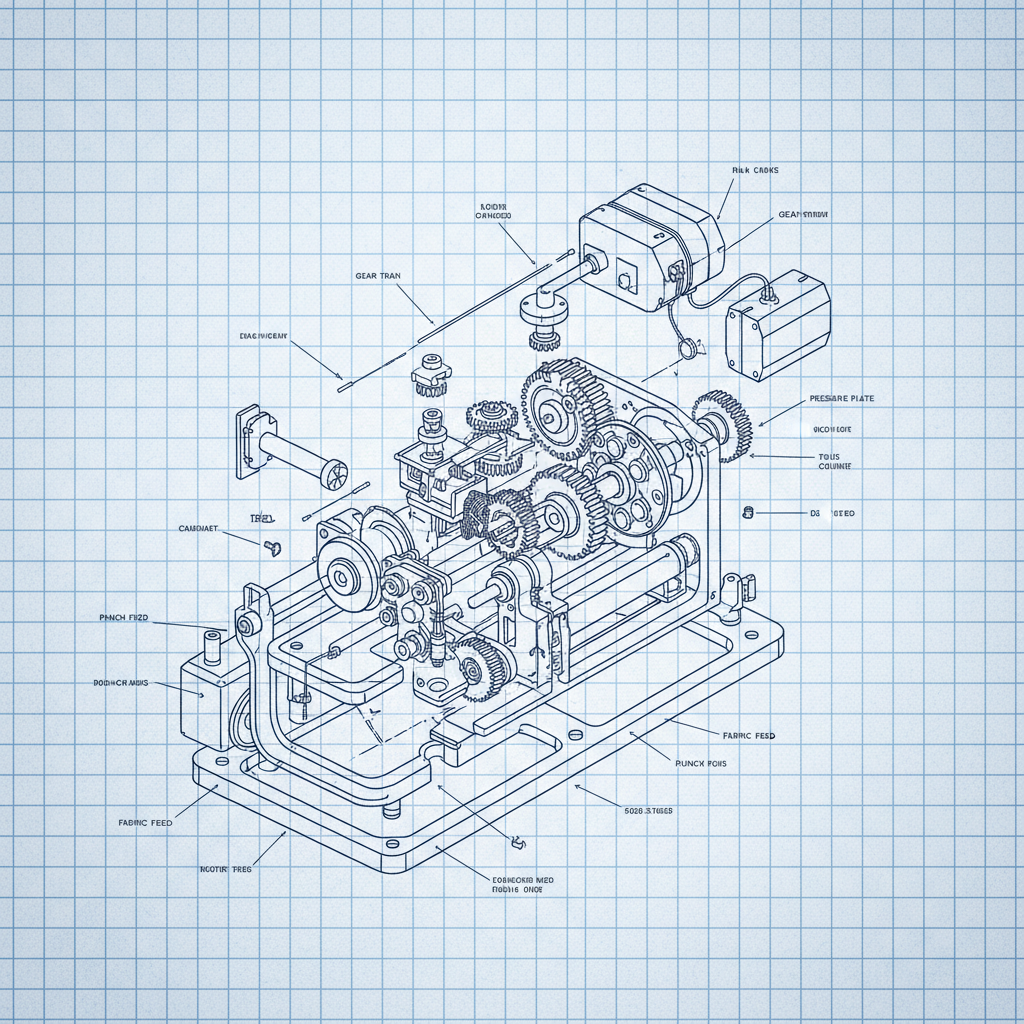
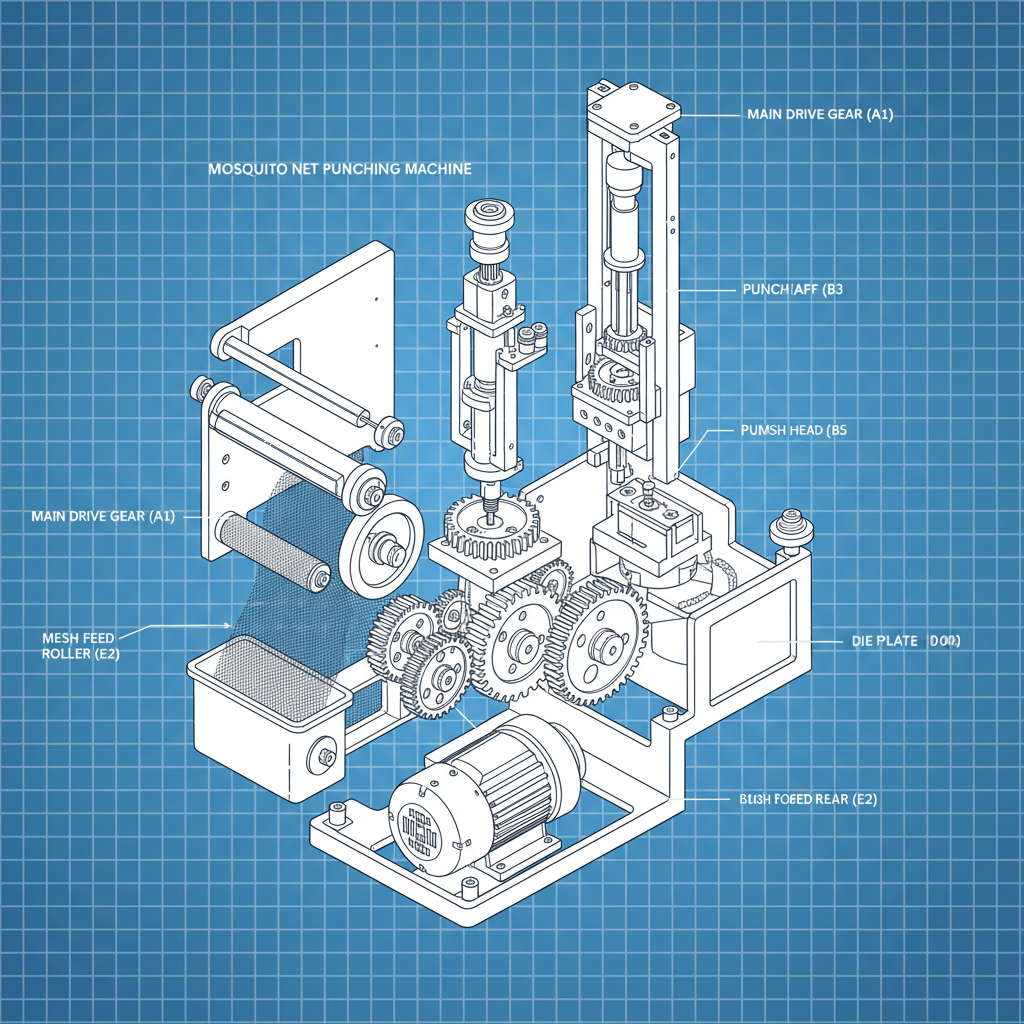
A mosquito net punching machine is specifically designed to create uniform and precisely sized holes in mosquito netting fabric. These holes are essential for allowing air circulation while effectively preventing mosquitoes from entering. The machines utilize various mechanisms, including punches, dies, and advanced control systems, to achieve this precision. The quality of the punching directly impacts the net’s durability, airflow, and effectiveness in disease prevention. Different materials require different punching configurations and speeds, and a versatile machine can handle a wider range of fabric types. APH Machinery offers a selection of machines designed to meet diverse production needs.
Key Benefits: Precise hole creation, increased production speed, consistent quality, reduced fabric waste, and improved net effectiveness.
Types of Mosquito Net Punching Machines
Several types of mosquito net punching machines are available, each with its own advantages and disadvantages. The most common include:
- Mechanical Punching Machines: These machines use a mechanical punch driven by a motor. They are generally more affordable but may have lower production speeds.
- Pneumatic Punching Machines: Using compressed air to power the punch, these machines offer faster speeds and greater precision than mechanical models.
- Automatic Punching Machines: Equipped with automated feeding and control systems, these machines provide the highest levels of efficiency and minimal operator intervention.
- CNC Punching Machines: Employing computer numerical control, these machines offer unmatched precision and flexibility for complex punching patterns.
The best type of machine depends on your production volume, budget, and desired level of automation. APH Machinery's range includes both pneumatic and automatic models, catering to a broad spectrum of customer requirements.
Machine Comparison:
• Mechanical: Low cost, lower speed.
• Pneumatic: Faster, more precise, moderate cost.
• Automatic: High speed, minimal labor, higher cost.
• CNC: Highest precision, flexible patterns, highest cost.
Factors to Consider When Choosing a Mosquito Net Punching Machine
Selecting the right machine requires careful consideration of several factors. These include:
- Production Capacity: How many nets do you need to produce per hour or day?
- Fabric Type: The machine should be compatible with the specific type of netting material you use.
- Hole Size and Pattern: Ensure the machine can create the required hole size and pattern accurately.
- Automation Level: Determine the level of automation that best suits your operational needs and budget.
- Maintenance Requirements: Consider the ease of maintenance and availability of spare parts.
- Budget: Establish a realistic budget that includes the cost of the machine, installation, and ongoing maintenance.
Evaluating these factors will help you narrow down your options and choose a machine that meets your specific requirements.
Applications Beyond Mosquito Nets
While primarily used for mosquito net production, these punching machines can also be adapted for other applications involving fabric perforation. This includes creating holes in agricultural netting, filter cloths, and certain types of industrial textiles. The versatility of the equipment adds to its value, allowing businesses to expand their product offerings and cater to a wider range of markets.
Conclusion: Investing in Efficient Production
A high-quality mosquito net punching machine is an essential investment for any business involved in mosquito net manufacturing. By carefully considering your production needs and selecting the right machine, you can significantly improve efficiency, reduce costs, and enhance the quality of your products. APH Machinery provides reliable and innovative solutions to meet your specific requirements.
Frequently Asked Questions (FAQs)
What type of maintenance is required for a mosquito net punching machine?
Regular maintenance is crucial for ensuring optimal performance and longevity. This typically includes daily cleaning of the machine, lubrication of moving parts, and periodic inspection of the punching dies. Compressed air filters (for pneumatic machines) should be cleaned or replaced regularly. It’s also essential to inspect the electrical components for any signs of wear or damage. Refer to the manufacturer's manual for specific maintenance instructions. APH Machinery offers comprehensive maintenance services and readily available spare parts.
What is the typical lifespan of a punching die?
The lifespan of a punching die depends on several factors, including the type of material being punched, the machine's settings, and the frequency of use. Generally, a high-quality die can last for several hundred thousand punches before requiring replacement or sharpening. Regular inspection for signs of wear, such as chipping or deformation, is essential. APH Machinery provides durable dies and die sharpening services to maximize their lifespan.
Can these machines be used with different fabric widths?
Many mosquito net punching machines are designed to accommodate a range of fabric widths. However, it's important to verify the machine's specifications to ensure it can handle your specific fabric width requirements. Some machines may require adjustments or additional tooling to accommodate wider or narrower fabrics. APH Machinery offers machines with adjustable settings to accommodate varying fabric widths.