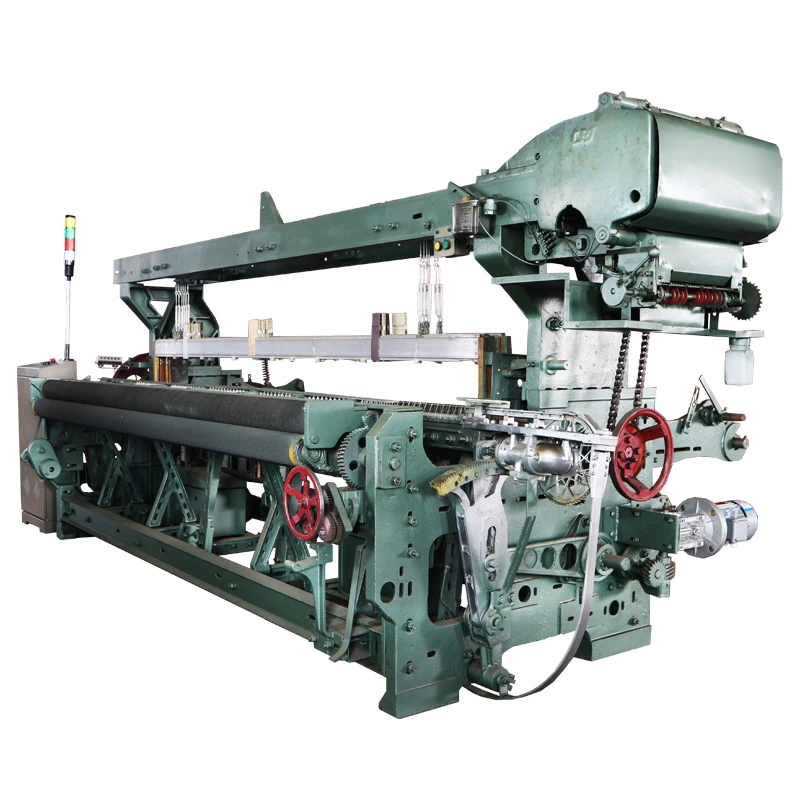



Understanding the Dobby Rapier Loom: Revolutionizing Modern Textile Production
If you’ve ever thought about how textiles go from yarn to fabric in intricate patterns, chances are you’ve brushed against the magic of the dobby rapier loom. This piece of technology isn’t just industrial jargon; it’s a cornerstone of modern fabric manufacturing, impacting everything from fashion to automotive materials. Globally, understanding the dobby rapier loom helps industries balance quality, efficiency, and cost—three key benefits everyone strives for. And frankly, it’s fascinating how tradition and technology meld here.
Global Context: Why the Dobby Rapier Loom Matters Worldwide
The textile industry is a global giant, valued at over $1.5 trillion according to recent World Bank data. Within this vast ecosystem, machinery like the dobby rapier loom plays a critical role in ensuring fabric quality and production speed. It’s especially significant in countries like China, India, and Turkey, major textile hubs where the loom helps manufacturers meet global demands.
However, the industry also wrestles with challenges — environmental concerns, rising raw material costs, and the push for greater automation. The dobby rapier loom provides a nuanced solution by marrying precision with adaptability, reducing waste and speeding up production cycles while handling complex fabric designs with minimal manual input.
What Is a Dobby Rapier Loom?
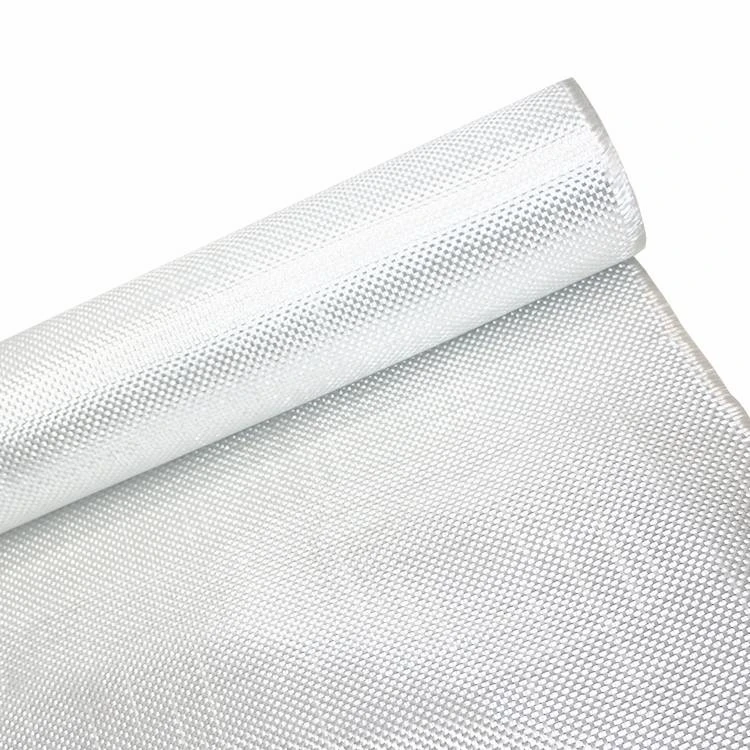
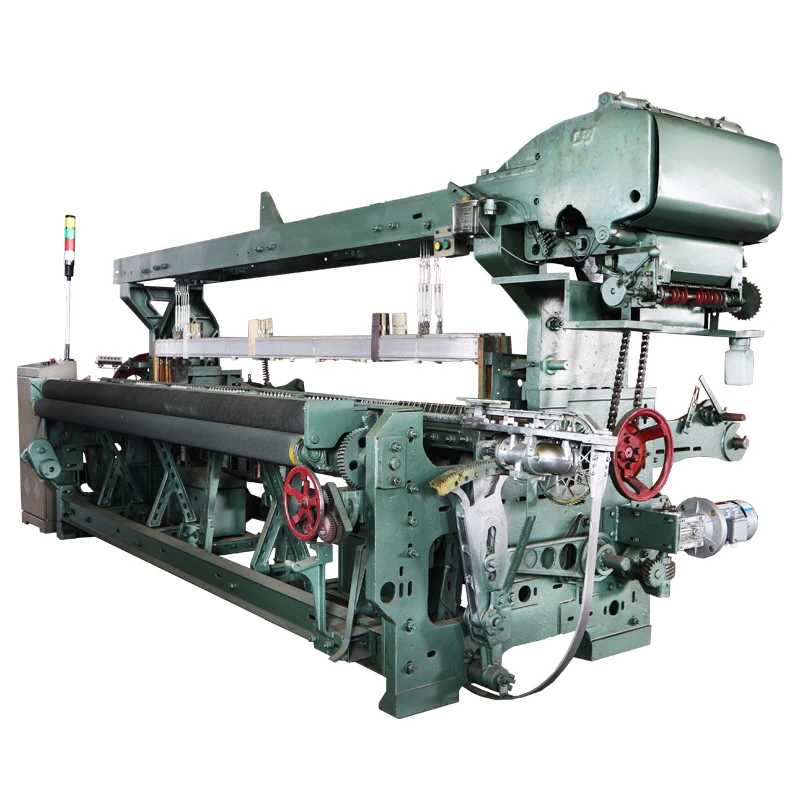
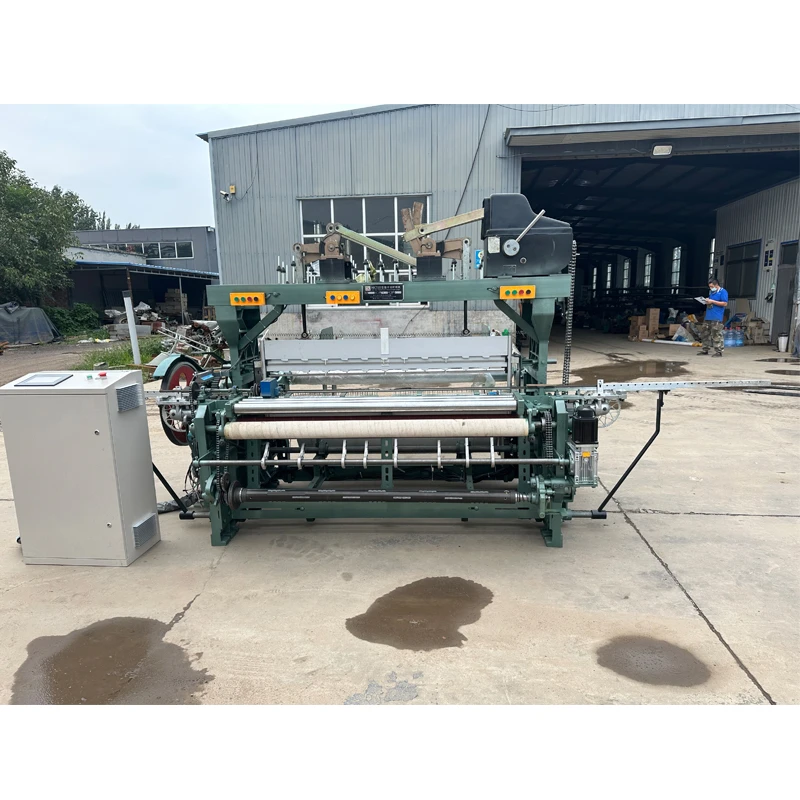
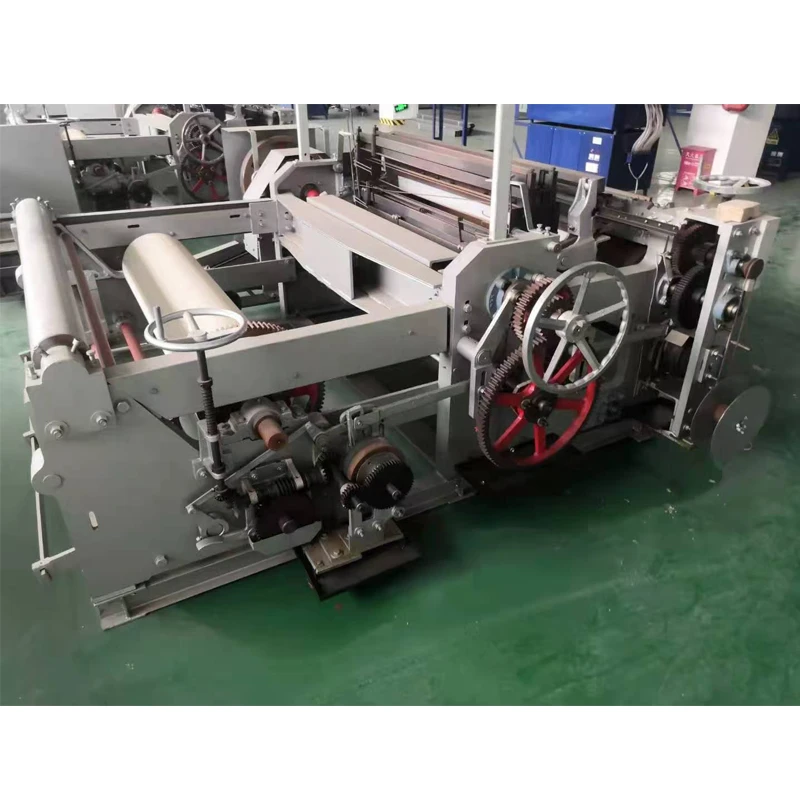
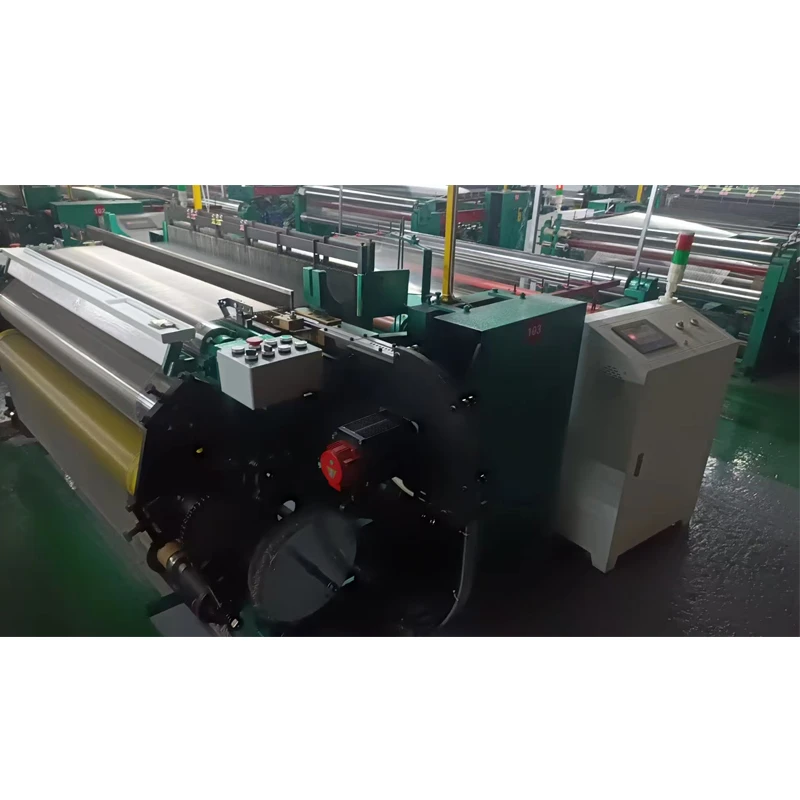
At its simplest, a dobby rapier loom is a weaving machine that produces fabric by interlacing two sets of yarn—warp and weft—using a rapier mechanism to insert the weft yarn across the warp threads. The "dobby" part refers to a type of head mechanism that controls small patterns in the weave. Put together, it’s a specialized loom able to produce intricate fabric designs efficiently. Not just for mass production, its flexibility supports innovation in textiles — from technical fabrics used in healthcare to durable outdoor gear.
Core Components and Key Aspects
1. Durability
These looms are engineered for long-lasting use. Developed with robust steel frames and high-quality drive systems, they can sustain industrial workloads over years while retaining precision. This durability is essential in factories running 24/7—downtime can mean huge losses.
2. Scalability
Whether you’re producing a few hundred meters for boutique orders or thousands of meters daily, dobby rapier looms scale to fit. Their automation capabilities allow quick setup for different fabric widths and patterns, reducing changeover times and boosting efficiency.
3. Cost Efficiency
While the initial investment may seem substantial, the confident long-term return on investment stems from reduced labor costs, lower waste, and faster throughput. Many manufacturers note how the dobby rapier loom’s precision minimizes fabric defects, which otherwise lead to discarded material.
4. Product Versatility
Thanks to the dobby mechanism’s control over intricate weave patterns, a wide array of textiles—from lightweight cottons to heavy jacquards—can be produced easily. This versatility opens doors to fashion, interiors, technical textiles, and more.
5. Integration with Automation
Modern dobby rapier looms increasingly incorporate digital controls and IoT monitoring, allowing real-time quality control and predictive maintenance. This not only enhances uptime but facilitates environmental compliance by optimizing energy and material use.
Product Specification Table of a Typical Dobby Rapier Loom
| Parameter | Specification |
|---|---|
| Weaving Width | Up to 320 cm |
| Max Weft Insertion Speed | 550 picks per minute |
| Rapier Type | Single/Double Rapier options |
| Dobby Mechanism | Up to 64 heald shafts |
| Control System | PLC with touchscreen interface |
| Power Consumption | Approx. 7 kW |
Global Applications and Use Cases
Around the world, dobby rapier looms have found footing in diverse industries and environments:
- Southeast Asia Textile Hubs: Factories in Vietnam and Bangladesh leverage these looms to produce affordable, patterned cotton fabrics for export.
- Automotive Industry: Technical textiles such as seat covers and airbags often involve dobby woven materials for durability and safety compliance.
- Home Furnishing Production: Manufacturers in Europe utilize dobby rapier looms to create upholstery fabrics, curtains, and table linens with intricate designs.
- Remote Industrial Zones: In Nigerian textile plants, the looms support local employment with sustainable production techniques.
Oddly enough, even humanitarian textile projects aiming to provide durable, affordable fabrics for shelters and aid organizations sometimes use dobby rapier looms, benefiting from their mix of speed and pattern control.
Vendor Comparison for Popular Dobby Rapier Looms
| Vendor | Max Speed (ppm) | Automation Level | Price Range (USD) | After-Sales Support |
|---|---|---|---|---|
| Vendor A | 550 | High | $250,000 - $320,000 | Excellent (24/7) |
| Vendor B | 500 | Medium | $210,000 - $280,000 | Good (business hours) |
| Vendor C | 560 | High | $270,000 - $350,000 | Excellent (global network) |
Frequently Asked Questions About Dobby Rapier Loom
- What makes the dobby rapier loom better than other weaving machines?
- Its ability to combine pattern versatility (dobby mechanism) with precise weft insertion (rapier) allows for complex designs at high speeds, unlike simpler shuttle or air-jet looms.
- How energy-efficient are dobby rapier looms compared to older models?
- Modern dobby rapier looms consume roughly 15-25% less power due to better motor technology and optimized control systems, contributing to operational savings and lower carbon footprint.
- Can dobby rapier looms handle both natural and synthetic yarns?
- Yes, they are highly adaptable and capable of weaving a wide range of yarn materials—cotton, polyester, blends, even advanced technical fibers.
- Are maintenance and technical support widely available?
- Most vendors provide global after-sales service, including remote troubleshooting and spare parts availability, although support quality varies by supplier and region.
Conclusion: Embracing the Future of Textile Manufacturing
The dobby rapier loom truly stands at the crossroads of tradition and innovation. From delivering timely, high-quality fabric to fostering sustainability initiatives worldwide, its role cannot be overstated. If you’re ready to see how this versatile weaving marvel can work for your production needs, visit dobby rapier loom – a gateway to modern textile excellence.
In the end, it’s not just about machines — it’s about what they enable: better products, better jobs, and better futures.