


Understanding Rapier Loom Cost: What You Should Know
Having been around industrial textile equipment for more than a decade now, I’ve seen how the rapier loom cost can spark all kinds of conversations — and sometimes, a bit of head-scratching. When you’re hunting for a loom, it’s less about just grabbing the cheapest model and more about weighing functionality, durability, and the hidden expenses that don’t always get talked about upfront.
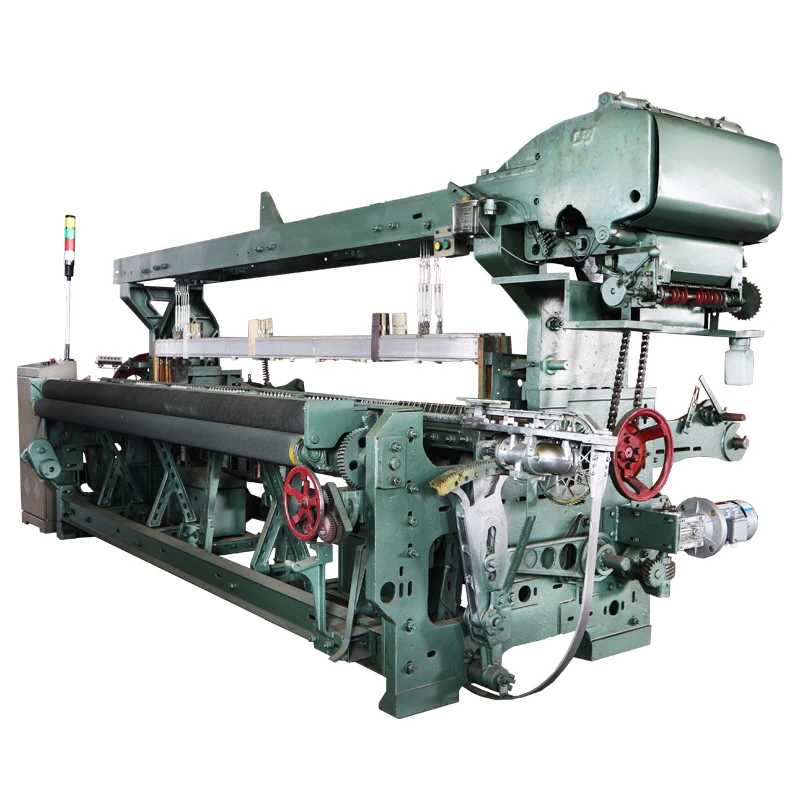
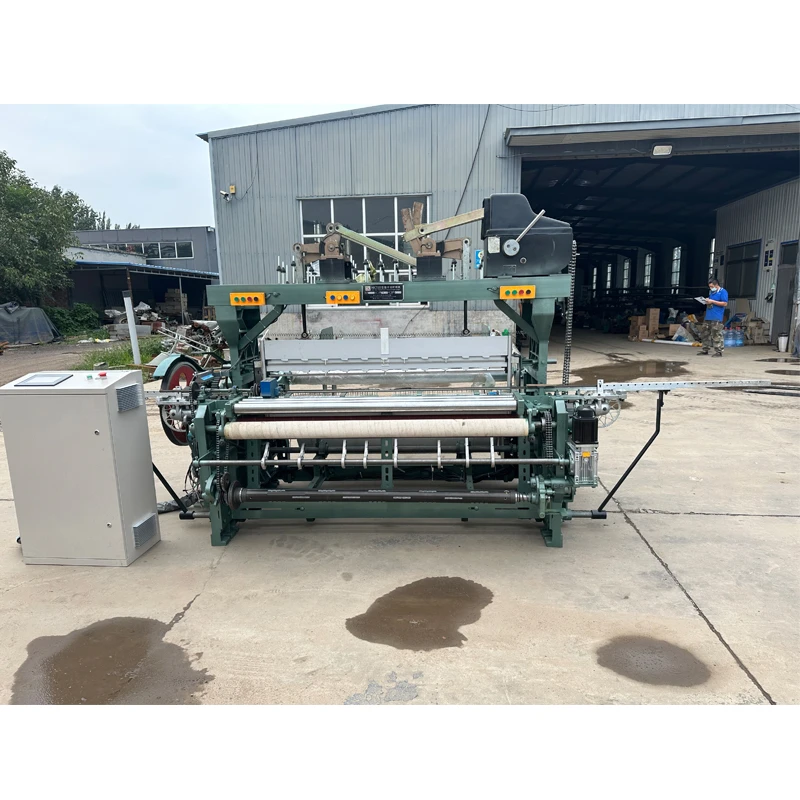
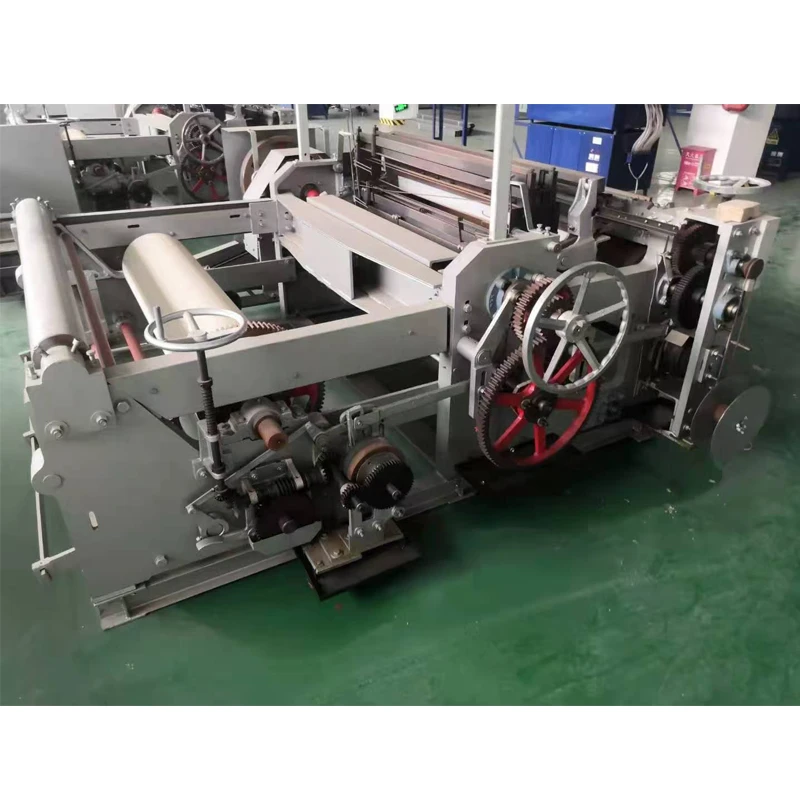
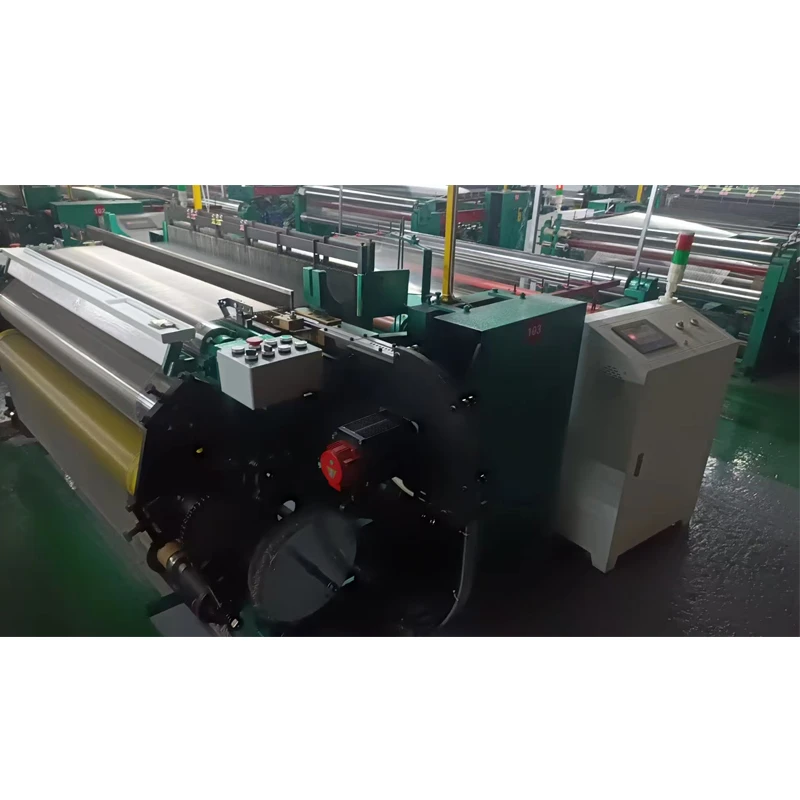
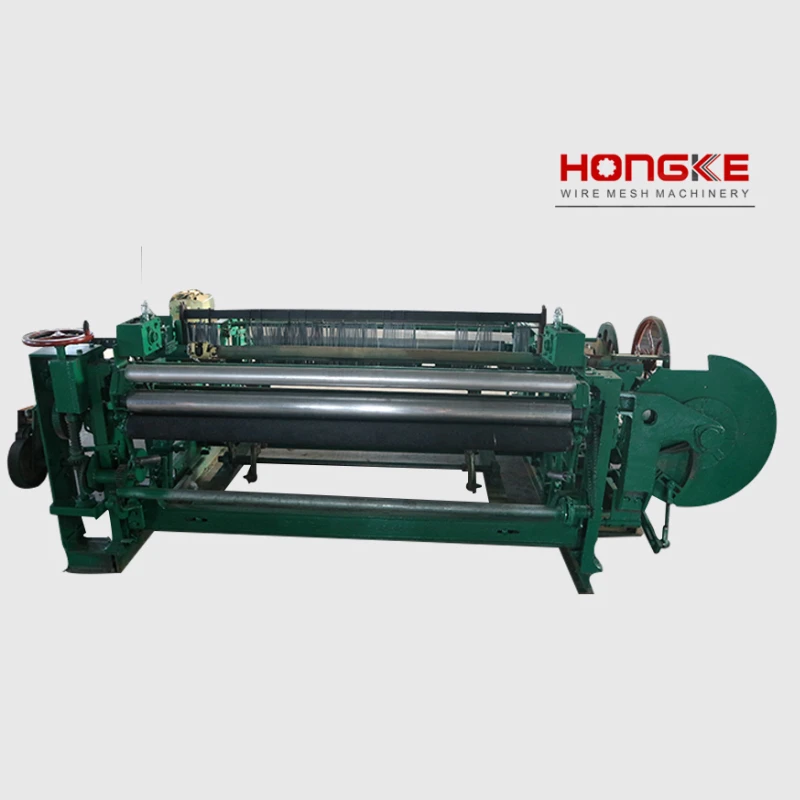
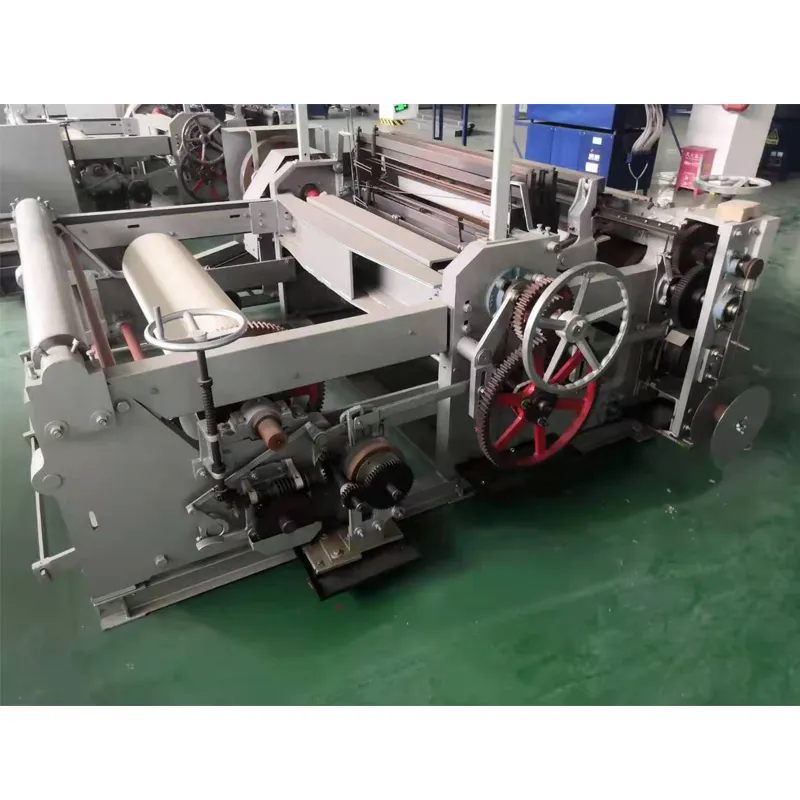
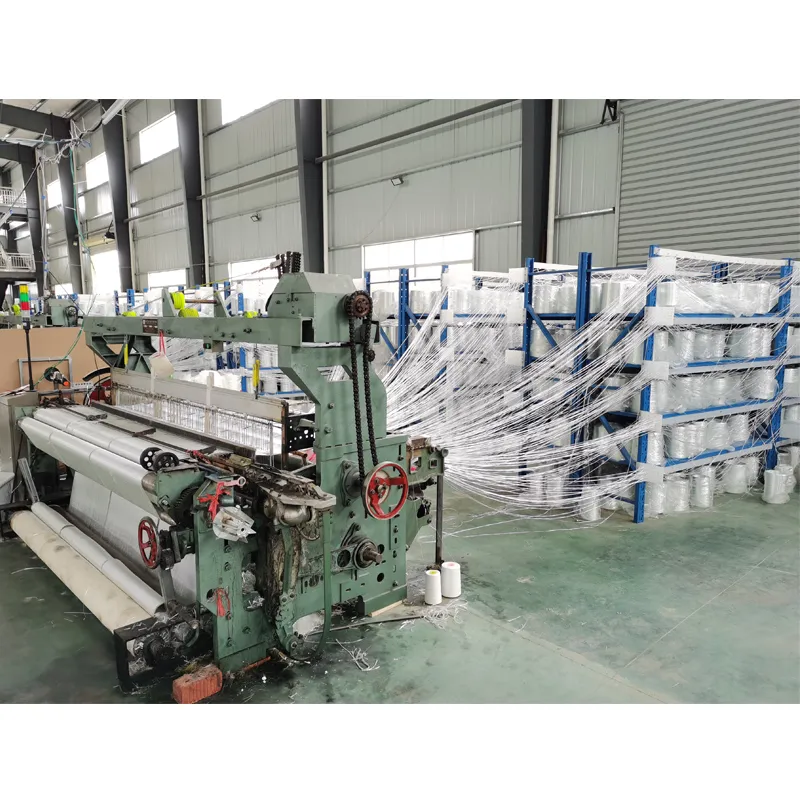
Rapier looms strike a nice balance between versatility and productivity. They can handle a range of yarn types – cotton, synthetic blends, even technical fibers. That flexibility is valuable in today’s market where quick changeovers are often necessary. But it also means cost can vary widely depending on the model, features, and manufacturer.
What I’ve noticed, especially with clients upgrading older shuttle looms or other weaving technologies, is that a modern rapier loom sometimes feels like a big upfront investment. Yet, in real terms, it pays off with faster setup times, less material waste, and often a smoother, quieter operation. You know, features that might not seem flashy but really impact day-to-day efficiency.
Typical Rapier Loom Specifications
| Specification | Details |
|---|---|
| Weaving Width | Up to 320 cm |
| Max Speed | Up to 600 picks/minute |
| Beam Type | Positive & Negative Feeding |
| Control System | PLC with touchscreen interface |
| Power Consumption | Approx. 12 kW |
That said, not all rapier looms are created equal. When I was at a recent textile expo, I got a chance to compare several popular brands side-by-side — turns out, price gaps often come down to build quality and spare parts availability rather than just fancy bells and whistles.
Rapier Loom Vendors: A Brief Comparison
| Vendor | Base Price (USD) | Warranty | Service Network |
|---|---|---|---|
| Brand A | $120,000 | 2 years | Global (50+ countries) |
| Brand B | $98,000 | 1.5 years | Regional (Asia/Europe) |
| Brand C | $110,000 | 2 years | Limited, local only |
One customer I worked with recently picked a mid-range rapier loom from a lesser-known brand simply because they offered hands-on training and quick local support. I suppose that kind of service often matters more than a few thousand dollars saved upfront. Because after all, downtime costs can quickly erode those savings.
From what I’ve gathered, the best approach when evaluating rapier loom cost is not just looking at the purchase price. Consider the total lifecycle expense: installation, spare parts, ongoing maintenance, and operator training. And, frankly, a good vendor relationship can be priceless.
Oddly enough, some engineers and plant managers say that price fluctuations also come from variations in electronic control systems and the rigidity of the machine frame. A solid frame usually means less vibration, which means fewer defects in the fabric produced. So yeah, spending a bit more there seems like a sound investment — at least from my perspective.
In the end, like many things in industrial equipment, you get what you pay for. If you're considering your options, I'd recommend checking out the lineup of rapier looms and details at APHK Machinery. They've got a reputation for balancing cost and quality nicely — plus they’re pretty approachable if you want to dig into the specs or customization possibilities.
Feel free to reach out if you want to chat more about looms—I’m always happy to share what the years have taught me. Sometimes these machines start off feeling like a costly mystery until you really get to know their ins and outs.
To wrap up: investing wisely in a rapier loom means understanding more than just sticker price — and that’s the real key to turning cost into long-term value.
References
- “Advances in Rapier Weaving Technology,” Textile World Journal, 2022.
- APHK Machinery Product Brochures and Pricing, 2024.
- Industry Interview Series, Textile Equipment Insights, 2023.