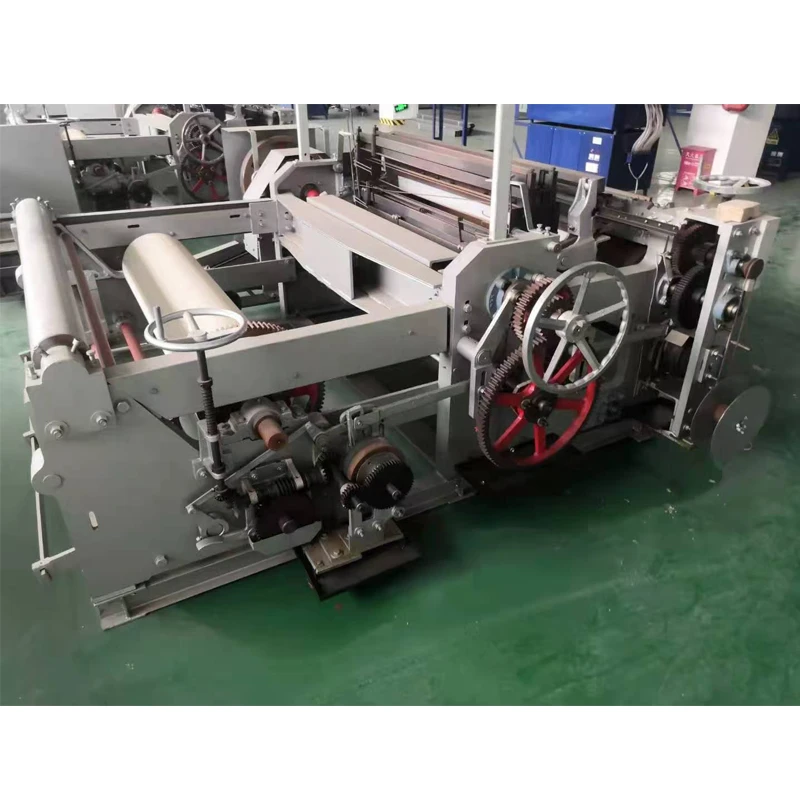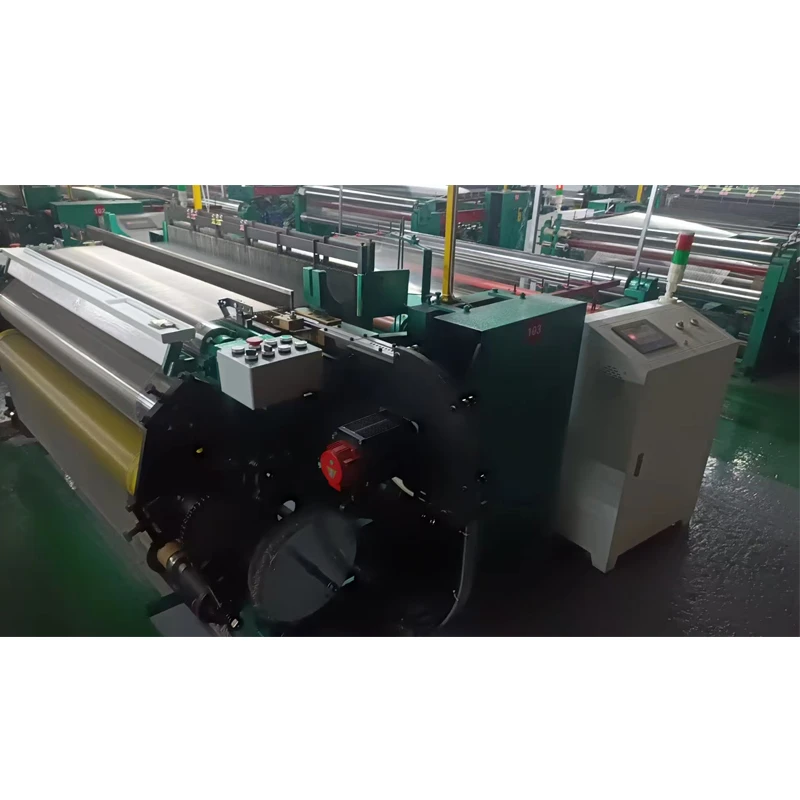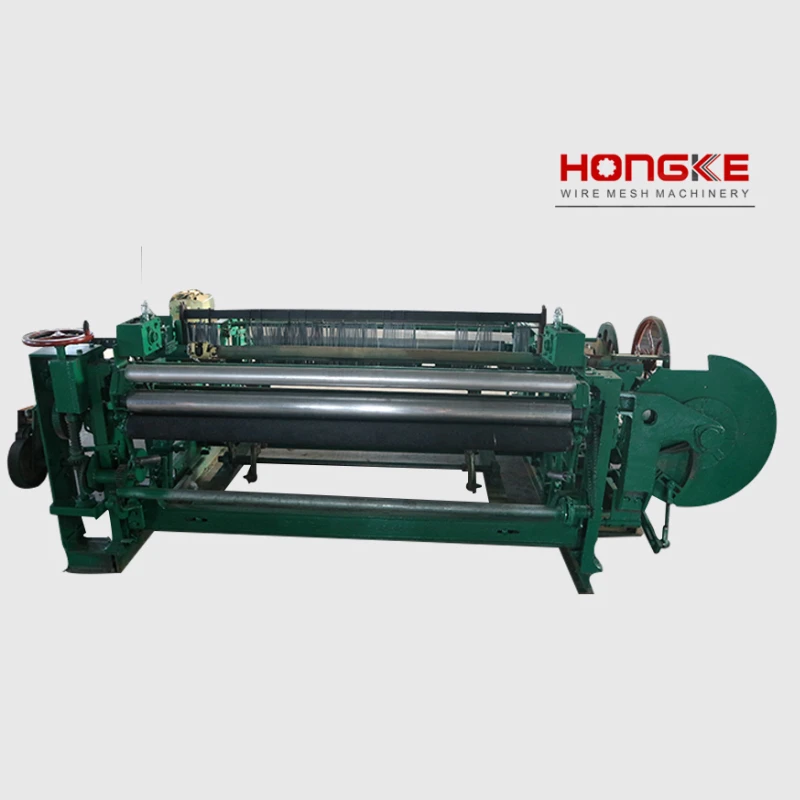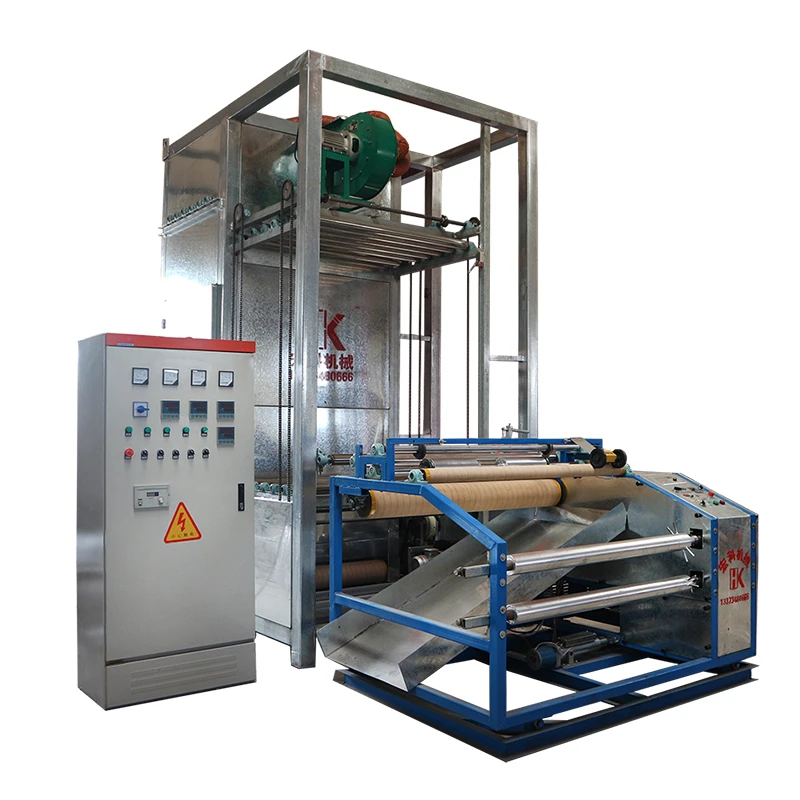



Power Loom Warping Machine: The Unsung Hero of Textile Production
Having spent a good chunk of my career around power loom warping machines, I can honestly say this piece of equipment rarely gets the spotlight it deserves. Now, warping machines might sound a bit dry at first glance, but they really are the backbone behind consistent, high-quality weaving – especially in the industrial textile sector.
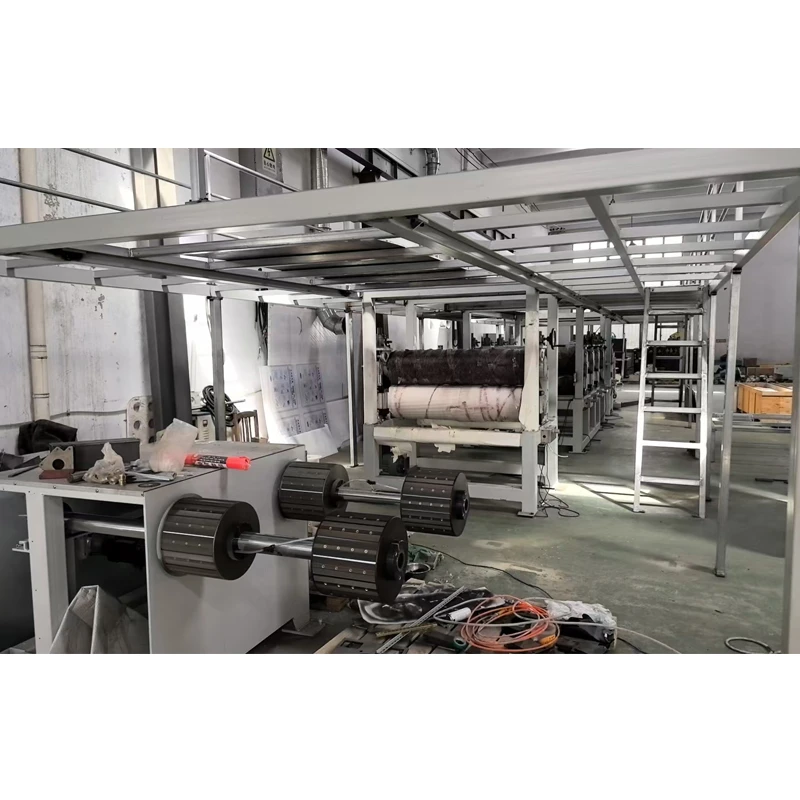
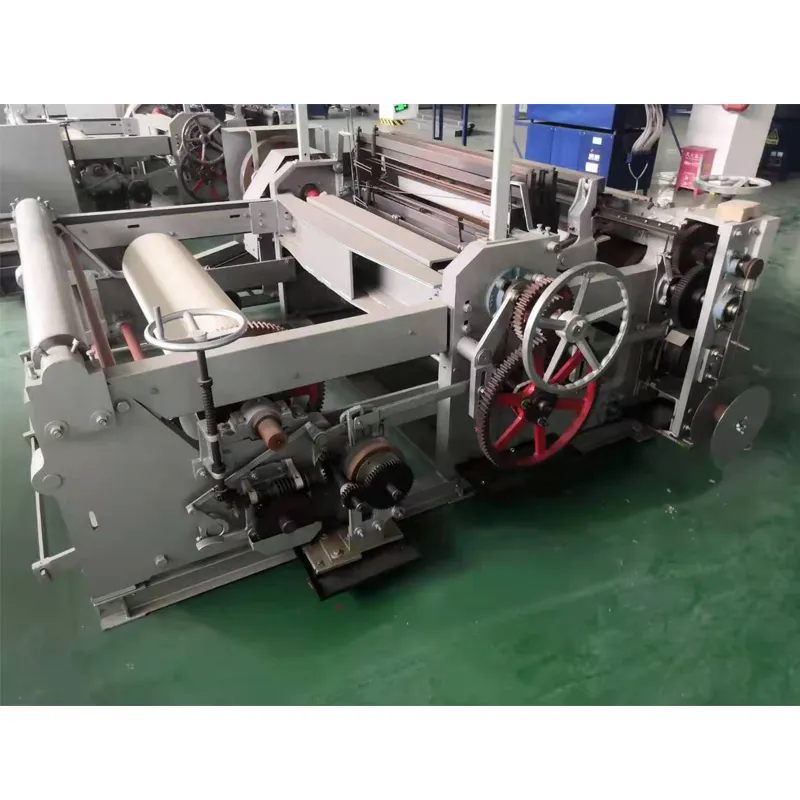
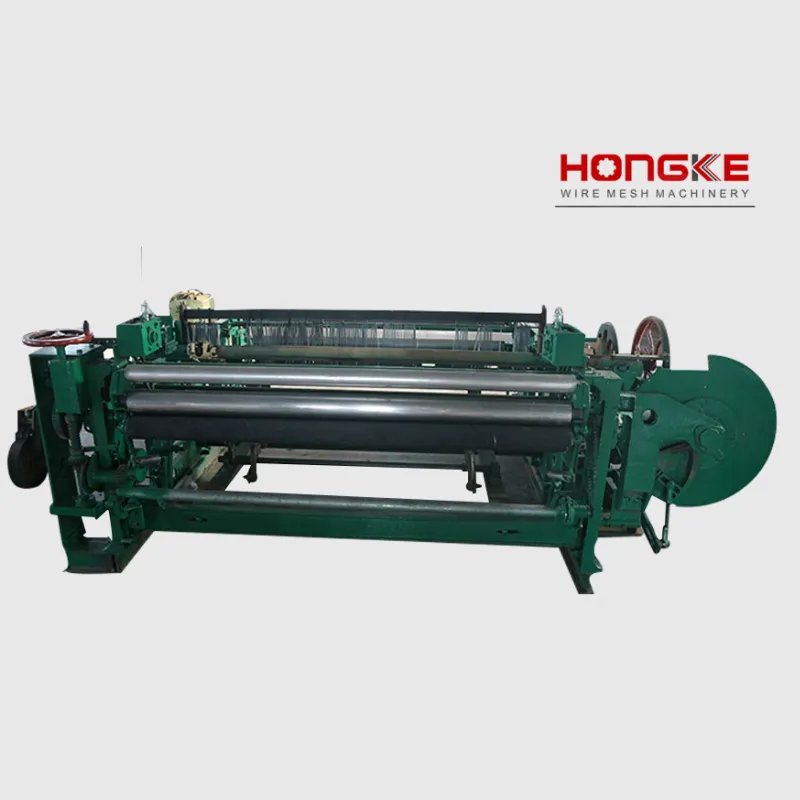
For those who might not be intimately familiar, the warping machine prepares the warp yarns in a precise order before they’re fed into a power loom. It feels almost like setting the stage for a theatrical performance: if the setup is wrong, the entire weaving play is doomed before it even starts. Frankly, the more you understand the meticulous tension control and yarn alignment going on here, the more you appreciate the machine’s design finesse.
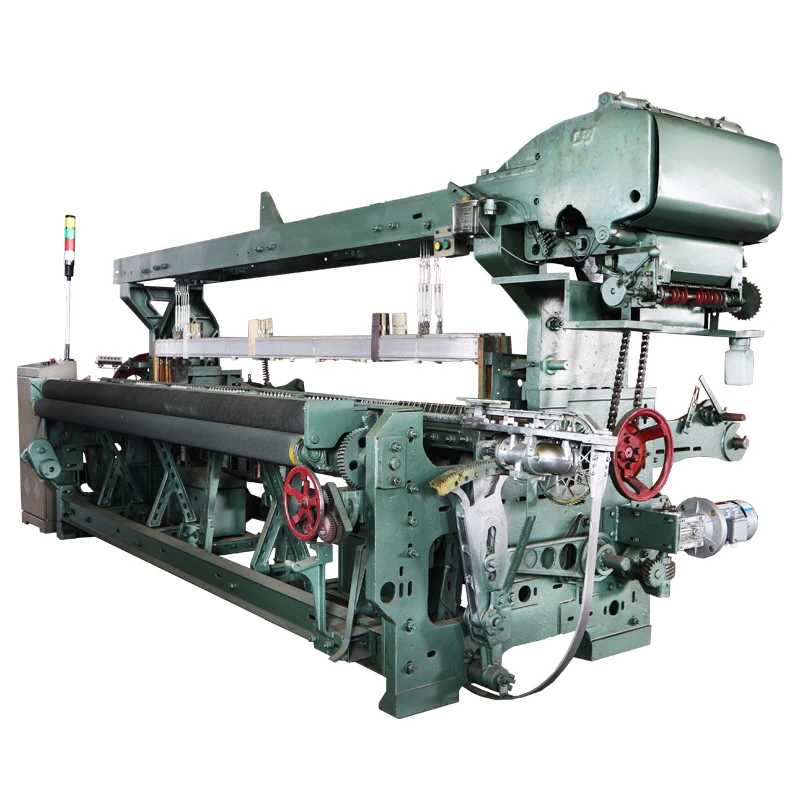
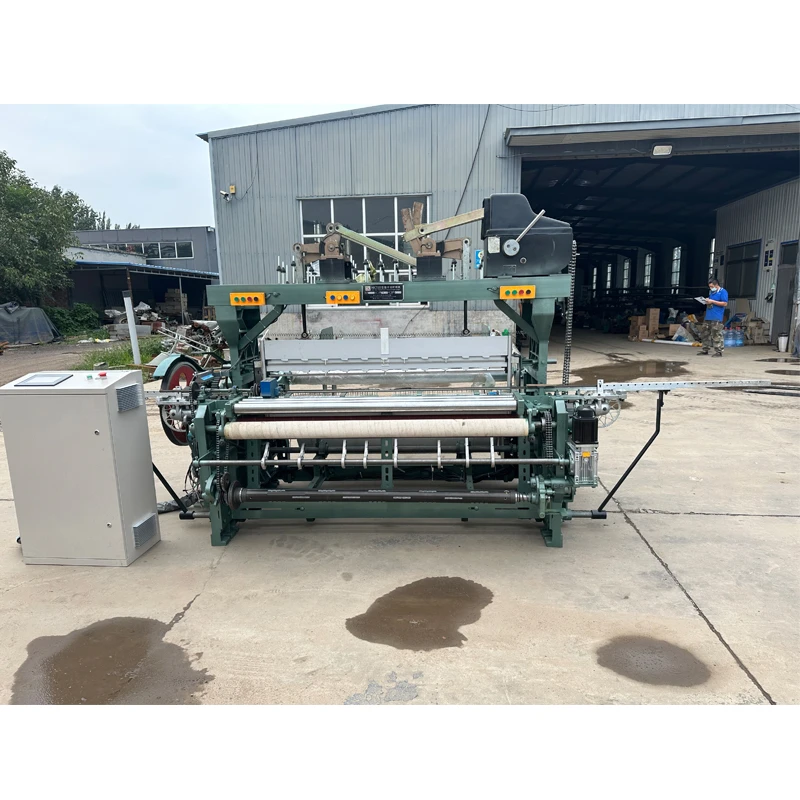
Over the years, I’ve noticed manufacturers increasingly focus on durability and user-friendly automation in these machines. Usually, a solid frame made from cold-rolled steel helps keep vibrations low, which is critical because even slight irregularities in yarn tension can lead to quality defects down the line. Some machines I’ve worked with include digital tension controllers, which you wouldn’t have imagined a decade ago.
Oddly enough, in real terms, small tweaks like adjustable rollers or modular creels for different yarn counts make a big difference on the factory floor. This kind of flexibility lets the setup team switch quickly between fabric types without a major downtime headache. Many engineers tell me that this adaptability is what truly separates a “good” warping machine from a great one.
Customization options are also quite important, especially for plants producing specialty textiles. Whether you are working with fine cottons or heavy-duty synthetic blends, having a warping machine that can handle a range of yarn sizes and tensions smoothly saves both time and material. One of my clients in South Asia uses a warping machine customized with an expanded creel system and advanced electronic tension sensors – and they report a 15% improvement in weaving efficiency since upgrading.
Lastly, testing before any full-scale production runs is something I never skip. Visual inspections, tension consistency checks, and trial runs with sample yarns give invaluable feedback. I remember a time when a manufacturer missed an important trial, leading to several meters of fabric with uneven density – costly mistakes you want to avoid.
| Specification | Details |
|---|---|
| Creel Capacity | 500 - 1500 ends |
| Max Working Width | 2200 mm |
| Tension Control | Digital/Manual adjustable |
| Drive Type | AC motor with variable frequency drive |
| Frame Material | Cold-rolled steel |
| Weight | Approx. 1500 kg |
When choosing a supplier, it’s always a good idea to put the machines side by side. Here’s a quick rundown of the market landscape in terms of some key features:
| Vendor | Automation Level | Customization Options | Price Range | After-sales Support |
|---|---|---|---|---|
| APHK Machinery | High (Digital Tension Control) | Wide, modular creel systems available | Mid-range | Excellent technical service |
| Vendor B | Medium (Manual + partial automation) | Limited | Lower-end budget | Standard warranty support |
| Vendor C | Low (Manual) | Minimal | Economy | Limited service network |
Honestly, over time, I’ve come to value more than just technical specs when selecting a manufacturer. Support, spare parts availability, and the ability to customize the equipment to your factory’s unique needs really separate the wheat from the chaff. You don’t want to be stuck mid-production because your warranty service is non-existent. It’s happened before, sadly.
So if you’re in the market for a power loom warping machine, I’d say look for something robust but flexible, easy to maintain, and backed by responsive technical teams. It kind of pays off in time saved and quality gained. Machines like the ones from APHK Machinery tend to tick those boxes pretty well.
In conclusion, the power loom warping machine might not be the flashiest gear on the textile floor, but mastering its capabilities can truly lift your production game. It’s like having a reliable friend who sets everything straight before the real weaving dance begins.
— Just a few thoughts from someone who’s seen these machines hum day in, day out.
- “Introduction to Warp Preparation,” Textile World, 2021.
- “Innovations in Warping Technology,” Journal of Textile Engineering, 2022.
- Personal interviewing with APHK Machinery technical team, 2023.