


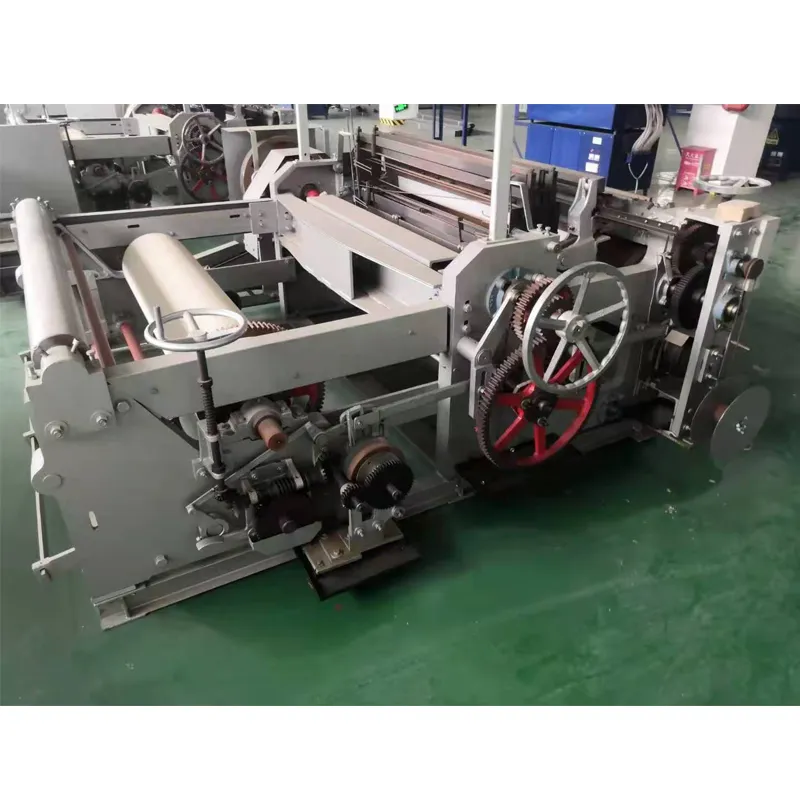
A Field Note on the Future of Wire Weaving: the mesh wire loom that factories are actually buying
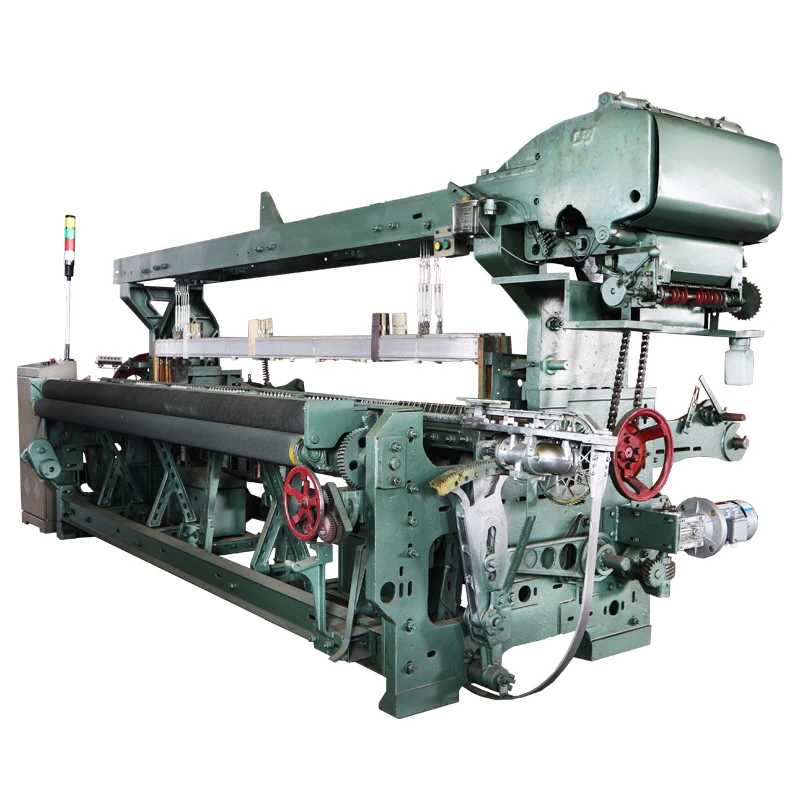
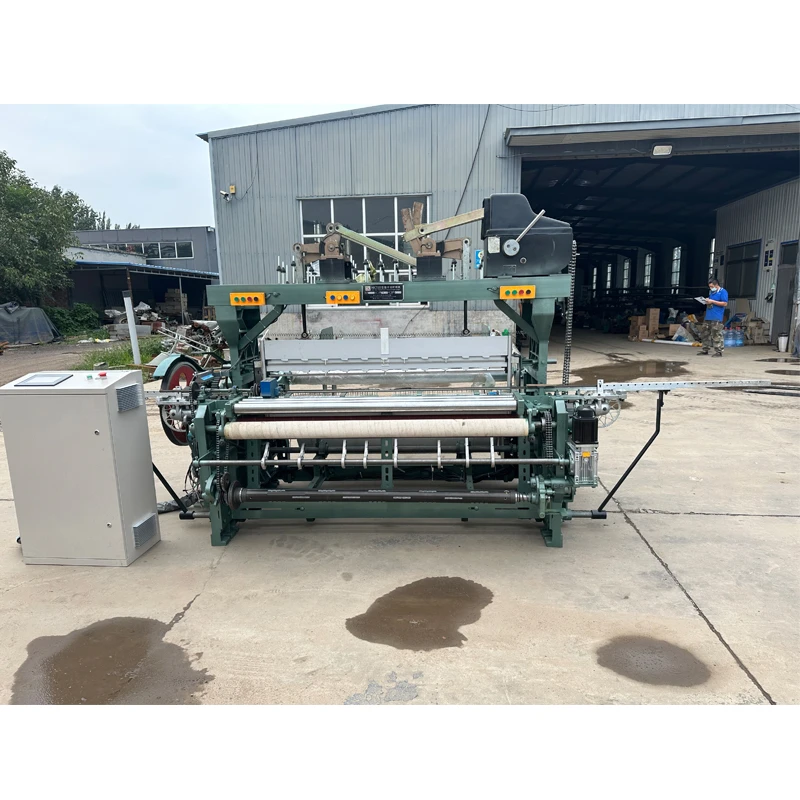
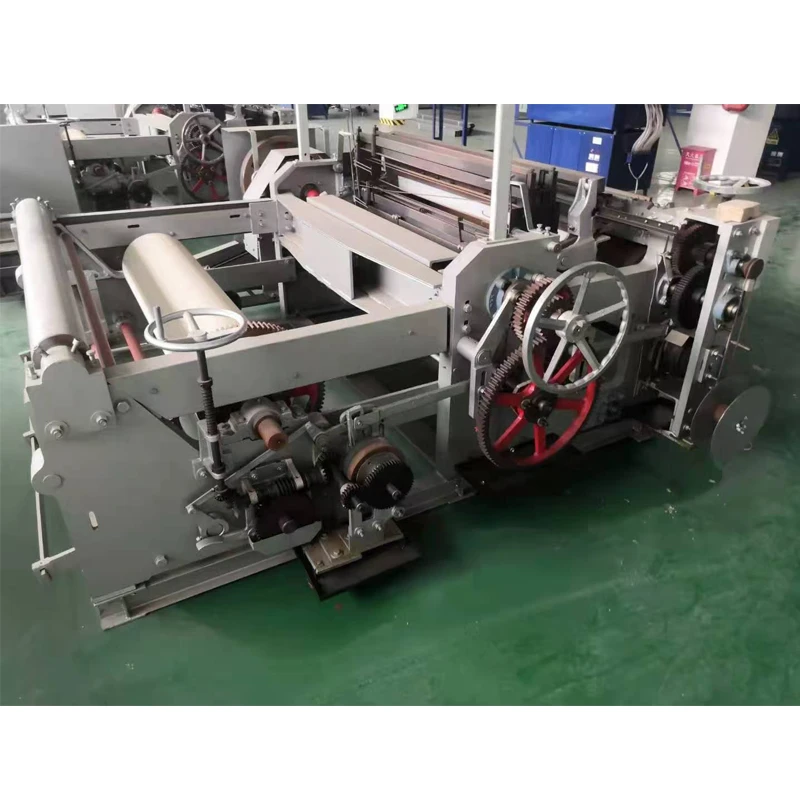
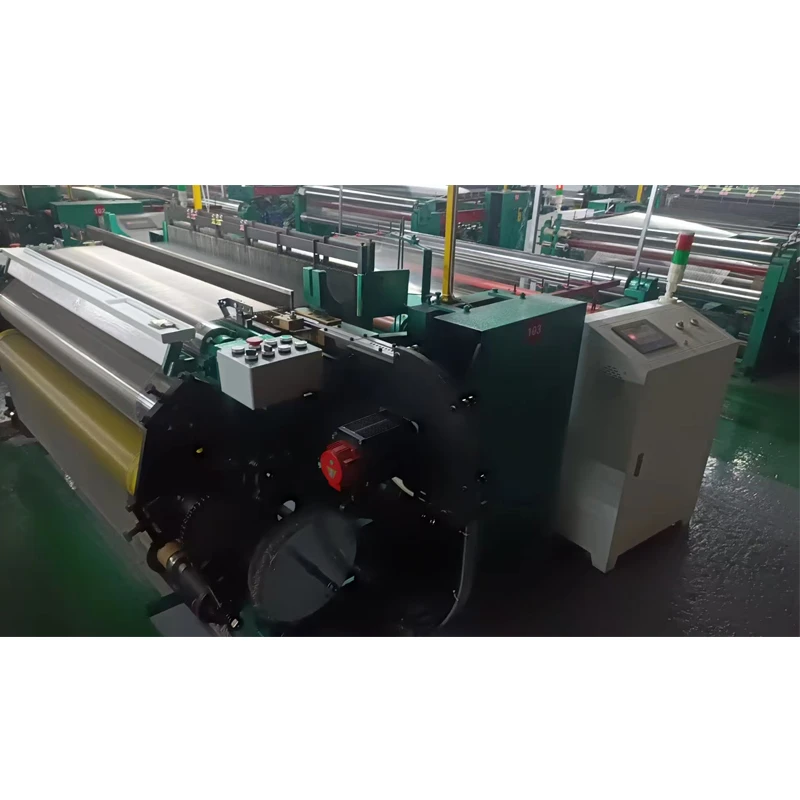
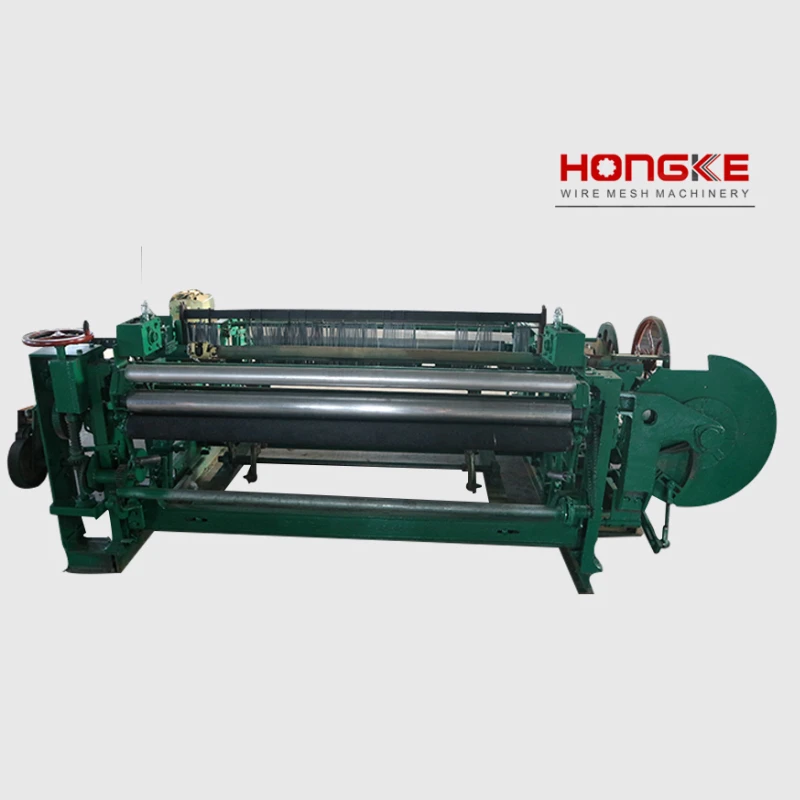
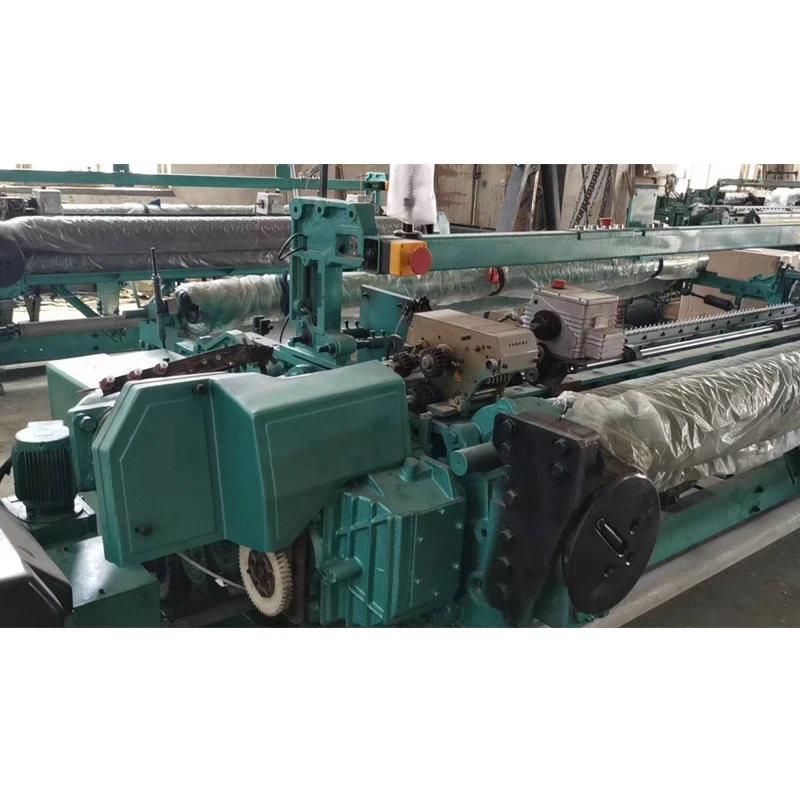
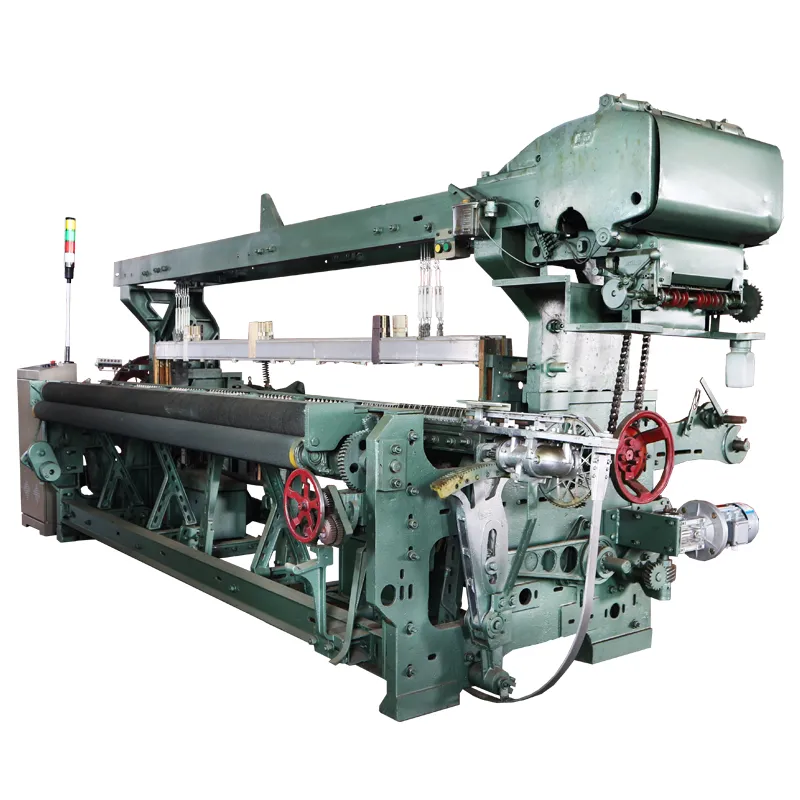
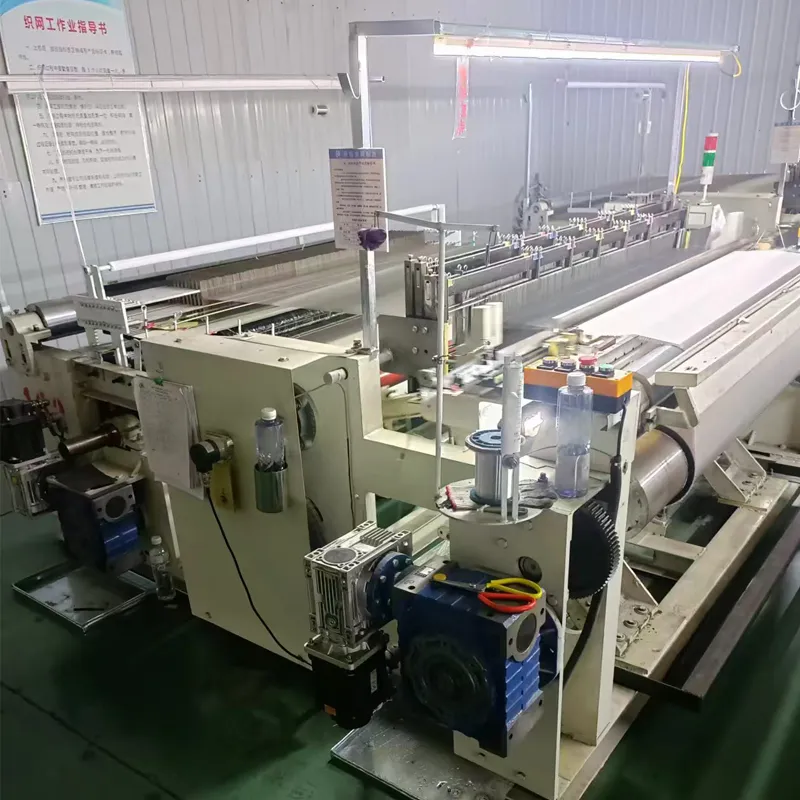
I spent a week in Anping, the wire-mesh capital of China, watching a new mesh wire loom run overnight without a hiccup. To be honest, I went in skeptical—most “smart” machines promise a lot on paper. This one, built in the Zhongzhangzhuang Development Zone of Anping County, uses PLC programming with a mobile module control system and a fully evolved Servo Dobby Shedding design. In plain English: tighter control, fewer stoppages, and lower energy bills. Many customers say the energy profile is the surprise—smoother torque curves, noticeably quieter.
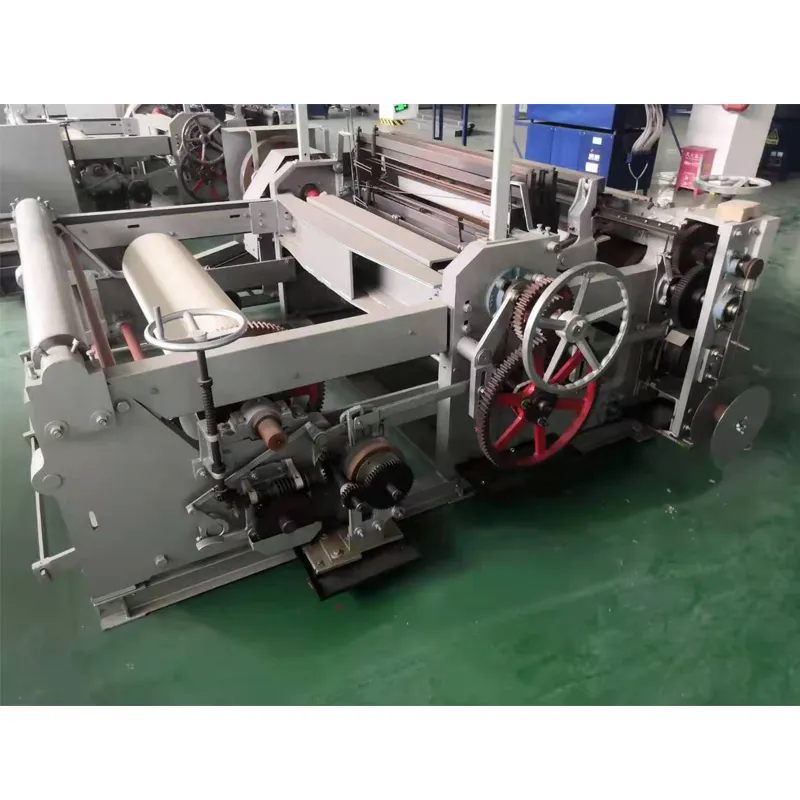
What it actually makes—and why that matters
Whether you’re supplying filter media for petrochem, screens for mining, or fine mesh for battery separators, a modern mesh wire loom lives or dies by repeatability. Here the Servo Dobby delivers precise shed timing, which in turn stabilizes mesh count and aperture. I watched operators toggle recipes from SS304 to SS316 with minimal retuning. Less fiddling, more output.
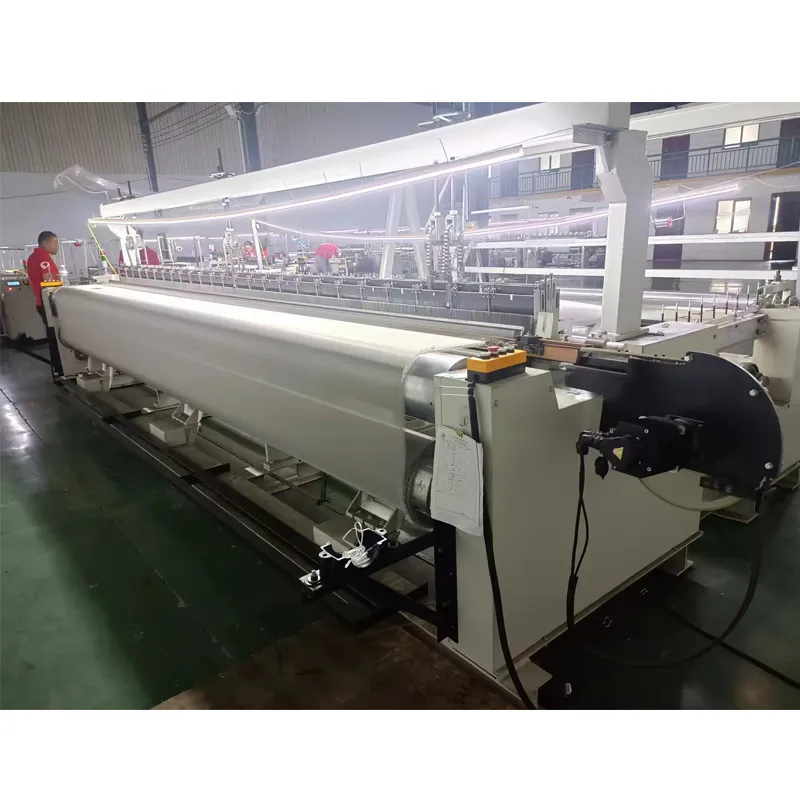
Core Product Specs (real-world use may vary)
| Parameter | Typical Value |
|---|---|
| Weaving width | ≈ 600–2600 mm |
| Mesh range | 2–80 mesh (ASTM E2016 / ISO 9044) |
| Wire diameter | ≈ 0.20–1.60 mm (SS304/316, low-carbon steel, brass, copper) |
| Speed | Up to ≈120 RPM / ≈550 picks·min⁻¹ |
| Control system | PLC + HMI; mobile module remote diagnostics; Servo Dobby Shedding |
| Power | ≈ 7.5–12 kW installed |
| Origin | Anping, Hengshui City, Hebei Province |
Process flow, testing, and service life
Materials: SS304/316, low-carbon steel, brass, copper (annealed as needed). Methods: warp beaming → heddling → Servo Dobby shedding → beat-up → in-line visual camera checks. Testing: mesh count and aperture per ISO 9044 / ASTM E2016; wire tensile checks per ISO 6892-1; electrical safety per EN 60204-1; CE conformance under the EU Machinery Directive. Typical service life: around 8–12 years with preventive maintenance every 1,000–1,500 hours. Internal trials showed ≈18% energy reduction vs a legacy crank dobby—your mileage may vary.
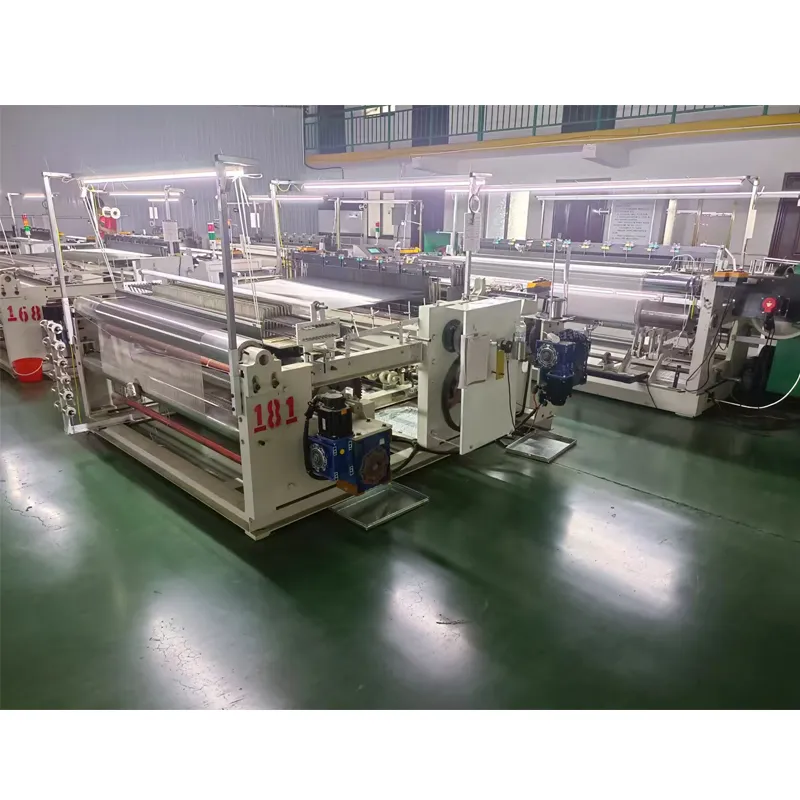
Where it’s used (from shop floors I’ve walked)
- Filtration and separation (refineries, water treatment)
- Mining and quarry screening
- Food processing (careful with surface finish)
- Battery/EV and electronics sieving
- Construction safety mesh and architectural cladding
Mini case notes: A Southeast Asian filter plant cut changeover time by ~30% moving to this mesh wire loom. A Middle East quarry reported fewer weft breaks at 60 mesh. And, surprisingly, a boutique architectural shop used copper runs for a museum façade with consistent patina.
Vendor landscape (my quick take)
| Vendor | Control/Shedding | Energy Use | Certs | Lead Time | Support |
|---|---|---|---|---|---|
| APHK Machinery (Anping) | PLC + Servo Dobby | Low; ≈18% vs legacy | CE, ISO 9001 | ≈ 30–60 days | Remote + onsite |
| Legacy Mill | Mechanical dobby | Higher | Varies | 60–120 days | Onsite only |
| Generic Importer | Basic PLC | Medium | Limited | Uncertain | Email-only |
What buyers keep asking me
- Can it hold 60–80 mesh tolerances? With proper wire and warp tensioning, yes—verified against ISO 9044.
- Do we get remote support? The mobile module made commissioning oddly painless.
- Any drawbacks? If you’re running >80 mesh ultra-fine specialty cloth, you may still want a niche loom.
Bottom line: if your operation needs a dependable mesh wire loom that balances precision with practical throughput—and trims energy bills—this platform is, frankly, the one I’d short‑list.
Authoritative references
- ISO 9044: Industrial wire cloth — Technical requirements and tests.
- ASTM E2016: Standard Specification for Industrial Woven Wire Cloth.
- EN 60204-1: Safety of machinery — Electrical equipment of machines.
- EU Machinery Directive 2006/42/EC: Conformity and CE marking.
- ISO 6892-1: Metallic materials — Tensile testing — Method of test at room temperature.