


Unlocking the Power of the Jacquard Design Machine: A Global Perspective
If you've ever admired intricate textile patterns — say, the delicate flow of paisleys or the repeating sophistication of damask — you might owe a nod to the jacquard design machine. While it sounds niche, this marvel of engineering has quietly transformed the textile industry worldwide. Understanding it isn't just for textile nerds or machinery buffs; it resonates on a global scale affecting economies, artisans, and industries that depend on precision fabric production.
Today, the jacquard design machine remains pivotal in modern manufacturing, especially with rising demand for customized fabrics and sustainability pressing on the fashion and upholstery sectors. But why does it matter globally? Roughly 60 million people globally work in textiles and apparel manufacturing (UNIDO, 2023), many relying on innovations like the jacquard design machine to stay competitive. Plus, with the shift toward smart manufacturing and Industry 4.0, understanding these machines offers a crucial edge.
jacquard design machine tech bridges the old-world artistry of weaving with digital precision — a fascinating challenge in today’s fast-paced market.What Exactly Is a Jacquard Design Machine?
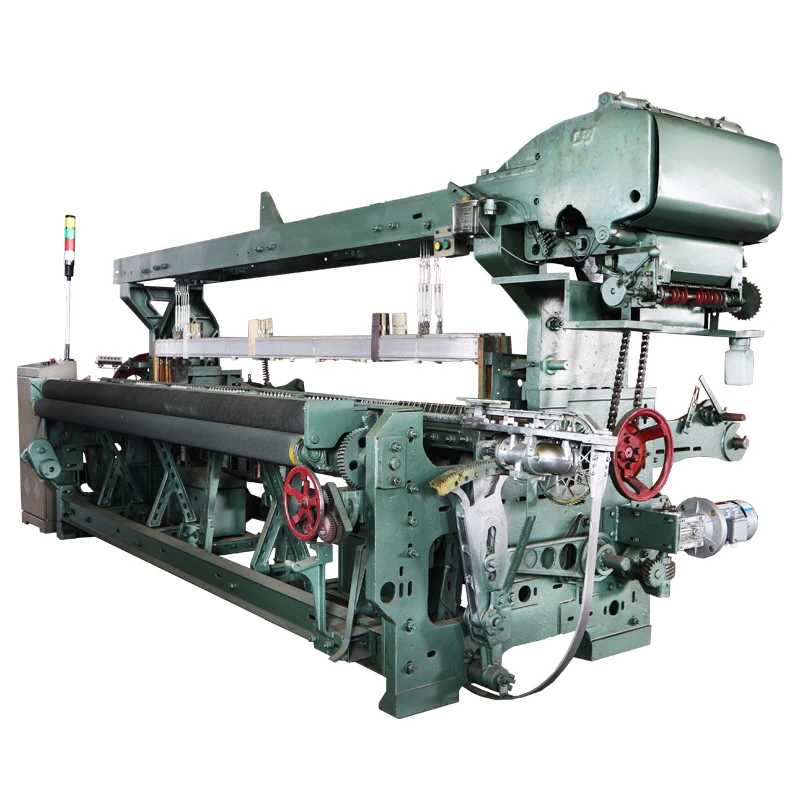
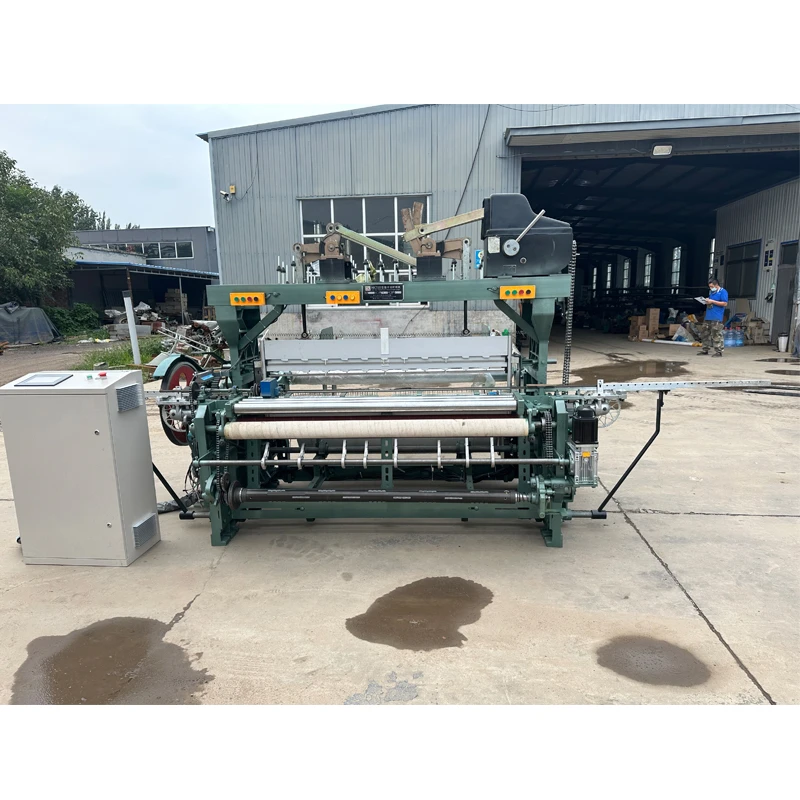
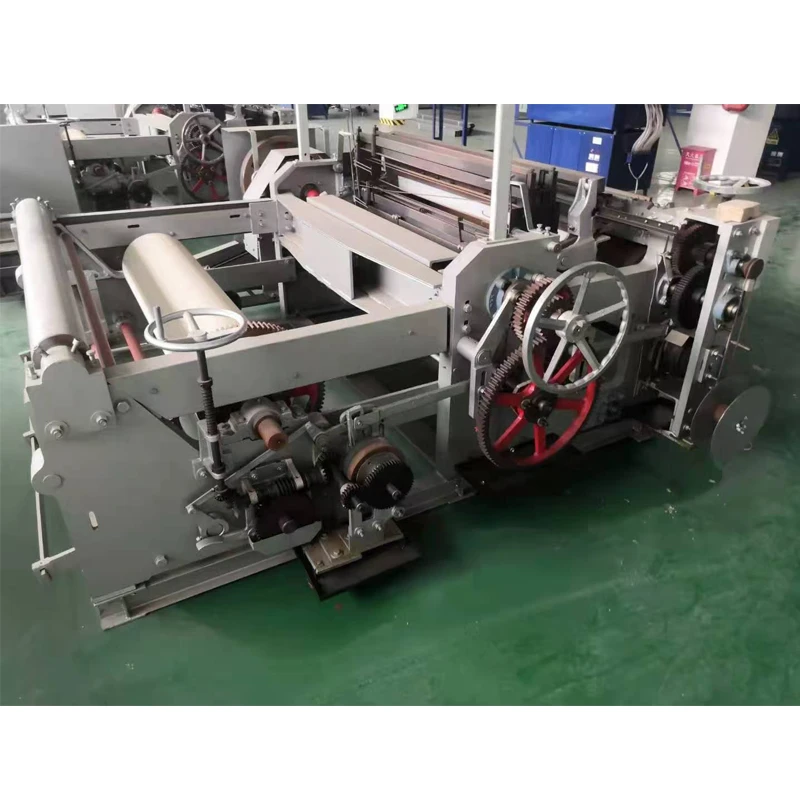
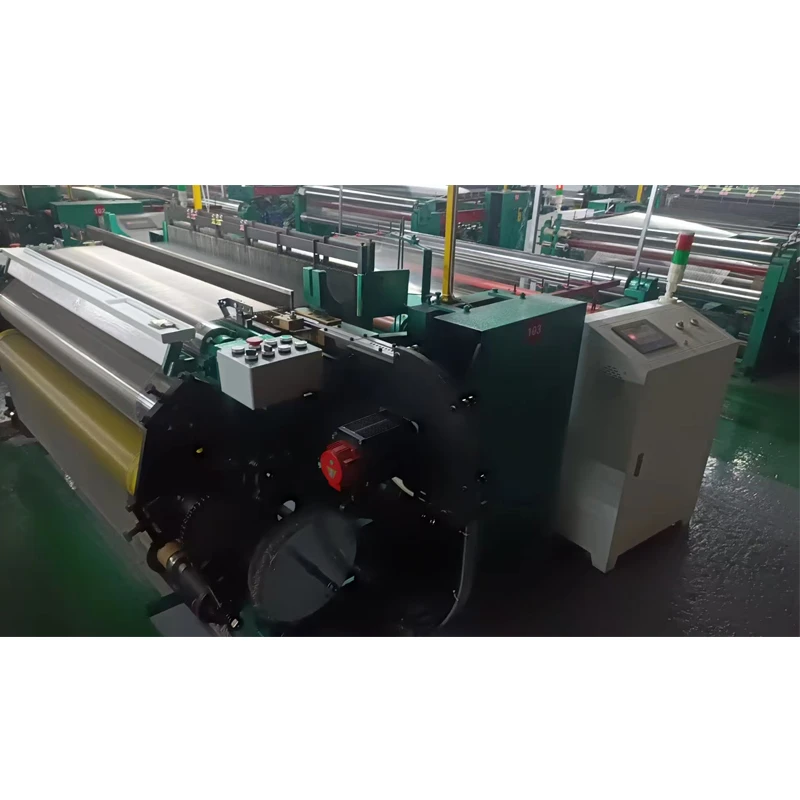
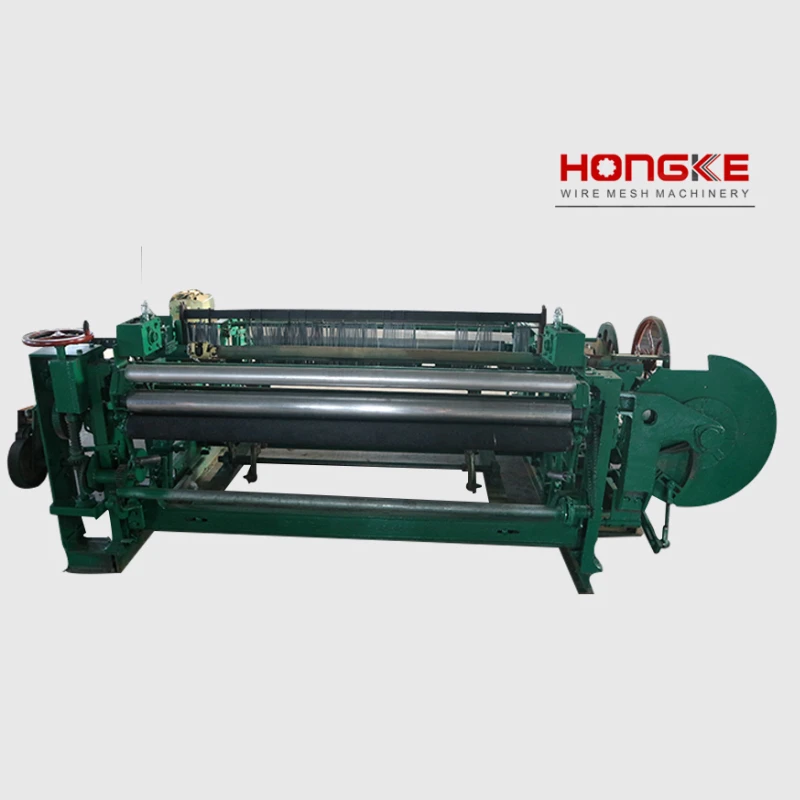
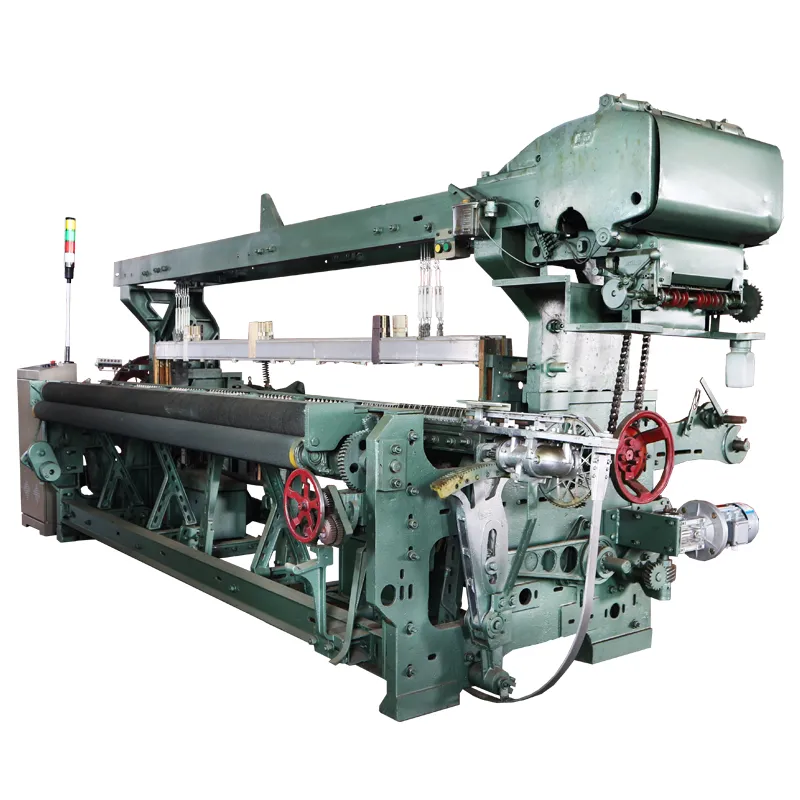
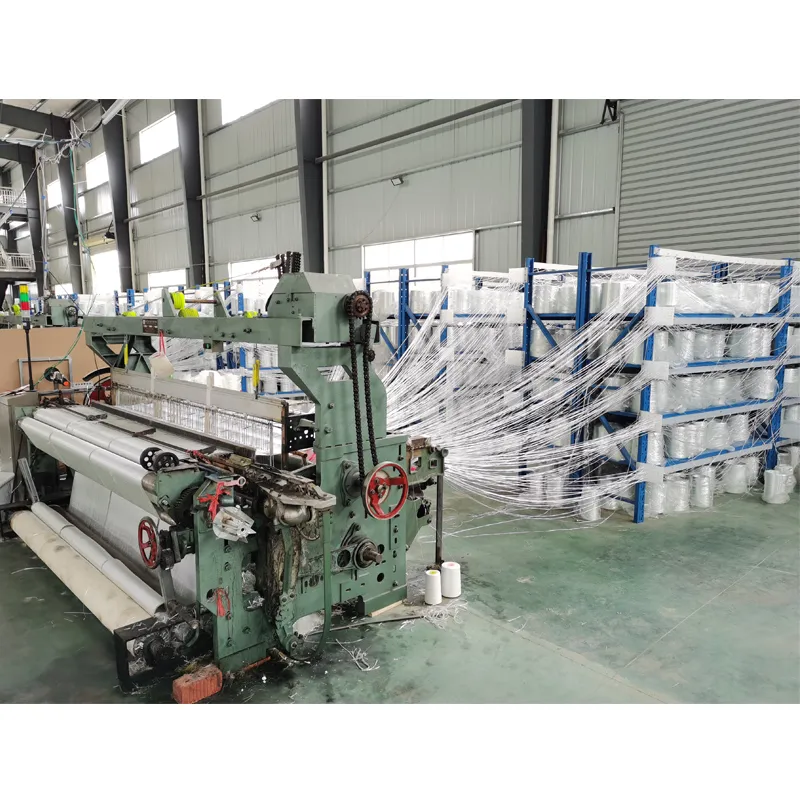
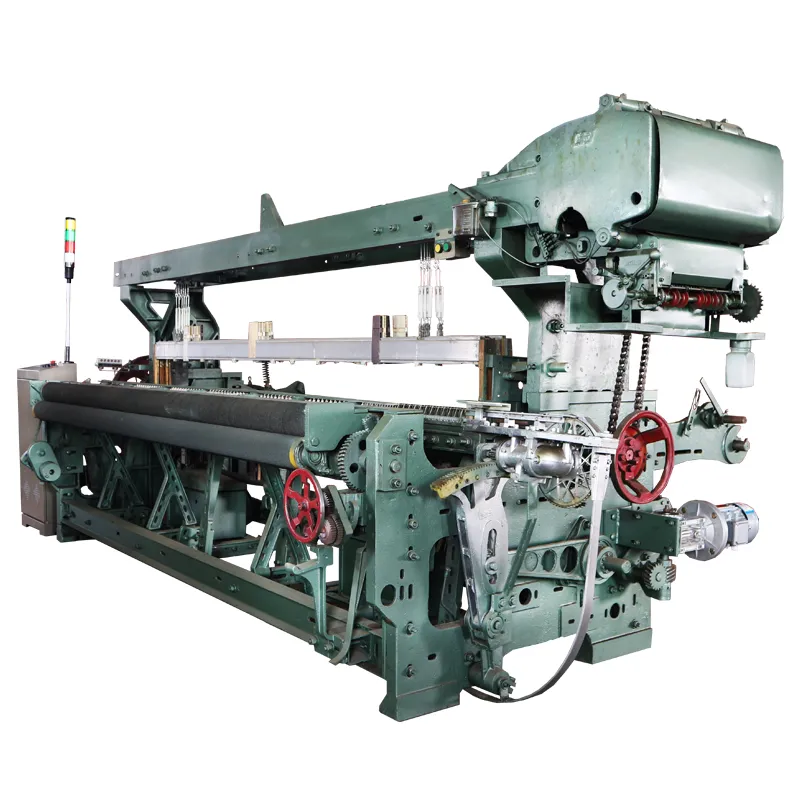
Simply put, a jacquard design machine is a computerized loom or a design device that automates the weaving of complex patterns into fabric. Named after Joseph Marie Jacquard, who invented the first programmable loom in 1804, modern iterations combine digital design software with precise mechanical weaving. It transforms flat art files into tangible, repeatable, and intricate woven patterns.
Far from just textile artistry, these machines bolster modern manufacturing needs—ranging from automotive interiors that require durable yet aesthetic fabric, to medical textiles with specific properties, right down to fashion brands chasing fast, custom runs.
In humanitarian terms, jacquard machines help produce sustainable, long-lasting communities’ textiles and technical fabrics, vital in everything from shelters to protective gear.
Core Components & Key Factors of the Jacquard Design Machine
1. Precision Pattern Control
The machine’s ability to accurately reproduce digital patterns across large fabric runs ensures consistent quality. It works by controlling individual warp threads via microcontrollers or mechanical hooks — each warp can be lifted or lowered independently, giving it near-limitless pattern possibilities.
2. Scalability and Speed
Modern jacquard machines can handle extensive production without sacrificing resolution or detail. Whether it’s a handful of bespoke pieces or mass industrial output, their adaptability makes them invaluable.
3. Durability of Materials
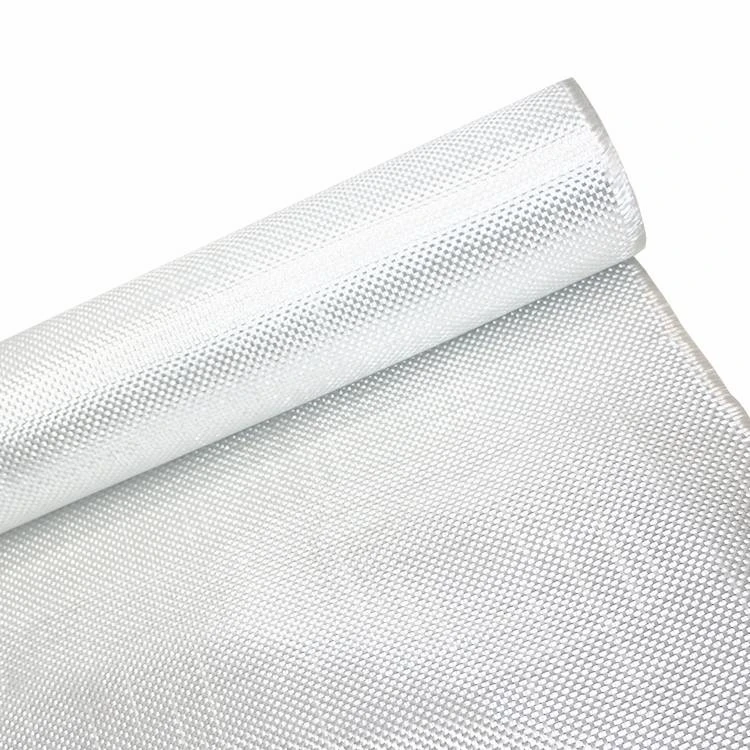
The fabrics woven using jacquard machines not only look good but tend to last longer. The tight interlocking weaves resist wear and tear better, which means textiles are both beautiful and practical.
4. Digital Integration
Today’s jacquard design machines often pair with CAD/CAM software, enabling rapid prototyping and minimal wastage. This digital synergy improves product turnaround time and reduces costs — a win-win.
5. Customizability
From luxury upholstery to advanced sensor-embedded fabrics, jacquard machines grant manufacturers remarkable flexibility, meeting diverse client demands without extensive retooling.
Mini takeaway: The jacquard design machine is more than a loom — it’s a high-tech workhorse embodying precision, scalability, and customization.
Jacquard Design Machines in Action: Real-World Applications
Globally, these machines have woven themselves into various industries and regions:
- Europe: High fashion and luxury upholstery sectors use jacquard fabrics to create signature patterns that define brand identities, like Italian silk manufacturers.
- Asia: Textile hubs in China and India drive mass production but also growing bespoke markets—think ornate cushion covers or elaborate wedding saris.
- North America: Automotive companies integrate jacquard fabrics into car interiors, blending aesthetics with performance textile needs like fire resistance.
- Humanitarian Projects: Agencies use jacquard-enabled fabrics for durable tents and blankets — essential in refugee camps where both durability and cultural symbolism matter.
For example, a furniture manufacturer in Germany recently upgraded its line to include jacquard-produced patterned fabrics with embedded conductive threads, enabling smart upholstery. Oddly enough, these "intelligent" fabrics double as charging pads — kind of sci-fi.
Mini takeaway: The jacquard design machine’s reach goes beyond textiles to automotive, humanitarian aid, and even tech-enabled fabrics, showing its versatile potential.
Advantages & Lasting Value of Jacquard Design Technology
When weighing pros and cons, it’s clear jacquard machines provide:
- Cost-efficiency: Digital designs cut down on sample waste and speed up new pattern launches.
- Sustainability: Minimal fabric waste and longer garment lifespan reduce environmental impact.
- Social impact: Artisans working alongside these machines can scale handcrafted aesthetics, preserving cultural heritage.
- Reliability: Robust construction means fewer breakdowns—up time is crucial.
- Emotional resonance: Consumers often value the story and complexity in jacquard patterns, adding brand loyalty.
In one way, jacquard fabric is as much about trust — in technology, in tradition, and in quality — as it is about pattern complexity.
Looking Ahead: Future Trends in Jacquard Design Machines
The future is exciting (and a little daunting). Robotics, AI, and sustainable materials are reshaping jacquard design technologies:
- Green Energy Integration: Many manufacturers are focusing on energy-efficient jacquard machines to reduce carbon footprints.
- Automation & AI Pattern Design: AI helps accelerate design creation and optimizes fabric strength.
- Smart Textiles: Combining jacquard weaving with sensors or conductive fibers opens doors for wearable tech and medical monitoring.
- Material Innovation: Incorporation of recycled or bio-based yarns keeps pushing sustainable practice forward.
Frankly, the digital and sustainable transformation makes it a thrilling time for anyone involved with jacquard design machines.
Common Challenges and How Experts Are Navigating Them
Like any tech, jacquard design machines face hurdles:
- High Initial Investment: Many companies balk at upfront costs. Leasing or modular designs are easing this.
- Skilled Workforce Demand: Training operators who can work with hybrid digital-analog setups remains key.
- Complex Maintenance: IoT-enabled predictive maintenance is making machine downtime less scary.
- Material Compatibility: Some new eco-fibers behave unpredictably on older machines — R&D plays a role here.
Overall, it feels like the industry is adapting fast — learning curves are shortening, and innovation cycles accelerating.
Jacquard Design Machine Frequently Asked Questions
Q1: How does a jacquard design machine differ from traditional weaving?
A jacquard design machine allows individual control of each warp thread, enabling complex designs that would be impossible or extremely time-consuming on traditional looms. It's automated and often digitally controlled, producing repeatable, detailed patterns efficiently.
Q2: Are jacquard fabrics more durable than plain weaves?
Generally yes. Jacquard fabrics have tighter, interconnected structures, which enhance durability and wear resistance. This makes them ideal for upholstery, automotive fabrics, and other high-use textiles.
Q3: Can I customize patterns on a jacquard design machine?
Absolutely. These machines work hand-in-hand with CAD software allowing designers to upload, edit, and test patterns before weaving, offering vast customization possibilities even within single production runs.
Q4: What industries benefit most from jacquard fabrics?
Beyond fashion, industries like automotive, home décor, industrial filtration, and even medical linens rely on jacquard textiles for functionality combined with stylish design.
Q5: How eco-friendly are jacquard design processes?
While energy intensive, advances in energy-efficient machines and waste reduction practices, plus the use of natural or recycled fibers, have improved the overall sustainability profile significantly.
Jacquard Design Machine Specifications
| Feature | Standard Model | Advanced Digital Model |
|---|---|---|
| Max Warp Threads Controlled | 400 | 1024 |
| Maximum Fabric Width | 2 meters | 3.5 meters |
| Patterns per Hour | 30 | 65 |
| Energy Consumption | 3 kW | 2.1 kW (Energy Star Certified) |
| Compatible Software | Basic Jacquard Designer | CAD/CAM Integration with AI |
Vendor Comparison: Popular Jacquard Design Machines
| Vendor | Country | Price Range (USD) | Key Feature | Ideal For |
|---|---|---|---|---|
| TexWeave Corp | Germany | $120,000 - $180,000 | Energy-efficient motor system | High-volume upholstery |
| LoomTech Industries | Japan | $200,000 - $260,000 | AI pattern optimization | Precision fashion textiles |
| FiberMatic | China | $80,000 - $120,000 | Modular hardware design | Emerging markets, small factories |
Conclusion: The Timeless Fabric of Innovation
The jacquard design machine is much more than a weaving tool—it's a symbol of continuous innovation, bridging centuries of tradition with the promise of tomorrow’s technologies. Whether it’s enhancing sustainability, enabling high-end customization, or transforming humanitarian textile production, its impact is far-reaching and growing. For industries aiming to blend artistry with digital precision, there’s no better partner.
If you’re curious to dive deeper or explore jacquard design machine options for your business, check out our extensive catalogs and guides. A world of intricate patterns awaits!