


The Unsung Backbone: Fiberglass Mesh Machine Suppliers and Their Global Impact
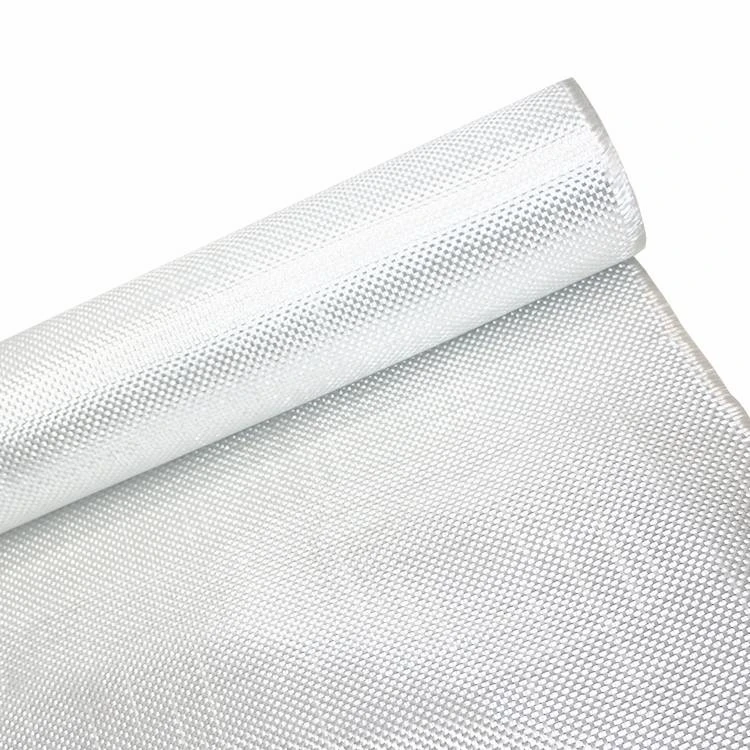
Fiberglass mesh machines might not trigger your daily thoughts, but their significance spreads far beyond factory floors. These specialized machines are the cornerstone of manufacturing fiberglass mesh—a versatile fabric known for its durability, lightweight, and resistance to corrosion. In a world facing escalating infrastructure demands and disaster resilience needs, understanding fiberglass mesh machine suppliers becomes critical. This knowledge aligns well with industries and organizations aiming for sustainability, cost-efficiency, and innovative construction solutions worldwide.
Why Fiberglass Mesh Machines Matter Globally
Today’s global construction and manufacturing landscape is evolving rapidly. According to the World Bank, for example, infrastructure investments in emerging markets are expected to surge by over 60% in the next decade, part of which demands robust materials that outperform traditional steel or plastic reinforcements. Fiberglass mesh, produced by specialized machines, offers excellent tensile strength and corrosion resistance – key in harsh environments from saline coasts to humid tropics.
The problem many stakeholders face is sourcing reliable suppliers who ensure machines that can produce high-quality, scalable fiberglass mesh on-demand. Poor-quality gear leads to product inconsistencies, line downtimes, and ultimately lost revenue—which can cripple projects in fast-paced sectors like construction or repair.
Mini takeaway: At the crossroads of increasing global needs and material innovation, identifying dependable fiberglass mesh machine suppliers can make or break manufacturing success.
What Exactly Are Fiberglass Mesh Machine Suppliers?
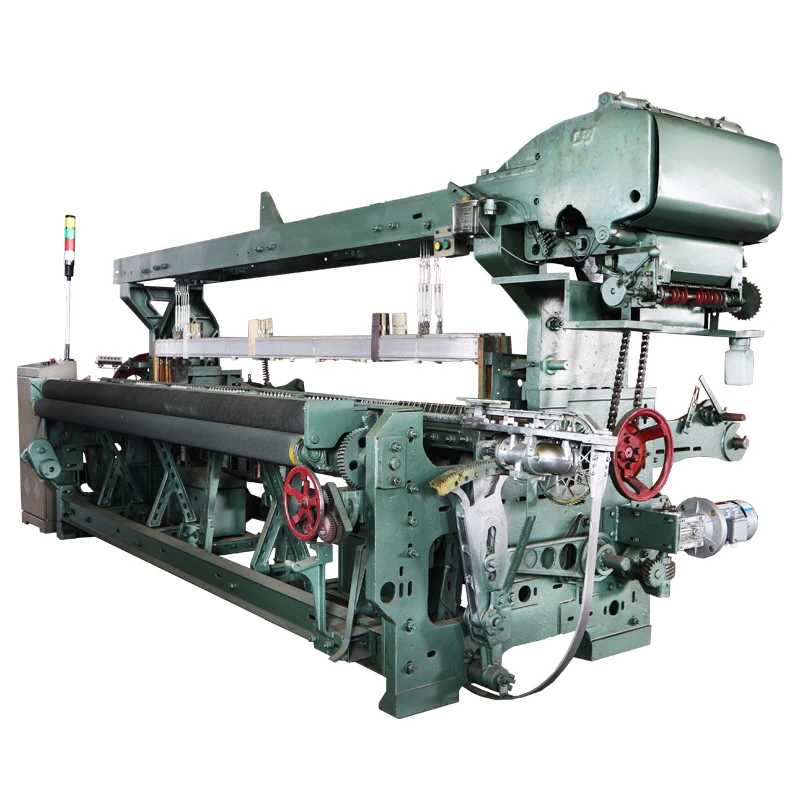
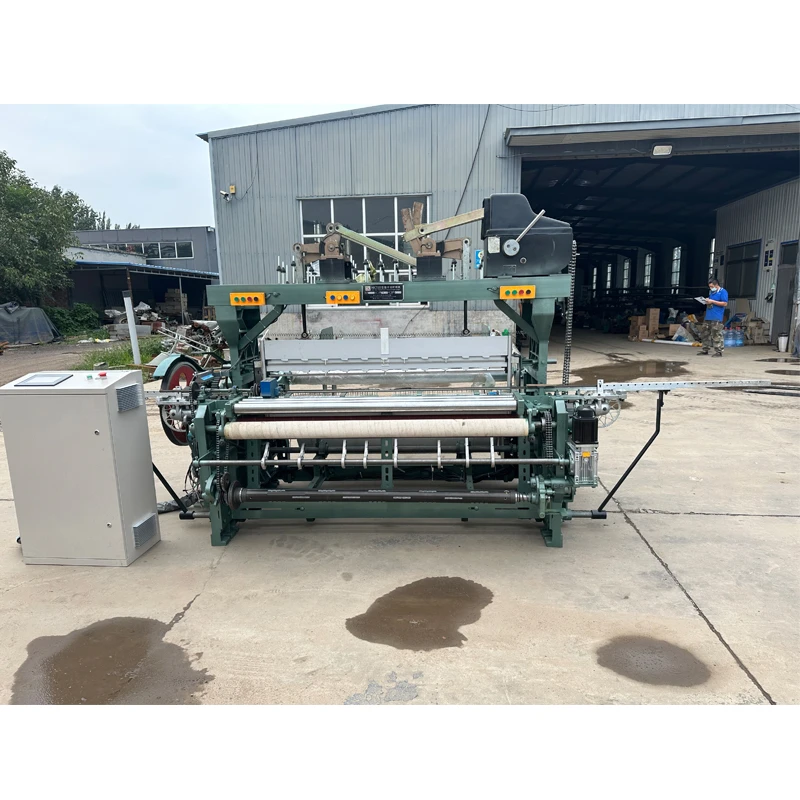
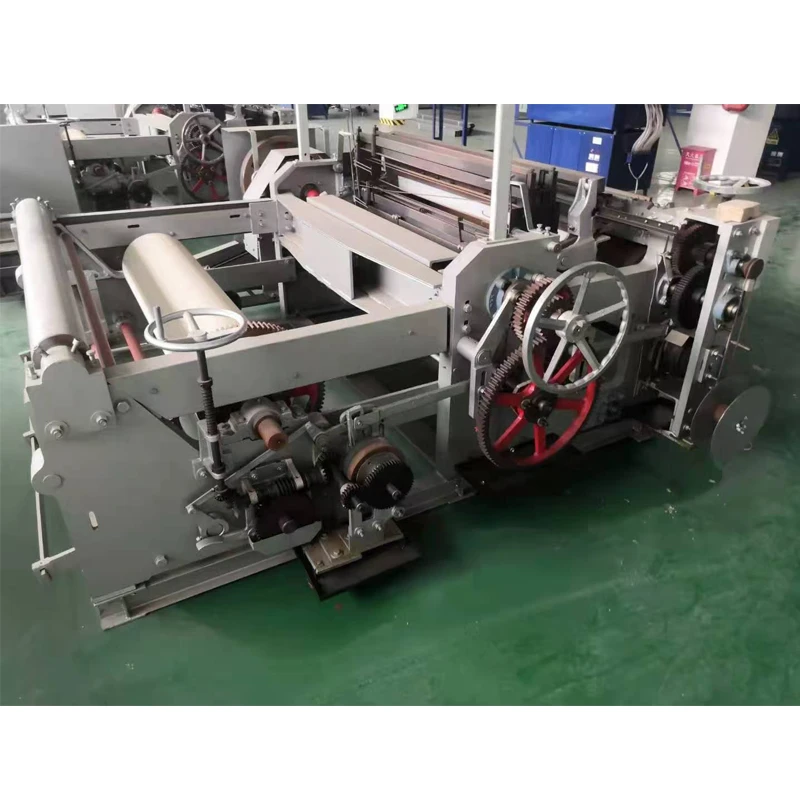
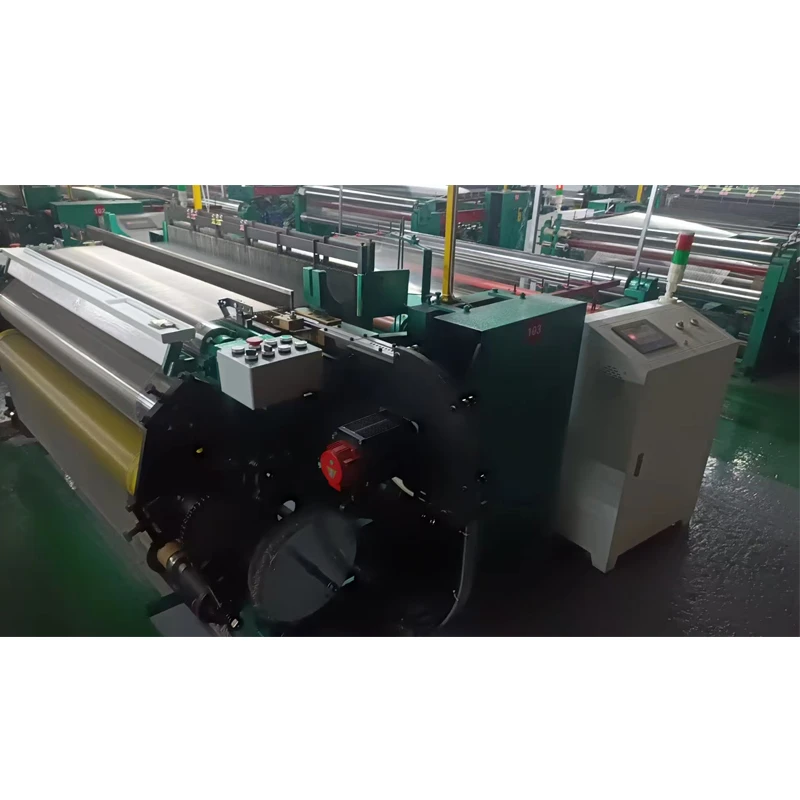
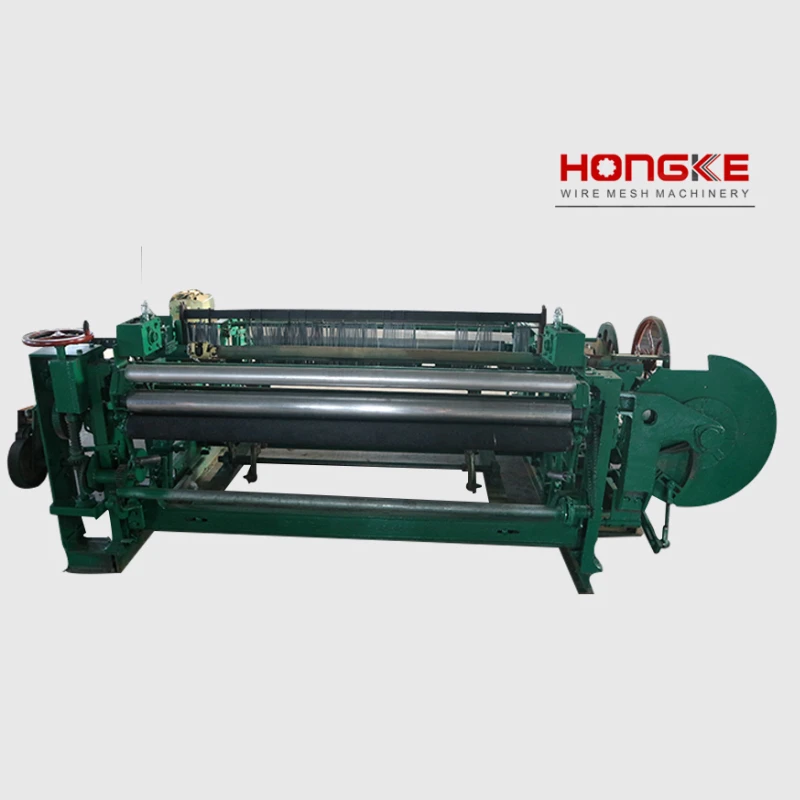
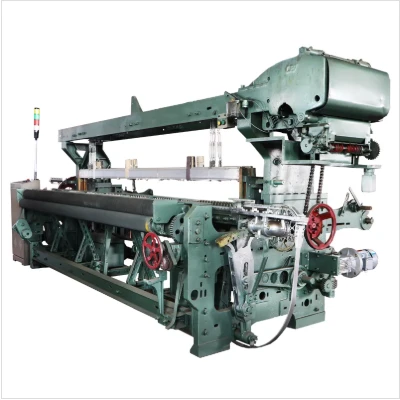
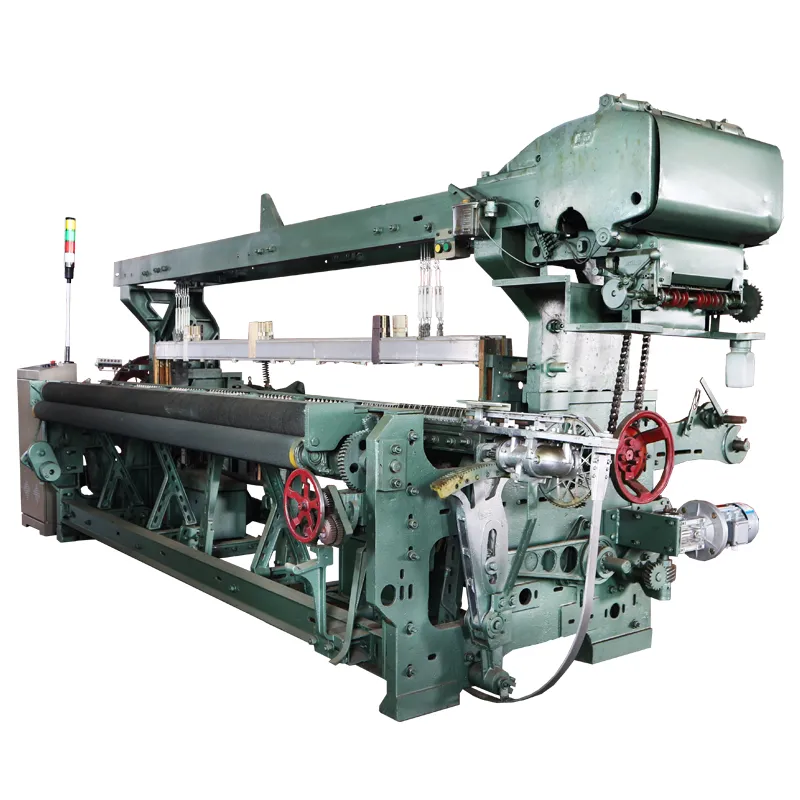
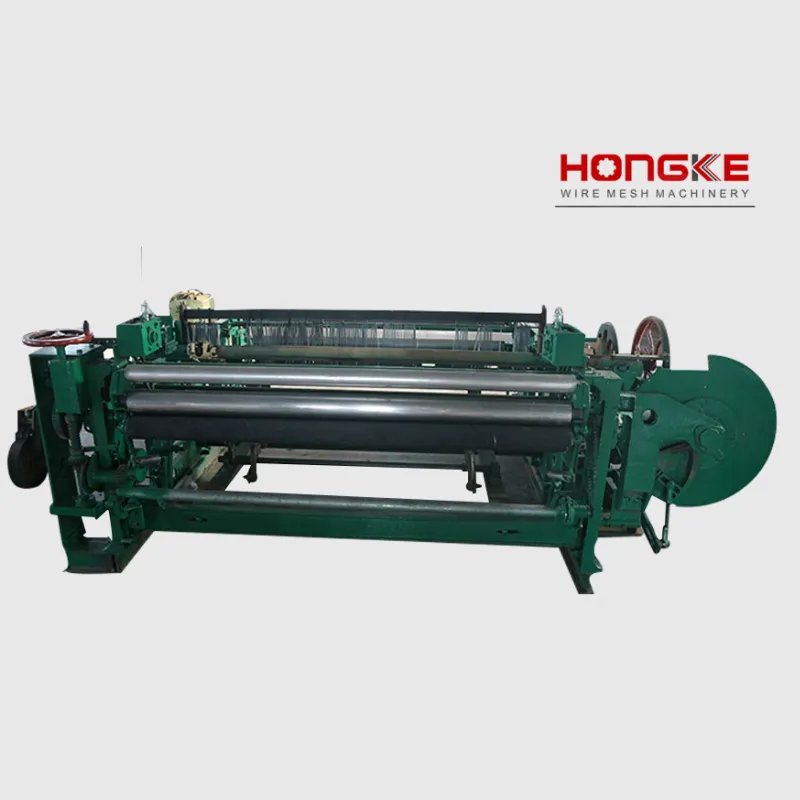
Simply put, these suppliers provide the machinery required to knit or weave fiberglass yarns into mesh fabric sheets used primarily in construction, automotive, aerospace, and even humanitarian sectors. The machines vary from flat to tubular weaving or knitting types, each suited for different mesh specifications and performance standards.
They're central to the supply chain of modern composites and reinforcements. Fiberglass mesh also offers solutions for disaster relief (think temporary walls or reinforcing shelters) and environmentally conscious building techniques that demand less traditional steel reinforcement.
Core Components of Fiberglass Mesh Machines
Machine Durability and Build Quality
The very first thing most engineers look for is how the machine's frame and components withstand continuous operation. Durable stainless steel or specialized alloys ensure longevity and minimal maintenance. This is crucial in regions where technical servicing options are limited.
Scalability and Output Speed
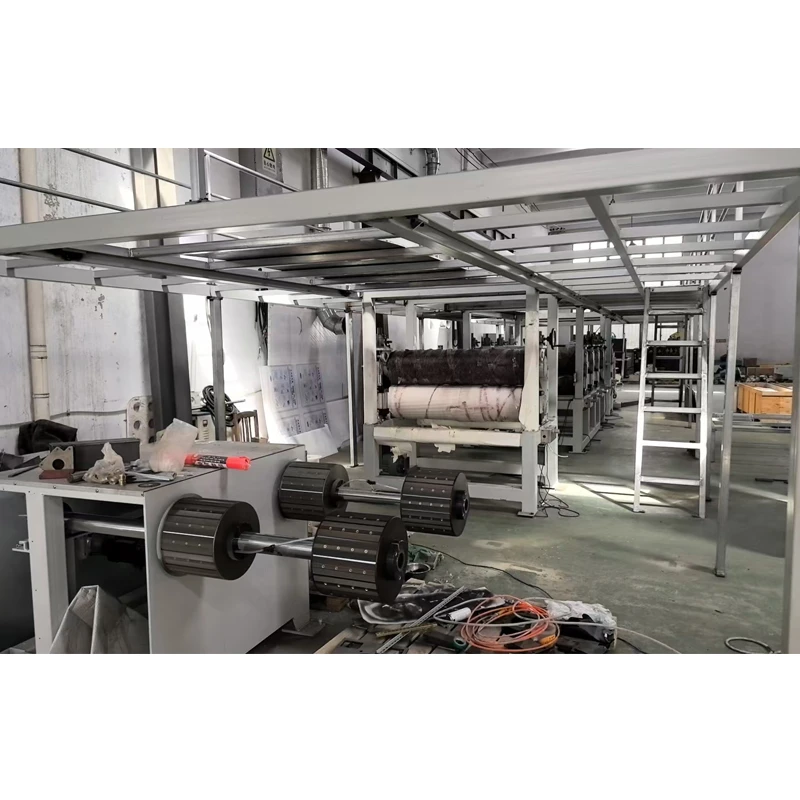
While some projects demand massive volume (thousands of square meters daily), others value customization or specialized mesh patterns. Suppliers offering modular, flexible machines often meet wider client needs—from rapid prototyping to mass production.
Energy Efficiency
With rising electricity costs and environmental concerns, many buyers now prioritize machines with optimized motors or smart controls that minimize power consumption.
Customization and Automation Features
More advanced machines integrate automated tension controls, pattern shifts, and defect detection—cutting labor costs and improving consistency.
Mini takeaway: In selecting a fiberglass mesh machine, these core features help dictate not only the immediate productivity but long-term operational ease and ROI.
Global Applications & Use Cases of Fiberglass Mesh
Fiberglass mesh produced by these machines finds itself everywhere—from Western Europe’s green building projects reinforcing plaster walls to mobile clinics in Southeast Asia protected with mesh-reinforced ceilings. Countries vulnerable to frequent natural disasters, like Japan or the Philippines, use fiberglass mesh in quickly deployable shelters that prioritize strength without weight.
Industrial zones expanding in Africa also rely on it for infrastructure upgrades that resist termite damage and rust. Even space agencies turn to composites reinforced by mesh fabrics manufactured by these machines.
Mini takeaway: The reach of fiberglass mesh is extensive and growing—infrastructure resilience, ecological sustainability, and even aerospace, all tied back to the hardware supplied by trusted machine vendors.
Advantages & Long-Term Value of Partnering with Quality Machine Suppliers
- Cost efficiency: Reducing raw material waste thanks to more precise fabrication techniques.
- Durability: Producing mesh that outlasts many traditional reinforcements, saving future maintenance.
- Sustainability: Supporting eco-friendly materials that reduce carbon footprint.
- Social impact: Enabling safer, more resilient housing and public facilities in vulnerable communities.
- Innovation: Continuous improvements in machinery lead to emerging mesh types for new industries.
- Trust: Long-term partnerships mean steady supply chains amid global uncertainties.
Product Specification Table
| Specification | Typical Range | Notes |
|---|---|---|
| Mesh Width | 500 mm – 3200 mm | Varies by machine model |
| Max Speed | 80 - 120 m/min | Depends on yarn type and mesh density |
| Power Consumption | 5 - 12 kW | Variable based on automation |
| Automation Level | Semi to Full Automatic | Includes tension control, defects alert |
| Material Compatibility | E-glass, C-glass, A-glass | Common fiberglass yarn types |
Comparing Popular Fiberglass Mesh Machine Suppliers
| Supplier | Key Strength | Price Range | Lead Time |
|---|---|---|---|
| APHK Machinery | High automation, excellent after-sales | $$$ | 4–8 weeks |
| GlassTech Systems | Robust build, energy efficient | $$ | 6–10 weeks |
| WeavePro Global | Customized solutions, flexible scaling | $$$ | 8–12 weeks |
Looking Ahead: Future Trends in Fiberglass Mesh Machinery
The wave of Industry 4.0 can’t be ignored. Many suppliers are integrating IoT sensors and AI-based monitoring to minimize downtime and increase precision. Green manufacturing is another mega-trend driving innovation – lower power motors, recyclable machine parts, and waste reduction features are fast becoming non-negotiable.
Material-wise, research in bio-based resins and hybrid fiber meshes promises to broaden use cases even further, potentially blending fiberglass with natural fibers for both environmental and performance benefits.
Challenges and Smart Solutions
That said, challenges linger—high initial machine costs, skill gaps in remote areas, and supply chain disruptions due to geopolitical factors all impact end-user confidence. Some suppliers combat this with leasing models or comprehensive training programs, which is frankly a game changer in markets where upfront investment is a barrier.
Frequently Asked Questions About Fiberglass Mesh Machine Suppliers
- Q: How do I choose the right fiberglass mesh machine for my industrial needs?
- A: Assess your production volume, mesh specifications, automation preferences, and budget. It helps to consult with suppliers about their machine customization capabilities. Exploring reviews or references can save costly mistakes later.
- Q: Can fiberglass mesh machines work with different types of fiberglass yarn?
- A: Most modern machines can handle various kinds, including E-glass and C-glass yarns, but confirming compatibility with your supplier is important to ensure optimal quality and machine longevity.
- Q: What kind of maintenance do these machines require?
- A: Routine cleaning, lubrication, and tension checks are standard. Some suppliers provide remote diagnostics which greatly reduce downtime and unexpected failures.
- Q: Are there financing options available for purchasing these machines?
- A: Leading suppliers like APHK Machinery often offer leasing or installment plans, making it more accessible for small to mid-sized manufacturers.
Final Thoughts and Next Steps
Ultimately, investing time to understand fiberglass mesh machine suppliers isn’t just technical nitpicking. It’s about choosing partners who influence the quality, efficiency, and sustainability of your product and impact the communities relying on those materials. In that sense, it feels like much more than a supply decision—it’s a confident step toward future-ready manufacturing.
For anyone in the fiberglass mesh sector, whether a manufacturer or a buyer, connecting with trusted suppliers such as fiberglass mesh machine suppliers is a smart starting point. The benefits, long term, just make sense.