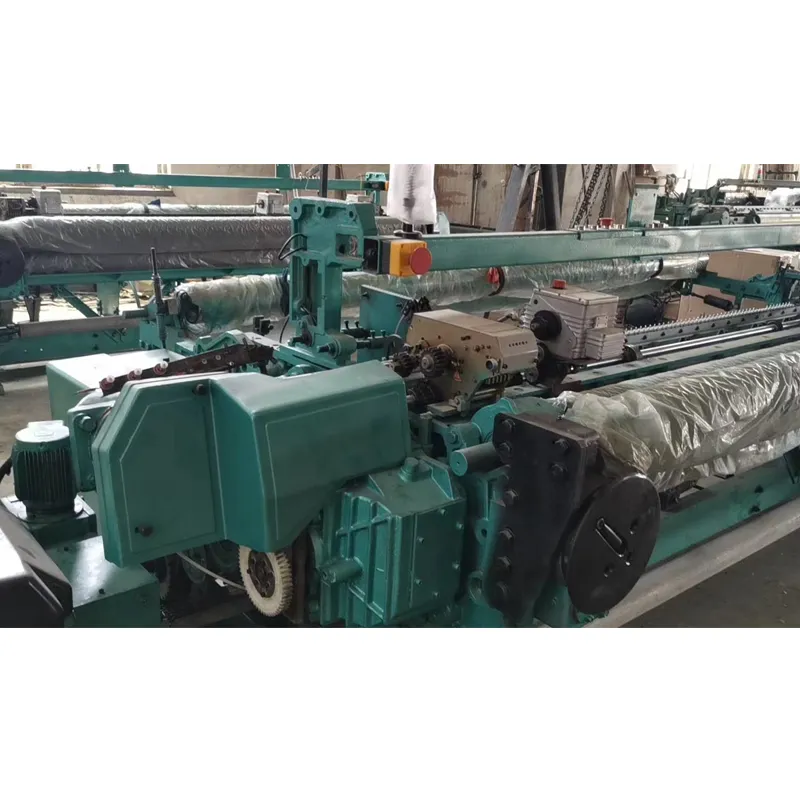



What Is an Automatic Wire Mesh Machine and Why Does It Matter Globally?
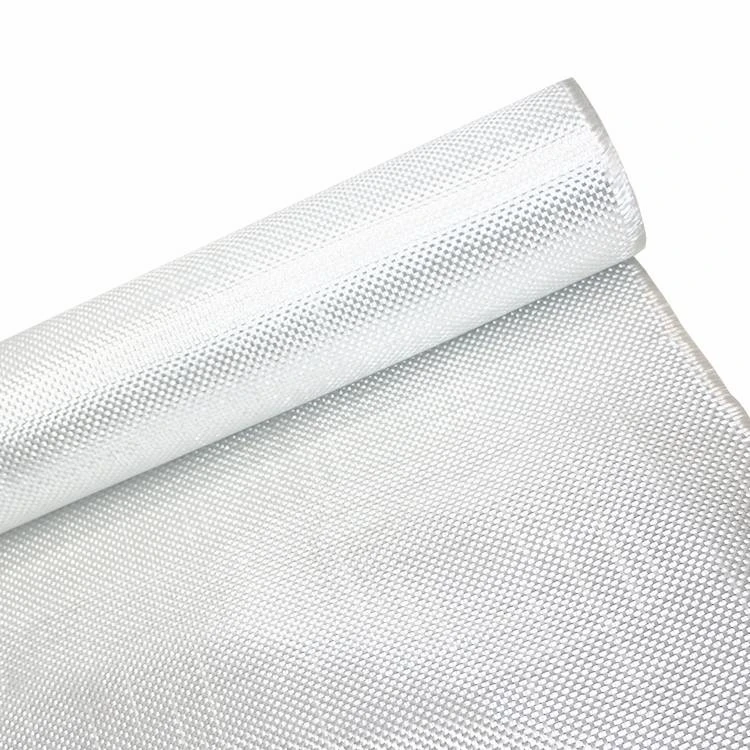
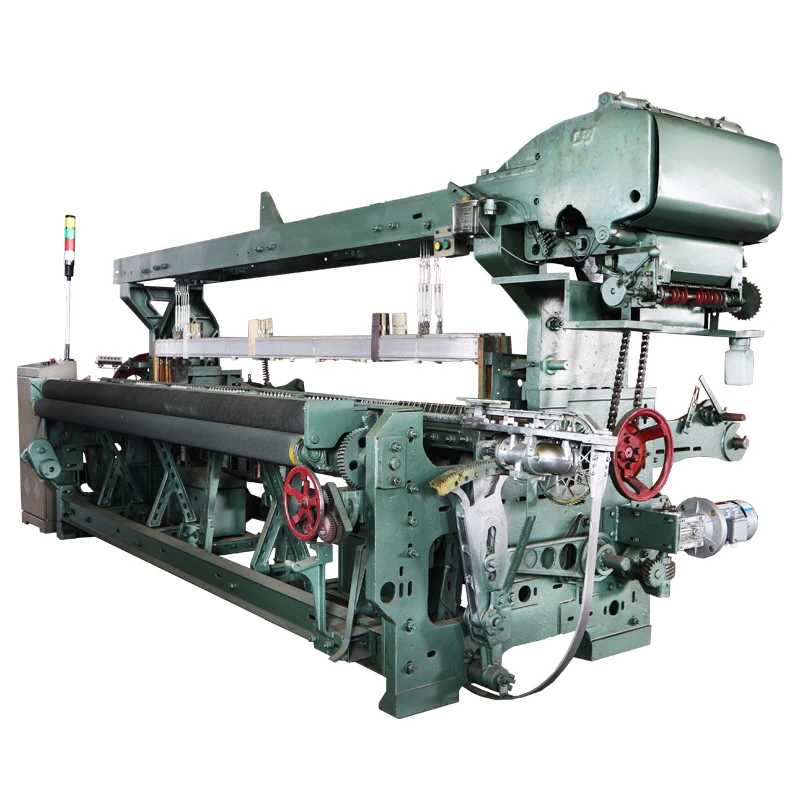
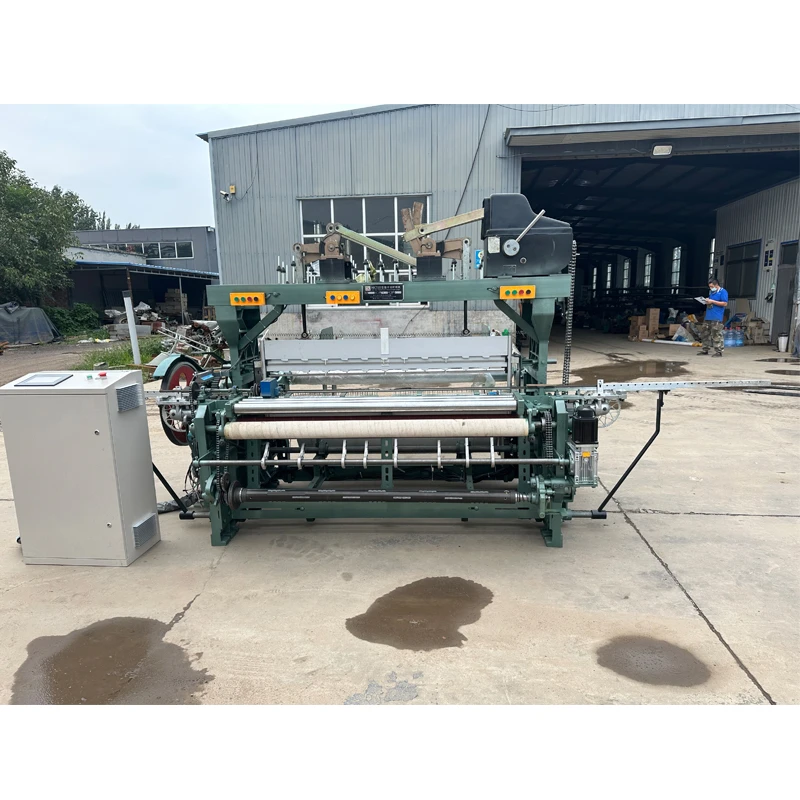
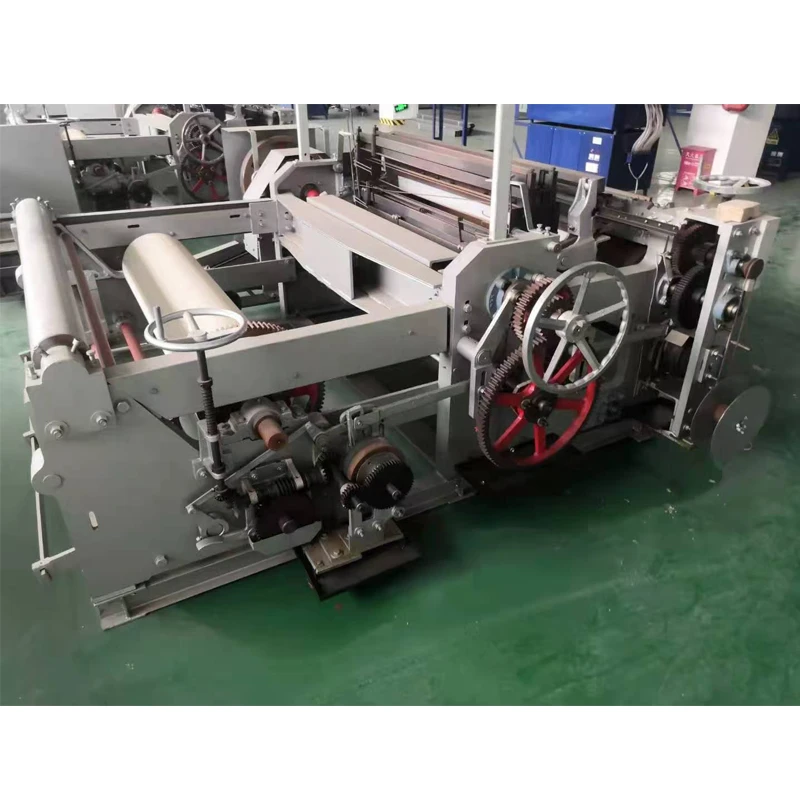
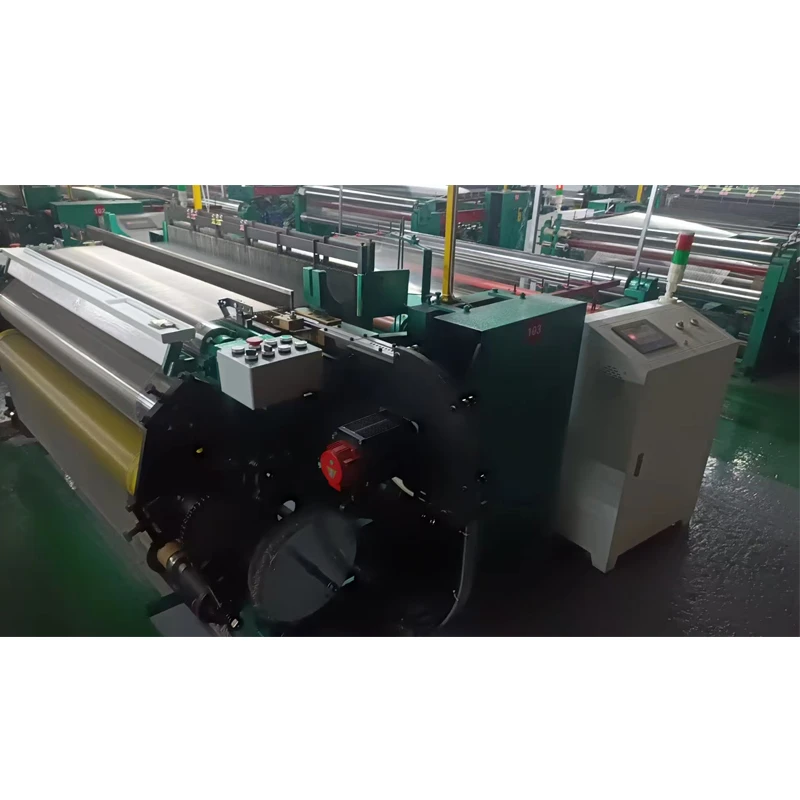
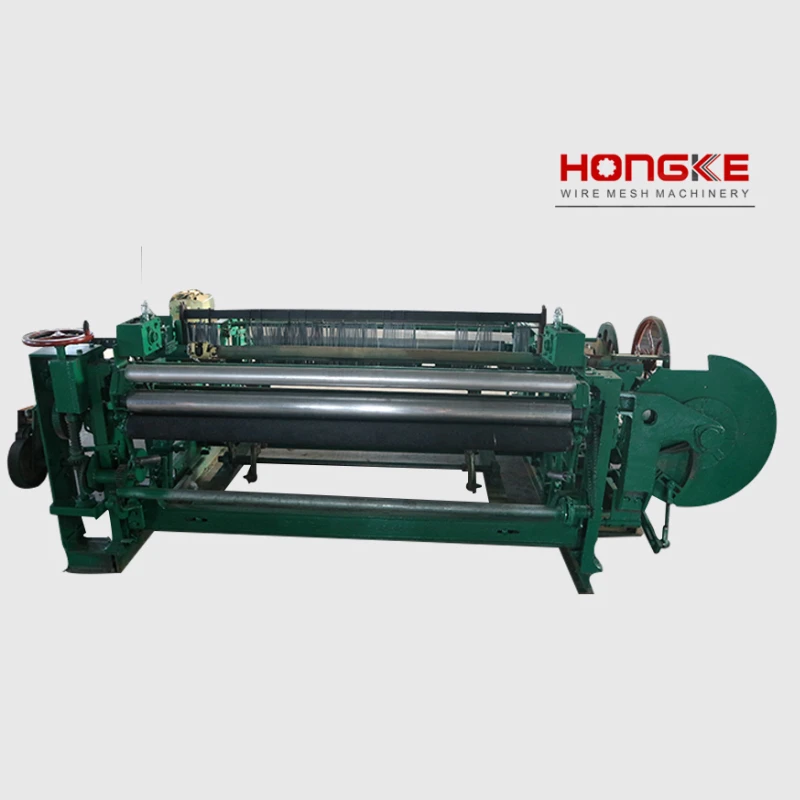
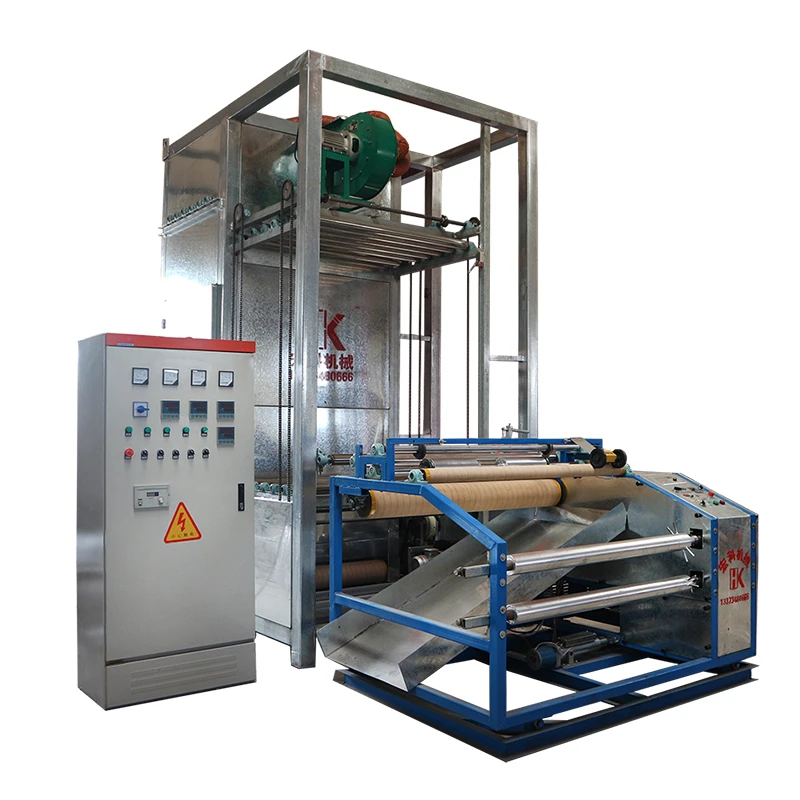
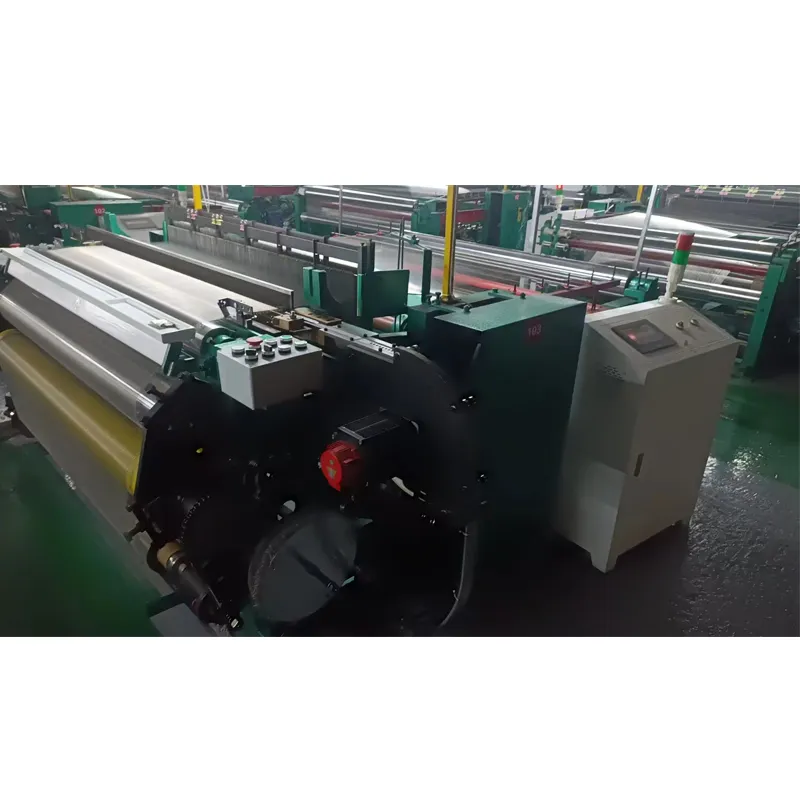
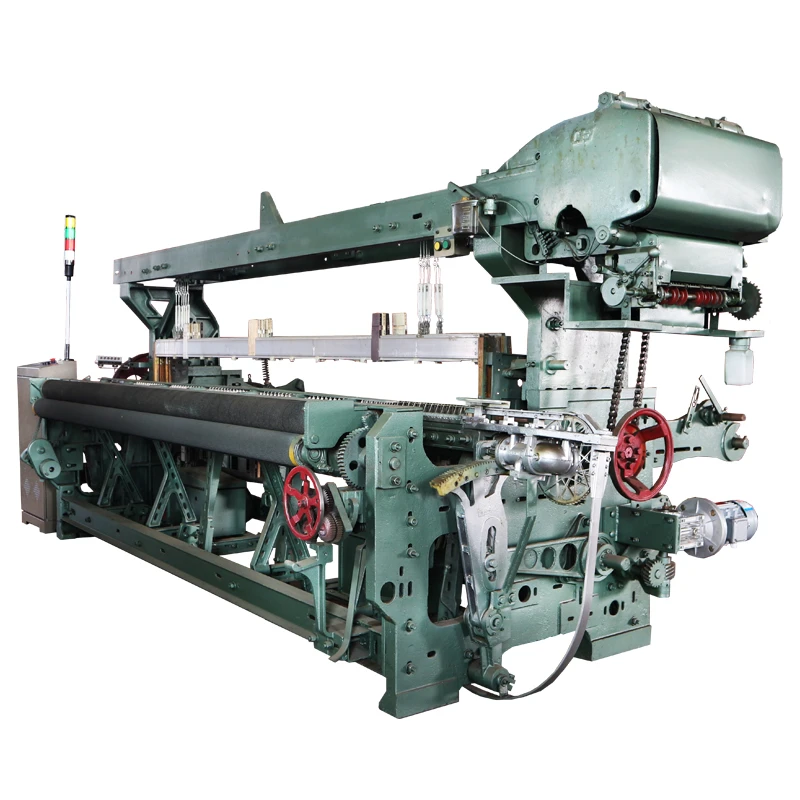
At its heart, an automatic wire mesh machine is a piece of industrial equipment designed to fabricate wire mesh products without constant human intervention. It automates the weaving, welding, or knitting of wires into grids used everywhere — from construction sites to agriculture, and even humanitarian relief. You've probably seen wire meshes as fences, reinforcements in concrete structures, or as cages — those sturdy grids that hold everything together.
But why does knowing about automatic wire mesh machines matter on a global scale? Well, wire mesh production supports fast-growing urbanization and infrastructures worldwide. According to the United Nations, over 55% of the world’s population now lives in urban areas, a percentage expected to rise in next decades. This boom demands durable, scalable, and cost-effective building materials — and automatic wire mesh machines play a quiet yet vital role in meeting those needs efficiently.
Even beyond big cities, in post-disaster recovery or rural development, these machines enable rapid creation of materials crucial to rebuilding or safety. Plus, their automation means higher consistency and efficiency — usually a win for budget-conscious suppliers.
The Global Context: Why Automation in Wire Mesh Production is Gaining Traction
Imagine trying to manually weld or weave thousands of meters of wire mesh. Tedious, error-prone, and slow, to say the least. Automation has stepped in to solve exactly these problems. According to industry stats from the International Organization for Standardization (ISO), factories employing automated wire mesh technology report production increases of up to 40% year-over-year, with defects reduced by nearly half.
Environmental regulations and sustainability goals also push manufacturers to be more efficient and waste-conscious. So, the automatic wire mesh machine is not only a productivity tool but a necessary adaptation for modern manufacturers worldwide.
Yet, challenges remain — like integrating new materials and digital controls catered to diverse markets in Asia, Europe, and Africa. The global supply chain’s recent disruptions have underscored how critical robust, locally operable machines really are.
Automatic Wire Mesh Machine: Simply Put
In essence, it’s a machine that takes wire rods or coils, straightens them, and either weaves them in patterns or welds intersections without much human input on each piece. Pre-set controls handle wire diameter, mesh size, welding current, and speed — making for a reliable, repeatable product.
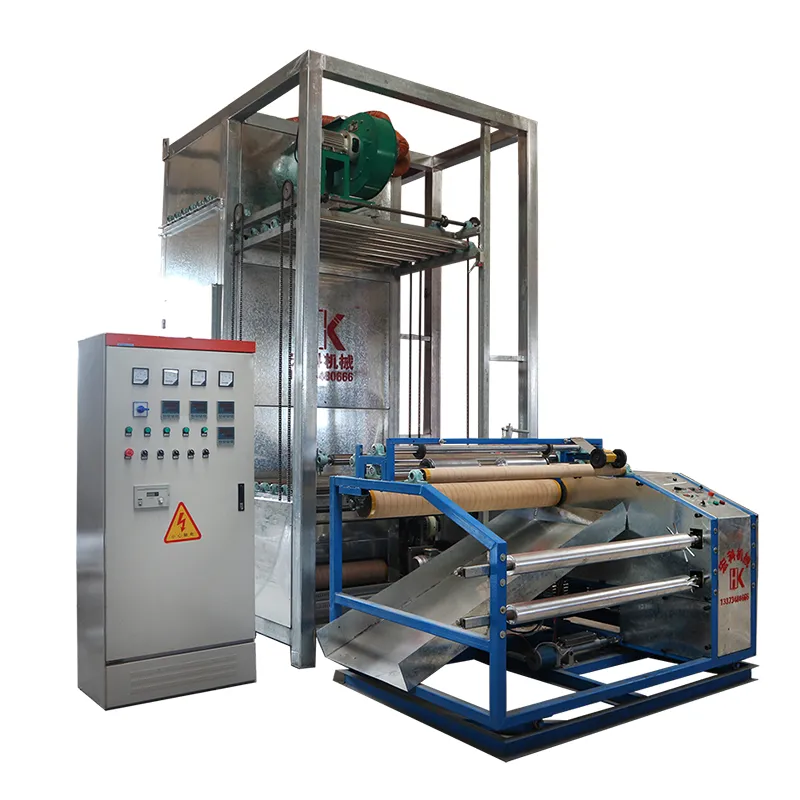
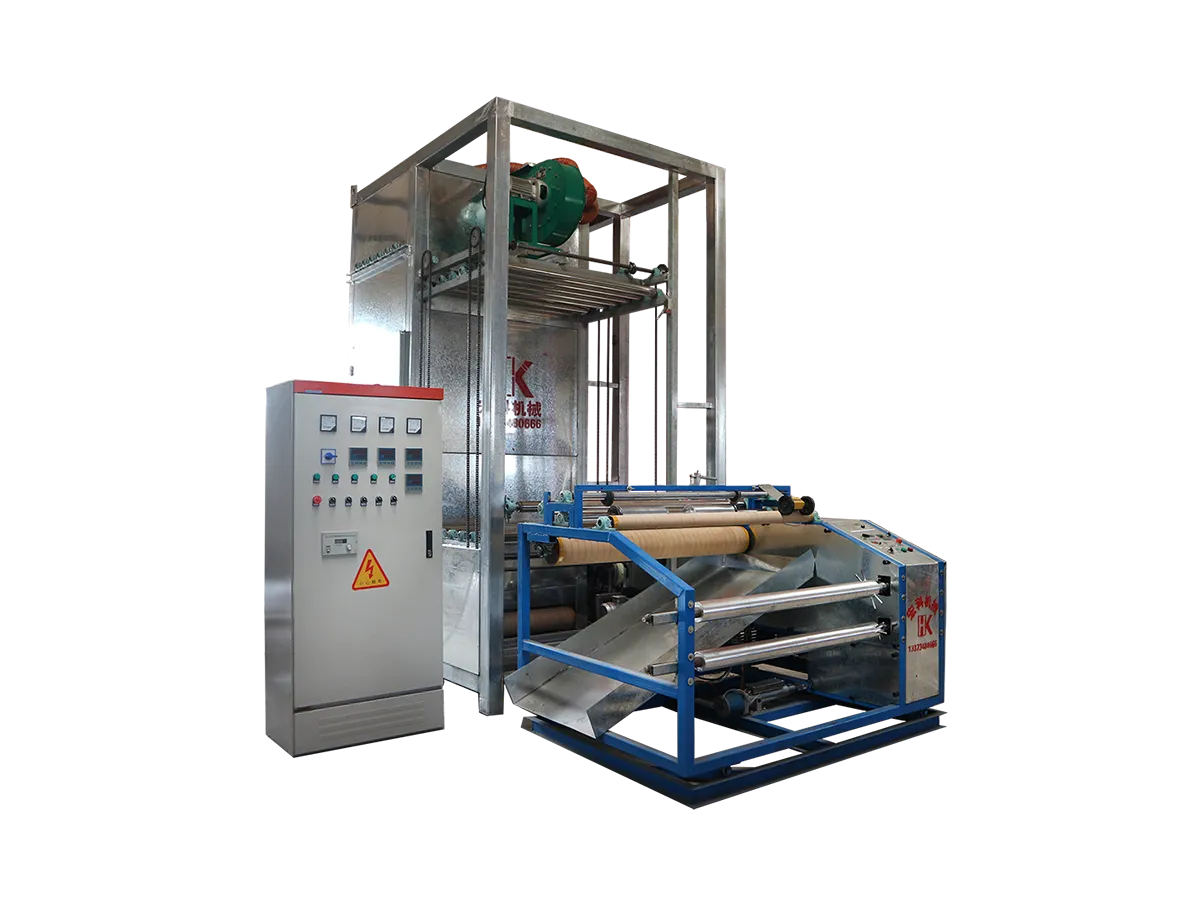
These machines come in various types: knitting, welding, rolling, or weaving systems. Their products support everything from fencing to concrete rebar cages, gabion baskets for erosion control, or even industrial filters.
Beyond pure industry, think humanitarian efforts — for example, in crisis zones, rapid deployment shelters sometimes use mesh-based frameworks. Having automatic wire mesh machines nearby means quicker, safer buildup of these essentials.
Core Components and Key Design Features
1. Durability and Maintenance
Most engineers stress that durability isn’t just about machine robustness but also ease of maintenance. The automatic wire mesh machine’s welding arms, rollers, and computer modules should be designed for easy replacement or realignment. In dusty or humid environments, corrosion resistance plays a huge role.
2. Scalability and Speed
The best machines allow operators to easily adjust mesh size and wire thickness, switching jobs without hours of downtime. Speed, measured in meters of mesh per minute, varies from model to model but is crucial for meeting tight deadlines — especially in construction booms.
3. Cost Efficiency
It doesn’t make financial sense to buy a top-end model if your needs are moderate, but cheap machines risk frequent breakdowns or inconsistent product quality. Wise buyers consider the total cost of ownership — including electricity usage, maintenance, and operator training.
4. Automation and User Interface
Modern machines often integrate PLC control systems with touchscreen interfaces, enabling real-time monitoring of output quality and machine status. Some models even offer remote diagnostics, which can save precious hours if something goes wrong.
5. Material Compatibility
Wire mesh production can involve steel, stainless steel, galvanized iron, or even aluminum wires. Machines that can handle a range of materials without needing too many hardware changes offer great value.
Mini takeaway: The ideal automatic wire mesh machine balances speed, adaptability, durability, and cost. It’s not always about having the flashiest feature but the one that serves your production type best.
Automatic Wire Mesh Machines Around the World: Practical Applications
Globally, the applications are as diverse as the places using the machines:
- Asia: Rapid infrastructure growth in China and India relies heavily on reinforced concrete — thanks to wire mesh made through automated systems.
- Europe: Emphasis on sustainable buildings has expanded the need for corrosion-resistant meshes in energy-efficient homes.
- Africa: NGOs use wire mesh in post-disaster shelters or water sanitation projects, frequently sourcing machines for local production.
- South America: Mining operations use mesh for safety cages and conveyor belts, relying on heavy-duty weld mesh.
Consider a project in Indonesia where an NGO installed automatic wire mesh machines to locally produce gabions after landslides. Instead of waiting weeks for imported materials, they expedited riverbank stabilization in days, saving lives and budgets.
Specification Table: Typical Automatic Wire Mesh Machine Technical Details
| Feature | Typical Parameter | Remarks |
|---|---|---|
| Wire Diameter Range | 1.5 mm - 5 mm | Supports most construction wires |
| Mesh Size Range | 50 mm x 50 mm up to 150 mm x 150 mm | Adjustable per project needs |
| Output Speed | 5 - 12 m/min | Depends on mesh type |
| Power Consumption | 8 kW - 15 kW | Varies with model |
| Control System | PLC + Touchscreen | User-friendly interfaces today |
| Weight | ~1500 kg | Medium footprint |
Comparing Leading Vendors of Automatic Wire Mesh Machines
| Vendor | Best For | Price Range (USD) | Unique Features |
|---|---|---|---|
| APHK Machinery | Customization & Service | $35,000 - $50,000 | Remote diagnostics, wide wire compatibility |
| Global Mesh Tech | High Volume Production | $45,000 - $65,000 | Ultra-fast welding, minimal downtime |
| WireWorks Co. | Entry Level & Budget | $20,000 - $30,000 | Simple UI, compact footprint |
Benefits and Lasting Impact of Automatic Wire Mesh Machines
When you consider how much time and labor these machines save, the financial benefits are clear. Beyond cost savings, the reliability factor means fewer on-site failures in construction — increasing safety and trust among workers and clients.
There's an emotional dimension too: automation offers livelihoods in new forms and frees workers from repetitive, hazardous tasks. Sustainability is higher since machines reduce scrap wire and energy consumption is optimized. It’s a corner-turning moment combining tradition with innovation.
Innovations & Future Directions
Looking ahead, some exciting trends include the integration of IoT for predictive maintenance — so machines alert you before they break down. Advances in material science bring new wire alloys that improve corrosion resistance or flexibility. Other companies explore solar-powered wire mesh machines for remote or off-grid use, pushing the sustainability envelope ever further.
And then there’s digital twin technology: creating virtual models of machines to simulate production runs before physical adjustments — reducing downtime and costs significantly.
Common Hurdles and How Experts Suggest Overcoming Them
While the potential is huge, some limitations persist. Initial capital costs can be high, especially for smaller businesses. Training operators can be a bottleneck in regions with less technical education. Also, raw material quality fluctuations impact mesh consistency.
Industry experts recommend phased adoption — starting with semi-automatic models, investing in operator training, and building supplier relationships to secure steady raw wire supply chains. Additionally, after-sales support and remote services reduce downtime and keep machines humming.
FAQ: Your Questions About Automatic Wire Mesh Machines Answered
What are the main advantages of using an automatic wire mesh machine versus manual production?
Automatic machines boost speed, reduce defects, and improve worker safety by limiting manual welding or weaving. They also provide consistent mesh sizes and patterns, vital for structural integrity in construction.
Can these machines handle different wire types like galvanized or stainless steel?
Yes, most quality automatic wire mesh machines support a variety of materials. However, users should check the machine’s specifications to ensure compatibility, especially for wires with special coatings or very fine diameters.
How complex is it to train staff to operate these machines?
Training complexity varies, but modern machines with touchscreen interfaces and PLC controls are designed for easy learning. Most vendors also provide detailed manuals and remote or onsite training sessions.
Is it feasible for small enterprises in developing regions to invest in these machines?
While initial costs can be steep, smaller automatic and semi-automatic machines exist at budget-friendly prices. Plus, partnerships with NGOs or government grants can offset capital investment, making local production possible and sustainable.
Where can I find trustworthy suppliers of automatic wire mesh machines?
Reliable vendors like APHK Machinery (link placeholder) offer customizable solutions with global shipping and support. It’s important to evaluate service, warranty, and after-sales care before purchasing.
Wrapping It Up: Why Automatic Wire Mesh Machines Are Here to Stay
In short, automatic wire mesh machines are quietly revolutionizing multiple industries by combining speed, precision, and flexibility. Whether it’s enabling safer homes, empowering local businesses, or helping responders rebuild in crises, their value spans far beyond simple grids of wire.
If you’re curious to explore how these machines could fit your operations, I’d recommend checking out APHK Machinery’s offerings. Their line balances affordability with advanced features, perfect for many businesses eager to streamline their wire mesh production.
Let’s just say: once you’ve seen how much smoother mesh-making gets with one of these, it’s hard to go back to the old ways.