


Mesh Wire Making Machine: Why It’s a Quiet Hero of Modern Industry
If you’ve ever wondered how fences, cages, or even those intricate wire meshes used in construction come to be, chances are a mesh wire making machine played a starring role. These machines aren’t just tools; they’re workhorses that help shape modern infrastructure, aid humanitarian projects, and even support innovative industrial solutions worldwide.
Globally, the demand for wire mesh is climbing steadily. The World Bank reports over 50% of building projects in developing countries now include some form of wire mesh reinforcement — all thanks to reliable production from these machines. Yet, despite this, few stop to appreciate just how transformative a good mesh wire making machine can be for industries ranging from agriculture to disaster relief.
Mini takeaway: Understanding the mesh wire making machine means recognizing the foundation of many materials we lean on every day — and in a world that’s rapidly building upward and outward, that’s no small deal.
The Global Importance of Mesh Wire Production
Look around any city, town, or rural area, and you’ll find wire mesh in one form or another. According to ISO standards, mesh wire quality directly affects structural safety and durability. A mesh wire making machine isn't just a fancy tool; it solves very tangible problems — like reinforcing concrete or securing crops, which in turn stabilizes food supply chains. On the humanitarian front, they help quickly provide barriers or fencing during emergency zones or refugee settlements.
However, challenges remain. In many parts of the world, there's a shortage of durable, locally-made mesh wire. Import costs, supply delays, and inconsistent quality can jeopardize entire projects. This is where modern mesh wire machines come into play, offering scalable, faster, and more consistent production right where it’s needed.
What Exactly Is a Mesh Wire Making Machine?
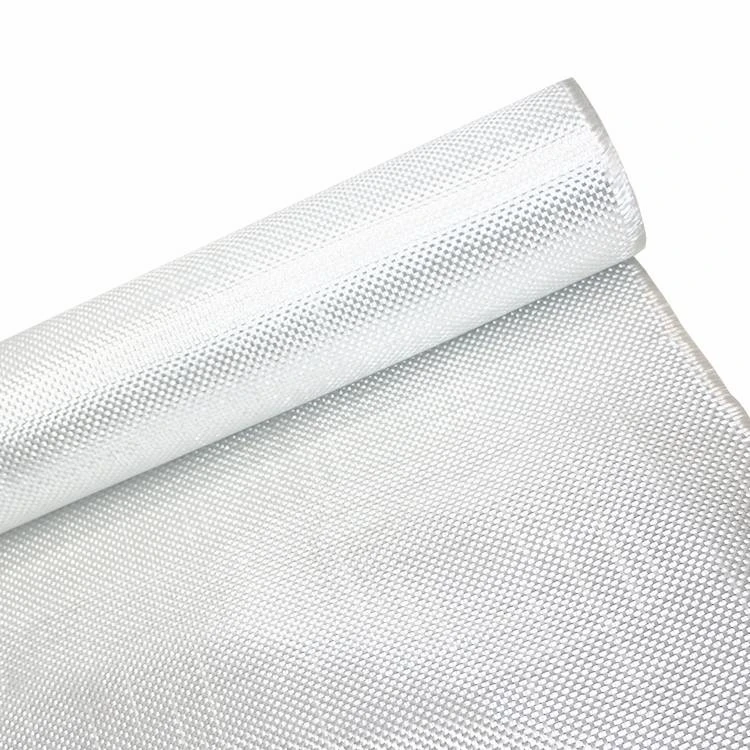
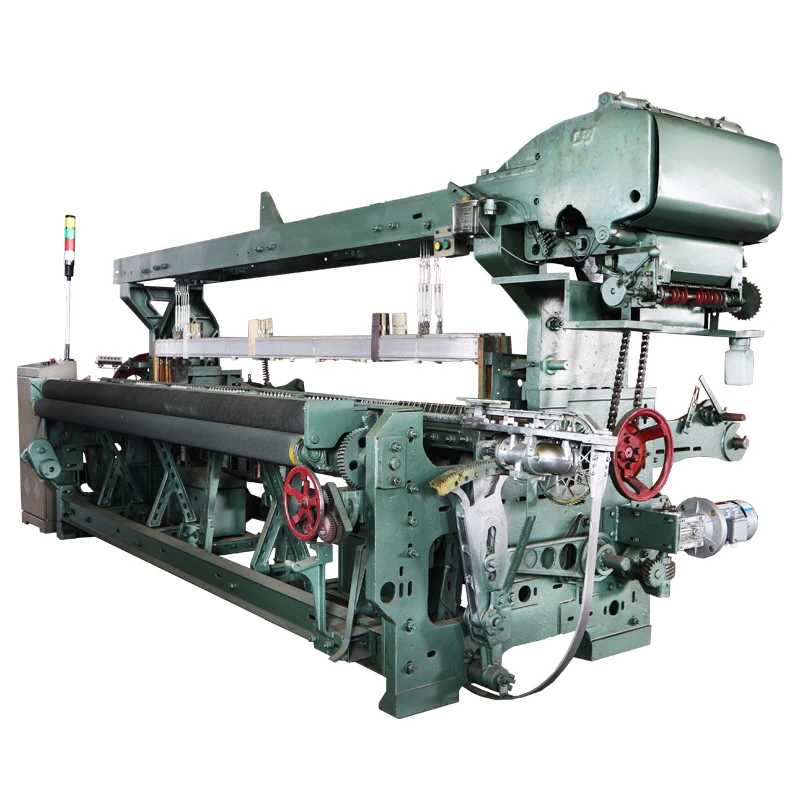
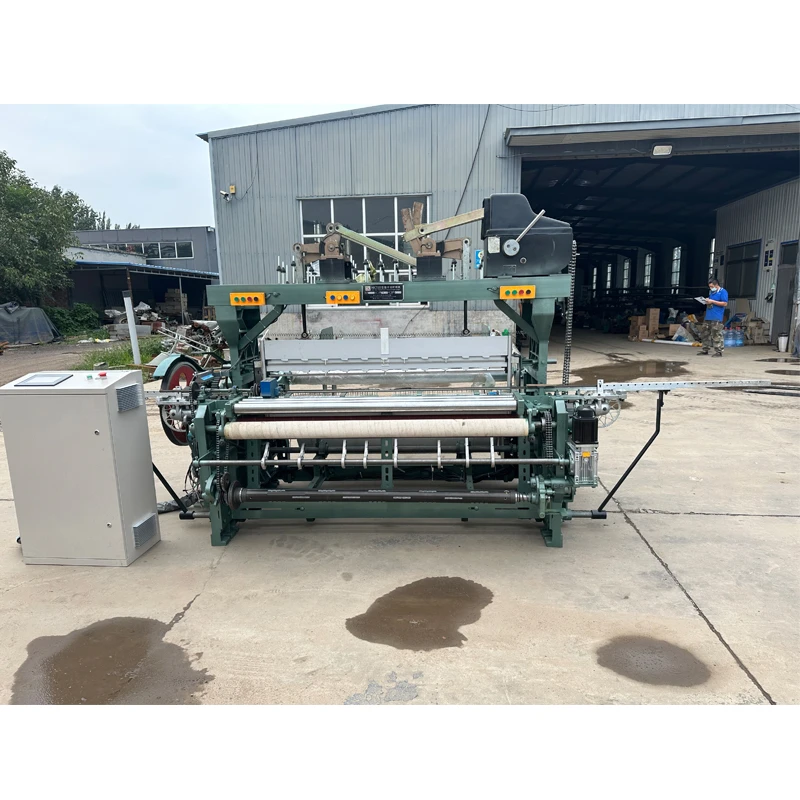
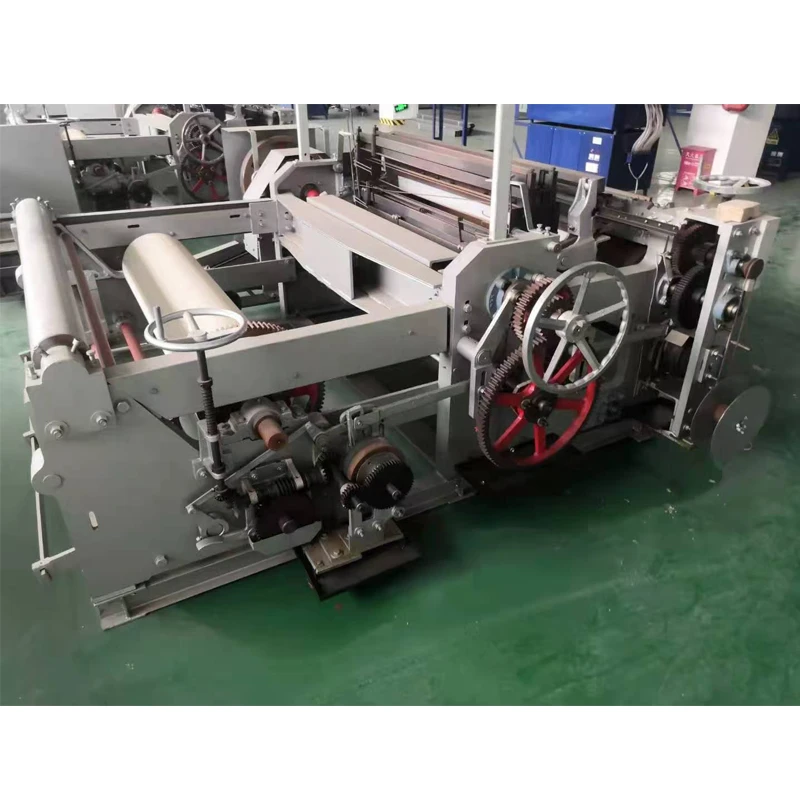
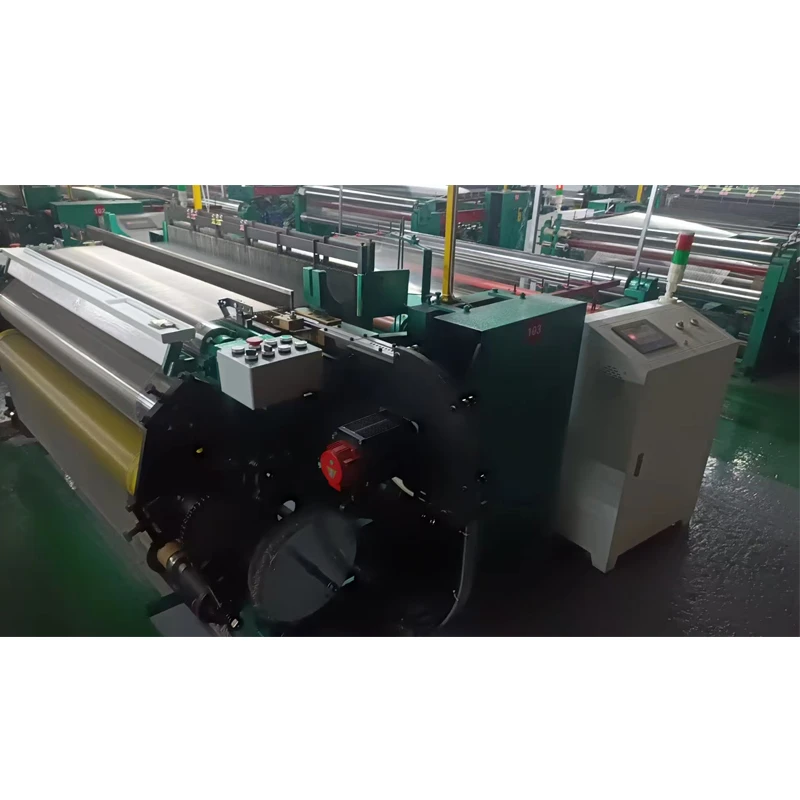
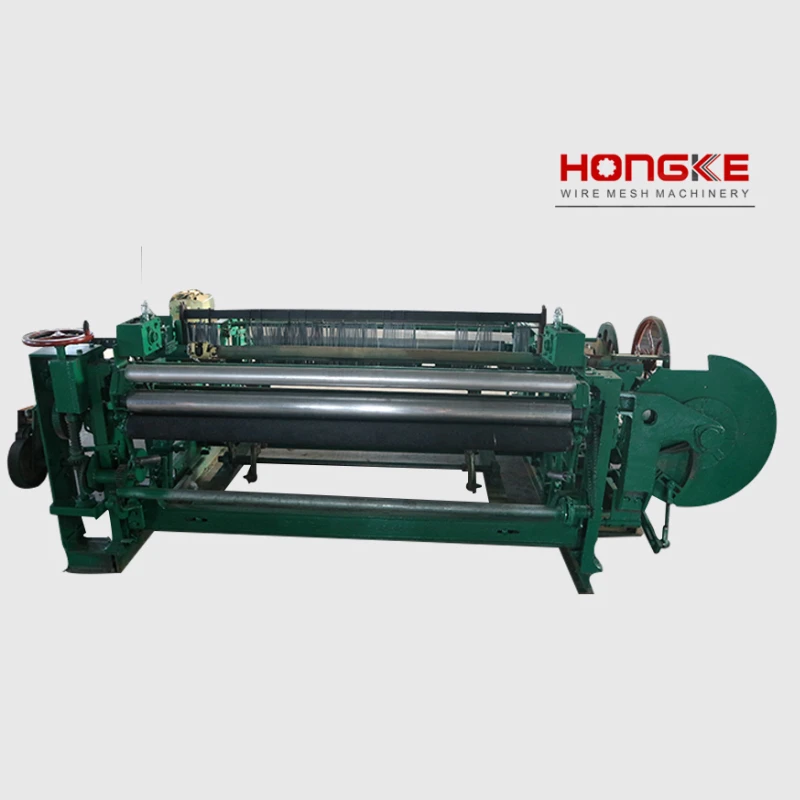
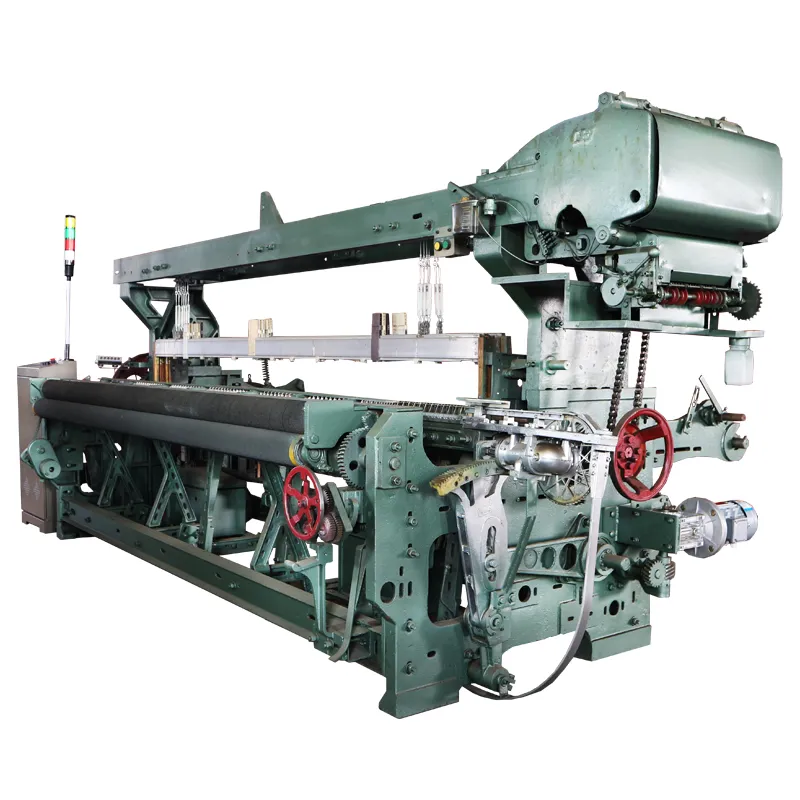
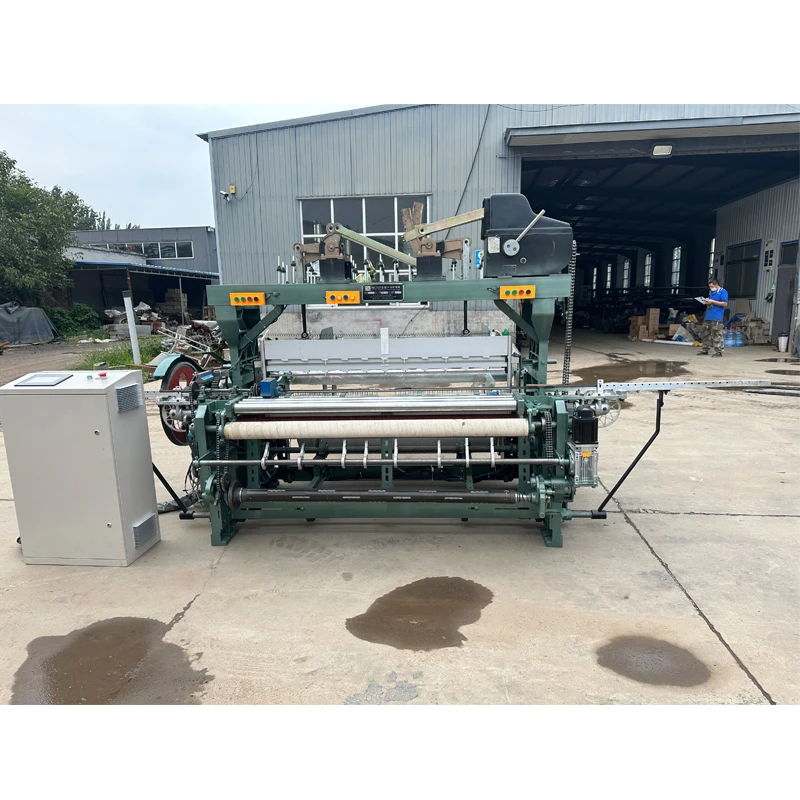
Simply put, a mesh wire making machine is a piece of equipment that automatically weaves or welds wire strands into a grid or mesh pattern. Depending on the machine type, it can produce meshes with varying thicknesses, mesh sizes, and materials, including galvanized steel, stainless steel, or even specialty alloys.
Think of it this way — if raw wire is the thread, the mesh wire making machine is the loom, turning that thread into the fabric of modern infrastructure, agriculture, or security.
Industries rely on these machines to meet rising standards of safety and productivity. Humanitarian groups benefit because portable mesh-making setups can be deployed close to disaster zones, providing fencing or containment materials on short notice.
Key Components and Features of Mesh Wire Making Machines
1. Durability and Material Compatibility
One of the most critical aspects is the machine’s ability to handle different wire types without breaking or losing precision. For example, galvanized wire needs special care to avoid damaging its protective coating during the weaving process.
2. Scalability and Speed
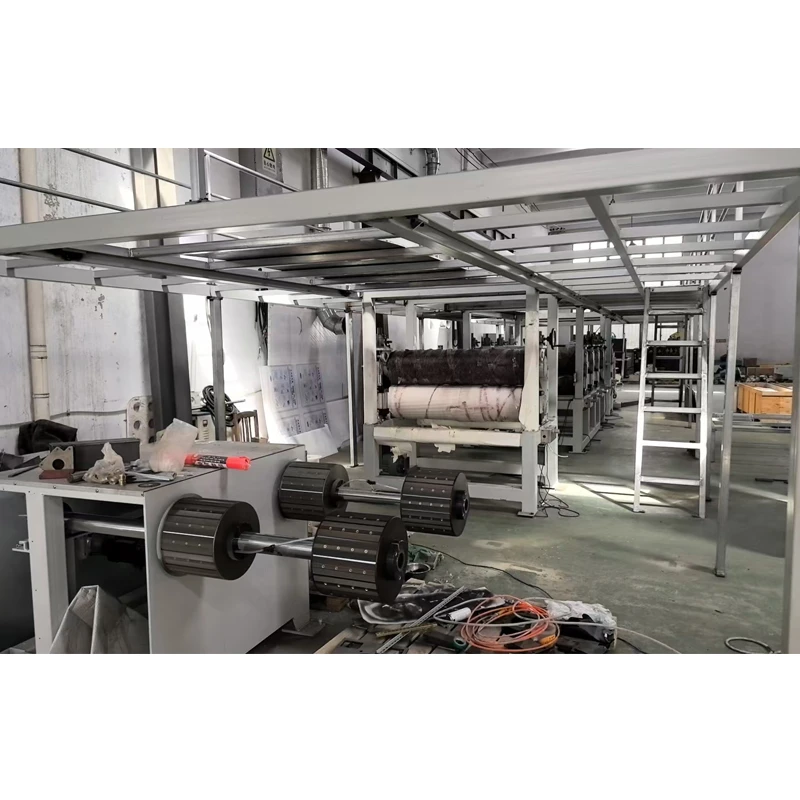
From small-scale setups for rural workshops to high-output industrial lines, mesh wire machines vary widely. Many engineers point out that a machine’s operational speed must balance with quality — faster isn’t always better if mesh integrity suffers.
3. Automation and User-Friendly Controls
Modern machines often integrate computerized systems that reduce human error and allow for custom mesh designs. This makes adapting to unique project needs easier and cuts down training time, which can be crucial in tight deployment schedules.
4. Energy Efficiency
Environmental concerns have led manufacturers to design machines that consume less power while maintaining output. Oddly enough, some models can be solar-powered, making them ideal in off-grid areas.
5. Maintenance and Longevity
Since mesh wire making machines often run long hours, ease of maintenance and availability of spare parts greatly affect uptime and total cost of ownership. Modular designs that let technicians swap out parts quickly are favored.
Mini takeaway: When choosing a mesh wire machine, it’s really about matching operational needs with these core features — durability, speed, automation, energy use, and maintenance.
Real-World Applications of Mesh Wire Making Machines
Agriculture in Sub-Saharan Africa relies heavily on fencing to protect crops from stray animals. Enterprises there deploy mesh wire making machines on-site, reducing costs and supply-chain delays.
In the construction industry, especially in emerging markets like Southeast Asia, reinforced concrete structures need consistent mesh sizes — machines ensure standards compliance, even in remote regions.
International aid organizations use compact mesh machines to produce temporary fencing for refugee camps, improving safety and privacy. For example, after the 2015 earthquake in Nepal, local production of wire mesh helped rebuild infrastructure faster than relying solely on imports.
Vendor Comparison Table: Leading Mesh Wire Making Machines
| Model | Wire Diameter (mm) | Max Mesh Size (cm) | Output (sqm/hr) | Automation Level | Power Source | Price (USD) |
|---|---|---|---|---|---|---|
| APHK M-500 | 0.8 - 4.0 | 15 x 15 | 120 | Semi-Auto | Electric | 18,000 |
| WirePro 2000 | 1.0 - 5.0 | 20 x 20 | 200 | Fully Auto | Electric/Diesel | 27,500 |
| EcoMesh Solar | 0.5 - 3.5 | 12 x 12 | 80 | Semi-Auto | Solar/Electric | 22,000 |
Advantages and Long-Term Value of Investing in a Mesh Wire Making Machine
- Cost Efficiency: Producing mesh on-site cuts import and transportation costs drastically.
- Sustainability: Newer machines use less power and allow recycling wire scrap.
- Social Impact: Locally produced mesh offers jobs and strengthens local economies.
- Reliability: Consistent mesh improves safety in buildings and keeps agricultural animals safe.
There’s something reassuring about knowing your project isn’t dependent on delayed shipments or fluctuating suppliers — that kind of trust builds confidence. The emotional safety of having reliable infrastructure and fencing is huge, especially in vulnerable communities.
Future Trends & Innovations in Mesh Wire Making Technology
Automated quality checks and AI-powered adjustments are beginning to appear in the newest models, improving precision and reducing waste. Green energy integration is another hot area — solar-powered and energy-recovering machines promise greener operations.
Also, expect more modular machines that can be packed and deployed rapidly for emergency or remote sites. Manufacturers are even experimenting with biodegradable coatings for wire to reduce environmental footprints.
Challenges & Practical Solutions
Common challenges include wire fragility during production, inconsistent weld strength, and the cost of specialized maintenance parts. But savvy operators mitigate these by:
- Training staff on best handling practices.
- Choosing machines with widely available parts.
- Using sensors and monitoring to catch defects early.
Plus, some companies offer remote tech support or modular upgrades to keep machines running longer. It feels like the industry is moving from “buy and hope” to “buy and maintain smartly.”
Frequently Asked Questions About Mesh Wire Making Machines
Q1: How do I choose the right mesh wire making machine for my business?
A: Consider your production volume, wire types, and mesh dimensions first. Also, assess power source availability and automation preference. Smaller setups may prioritize portability over speed, while big factories need faster output and advanced controls.
Q2: Can mesh wire making machines use recycled wire?
A: Yes, most modern machines handle recycled wire, though quality depends on wire consistency. It usually requires cleaning and straightening before production to avoid jamming or weaker mesh.
Q3: What is the typical maintenance schedule?
A: Maintenance varies, but most manufacturers recommend monthly basic checks and quarterly detailed inspections. Lubrication, wire tension calibration, and weld electrode cleaning are common tasks.
Q4: Are mesh wire making machines suitable for mobile deployment?
A: Some compact or modular models are designed for on-site or emergency use, featuring lightweight frames and easy assembly. These are popular in construction sites and humanitarian missions.
Q5: How do I ensure mesh quality meets international standards?
A: Implementing inline quality control systems on your machine and adhering to ISO or ASTM wire mesh standards helps maintain consistent mesh size, strength, and corrosion resistance.
Conclusion: Building More Than Just Wire Mesh
In the long run, investing in quality mesh wire making machines means more than just maximizing output. It’s about empowering industries, aiding communities, and future-proofing infrastructure from the ground up.
So, if you’re looking to boost productivity or tap into new markets, exploring mesh wire making solutions isn’t just a step forward — it might be the cornerstone you’ve been missing.
Explore more at APHK Machinery — your trusted partner in mesh wire making innovation.
Product Specification Table
| Specification | Details |
|---|---|
| Wire Diameter Range | 0.5 mm to 5 mm |
| Maximum Mesh Size | 20 cm x 20 cm |
| Production Speed | Up to 200 sqm/hour |
| Power Supply | Electric, Diesel, or Solar options |
| Automation Level | Semi-automatic and Fully automatic models available |
References: