


Inside a Modern Fiberglass Mesh Line: field notes, specs, and a few hard-won tips
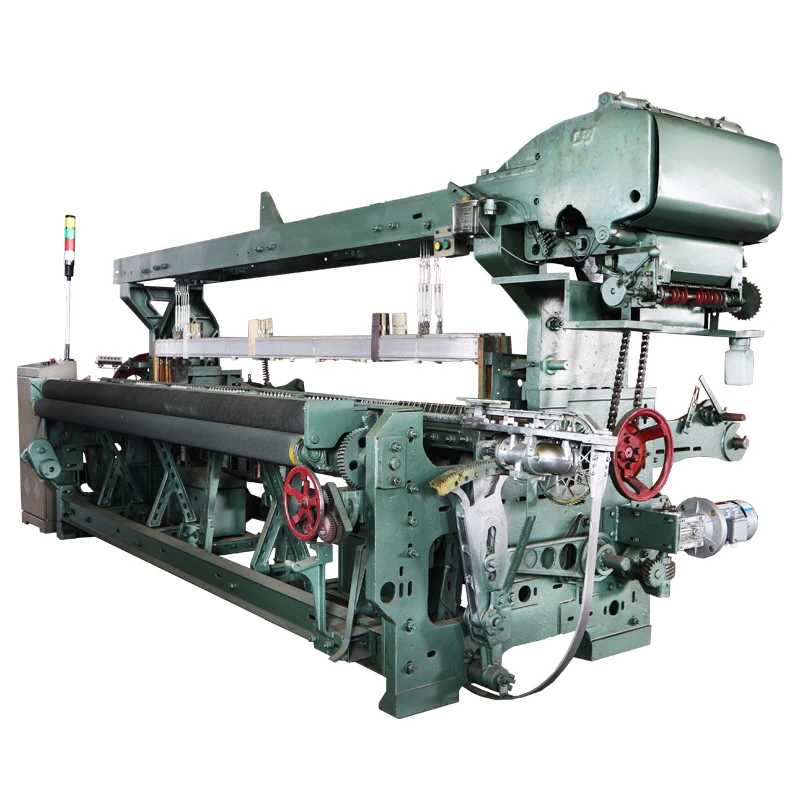
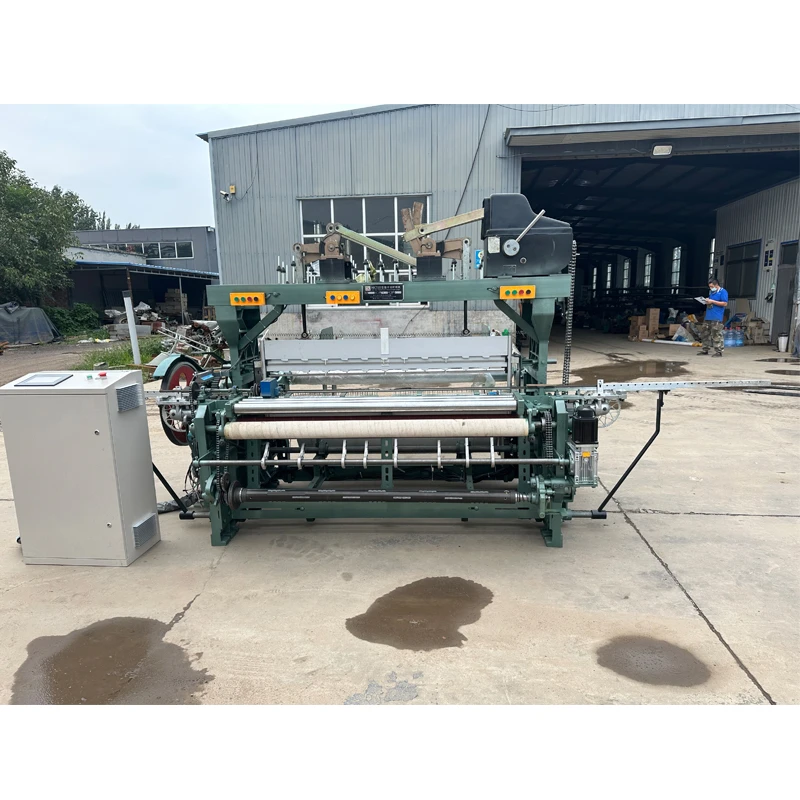
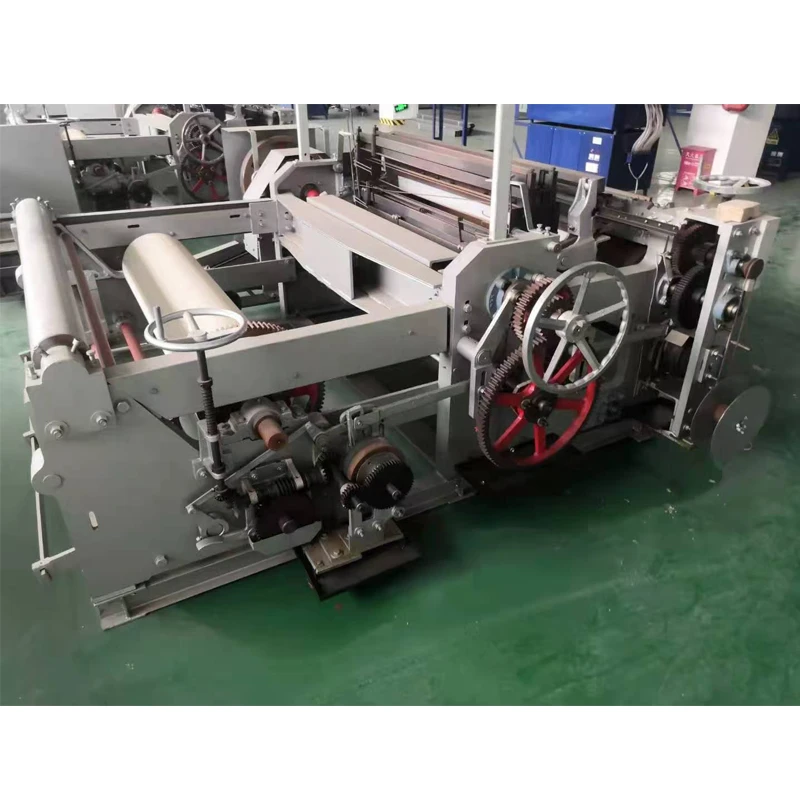
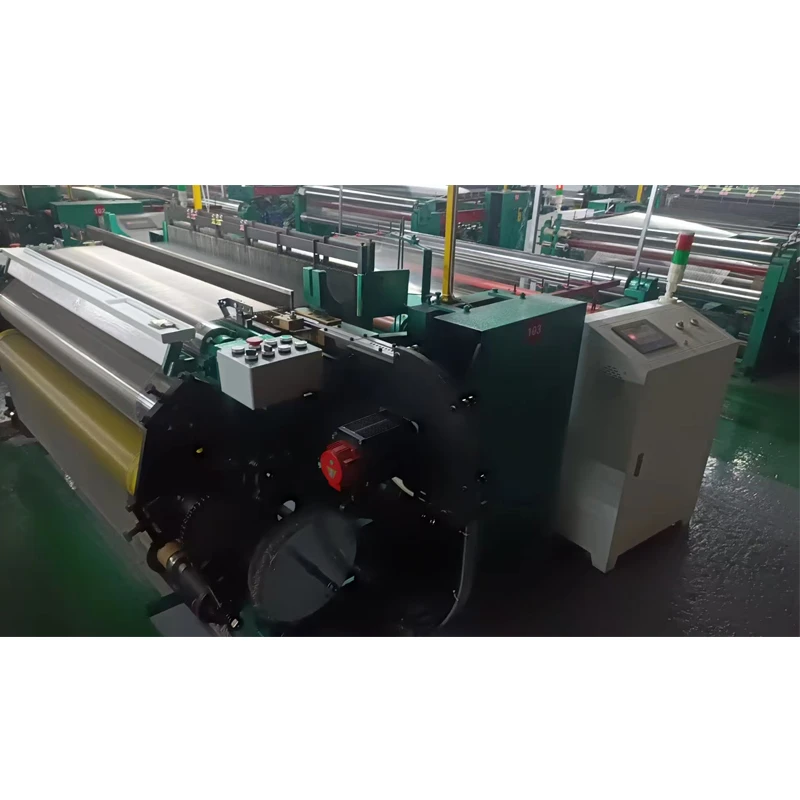
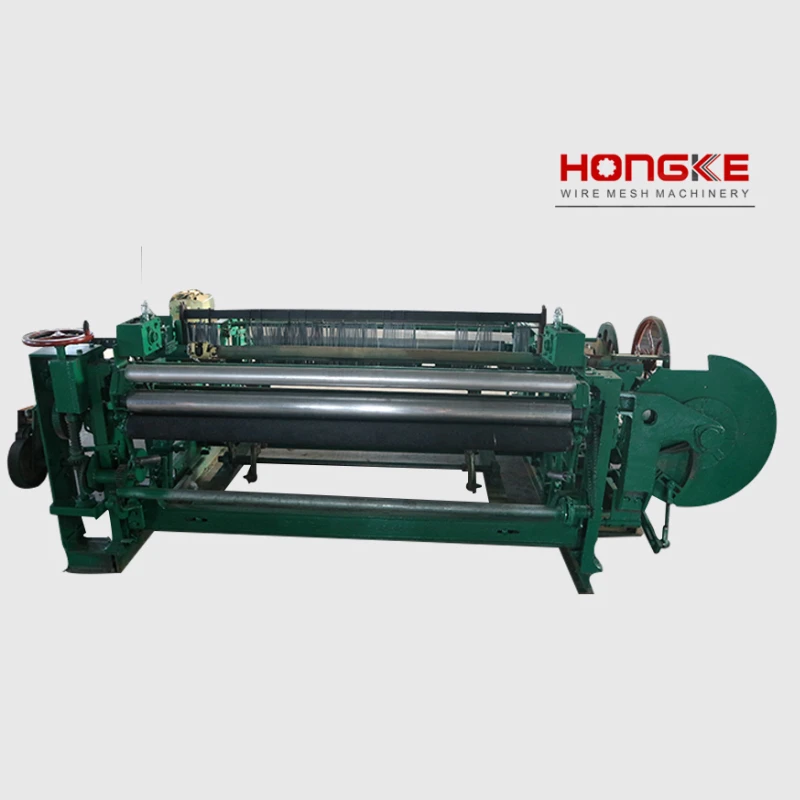
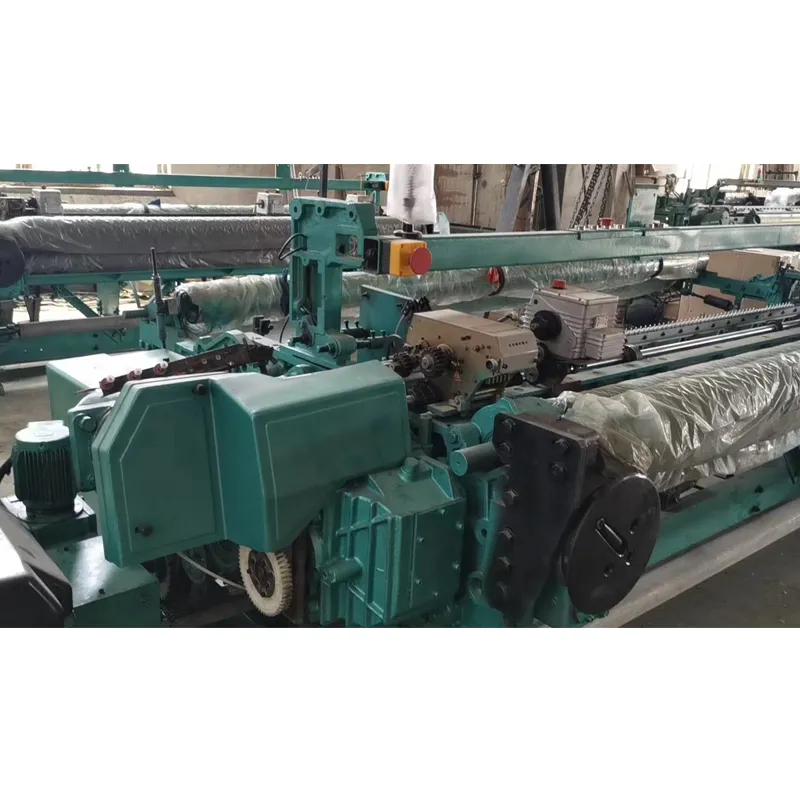
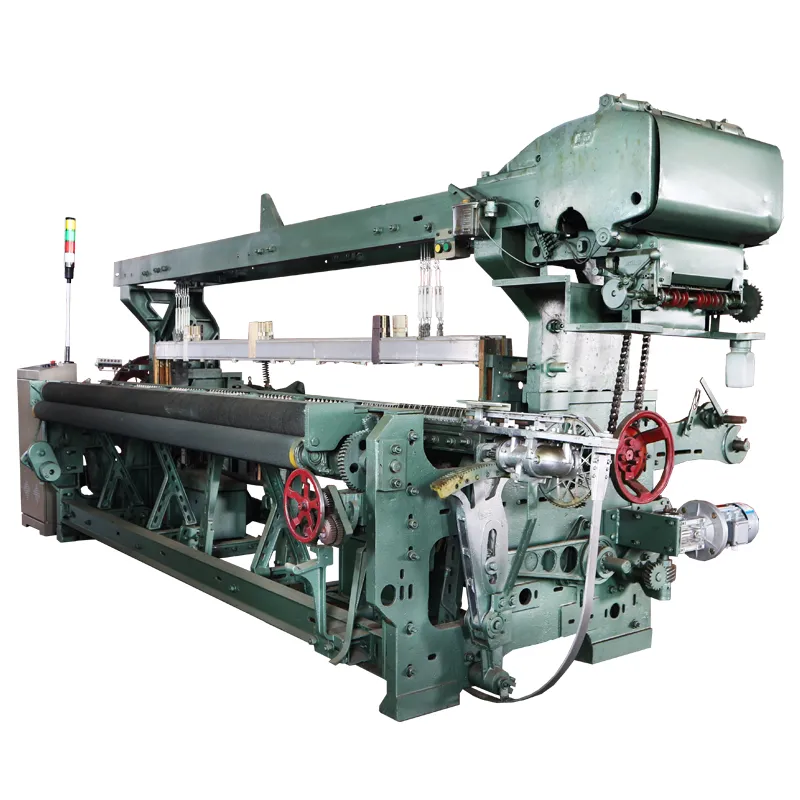
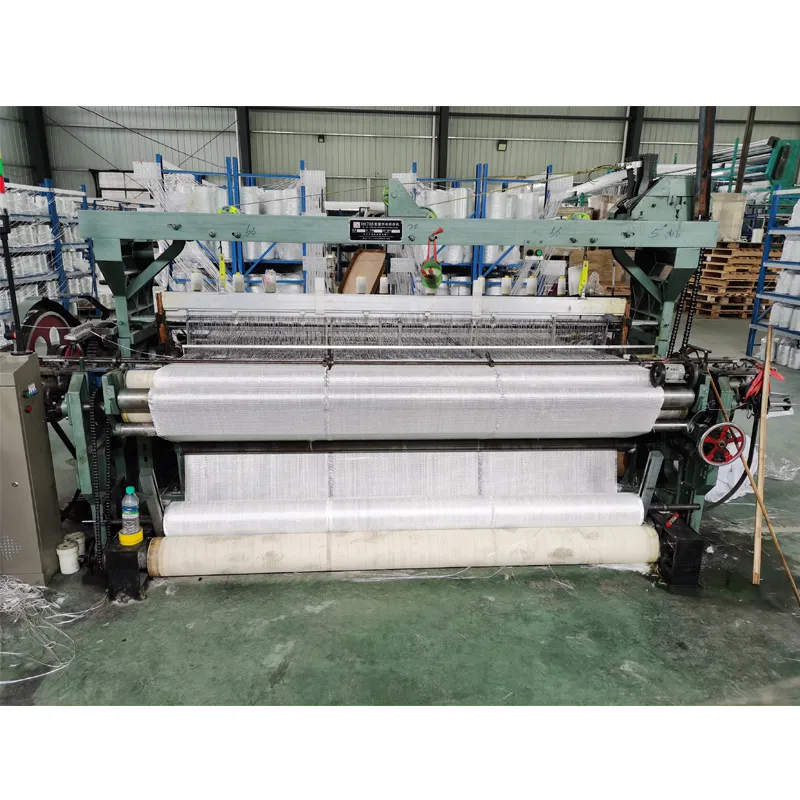
I’ve spent enough afternoons on weaving floors to know that a production line isn’t just steel and servos—it’s choreography. If you’re weighing a Fiberglass Mesh Production Line, here’s what actually matters day to day: stable yarn path, clean selvedge, and a coating step that doesn’t bottleneck the whole plant. Hongke’s Fiberglass Woven Roving Machine—built in Zhongzhangzhuang Development Zone, Anping County, Hengshui City, Hebei—leans into those fundamentals with the classic 788 looms and a high‑speed variant, plus a modular yarn rack that many customers say is “boringly reliable.” That’s a compliment, by the way.
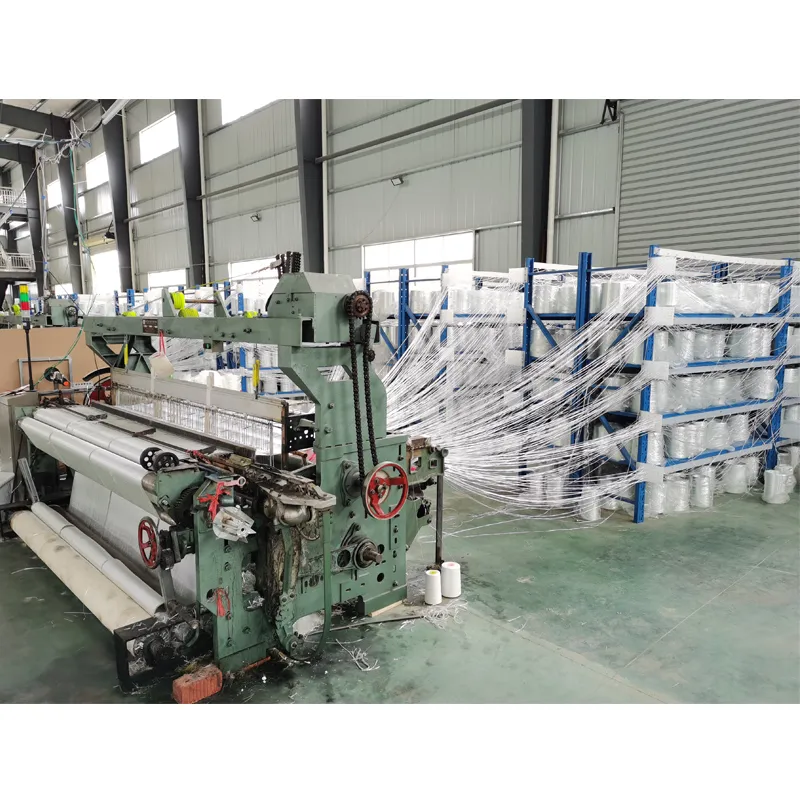
Process flow (what really happens on the floor)
- Material: E‑glass or C‑glass roving (sometimes AR glass for high-alkali environments), 68–300 tex; moisture controlled at ≈50–65% RH.
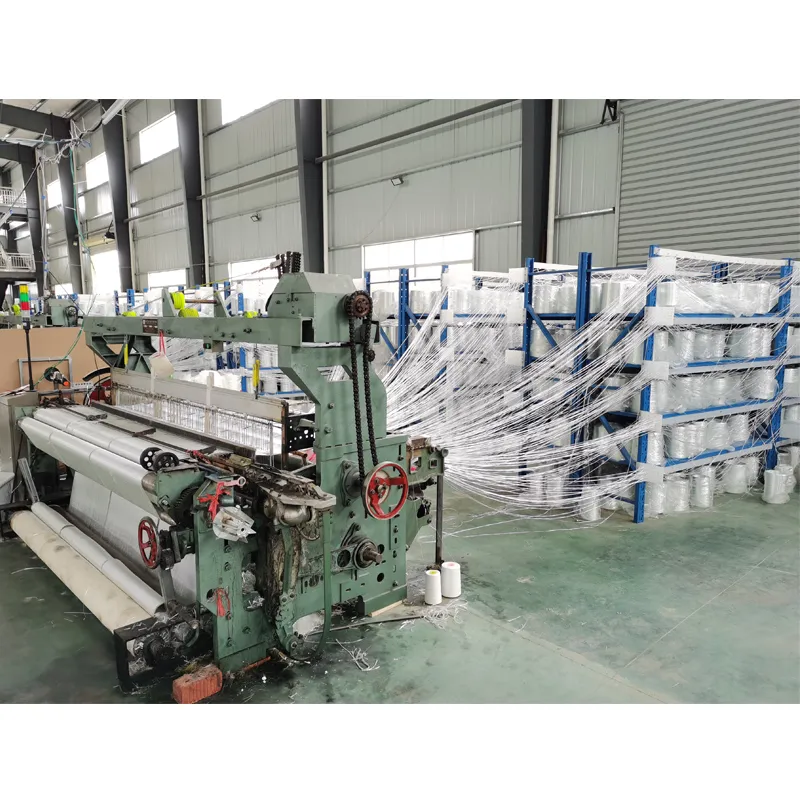
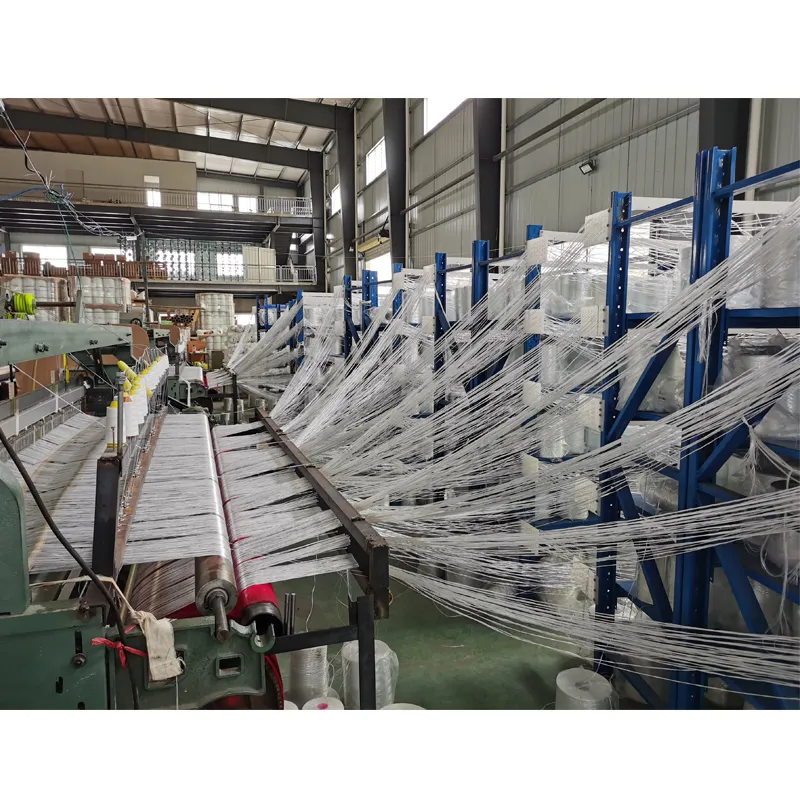
- Yarn path: From the spinning frame, through porcelain eye steel buckles, half‑wrap on the tension shaft, half‑wrap on the false warp axis, then into the weaving machine via the rear beam shaft. Simple description—surprisingly sensitive to misalignment.
- Weaving: Leno (typical for facade mesh) or plain (roving fabrics). Hongke’s 788 and high‑speed looms support both with quick changeovers.
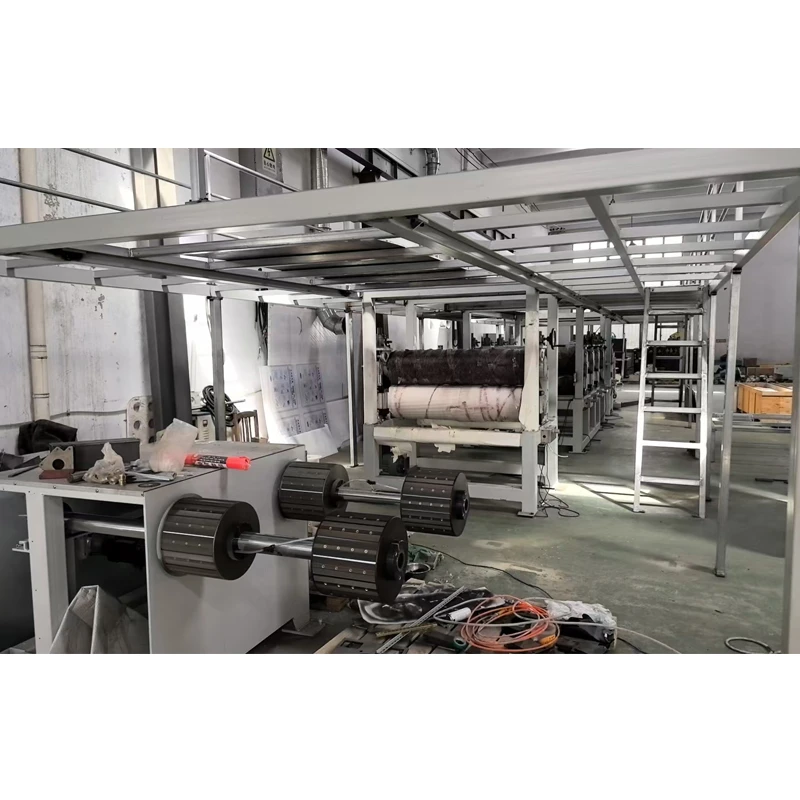
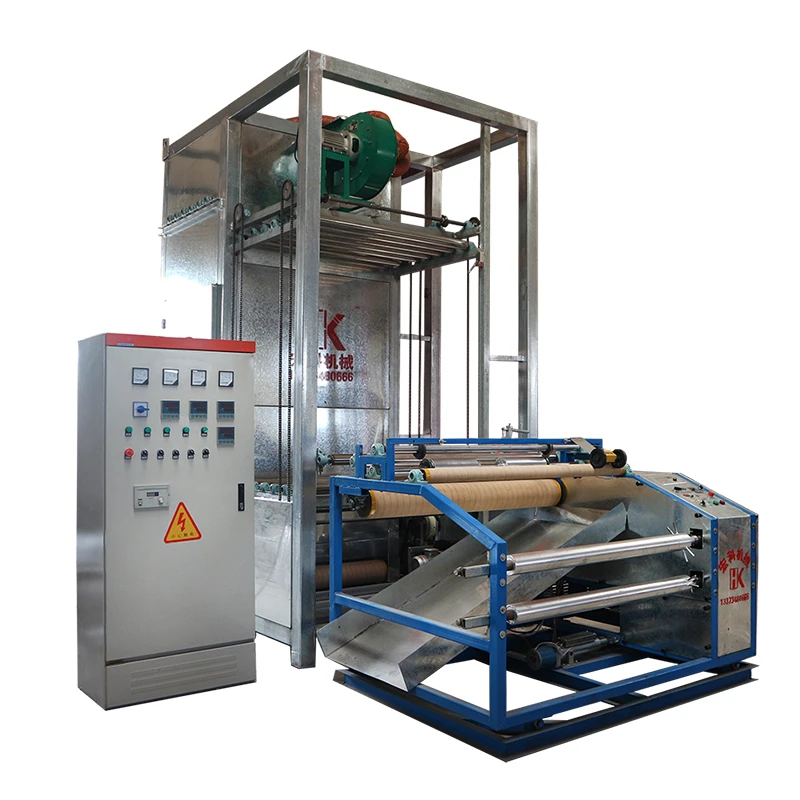
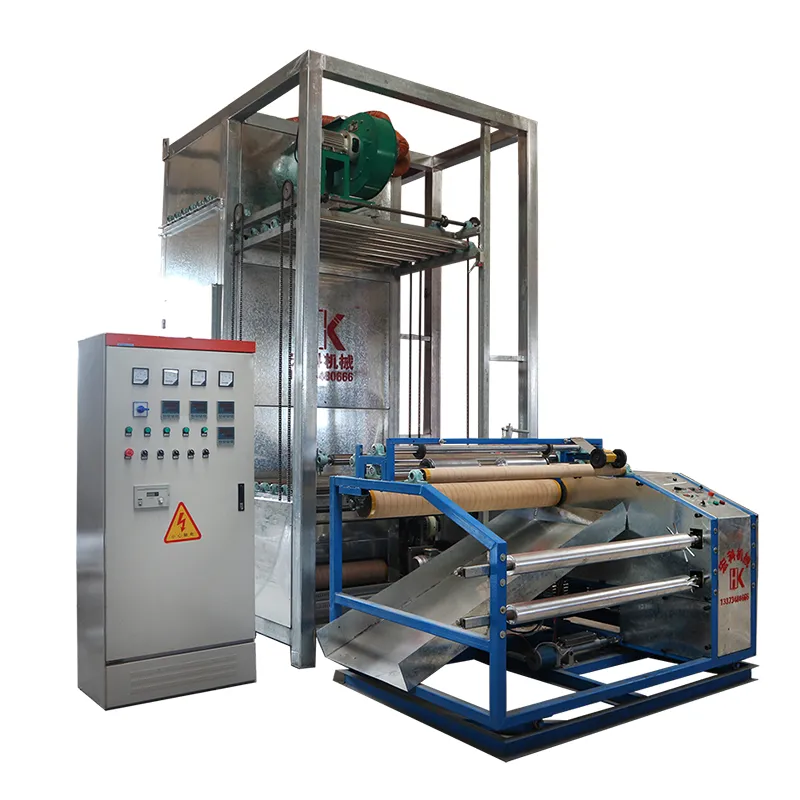
- Post‑weave: Optional alkali‑resistant coating (SBR or acrylic). Drying at controlled temp to hit dimensional stability without embrittlement.
- Inspection & test: Ends/picks count, mass per area, tensile (warp/weft), alkali resistance, and shrinkage. See standards below.
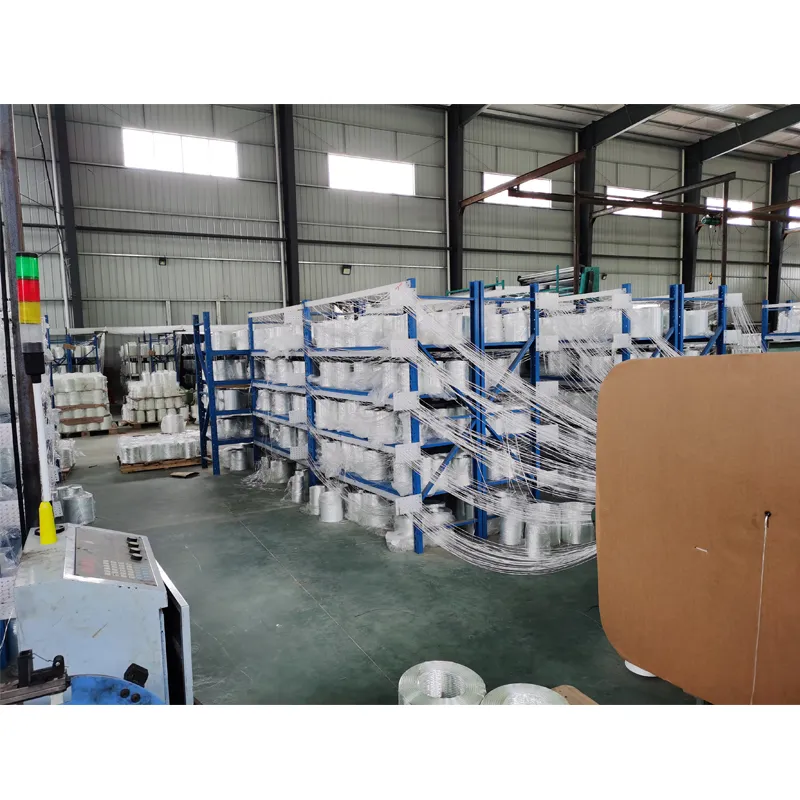
Product specifications (typical, real‑world use may vary)
| Item | 788 Loom | High‑Speed Loom |
|---|---|---|
| Reed width | ≈1300–2600 mm | ≈1500–3200 mm |
| Weave | Leno / Plain | Leno / Plain |
| Speed | ≈200–320 rpm | ≈300–450 rpm |
| Mesh density | 5×5 mm to 10×10 mm | 4×4 mm to 10×10 mm |
| Throughput | ≈40–90 m²/h | ≈80–140 m²/h |
| Yarn range | E/C/AR glass, 68–300 tex | E/C/AR glass, 68–300 tex |
Vendor comparison (field impressions)
| Vendor Type | Speed (≈rpm) | After‑Sales | Lead Time | Price Band | Certifications |
|---|---|---|---|---|---|
| Hongke (Anping, Hebei) | 200–450 | China + remote, pragmatic | ≈30–60 days | $$ | ISO 9001; CE (models) |
| Regional OEM | 180–350 | Local only | ≈45–75 days | $–$$ | Varies |
| European brand | 250–500 | Global network | ≈60–120 days | $$$–$$$$ | CE; ISO 9001 |
Applications, testing, and service life
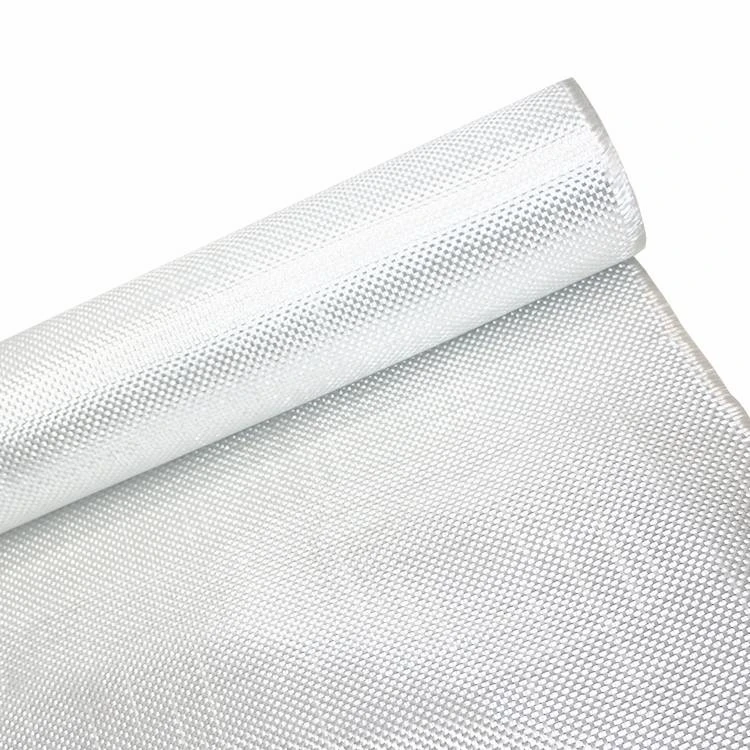
Where these lines shine: ETICS/EIFS facade mesh (145–165 g/m², 5×5 mm), waterproofing membranes, marble/granite back‑mesh, and heavy woven roving (≥300 g/m²) for composites. On tests: ends/picks per ASTM D3775; tensile per ASTM D5035 or EAD methods; alkali resistance per EAD 040083. In a recent run, a 160–165 g/m² mesh measured ≈1800/1950 N per 50 mm (warp/weft), with >75% retention after 28 days in alkali—comfortably within ETICS expectations. Service life? In well‑designed systems, I’d budget 25–30 years on facade duty; longer indoors.
Customization (small tweaks, big impact)
- Widths: 1.0–2.6 m; common cuts 1.0, 1.2, 1.5 m.
- Mesh: 4×4 to 10×10 mm; selvedge heaters and edge binders optional.
- Creel size: expandable; guided porcelain eyelets reduce fuzz and breaks.
- Coating: SBR or acrylic; add AR package if the application is highly alkaline.
- Controls: PLC with recipe memory; tension shaft and false warp axis fine‑tuning for fewer weft stops.
Case notes from the field
- Poland (ETICS mesh): Swapped in high‑speed loom; throughput up ≈28%, weft stops down 35% after tuning the rear beam shaft and tension shafts.
- Türkiye (stone back‑mesh): Plain‑weave roving at 300–600 g/m²; operators liked the open access around the false warp axis for quick cleaning—less edge fray, fewer reworks.
- Brazil (waterproofing): 1.0 m width line with acrylic coat; changeover under 15 minutes, reported downtime down ≈22% month‑over‑month.
If you’re mapping a Fiberglass Mesh Production Line from scratch, start with your mesh spec and real coating capacity; let the loom count follow. Honestly, it’s the boring details—porcelain eyelets, yarn path angles—that keep uptime high.
Certifications and documentation
Look for ISO 9001 on the factory, CE on electricals where applicable, and mesh qualification against EAD 040083 (successor to ETAG 004). Keep a tidy QC bundle: mass/area, ends/picks, tensile/elongation, alkali retention, ignition loss per ISO 1887.
Final thought
Markets ebb and flow, but construction rehab is steady. A robust Fiberglass Mesh Production Line pays back in uptime and consistent tensile numbers. If you’re near Hebei, it’s worth a factory walk—seeing the yarn path in person is oddly satisfying.
- EAD 040083‑00‑0404: External Thermal Insulation Composite Systems (ETICS) with Rendering.
- ASTM D5035: Breaking Force and Elongation of Textile Fabrics (Strip Method).
- ASTM D3775: Ends and Picks per Inch (Threads per Unit Length) in Woven Fabrics.
- ISO 1887: Glass‑reinforced plastics—Determination of apparent mass of glass fibre and loss on ignition of glass fibre reinforced plastics.