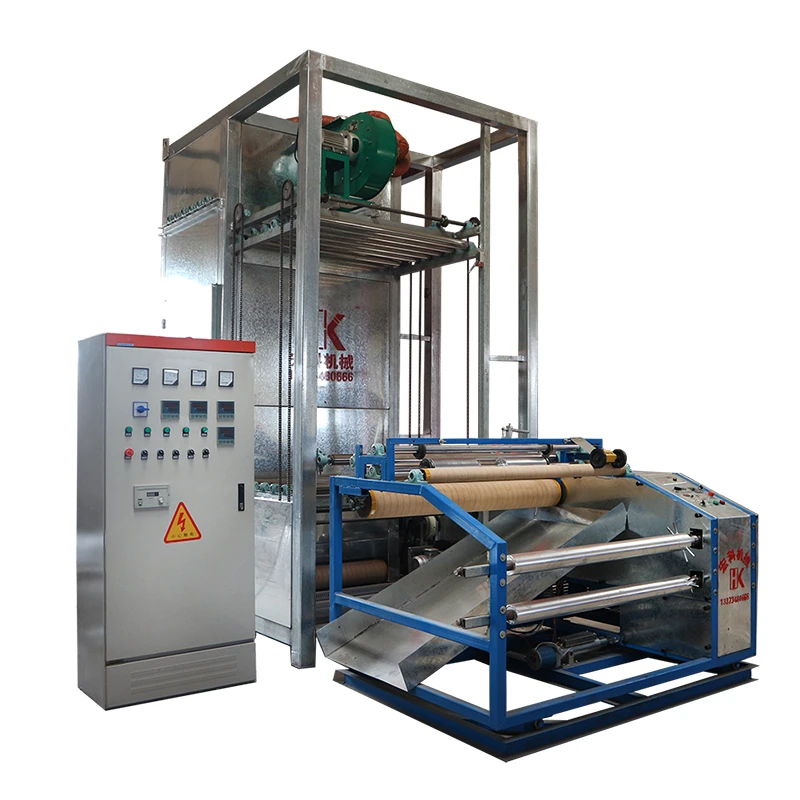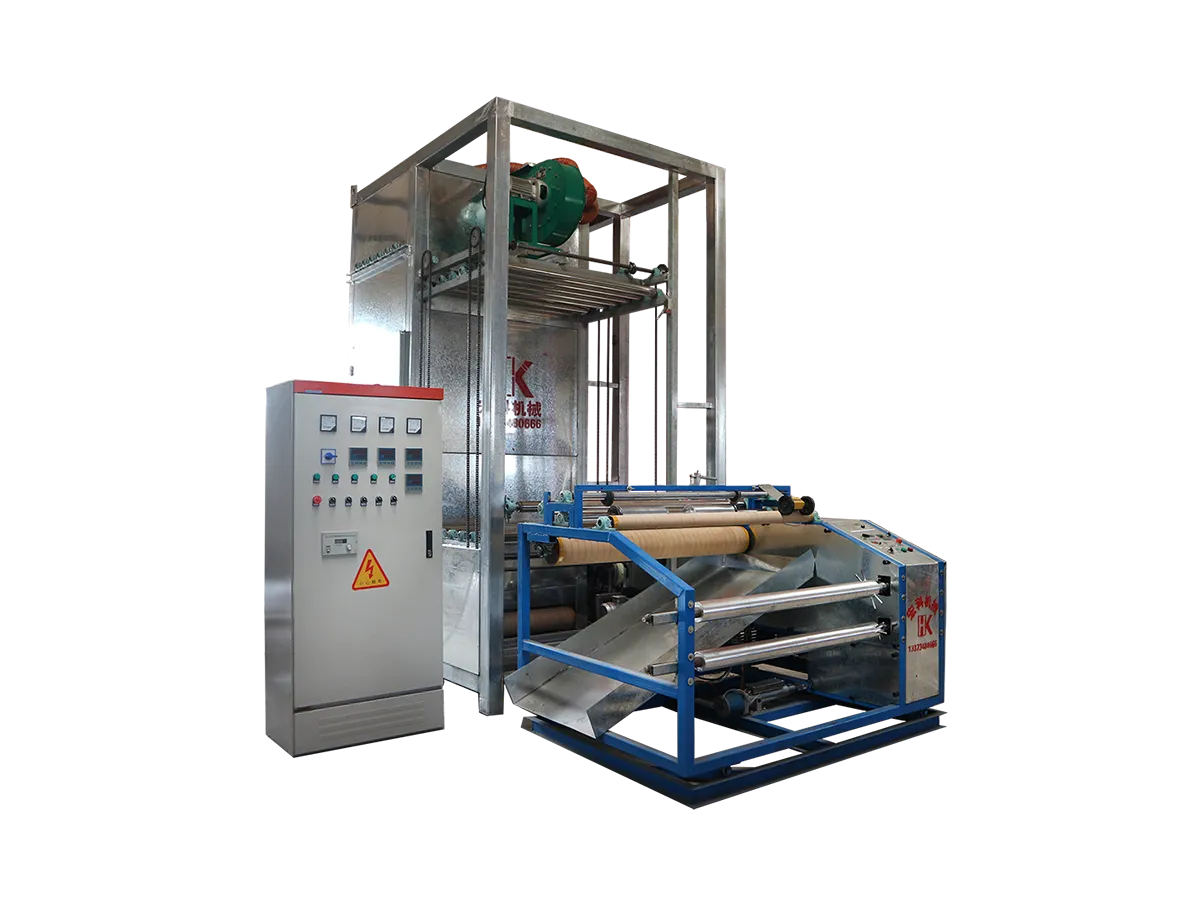



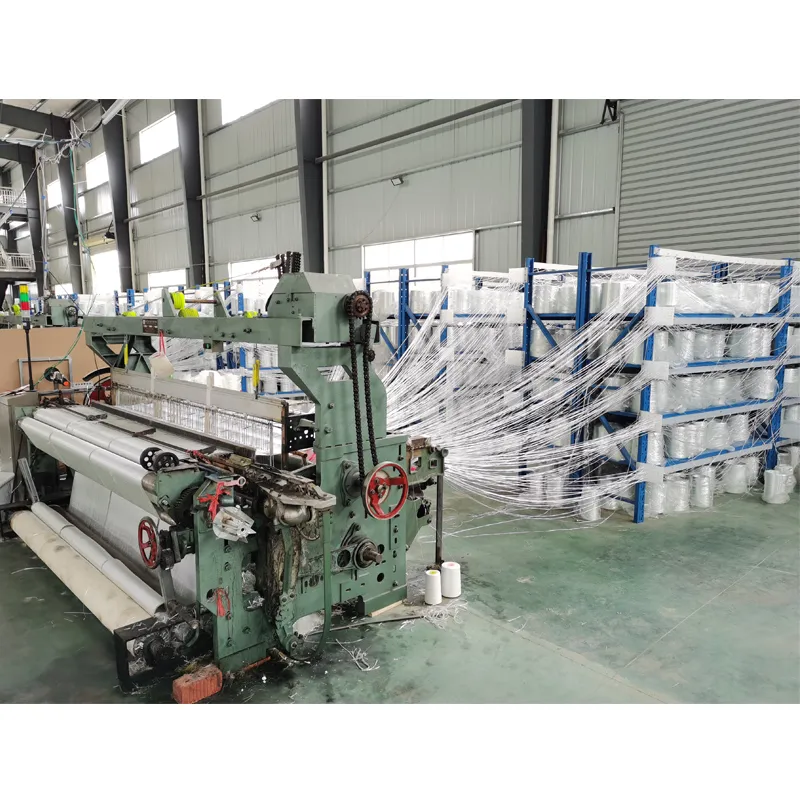
Fiberglass Mesh Production Line is a key solution in the manufacturing industry, specifically within Special Equipment Manufacturing Industry and Manufacturing of specialized textile equipment. This article explores how Anping Hongke Wire Mesh Machinery Factory supports professionals with durable, high-performance products, and explains why this product is an ideal choice for businesses in these sectors.
Table of Contents
- Fiberglass Mesh Production Line Overview
- Benefits & Use Cases of Fiberglass Mesh Production Line in Manufacturing of specialized textile equipment
- Cost, Maintenance & User Experience
- Sustainability & Market Trends in manufacturing
- Conclusion on Fiberglass Mesh Production Line from Anping Hongke Wire Mesh Machinery Factory
Fiberglass Mesh Production Line Overview
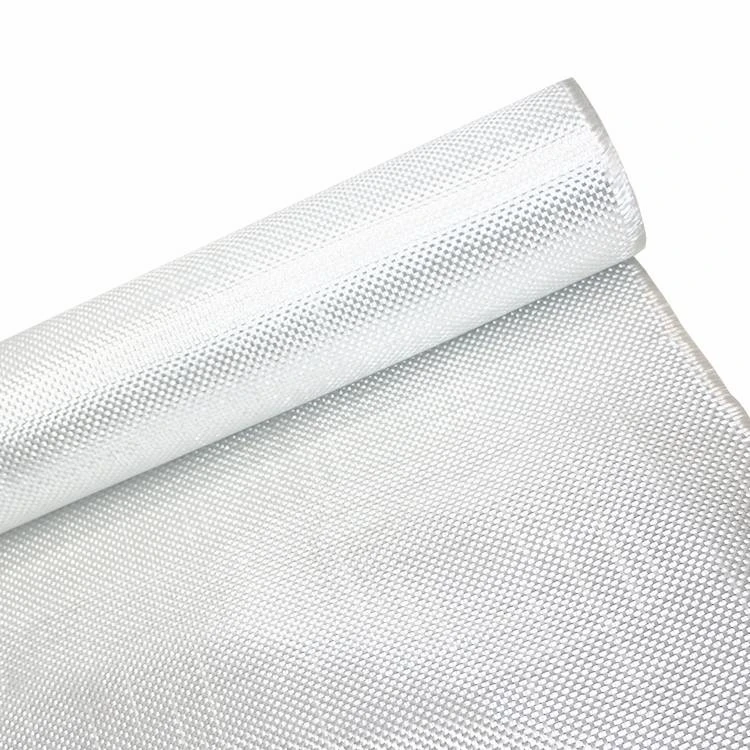
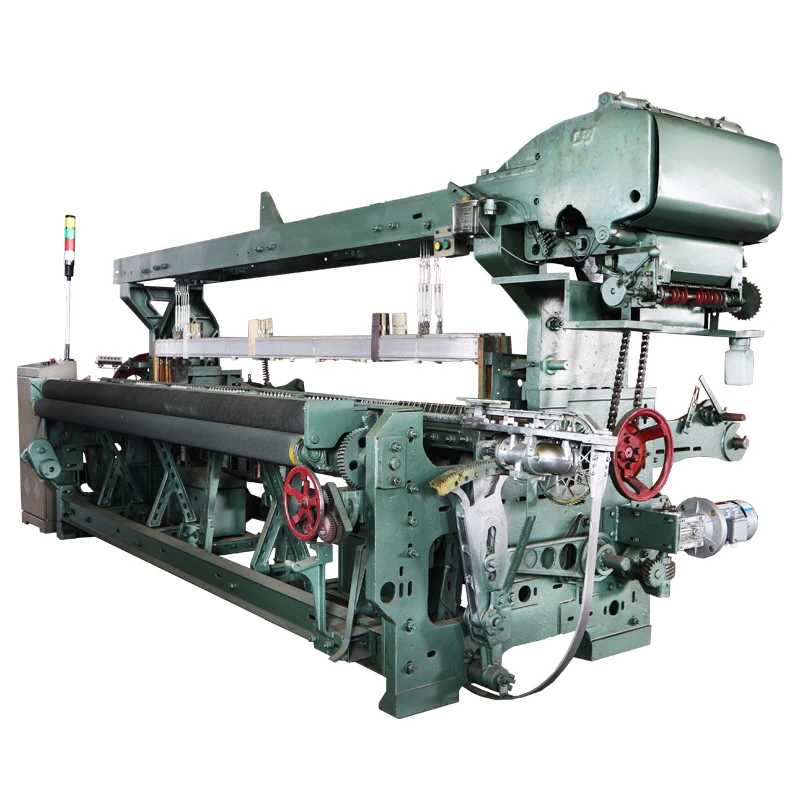
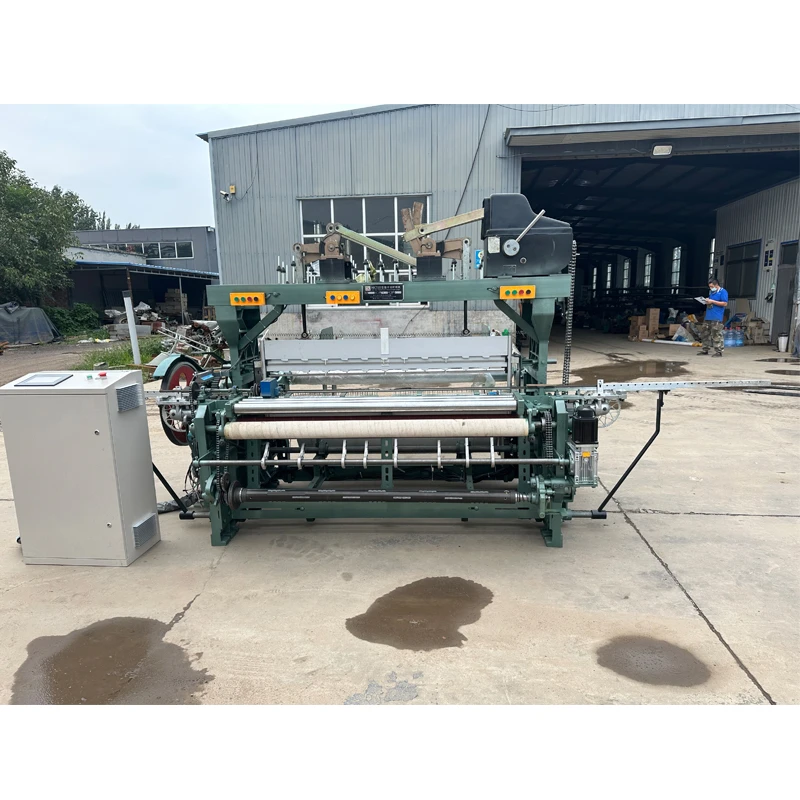
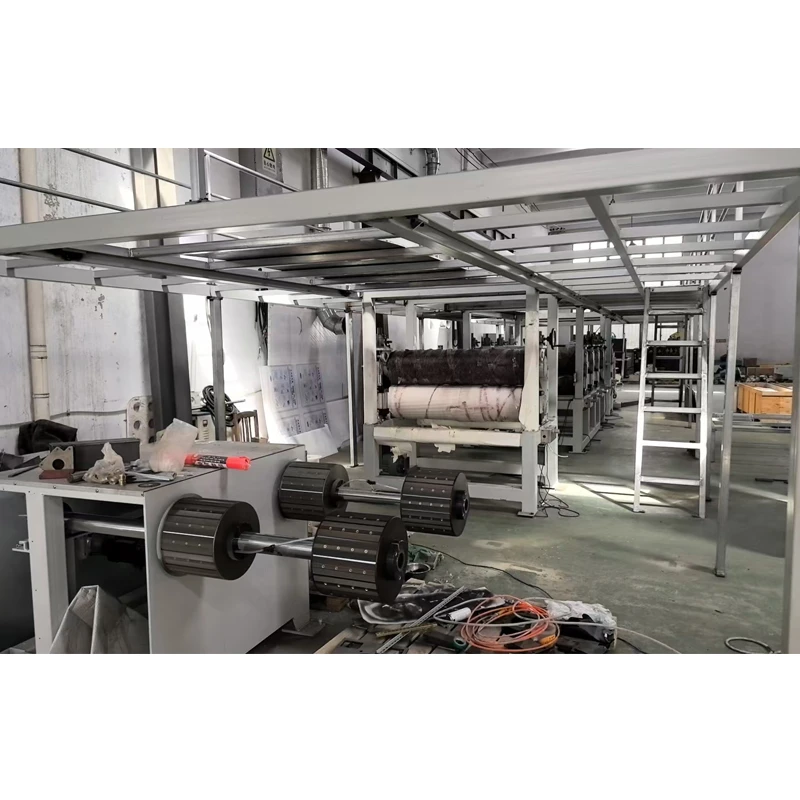
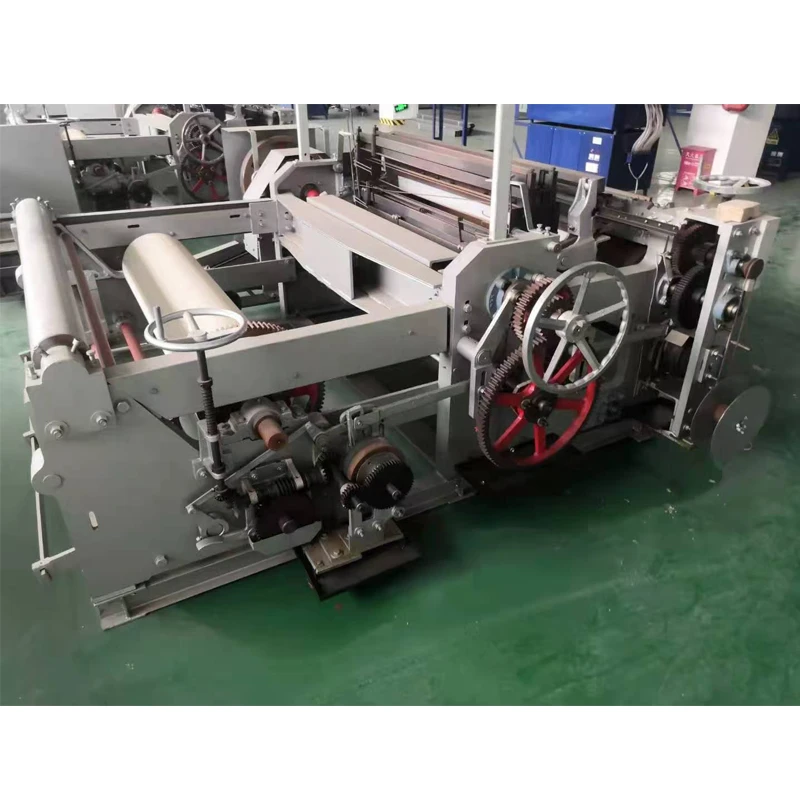
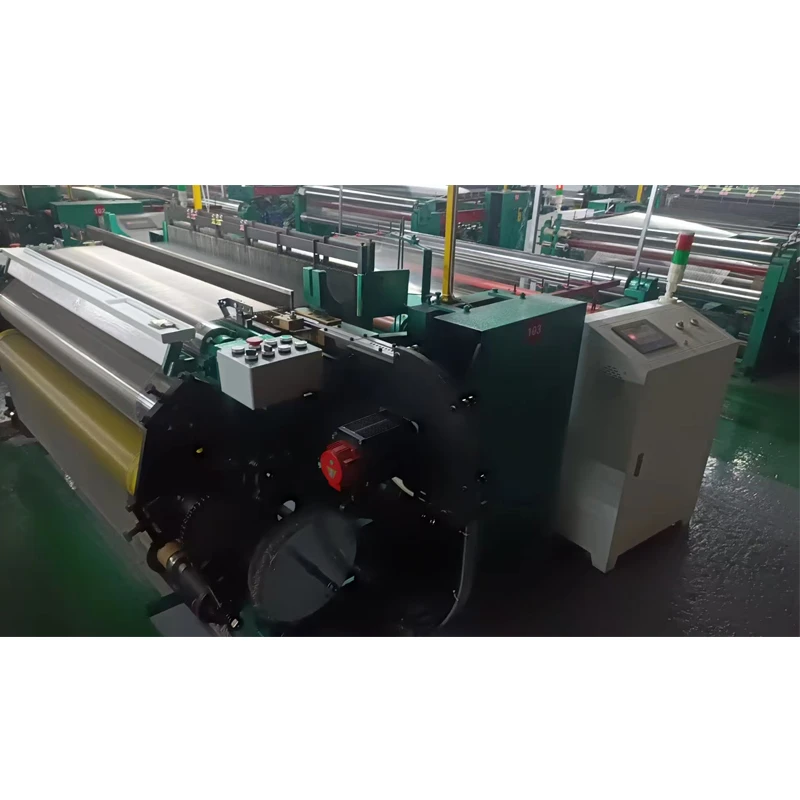
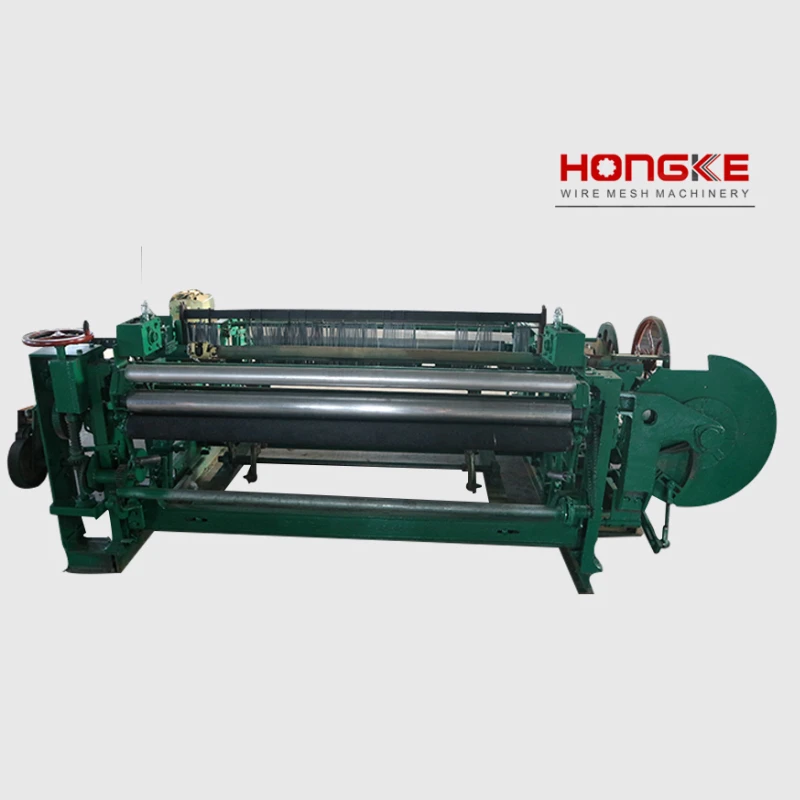
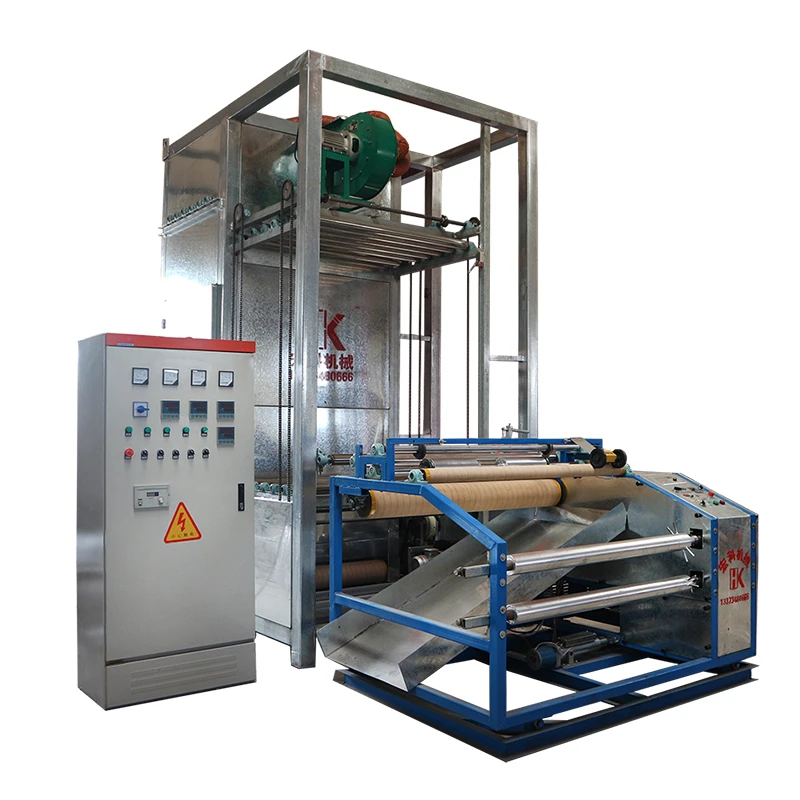
A modern Fiberglass Mesh Production Line integrates a precision creel, fiberglass weaving machine (the core machine used for weaving fabric), coating and drying units, edge-trimming, inspection, and a fiberglass wrapping machine or automatic winder for finished rolls. Engineered for continuous, high-speed output, the line converts yarns (typically 75–300 tex) into stable meshes used in construction, waterproofing, and composite reinforcement. Typical mesh widths range from 1.0–2.6 m with mesh apertures from 2×2 mm to 10×10 mm, while advanced tension control and electronic let-off/take-up ensure dimensional stability and low yarn breakage.
Anping Hongke Wire Mesh Machinery Factory designs lines that align weaving, coating weight, and curing profiles to reduce waste and raise yield. The company’s servo-synchronized weaving fabric machine platform, combined with closed-loop temperature zones in the oven, helps deliver uniform alkali-resistant coatings and consistent fabric GSM. In field deployments, manufacturers commonly report double-digit throughput improvements after upgrading legacy looms to Hongke’s integrated fabric weaving machine solutions. As a reliable manufacturer, Hongke provides end-to-end support—from layout design to commissioning—ensuring your team reaches target specifications quickly and safely.
Benefits & Use Cases of Fiberglass Mesh Production Line in Manufacturing of specialized textile equipment
Across specialized textile equipment plants, fiberglass mesh is essential for EIFS/ETICS wall reinforcement, tile adhesive backing, marble slab backing, roofing membranes, grinding-wheel base cloth, and waterproofing layers. Hongke’s line streamlines every step: the weaving fabric machine forms a clean, stable grid; the coating section applies alkali-resistant compounds; the drying oven fixes performance; and the fiberglass wrapping machine finishes tight, transport-ready rolls. For operators managing varied SKUs, quick-change reeds and programmable mesh recipes reduce changeover time and support just-in-time production.
Key advantages include high-speed weft insertion, low-broken-end operation, precise coating-weight control, and energy-efficient curing. Smart HMI dashboards show yarn tension, loom status, and oven curves at a glance. Compared with a conventional fabric weaving machine, Hongke’s fiberglass weaving machine platform minimizes vibration and keeps yarn tension uniform, directly improving mesh flatness and bonding performance. As a specialist in the Manufacturing of specialized textile equipment segment, Anping Hongke Wire Mesh Machinery Factory brings application expertise to tailor the line for your market—be it construction-grade mesh, fire-resistant grades, or lightweight meshes for composites.
Cost, Maintenance & User Experience
When evaluating total cost of ownership, decision makers consider the full line—not only the fabric weaving machine price. Hongke’s solution is designed to maximize uptime, reduce scrap, and lower energy per square meter produced. Robust frames, industrial-grade servos, and abrasion-resistant guides extend service intervals, while modular subassemblies simplify preventive maintenance. Many plants realize ROI within 12–24 months through higher throughput, fewer yarn breaks, reduced rework, and leaner labor deployment (one operator can reliably supervise multiple looms with recipe-based controls).
User experience is a core design pillar. Operators benefit from intuitive HMIs, alarm diagnostics, and step-by-step changeover guidance. Maintenance teams use predictive alerts on bearings, motors, and heaters to schedule service without disrupting production. Customers in the Special Equipment Manufacturing Industry repeatedly highlight stable mesh quality, consistent coating, and easy operator training as key outcomes. For buyers benchmarking the machine used for weaving fabric, Hongke’s lifecycle support—spare parts, remote troubleshooting, and on-site commissioning—further strengthens long-term value beyond the initial investment.
Sustainability & Market Trends in manufacturing
Construction codes and green-building standards are driving demand for durable, lightweight reinforcement materials. Fiberglass mesh supports energy-efficient facades (EIFS/ETICS) and extends building lifecycles—reducing embodied carbon through longer service life. On the production side, sustainability priorities include heat-recovery ovens, high-efficiency motors, web scrap reduction, and water-based coating chemistries to minimize VOCs. Hongke’s lines are designed with closed-loop temperature control, insulation upgrades, and optional heat exchangers to cut energy consumption without compromising curing quality.
Regulatory trends in key markets favor lower emissions, traceability, and safer workplaces. Anping Hongke Wire Mesh Machinery Factory aligns equipment features with these expectations—supporting low-VOC coatings, dust extraction at trimming points, CE/ISO-compliant safety guarding, and digital quality records. As the market grows for advanced composites and reinforced membranes, Hongke’s forward-thinking R&D ensures the fiberglass weaving machine, coating controls, and take-up systems evolve to meet new specifications—helping manufacturers stay competitive and eco-conscious.
Conclusion on Fiberglass Mesh Production Line from Anping Hongke Wire Mesh Machinery Factory
For B2B manufacturers, an integrated Fiberglass Mesh Production Line delivers measurable gains in throughput, quality, and cost control. Anping Hongke Wire Mesh Machinery Factory combines a robust weaving fabric machine, precise coating and curing, and reliable finishing to create consistent, construction-ready mesh. With deep experience in the Special Equipment Manufacturing Industry, Hongke is a dependable partner for scaling capacity or upgrading legacy equipment.
- Contact us: email: info@aphkmachinery.com
- Visit our website: https://www.aphkmachinery.com
- Explore the product: Fiberglass Mesh Production Line