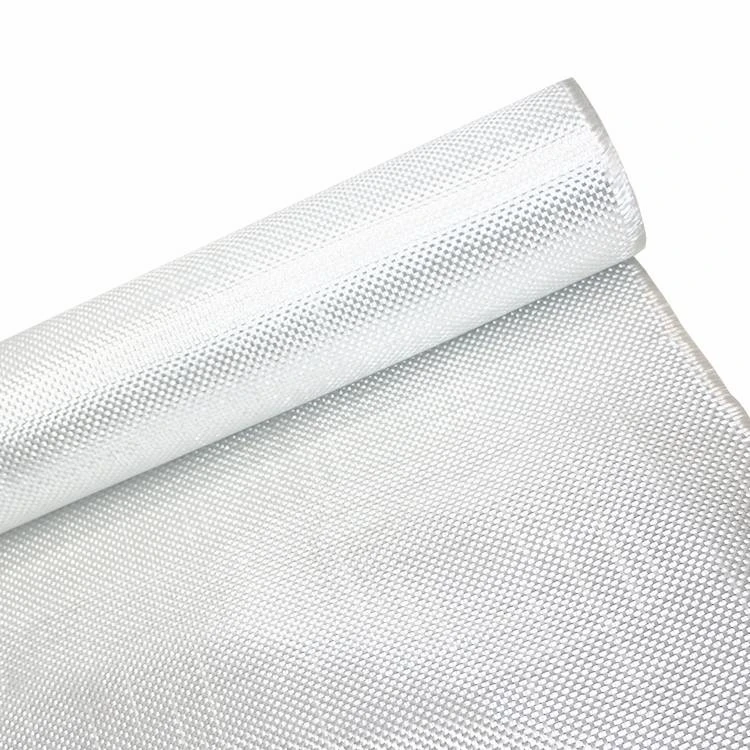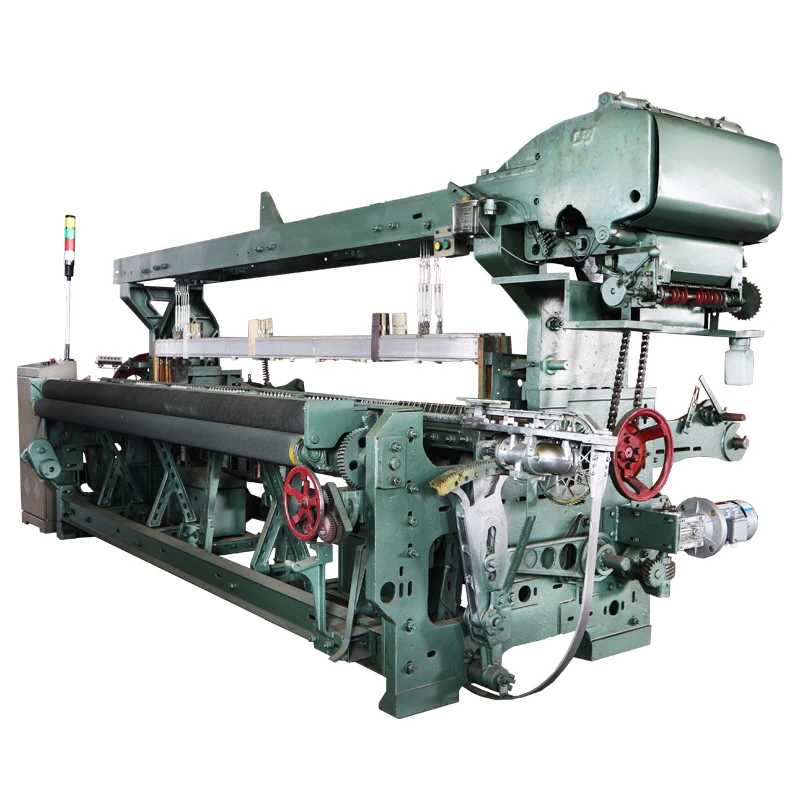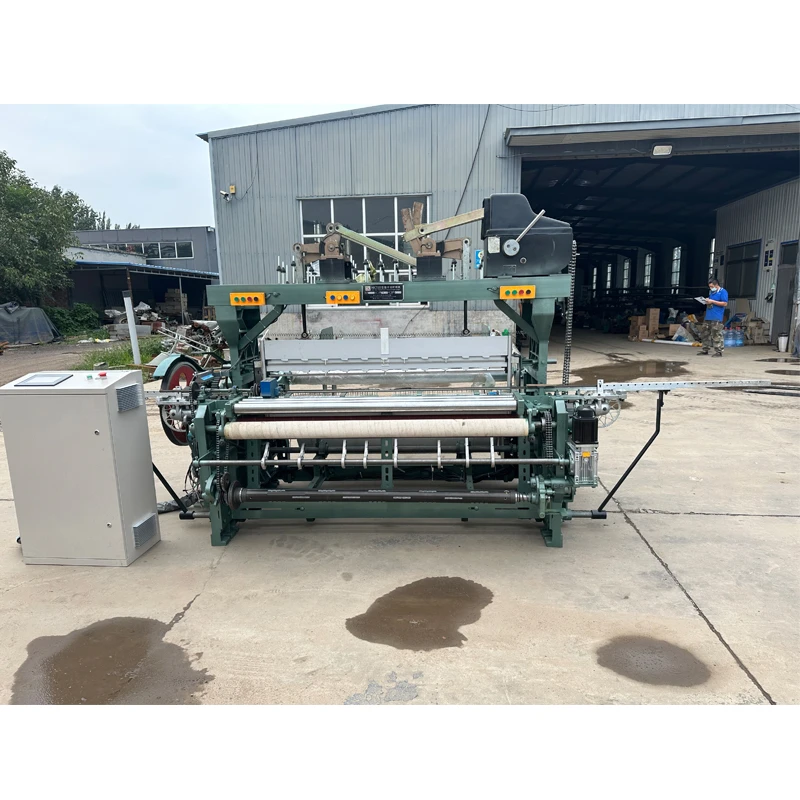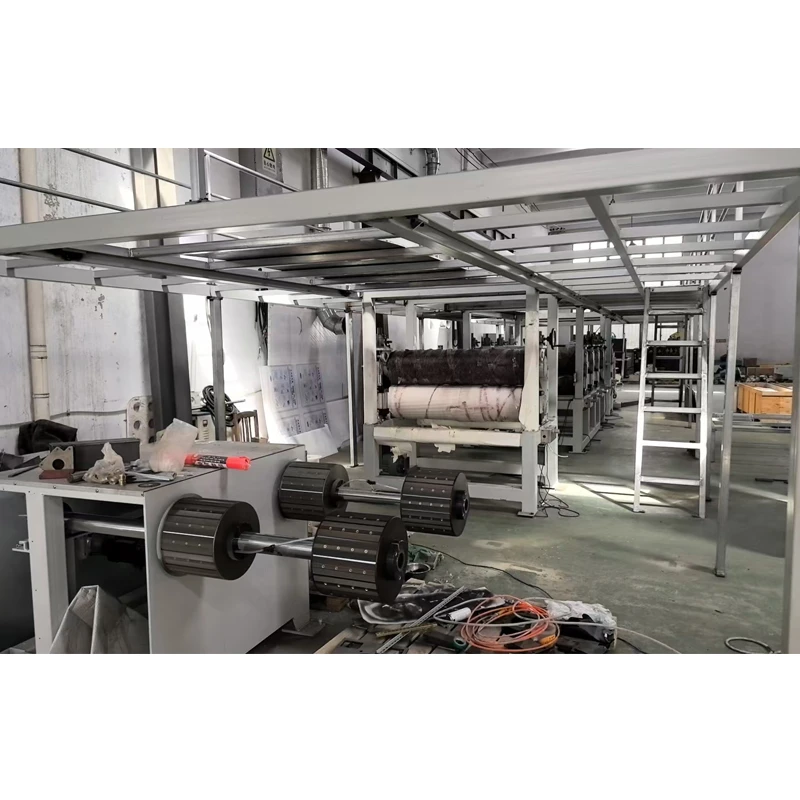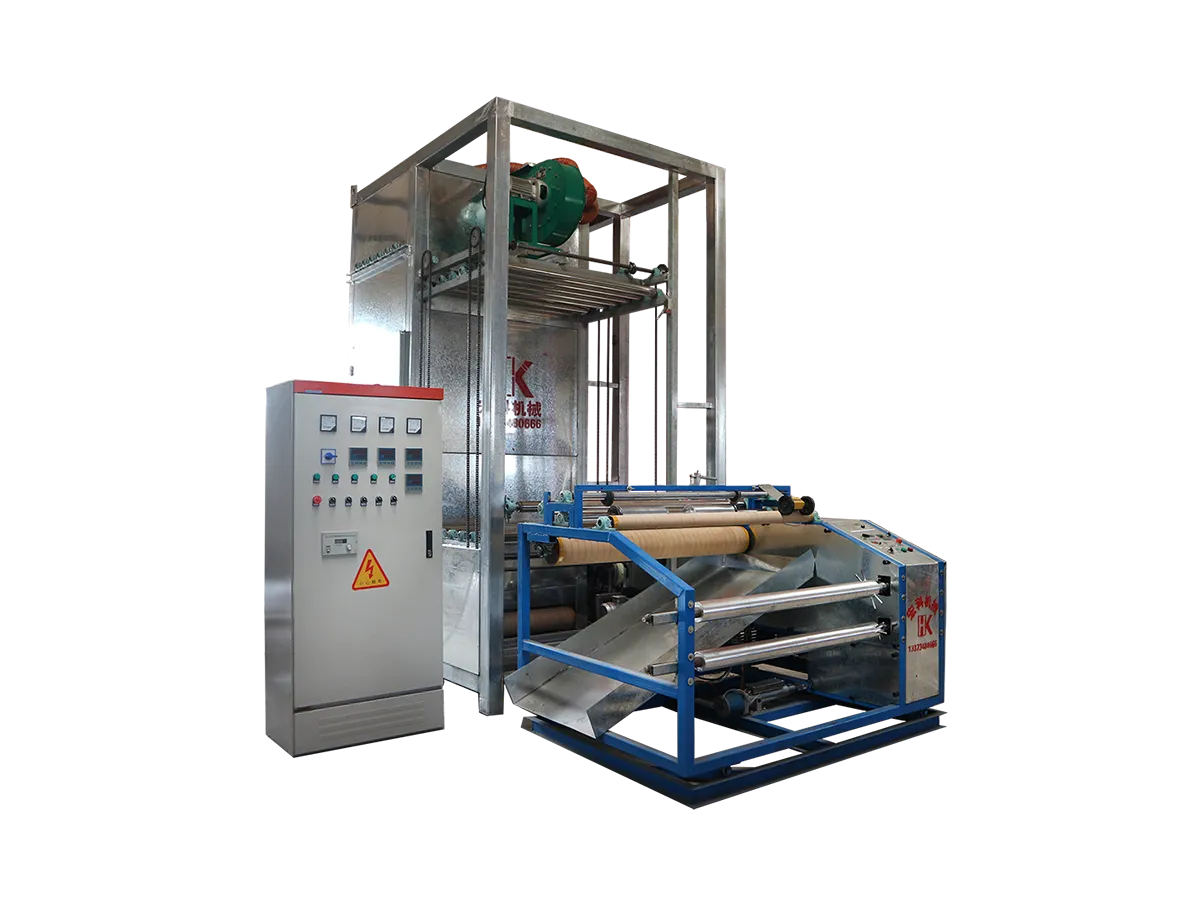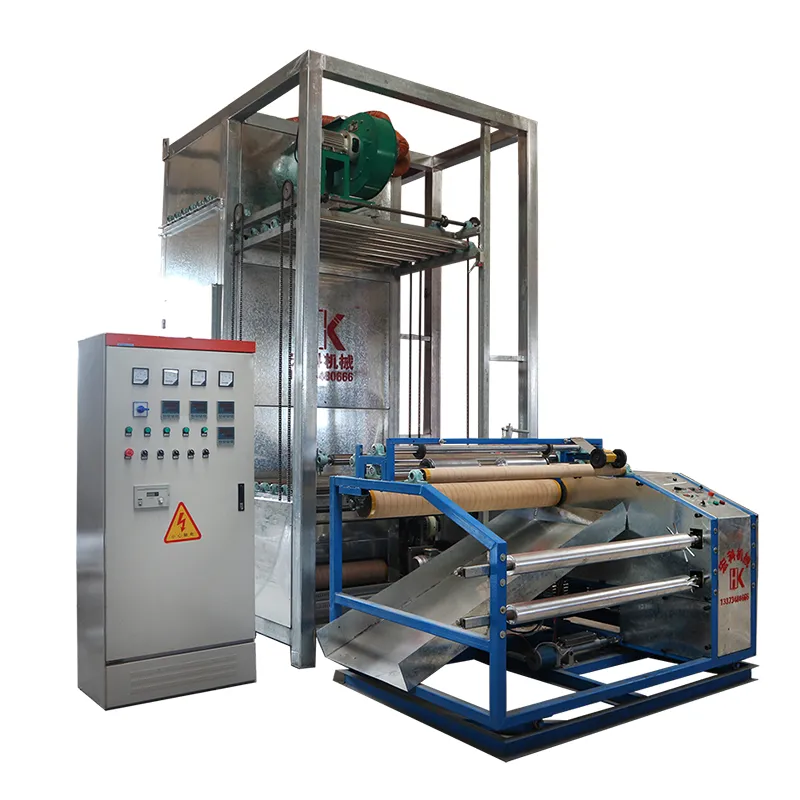



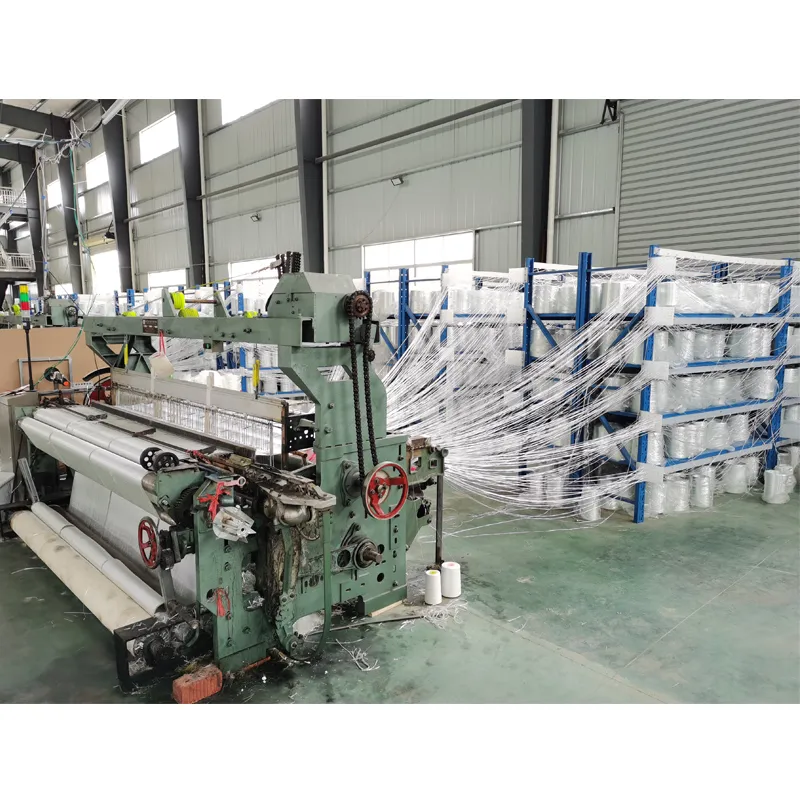
Fiberglass Mesh Production Line is a key solution in the manufacturing industry, specifically within Special Equipment Manufacturing Industry and Manufacturing of specialized textile equipment. This article explores how Anping Hongke Wire Mesh Machinery Factory supports professionals with durable, high-performance products, and explains why this product is an ideal choice for businesses in these sectors.
Table of Contents
- Fiberglass Mesh Production Line Overview
- Benefits & Use Cases of Fiberglass Mesh Production Line in Manufacturing of specialized textile equipment
- Cost, Maintenance & User Experience
- Sustainability & Market Trends in manufacturing
- Conclusion on Fiberglass Mesh Production Line from Anping Hongke Wire Mesh Machinery Factory
Fiberglass Mesh Production Line Overview
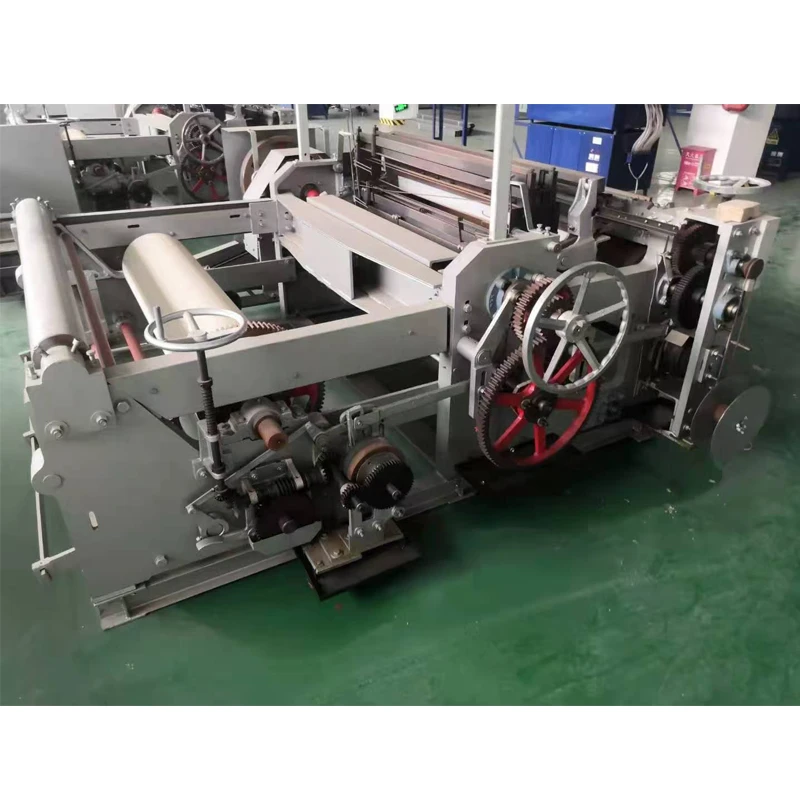
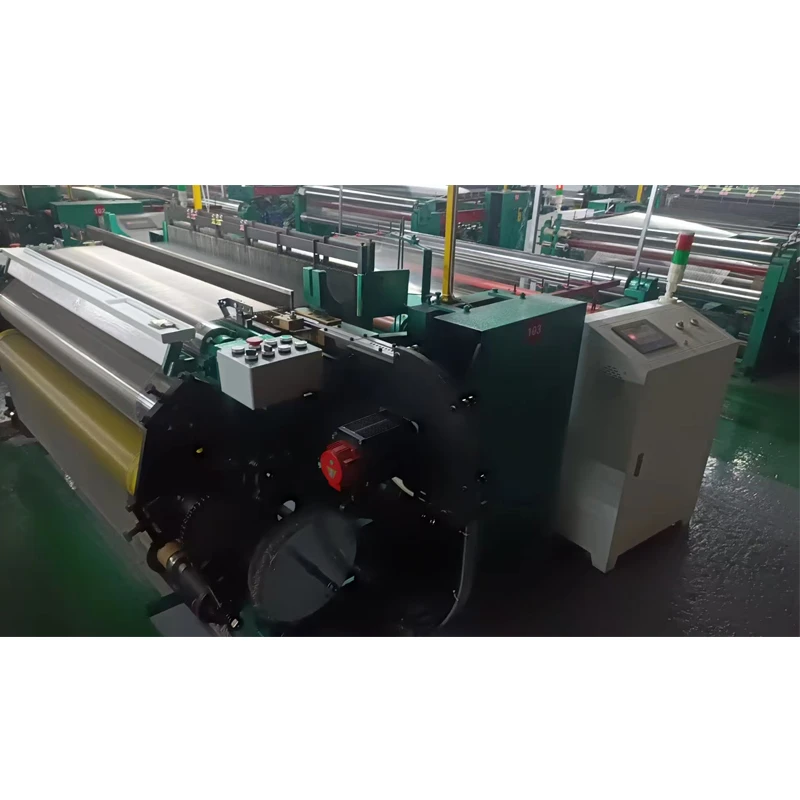
A modern Fiberglass Mesh Production Line integrates fiber unwinding, warp let-off, weft insertion, resin sizing, heat setting, surface finishing, cutting, and automatic roll wrapping into one synchronized workflow. In the Special Equipment Manufacturing Industry, this line is the machine used for weaving fabric designed specifically for fiberglass yarns, engineered to deliver stable mesh geometry, high tensile strength, and consistent coating weight. For manufacturers of specialized textile equipment and composite reinforcements, the line replaces fragmented processes with a digital, PLC-controlled solution that reduces waste and variability.
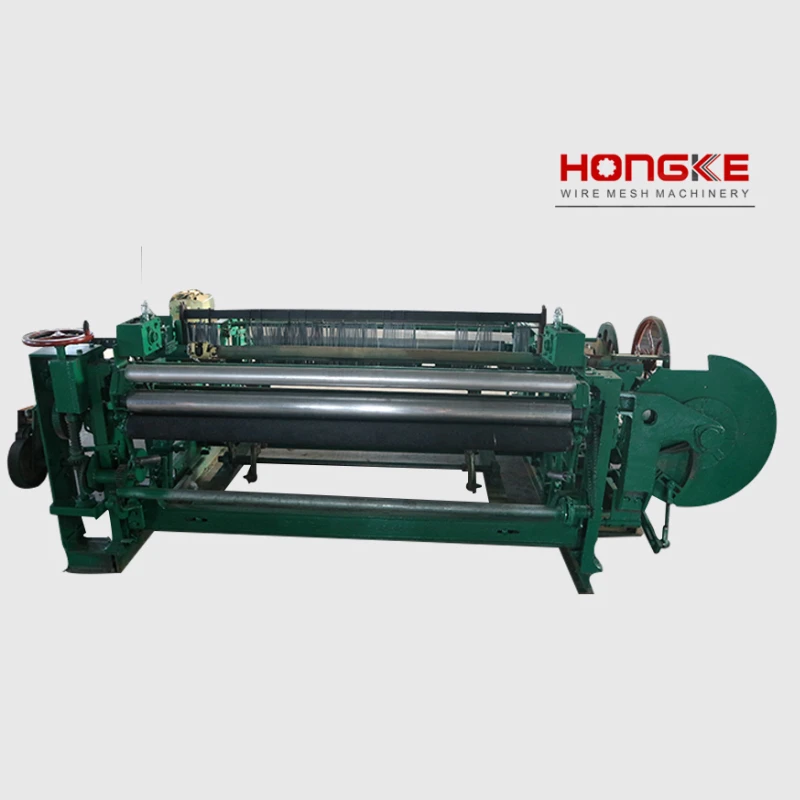
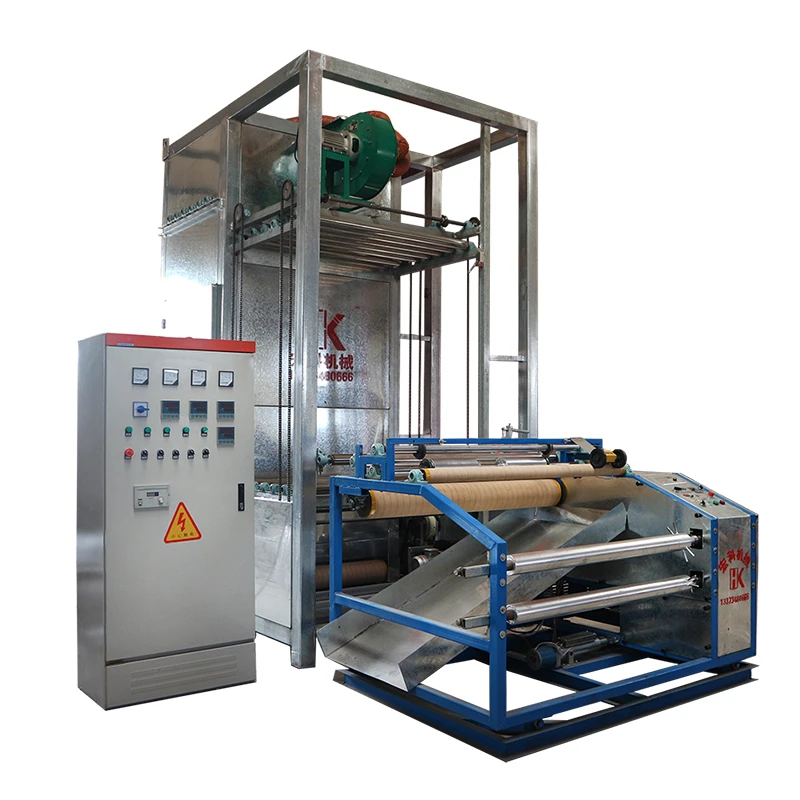
Typical configurations include a high-capacity creel, servo tension control, a fiberglass weaving machine (industrial weaving fabric machine), precision weft insertion systems, and an oven for curing or heat setting. Optional modules—such as an inline fiberglass wrapping machine for finished rolls or an automated inspection and labeling unit—support downstream logistics. Anping Hongke Wire Mesh Machinery Factory engineers the line to match production goals, from general-purpose mesh for EIFS/ETICS to heavy woven roving fabrics for composites. With decades of category experience, Hongke ensures mechanical robustness, stable uptime, and simplified operation through an intuitive HMI and recipe management.
Benefits & Use Cases of Fiberglass Mesh Production Line in Manufacturing of specialized textile equipment
From building reinforcement mesh for exterior insulation systems to woven roving fabrics for marine, wind, and transportation composites, the Fiberglass Mesh Production Line delivers repeatable quality at industrial scale. In construction, mesh uniformity directly impacts crack resistance and adhesion; in composites, stable roving alignment improves mechanical properties and resin flow. Hongke’s platform brings these outcomes together with high-precision tensioning, automatic edge alignment, and closed-loop speed synchronization across modules. It performs like a best-in-class fabric weaving machine while being purpose-built for fiberglass, outperforming generic weaving fabric machine options.
Key advantages include rapid style changeovers via recipe presets, low downtime through modular design, and seamless connection to inline coating/curing. The system’s digital backbone supports remote diagnostics and OEE monitoring—vital for B2B decision makers scaling capacity or consolidating vendors. As a specialized manufacturer, Anping Hongke Wire Mesh Machinery Factory tailors loom width, coating type, and winding formats to your market—EIFS mesh, grinding wheel reinforcement cloth, self-adhesive drywall tape, or heavy woven roving. For buyers evaluating a machine used for weaving fabric, the Hongke approach shortens commissioning time while maximizing first-pass yield. Explore the dedicated solution here: fiberglass woven roving machine.
Cost, Maintenance & User Experience
Total cost of ownership hinges on throughput, energy consumption, material utilization, and maintenance. Hongke’s Fiberglass Mesh Production Line is engineered for durability with industrial-grade transmissions, servo-driven let-off/take-up, and easy-access wear parts. Predictive maintenance prompts and simplified lubrication points minimize unplanned downtime, extending service intervals. While every configuration is unique, buyers comparing fabric weaving machine price quickly see the ROI case improve when factoring in higher first-pass yield, reduced scrap, and fewer labor hours per ton of mesh produced. Request a tailored quotation to align capacity, options, and budget for the best lifecycle value.
User feedback from the Special Equipment Manufacturing Industry consistently highlights the intuitive HMI, stable tension control, and fast recovery after stops. Operators value recipe-driven setups and clear alarm diagnostics, while managers value traceability and production reporting for audits. Hongke’s after-sales package covers operator training, spare parts provisioning, and remote technical support to accelerate ramp-up and safeguard uptime. For enterprises upgrading from a generic weaving fabric machine to a dedicated fiberglass weaving machine, customers report measurable gains in consistency, compliance, and on-time delivery metrics.
Sustainability & Market Trends in manufacturing
Global construction and composites markets are driving demand for lightweight, durable reinforcement materials. As regulations tighten around energy efficiency and building safety, fiberglass mesh adoption rises in EIFS/ETICS and advanced composite structures. Sustainability expectations are also reshaping equipment decisions: manufacturers want lower energy use, less waste, and safer chemistries in sizing and coating. Hongke designs the Fiberglass Mesh Production Line with energy-efficient drives, heat recovery options, and accurate coating control to reduce over-application and VOC exposure, supporting regulatory alignment and greener operations.
Digitalization is accelerating—remote monitoring, data logging, and OEE analytics guide continuous improvement and resource optimization. Anping Hongke Wire Mesh Machinery Factory embraces these Industry 4.0 principles with scalable controls and connectivity. From a sustainability perspective, precise material handling reduces offcuts and scrap, while integrated packaging via a fiberglass wrapping machine streamlines logistics and protects product integrity. For decision makers planning capacity expansions, these features future-proof investments amid evolving standards and environmental targets.
Conclusion on Fiberglass Mesh Production Line from Anping Hongke Wire Mesh Machinery Factory
For manufacturers in specialized textile equipment and composites, the Fiberglass Mesh Production Line delivers stable quality, scalable throughput, and a compelling TCO. Purpose-built mechanics, precise control, and strong support differentiate Anping Hongke Wire Mesh Machinery Factory as a partner you can count on—from specification to commissioning and lifecycle service. If you are comparing a fiberglass weaving machine or evaluating the right fabric weaving machine for fiberglass applications, Hongke provides the best balance of performance and value.
- Contact us: email: info@aphkmachinery.com
- Visit our website: https://www.aphkmachinery.com