


Understanding Fiberglass Mesh Weaving Machines Manufacturer: A Global Perspective
Fiberglass mesh weaving machines manufacturers play an unexpectedly critical role in multiple industries worldwide. At first glance, these machines might seem like just highly specialized equipment. However, the production of fiberglass mesh itself underpins a variety of sectors ranging from construction and insulation to disaster relief and automotive manufacturing.
Why does understanding this niche matter globally? Well, fiberglass mesh provides durable reinforcement for countless materials, helping to improve building longevity, safety standards, and energy efficiency. Knowing how these weaving machines operate and who produces them can give valuable insight into innovations that advance infrastructure resilience and sustainable manufacturing.
Global Relevance of Fiberglass Mesh Weaving Machines Manufacturers
The global fiberglass mesh market has witnessed steady growth, fueled by rapid urbanization, infrastructure development, and increased demand for lightweight, corrosion-resistant materials. According to ISO standards and industry reports, construction consumes the largest share of fiberglass mesh products, especially in emerging economies across Asia-Pacific and Latin America.
Yet challenges remain — particularly the need to improve machine productivity and mesh quality while reducing environmental impact. Manufacturers of fiberglass mesh weaving machines continue to innovate to address these pain points, marrying digital automation and eco-friendly materials in their systems.
What is a Fiberglass Mesh Weaving Machines Manufacturer?
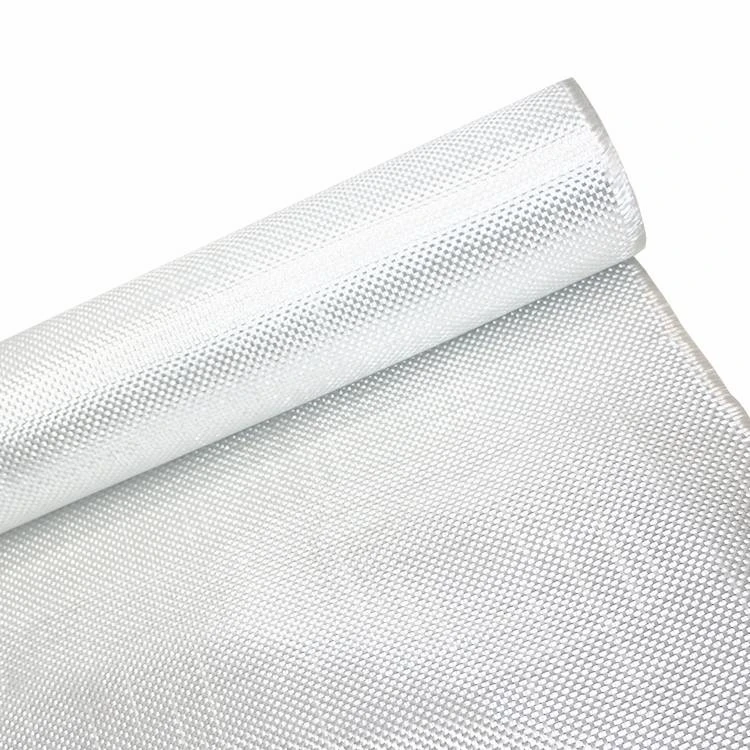
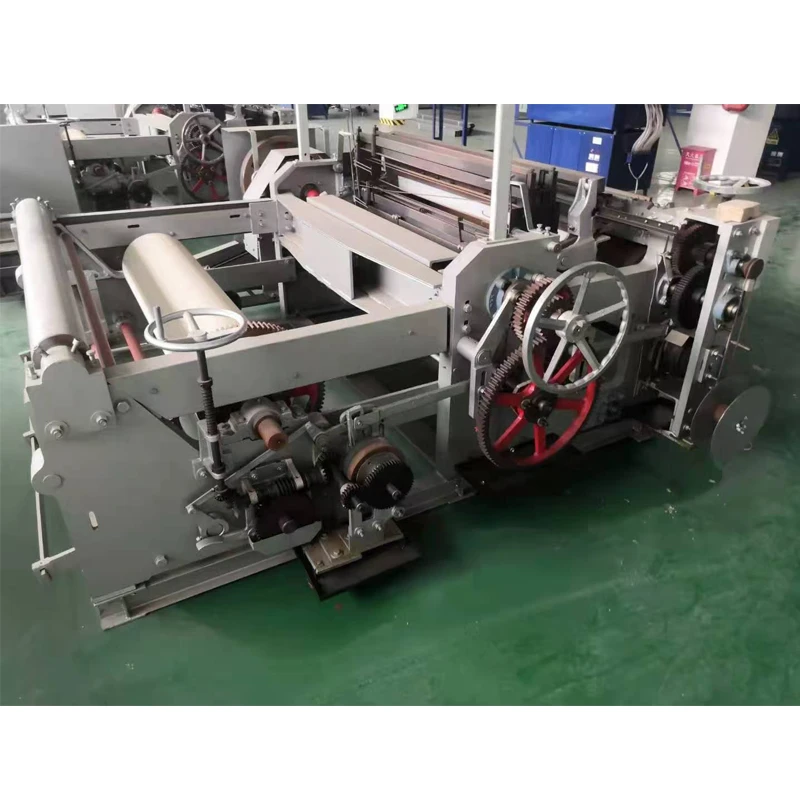
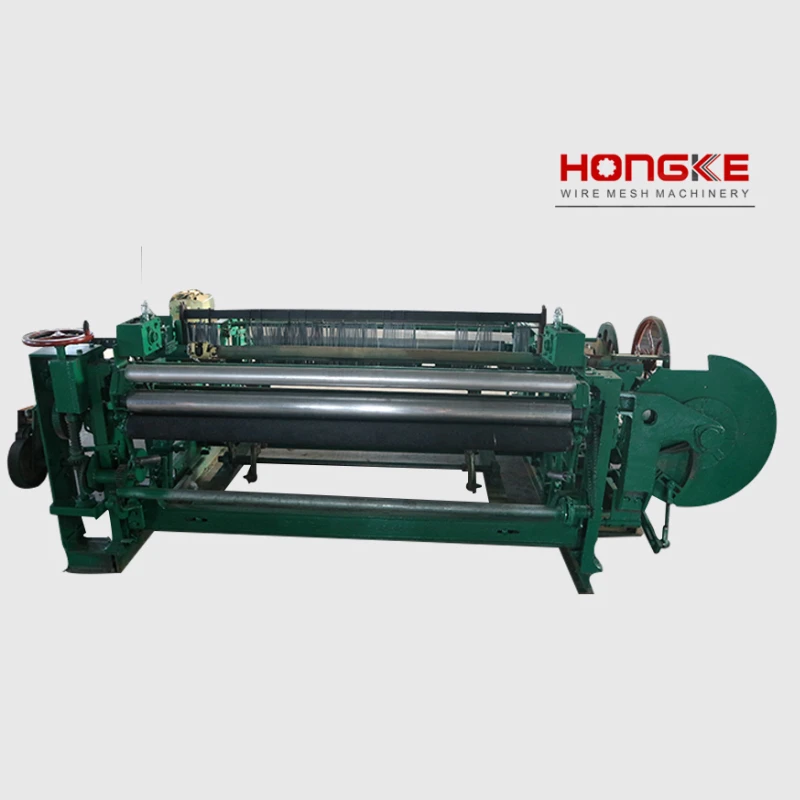
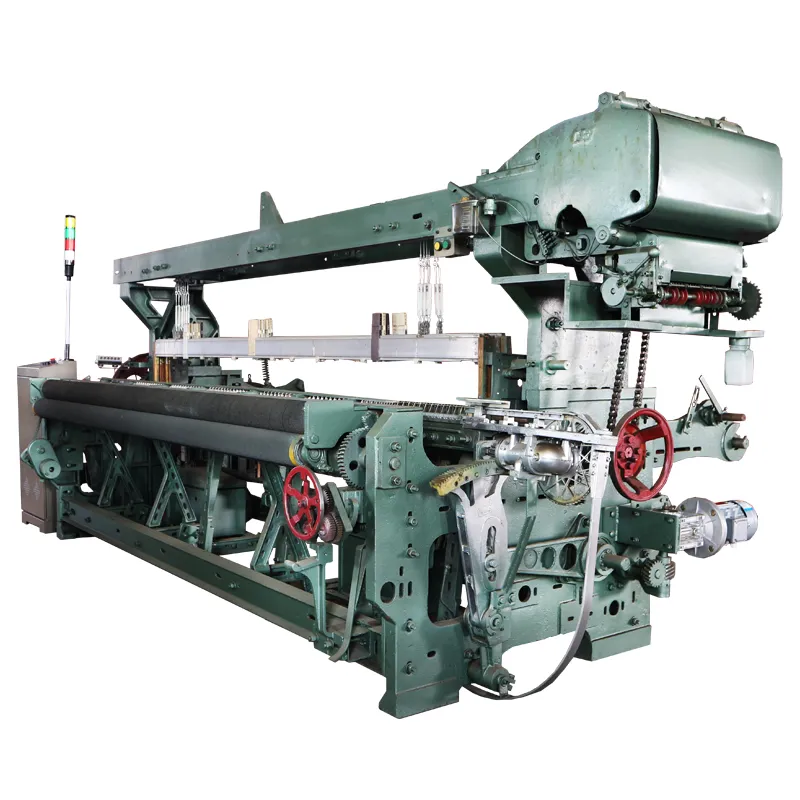
Simply put, a fiberglass mesh weaving machines manufacturer designs and builds the specialized industrial machinery used to produce fiberglass mesh — a fabric-like network of interwoven glass fiber threads. This mesh provides reinforcement for materials like cement, plaster, and composites, enhancing strength and flexibility.
These manufacturers operate at the nexus of mechanical engineering, materials science, and industrial automation. Their machines must meet high standards for precision, speed, and material handling to keep pace with modern construction needs or export demand.
Core Factors Defining Fiberglass Mesh Weaving Machines
Precision Engineering
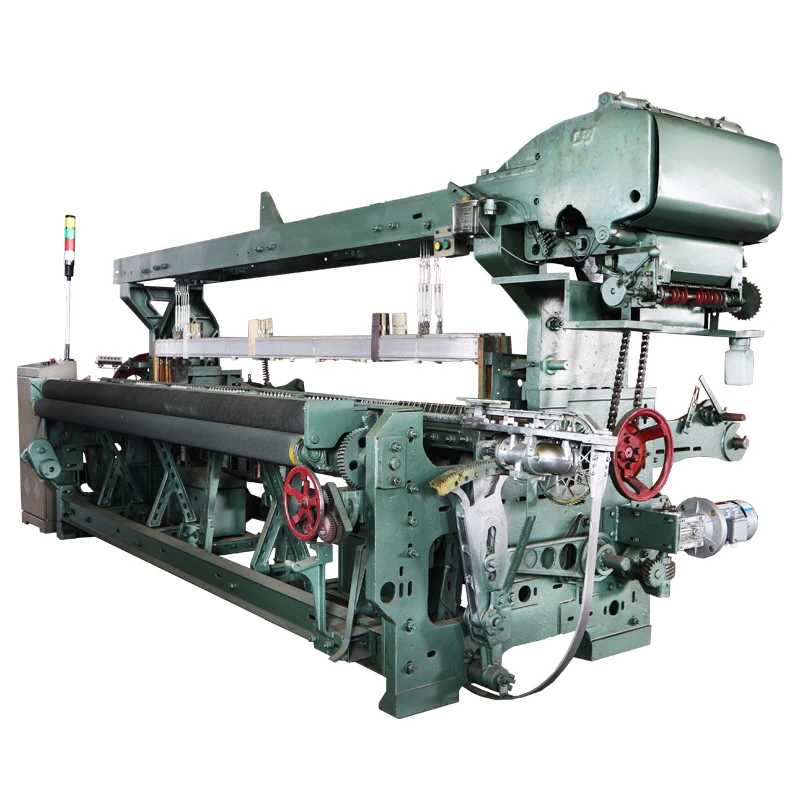
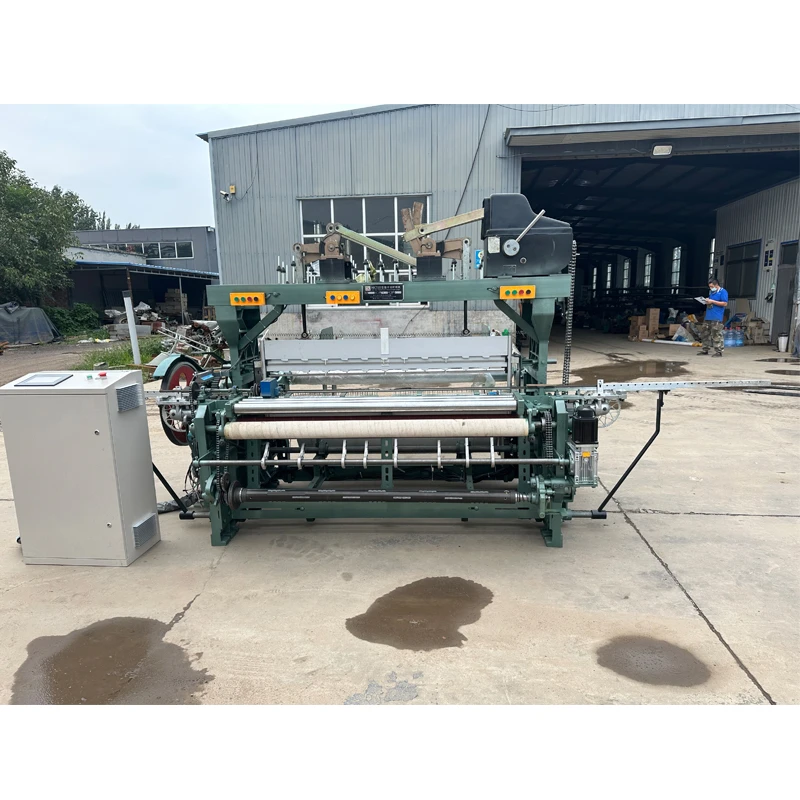
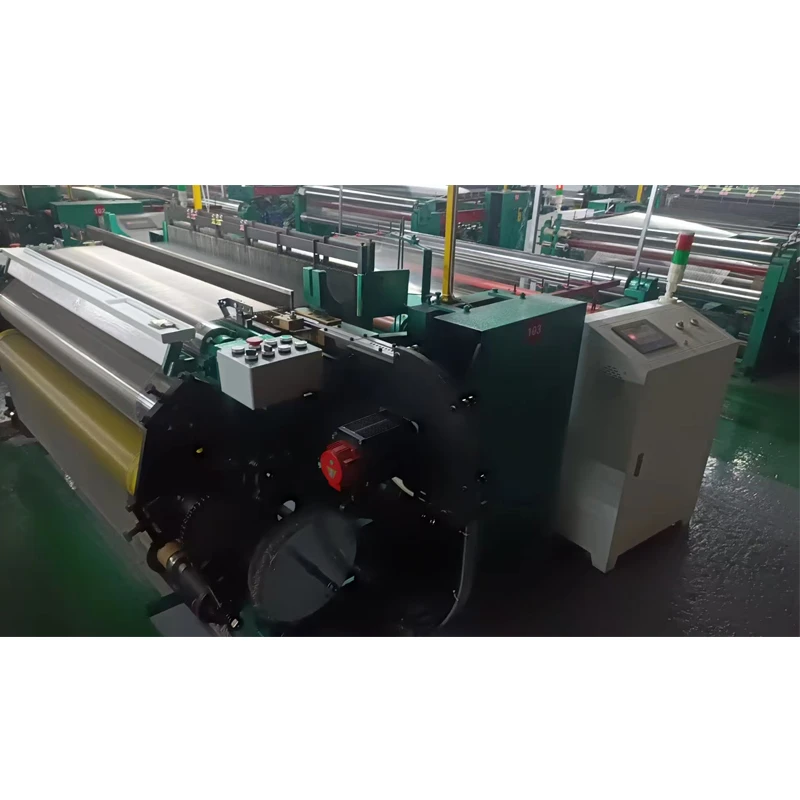
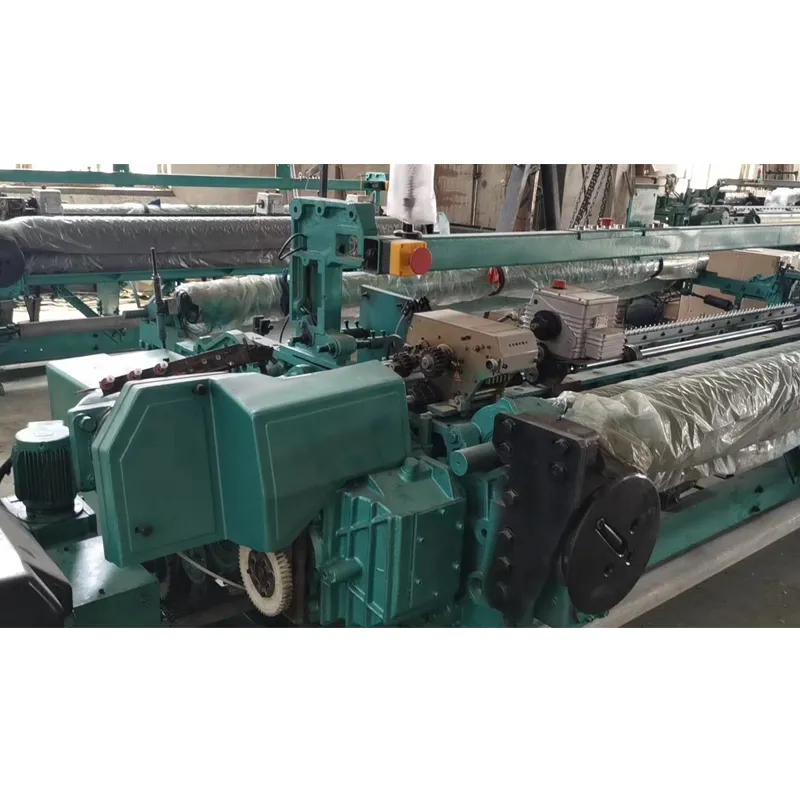
The weaving machines feature finely tuned looms and rollers that handle delicate glass fibers without damage, ensuring uniform mesh quality. Miss a detail here and entire batches could underperform in durability.
Durability & Material Compatibility
Machines are built to withstand abrasive fiberglass strands and continuous operation, often including stainless steel components and reinforced frames to resist wear and corrosion.
Scalability & Production Speed
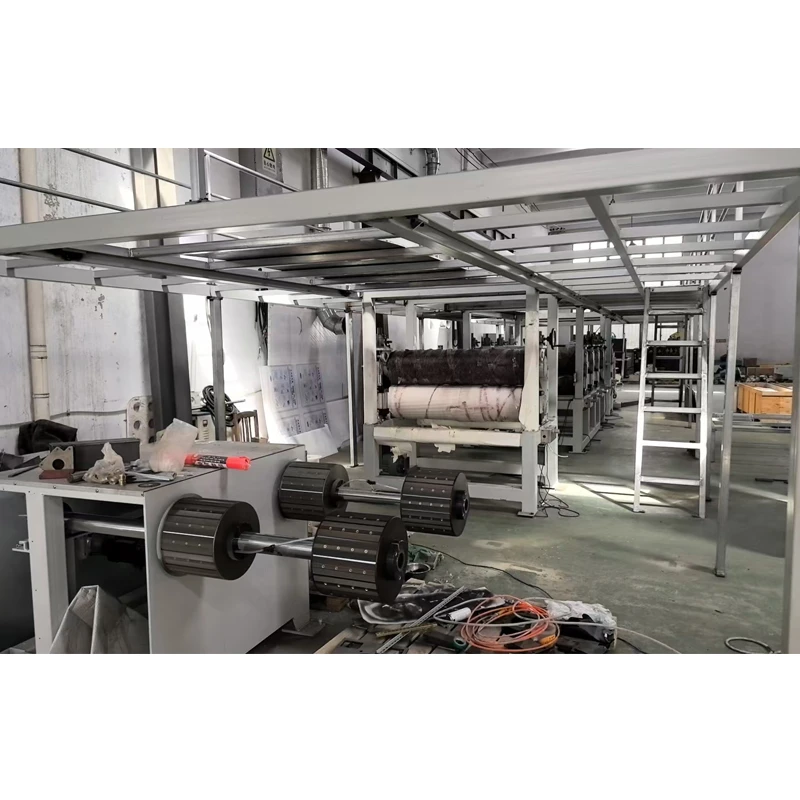
Efficient production lines balance high-speed weaving with machine uptime and maintenance cycles, allowing manufacturers to meet growing industry demand.
Automation & Monitoring
Modern machines incorporate computerized control systems with real-time monitoring to optimize weaving patterns and rapidly detect faults or broken filaments.
Cost Efficiency
Reducing energy consumption and raw material waste during weaving operations remains a key focus, since it directly impacts product pricing and environmental footprint.
Global Applications of Fiberglass Mesh
Fiberglass mesh finds uses worldwide beyond traditional remodeling or building reinforcement:
- Disaster relief housing: Rapidly deployed prefab walls reinforced with fiberglass mesh withstand harsh conditions better than wood or metal alone.
- Industrial insulation: Oil refineries and chemical plants use fiberglass mesh in heat shields and pipe wraps for corrosion and fire resistance.
- Agriculture: Protective greenhouse coverings benefit from mesh’s UV and weather resistance.
- Automotive manufacturing: Composite panels reinforced with mesh are lighter yet stronger for modern vehicles.
Key Specifications of Typical Fiberglass Mesh Weaving Machines
| Specification | Details |
|---|---|
| Weaving Width | 1.8 - 3.0 meters |
| Maximum Speed | Up to 120 m/min |
| Control System | PLC with touchscreen interface |
| Automation Level | Semi-automatic to fully automatic |
| Power Consumption | 25 kW average |
Vendor Comparison: Leading Fiberglass Mesh Weaving Machines Manufacturers
| Manufacturer | Automation | Price Range | Quality Ratings | Sustainability Features |
|---|---|---|---|---|
| APHK Machinery | Fully automatic | $$$ | 9/10 | Energy-efficient drives, waste reduction |
| Global Weave Corp. | Semi-automatic | $$ | 7/10 | Standard; no specific green features |
| FibraTech Industries | Fully automatic | $$$$ | 9.5/10 | Green-certified components, solar integration |
Advantages and Long-Term Value of Using Fiberglass Mesh Weaving Machines
On the surface, investing in advanced fiberglass mesh weaving machinery means improved product consistency and less downtime. But the benefits go deeper:
- Cost Savings: Efficient machines reduce waste of expensive glass fiber and energy use.
- Sustainability: Many manufacturers now emphasize low emissions and recyclable mesh products.
- Reliability: Reinforced materials made with quality mesh withstand environmental stress over decades, offering safety and peace of mind.
- Social Impact: Products enabled by these machines support affordable housing and infrastructure in developing regions.
Emerging Trends and Innovations
It’s hard not to get excited about how digital transformation touches fiberglass mesh production. Sensors embedded in weaving machines feed data to AI systems predicting maintenance needs — reducing downtime. Simultaneously, eco-conscious manufacturers experiment with bio-based coatings that enhance mesh biodegradability without sacrificing strength.
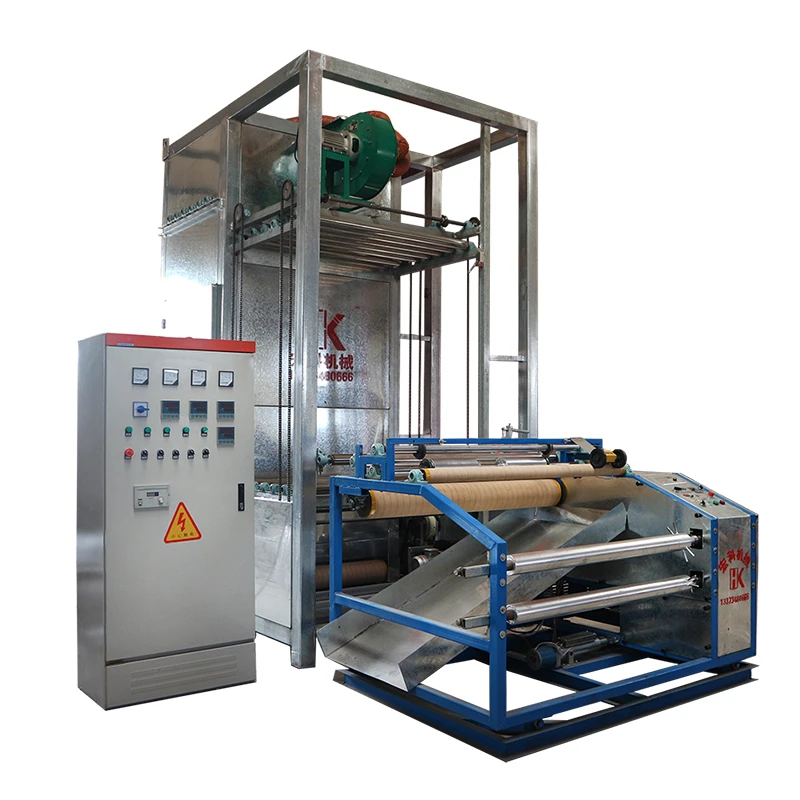
Automation levels continue climbing, especially with robotics assisting in fiber loading and mesh rolling. It all points toward a leaner, greener future for the fiberglass mesh weaving machines manufacturer sector.
Challenges & Solutions
Despite these advancements, challenges deserve acknowledgement. Handling fragile fiberglass fibers demands careful tension control, and even minor errors can decrease mesh quality. Also, high initial costs for state-of-the-art machines discourage some smaller manufacturers. However, modular, upgradeable machine designs and leasing options are emerging as solutions to overcome these barriers.
FAQ: Frequently Asked Questions
- What makes a fiberglass mesh weaving machine stand out in quality?
- Precision in tension control, automation level, and ease of maintenance all contribute. High-quality machines handle fiberglass threads gently to prevent breakage, ensuring uniform mesh durability.
- How can a business pick the right manufacturer?
- Consider automation, after-sales support, and sustainability features. Fiberglass mesh weaving machines manufacturers with proven reliability and customization options often offer best long-term value.
- Are these machines eco-friendly?
- Many manufacturers now integrate energy-saving drives and minimize waste. Some develop proprietary biodegradable coatings for the mesh to reduce environmental footprint.
- How do these machines impact global infrastructure?
- By enabling mass production of durable fiberglass mesh, these machines enhance the quality and safety of roads, buildings, and insulation materials worldwide.
- Can these machines be adapted for niche fiberglass products?
- Yes, advanced machines often support variable weaving patterns, enabling customized meshes designed for specific industries or environmental conditions.
Conclusion: Shaping a Stronger, Sustainable Future
In the end, fiberglass mesh weaving machines manufacturers are quiet but essential partners in global industrial progress. Their innovations support stronger buildings, safer infrastructure, and eco-conscious manufacturing. Whether you’re part of the construction industry or a materials scientist, understanding these machines’ impact is a worthwhile investment.
Once you see the critical role of these manufacturers, it’s clear why continuing to support advancements in their technology benefits us all. For more expertise and solutions on this subject, feel free to visit our website.
Mini takeaway: Fiberglass mesh weaving machines blend precision and innovation, enabling safer and more sustainable global infrastructure development.