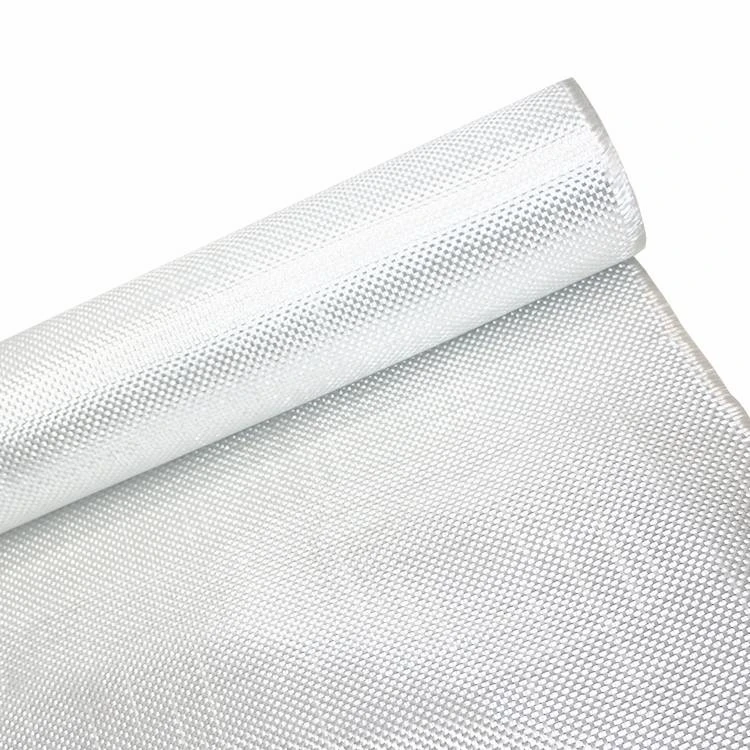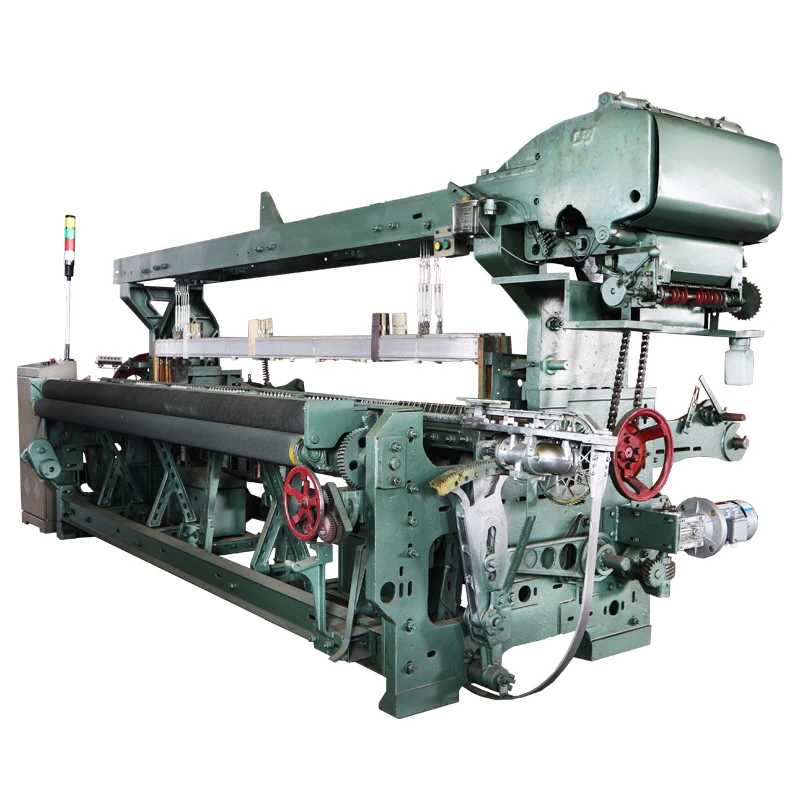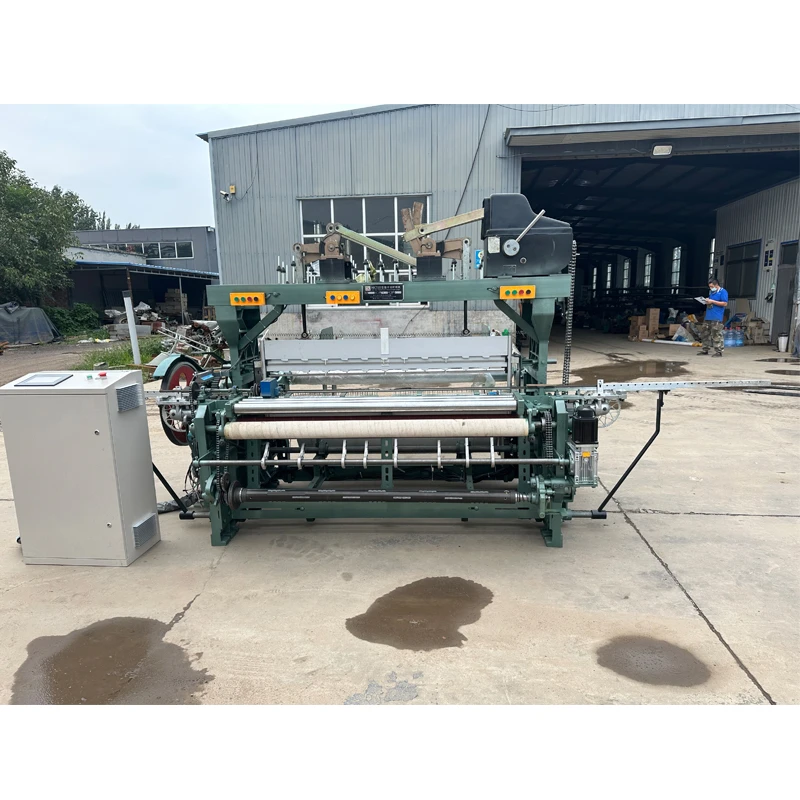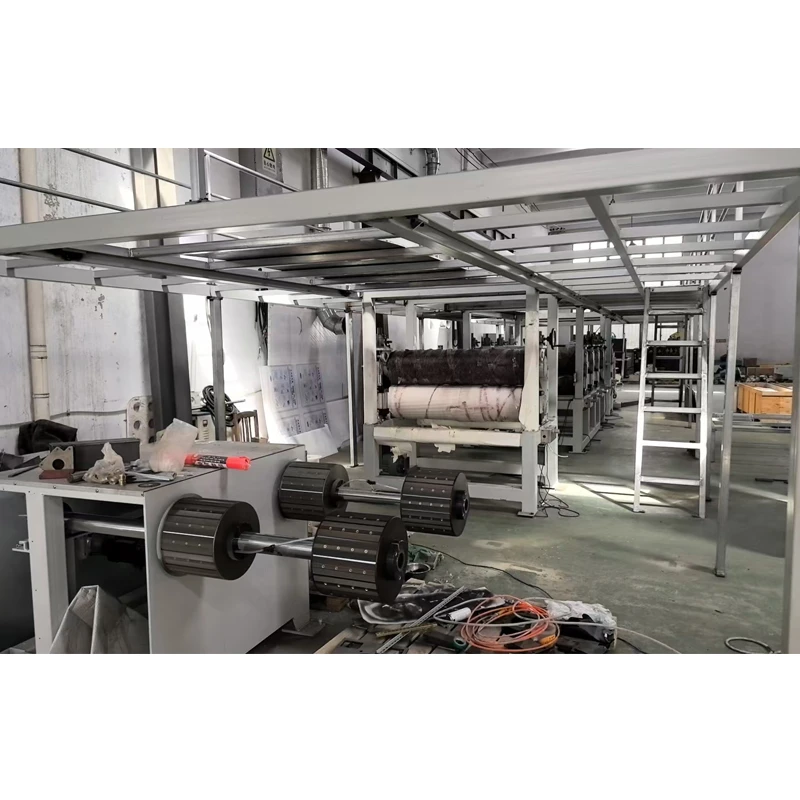



Revolutionizing Mesh Production with Advanced Weaving Technology
In the demanding landscape of modern industrial manufacturing, the precision and efficiency of mesh production are paramount. At the core of this capability lies the wire mesh weaving machine, a sophisticated piece of engineering designed to meet diverse application requirements. From intricate filtration systems to robust structural reinforcements, the quality and consistency of wire mesh directly impact the performance and safety of countless products and infrastructures. This article delves into the critical aspects of modern wire mesh weaving technology, exploring its technical underpinnings, application versatility, and the strategic advantages it offers to B2B stakeholders.
The demand for high-quality woven wire mesh, particularly from high-speed power loom machine, is steadily increasing across various sectors, driven by stricter industry standards and the need for enhanced material performance. Understanding the capabilities and operational nuances of these machines is crucial for optimizing production processes and ensuring competitive market positioning.
Industry Trends and Market Dynamics in Wire Mesh Weaving
The global market for wire mesh is experiencing robust growth, propelled by infrastructure development, industrial expansion, and technological advancements. Key trends shaping the evolution of the wire mesh weaving machine sector include:
- Automation and Digitization: Integration of PLC controls, HMI interfaces, and IoT capabilities for remote monitoring, predictive maintenance, and optimized production scheduling. This trend significantly reduces labor costs and enhances operational efficiency, especially for modern mesh weaving machine.
- Precision and Repeatability: Growing demand for meshes with extremely tight tolerances and consistent aperture sizes, driven by advanced filtration and screening applications. High-speed power loom machine excel in delivering this precision.
- Material Versatility: Expansion of compatible materials beyond traditional stainless steel to include exotic alloys (e.g., Hastelloy, Monel), titanium, and even synthetic fibers, catering to specialized corrosive or high-temperature environments.
- Energy Efficiency: Development of machines with optimized motor systems, regenerative braking, and reduced power consumption to lower operational costs and meet sustainability objectives.
- Customization and Flexibility: The ability to quickly reconfigure machines for different mesh patterns, wire diameters, and weaving modes to cater to diverse and evolving customer demands. Modern wire mesh loom offers unparalleled flexibility.
Market analysis indicates a Compound Annual Growth Rate (CAGR) of 4.5% for industrial wire mesh products from 2023 to 2028, with significant contributions from the Asia-Pacific region due to rapid industrialization. This growth underscores the critical role of efficient and reliable wire mesh loom machine in meeting global supply chain demands.
Technical Specifications: The High Speed Wire Mesh Weaving Machine
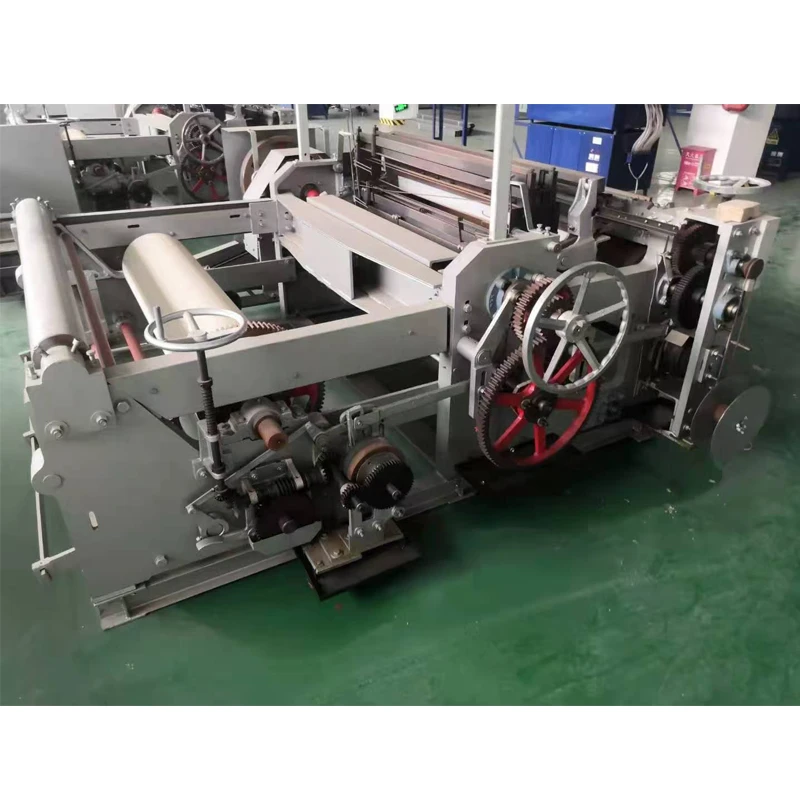
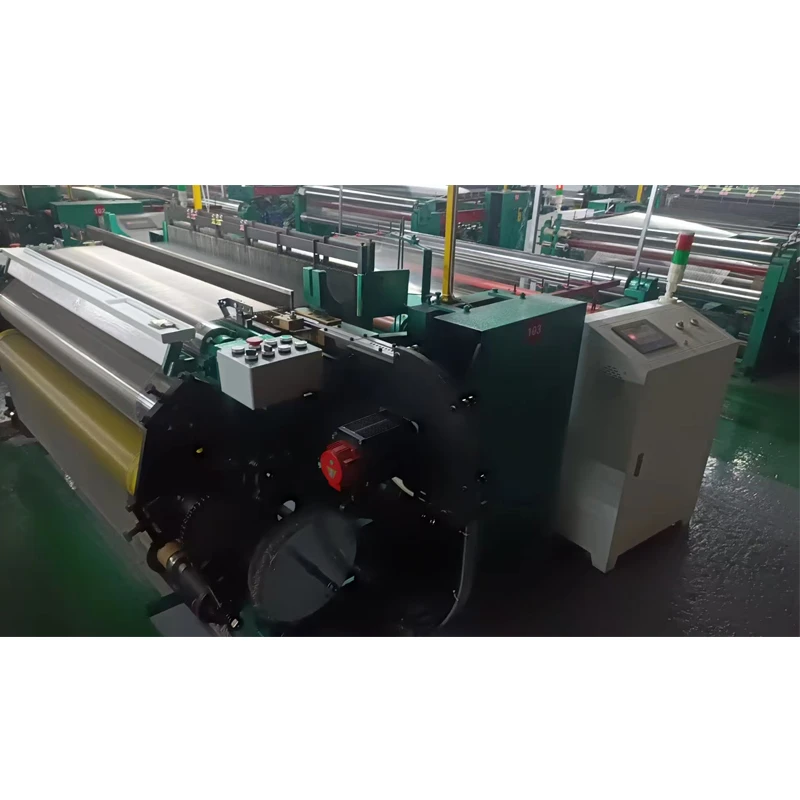
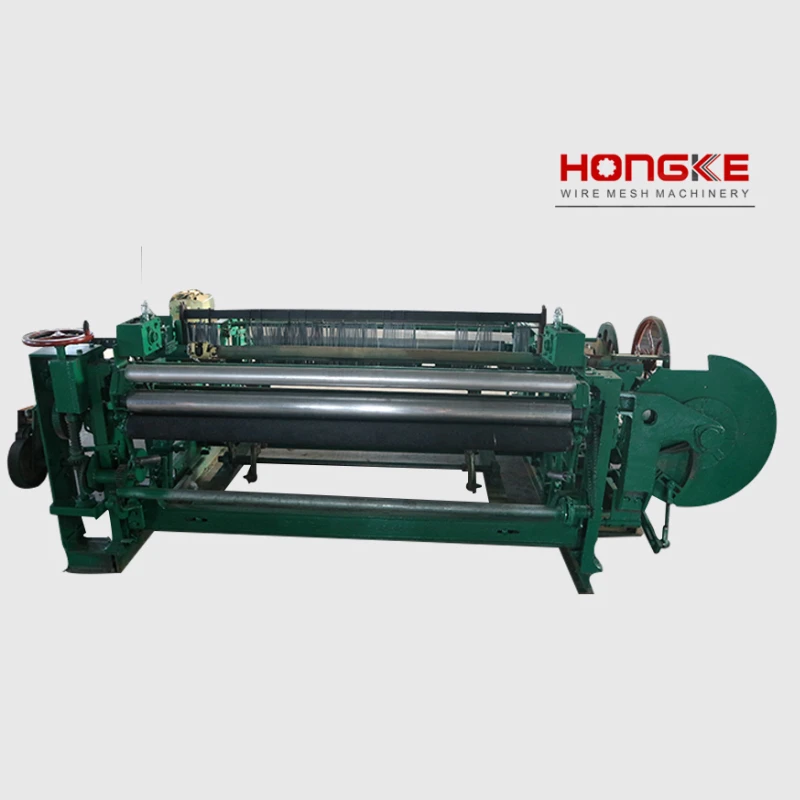
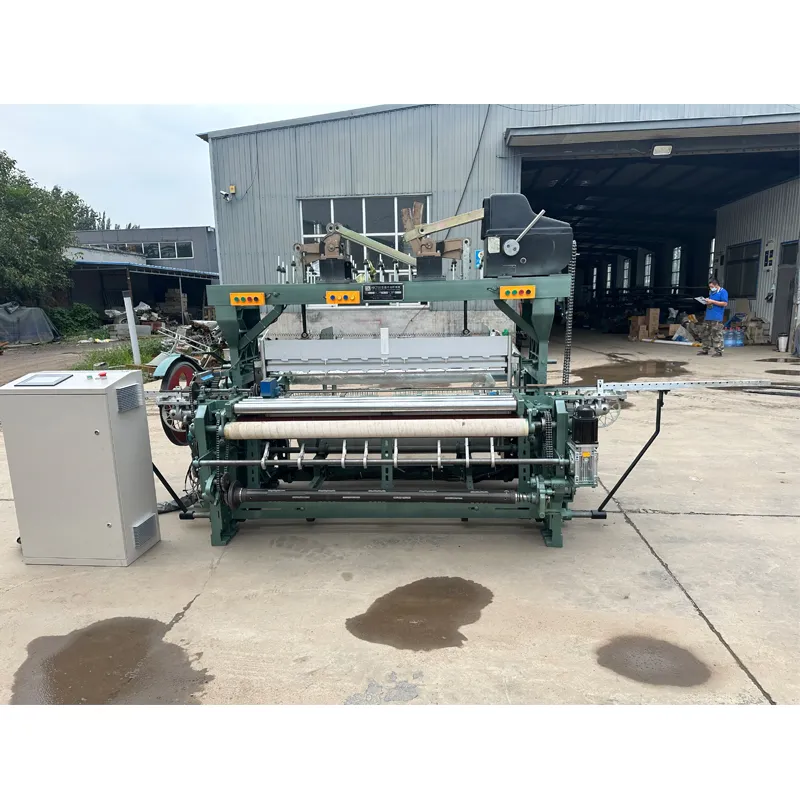
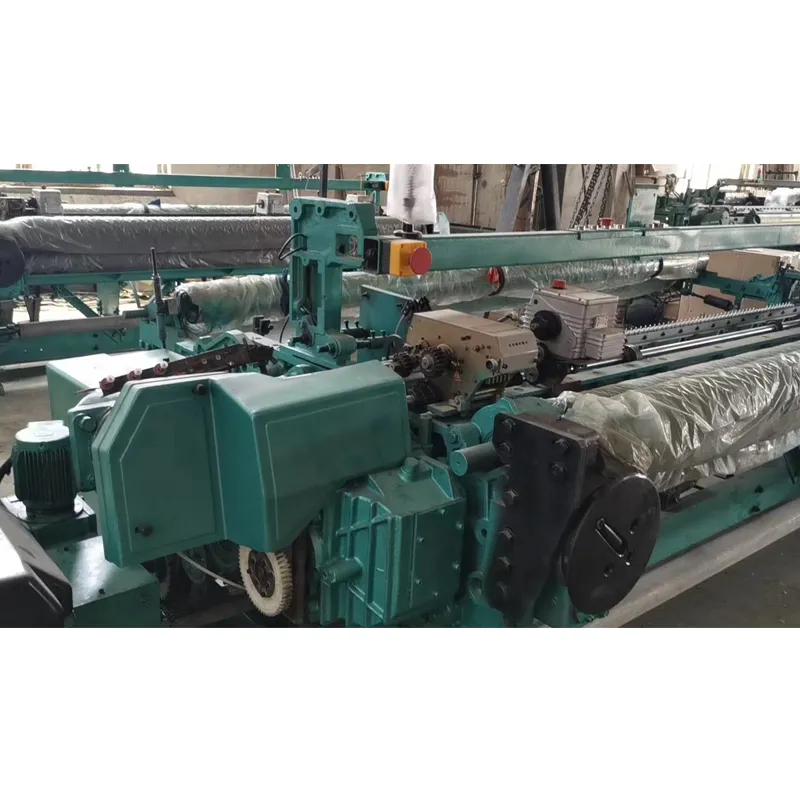
The High Speed Wire Mesh Weaving Machine is engineered for optimal performance, combining robust mechanical design with advanced electronic controls. Its architecture is meticulously designed to ensure high output, precision, and durability.
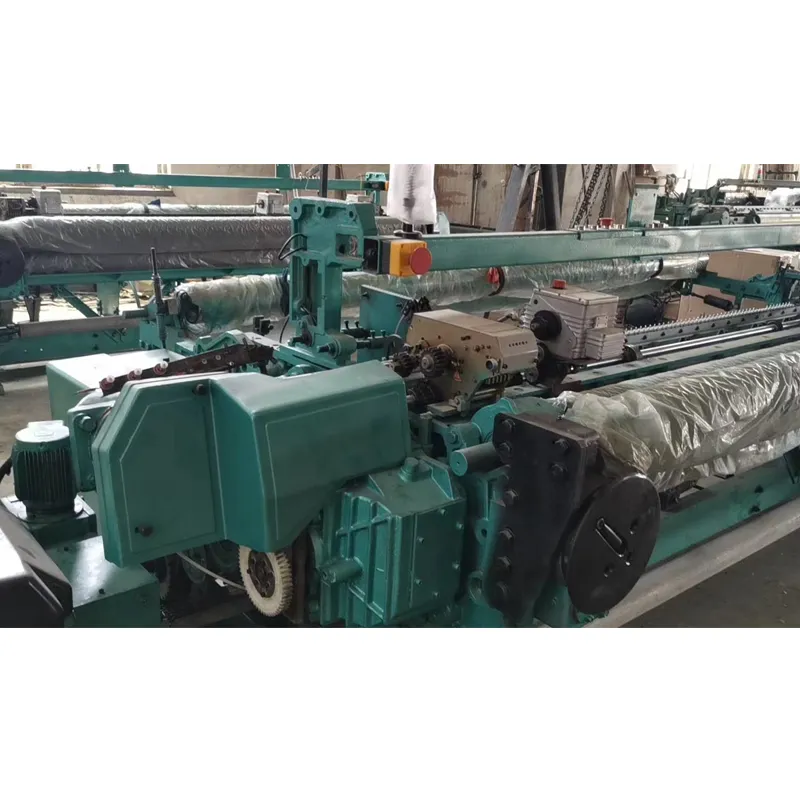
Key Structural Components:
- Frame and Support Structure: Constructed from heavy-duty steel profiles, often using precision-welded and stress-relieved sections, to ensure vibration damping and structural rigidity during high-speed operation.
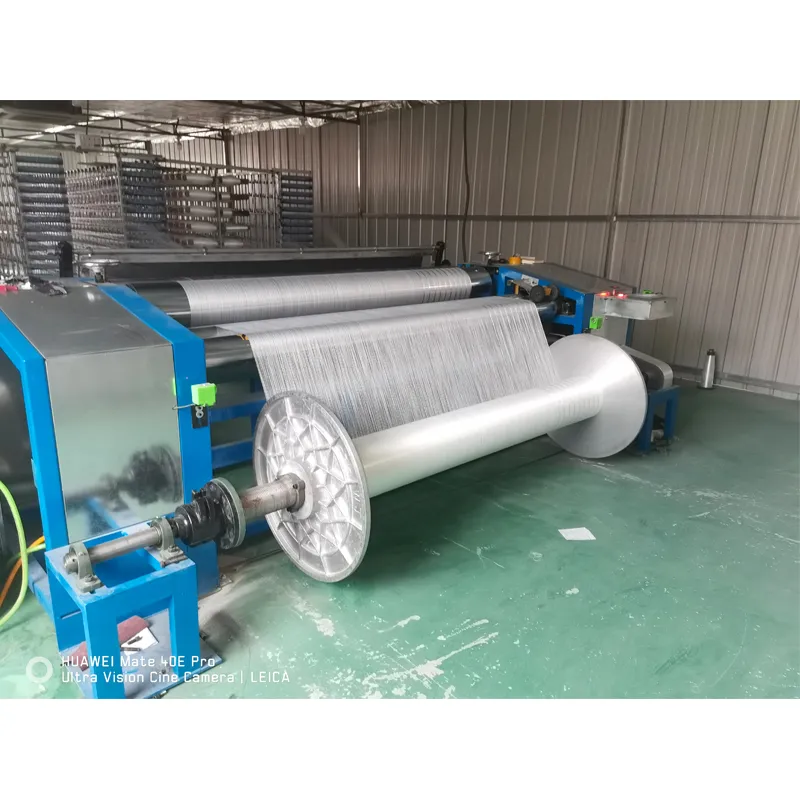
- Warp Feeding System: Utilizes a precise electronic let-off mechanism, often with tension control sensors, to ensure consistent warp yarn tension, crucial for uniform mesh formation.
- Weft Insertion System: Features either rapier or projectile mechanisms for high-speed and accurate weft insertion, adaptable to various wire diameters. Dual weft insertion systems can further enhance production.
- Shedding Mechanism: Typically a cam or dobby shedding system, electronically controlled, to create the clear shed required for weft insertion, accommodating different weave patterns (plain, twill, Dutch).
- Beating-up Mechanism: A robust reed motion system, synchronized with the shedding and weft insertion, to compact the newly inserted weft wire against the fell of the cloth.
- Take-up Mechanism: Electronic take-up system with precise length measurement and constant tension control, ensuring uniform mesh density and roll diameter.
- Control System: Advanced PLC (Programmable Logic Controller) with HMI (Human-Machine Interface) for intuitive operation, parameter setting, fault diagnostics, and production monitoring. Servo motors provide precise control over critical movements.
Typical Product Specification Table:
| Parameter | Specification |
|---|---|
| Machine Type | High Speed Wire Mesh Loom Machine |
| Weaving Width | 1000mm - 2500mm (customizable) |
| Wire Diameter Range | 0.025mm - 1.2mm |
| Mesh Count Range | 2 - 400 Mesh/inch (depending on wire diameter) |
| Weaving Speed | Up to 100 picks per minute (PPM) |
| Compatible Materials | Stainless Steel (304, 316, 316L), Galvanized Steel, Copper, Brass, Bronze, Nickel Alloys, Titanium |
| Weave Patterns | Plain, Twill, Dutch (Plain & Twill), Reverse Dutch |
| Power Consumption | 11 kW - 22 kW (Varies with model and configuration) |
| Control System | PLC-based with Touch Screen HMI |
| Overall Dimensions (Approx.) | 6000mm (L) x 3000mm (W) x 2500mm (H) |
These specifications highlight the advanced capabilities of the high speed power loom machine, enabling manufacturers to produce a wide array of precision wire mesh products with efficiency and reliability.
Manufacturing Process of the Wire Mesh Weaving Machine
The creation of a robust and precise wire mesh weaving machine is a complex engineering feat involving multiple stages of material selection, advanced manufacturing, and rigorous quality assurance.
1. Material Selection and Preparation:
- Structural Components: High-grade structural steel (e.g., Q345B, S355JR) for the main frame, ensuring strength and stability. Cast iron or specialized alloys for bearing housings and critical load-bearing parts.
- Precision Parts: Tool steels (e.g., Cr12MoV, HSS) for components requiring high wear resistance like cutters and guiding elements. Stainless steel (e.g., 304, 316) for parts in contact with abrasive or corrosive environments, or where cleanliness is crucial.
- Electrical & Control Systems: Industrial-grade PLCs, servo motors, sensors, and wiring from reputable manufacturers to ensure reliability and responsiveness.
2. Manufacturing Processes:
- Casting/Forging: Large, complex components like gearboxes or specific frame sections may undergo precision casting or forging to achieve desired mechanical properties and intricate geometries. These are often followed by annealing or normalizing heat treatments to relieve internal stresses.
- CNC Machining: Critical components (e.g., shafts, gears, cams, reed mechanisms, rapier heads) are machined on multi-axis CNC machines. This ensures ultra-high precision, tight tolerances (often within ±0.005mm), and superior surface finishes, which are essential for the smooth and accurate operation of a wire mesh loom.
- Welding and Fabrication: The main frame and sub-assemblies are fabricated using advanced welding techniques (e.g., MIG, TIG) by certified welders. Post-weld stress relief is often applied to prevent deformation during operation.
- Heat Treatment: Various heat treatments (e.g., hardening, tempering, nitriding) are applied to components to enhance wear resistance, hardness, and fatigue strength, particularly for gears, shafts, and cutting tools.
- Surface Treatment: Components undergo processes like phosphating, painting, or nickel plating to provide corrosion resistance, aesthetic appeal, and extended service life. Chrome plating is often used for wear parts.
- Assembly: Highly skilled technicians meticulously assemble the machine, integrating mechanical, electrical, and pneumatic systems. Precision alignment and calibration are critical at this stage.
3. Quality Control & Testing Standards:
Every mesh weaving machine undergoes stringent quality control at each manufacturing stage and comprehensive final testing.
- Material Inspection: Raw materials are checked against specifications (e.g., chemical composition, mechanical properties) using techniques like spectrometry and tensile testing.
- Dimensional Accuracy: Components are measured using CMM (Coordinate Measuring Machines), calipers, micrometers, and gauges to ensure compliance with engineering drawings (e.g., ISO 2768-1 for general tolerances).
- Performance Testing: Each completed high speed power loom machine undergoes extensive dry runs and operational tests under various load conditions. This includes checks for weaving speed, mesh consistency, tension control, noise levels, and vibration analysis.
- Electrical Safety: Compliance with electrical safety standards (e.g., IEC 60204-1, ANSI/NFPA 79) for wiring, grounding, and emergency stop systems.
- International Standards: Adherence to ISO 9001 for quality management systems throughout the manufacturing process. Key components may meet specific ANSI or DIN standards for materials and dimensions.
This meticulous process ensures a projected service life of 15-20 years for the machine with proper maintenance, demonstrating robust construction and reliability.
Application Scenarios and Target Industries
The versatility of wire mesh produced by a modern wire mesh weaving machine makes it indispensable across a spectrum of industries. Its unique properties – strength, corrosion resistance, precise filtration, and heat stability – are critical for diverse applications.
Key Target Industries:
- Petrochemical and Chemical Processing: Fine mesh filters and screens are essential for separating catalysts, purifying liquids and gases, and protecting sensitive equipment. The corrosion resistance of stainless steel or alloy meshes produced by a wire mesh loom machine is crucial in harsh chemical environments.
- Metallurgy and Mining: Heavy-duty mesh is used for screening, sizing, and classifying aggregates, ores, and other bulk materials. Filters are also employed in metal refining processes. The durability and abrasion resistance of mesh are paramount here.
- Water Supply & Drainage: Mesh screens are vital for pre-filtration in water treatment plants, preventing debris from entering pumps and pipes, and for dewatering applications. Energy saving designs of the mesh weaving machine contribute to sustainable practices in these industries.
- Food & Beverage: Stainless steel mesh is widely used for filtration, sieving, and straining in food processing, brewing, and dairy industries, adhering to stringent hygiene standards (e.g., FDA compliance for material contact surfaces).
- Pharmaceutical: Ultra-fine mesh is critical for precise particle separation, tablet coating, and drying processes, demanding highly consistent aperture sizes.
- Automotive: Mesh finds applications in exhaust system components, air filters, and fuel filters, requiring resistance to high temperatures and corrosive substances.
- Construction and Architecture: Decorative mesh for facades, railings, and security screens, as well as reinforcing mesh for concrete.
Demonstrated Advantages in Typical Scenarios:
In a petrochemical refining facility, precision-woven Dutch weave mesh, produced on a high speed power loom machine, significantly extends the service life of catalyst beds by preventing fine particle carryover. This directly translates to reduced downtime and substantial energy saving due to optimized flow dynamics. For wastewater treatment, corrosion resistance of stainless steel mesh ensures long-term performance without frequent replacement, even in biologically active and chemically aggressive environments.
Technical Advantages of High-Speed Power Loom Machines
Modern high speed power loom machine represent a leap forward from traditional wire mesh loom technologies, offering a multitude of technical advantages that directly impact productivity, quality, and operational cost.
- Unmatched Production Speed: Operating at significantly higher picks per minute (PPM) compared to older models, these machines drastically increase throughput, enabling manufacturers to meet high-volume demands efficiently.
- Superior Mesh Quality and Consistency: Advanced electronic controls for warp let-off, weft insertion, and take-up ensure uniform tension throughout the weaving process, resulting in consistent mesh aperture, stable weave patterns, and minimal defects.
- Broad Material and Weave Pattern Versatility: Capable of handling a wide range of wire materials and diameters, and producing various complex weave patterns (e.g., plain, twill, Dutch, reverse Dutch weaves) with simple parameter adjustments on the HMI.
- Enhanced Automation and Reduced Labor: Features like automatic wire breakage detection, fault diagnostics, and automated lubrication systems minimize manual intervention, reducing labor costs and human error.
- Precision and Repeatability: Servo-driven mechanisms ensure precise movement control, critical for manufacturing fine mesh with stringent tolerance requirements for applications like filtration and sieving.
- Energy Efficiency: Optimized motor systems and smart control algorithms reduce power consumption per unit of mesh produced, contributing to lower operating expenses and environmental sustainability.
- Reduced Downtime: Robust construction, high-quality components, and predictive maintenance capabilities (through integrated sensors) lead to fewer breakdowns and longer operational cycles.
- User-Friendly Operation: Intuitive HMI touch screens simplify machine setup, monitoring, and troubleshooting, making them accessible even for operators with varying levels of technical expertise.
These advantages collectively position the high speed power loom machine as a strategic investment for businesses aiming for market leadership in quality and efficiency.
Vendor Comparison: Selecting the Right Wire Mesh Weaving Machine
Choosing the right wire mesh weaving machine is a critical decision that impacts long-term operational efficiency and product quality. A thorough vendor comparison goes beyond initial purchase price, considering a holistic view of technology, support, and customization.
Key Comparison Factors:
- Technology and Innovation: Assess the vendor's commitment to R&D, reflected in machine features like advanced control systems (PLC/HMI), servo drives, and automated diagnostics. Leading manufacturers often hold patents for innovative weaving mechanisms.
- Machine Durability and Component Quality: Inquire about the origin and quality of critical components (e.g., bearings, motors, sensors). APHK Machinery, for instance, emphasizes using internationally recognized brands for core components, ensuring extended service life and reliability.
- After-Sales Support and Service Network: Evaluate the availability of technical support, spare parts, and on-site maintenance services. A robust global service network minimizes downtime.
- Customization Capabilities: The ability to tailor machine specifications (weaving width, wire range, weave patterns, automation level) to specific production needs is a significant advantage.
- Training and Documentation: Comprehensive training programs for operators and maintenance staff, along with clear technical manuals, are essential for efficient operation.
- Certifications and Compliance: Verify adherence to international quality standards (ISO 9001), safety standards (CE, UL), and material compatibility where applicable.
- Total Cost of Ownership (TCO): Consider not just the purchase price, but also energy consumption, maintenance costs, spare part availability, and expected lifespan.
Illustrative Vendor Comparison Table:
| Feature | Vendor A (e.g., APHK Machinery) | Vendor B (Competitor) |
|---|---|---|
| Max Weaving Speed (PPM) | 100+ | 80-90 |
| Wire Diameter Range | 0.025 - 1.2mm | 0.05 - 1.0mm |
| Control System | Advanced PLC with HMI & Remote Access | Standard PLC with Basic HMI |
| Core Components | International Premium Brands (Siemens, Schneider, SKF) | Mixed Local & International Brands |
| Customization Options | Extensive (width, materials, automation, specific weave patterns) | Limited to standard configurations |
| Warranty | 2 Years comprehensive | 1 Year standard |
| Global Service Network | Present in key markets | Regional focus |
This comparison highlights how leading manufacturers, such as those providing top-tier high speed power loom machine, differentiate themselves through superior technology, broader capabilities, and robust support systems.
Customized Solutions for Specialized Requirements
The diverse demands of industrial applications often necessitate tailored solutions. Reputable manufacturers of wire mesh loom machinery understand this need and offer extensive customization options to ensure optimal performance for specific production requirements.
- Adaptability to Exotic Materials: Machines can be configured to handle special alloys like Inconel, Monel, or Hastelloy, which require precise tension control and specialized wire guides due to their unique mechanical properties.
- Specialized Weave Patterns: Beyond standard plain and twill, customization for complex weave patterns such as Reverse Dutch weave or specific hybrid weaves can be integrated for enhanced filtration efficiency or structural integrity.
- Variable Weaving Widths: While standard machines offer a range, custom widths can be engineered to minimize waste for specific end products or integrate seamlessly into existing production lines.
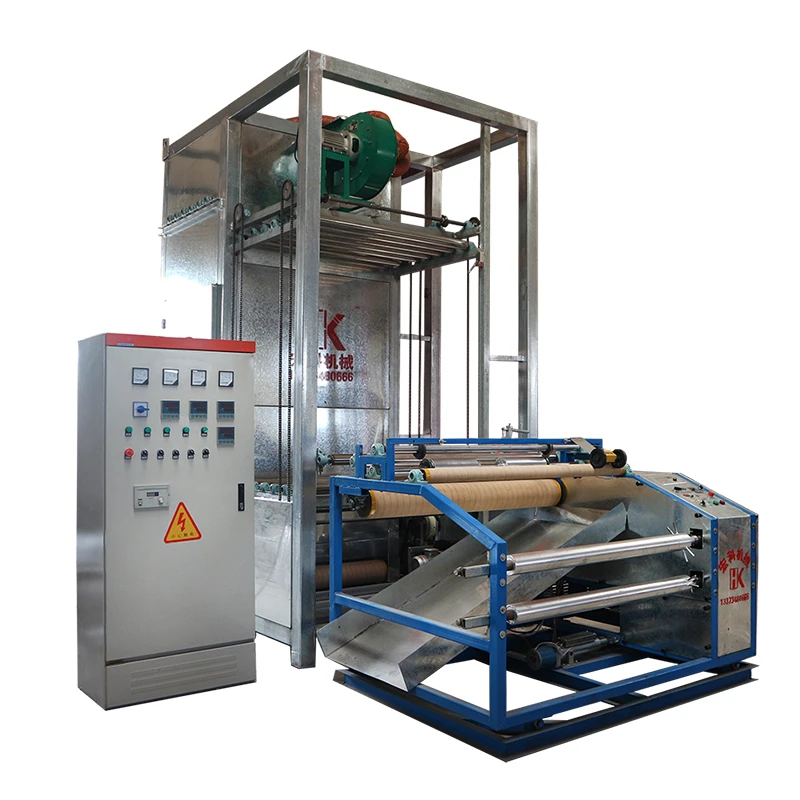
- Integration with Downstream Processing: Customized solutions often include seamless integration with auxiliary equipment like mesh cutting, calendering, or annealing systems, creating a complete automated production line.
- Environmental Adaptations: For operations in extreme conditions (e.g., high humidity, corrosive air), machines can be built with enhanced protective coatings, sealed components, or specialized air filtration systems.
- Advanced Automation Modules: Implementation of higher levels of automation, such as automatic bobbin changing systems or integrated quality inspection systems (e.g., vision systems for defect detection), can be customized to reduce manual labor and improve consistency.
This bespoke approach ensures that clients receive a high speed power loom machine that is not just a tool, but a perfectly integrated solution enhancing their competitive edge.
Real-World Application Case Studies & Customer Experience
The effectiveness of a mesh weaving machine is best demonstrated through its successful deployment and the positive impact on customer operations. Here are illustrative case studies reflecting the value proposition of advanced wire mesh weaving technology:
Case Study 1: Enhanced Filtration in the Petrochemical Industry
A leading petrochemical firm in Saudi Arabia faced challenges with inconsistent filtration mesh quality, leading to frequent downtime in their catalyst regeneration units. After investing in two High Speed Wire Mesh Weaving Machine units from APHK Machinery, configured for precise Dutch weave patterns using 316L stainless steel wire (0.04mm warp, 0.03mm weft), their operational efficiency dramatically improved. Production defects decreased by 85%, and the lifespan of their filter elements increased by 40%, directly translating to an estimated annual saving of $1.2 million in maintenance and material costs. The client lauded the machine's robust build and the intuitive HMI, which allowed their technicians to quickly adapt to the new system. APHK Machinery holds ISO 9001:2015 certification, underscoring its commitment to quality.
Case Study 2: High-Volume Production for Architectural Mesh
An architectural facade manufacturer in Germany required a solution for producing large volumes of decorative wire mesh with complex patterns and various wire materials, including copper and bronze. Their existing wire mesh loom lacked the speed and versatility. The implementation of a custom-designed APHK High Speed Wire Mesh Weaving Machine with an extra-wide weaving capacity (2.5 meters) and multi-material feed system allowed them to double their production output while achieving intricate designs previously impossible. This partnership, forged over 7 years of collaboration, solidified APHK Machinery's reputation as a reliable provider of advanced solutions. Customer feedback emphasized the machine's reliability and the exceptional post-sales support, crucial for their continuous project delivery.
These cases exemplify how investment in a state-of-the-art high speed power loom machine translates into tangible benefits, reinforcing the manufacturer's authority and trustworthiness through real-world results and sustained client relationships.
Trustworthiness & Comprehensive Support
Frequently Asked Questions (FAQ)
What is the typical lead time for a High Speed Wire Mesh Weaving Machine?
Standard models typically have a lead time of 60-90 days from order confirmation to shipment. Customized solutions for a wire mesh loom may require 90-120 days, depending on complexity and component sourcing. Our team provides detailed project timelines upon consultation.
What kind of warranty is offered with the mesh weaving machine?
We offer a comprehensive 2-year warranty on mechanical and electrical components, excluding wear parts. Extended warranty options and service contracts are also available to ensure long-term peace of mind for your high speed power loom machine.
How do you ensure the availability of spare parts for the wire mesh weaving machine?
We maintain a substantial inventory of critical spare parts at our global distribution centers. For specialized components, we have established robust supply chain partnerships to ensure timely procurement and minimize any potential operational disruptions.
Do you provide installation and training services?
Yes, our expert technicians provide on-site installation, commissioning, and comprehensive operational and maintenance training for your personnel. We ensure your team is fully equipped to maximize the performance of your new wire mesh loom machine.
Lead Time & Fulfillment Details:
Our streamlined production process and efficient logistics ensure reliable fulfillment. For a standard wire mesh weaving machine, the typical lead time is 75 days. This includes manufacturing, rigorous quality checks, pre-shipment testing, and packaging. Expedited options may be available depending on current production schedules.
Warranty Commitments:
APHK Machinery stands behind the quality of its products with a 2-year manufacturer's warranty covering defects in materials and workmanship under normal operating conditions. This commitment reflects our confidence in the durability and precision engineering of our high speed power loom machine.
Customer Support & After-Sales Service:
Our dedicated customer support team provides 24/7 technical assistance, remote diagnostics, and troubleshooting. We offer comprehensive after-sales packages, including scheduled maintenance, genuine spare parts supply, and upgrade services to ensure the continuous, optimal performance of your investment. Our global network of certified service engineers is ready for on-site support when needed.
Conclusion: The Future of Wire Mesh Production
The evolution of the wire mesh weaving machine represents a testament to ongoing innovation in industrial manufacturing. As industries continue to demand higher precision, greater efficiency, and broader material versatility, the advanced capabilities of modern high speed power loom machine are indispensable. By understanding the intricate manufacturing processes, adhering to rigorous quality standards, and leveraging comprehensive after-sales support, businesses can secure a competitive advantage. The investment in a sophisticated wire mesh loom machine is not merely a purchase, but a strategic partnership that ensures consistent quality, optimized production, and long-term operational excellence. As a cornerstone of numerous industrial processes, the continued advancement of wire mesh weaving technology will undoubtedly shape the future of diverse global markets.
References
- ISO 9001:2015 Quality Management Systems – Requirements. International Organization for Standardization.
- ASTM E2016-11: Standard Test Method for Evaluating the Performance of Mesh. ASTM International.
- IEC 60204-1: Safety of machinery – Electrical equipment of machines – Part 1: General requirements. International Electrotechnical Commission.
- "Advanced Manufacturing Technologies for Metal Meshes" by J. Smith et al., Journal of Materials Processing Technology, 2021.
- "Global Wire Mesh Market Outlook 2023-2028," Market Research Report, Industrial Analytics Group, 2023.