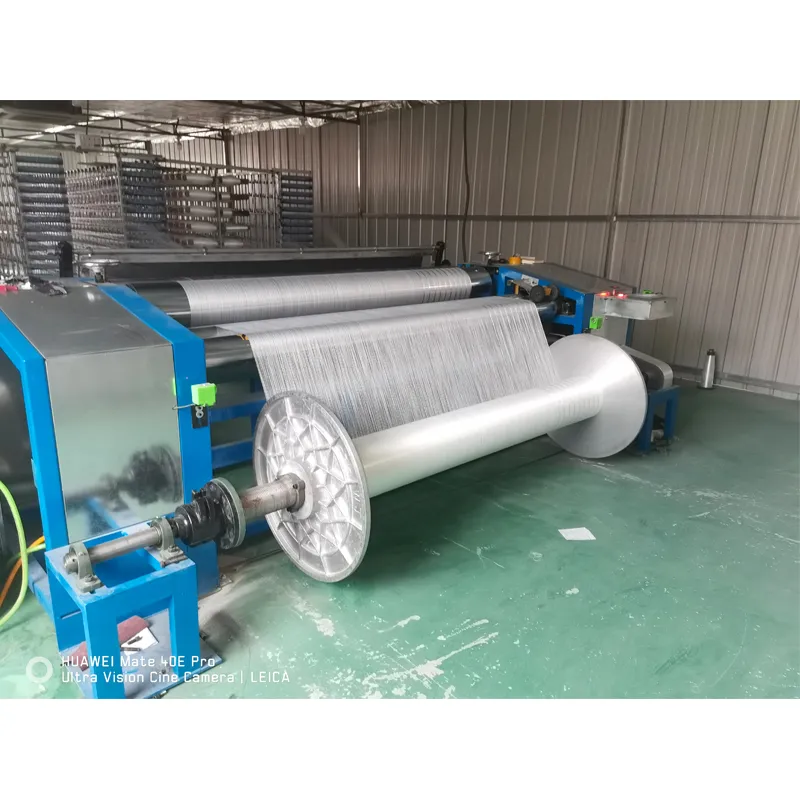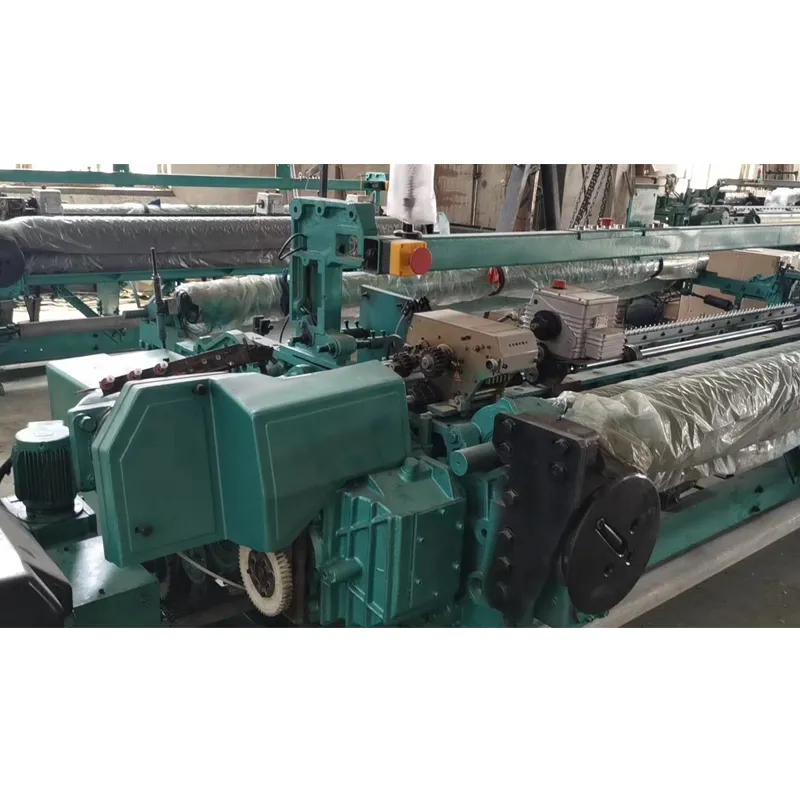



Understanding How to Make Window Mosquito Nets: A Global Perspective
There’s something oddly satisfying about crafting your own window mosquito net — it’s a project that combines practical know-how with an instant, tangible benefit: protection from mosquitoes. But beyond the DIY appeal, knowing how to make window mosquito net holds serious global significance. Malaria, dengue, and other mosquito-borne diseases still claim hundreds of thousands of lives annually — with children bearing much of the burden (per WHO data). Installing effective window nets is proven as a simple yet powerful measure to keep households safe, reduce reliance on insecticides, and enhance overall health outcomes worldwide.
In this article, we'll explore not just the nuts and bolts of making these nets but unearth why they matter globally, how different regions apply them, and emerging trends in mosquito net technology. So, if you’ve wondered about the craft, the science, or the story behind these humble screens, you’re in the right place.
Why Knowing How to Make Window Mosquito Nets Matters Globally
Malaria alone affects nearly 229 million people around the world annually, with a heavy concentration in sub-Saharan Africa and parts of Asia (source: WHO 2023). Now, imagine the impact if more homes had professionally constructed, durable mosquito nets on their windows—far from a luxury, this becomes a frontline defense. The UN Sustainable Development Goals explicitly mention combating infectious diseases; mosquito nets are integral to reducing transmission in vulnerable populations.
However, commercially manufactured mosquito nets can be expensive or inaccessible in remote areas, sparking innovation in homemade or localized production. By understanding how to make window mosquito net, communities can bootstrap their own protective measures swiftly, and at lower costs, while ensuring health and comfort.
What Exactly Does “How to Make Window Mosquito Net” Mean?
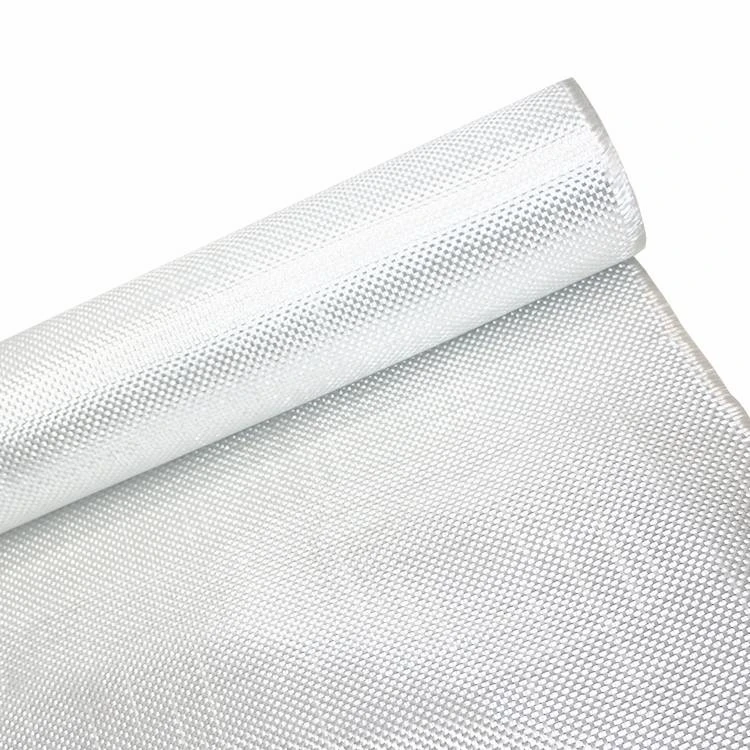
At its core, it means assembling a barrier—usually a finely woven mesh or screen—that fits securely over a window frame to block mosquitoes and other insects without impeding airflow. It involves selecting appropriate materials (like fiberglass, polyester, or polyethene meshes), measuring window dimensions, cutting and framing the mesh, and installing fasteners for durability and ease of use.
Modern industry tends to lean toward durable, UV-resistant materials that last multiple seasons. Humanitarian efforts especially emphasize simple, fast fabrication techniques that communities can replicate easily with minimal tools or training. So this know-how sits at the intersection of DIY ingenuity, public health, and sustainable home improvement.
Key Components for Effective Window Mosquito Nets
1. Mesh Material and Density
Choosing the right mesh is vital — too coarse and mosquitoes slip through; too dense and ventilation suffers, turning homes into stuffy boxes. Typical mesh sizes range around 18x16 to 20x20 strands per inch; fiberglass and polyester are common for their balance of durability, weight, and affordability.
2. Frame and Mounting
Robust frames, typically aluminum or wood, provide structure and ensure the net stays taut. Mounting options vary from permanent nails and glue to removable Velcro or magnetic strips for easy laundry or seasonal removal — flexibility matters depending on climate and usage.
3. Durability and Weather Resistance
UV exposure, rain, and dust can degrade nets quickly. Selecting UV-stabilized mesh and rust-proof frames extends lifespan, making the net a sound investment rather than a seasonal annoyance.
4. Cost Efficiency and Accessibility
Materials can be sourced locally or imported, but the overall cost must fit household budgets. Sometimes communities substitute with non-traditional materials like repurposed fishing nets to cover gaps swiftly.
5. Aesthetics and Fit
Nets that fit well don’t just function properly — they look neat and respect the house’s style. Trimming and sealing edges prevent entry points and ensure a polished finish, reinforcing family pride in protecting their space.
Mini takeaway: Effective window mosquito nets combine science and craftsmanship — from mesh selection to frame mounting — all tailored to local needs and environment.
Global Applications: Real-World Benefits of Making Window Mosquito Nets
In sub-Saharan Africa, NGOs distribute thousands of window and door nets to complement bed nets, aiming for household-wide insect protection. In Southeast Asia, urban households incorporate DIY window screens into their homes to combat both health risks and nuisance insects. Even in disaster relief zones—where displaced populations crowd into makeshift shelters—the ability to install quick, reliable mosquito nets can literally save lives by curbing disease outbreaks.
Industries near wetlands and agriculture zones use window nets in dormitories and offices to reduce worker illness and create more comfortable environments. Likewise, in Latin America, small-scale manufacturers support local economies by producing affordable netting kits for home assemblage.
Product Specification Table: Typical DIY Window Mosquito Net Materials
| Component | Material | Properties | Average Cost (USD) |
|---|---|---|---|
| Mesh | Fiberglass or Polyester | UV-resistant, fine weave, lightweight | $3 - $7 per sq. meter |
| Frame | Aluminum, Wood, or Plastic | Lightweight, durable, rust-proof (metal) | $5 - $15 per net |
| Fasteners | Velcro strips, Magnetic strips, Nails | Reusable or permanent mounting options | $2 - $6 per net |
Advantages & Long-Term Value of DIY Window Mosquito Nets
- Cost savings: Compared to commercial ready-made nets, crafting your own can slash costs substantially.
- Sustainability: Using long-lasting materials reduces waste and pesticide use in homes.
- Health impact: Enhances protection against insect-borne diseases, boosting family safety and comfort.
- Customization: Tailored sizing and mounting styles adapt to local building designs.
- Empowerment: Communities gain skills and autonomy by making their own protective solutions.
Frankly, knowing how to make window mosquito net feels like arming your home with invisible armor — it’s security you build yourself, and that trust can’t easily be bought off a shelf.
Vendor Comparison: Leading Mosquito Net Suppliers
| Vendor | Mesh Type | Price Range (USD/net) | Customization | Global Reach |
|---|---|---|---|---|
| NetSafe Co. | Polyester 20x20 | $12–$20 | Custom sizing & colors | Africa, Asia, South America |
| SafeHomes Mesh | Fiberglass 18x16 | $10–$18 | Fixed sizes, bulk orders only | Asia-Pacific region |
| EcoScreen Ltd. | Recycled polyester | $14–$22 | Custom frames, quick lead times | Global |
Looking Ahead: Trends and Innovations in Mosquito Net Making
Innovation isn’t standing still. I recently read that researchers are exploring nano-coated mosquito nets that repel insects without the need for insecticides — kind of a game-changer if it pans out. At the same time, automation and digital customization tools are enabling more precise fits for complex window shapes.
Sustainability is driving greener materials — recycled plastics and biodegradable fibers are being woven into mesh fabrics. Expect also to see integration with smart home tech, maybe sensors that detect insect activity or alert homeowners when nets need replacing. It feels like the humble window mosquito net may become smarter and more eco-friendly.
Addressing Common Challenges in Window Mosquito Net Fabrication
The most frequent hassles? Ensuring a perfect fit to avoid insect entry, balancing mesh density with airflow, and durability under harsh sunlight or rain. Plus, in some places, access to quality materials is scarce.
Experts recommend simple modular kits with universal frames to overcome fit issues, plus community training workshops focused on maintenance and repair. Innovative nets with UV inhibitors and tear resistance are increasingly affordable, too. It’s all about mixing practicality and accessibility to keep those bugs out for good.
FAQ: Your Questions About How to Make Window Mosquito Nets
Q1: What material is best for DIY window mosquito nets?
Fiberglass mesh with a 18x16 or 20x20 strand density is preferred because it balances strength, UV resistance, and sufficient airflow. Polyester mesh is another solid option—it's lightweight and easy to handle. Avoid cotton or loosely woven fabrics—they won’t keep mosquitoes out effectively.
Q2: How do I ensure my mosquito net fits properly on my window?
Measure your window frame precisely—height, width, and depth. Then cut the mesh slightly larger to allow for secure fastening. Using frames made of aluminum or sturdy wood helps keep the mesh taut. Fasteners like velcro strips or magnetic strips make removal and cleaning simpler while maintaining a tight seal.
Q3: Can I reuse an old fishing net for a window mosquito net?
Repurposing fishing nets might save money, but most commercial fishing nets are too loosely woven or thick to block small insects effectively. They may also degrade quickly under UV exposure. For safety and effectiveness, choose nets woven tightly to standard insect mesh sizes.
Q4: How long does a well-made mosquito net last?
With proper care, a UV-stabilized fiberglass mosquito net can last 3 to 5 years. Durability depends on climate conditions, frequency of handling, and maintenance. Regular cleaning and avoiding sharp objects around the net extend its lifespan significantly.
Q5: Is it difficult to install window mosquito nets myself?
Not at all! Many DIYers with basic hand tools can install a window mosquito net in under an hour once they have measurements and materials. There are plenty of tutorials available online and professional kits designed for easy application.
Final Thoughts: Crafting Health, Safety, and Comfort
So, why invest time in learning how to make window mosquito net? Because it’s more than a DIY project — it’s a real-world solution blending health, sustainability, and empowerment. Whether you live in a malaria-prone zone, a humid tropic, or simply want peace of mind, well-made window nets are a cost-effective, long-term safeguard.
Ready to get started? Visit our website for great tips, quality materials, and supplies: https://www.aphkmachinery.com.
Mini takeaway: The simple act of making and installing your own mosquito net transforms a home’s health, comfort, and dignity — that’s something to buzz about.