


Understanding the Fiberglass Weaving Machine Exporter Market: A Global Perspective
Fiberglass weaving machines might not be front-page news, but their role in shaping a smarter, more sustainable industry is quietly immense. Essentially, these machines form the backbone of fiberglass textiles production—materials used everywhere from aerospace to construction, thanks to their strength and lightness. Knowing about the fiberglass weaving machine exporter industry isn’t just for engineers or procurement agents; it helps us appreciate the complexities behind global supply chains and industrial innovation.
Why Should You Care?
Globally, fiberglass composites are projected to grow at a compound annual growth rate (CAGR) of over 9% through 2030 (Source: Statista). This rapid expansion reflects they’re becoming a preferred choice for lightweight, durable solutions. Exporters of weaving machines enable manufacturers worldwide to upscale production—impacting everything from wind turbines in Europe to lightweight car parts in Asia.
What Exactly Is a Fiberglass Weaving Machine Exporter?
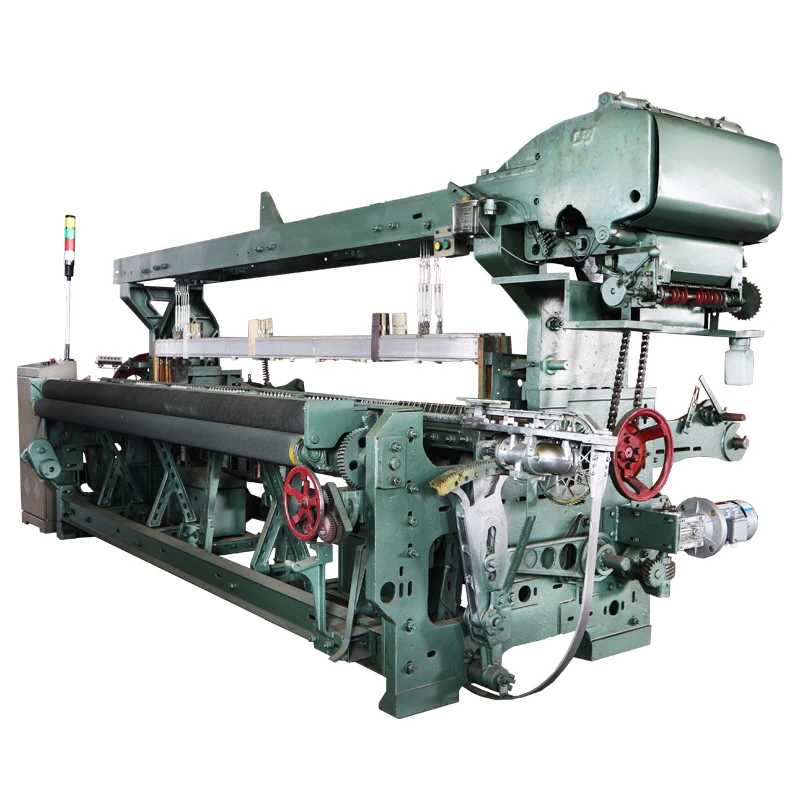
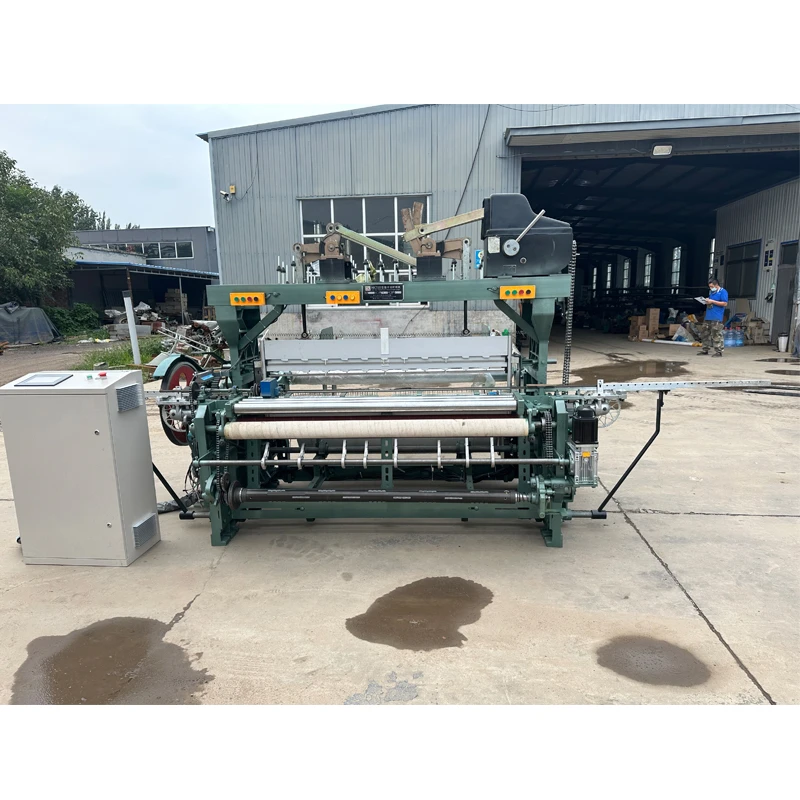
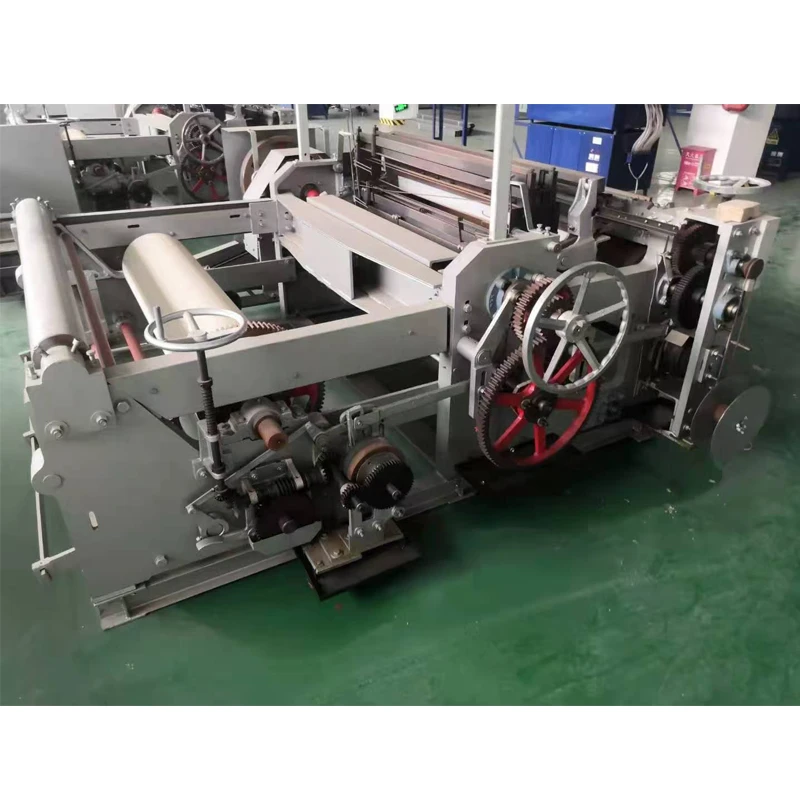
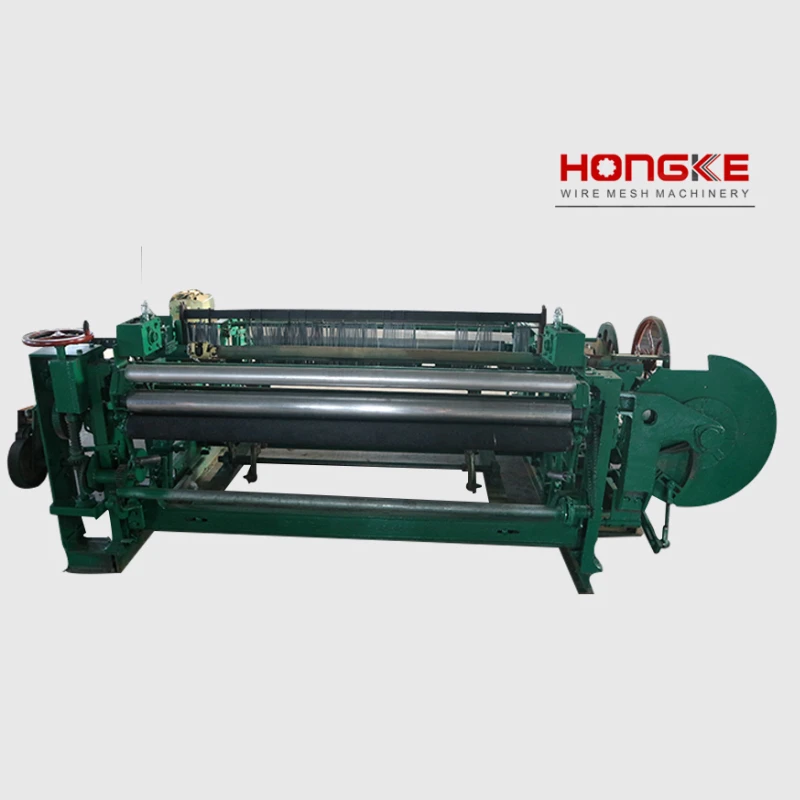
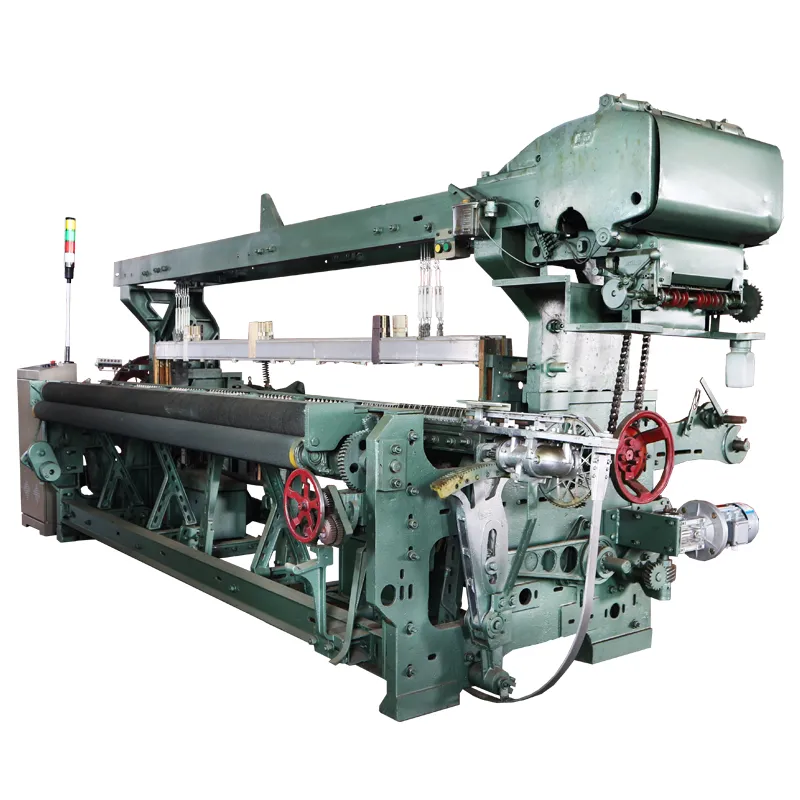
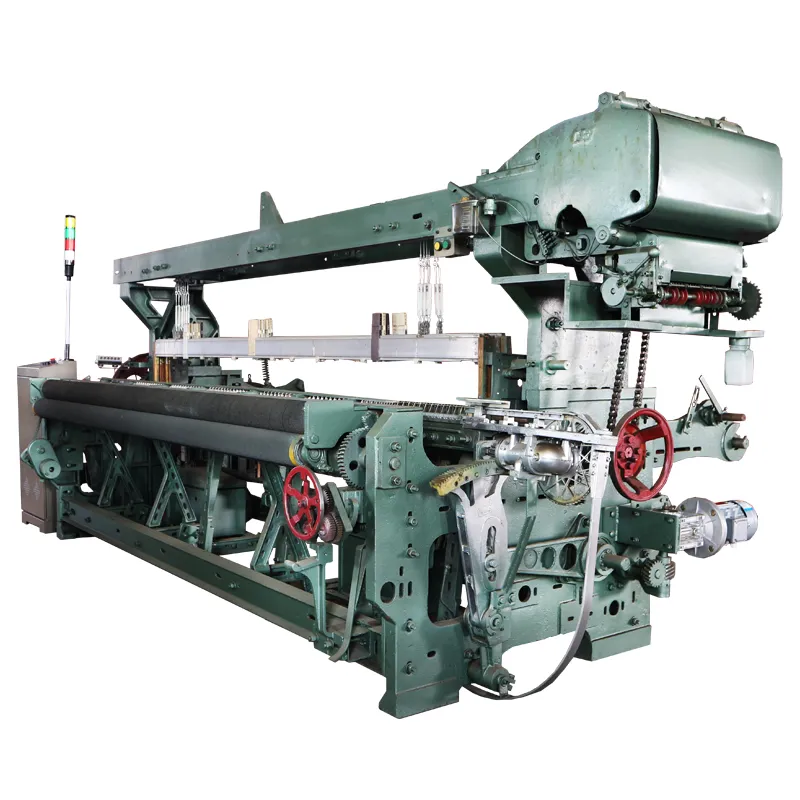
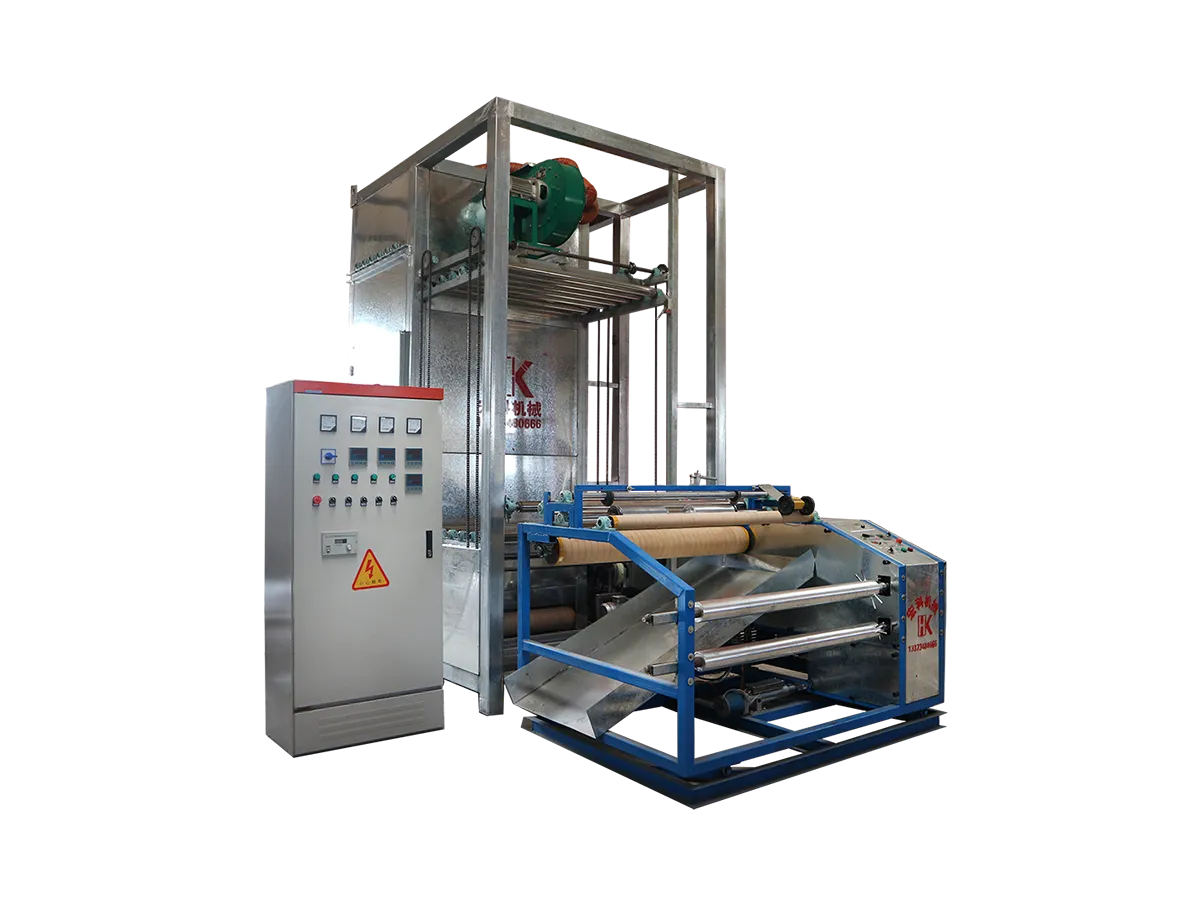
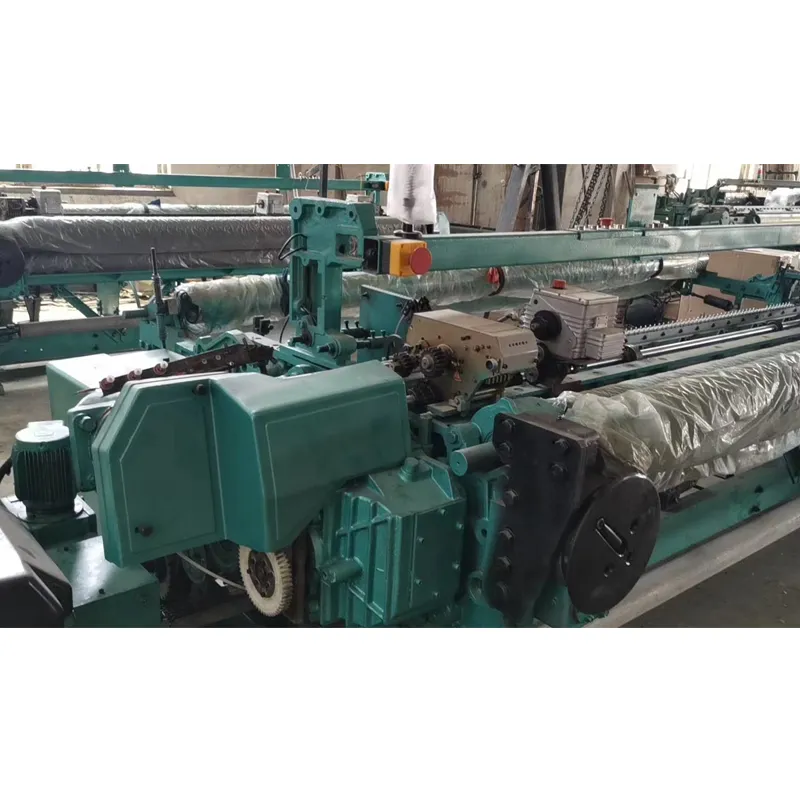
Put simply, a fiberglass weaving machine exporter is a company or entity that manufactures and ships machines designed to weave fiberglass yarns into fabrics, across countries and continents. These machines are intricate, optimized for precision and durability, and they fuel production in industries requiring high-strength, corrosion-resistant composites. This linking role between manufacturing hubs and end users means exporters play a key part not just commercially, but in enabling sustainable infrastructure and technology worldwide.
Core Components of Fiberglass Weaving Machines
1. Durability and Build Quality
A fiberglass weaving machine has to withstand continuous industrial use — often 24/7 — which demands robust materials like high-grade steel frames and advanced electronic controls. It’s about reliability. Some exporters offer machines with parts designed for quick replacement, which cuts downtime.
2. Scalability and Customization
Different manufacturers require different outputs. The best exporters allow scalability: from small prototype runs to mass production. Often, machines are modifiable with features like adjustable reed widths or programmable loom patterns to match specific product needs.
3. Cost Efficiency
Initial investment aside, operational costs — energy use, maintenance, and yarn waste — are heavily influenced by the machine design. Leading exporters emphasize energy-efficient motors and automated waste-reducing controls.
4. Automation and Digital Integration
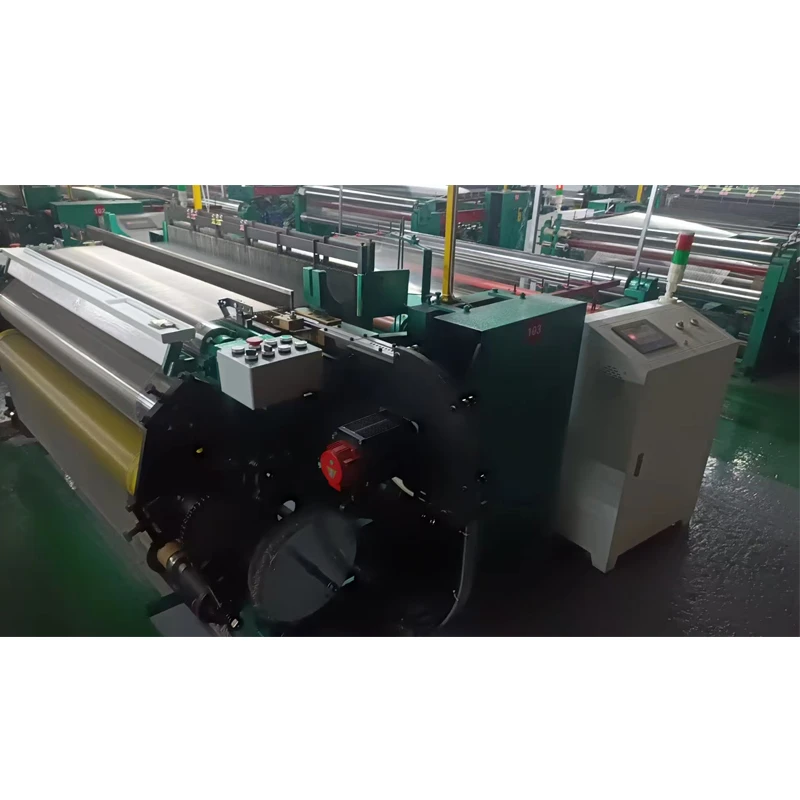
Oddly enough, weaving machines are becoming smarter. Internet of Things (IoT) sensors and digital interfaces help operators monitor performance remotely, reducing manual error and optimizing uptime. Exporters embracing Industry 4.0 trends stand out here.
5. Safety Features
Fiberglass production can involve hefty mechanical movements. Modern machines come equipped with emergency stops, guarding panels, and ergonomic designs to protect workers—a clear priority for reputable exporters.
Mini Takeaway:
When sourcing fiberglass weaving machines from exporters, look beyond price. Durability, customization options, and automation features are as critical as upfront costs.
Product Specification at a Glance
| Specification | Typical Value | Notes |
|---|---|---|
| Weaving Width | 1000-3200 mm | Customizable |
| Max Weaving Speed | 200-450 picks/min | Varies by model |
| Power Requirement | 5–20 kW | Energy efficient motors |
| Control System | PLC with touchscreen | IoT enabled options |
| Weight | 3000-8000 kg | Depends on scale |
Global Applications & Use Cases
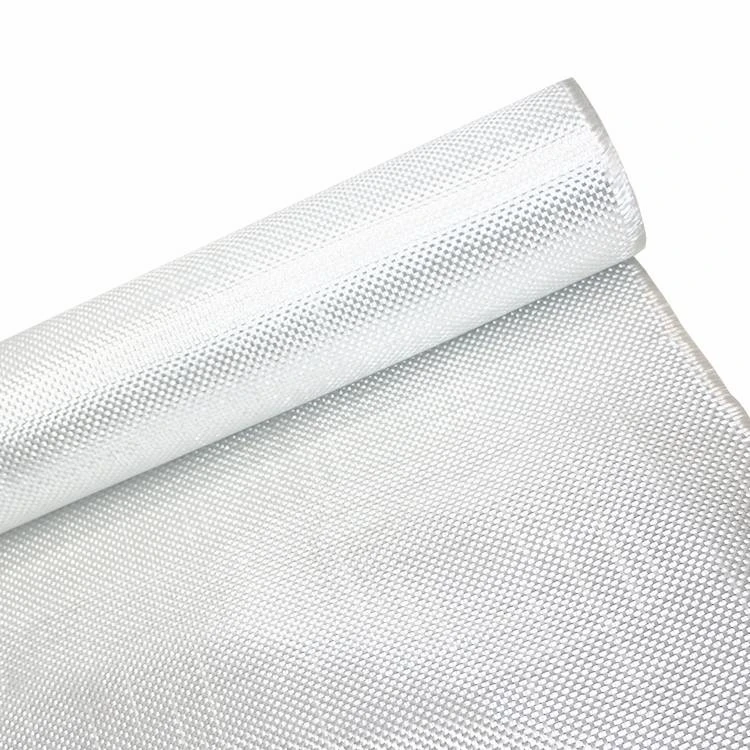
Fiberglass woven fabrics produced using these machines have a diverse range of applications:
- Wind energy: Fiberglass composites form blades that need to be both light and strong. Manufacturers in Europe and North America rely heavily on quality weaving machines.
- Construction: Reinforced fiberglass fabrics strengthen building materials, used extensively in developing economies aiming for sustainable infrastructure.
- Aerospace & Automotive: Lightweight composite panels reduce fuel consumption, improving environmental footprint—big deals in industries across Japan and Germany.
- Marine: Ship hull reinforcements benefit from corrosion-resistant fabrics woven on these machines, popular in coastal regions worldwide.
In particular, the role of the fiberglass weaving machine exporter is critical to reach manufacturers in remote industrial zones where local production of such machines is impractical or too costly.
Mini Takeaway:
From high-tech aerospace parts to resilient construction materials, these machines enable essential innovations worldwide.
Vendor Comparison Table
| Exporter | Price Range (USD) | Automation Level | Warranty | Region Focus |
|---|---|---|---|---|
| AlphaTex Machines | $45,000–80,000 | High | 3 Years | Asia, North America |
| Beta Fiberglass Tech | $30,000–65,000 | Medium | 2 Years | Europe, Africa |
| Gamma Industrial | $50,000–90,000 | Very High | 4 Years | Global |
Advantages & Long-Term Value
Manufacturers choose fiberglass weaving machines from trusted exporters for several good reasons:
- Cost Savings: Efficient machines reduce yarn waste and downtime, multiplying profitability.
- Sustainability: Fiberglass composites often replace heavier, less eco-friendly materials like metals—less energy-intensive to produce and recycle.
- Social Impact: Durable materials enable safer infrastructure, improving living conditions especially in vulnerable regions.
- Reliability: High-quality machines mean fewer interruptions and less need for repair, translating into consistent supply chains.
On a more human note, it feels good to know these machines underpin technologies that protect lives—like wind turbines that cut carbon emissions, or marine vessels that last longer without heavy maintenance.
Future Trends & Innovations
Looking ahead, the field is buzzing with potential:
- Green Energy Compatibility: Fiberglass weaving tech is adapting for composites tailored to next-gen wind turbines and solar tech supports.
- Automation & AI: Exporters experiment with machine learning to predict maintenance needs and optimize production runs.
- Bio-based Fibers: Some are investigating hybrid machines that can weave not just fiberglass but new sustainable fibers.
- Policy Push: International standards like ISO 9001 and environmental regulations encourage exporters to deliver cleaner, quality-certified machines.
Challenges & Solutions
Of course, it’s not all smooth sailing:
- High Initial Costs: Capital investment can be a barrier—finance schemes and leasing models are emerging as solutions.
- Technical Expertise: Operating sophisticated machines requires training—many exporters now offer comprehensive support and virtual training modules.
- Supply Chain Disruptions: Recent global events showed how vulnerable exports are; diversification of manufacturing bases and local partnerships help resilience.
FAQs About Fiberglass Weaving Machine Exporters
Q1: How can I choose the right fiberglass weaving machine exporter?
A1: Look for exporters with proven international experience, robust product warranties, customizable features, and responsive customer support. Checking references and requesting demos can be a big help.
Q2: What maintenance is typically required for these machines?
A2: Routine cleaning, periodic lubrication, software updates, and parts replacement like heddles or reed sections. Many vendors provide maintenance contracts to simplify this.
Q3: Can fiberglass weaving machines be integrated into existing production lines?
A3: Yes, most modern machines offer modularity and digital communication protocols to integrate with enterprise resource planning (ERP) systems, facilitating automation.
Q4: Are there eco-friendly options available in fiberglass weaving machines?
A4: Increasingly, yes. Exporters focus on energy-efficient motors and minimal waste features. Some even explore biodegradable composite fibers, pointing towards greener production.
Q5: How do exporters handle international shipping challenges?
A5: Through careful packaging, compliance with import regulations, and coordination with customs brokers. Strong exporters have logistics partnerships to ensure smooth delivery.
Conclusion + Call to Action
In real terms, partnering with the right fiberglass weaving machine exporter means gaining a competitive edge: high-quality machines that drive innovation, sustainability, and industrial growth globally. If you’re looking to upgrade or expand, visit our website: https://www.aphkmachinery.com to explore world-class options tailored for your production needs.
It often feels like these machines are silent heroes behind our modern composites—without them, many industries would struggle to keep pace.