


Industry Trends in Carbon Fiber Manufacturing
The global demand for carbon fiber is experiencing unprecedented growth, driven by its unparalleled strength-to-weight ratio, rigidity, and corrosion resistance. Industries ranging from aerospace and automotive to wind energy and construction are increasingly adopting carbon fiber composites to enhance performance, reduce weight, and improve fuel efficiency. Projections indicate a compound annual growth rate (CAGR) of over 10% for the carbon fiber market, reaching upwards of $10 billion by 2028. This surge is creating immense pressure on manufacturers to scale production, improve efficiency, and reduce costs – challenges directly addressed by advanced manufacturing technologies like the carbon fiber machine. Innovations in precursor materials, processing techniques, and automation are critical to meeting this escalating demand, pushing the boundaries of what is possible in composite material production.
Key trends include the development of faster curing resins, more sustainable production methods, and the integration of artificial intelligence (AI) and machine learning (ML) for process optimization. The focus is shifting towards high-volume, cost-effective production without compromising material quality, making specialized equipment like the carbon fiber weaving machine indispensable. Automation and precision engineering are central to achieving the consistency and quality required for critical applications in advanced industries.
Detailed Process Flow: Manufacturing of a Carbon Fiber Weaving Machine
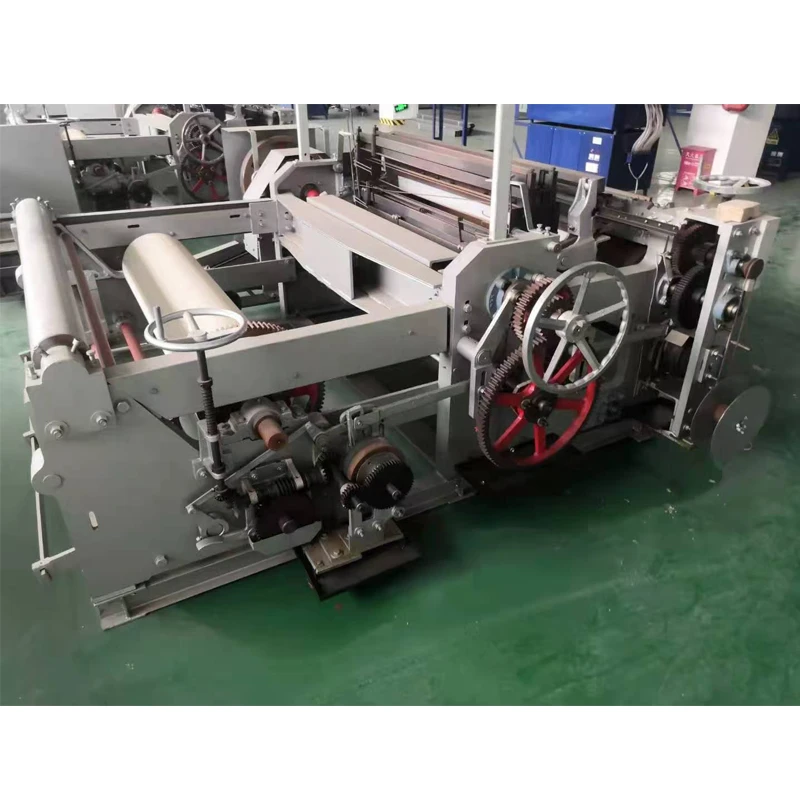
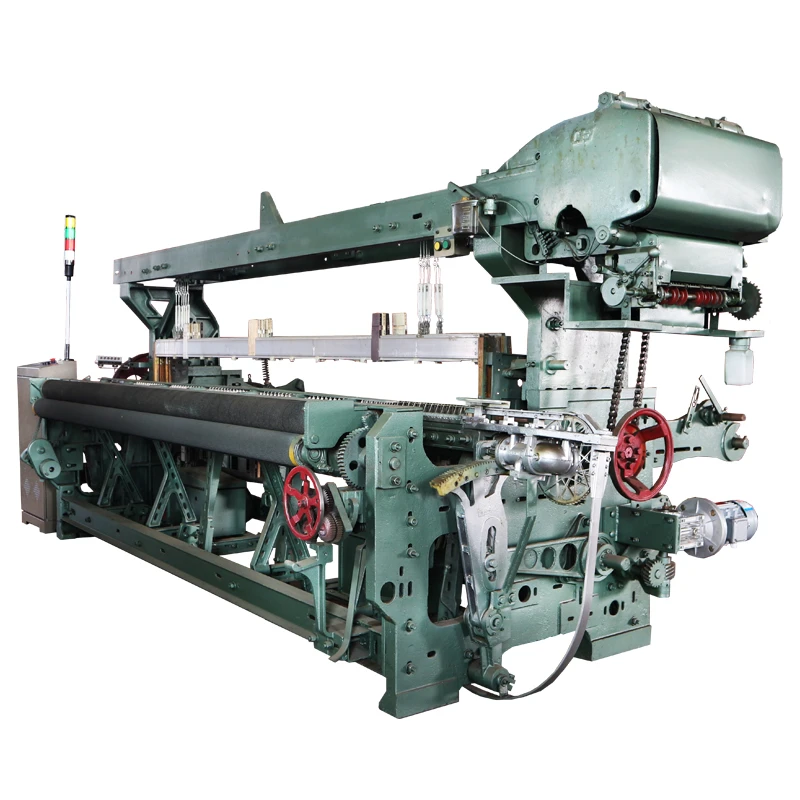
The production of a high-performance carbon fiber weaving loom is a complex engineering endeavor, requiring precision manufacturing and rigorous quality control. It encompasses several stages, from material selection to final assembly and testing, ensuring the machine delivers consistent, high-quality carbon fiber fabrics.
1. Design and Engineering
- CAD/CAE Modeling: Detailed 3D modeling and simulation to optimize structural integrity, component kinematics, and performance parameters. This includes analyzing stress points, vibration characteristics, and air flow dynamics for efficient operation.
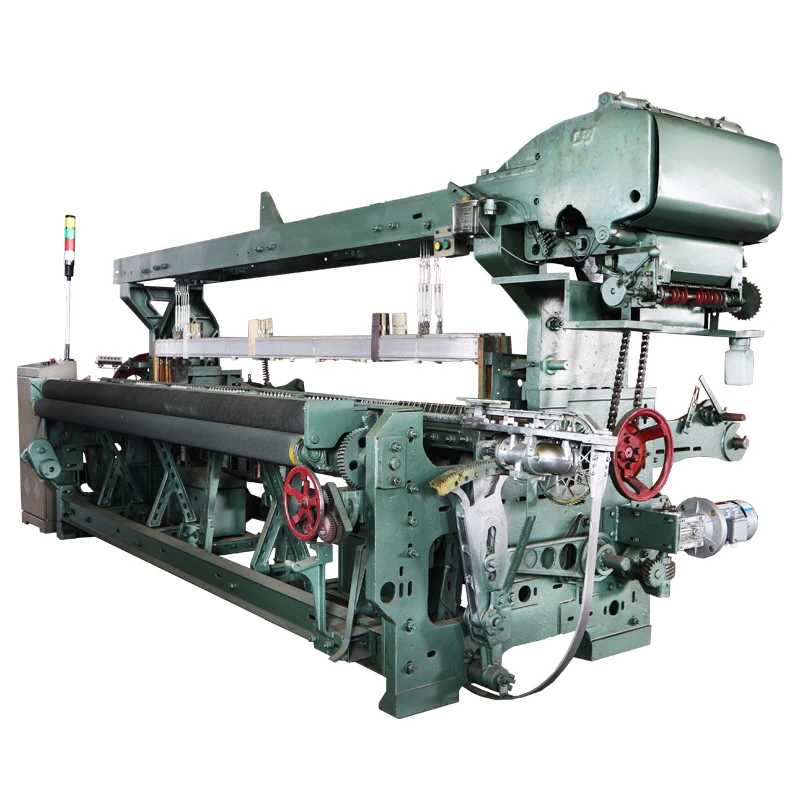
- Material Specification: Selection of high-grade materials. For structural components like the main frame and cross-members, stress-relieved cast iron or high-strength steel alloys are used to ensure stability and minimize vibration. Precision parts, such as rapier heads, guides, and shedding components, often utilize hardened tool steels, ceramics, or specialized aluminum alloys for durability, low friction, and wear resistance.
2. Component Manufacturing
- Casting/Forging: Large structural parts (e.g., loom frames, gear housings) are typically cast from high-grade grey cast iron (e.g., GG25 or equivalent) for its excellent dampening properties and dimensional stability, or forged steel for critical load-bearing components requiring superior strength.
- CNC Machining: Precision components are machined using multi-axis CNC machines to achieve tight tolerances (e.g., ±0.005mm for critical interfaces). This includes rapier drive mechanisms, heddle frames, sley components, and gear trains. Surface finishes are meticulously controlled to reduce friction and wear.
- Heat Treatment & Surface Finishing: Components undergo various heat treatments (e.g., hardening, tempering, nitriding) to enhance hardness, wear resistance, and fatigue strength. Surface coatings (e.g., chrome plating, ceramic coatings) are applied to parts in contact with carbon fibers to minimize friction, prevent fiber damage, and enhance corrosion resistance.
- Electrical and Control Systems: Development and integration of advanced PLC (Programmable Logic Controller) systems, Human-Machine Interfaces (HMI), servo motors, and sensors. Wiring harnesses are meticulously routed and shielded to prevent electromagnetic interference.
3. Assembly and Calibration
- Sub-Assembly: Individual modules (e.g., shedding mechanism, rapier drive, take-up/let-off system) are assembled and tested independently.
- Final Assembly: All modules are integrated onto the main loom frame. This stage requires precise alignment and calibration of mechanical and electronic systems.
- System Integration & Software Loading: The PLC and HMI systems are loaded with proprietary weaving software, configured for specific weaving patterns and fiber types, and calibrated to synchronize all machine movements.
4. Quality Assurance and Testing Standards
- Dimensional Accuracy: Verification of all critical dimensions and tolerances using Coordinate Measuring Machines (CMMs) and precision gauges.
- Performance Testing: The assembled carbon fiber weaving machine undergoes extensive dry runs and live weaving tests with actual carbon fiber yarns. Key parameters such as weaving speed, weft insertion efficiency, fabric uniformity, and power consumption are measured and verified against design specifications.
- Vibration Analysis: Dynamic balancing and vibration testing to ensure smooth operation, minimize wear, and maximize fabric quality.
- Safety and Compliance: Adherence to international safety standards such as ISO 12100 (Safety of machinery – General principles for design), ISO 13849 (Safety of machinery – Safety-related parts of control systems), and CE marking directives for the European market. Our manufacturing processes are certified under ISO 9001 for quality management.
Target Industries and Advantages in Application
Our carbon fibre weaving machine targets high-performance applications in industries such as aerospace (lightweight structural components), automotive (body panels, chassis), wind energy (turbine blades), civil engineering (seismic reinforcement, concrete prefabrication), and sports equipment (bicycle frames, fishing rods). The robust construction and precision engineering ensure a projected service life of 15-20 years with proper maintenance, significantly reducing total cost of ownership.
In typical application scenarios, such as the production of composite panels for aircraft, our looms demonstrate significant advantages:
- Energy Saving: Optimized motor efficiency, advanced drive systems, and reduced friction in mechanical components lead to up to 20% lower power consumption compared to older models, contributing to lower operational costs.
- Corrosion Resistance: Strategic use of stainless steel, anodized aluminum, and specialized coatings on vulnerable parts ensures long-term resistance to environmental factors and chemical exposure, crucial for longevity in industrial settings.
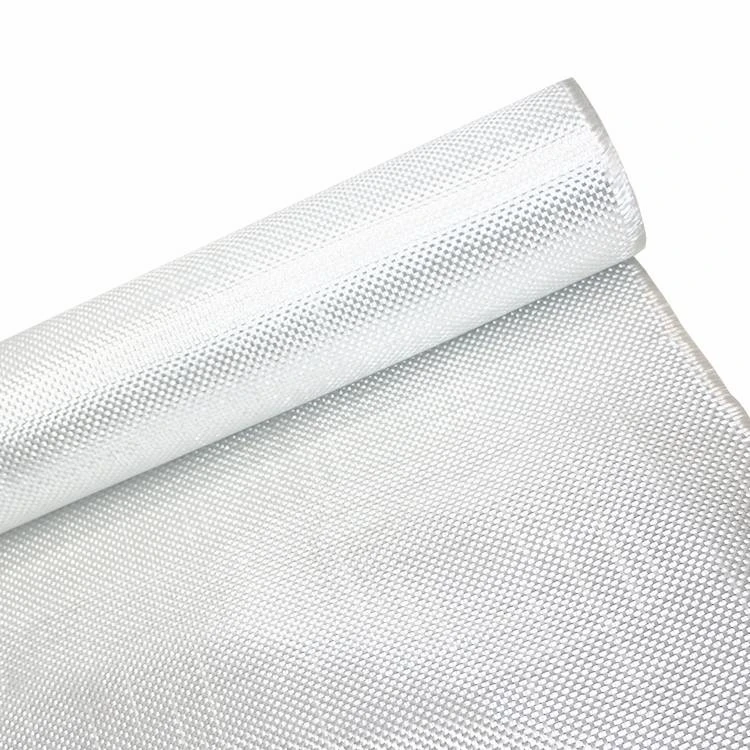
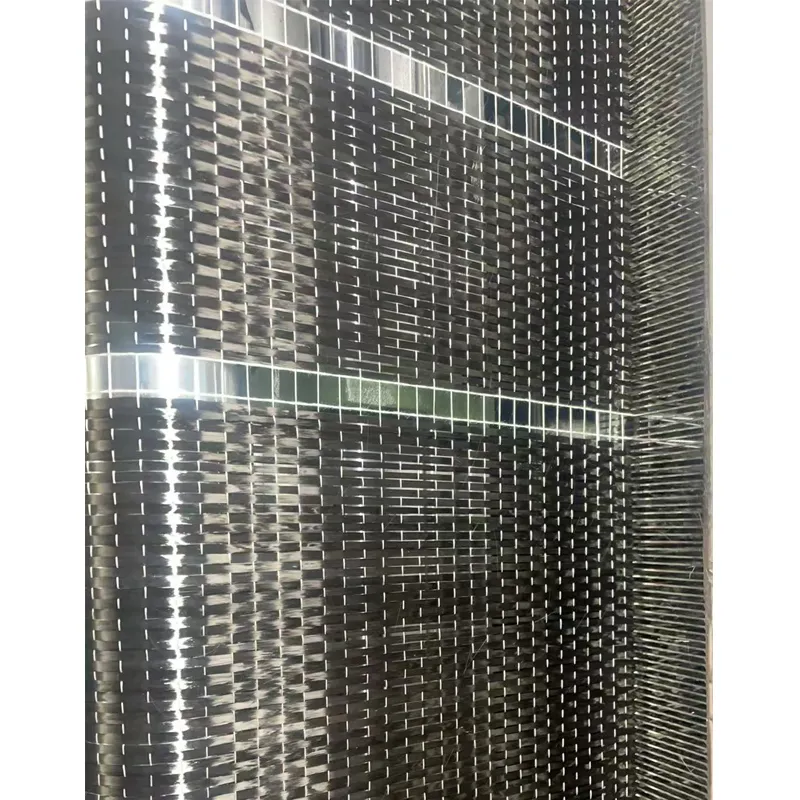
- High Precision and Uniformity: Advanced tension control systems and precision shedding mechanisms result in fabrics with exceptionally uniform mesh sizes and fiber alignment, critical for predictable composite performance.
Technical Specifications: Carbon Fiber Mesh Rapier Loom
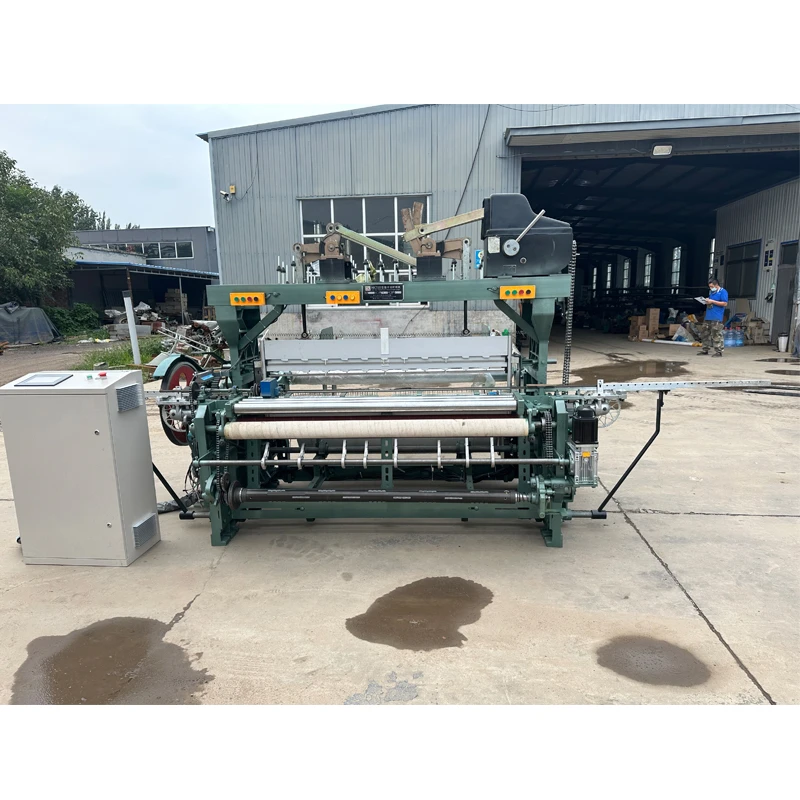
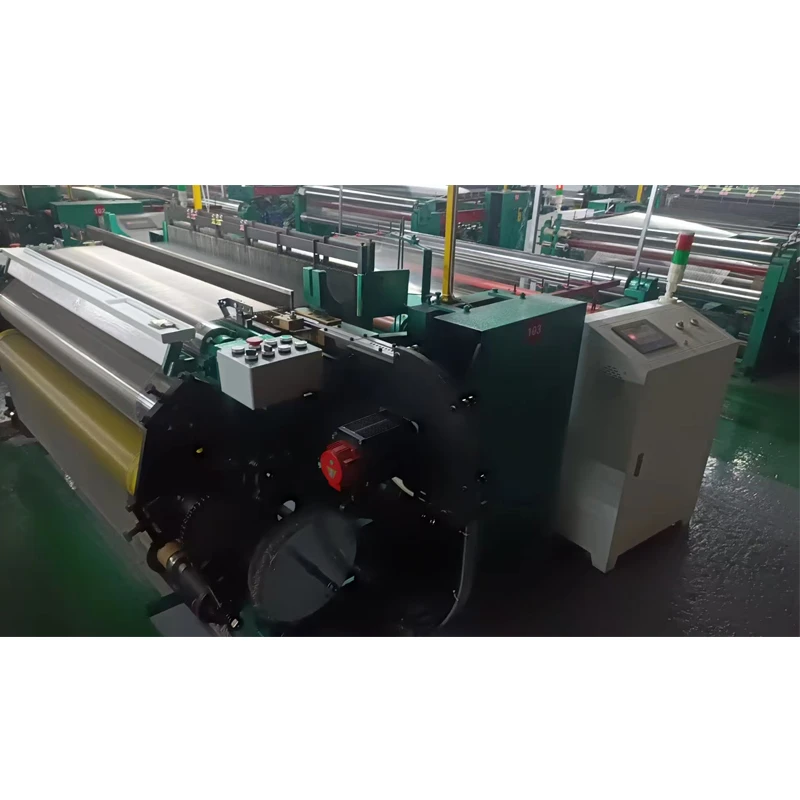
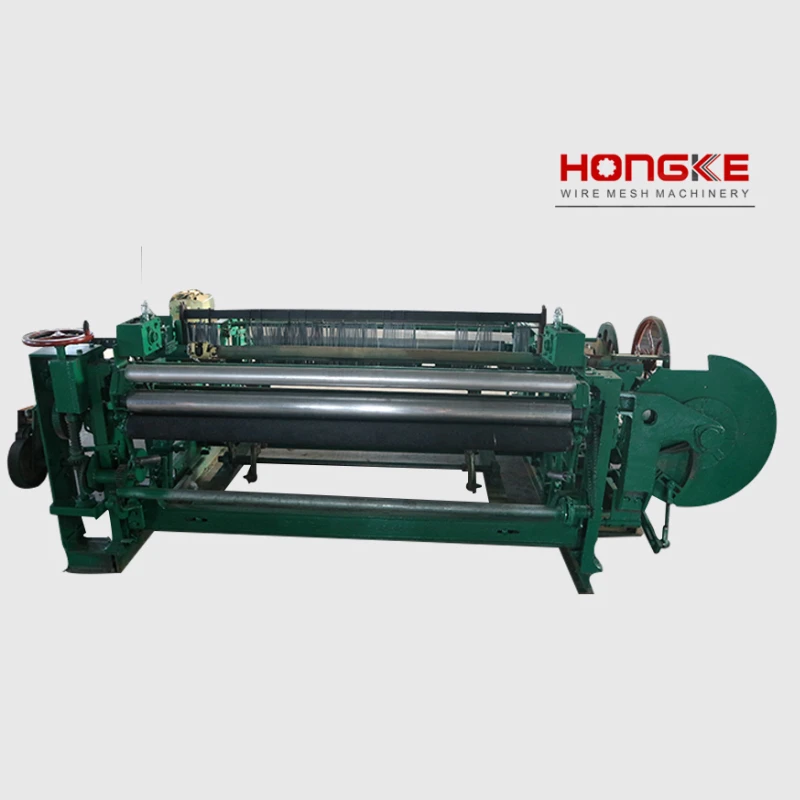
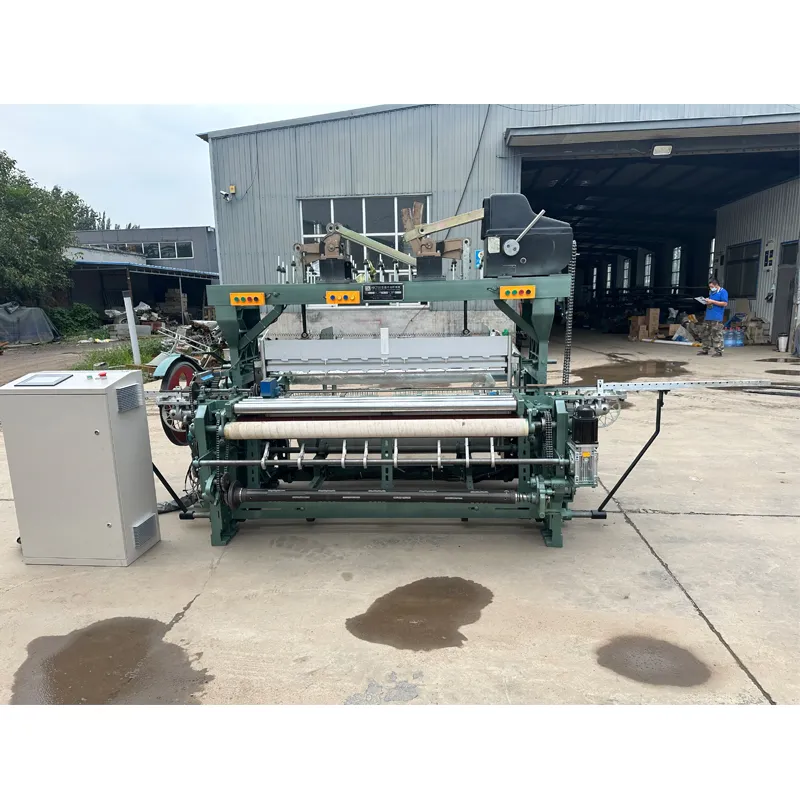
Our Carbon Fiber Mesh Rapier Loom is engineered for the demanding requirements of technical textile production, focusing on precision, speed, and versatility. Below are the typical technical specifications for a high-performance carbon weaving machine:
| Parameter | Specification |
|---|---|
| Nominal Reed Width | 180 cm to 540 cm (71 to 213 inches), customizable |
| Weft Insertion Rate | Up to 800-1000 meters/minute |
| Operating Speed | Up to 500-650 RPM (revolutions per minute), depending on fabric structure |
| Shedding Mechanism | Electronic Dobby (up to 16/20/28 shafts) or Electronic Jacquard (up to 20,000 hooks) |
| Weft Yarn Count Range | 50 D - 12K (Denier to 12,000 filament count carbon fiber) |
| Warp Yarn Count Range | 50 D - 12K (Denier to 12,000 filament count carbon fiber) |
| Weave Patterns | Plain, Twill, Satin, Leno, 3D structures, customized patterns |
| Selvage Formation | Tuck-in or Leno |
| Take-up/Let-off | Electronic (E-Leno, E-Take-up) for precise tension control |
| Power Consumption | Approximately 10-15 kW (depending on width and speed) |
| Dimensions (L x W x H) | Varies by reed width, e.g., 500 x 350 x 250 cm for 340cm width |
| Machine Weight | 8,000 - 15,000 kg, depending on configuration |
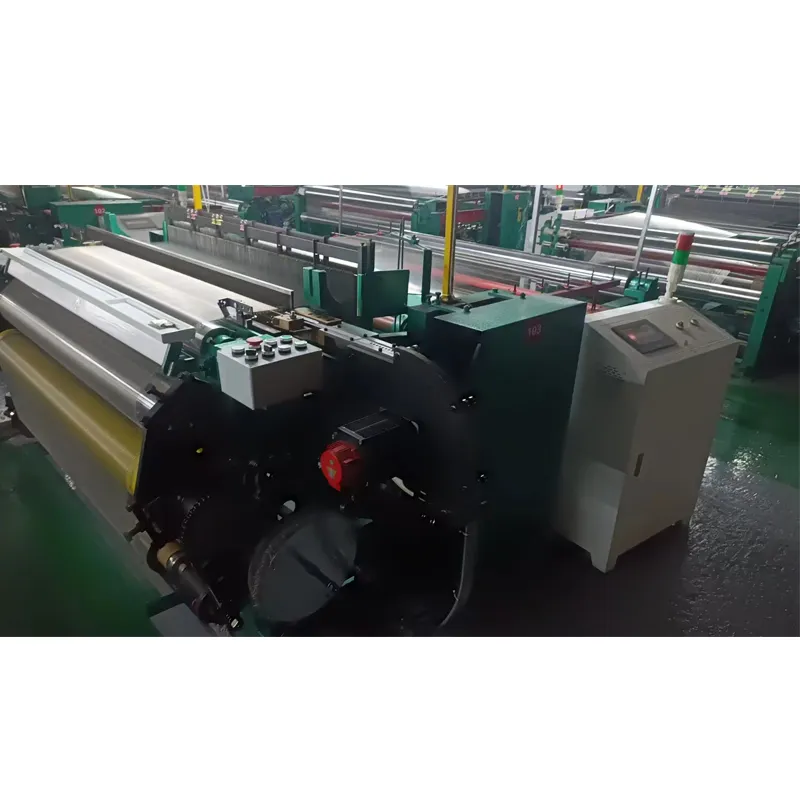
| Control System | Integrated PLC with touch-screen HMI, remote monitoring capabilities |
Key Technical Advantages for Advanced Manufacturing
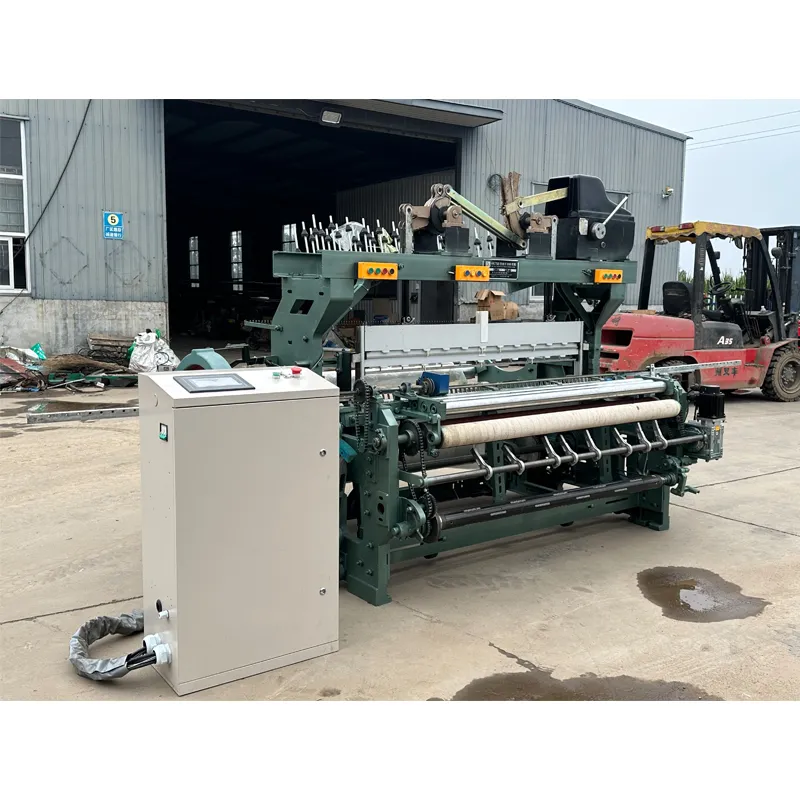
The advanced design and engineering of our Carbon Fiber Mesh Rapier Loom provide distinct technical advantages crucial for high-performance composite manufacturing:
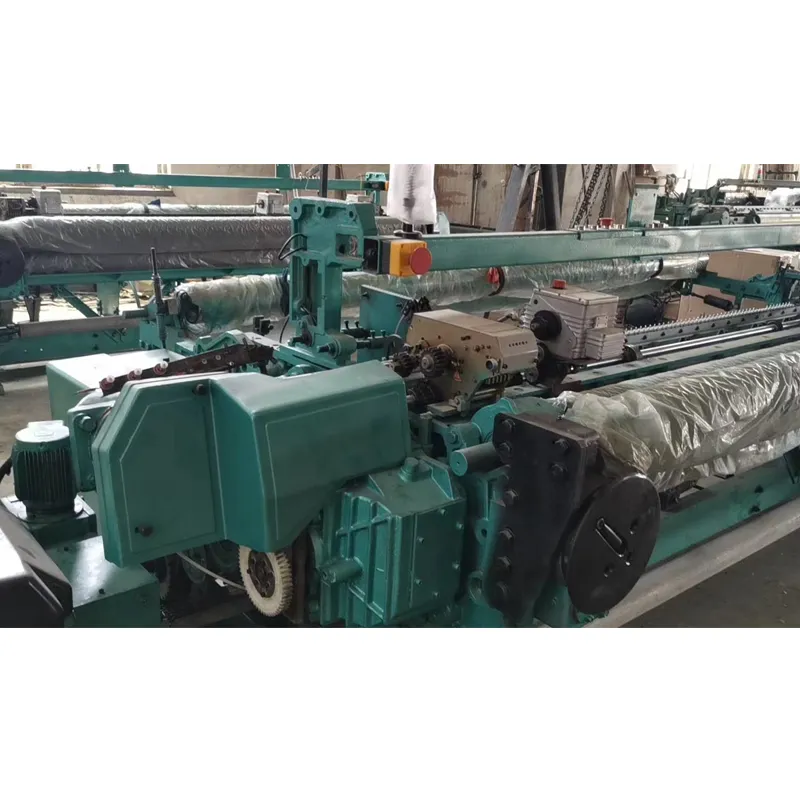
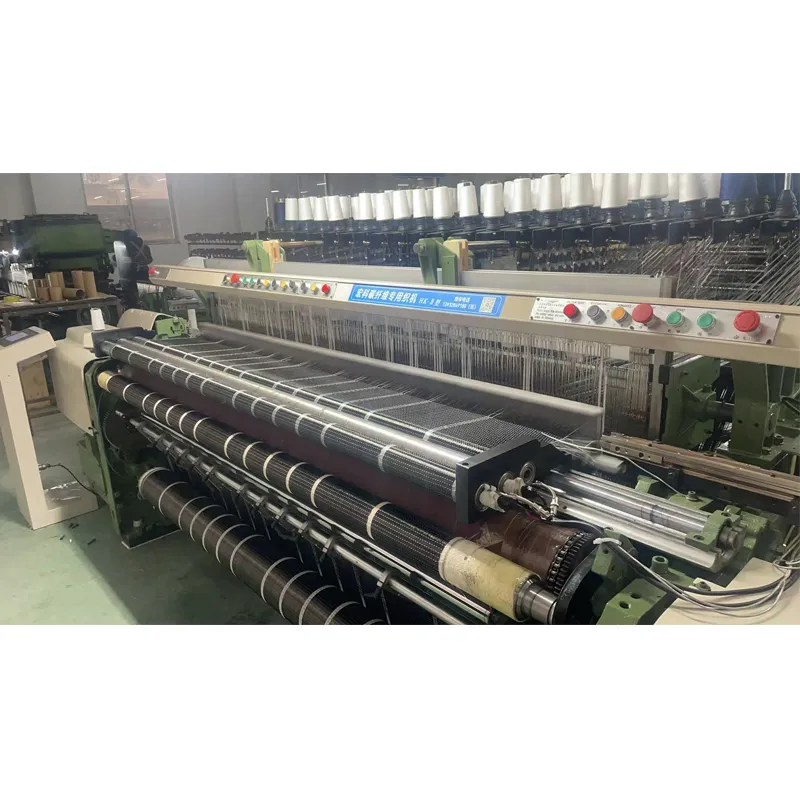
- Precision Weaving with Minimal Fiber Damage: The rapier system is ideal for delicate and high-modulus fibers like carbon. Our optimized rapier grippers and guide hooks minimize stress on individual filaments, preventing breakage and maintaining the structural integrity of the carbon fiber tows. This results in superior fabric quality with consistent fiber orientation and reduced fuzz, crucial for prepreg and structural applications.
- Advanced Tension Control Systems: Electronic Warp Let-Off (ELO) and Electronic Cloth Take-Up (ETO) systems ensure precise and consistent warp and weft tension throughout the weaving process. This eliminates variations that can lead to fabric defects such as bar marks or uneven density, particularly critical for multi-axial and unidirectional fabrics where fiber alignment is paramount.
- High Throughput and Efficiency: With speeds up to 650 RPM and weft insertion rates reaching 1000 m/min, the loom maximizes production output. Integrated automation features, such as automatic weft break detection and warp stop motions, reduce downtime and improve overall operational efficiency.
- Versatility in Weave Patterns and Fiber Types: The loom is capable of producing a wide array of weave patterns, from plain and twill to complex satin and three-dimensional structures. Its robust design allows for processing various carbon fiber types (e.g., standard modulus, intermediate modulus, high modulus) as well as hybrid fabrics incorporating aramid, glass, or basalt fibers.
- Robust Construction and Durability: Constructed from heavy-duty cast iron and high-strength steel alloys, the loom frame provides exceptional stability and vibration dampening. This ensures consistent performance even at high speeds and extends the machine's operational lifespan, reducing maintenance frequency.
- Intuitive HMI and Remote Diagnostics: A user-friendly touch-screen Human-Machine Interface (HMI) simplifies operation, pattern programming, and monitoring. Integrated remote diagnostic capabilities allow for quick troubleshooting and technical support, minimizing production interruptions.
Application Scenarios & Case Studies
The versatility and precision of our carbon fiber machine enable its deployment across a broad spectrum of high-demand industries, where lightweight, high-strength materials are critical.
Aerospace Industry: Lightweight Structural Components
In aerospace, every kilogram saved translates to significant fuel efficiency and payload capacity gains. Our looms are instrumental in producing carbon fiber fabrics for aircraft components such as fuselage sections, wing spars, empennage, and interior panels. The precise weave patterns ensure uniform resin impregnation and predictable mechanical properties, crucial for aerospace safety standards.
- Case Study: Advanced Fuselage Section Production. A leading aerospace supplier utilized our Carbon Fiber Mesh Rapier Loom (380cm width) to weave custom unidirectional and biaxial carbon fiber fabrics for a new generation regional jet. The loom's precise tension control resulted in fabrics with less than 0.5% deviation in areal weight, enabling consistent prepreg quality and a 15% reduction in scrap material during composite layup, leading to substantial cost savings and faster production cycles. Customer feedback highlighted the machine's reliability and its ability to maintain high speeds while producing defect-free material.
Automotive Sector: Performance and Electric Vehicles
Carbon fiber is rapidly becoming a staple in high-performance and electric vehicles, offering both weight reduction for enhanced performance/range and improved crash safety. Applications include chassis components, body panels, driveshafts, and interior structures.
- Case Study: Electric Supercar Monocoque. A boutique automotive manufacturer integrated our carbon fiber weaving machine for in-house production of carbon fiber textiles used in their electric supercar's monocoque chassis. The loom's capability to weave complex 2x2 twill and satin weaves with high fiber volume fractions was critical. This allowed the client to reduce chassis weight by 20% compared to traditional aluminum structures, significantly enhancing vehicle dynamics and battery range. The consistency of the woven fabric was cited as paramount for predictable crash performance simulation.
Wind Energy: Next-Generation Turbine Blades
The demand for larger, more efficient wind turbine blades necessitates advanced composite materials. Our looms produce the structural carbon fiber fabrics that form the backbone of these colossal blades, offering unparalleled stiffness and fatigue resistance.
- Case Study: Offshore Wind Turbine Spar Caps. A major wind energy component supplier deployed several of our carbon fibre weaving machine units to produce heavy-tow carbon fabrics for spar caps in offshore wind turbine blades. The looms' capacity for weaving wide (over 400cm) and heavy fabrics with excellent wet-out properties during infusion processes led to a 10% increase in blade stiffness-to-weight ratio, extending blade life and improving energy capture efficiency. This partnership has run for over 7 years, demonstrating the long-term reliability and performance of our machinery.
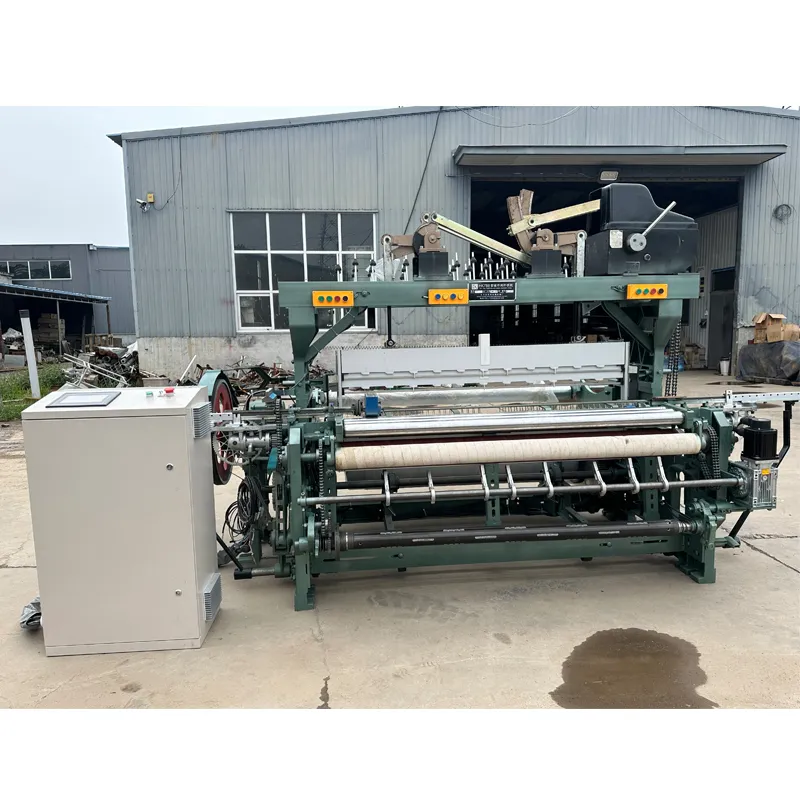
Vendor Comparison: Carbon Fiber Weaving Technologies
Choosing the right carbon fiber weaving loom depends on specific production requirements, fiber types, and desired fabric characteristics. While various weaving technologies exist, rapier looms offer distinct advantages for high-performance carbon fiber applications. Below is a comparison of common weaving technologies relevant to carbon fiber production:
| Feature | Rapier Loom (Our Product) | Air-Jet Loom | Water-Jet Loom |
|---|---|---|---|
| Weft Insertion Method | Mechanical gripper (rigid or flexible rapier) | Compressed air jet | Water jet |
| Suitability for Carbon Fiber | Excellent (Gentle handling, wide yarn range, precise tension) | Good for fine/medium count, not ideal for heavy tows (fiber damage risk) | Limited (risk of fiber damage/sizing wash-off, water contact issues) |
| Weaving Speed | High (Up to 650 RPM) | Very High (Up to 1200 RPM) | Very High (Up to 1000 RPM) |
| Weft Yarn Range | Very Wide (Fine to heavy, delicate fibers) | Narrower (Best for fine to medium, synthetic filament yarns) | Narrower (Best for hydrophobic synthetic filament yarns) |
| Fabric Versatility | High (Complex weaves, technical fabrics, heavy-duty) | Medium (Good for simple weaves, limited for complex/heavy) | Medium (Good for smooth, dense fabrics, limited for complex) |
| Energy Consumption | Moderate to High (Mechanical drives) | High (Requires significant compressed air) | Moderate (Requires clean water, pumping) |
| Initial Investment | Moderate to High | High | Moderate |
| Maintenance Requirements | Moderate (Mechanical parts) | Moderate (Air system cleanliness) | Moderate (Water system purity) |
While air-jet and water-jet looms offer higher speeds for certain applications, the gentle and precise weft insertion mechanism of the rapier loom makes it the superior choice for weaving delicate and high-value carbon fibers. It minimizes fiber damage, maintains uniform tension, and provides the versatility needed for complex technical textiles, ensuring the integrity and performance of the final composite product.
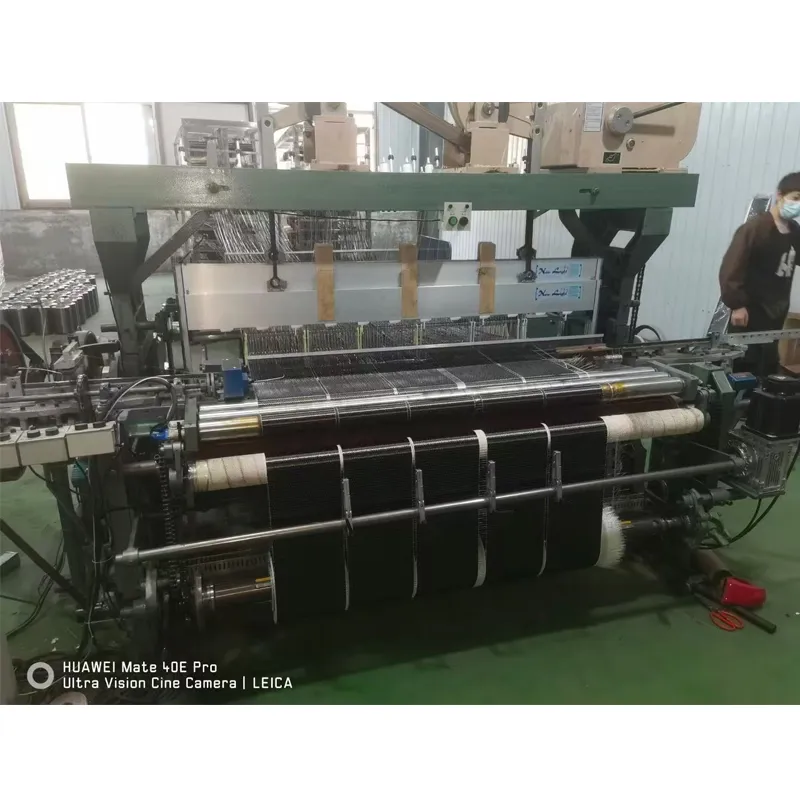
Customized Solutions for Specialized Requirements
Recognizing that standard configurations may not always meet the unique demands of advanced composite manufacturers, we specialize in providing tailored solutions for our carbon fiber machine. Our engineering team works closely with clients to design and integrate bespoke features, ensuring optimal performance for highly specific applications.
- Custom Weaving Widths: Beyond standard sizes, we offer looms with specialized reed widths to accommodate oversized components or optimize material utilization for specific product dimensions, from narrow tapes to ultra-wide fabrics.
- Advanced Shedding Mechanisms: While electronic dobby and jacquard are standard, we can customize shedding systems for multi-layer or 3D weaving, allowing for the creation of integrated structures that eliminate the need for secondary joining processes.
- Specialized Creel Systems: For very heavy tow carbon fibers (e.g., 24K, 50K) or unique bobbin sizes, we design and integrate custom creels that ensure stable and consistent yarn feeding, minimizing breakage and maximizing uptime. This includes tensioning devices specifically engineered for brittle fibers.
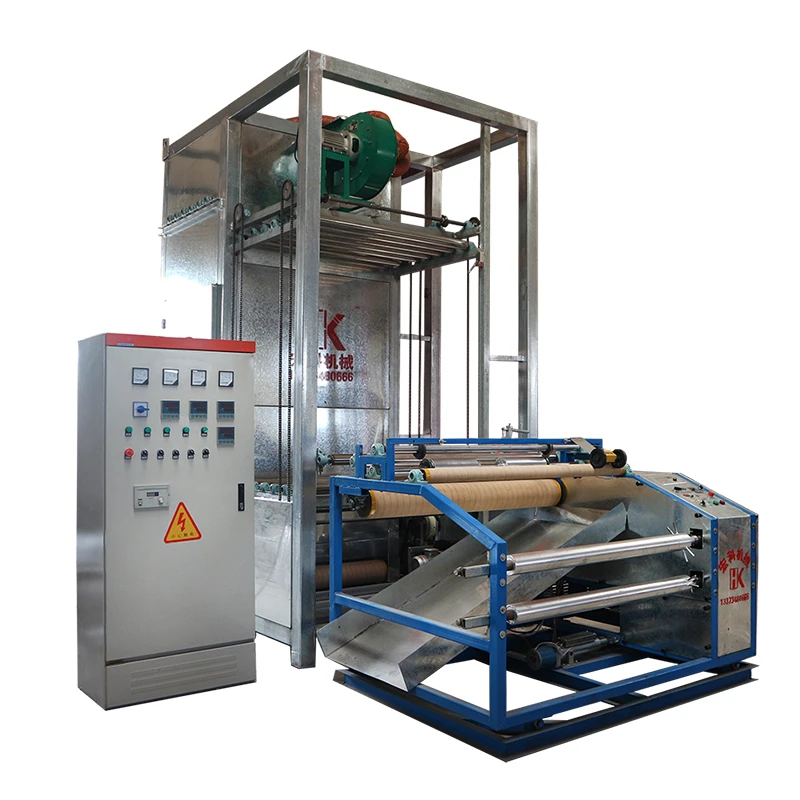
- Integrated Pre-tensioning and Sizing Units: For particularly delicate or high-count carbon fibers, we can integrate pre-tensioning units and sizing application systems upstream of the loom to enhance fiber manageability, reduce static, and improve weaving efficiency.
- Automated Fabric Inspection and Defect Management: Integration of inline optical inspection systems for real-time defect detection, paired with automated marking or data logging, ensures compliance with stringent quality requirements and facilitates efficient post-processing.
- Environmental Control Integration: For operations in specific climates or for highly sensitive fibers, we can design looms with integrated humidity and temperature control features within the weaving zone to maintain optimal processing conditions.
- Software Customization: Our PLC and HMI software can be customized to include specific weaving algorithms, data logging requirements, or integration with existing factory MES (Manufacturing Execution Systems) for seamless production control and data analytics.
Our collaborative approach ensures that each customized carbon fiber weaving machine is a precise fit for the client's manufacturing ecosystem, delivering optimized performance and a rapid return on investment.
Ensuring Quality, Authoritativeness, and Trustworthiness
Our commitment to excellence is deeply embedded in every stage of product development and customer interaction, ensuring that our clients receive not just a machine, but a reliable and high-performing solution built on expertise and trust.
Certifications and Quality Management
All our manufacturing processes adhere strictly to international quality management systems. We are proud to be ISO 9001:2015 certified, signifying our commitment to consistent quality and continuous improvement. Our products also meet CE (Conformité Européenne) marking requirements, ensuring compliance with European health, safety, and environmental protection standards. Key components often carry material certifications (e.g., DIN, ASTM equivalents) from reputable suppliers.
Experience and Industry Leadership
With over two decades of specialized experience in textile machinery, particularly for technical textiles, our expertise in carbon fiber weaving technology is unparalleled. Our team comprises seasoned engineers and technicians who understand the intricate challenges of advanced material processing. We have successfully deployed our carbon weaving machine solutions to leading manufacturers in aerospace, defense, automotive, and industrial sectors across the globe, establishing long-term partnerships built on performance and reliability.
Rigorous Testing and Validation
Before shipment, every Carbon Fiber Mesh Rapier Loom undergoes a comprehensive factory acceptance test (FAT). This includes:
- Mechanical Integrity Checks: Verification of structural rigidity, component alignment, and lubrication systems.
- Electrical System Validation: Testing of all circuits, safety interlocks, and control panel functionality.
- Performance Weaving Trials: The loom operates for extended periods (typically 24-48 hours) weaving carbon fiber to assess stability, fabric quality, weft insertion efficiency, and energy consumption under simulated production conditions. Data such as defect rates, tension consistency, and operational speeds are meticulously recorded and analyzed.
These stringent protocols ensure that each machine meets or exceeds published specifications and client expectations for reliability and output.
Frequently Asked Questions (FAQ)
-
Q: What types of carbon fiber can this machine process?
A: Our Carbon Fiber Mesh Rapier Loom is designed to process a wide range of carbon fiber types, including standard modulus (SM), intermediate modulus (IM), and high modulus (HM) carbon fibers, ranging from 1K to 50K tow sizes. It can also handle hybrid yarns incorporating glass, aramid, or basalt fibers.
-
Q: What kind of power supply and utilities are required for the carbon fiber machine?
A: The machine typically requires a 3-phase, 380V-480V, 50/60 Hz power supply. Specific power consumption varies by model and operating conditions, generally between 10-15 kW. It also requires a clean, stable compressed air supply for various pneumatic components (e.g., tensioners, selvage cutters) at approximately 6-8 bar pressure.
-
Q: What are the typical lead times for order fulfillment?
A: Standard configurations typically have a lead time of 10-14 weeks from confirmed order to factory acceptance test (FAT). Customized solutions may require 16-24 weeks, depending on the complexity of modifications and specific component sourcing. We provide precise lead time estimates at the quotation stage.
-
Q: What warranty is provided with the loom?
A: We offer a standard 12-month warranty on mechanical and electrical components from the date of installation or 18 months from shipment, whichever comes first. This warranty covers manufacturing defects and component failures under normal operating conditions. Extended warranty options are available upon request.
-
Q: What kind of customer support and after-sales service do you offer?
A: Our comprehensive after-sales support includes: remote technical assistance via phone/email, online diagnostic tools for troubleshooting, on-site installation and commissioning services, operator training programs, and a readily available inventory of spare parts. We also offer maintenance contracts for regular preventative service. Our dedicated support team ensures prompt assistance globally.
Conclusion
The Carbon Fiber Mesh Rapier Loom represents the pinnacle of weaving technology for advanced composite materials. Its precision engineering, robust construction, and comprehensive customization options make it an indispensable asset for manufacturers aiming to produce high-quality carbon fiber fabrics efficiently and reliably. By combining cutting-edge technical specifications with a deep understanding of industry demands, we empower our clients to push the boundaries of innovation in aerospace, automotive, and other critical sectors, ensuring superior material performance and competitive advantage in a rapidly evolving global market.
References
- Advanced Textiles for Composites, Woodhead Publishing Series in Textiles No. 138, Edited by Peter Davies, Elsevier, 2013.
- Market Analysis: Global Carbon Fiber Market Report 2023-2028, Mordor Intelligence.
- ASM Handbook, Volume 21: Composites, ASM International, 2001.
- Technical Textiles: Properties, Processing and Applications, Edited by A.R. Horrocks and S.C. Anand, Woodhead Publishing, 2000.
- International Organization for Standardization (ISO) – Official Website: www.iso.org.