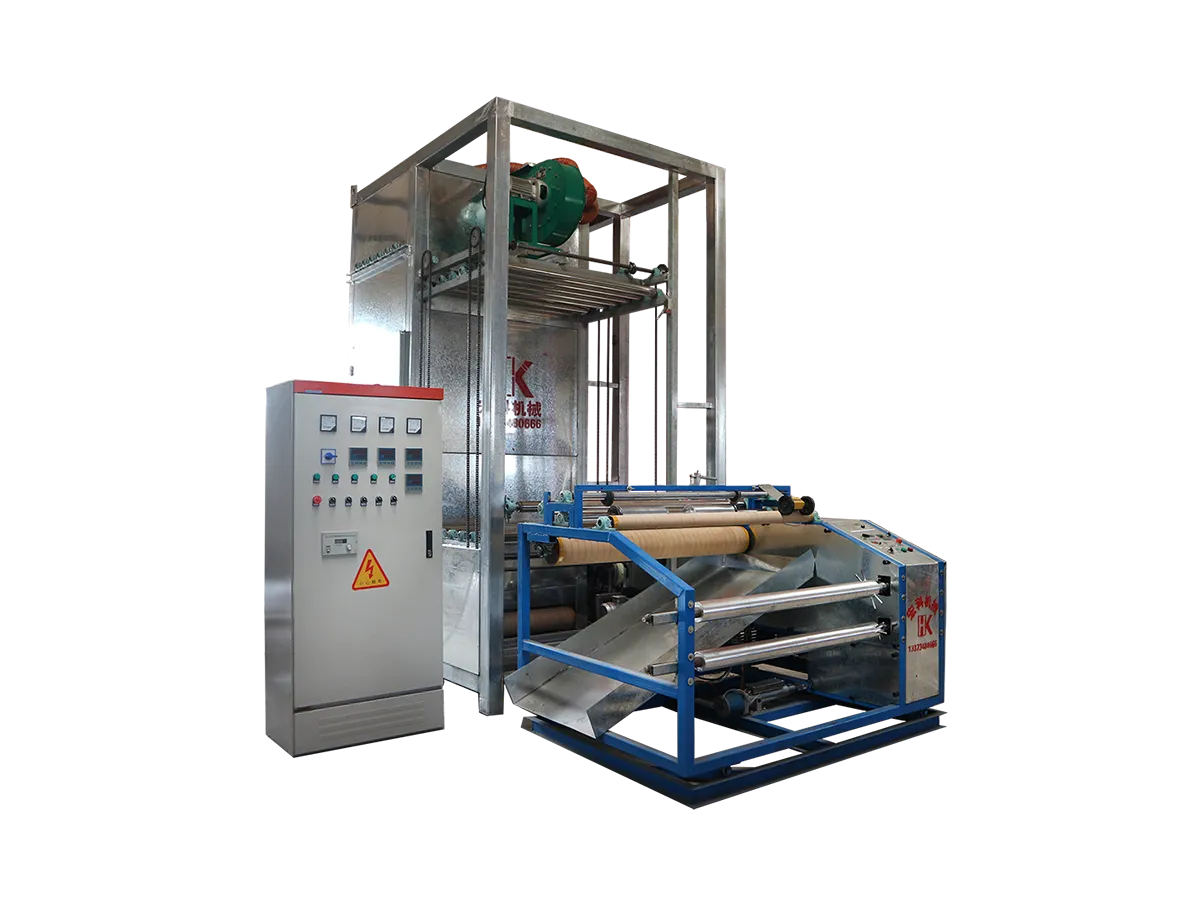



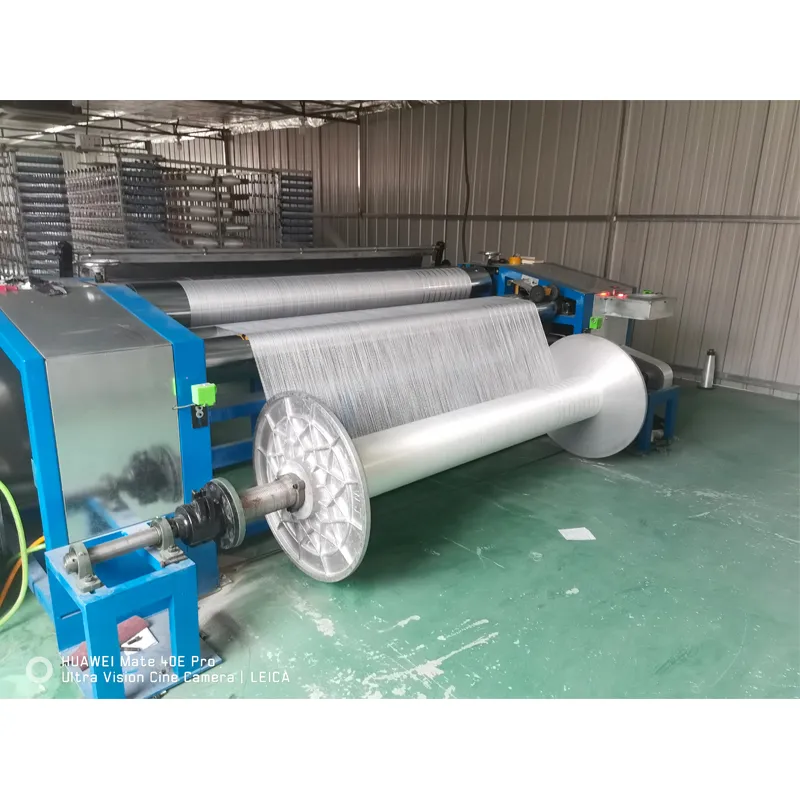
Advancing Industrial Production with Cutting-Edge Fiberglass Weaving Technology
The global demand for high-performance composite materials continues its robust expansion, driven by innovations across construction, aerospace, automotive, and energy sectors. At the heart of this growth lies the critical role of advanced weaving technology, specifically the evolution of fiberglass mesh weaving machines. These sophisticated industrial weaving machines are indispensable for producing the reinforced materials that underpin modern infrastructure and specialized applications. Industry trends indicate a consistent upward trajectory for fiberglass products, with market analysts projecting significant compound annual growth rates for fiberglass composites over the next decade. This growth is fueled by their unparalleled strength-to-weight ratio, chemical resistance, and thermal insulation properties. Consequently, manufacturers are continually seeking high speed weaving machines capable of delivering precision, efficiency, and scalability to meet these escalating market demands.
The transition from traditional manufacturing methods to automated, high-precision fiberglass machine systems represents a pivotal shift. This evolution is not merely about increasing output; it's about enhancing product quality, reducing operational costs, and enabling the production of new, advanced material structures. Understanding the intricate engineering and operational benefits of these specialized machines is paramount for B2B decision-makers and technical professionals looking to invest in future-proof manufacturing capabilities. The selection of an appropriate fiberglass machine, considering factors such as fiberglass machine price and reliable fiberglass machine manufacturers, directly impacts a company's competitive edge and long-term profitability.
The Advanced Process Flow of Fiberglass Mesh Production
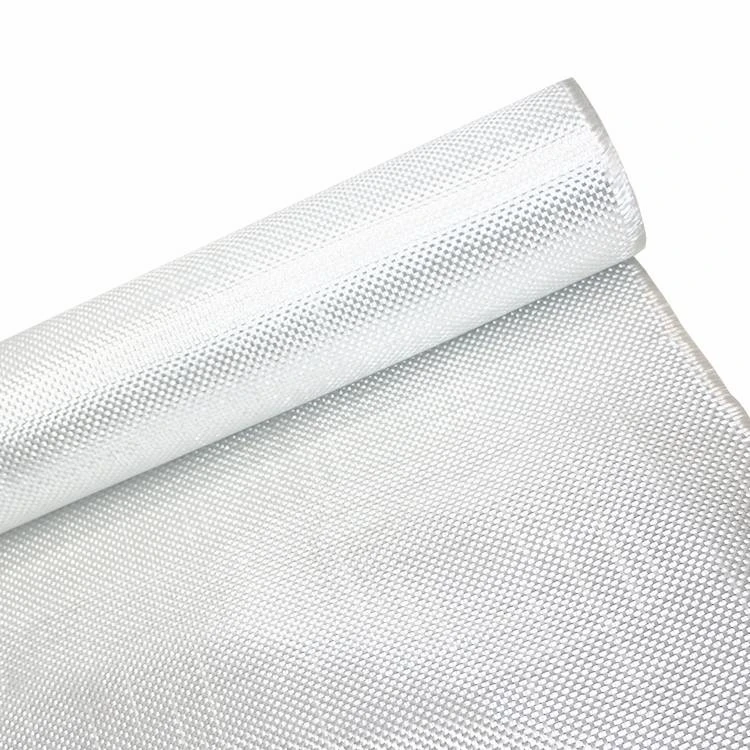
The creation of high-quality fiberglass mesh is a multi-stage, precision-driven process, beginning with the raw fiberglass yarn and culminating in a meticulously woven product. The design and functionality of modern fiberglass mesh weaving machines are central to each phase, ensuring optimal material handling and structural integrity.
Key Stages of Fiberglass Mesh Manufacturing:
- Yarn Preparation: High-tensile fiberglass rovings, often E-glass or C-glass, are meticulously prepared. This involves unwinding from large spools, tensioning, and sometimes pre-sizing or twisting to enhance weaving performance and final mesh characteristics. The quality of the raw material, compliant with international standards like ASTM D578, is critical.
- Warping: Individual fiberglass yarns are wound onto a warp beam, maintaining precise tension and alignment. Advanced warping machines integrated with the spinning and weaving machines ensure uniform distribution, which is vital for consistent mesh aperture and fabric strength.
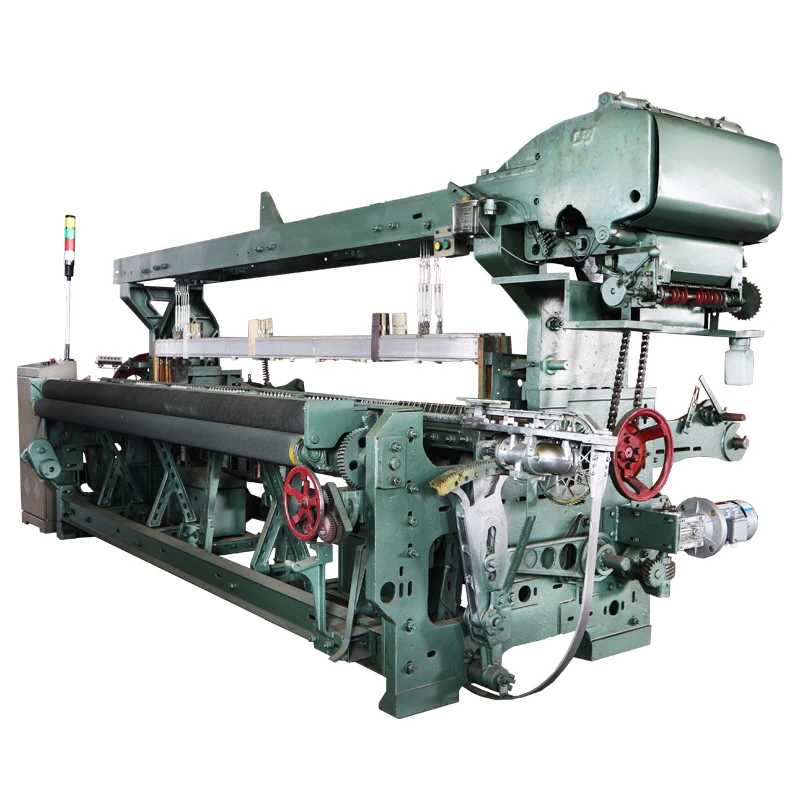
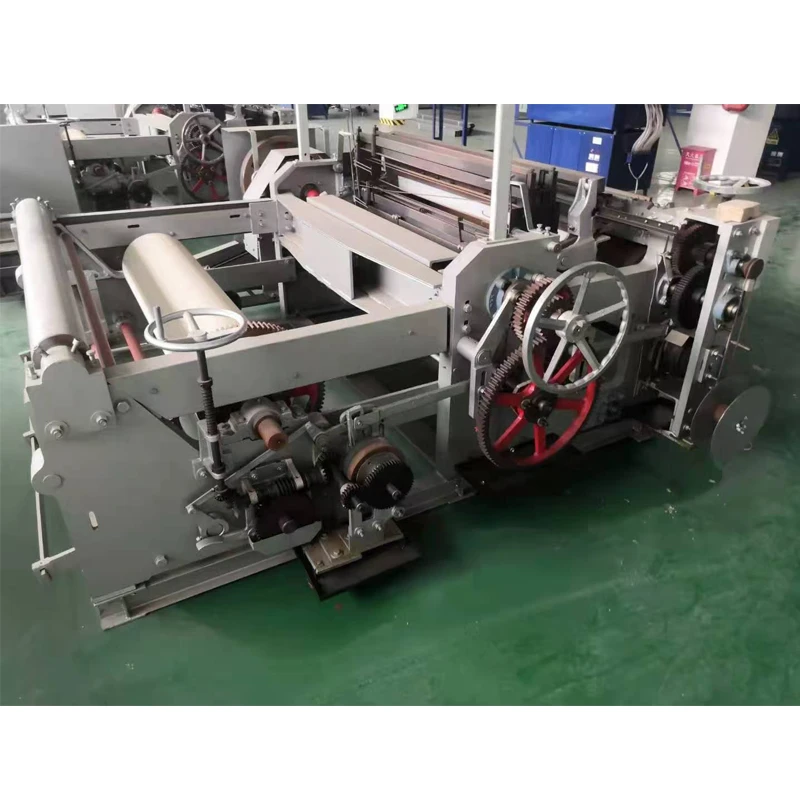
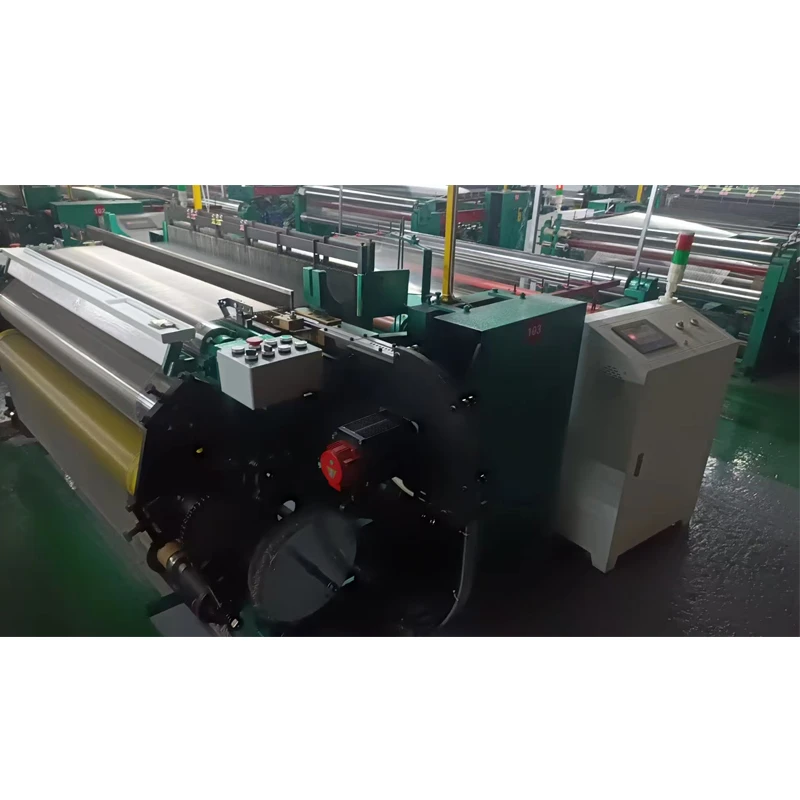
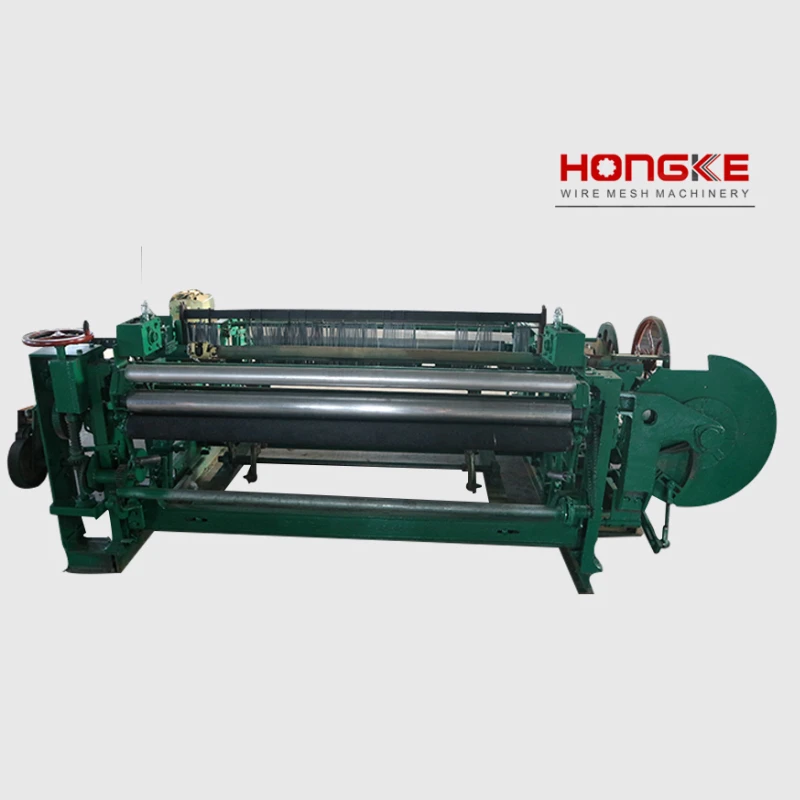
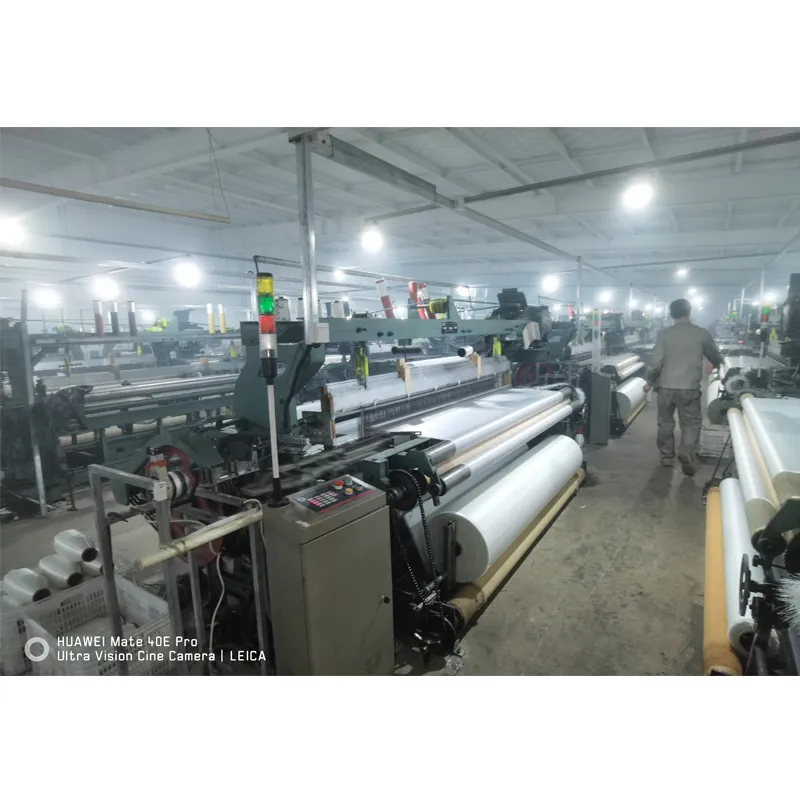
- Weaving: This is the core function of the fiberglass mesh weaving machines. Utilizing sophisticated loom mechanisms, warp threads are lifted and lowered in specific sequences (shedding) while weft threads are inserted through the shed (picking) and then beaten into place (beating-up) to create the mesh structure. Modern machines employ air-jet, rapier, or projectile technology for high-speed, precise weft insertion.
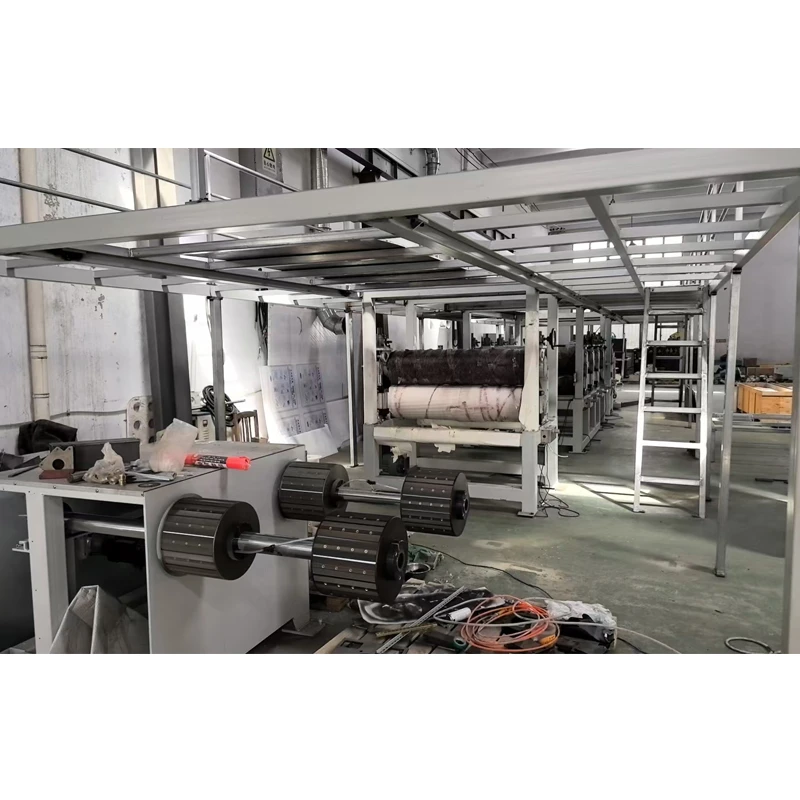
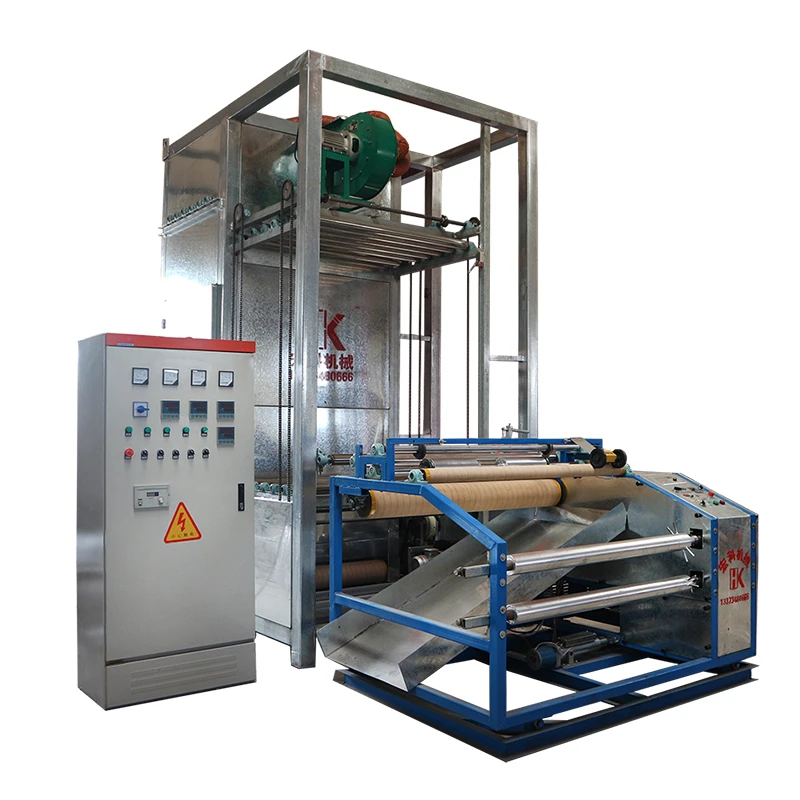
- Curing/Coating: Post-weaving, the raw fiberglass mesh undergoes a critical curing and coating process. This typically involves impregnating the mesh with an alkali-resistant polymer emulsion (e.g., acrylic or styrene-butadiene). The coating enhances the mesh's durability, dimensional stability, and resistance to alkaline environments, particularly crucial for construction applications. This stage often includes thermal curing in specialized ovens.
- Drying & Finishing: After coating, the mesh is carefully dried and then subjected to various finishing treatments, such as edge trimming, cutting to specified widths, and rolling into final product rolls.
- Quality Control & Testing: Throughout the process, rigorous quality checks are performed. This includes monitoring yarn tension, mesh aperture, coating thickness, tensile strength, and alkali resistance. Finished products are tested against international standards such as ISO 9001, ANSI/ASTM E2094, and EN 13496, ensuring peak performance and reliability for target industries like petrochemical, metallurgy, and construction. The service life of such mesh, when properly manufactured and applied, can exceed 50 years in suitable environments, demonstrating excellent corrosion resistance and energy-saving benefits in applications like EIFS (Exterior Insulation Finishing Systems).
Manufacturing Process Diagram (Conceptual HTML):
Fiberglass Mesh Production Flow
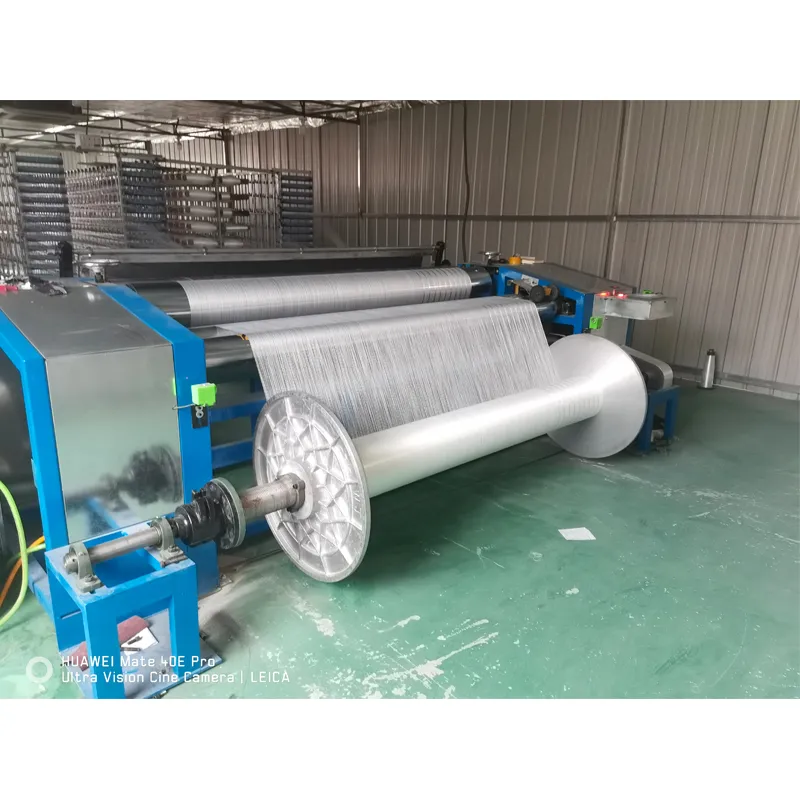
Technical Specifications and Performance of Fiberglass Weaving Equipment
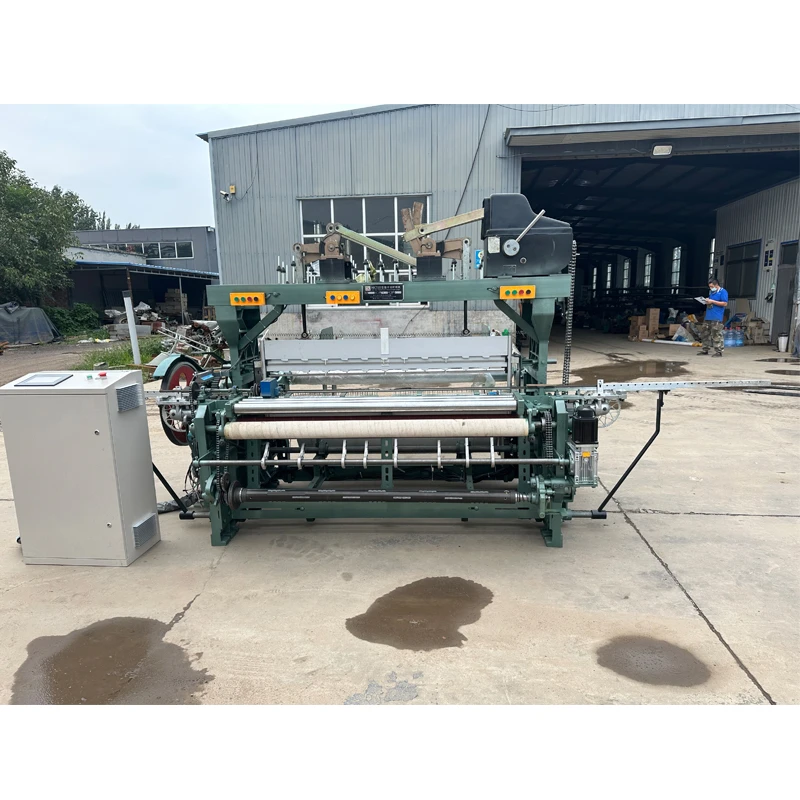
Modern fiberglass mesh weaving machines are engineered for peak performance, incorporating robust mechanical components and advanced control systems. These industrial weaving machines boast features that ensure high output, precision, and energy efficiency. Key technical specifications provide insights into their capabilities and suitability for various production requirements.
Representative Product Specification Table: Fiberglass Mesh Weaving Machine
| Parameter | Specification |
|---|---|
| Model Series | HK-GWM Series (e.g., HK-GWM-2000) |
| Working Width | 1000mm - 4000mm (customizable) |
| Weft Insertion Type | Single Nozzle Air Jet / Double Rapier |
| Weaving Speed | Up to 600 RPM (weft insertion rate) |
| Mesh Aperture Range | 2mm x 2mm to 10mm x 10mm |
| Compatible Yarn Material | E-glass, C-glass, Basalt Fiber (200-2400 Tex) |
| Selvage Type | Leno Selvage (strong, stable) |
| Power Consumption | 10-25 kW (model dependent, energy-efficient design) |
| Control System | PLC-based with HMI touch screen interface |
| Machine Dimensions (LWH) | Varies with working width, e.g., 6500 x 2800 x 2500 mm |
| Weight | Approx. 8-15 tons (model dependent) |
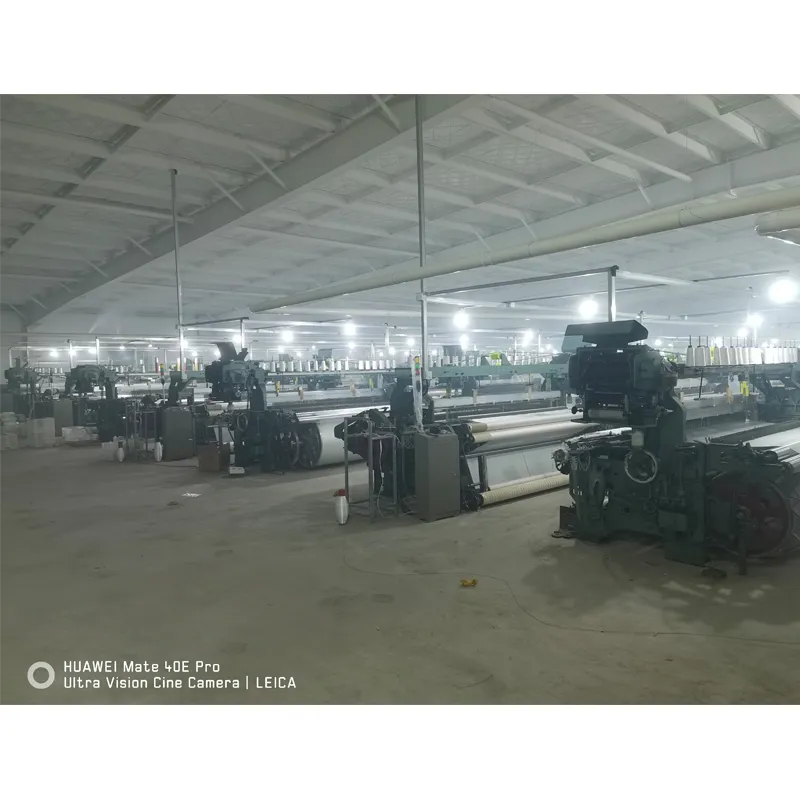
These specifications highlight the capacity of modern spinning and weaving machines to produce a wide range of fiberglass mesh products, from fine mesh for filtration to coarse mesh for structural reinforcement. The integration of high-precision CNC machining in the manufacturing of machine components ensures longevity and consistent performance, adhering to ISO standards for quality management. This robust construction contributes to an extended service life and minimal maintenance requirements, translating to superior ROI for operators.
Diverse Application Scenarios and Technical Advantages
The versatility of fiberglass mesh, produced by advanced fiberglass mesh weaving machines, allows for its extensive application across numerous industries. These materials provide essential reinforcement, filtration, and insulation properties, making them indispensable in modern engineering and construction.
Key Application Scenarios:
- Construction and Infrastructure: Widely used for exterior insulation finishing systems (EIFS) and plaster reinforcement, preventing cracks and enhancing structural integrity. Also crucial in concrete reinforcement and roofing membranes due to its excellent tensile strength and alkali resistance.
- Filtration: Fine mesh fiberglass is employed in air, liquid, and hot gas filtration systems due to its high temperature resistance and chemical inertness, critical in petrochemical and pharmaceutical industries.
- Abrasives Reinforcement: Used as backing for grinding wheels and cutting discs, providing the necessary strength and stability under extreme rotational forces.
- Water Supply & Drainage: Reinforcement for composite pipes and tanks, offering superior corrosion resistance compared to metallic alternatives, ensuring longevity in harsh environments.
- Insulation and Fireproofing: Woven fiberglass fabrics are excellent for thermal and acoustic insulation, and their inherent fire resistance makes them ideal for fireproof curtains, blankets, and protective barriers. This is directly relevant to the "Fiberglass Fireproof Cloth Production Line."
Technical Advantages of Advanced Weaving Machines:
- Precision & Uniformity: Computerized controls ensure consistent mesh aperture and fabric density, which are critical for performance in applications like filtration and structural reinforcement. This minimizes material waste and maximizes product reliability.
- High-Speed Production: Modern industrial weaving machines, particularly high speed weaving machines with air-jet or rapier technology, offer significantly higher weft insertion rates, dramatically increasing output and reducing per-unit costs.
- Energy Efficiency: Optimized motor drives and intelligent control systems reduce power consumption, contributing to lower operational expenses and a smaller carbon footprint. This is a significant advantage in the context of rising energy costs.
- Durability & Reliability: Constructed from robust, high-grade materials and precision-machined components, these machines are built for continuous operation in demanding industrial environments, ensuring a long service life and minimal downtime.
- Versatility: Capable of handling various fiberglass yarn types and producing different mesh specifications, offering flexibility to adapt to evolving market demands without significant retooling.
- Automation & Ease of Operation: PLC-based control systems with intuitive HMI interfaces simplify operation, monitoring, and fault diagnosis, reducing the need for highly specialized operators and increasing production efficiency.
These technical advantages translate directly into economic benefits, making investment in high-quality fiberglass machine solutions a strategic decision for manufacturers aiming for superior product quality and operational excellence.
Vendor Comparison, Customized Solutions, and Application Case Studies
Selecting the right fiberglass machine manufacturer is a critical decision that impacts long-term operational success. A thorough vendor comparison goes beyond the initial fiberglass machine price, delving into technological capability, support, and customization options. Furthermore, real-world application case studies provide invaluable insights into the practical benefits and proven performance of these industrial weaving machines.
Key Considerations for Vendor Comparison:
| Criterion | Importance & What to Look For |
|---|---|
| Technology & Innovation | Assess the integration of modern air-jet/rapier technology, PLC controls, and automation. Look for continuous R&D investment and patents. |
| Build Quality & Materials | Verify use of high-grade steel, precision casting/forging/CNC machining, and robust components for longevity and minimal vibration. Compliance with ISO standards is key. |
| Customization Capability | Ability to tailor working width, mesh aperture range, weft insertion methods, and integrated post-processing solutions to specific production needs. |
| After-Sales Support & Warranty | Availability of technical support, spare parts, training, and a comprehensive warranty. This significantly impacts uptime and total cost of ownership. |
| Certifications & Compliance | Check for ISO 9001, CE, and other relevant industry certifications demonstrating commitment to quality and safety. |
| Customer Feedback & Reputation | Seek references and testimonials, and evaluate the manufacturer's track record in delivering reliable spinning and weaving machines. |
Customized Solutions for Specialized Production:
Recognizing that no two manufacturing operations are identical, leading fiberglass machine manufacturers offer bespoke solutions. This includes tailoring the working width of the fiberglass mesh weaving machines to perfectly match specific product dimensions, integrating specialized yarn feeding systems for unique fiber types (e.g., high-performance basalt fibers), or incorporating advanced online inspection and quality control modules directly into the weaving line. Customized coating and curing units can be added to the production line to achieve specific end-product properties such as enhanced alkali resistance for construction or superior flame retardancy for fireproof cloth. This approach ensures maximum efficiency and cost-effectiveness for clients, addressing unique challenges from mesh density requirements to specific regulatory compliances for target markets.
Application Case Studies:
- Case Study 1: Large-Scale Construction Materials Manufacturer. A major European construction firm sought to upgrade its fiberglass mesh production for EIFS applications. By implementing a high-speed, wide-width fiberglass mesh weaving machine capable of 4-meter wide output and integrated coating line, they increased production capacity by 40% and reduced labor costs by 25%. The enhanced precision of the mesh contributed to a 15% reduction in material wastage during their insulation panel fabrication, proving the immediate ROI.
- Case Study 2: Specialized Filtration Media Producer. An Asian manufacturer of industrial filtration media required a solution for producing fine fiberglass mesh for hot gas filtration. A custom-configured industrial weaving machine, equipped with advanced tension control and precise shedding mechanisms for delicate yarns, enabled them to consistently weave 4x4mm mesh with minimal defects. This led to a 30% improvement in product quality as evidenced by third-party testing, opening new high-value market segments for their specialized filter products.
- Case Study 3: Fire Safety Product Innovator. A North American company focused on fireproof textile solutions invested in a comprehensive fiberglass fireproof cloth production line. This included robust spinning and weaving machines designed to handle heavy fiberglass yarns for dense, fire-resistant fabrics, followed by a specialized fire-retardant coating system. The integrated solution allowed them to meet stringent UL 723 fire safety standards, achieving superior product performance and securing significant contracts in commercial building safety.
Commitment to Quality, Service, and Trustworthiness
Beyond the technical specifications and application versatility, the credibility and reliability of a supplier are paramount for B2B engagements. Our commitment to Google (Expertise, Experience, Authoritativeness, Trustworthiness) principles is embedded in every aspect of our operations, from product development to after-sales support.
Frequently Asked Questions (FAQ):
Q1: What types of fiberglass yarn can these machines process?
A1: Our fiberglass mesh weaving machines are designed to handle various types of fiberglass yarns, including E-glass, C-glass, and basalt fiber, with tex counts typically ranging from 200 to 2400. Customizations for other fiber types are also possible.
Q2: What is the typical lead time for a new fiberglass mesh weaving machine?
A2: Standard machine models typically have a lead time of 60-90 days from order confirmation to shipment. Customized solutions may require 90-150 days, depending on the complexity of the modifications. We provide precise fulfillment details upon order confirmation.
Q3: What kind of warranty is offered with your industrial weaving machines?
A3: We provide a comprehensive 12-month warranty on all mechanical and electrical components from the date of installation or 18 months from shipment, whichever comes first. This warranty covers manufacturing defects and ensures peace of mind for our clients.
Q4: Do you provide installation and training services?
A4: Yes, we offer professional on-site installation, commissioning, and comprehensive operator training services globally. Our experienced engineers ensure smooth setup and equip your team with the necessary knowledge for optimal machine operation and maintenance.
Q5: How do your machines contribute to energy saving?
A5: Our industrial weaving machines incorporate advanced servo motor technology and optimized mechanical designs that significantly reduce power consumption compared to older models. Features like efficient air-jet systems and regenerative braking contribute to substantial energy savings, reducing operational costs.
Warranty and After-Sales Support:
Our commitment extends well beyond the sale. Each fiberglass machine is backed by robust warranty provisions and an extensive after-sales support network. We provide 24/7 technical assistance, remote diagnostics, and on-site support by highly trained technicians. A comprehensive inventory of genuine spare parts ensures minimal downtime. This dedication to customer success underscores our role as a trusted partner and leading fiberglass machine manufacturer.
Conclusion: Investing in Future-Proof Fiberglass Production
The strategic investment in advanced fiberglass mesh weaving machines is crucial for manufacturers aiming to capitalize on the burgeoning demand for high-performance composite materials. These sophisticated industrial weaving machines offer unparalleled precision, efficiency, and versatility, enabling the production of fiberglass mesh that meets the stringent requirements of diverse industries, from construction and infrastructure to specialized filtration and fire safety. By combining cutting-edge technology with comprehensive support and customization options, we empower our clients to achieve superior product quality, optimize operational efficiency, and maintain a competitive edge in a dynamic global market. Our expertise, proven experience, authoritative certifications, and unwavering trustworthiness make us the partner of choice for your next-generation fiberglass production line.
References
- ASTM International. (2020). Standard Specification for Woven Glass Fabric for Roofing and Waterproofing. ASTM D578-20.
- ISO (International Organization for Standardization). (2015). Quality management systems — Requirements. ISO 9001:2015.
- European Committee for Standardization. (2007). Thermal insulating products for building applications — Factory made products of expanded polystyrene (EPS) — Specification. EN 13496:2007.
- American National Standards Institute. (2009). Standard Specification for Exterior Insulation and Finish Systems (EIFS) with Drainage. ANSI/ASTM E2094-09.
- Market Research Future. (2023). Fiberglass Composites Market Research Report - Forecast to 2030.