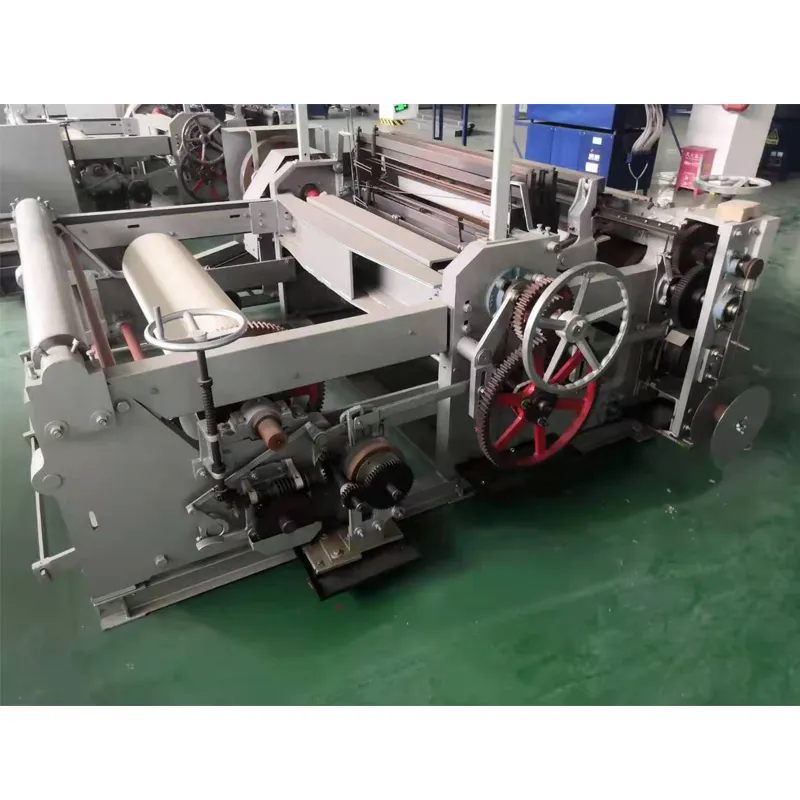



The Cost to Make Window Screens: Why It Matters Globally
Window screens might not be the flashiest part of a building or home, but they quietly deliver big benefits worldwide—think climate control, protection from insects, and enhanced comfort. Understanding the cost to make window screens is surprisingly important not just for manufacturers but also for governments, humanitarian organizations, and homeowners struggling with rising energy and maintenance bills. This topic touches on economics (affordability), sustainability, and even public health, especially in tropical and subtropical regions.
Global warming, urbanization, and increased insect-borne diseases highlight why optimizing the expense and materials behind window screens is more than a niche concern. Crafting cost-effective yet durable window screens is an essential part of smart infrastructure development in many parts of the world.
Window Screens and Their Global Context
Globally, estimates show that over 2 billion people in malaria and dengue-prone areas rely on window and door screens as a frontline defense against insects (source: WHO). Yet, the cost to make window screens fluctuates wildly due to raw material prices, labor intensity, and logistics – especially when scaled for mass housing projects or disaster relief shelters.
According to the World Bank, every dollar saved in construction materials at large scale can mean expanded reach for affordable housing projects. And that includes window screens. But what makes the cost so variable and sometimes hard to pin down? Well, raw materials range from aluminum mesh to fiberglass, costs hinge on local manufacturing setups, and even labor skills matter.
Mini Takeaway
Window screens are a deceptively simple product with a big impact, especially in developing and disaster-prone regions. Understanding their cost helps shape better construction decisions, whether for private homes or emergency shelters.
Defining the Cost to Make Window Screens
At its core, the cost to make window screens covers all expenses involved in producing a finished screen fitted and ready for installation. This includes raw materials (mesh, frame), manufacturing (cutting, assembly), labor, transportation, and sometimes installation charges. In modern contexts, this cost reflects not just the cash price but also how efficiently and sustainably the screen can be produced at scale.
This matters greatly in humanitarian sectors where lightweight, quick-to-assemble insect screens drastically improve living conditions. The right balance of cost vs. durability can make or break the scalability of relief deployments.
Key Factors Shaping Window Screen Costs
1. Material Selection
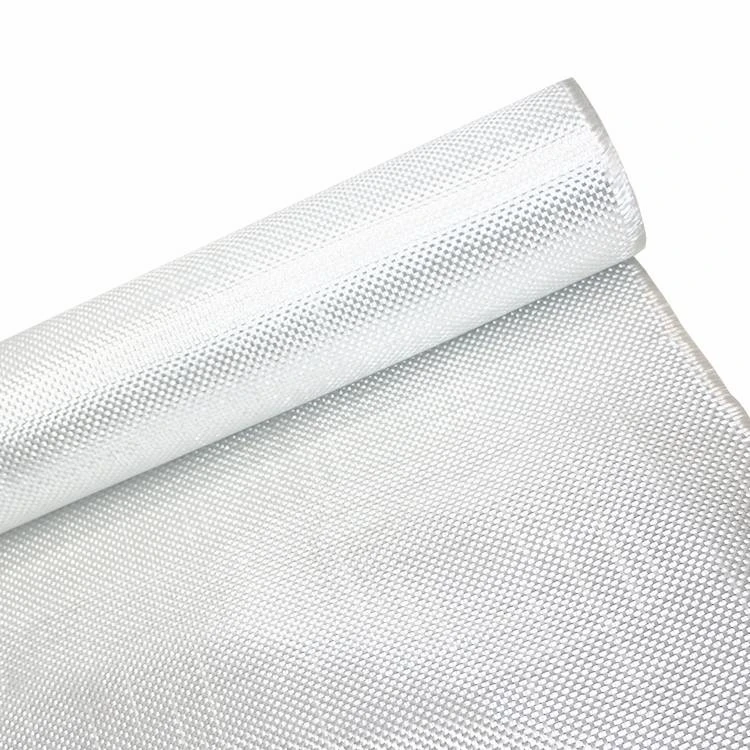
The type of mesh—fiberglass, aluminum, stainless steel, or even newer polymer blends—dictates a big chunk of costs. Fiberglass is cheap but less durable. Aluminum offers longevity but at a price premium. Hybrid composites are emerging, but their cost-effectiveness is still under study.
2. Manufacturing Processes
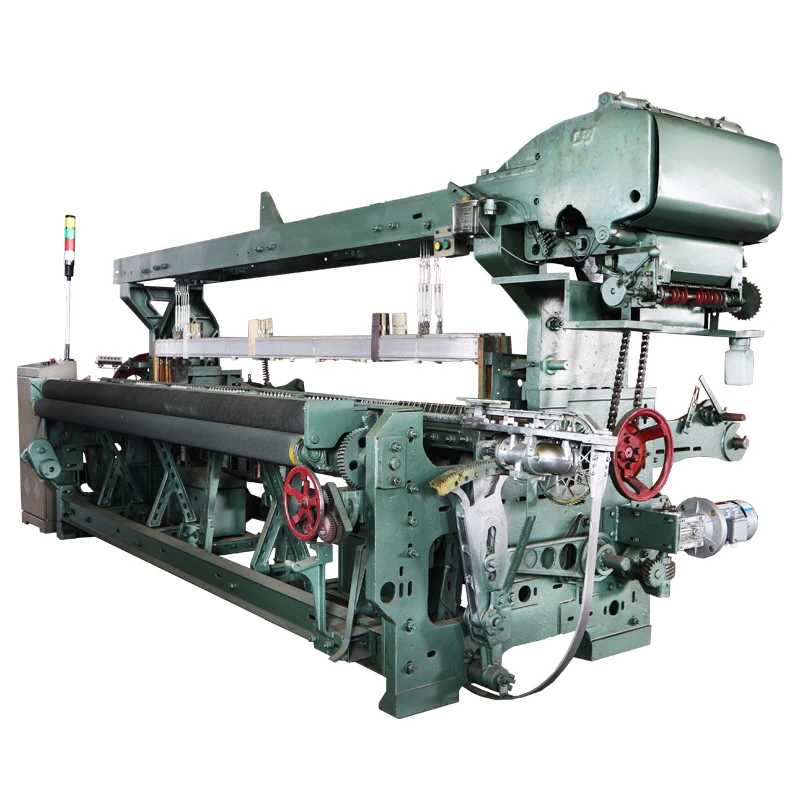
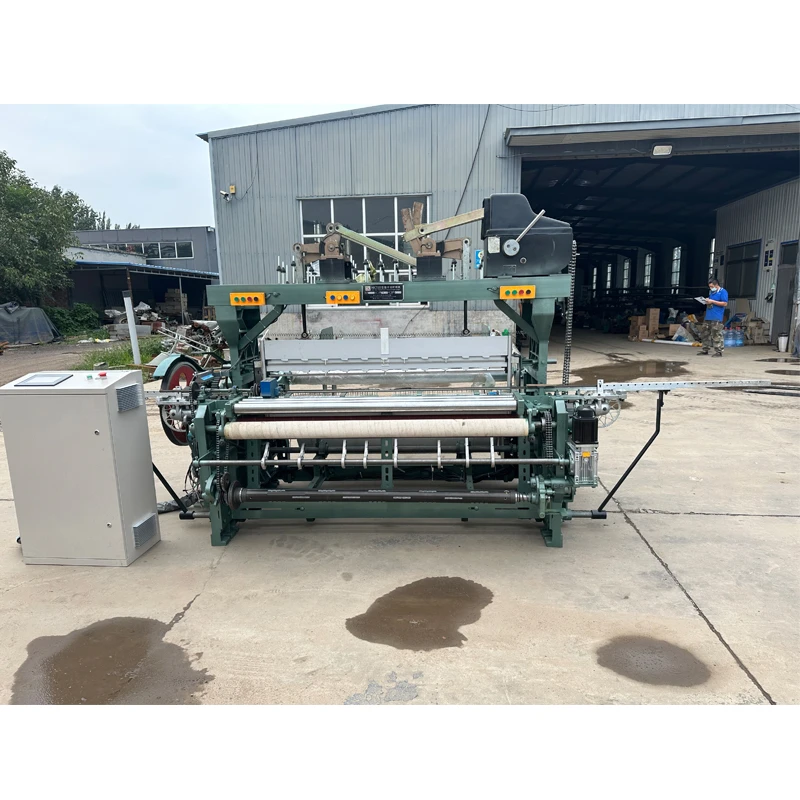
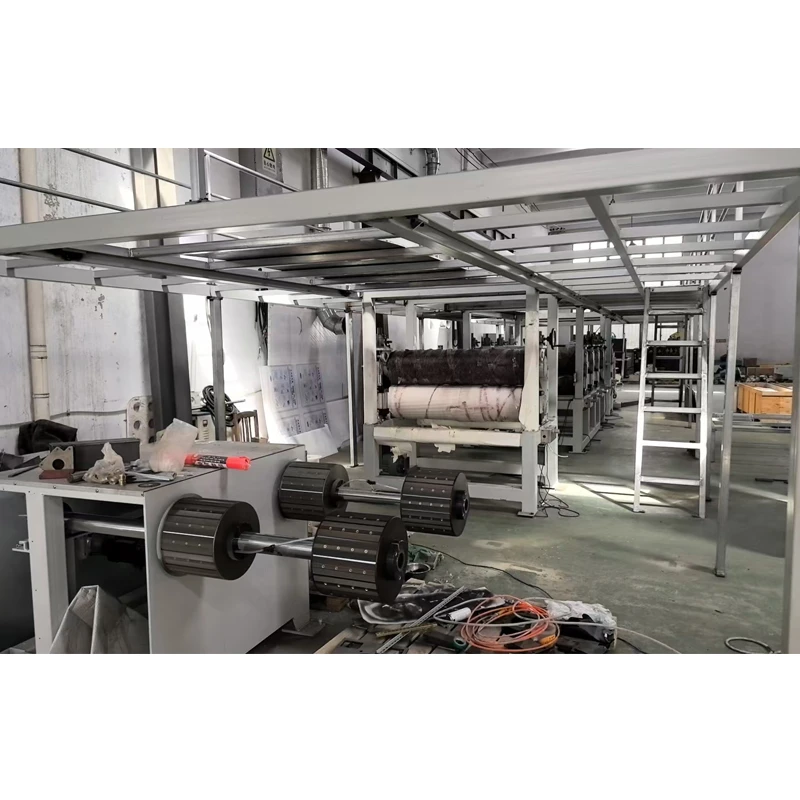
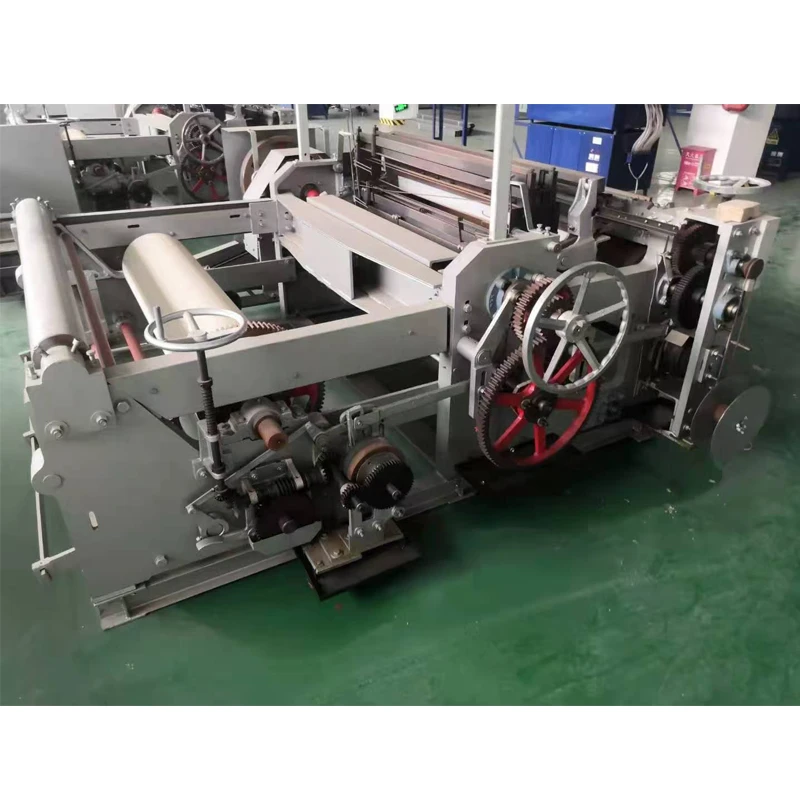
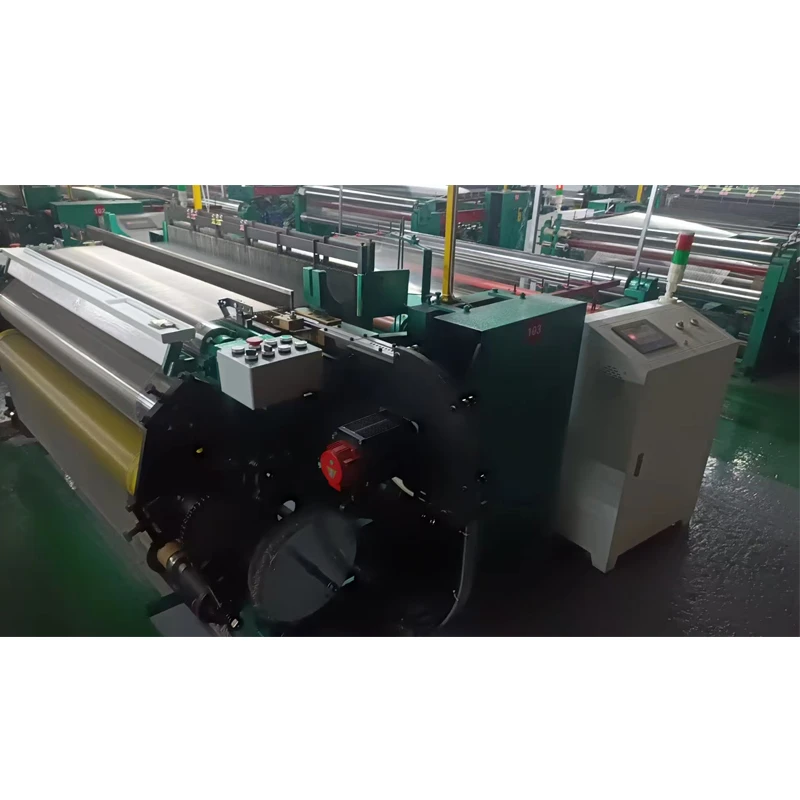
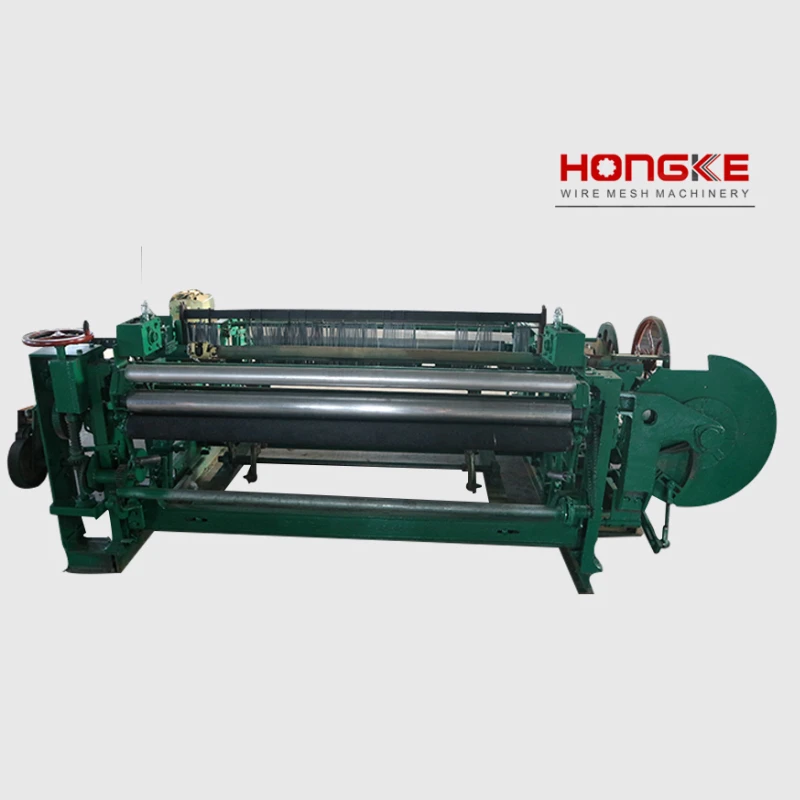
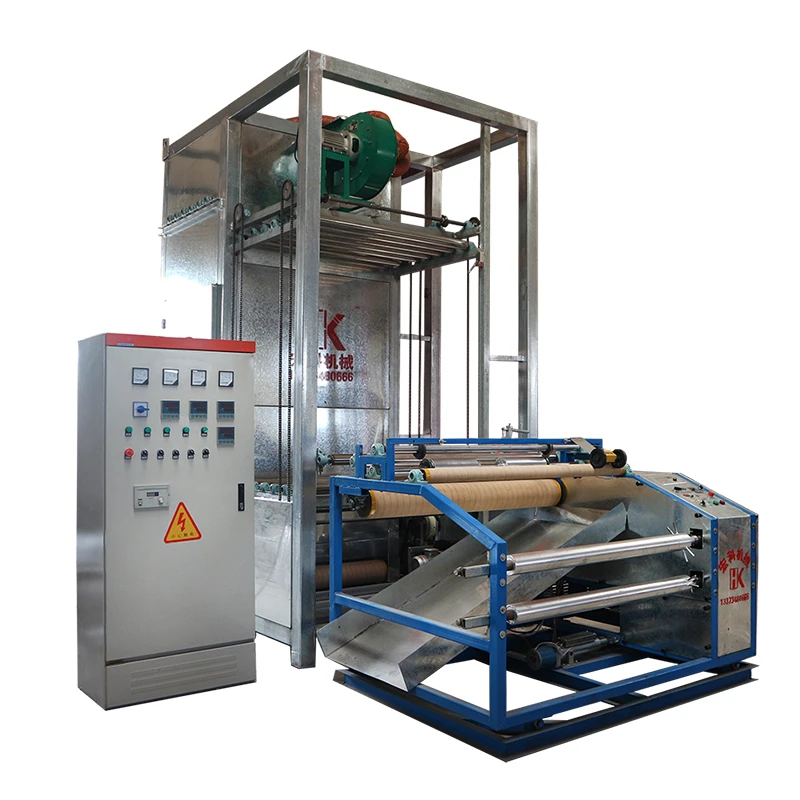
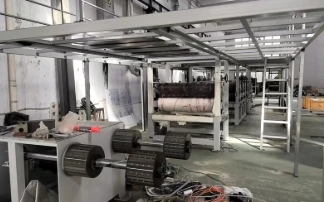
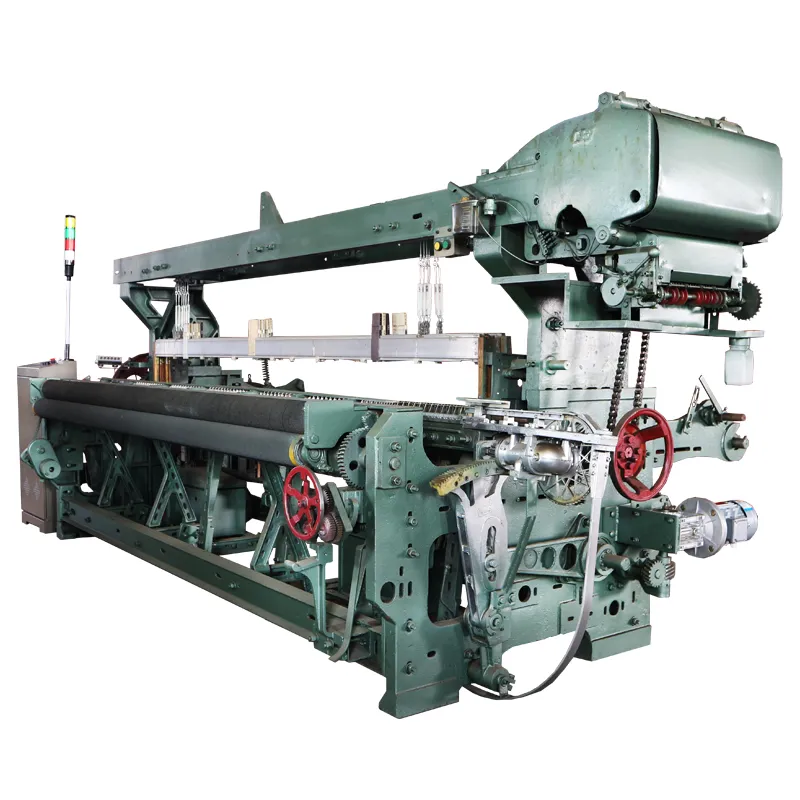
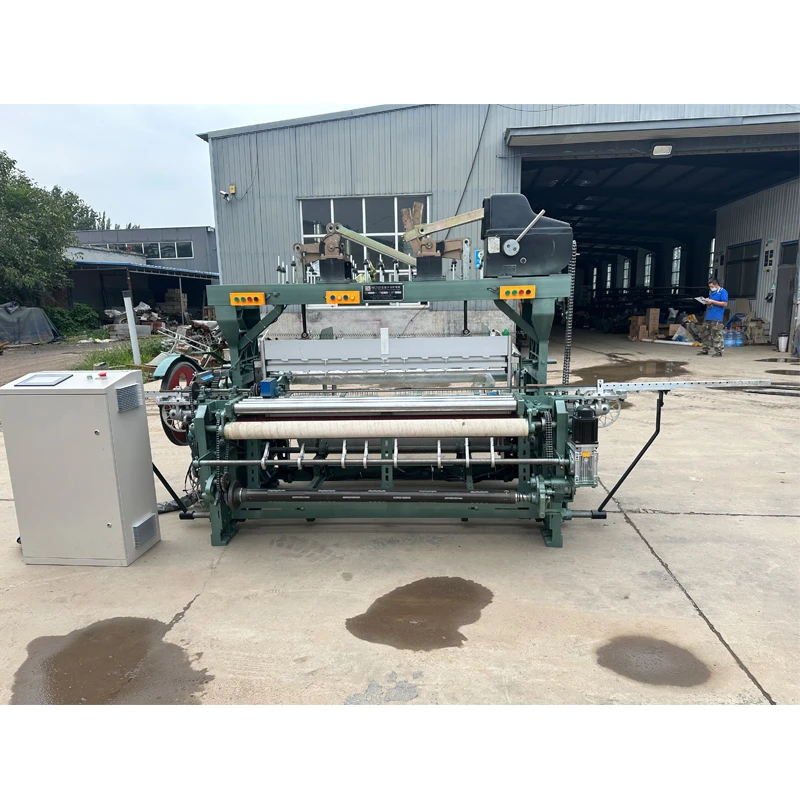
Automated fabrication lines reduce labor costs but require upfront investment. Manual assembly remains common in smaller factories or remote areas, adding to labor expenses.
3. Frame Design and Size
Frame materials like aluminum or PVC differ in price and durability. Larger or custom-sized screens obviously cost more due to material volume and complexity.
4. Labor and Location
Labor costs vary globally—manufacturing window screens in Southeast Asia or Eastern Europe will generally be cheaper than in North America or Western Europe. Shipping and import taxes further complicate the calculation.
5. Quality and Durability Standards
Higher quality screens that meet ISO or ASTM standards may increase initial cost but reduce repair and replacement expenses over time.
6. Volume and Scalability
Large volume orders can bring prices down due to economies of scale; conversely, small-run or bespoke screens have higher unit costs.
Mini Takeaway
Many variables—from materials and manufacturing to labor and quality—interact to set the cost to make window screens. Every choice impacts not just expenses but also the product's lifespan and suitability for use.
Where Window Screen Costs Make a Real Difference Globally
In tropical and subtropical areas, the windows and doors of homes and clinics need insect screens to protect against disease-spreading mosquitoes. Organizations like UNICEF and the Red Cross prioritize affordable but sturdy window screens in refugee camps and emergency shelters.
Industrial facilities in remote zones depend on window screens to reduce pest infiltration without costly air conditioning use. In wealthier markets, customized screens enhance home comfort and save energy—a boon for sustainability-conscious homeowners.
In post-disaster scenarios, rapid deployment of window screens is vital to prevent secondary public health crises caused by insects. Here, cost-efficient production directly influences how many settlements can be protected quickly.
Advantages and Long-Term Value Beyond Price
- Cost Savings: Well-chosen materials and smart manufacturing keep upfront and lifetime expenses low.
- Sustainability: Durable screens reduce waste from replacements.
- Health and Safety: Proper screens reduce vector-borne diseases, supporting public health.
- Comfort & Security: They improve indoor air quality and provide a psychological sense of safety.
It feels like the best window screen isn’t always the cheapest upfront, but the one that outlasts weather’s wear and tear, putting more money back in your pocket over time.
Product Specification Table: Typical Window Screen Features
| Specification | Details/Range |
|---|---|
| Mesh Material | Fiberglass, Aluminum, Stainless Steel, Polymer Composite |
| Frame Material | Aluminum, PVC, Wood (custom) |
| Typical Mesh Size | 18 x 16 to 20 x 20 strands per inch |
| Frame Profile | 0.5 - 1.5 inches thickness |
| Typical Cost Range Per Unit | $5 - $25 (depending on specs and volume) |
| Production Lead Time | 1-4 weeks (bulk orders) |
Comparing Vendors: Price and Key Features Overview
| Vendor | Average Cost per Screen | Material Options | Production Location | Lead Time |
|---|---|---|---|---|
| AlphaScreen Ltd. | $7 - $12 | Fiberglass, Aluminum | Vietnam | 2 weeks |
| Global Mesh Corp. | $15 - $25 | Stainless Steel, Polymer Composite | Germany | 3 - 4 weeks |
| EcoScreens International | $9 - $18 | Aluminum, PVC | Mexico | 1 - 2 weeks |
Emerging Trends That Are Changing the Cost Landscape
New materials like recycled plastics are gaining traction, promising lower environmental impact and reducing dependence on metal price fluctuations. Meanwhile, automation in fabrication facilities is trimming production times and labor costs. And oddly enough, digital design tools let manufacturers optimize panel sizes to minimize waste — something many may overlook when chasing the cheapest bulk material.
I've also noticed a slow but steady demand for smart screens—ones that integrate sensors or shading technology—adding a new dimension that affects cost but could increase value long term.
Biggest Challenges and Practical Solutions
One pervasive issue is balancing cost with durability. Cheaper screens may not withstand weather or pests, leading to frequent replacement—ultimately negating any initial savings. Another problem is supply chain disruptions for key materials, especially metals, which have been volatile lately.
Some progressive companies tackle this by locally sourcing materials and training regional workforces instead of relying entirely on imports. This boosts local economies and cuts delivery times.
Frequently Asked Questions About Cost to Make Window Screens
- What factors most influence the cost of window screen production?
- Material choice, whether fiberglass or aluminum, labor costs, manufacturing methods (manual vs. automated), and order volume are the biggest influencers.
- Are cheaper window screens worth buying for long-term use?
- Not usually. Low upfront cost screens often wear out quickly, leading to costly replacements and potential health risks if insects enter frequently.
- How quickly can bulk window screen orders be produced?
- Lead times typically range from 1 to 4 weeks depending on vendor capability and order complexity.
- Can window screens be customized for irregular window sizes?
- Yes, many manufacturers offer custom cutting and framing services, though this raises unit production costs.
- Is it better to buy window screens locally or import them?
- Local purchases reduce shipping fees and support local business, but imported screens can sometimes offer better quality or specialty materials.
Conclusion: Why Understanding Window Screen Costs Pays Off
Window screens may feel like a small piece in the larger construction puzzle, but the cost to make window screens ripples through budgets, sustainability goals, and health outcomes. By carefully choosing materials, manufacturing methods, and vendors, you can maximize value–getting screens that last, protect, and keep expenses reasonable over time.
Interested in how you can optimize or scale window screen production? Feel free to visit our website for comprehensive resources and product options: https://www.aphkmachinery.com